How to Allocate Shelf Space Between Private-Label and Licensed Kids’ Optical Frames?
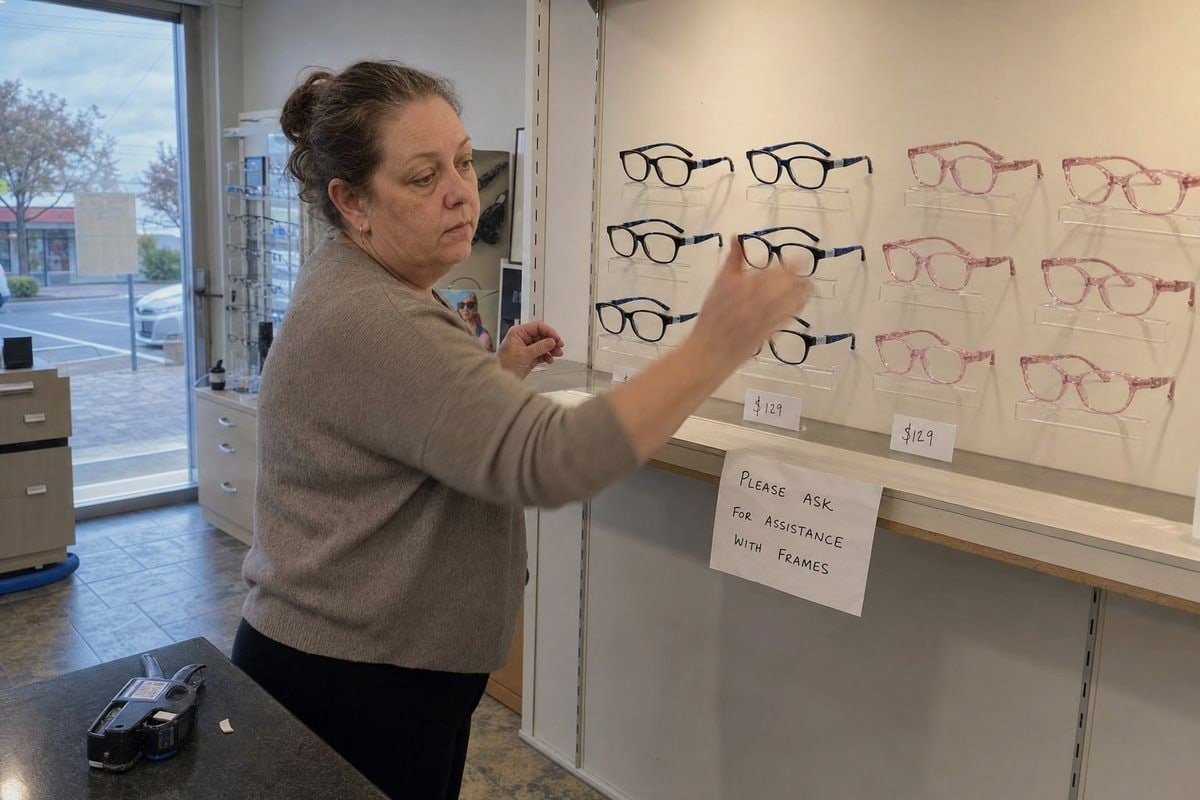
Shelf space allocation between private-label and licensed kids’ optical frames is a question our factory in Taizhou hears constantly from optical retailers and brand buyers across twenty-plus countries.
Allocate roughly 40–60% of shelf space to private-label kids’ frames for margin and exclusivity, and reserve the rest for licensed brands that drive traffic and trust. Then rebalance quarterly using sell-through, gross margin per facing, and inventory turnover rate data.
That baseline is only a starting point. Below, I will break down how to refine it for your store, your customers, and your supply chain.
How much shelf space should I dedicate to private-label frames versus licensed character brands?
A buyer from Australia once told me her kids' board was 80% licensed characters, yet her profit margins kept shrinking. That conversation shaped how we advise clients on frame board management.
Start with a balanced baseline: 40–60% private-label frames and 40–60% licensed brands. Treat licensed frames as traffic anchors and private label as your profit engine, then shift the mix based on measured sell-through, consumer demographics, and margin per facing rather than habit.
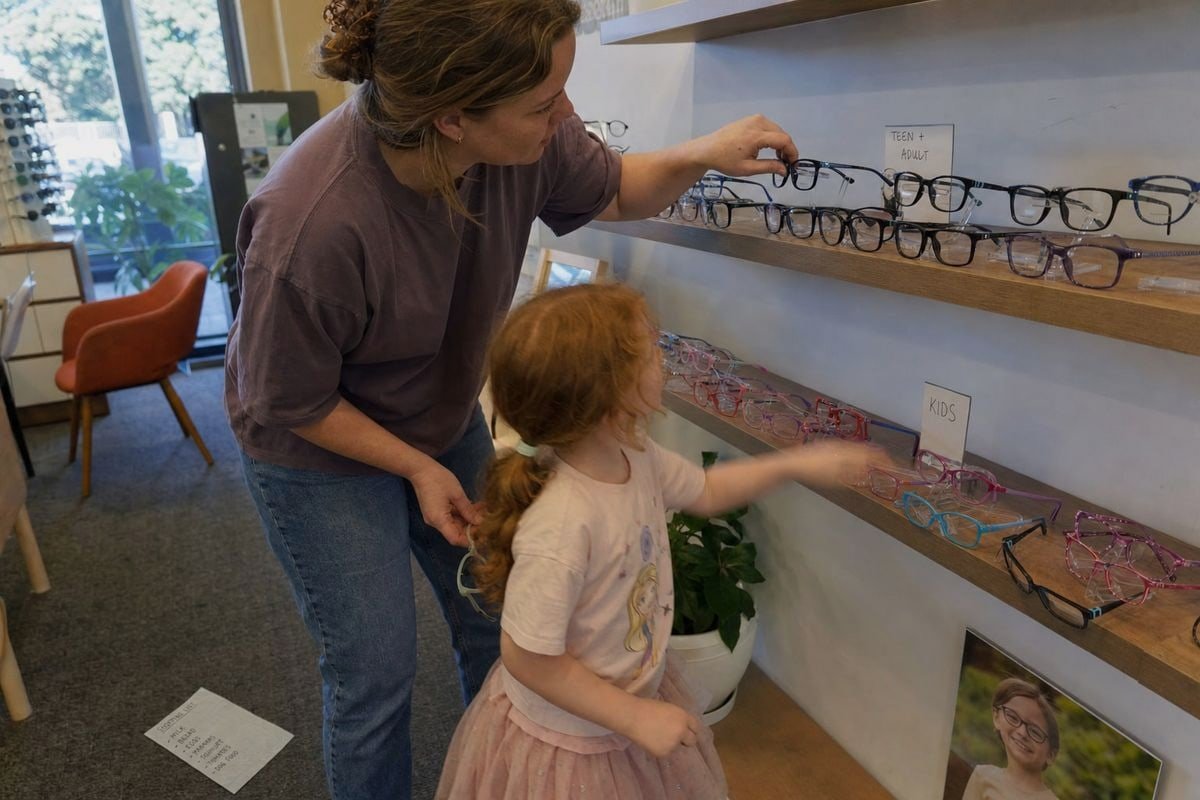
The board is a portfolio, not a popularity contest. That is the single most useful mindset shift I share with retail buyers. Licensed frames sell the story; private label protects the margin. Neither should be judged alone.
Why a simple margin rule fails
Some consultants say the higher-margin product should always win the shelf. I disagree. Kids' optical is a hybrid of fashion, function, and parent decision-making. Licensed character frames reduce choice anxiety. A child recognizes the brand instantly, and the parent trusts it. That brand recognition 1 converts hesitant shoppers. If you strip those frames out to chase margin, total category sales can drop, and your private-label frames lose the traffic they depend on.
At the same time, licensed programs carry royalty fees 2, often 15–25% of wholesale value. Those fees come out of your pocket. House brands avoid them entirely.
A practical allocation framework
Here is the role-based split I recommend to clients building or refreshing a kids' board:
| Segment | Shelf Share | الدور | Placement |
|---|---|---|---|
| Licensed hero frames | 30–40% | Traffic, trust, conversion | Child eye level (~3 ft) |
| Private-label core styles | 40–50% | Margin, exclusivity | Parent eye level (~5 ft) |
| Private-label premium/wellness | 10–15% | Differentiation, upsell | Prime end positions |
| Seasonal or test styles | 5–10% | Learning, rotation | Secondary board |
The dual-height strategy matters more than most retailers realize. Place licensed frames where children can see and touch them. Place high-margin house brands at the parent's sight line, because the parent makes the rational approval decision. This turns your point-of-purchase displays into a two-audience sales tool.
One more rule: never fragment the board into tiny collections. Each block needs enough facings to feel intentional. Six or eight frames per collection reads as a real assortment. Two frames reads as leftovers.
What sales data should I analyze before rebalancing my kids' optical frame assortment?
During a factory visit last year, a European distributor showed me his sales dashboard, and we spent an afternoon mapping which numbers actually predicted reorders. Most retailers track far fewer metrics than they should.
Analyze sales per facing, gross margin per board slot, inventory turnover rate, sell-through by age group, average selling price, and stock aging before rebalancing. Review these metrics quarterly, and shift shelf space toward segments that prove both velocity and profitability, not just familiarity.
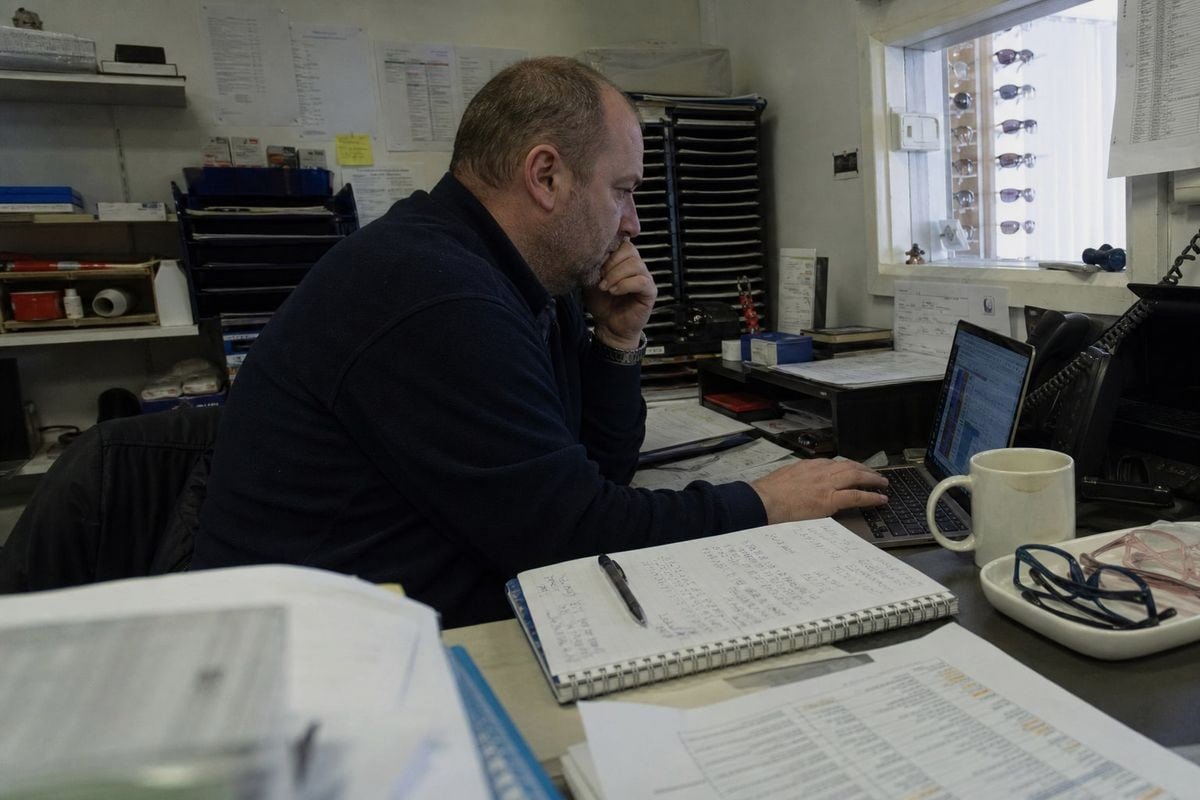
Data should drive the board, not vendor pressure or historical habit. In our experience supplying optical companies, the retailers who rebalance on evidence outperform those who rebalance on instinct. Here are the metrics that matter most, in order of decision weight.
The six metrics that decide shelf space
| مقياس | What It Tells You | Healthy Signal for Kids' Frames |
|---|---|---|
| Sales per facing | Productivity of each shelf slot | Consistent units moved per slot monthly |
| Gross margin per slot | Real economic yield of the space | Private label typically outperforms here |
| Inventory turnover rate | Speed of capital recovery | 2–4 turns per year for kids' optical |
| Sell-through by age group | Demand by toddler, child, pre-teen | Balanced coverage across size brackets |
| Average selling price 3 | Ticket strength by segment | Licensed lifts ASP; house brands lift net |
| Stock aging | Dead inventory risk | Minimal frames older than two seasons |
How to read the numbers together
No single metric should trigger a change. Look for patterns. A licensed line with a high average selling price but poor turnover is tying up cash. Shrink its facings and keep it as a curated showcase. A private-label style with strong sell-through and high margin per slot has earned expansion, especially into prime positions.
Pediatric dispensing 4 adds one more layer: remakes and adjustments. Kids break frames. If one segment generates frequent warranty returns, its true margin is lower than the invoice suggests. Track return rates by line. We build flexible TPEE temples into our frames partly for this reason; durability protects the retailer's real margin, not just the child's face.
Also segment your data by vision plan mix. Under fixed insurance reimbursements, net profit per pair often favors house brands. Match your merchandising mix to your actual patient demographics, not a generic industry average.
How do I choose the right private-label styles to compete with licensed frame popularity?
Choosing styles is where I see buyers hesitate most. When we developed our two-tone TR90 5 frames with flexible TPEE temples, we studied exactly what makes a child pick up a frame without a character on it.
Choose private-label styles that win on comfort, color, and durability: flexible TR90 or TPEE construction, playful two-tone colorways, secure slip-resistant fits, and age-segmented sizing. Compete on the wearing experience and parent trust, not on imitating licensed character graphics.
You cannot out-character a character brand. But you can out-comfort it, out-color it, and out-last it. Parents approve the purchase; children must accept the frame and actually wear it. Your house brands need to satisfy both audiences.
What makes a private-label kids' frame competitive
From our 15 years making children's eyewear, four attributes consistently drive sell-through for non-licensed styles:
- Flexibility and safety. Frames in TR90 with soft TPEE temples bend without snapping. Parents notice this in-hand within seconds, and it closes sales. Rounded, non-angular shapes signal safety at a glance.
- Fit features that solve real problems. Silicone hinge connectors, adjustable ear hooks, and textured temple tips keep glasses on active kids. A frame that stays put during recess is a frame parents rebuy.
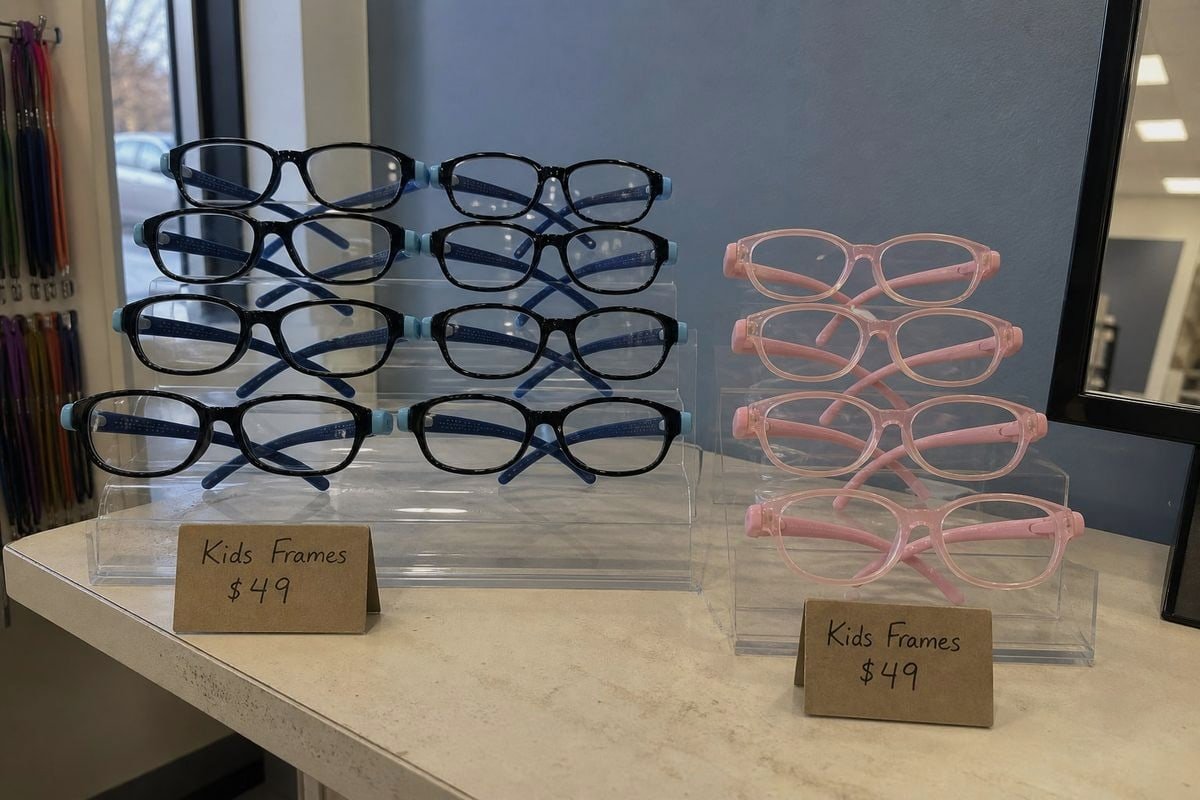
- Color stories, not logos. A glossy black frame with navy-blue rubber temples reads sporty and modern. A translucent blush-pink acetate frame with matte pastel temple tips reads soft and fashion-forward. Both appeal emotionally without paying a royalty.
- Age-segmented sizing. Organize the board by toddler, child, and pre-teen brackets, with private-label and licensed options inside every bracket. This prevents the licensed section from monopolizing an entire age group.
Style selection by shopper profile
| Shopper Profile | Winning Private-Label Direction |
|---|---|
| Active, sporty kids | Durable dark frames, rubberized two-tone temples, secure hooks |
| Fashion-conscious families | Translucent pastels, subtle etched details, elevated finishes |
| Wellness-focused parents | Eco-friendly, hypoallergenic, lightweight materials |
| Value-driven households | Clean classic shapes at accessible price points |
There is also a defensive angle. Exclusive house-brand designs cannot be price-shopped online, which protects you from showrooming 6. And for growing children who need frequent replacements, private label makes size-upgrade programs financially viable in a way royalty-loaded licensed lines rarely can.
Can working with a flexible OEM manufacturer help me expand my private-label shelf presence faster?
The trade-off I weigh with every new client is speed versus customization. A brand wants its own look tomorrow, but tooling a new frame from scratch takes months and serious mold investment.
Yes. A flexible OEM/ODM partner lets you launch private-label kids' frames from existing tooling in weeks instead of months, avoiding mold costs. You can customize colors, logos, lenses, and packaging, test small runs, and scale winning styles as shelf space grows.
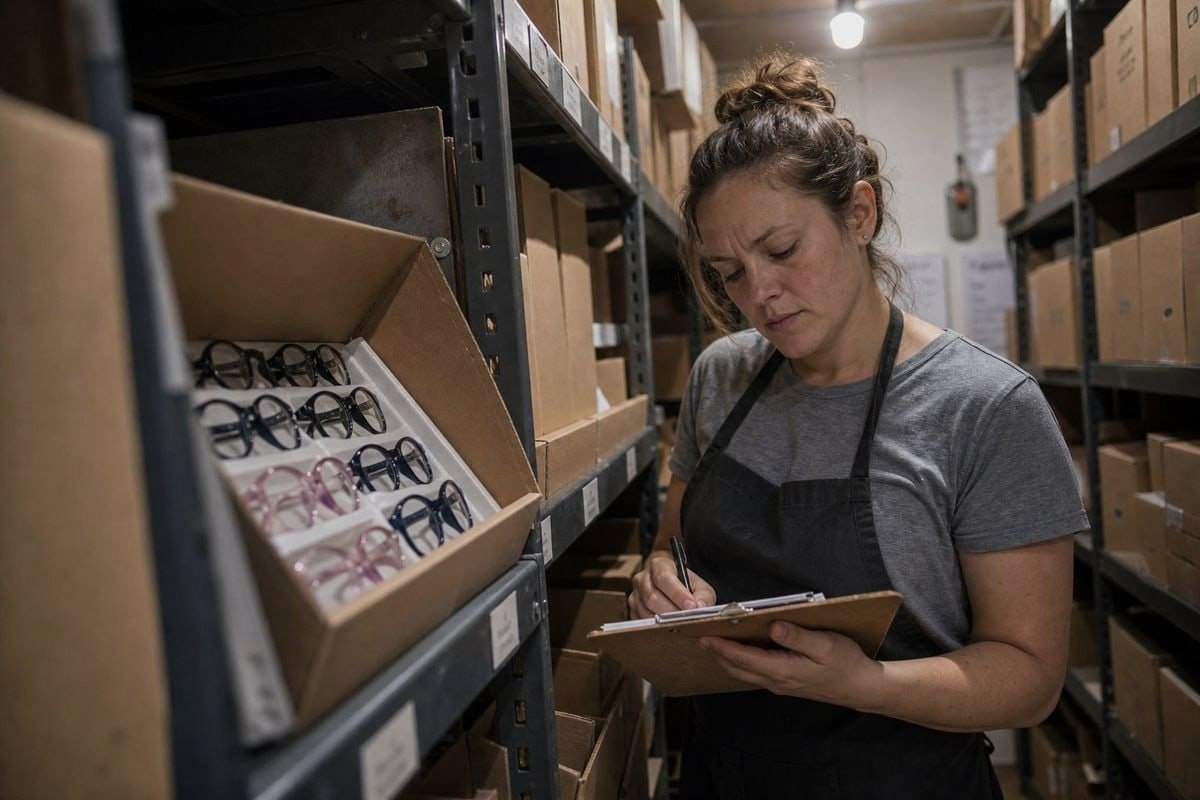
Our production line in Taizhou runs about 800 existing kids' eyewear styles. That catalog exists precisely for this scenario: a retailer or brand wants to expand its house-brand presence quickly, without betting heavily on unproven designs. You pick proven silhouettes, apply your own colors and branding, and test the market with lower risk.
The fast path from decision to shelf
Here is how the process typically works when a buyer wants to grow private-label facings:
- Select base styles from existing molds. No tooling cost, no tooling delay. You choose shapes already validated for children's face sizes and pediatric dispensing needs.
- Customize the identity. Custom colorways, temple logos, lens options such as blue-light or standard demo lenses, and branded cases and packaging. The frame becomes yours on the shelf.
- Order a test quantity. Small initial runs let you trial two or three collections on a secondary board section before committing prime space.
- Read the data, then scale. After one or two quarters, your sell-through and turnover numbers tell you which styles deserve more facings. Reorder winners; retire the rest.
Quality control is the part buyers should not compromise on. Kids' frames face abuse that adult frames never see, so consistent material quality 7 and hinge durability matter for your return rates and your reputation. Our 5S-managed workshop and roughly 120-person team exist to keep batch-to-batch consistency tight, because a private label lives or dies on repeat purchases.
Retail-ready presentation matters too. Branded packaging, cases, and accessories elevate perceived value at the point of purchase, letting your house brand hold its own on the board next to famous licensed logos.
الخلاصة
Treat your kids' frame board as a portfolio: licensed brands earn traffic, house brands earn margin. Measure quarterly, rebalance on evidence, and let a flexible OEM partner accelerate your private-label growth.
ملاحظات ختامية
1. Background concept on how brand recognition influences consumer purchase decisions. ↩︎
2. Explains how licensing royalty structures work, supporting the cost comparison discussed. ↩︎
3. Statista provides retail market data on pricing metrics like average selling price trends. ↩︎
4. CDC vision health resources support context on pediatric eyewear dispensing considerations. ↩︎
5. Alibaba is a primary sourcing platform where TR90 eyewear frame materials are commonly traded. ↩︎
6. Defines the retail phenomenon of showrooming referenced as a risk for licensed frames. ↩︎
7. ISO sets international standards for manufacturing material quality relevant to eyewear production. ↩︎
مقالات أخرى قد تعجبك
أغسطس 5, 2026
Bio-Based vs Regular Cellulose Acetate: What's the Difference for Kids' Frames?

أغسطس 5, 2026
How Recyclable Are Kids' Optical Frame Materials, and What Eco-Friendly Alternatives Exist?
أغسطس 5, 2026
Do Kids Optical Frames Whiten or Age in Storage, and How to Control Warehouse Conditions?
هل تبحث عن شريك موثوق به للنظارات للأطفال؟
استكشف أكثر من 800 نمط جاهز ودعم OEM/ODM كامل مصمم خصيصًا لعلامتك التجارية.
اتصل بنا English
  Español de México
  Deutsch
  Français
  日本語
日本語  العربية
  Português do Brasil