ما الذي يجب أن تغطيه أسئلة وأجوبة نظارات الأطفال الشمسية حول سلامة العدسات والمواد غير السامة؟
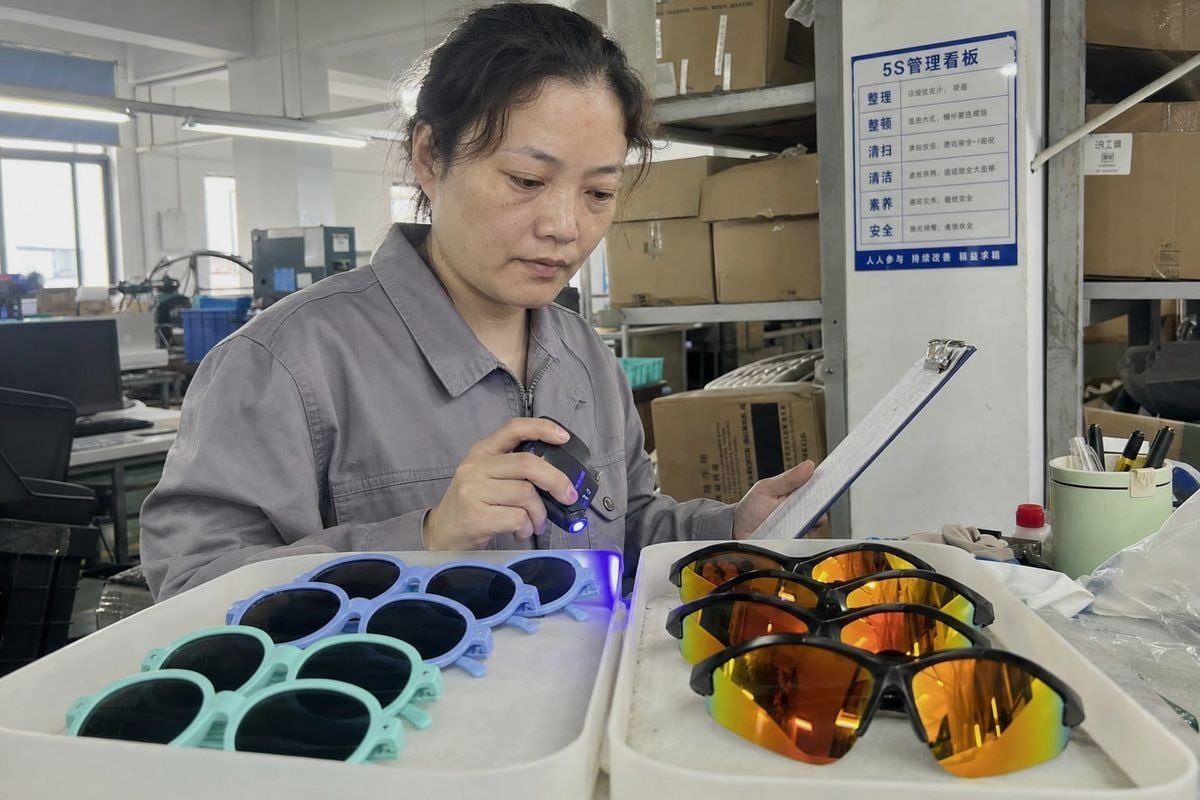
كل أسبوع، يسأل المشترون مصنعنا في تايتشو نفس السؤال المقلق: أسئلة وأجوبة نظارات الأطفال الشمسية حول سلامة العدسات والمواد غير السامة تبدو بسيطة، حتى يتم إصدار إشعار سحب.
يجب أن تغطي أسئلة وأجوبة نظارات الأطفال الشمسية حماية UV400 التي تم التحقق منها بواسطة تقارير الاختبار، وخيارات العدسات المقاومة للصدمات المصنوعة من البولي كربونات أو المقاومة للكسر، وشهادات الإطارات غير السامة مثل الامتثال لـ CPSIA و REACH، ومواد ملامسة الجلد الآمنة مثل TPEE و TR90، وأسئلة مراقبة الجودة على مستوى الدفعة للشركة المصنعة.
أدناه، أقوم بتقسيم كل من هذه المجالات إلى أسئلة عملية أخذ عينات AQL 1. يمكنك استخدامها مباشرة في محادثتك التالية مع المورد أو [قائمة التحقق من المصادر](https://okayeyewear.com/how-specify-frame-lens-safety-requirements-kids-sunglasses-suppliers/).
كيف يمكنني التحقق من أن العدسات تلبي معايير السلامة UV400 قبل تقديم طلب؟
أرسل لنا مشترٍ من أستراليا عينة من منافس البيسفينول أ 2. كانت العدسات سوداء تقريبًا، ومع ذلك فشلت في اختبار نقل الأشعة فوق البنفسجية بشكل سيء. الظلام لم يخبرنا شيئًا عن الحماية.
تحقق من ادعاءات UV400 عن طريق طلب تقرير اختبار مقياس الطيف الضوئي يوضح النفاذية أقل من 400 نانومتر، مما يؤكد الامتثال لمعيار معترف به مثل EN ISO 12312-1، أو معايير ANSI Z80.3، أو AS/NZS 1067.1:2016، واختبار عينات عشوائية قبل الشحن من خلال مختبر طرف ثالث.
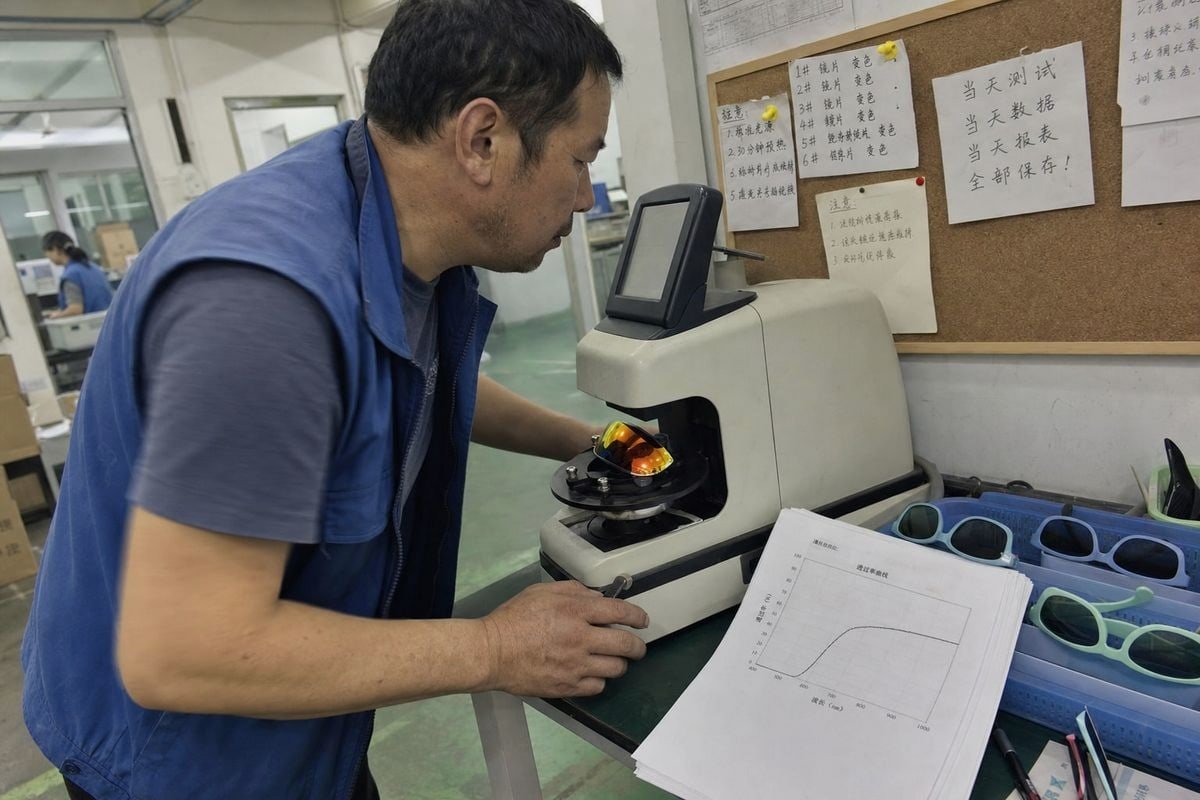
الحماية من الأشعة فوق البنفسجية غير مرئية. هذه هي المشكلة الأساسية. لا يستطيع الوالد رؤيتها، وبصراحة، لا يستطيع المشتري الذي يحمل عينة رؤيتها أيضًا. لذلك يجب أن تستند المصادقة إلى المستندات والأدوات، وليس على مدى قتامة اللون. في مختبرنا، نقوم بتمرير العدسات عبر مقياس طيفي يقيس كمية الضوء التي تمر عبر كل طول موجي. العدسة الحقيقية UV400 تحجب الضوء حتى 400 نانومتر الأشعة فوق البنفسجية 3, ، والتي تغطي كلاً من UVA و UVB.
لماذا اللون ليس هو نفسه الحماية
اللون يتحكم في الضوء المرئي والوهج. تأتي الحماية من الأشعة فوق البنفسجية من مادة العدسة وإضافاتها الماصة للأشعة فوق البنفسجية. عدسة داكنة رخيصة بدون ممتصات هي أسوأ من عدم ارتداء نظارات شمسية، لأن اللون الداكن يجعل بؤبؤ عين الطفل يتوسع، مما يسمح لمزيد من الأشعة فوق البنفسجية غير المفلترة بالوصول إلى الشبكية. هذا هو السبب في أن مرشحات الشمس من الفئة 3، وهو مستوى الظلام الشائع للاستخدام الخارجي الساطع، يجب أن تقترن دائمًا بقطع UV تم التحقق منه.
ثلاث خطوات للتحقق أوصي بها للمشترين
- اطلب المعيار، وليس الشعار. "UV 100%" هو تسويق. EN ISO 12312-1 4, ، ANSI Z80.3، أو AS/NZS 1067.1:2016 هي معايير قابلة للاختبار مرتبطة بسوقك.
- اطلب تقرير الاختبار الفعلي. يجب أن يذكر اسم المختبر والمعيار ودفعة العدسة ويظهر منحنيات النقل.
- تحقق من الإنتاج بشكل عشوائي. اسحب أزواجًا عشوائية من دفعة الشحن وأرسلها للاختبار المستقل. نشجع هذا؛ المصنع الموثوق به لن يقاومه أبدًا.
| العلامة أو الادعاء | ما يخبرك به فعليًا | هل يجب أن تثق به وحده؟ |
|---|---|---|
| "UV400" مطبوع على العدسة | ادعاء تسويقي بالحجب حتى 400 نانومتر | لا - اطلب التقرير |
| علامة CE / UKCA | الامتثال المعلن لـ EN ISO 12312-1 | جزئيًا - تحقق من ملف الإعلان |
| علامة الفئة 3 | مستوى لون الضوء المرئي، وليس حجب الأشعة فوق البنفسجية | لا - اللون لا يساوي الحماية من الأشعة فوق البنفسجية |
| تقرير نقل من طرف ثالث | أداء الأشعة فوق البنفسجية المقاس على تلك الدفعة | نعم - هذه هي الإشارة الحقيقية |
هناك فارق بسيط آخر يثيره المشترون: هل العدسات المستقطبة أكثر أمانًا؟ يقلل الاستقطاب من الوهج على الماء والطرق، وهو أمر مريح. لكنه ليس بديلاً للسلامة عن حماية UV400. نحن نقدم خيارات مستقطبة وغير مستقطبة عبر حوالي 800 نمط موجود لدينا، ونقول لكل عميل نفس الشيء: احصل على تقرير الأشعة فوق البنفسجية أولاً، ثم اختر الاستقطاب كميزة.
ما هي الشهادات التي يجب أن أطلبها للتأكد من أن المواد غير سامة للأطفال؟
تختلف عادات التوثيق بشكل كبير بين الأسواق، وبعد خمسة عشر عامًا من تصدير نظارات الأطفال الشمسية إلى أكثر من 20 دولة، يحتفظ فريق المبيعات لدينا بخريطة شهادات لكل منطقة على الحائط.
اطلب اختبار الامتثال لمعايير CPSIA للرصاص والفثالات في الولايات المتحدة، وتقارير REACH SVHC لأوروبا، ووثائق على مستوى المواد تثبت أن الإطارات خالية من BPA والفثالات. اطلب شهادة منتج للأطفال مدعومة بنتائج مختبر طرف ثالث مقبول من CPSC لكل دفعة إنتاج.
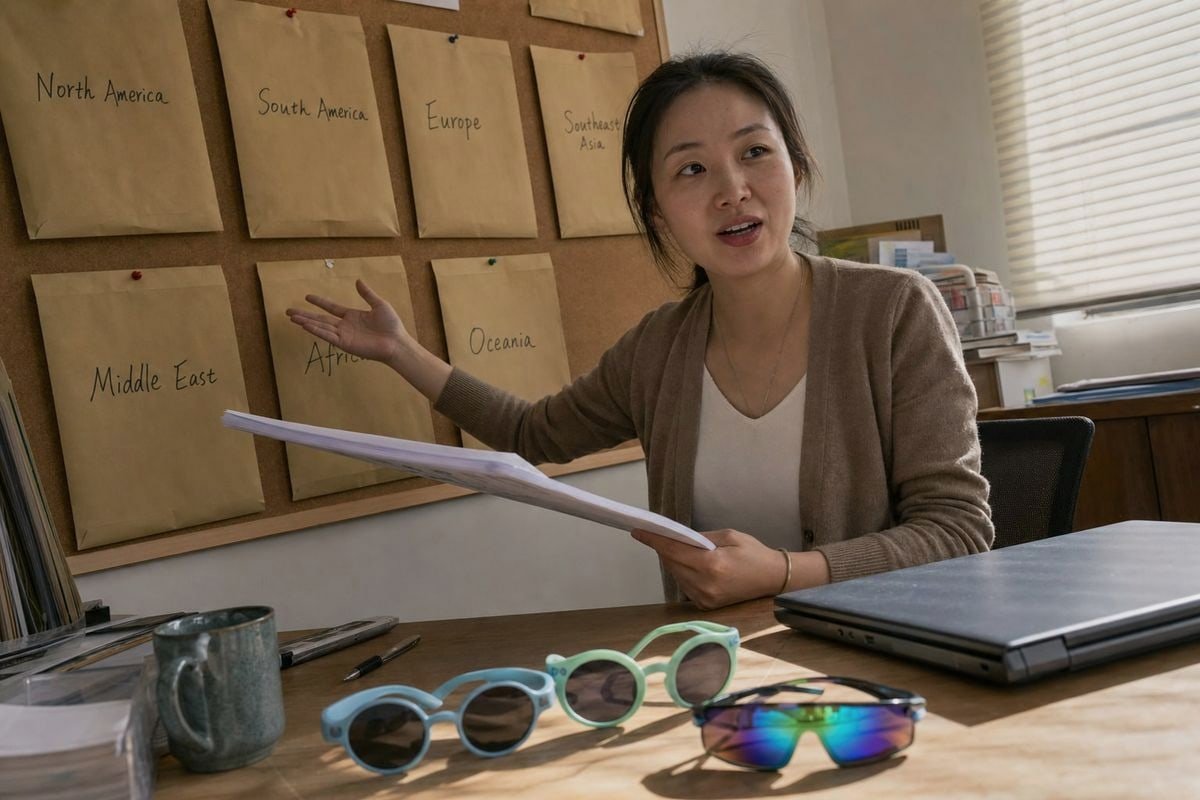
نظارات الأطفال الشمسية تقع في فئة تنظيمية خاصة. يتم ارتداؤها على الوجه لساعات، والأطفال الصغار يمضغونها. هذا يعني أن قواعد السلامة الكيميائية لمنتجات الأطفال تنطبق، وليس فقط معايير البصريات العامة للنظارات الشمسية. الشهادات التي تحتاجها تعتمد على المكان الذي تبيع فيه، لذا دعني أوضحها بالطريقة التي أفعلها لعملاء العلامات التجارية الجديدة.
الشهادات الكيميائية الأساسية حسب السوق
| السوق | المتطلب الرئيسي | ما يثبته المستند |
|---|---|---|
| الولايات المتحدة | الامتثال لـ CPSIA 5 (CPC + third-party lab test) | Lead below limits, phthalate-free materials in accessible parts |
| الاتحاد الأوروبي | REACH SVHC 6 screening + EN ISO 12312-1 conformity | No restricted substances above thresholds; optical safety |
| أستراليا / نيوزيلندا | AS/NZS 1067.1:2016 + chemical safety expectations | Sunglass performance category and lens safety |
| Japan | Buyer-specified chemical testing, often phthalate and heavy metals | Skin-contact and mouthing safety |
Watch out for vague safety language
Here is a buyer objection I hear often: "The supplier says the frames are non-toxic, isn't that enough?" No. "Non-toxic," "eco-friendly," and even "BPA-free frames" are useful claims, but they only mean something when a lab report sits behind them. On our production line, raw TPEE and TR90 pellets arrive with material safety data, and we can trace which resin lot went into which frame batch. That traceability is what turns a marketing phrase into a defensible compliance file.
Also ask whether accessories were tested. Straps, cases, and nose pads touch skin too. Some baby styles use food-grade silicone contact points, and those should appear in the same test scope, not be quietly excluded. A complete children's product test covers every accessible component, because a regulator or retailer auditor will not accept a report that only covers the lens.
كيف يمكنني التحقق مما إذا كانت مواد الإطار مثل TPEE و TR90 آمنة للبشرة الشابة؟
There is a trade-off we weigh on every new kids' style: the frame must be flexible enough to survive twisting, yet firm enough to hold shatterproof lenses securely. Material choice decides both.
تحقق من سلامة TPEE و TR90 عن طريق طلب تقارير اختبار ملامسة الجلد والمعادن الثقيلة، والتأكد من أن درجة الراتنج خالية من BPA والفثالات، وإجراء اختبار مرونة الالتواء والانحناء على العينات، والتحقق من أن الإطارات تجتاز فحوصات الثبات الحراري حتى لا تتسرب المواد البلاستيكية في الحرارة.
TPEE and TR90 have become the go-to pair for children's eyewear, and for good reason. TR90 is a lightweight thermoplastic with a strong memory effect; it bends and snaps back instead of cracking into sharp pieces. TPEE behaves like flexible TPE frames — soft, rubbery, and forgiving — which is why we often build TR90 fronts with TPEE temples. The rigid front holds the lenses precisely, while the soft temples flex when a toddler yanks the glasses sideways. Our engineers have found this combination survives abuse tests that break conventional acetate frames within seconds.
But "TR90" printed on a spec sheet is not a safety guarantee. Resin quality varies. Here is how I suggest you probe it.
A practical inspection sequence
- Ask which resin brand and grade is used. Reputable factories can name the supplier and provide material data sheets.
- Request skin-contact chemical reports. These should cover heavy metals and confirm phthalate-free, BPA-free formulations.
- Do the twist test yourself. A genuine flexible kids’ frame twists 90 degrees or folds flat and returns to shape. Brittle imitation material whitens or cracks at the hinge zone.
- Check thermal behavior. Kids' sunglasses live in hot cars and beach bags. Ask whether the factory tests frames at elevated temperatures for deformation and odor, which signals chemical stability.
- Inspect small parts. Hinge screws and decorative pieces must be secured so nothing detaches during mouthing or rough play.
Why softness matters beyond safety
A soft, matte-finish TPEE surface is gentler on a child's nose bridge and behind the ears. Comfort drives compliance: kids keep comfortable sunglasses on, and sunglasses only protect eyes while they stay on the face. Fit matters for the same reason — wraparound coverage and correctly sized frames reduce stray UV entering from the sides, and adjustable or curved temple tips keep the pair in place during play.
ما هي الأسئلة التي يجب أن أطرحها على الشركة المصنعة لضمان مراقبة جودة متسقة في كل دفعة؟
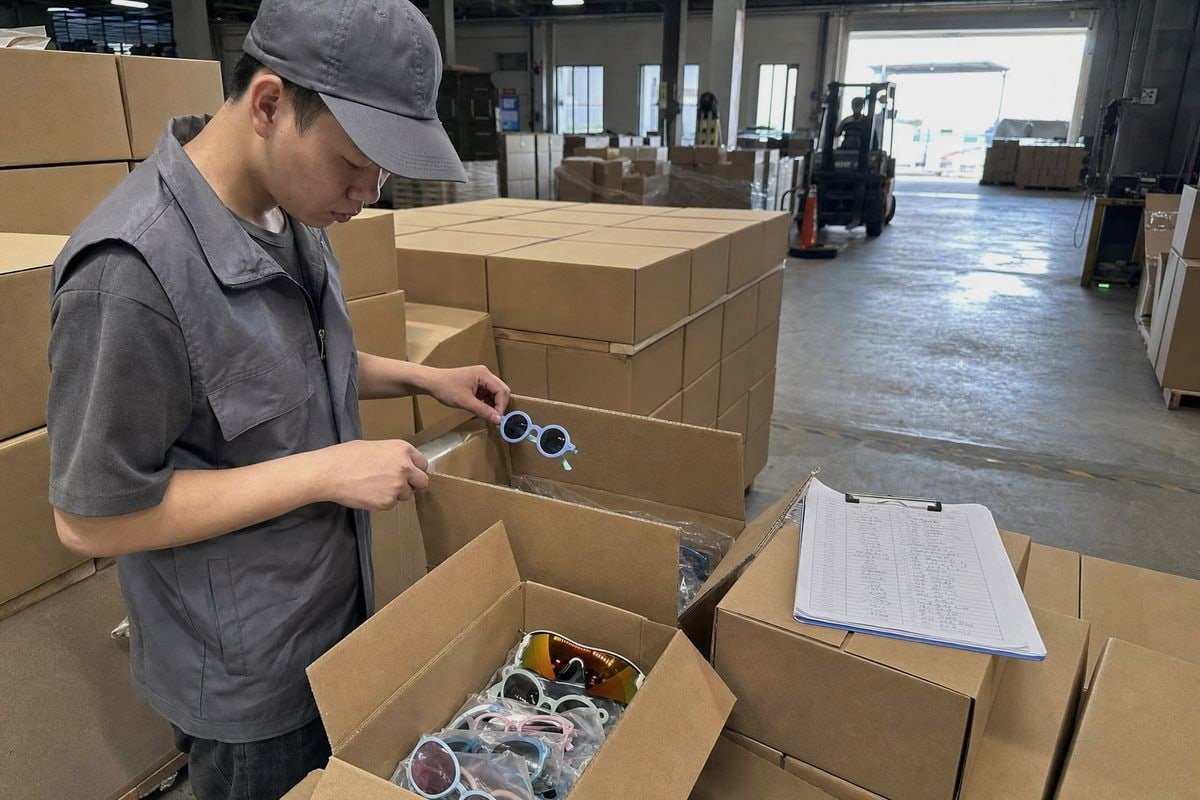
A lesson our 5S-managed workshop learned early: passing one lab test is easy; passing the same test on batch fifty is the real discipline. Buyers should audit for consistency, not perfection.
اسأل عن كيفية تتبع المواد الخام إلى دفعات، وما هي خطوات الفحص الوارد والفحص أثناء العملية الموجودة، وما إذا كانت كل دفعة تحصل على فحوصات للنفاذية فوق البنفسجية والبقع التأثيرية، وما هو مستوى أخذ العينات AQL عند الفحص النهائي، وكيف يتم عزل الدُفعات غير المطابقة والإبلاغ عنها لك.
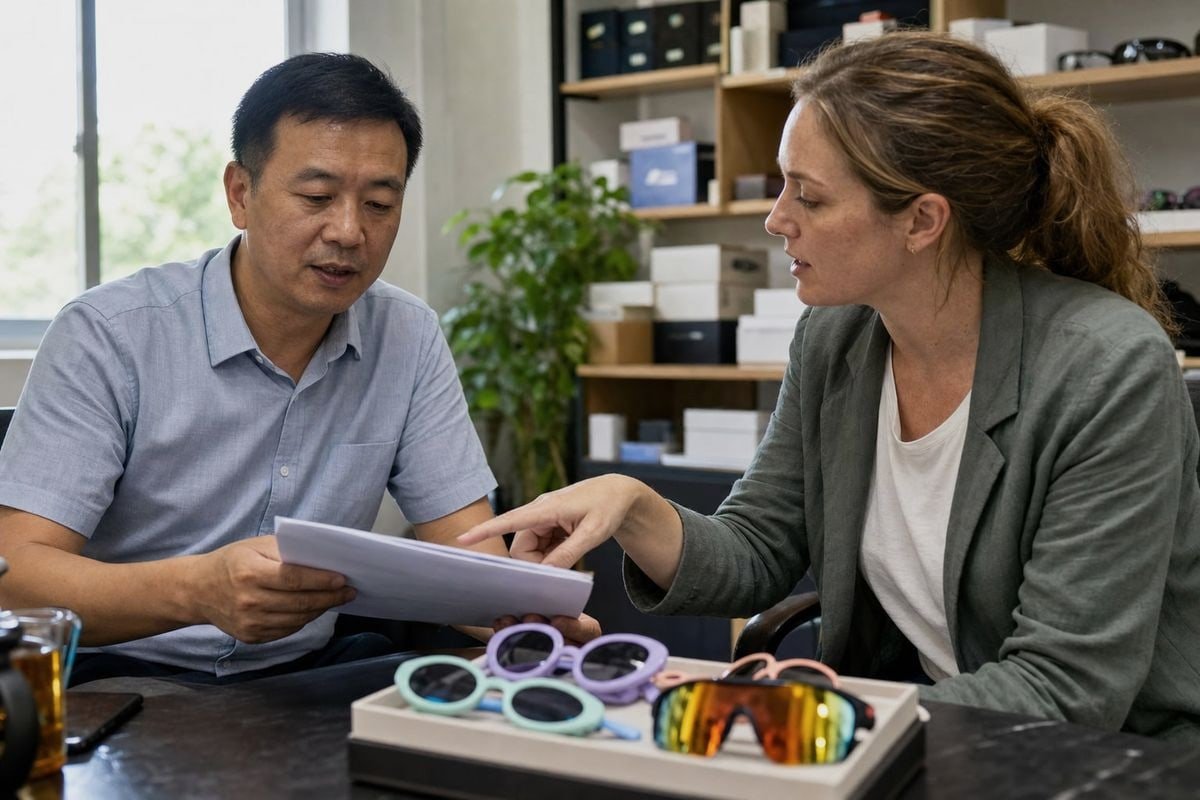
Consistency is a system, not a promise. When a Japanese baby-brand client audited us, they did not ask whether we could make a safe frame. They asked how we would know if batch thirty-seven drifted out of spec. That is exactly the right mindset, and the questions below reflect it.
The QC questions worth putting in writing
| سؤال لطرحه | What a strong answer looks like |
|---|---|
| How do you trace resin lots to finished frames? | Lot numbers recorded from pellet intake through injection to packing |
| Do you test UV performance per batch? | In-house spectrophotometer checks plus periodic third-party UV400 protection verification |
| What is your final inspection sampling plan? | A defined AQL level with documented defect categories |
| How do you test impact and durability? | Drop, twist, and hinge-cycle tests on impact-resistant البولي كربونات 7 lenses and frames |
| What happens when a batch fails? | Quarantine, root-cause analysis, and proactive notification to the buyer |
| Can I see your workshop management system? | Evidence of 5S or similar discipline, calibrated equipment, trained inspectors |
Consistency signals beyond the checklist
Ask about people, not just paperwork. A factory with long-tenured workers — ours has around 120 across fifteen years of eyewear production — holds process knowledge that new-hire-heavy workshops lose every season. Ask how color matching is controlled between orders, because kids' brands live and die on consistent Pantone matching across reorders. Ask how packaging is inspected too; a scratched lens caused by rough packing fails the customer even if the lens itself passed every optical test.
Finally, ask about change control. If the factory switches a resin supplier or a lens coating vendor, will you be told before shipment? For OEM/ODM programs with custom logos, lenses, and retail-ready packaging, silent substitutions are the single biggest hidden risk. A partner mindset means changes are discussed first, documented, and re-tested. That is the difference between buying sunglasses and building a children's eyewear brand you can defend to any retailer or regulator.
الخلاصة
Unsafe kids’ sunglasses risk children's eyes and your brand. Demand verified UV400 reports, CPSIA and REACH documentation, proven TPEE/TR90 materials, and batch-level QC — then partner accordingly.
ملاحظات ختامية
1. Comprehensive Wikipedia overview of the acceptable quality limit sampling standards used in manufacturing. ↩︎
2. FDA resource on BPA safety relevant to verifying BPA-free frame material claims. ↩︎
3. Background encyclopedia reference on UV radiation relevant to UV400 lens protection discussion. ↩︎
مقالات أخرى قد تعجبك
August 1, 2026
هل يجب على المصنع التعامل مع تغليف ووضع ملصقات نظارات الأطفال الشمسية، أم استخدام مورد مخصص؟
August 1, 2026
مستودع خاص مقابل الوفاء المباشر من المورد: أيهما يقلل تكاليف الإرجاع لعلامات نظارات الأطفال الشمسية؟
August 1, 2026
مباشر إلى ميناء المستودع أو التخزين الخارجي: أيهما يوفر أكثر على شحن نظارات الأطفال الشمسية؟
هل تبحث عن شريك موثوق به للنظارات للأطفال؟
استكشف أكثر من 800 نمط جاهز ودعم OEM/ODM كامل مصمم خصيصًا لعلامتك التجارية.
اتصل بنا English
  Español de México
  Deutsch
  Français
  日本語
日本語  العربية
  Português do Brasil