ما هي المدة الزمنية للإنتاج لتطوير قوالب مخصصة لنظارات الأطفال؟
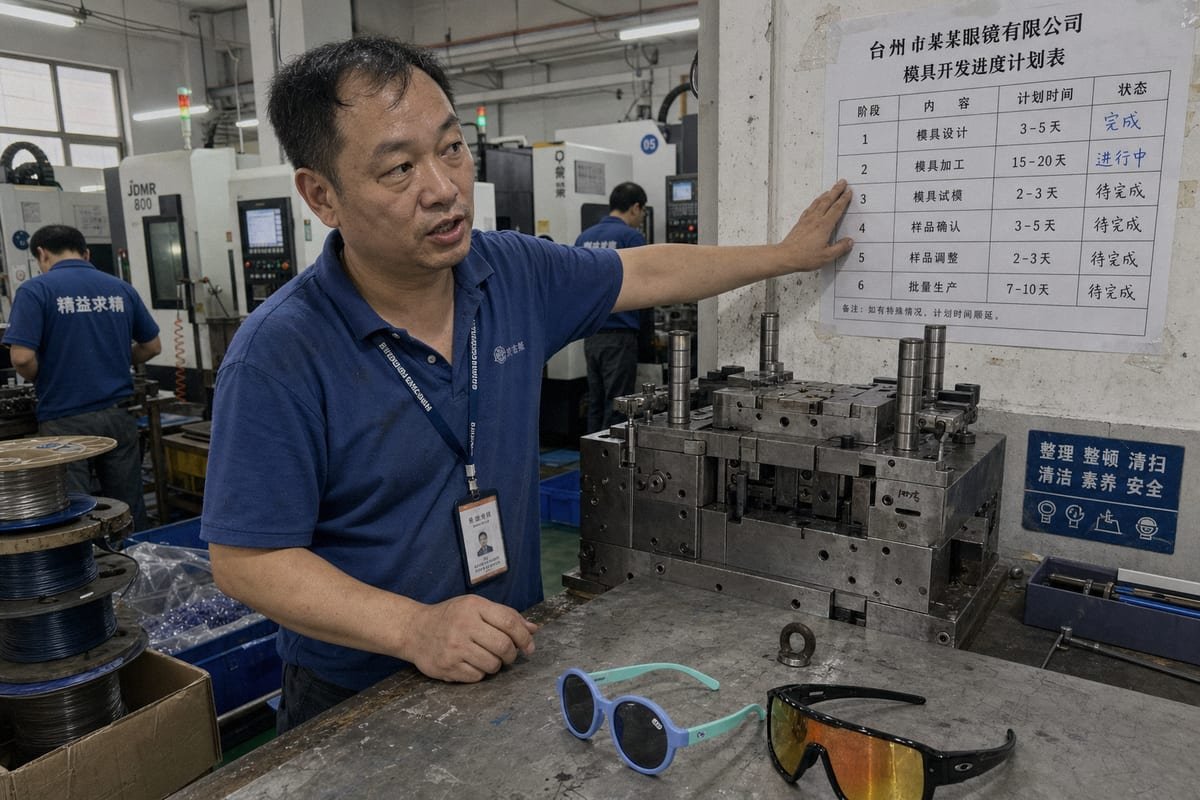
غالبًا ما يسألني المشترون عن المدة الزمنية للإنتاج لتطوير قوالب مخصصة لنظارات الأطفال. إذا فاتتك التقديرات، فقد يضيع موسم الإطلاق الخاص بك. شهد مصنعنا هذا الألم مرارًا وتكرارًا - لذا دعني أقدم لك أرقامًا حقيقية.
عادةً ما يستغرق تطوير قوالب النظارات الشمسية المخصصة للأطفال ما بين 45 و 90 يومًا من الانتهاء من التصميم إلى السلع المجمعة. تتطلب مرحلة القالب والأدوات وحدها عادةً 20-45 يومًا، بالإضافة إلى 7-15 يومًا لأخذ العينات، و 30-50 يومًا للإنتاج الضخم. يمكن أن تمتد التصميمات المعقدة إلى 3-6 أشهر.
هذا النطاق واسع، لذا دعني أفصله. في هذه المقالة، سأوضح لك كل مرحلة، وما الذي يبطئ الأمور، وكيف تخطط لذلك.
كيف يمكنني تقليل وقت تطوير القالب عند إطلاق تصميم جديد لنظارات شمسية للأطفال؟
في الربيع الماضي، جاءت إلينا علامة تجارية أوروبية للأطفال بموعد نهائي صارم قبل موسم البيع بالتجزئة الصيفي. لقد ضغطنا جدولهم الزمني لأسابيع - ليس عن طريق التسرع في القالب، ولكن عن طريق إزالة كل تأخير يمكن تجنبه.
يمكنك تقليل وقت تطوير القالب عن طريق تقديم حزمة تقنية كاملة مقدمًا، والموافقة على تصميمات CAD بسرعة، واختيار مواد مثبتة مثل TR90 أو TPEE، واستخدام نماذج أولية مطبوعة ثلاثية الأبعاد للحصول على ملاحظات مبكرة، والحد من جولات المراجعة، والعمل مع مصنع متكامل رأسيًا يتحكم في الأدوات داخليًا.
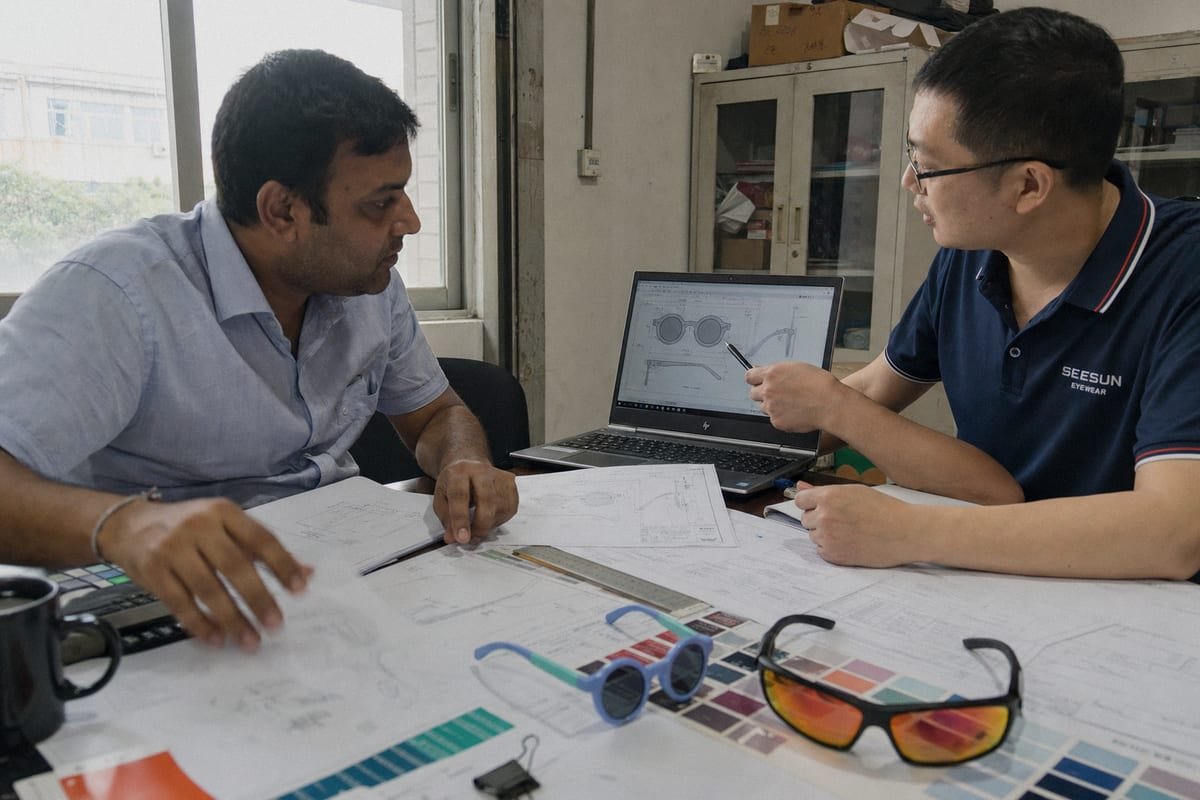
أبطأ خطوة تتحكم في جدولك بأكمله. لذا فإن الهدف ليس تسريع مرحلة واحدة. الهدف هو إزالة الوقت الضائع بين المراحل. في تجربتنا في إدارة مشاريع تصنيع النظارات المصنعة للمعدات الأصلية للعلامات التجارية في أكثر من 20 دولة، تأتي معظم التأخيرات من الانتظار - انتظار الموافقة على التصميم، وانتظار ملاحظات العينات، وانتظار رسم منقح.
ابدأ بحزمة تقنية كاملة
توفر الحزمة التقنية الكاملة وقتًا أكثر من أي إجراء فردي آخر. يجب أن تتضمن ملفات CAD ثلاثية الأبعاد 1 أو إطار مرجعي، وأبعاد دقيقة للفئة العمرية المستهدفة، ومواصفات العدسة، ونوع المفصلة، ورموز الألوان، وموضع الشعار. عندما يتلقى مهندسونا حزمة كاملة،, الرسومات الفنية 2 تستغرق 3-5 أيام. عندما تتدفق المعلومات قطعة قطعة، يمكن أن تستغرق نفس الخطوة ثلاثة أسابيع.
استخدم النماذج الأولية السريعة قبل قطع الفولاذ
غالبًا ما ننتج عينات مطبوعة ثلاثية الأبعاد أو مصنعة باستخدام الحاسب الآلي قبل قطع أي فولاذ. تضيف هذه الخطوة النماذج الأولية وأخذ العينات 7-15 يومًا مقدمًا، ولكنها تمنع دورات تعديل القالب المكلفة لاحقًا. تغيير نموذج أولي مطبوع يستغرق يومًا واحدًا. تغيير الأدوات الصلبة يستغرق أسبوعين أو أكثر.
استجب بسرعة وحد من المراجعات
إليك مقارنة بسيطة لما يفعله المشترون السريعون بشكل مختلف:
| إجراء | مشتري سريع | مشتري بطيء |
|---|---|---|
| الموافقة على تصميم CAD | 1-2 يوم | 1-2 أسبوع |
| ملاحظات العينة | مجمعة في بريد إلكتروني واحد | تعليقات متعددة متفرقة |
| جولات المراجعة | 1 جولة | 3+ جولات |
| قرار المواد | مقفل قبل الأدوات | تم التغيير في منتصف المشروع |
| الوقت الإجمالي المحفوظ | ما يصل إلى 3-4 أسابيع | أساسي |
أخيرًا، التوقيت مهم. حجز مشروعك في غير موسم الذروة، قبل اندفاع ما قبل الصيف، يعني أن قالبك لا يجلس في طابور خلف عشرين أداة أخرى.
ما هي العوامل التي تؤثر على وقت التسليم عند طلب قوالب مخصصة لنظارات الأطفال؟
علمني مشروع واحد في خط الإنتاج هذا درسًا واضحًا: يمكن أن يكون لإطارين يبدوان متشابهين على الورق جداول زمنية مختلفة تمامًا للأدوات بمجرد فحص التفاصيل.
يعتمد وقت التسليم على مدى تعقيد الإطار، واختيار المواد، ونوع القالب، وعبء عمل المصنع، وجولات أخذ العينات، واختبارات السلامة. أسرعها هو إطارات TR90 ذات اللون الواحد البسيطة؛ يمكن أن يضيف الحقن ثنائي اللون، والمفصلات المرنة المتكاملة، وازدحام المصنع الموسمي، والتحقق من الامتثال لـ CPSIA أو EN71، كل منها من أسبوعين إلى أربعة أسابيع.
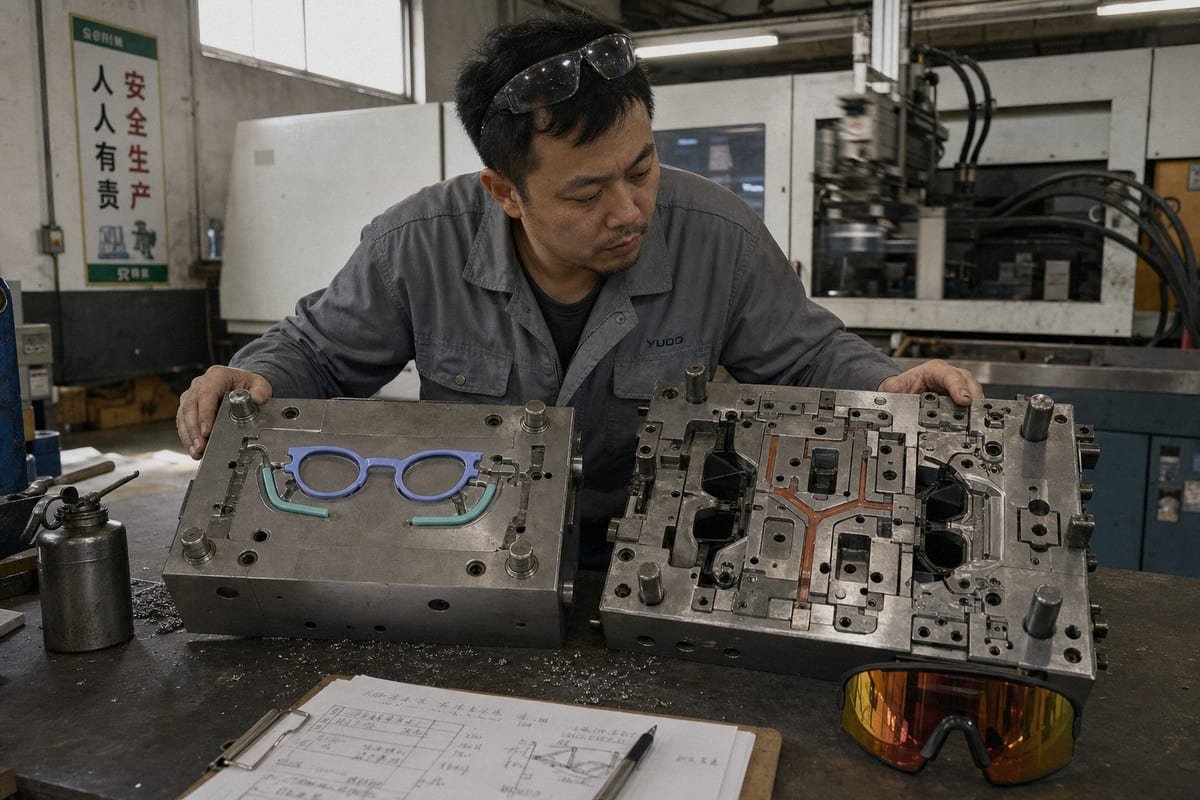
دعني أفصل كل عامل، لأن عروض الأسعار من الموردين غالبًا ما تخفي هذه المتغيرات.
تعقيد التصميم
يستخدم الإطار المستدير المكون من قطعة واحدة - مثل نمط الأطفال المستدير بلونين باستيل الذي ننتجه - أدوات بسيطة نسبيًا. يحتاج درع رياضي ملتف ببار حاجب زاوي ومفاصل مقسمة وأطراف معبد مغطاة بالمطاط إلى مزيد من تفاصيل التجويف والمزيد من لقطات التجربة. الحقن ثنائي اللون (التغليف الزائد) هو المضاعف الأكبر. يمكن أن يستغرق قالب ثنائي اللون ما يصل إلى شهرين بمفرده، لأنه في الواقع أداتان متزامنتان.
اختيار المواد
تتصرف عملية القولبة بالحقن بشكل مختلف حسب البوليمر. يتدفق مادة TR90 وينكمش بشكل مختلف عن البولي كربونات القياسي 3, ، لذا تحتاج القوالب إلى تكوينات قناة تبريد محددة. يتطلب TPEE، الذي نستخدمه لـ المعابد المرنة للأطفال 4, ، تصميم بوابة دقيق للحفاظ على الجزء النهائي ناعمًا ولكنه مستقر الأبعاد. إطارات الأطفال صغيرة، لذا فإن أخطاء الانكماش التي ستكون غير مرئية على إطارات البالغين تصبح مشاكل في الملاءمة على وجه الطفل الصغير. تقوم بعض المصانع الآن بإجراء تحليل تدفق القالب المدفوع بالذكاء الاصطناعي أثناء التصميم للتنبؤ بالانكماش قبل قطع الفولاذ، مما يقلل من دورة تعديل القالب بعد ذلك.
الامتثال والاختبار لمنتجات الأطفال
يتم تنظيم نظارات الأطفال بشكل أكثر صرامة من إطارات الموضة للبالغين. عينة ذهبية من القولبة النهائية 5 عادة ما تذهب إلى مختبر لـ معايير السلامة CPSIA 6 أو التحقق من EN71. خطط لمخزن مؤقت مدته 10-14 يومًا لهذا قبل بدء الإنتاج الضخم.
جدول المصنع والموسم
| العامل | التأثير النموذجي على وقت التسليم |
|---|---|
| إطار بسيط بلون واحد | الأساس: 20-30 يومًا للأدوات |
| قولبة علوية بلونين | +20-30 يومًا |
| مفصل مرن مدمج | +1-2 أسبوع |
| ازدحام موسم الذروة / العطلات | +2-3 أسابيع |
| اختبار مختبر الامتثال | +10-14 يومًا |
| مكونات مستوردة (عدسات خاصة) | +1-3 أسابيع |
عادةً ما يضيف عيد الصين والذروة قبل الصيف في مراكز التصنيع أسبوعين إلى ثلاثة أسابيع من وقت الانتظار. إذا قدم لك المورد الخاص بك جدولًا زمنيًا جريئًا خلال هذه النوافذ، فاسأل كيف سيقومون بتسليمه بالفعل.
هل يجب أن أختار قالبًا موجودًا أم أستثمر في قالب مخصص جديد لعلامتي التجارية؟
سألني مدير مشتريات من أستراليا هذا السؤال بالضبط خلال مكالمة فيديو. كانت إجابتي الصادقة مفاجئة لها: بالنسبة للإطلاق الأول، أوصي عادةً بعدم استخدام قالب جديد.
اختر قالبًا موجودًا إذا كنت تطلق علامة تجارية جديدة، أو تختبر سوقًا، أو تحتاج إلى السرعة - لا يزال تخصيص الألوان والعدسات والشعارات والتعبئة والتغليف ينشئ منتجًا يحمل علامة تجارية. استثمر في قالب مخصص جديد فقط عندما يكون لديك طلب مثبت وتحتاج إلى تصميم فريد ومحمي حقًا.
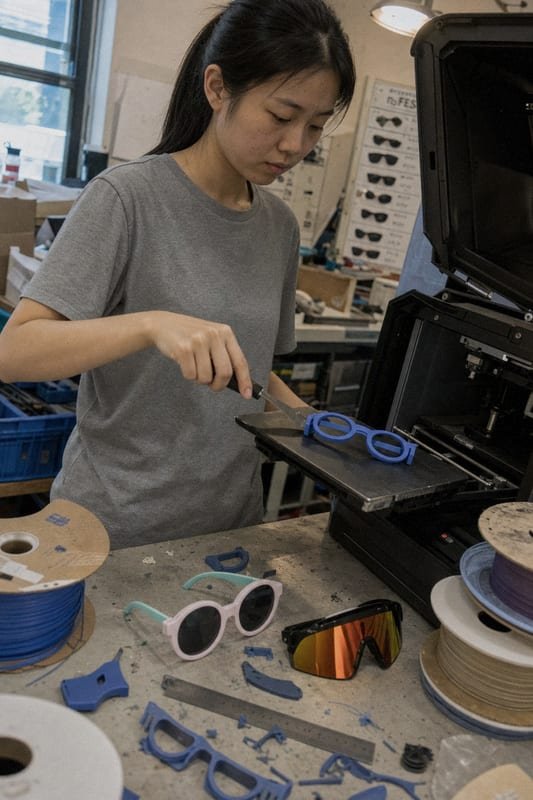
هذا ليس عرضًا مبيعات لخيار واحد. إنها حسابات للمخاطر، وقد شاهدت المشترين يقومون بذلك بشكل صحيح وخاطئ.
الحالة الخاصة بالقوالب الموجودة
يحتفظ مصنعنا بحوالي 800 نمط موجود. يمكن للمشتري اختيار شكل إطار مثبت، ثم تخصيص الألوان، أو شعارات الصدغ UV400 أو، والتعبئة والتغليف الجاهزة للبيع بالتجزئة. تبدو النتيجة ذات علامة تجارية كاملة على الرف. ينخفض وقت التسليم بشكل كبير لأن تصنيع الأدوات قد تم بالفعل. تتخطى تكلفة القالب تمامًا، وقد تم التحقق من الملاءمة بالفعل على وجوه الأطفال الحقيقية عبر العديد من دورات الإنتاج. عدسات مستقطبة 7, الحالة الخاصة بقالب مخصص جديد.
يكون القالب الجديد منطقيًا عندما يكون تصميمك مميزًا حقًا - صورة ظلية مميزة، أو مفصلة حاصلة على براءة اختراع، أو شكل مرتبط بهوية علامتك التجارية. كما أنه يحميك: القالب الذي دفعته يكون حصريًا لك عادةً. ولكنه يتطلب استثمارًا مقدمًا، ونافذة تطوير مدتها 45-90 يومًا،
حجم طلب كافٍ لتسديد تكلفة الأدوات. مقارنة جنبًا إلى جنب.
اعتبار
| قالب موجود + تخصيص | قالب مخصص جديد | وقت التسليم للبضائع المجمعة |
|---|---|---|
| 45-90+ يومًا | 30-45 يومًا | استثمار الأدوات |
| حصريّة التصميم | لا شيء | تكلفة أولية كبيرة |
| شكل مشترك، علامة تجارية فريدة | مخاطر اختبار السوق | حصري بالكامل |
| التحقق من الملاءمة | منخفض | مرتفع |
| تم إثباته بالفعل | يحتاج إلى اختبار تشغيل تجريبي | علامات تجارية جديدة، مستوردون، مشترون ترويجيون |
| الدفع الآمن عبر المنصة | علامات تجارية راسخة تتوسع | مسار وسط عملي |
يقوم العديد من شركائنا على المدى الطويل بكلا الأمرين، بالتتابع. يطلقون باستخدام قوالب موجودة، ويتعلمون أي الأشكال والألوان تباع، ثم يستثمرون في أدوات مخصصة لأفضل أدائهم. تستخدم بعض المصانع أيضًا قواعد قوالب معيارية، حيث يتم تخصيص إدخالات التجويف فقط. يمكن لهذا النهج تقليل وقت التطوير بنسبة تصل إلى 30% عندما تطلق علامة تجارية أحجامًا متعددة لمجموعات عمرية مختلفة.
كل عام، يتصل بنا عدد قليل من المشترين في مارس على أمل الحصول على نظارات شمسية مصبوبة خصيصًا في المتاجر بحلول يونيو. نادرًا ما تنجح الحسابات، وأفضل أن أشرح السبب الآن بدلاً من الاعتذار لاحقًا.
كيف أخطط لجدول الإنتاج الخاص بي حول أوقات تطوير القالب؟
التخطيط العكسي هو الطريقة الموثوقة الوحيدة. لذا دعني.
ابدأ العد التنازلي من تاريخ الإطلاق الخاص بك. خصص 45-90 يومًا لتطوير القالب والإنتاج، و10-14 يومًا لاختبارات الامتثال، و5-40 يومًا للشحن اعتمادًا على الشحن الجوي أو البحري. في الممارسة العملية، ابدأ مشروعًا مخصصًا بالكامل قبل خمسة إلى سبعة أشهر من إطلاق البيع بالتجزئة.
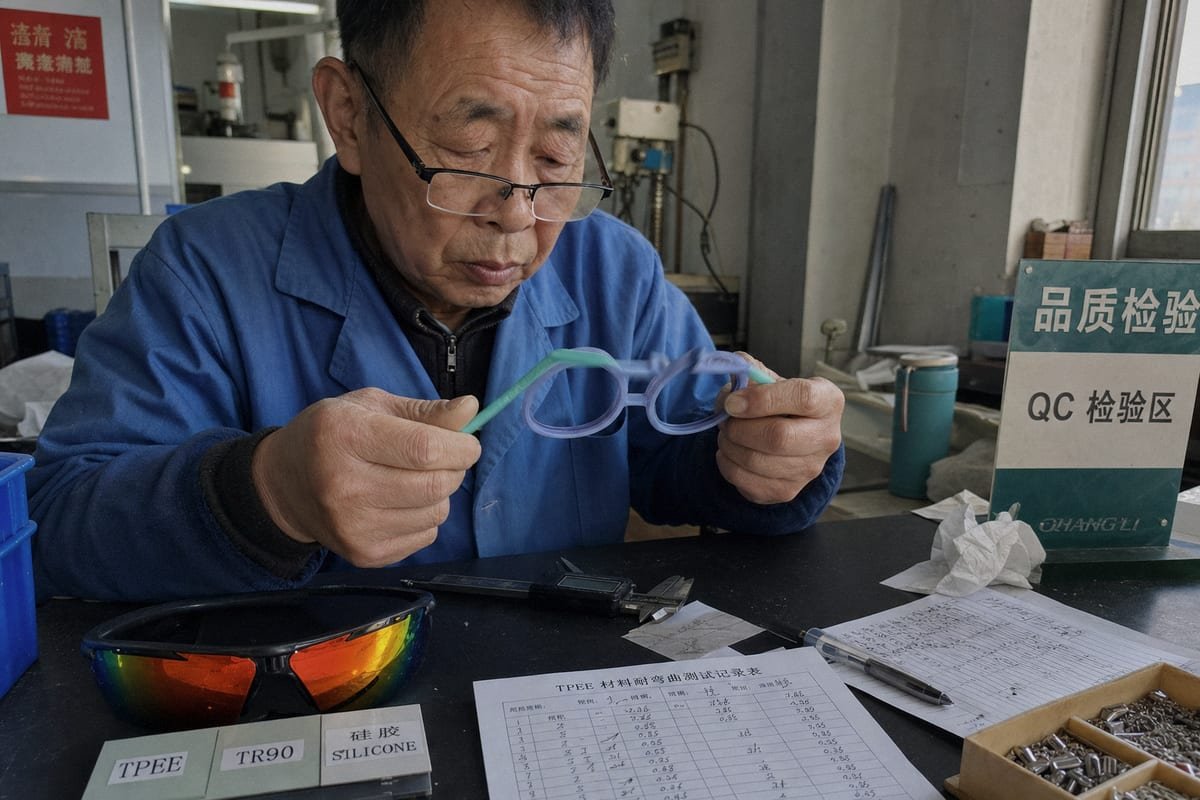
التخطيط العكسي هو الطريقة الوحيدة الموثوقة. لذا دعني السير عبر المراحل الطريقة التي نجدول بها على خط الإنتاج الخاص بنا.
الجدول الزمني للمرحلة تلو الأخرى
- التصميم والموافقة على CAD — 3–7 أيام. يتم إعداد الرسومات الفنية وتأكيدها. تحدد سرعة موافقتك على تصميم CAD الإيقاع هنا.
- النماذج الأولية والعينات — 7–15 يومًا. تتحقق العينات المطبوعة ثلاثية الأبعاد أو المصنعة من الشكل والملاءمة قبل بدء الأدوات.
- تصنيع الأدوات — 20–45 يومًا. يتم تشغيل القالب الفولاذي وصقله وتجميعه. أدوات اللونين المعقدة تقع في الطرف الطويل.
- أول عينات من القالب واختبار التشغيل التجريبي — 7–14 يومًا. نقوم بتصوير الأجزاء التجريبية، والتحقق من الأبعاد، واختبار قوة المفصلات، وتأكيد الملاءمة على الفئة العمرية المستهدفة. أي دورة تعديل للقالب تضيف 7–20 يومًا هنا.
- العينة الذهبية والتحقق المخبري — 10–14 يومًا. يتم إجراء اختبارات CPSIA أو EN71 على الأجزاء من القالب النهائي.
- الجدول الزمني للإنتاج الضخم — 30–50 يومًا. الحقن، قطع العدسات، التجميع، مراقبة الجودة، والتعبئة.
- الشحن — 5–7 أيام بالطائرة، 25–40 يومًا بالبحر. الشحن منفصل دائمًا عن عرض سعر التصنيع.
قم ببناء مخازن مؤقتة، وليس آمالًا
أضف مخزنًا مؤقتًا لمدة أسبوعين للمراجعات وأسبوعين إلى ثلاثة أسابيع أخرى إذا كان جدولك الزمني يتقاطع مع رأس السنة الصينية أو موسم الذروة. إحدى حالات الاندفاع في العالم الحقيقي التي أعرفها قامت بضغط نظارات شمسية مصبوبة بالكامل حسب الطلب في نافذة تسليم مدتها 35 يومًا — وحتى المورد اعترف بأنها كانت على حافة ما هو ممكن جسديًا. لا تبنِ خطة عملك على الحالة الهامشية.
أيضًا، اقرأ عروض أسعار الموردين بعناية. عندما يقول المصنع 30 يومًا، اسأل بالضبط عما يشمله ذلك. تتضمن بعض العروض سعر الأدوات فقط. البعض الآخر يشمل الأدوات بالإضافة إلى العينات. قليل جدًا يشمل اختبار الامتثال والتعبئة والشحن. يمنع تحديد التعريفات بشكل استباقي كارثة الجدولة الأكثر شيوعًا: اتفاق طرفين على رقم بينما يقصدان أشياء مختلفة.
الخلاصة
تطوير القوالب المخصصة بطيء لأن كل مرحلة تعتمد على المرحلة السابقة. خطط لمدة 45–90 يومًا كحد أدنى، أضف مخازن مؤقتة، أو أطلق بشكل أسرع باستخدام قوالب موجودة — ثم استثمر في الأدوات بمجرد إثبات الطلب.
ملاحظات ختامية
التعريف الفني لملفات التصميم الرقمي المطلوبة لتطوير القالب. ↩︎
المعايير الدولية للرسومات الفنية في الهندسة والتصنيع. ↩︎
الخصائص الفنية للمادة البلاستيكية الحرارية الشائعة المستخدمة في تصنيع النظارات. ↩︎
الموقع الرسمي لـ Hytrel TPEE، وهي مادة تستخدم بشكل شائع في مكونات النظارات المرنة. ↩︎
نظرة عامة هندسية عامة على عملية القولبة وأنواع القوالب. ↩︎
مدخل موثوق به على ويكيبيديا يوفر نظرة عامة موثوقة وسهلة الوصول على القانون الفيدرالي للسلامة. ↩︎
<span id="footnote
مقالات أخرى قد تعجبك


هل تبحث عن شريك موثوق به للنظارات للأطفال؟
استكشف أكثر من 800 نمط جاهز ودعم OEM/ODM كامل مصمم خصيصًا لعلامتك التجارية.
اتصل بنا English
  Español de México
  Deutsch
  Français
  日本語
日本語  العربية
  Português do Brasil