ما مدى قابلية إعادة تدوير مواد إطارات النظارات البصرية للأطفال، وما هي البدائل الصديقة للبيئة الموجودة؟
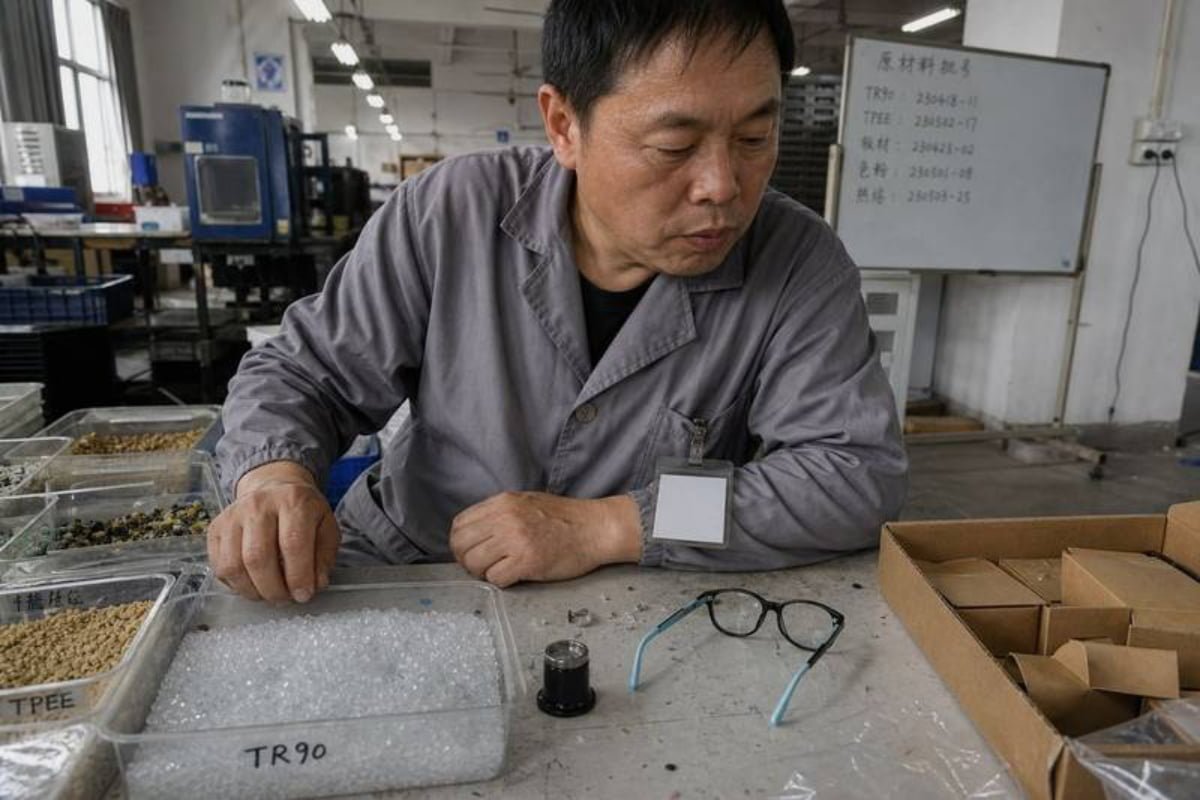
يستمر المشترون في سؤالي عن مدى قابلية إعادة تدوير مواد إطارات النظارات البصرية للأطفال حقًا بلاستيك المحيطات 1. الإجابات الغامضة من الموردين تخلق ادعاءات استدامة محفوفة بالمخاطر. بعد 15 عامًا من إدارة مصنعنا في تايتشو، يمكنني أن أقدم لك الصورة الصادقة.
مواد إطارات النظارات البصرية للأطفال قابلة لإعادة التدوير جزئيًا فقط. يتطلب TR90 و TPEE والأسيتات إعادة تدوير صناعية متخصصة، وليس صناديق إعادة التدوير المنزلية. أفضل البدائل الصديقة للبيئة هي النايلون المعاد تدويره، والأسيتات الحيوية، والمعادن المعاد تدويرها، والتصاميم أحادية المواد المقترنة ببرامج الاستعادة التي تدير استعادة نهاية العمر.
هذه الإجابة المختصرة تخفي الكثير من الفروق الدقيقة. المحتوى المعاد تدويره، وقابلية إعادة التدوير، وقابلية التحلل البيولوجي هي ثلاثة أشياء مختلفة. دعني أشرح كل واحد بالتفصيل حتى تتمكن علامتك التجارية من تقديم ادعاءات صامدة.
كيف يمكنني التحقق مما إذا كانت مواد TR90 و TPEE قابلة لإعادة التدوير حقًا لمطالبات الاستدامة الخاصة بعلامتي التجارية؟
سألني مدير مشتريات من أستراليا ذات مرة أن أضع “قابل لإعادة التدوير بالكامل” على عبوتها. اضطررت إلى إبطائها، لأن إطارات TR90 الخاصة بنا تستحق ادعاءً أكثر دقة من ذلك.
TR90 و TPEE عبارة عن بلاستيك حراري قابل لإعادة التدوير تقنيًا، ولكنهما يتطلبان إعادة تدوير صناعية متخصصة ونادرًا ما يتم قبولهما من قبل الأنظمة البلدية. تحقق من الادعاءات عن طريق طلب أوراق بيانات المواد، والتحقق من وجود شهادات مثل GRS 4.0، والتأكد مما إذا كان هناك مسار تجميع حقيقي موجود.
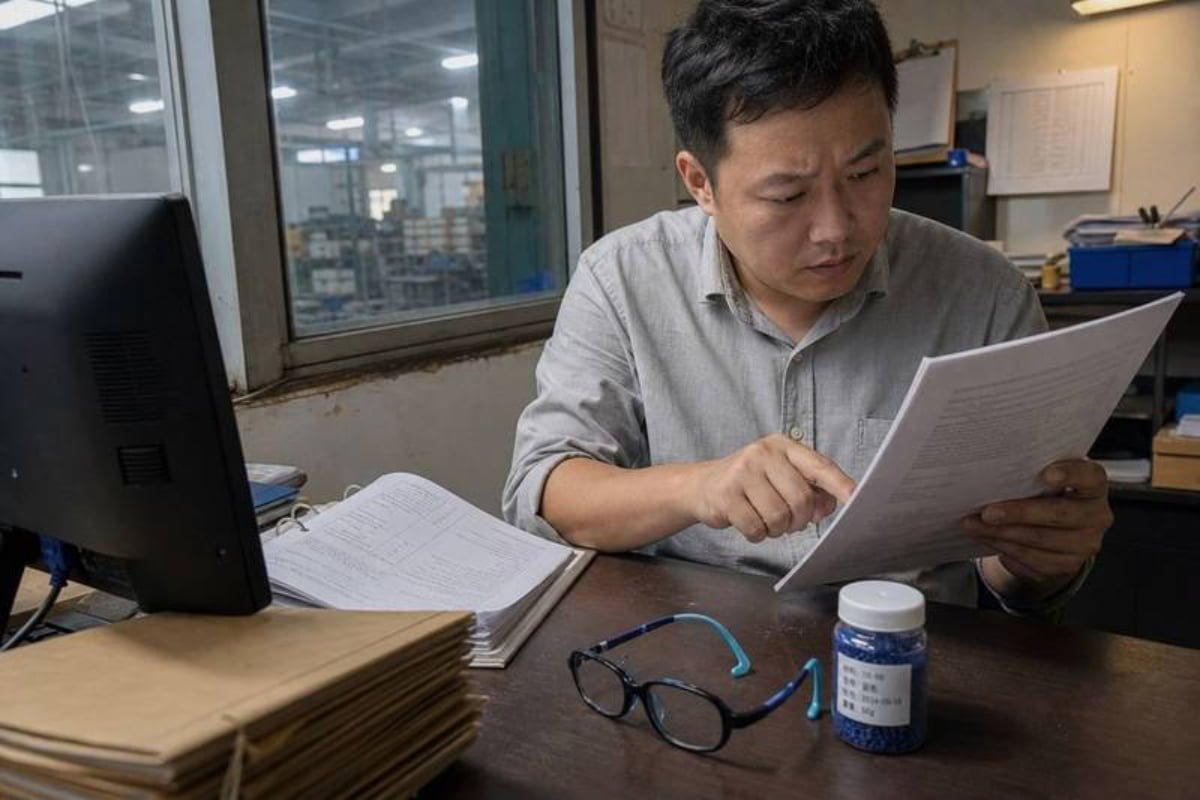
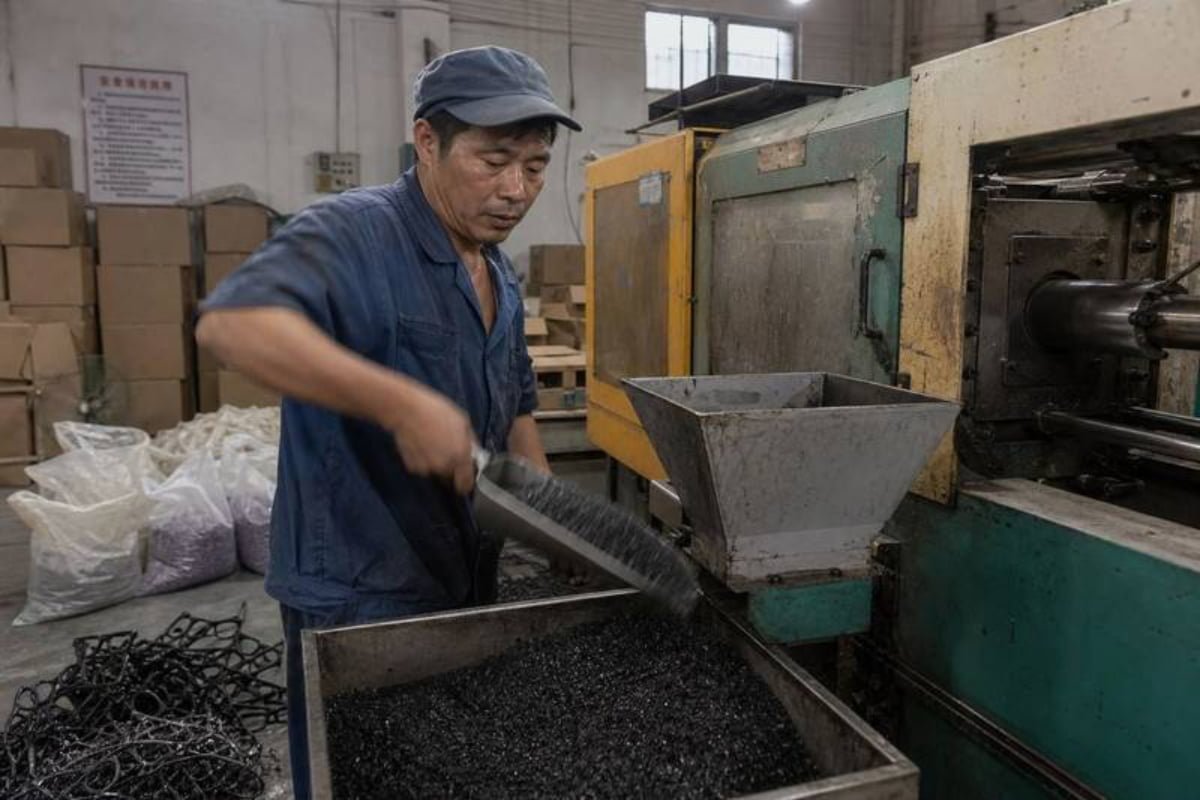
إليك الصورة الفنية الصادقة. TR90 هو نايلون ذاكرة. TPEE هو مطاط حراري مرن. كلاهما من اللدائن الحرارية، مما يعني أنه يمكن صهرهما وإعادة معالجتهما من الناحية النظرية. في ورشة العمل الخاصة بنا، نقوم بإعادة طحن نفايات إنتاج TR90 النظيفة ونغذي نسبة محددة مرة أخرى في القولبة بالحقن. هذه إعادة تدوير حقيقية داخل المصنع، وهي ادعاء عادل لتقديمه.
إعادة التدوير بعد الاستهلاك قصة مختلفة. يُفضل TR90 لخصائصه البلاستيكية الذاكرة التي لا تنكسر تقريبًا، ولكنه يتطلب إعادة تدوير صناعية متخصصة ونادرًا ما تتم معالجته بواسطة أنظمة النفايات البلدية. يحمل الإطار النهائي أيضًا مفصلات وطلاءات وعدسات تجريبية، وغالبًا ما يكون بوليمرين مترابطين. لا يمكن لخطوط الفرز البلدية فصل أي من ذلك.
ثلاثة ادعاءات، ثلاثة معانٍ مختلفة جدًا
قبل أن تطبع أي شيء على بطاقة تعليق، اعرف الادعاء الذي تقدمه بالفعل:
| ادعاء | ماذا يعني | هل يمكنك التحقق منه؟ |
|---|---|---|
| محتوى معاد تدويره | يحتوي الإطار على مواد مدخلات مستصلحة | نعم - عبر شهادات GRS 4.0 ووثائق المورد |
| قابل لإعادة التدوير | يمكن إعادة تدوير الإطار بشكل واقعي بعد الاستخدام | فقط إذا كان هناك مسار جمع ومعالجة موجود |
| قابل للتحلل البيولوجي | تتحلل المادة بشكل طبيعي | نادرًا ما يكون صحيحًا لـ TR90/TPEE؛ عادة ما يحتاج إلى ظروف صناعية |
تقوم إحدى علامات النظارات التجارية بتصديق الإطارات بموجب GRS 4.0 (المعيار العالمي للمواد المعاد تدويرها 2) باستخدام بلاستيك أحادي الاستخدام معاد تدويره بنسبة 100٪ تم تحويله إلى PCTG. هذا هو مستوى التوثيق الذي يجب أن تطالب به من أي مورد، بما في ذلك نحن.
قائمة تحقق عملية للتحقق
- اطلب ورقة بيانات المواد الخاصة بالراتنج ووثائق المنشأ.
- اسأل عما إذا كان المحتوى المعاد تدويره هو ما بعد الاستهلاك أو ما بعد الصناعة.
- تحقق من شهادة GRS 4.0 أو شهادة طرف ثالث معادلة.
- تأكد مما إذا كان هناك بالفعل مسار استعادة أو إعادة تدوير متخصص في سوقك.
- انتبه للأصباغ الوظيفية - التشطيبات التي تتفاعل مع الأشعة فوق البنفسجية أو التي تتوهج في الظلام تعمل كملوثات تعيق إعادة التدوير الميكانيكي للبوليمر الأساسي.
هذه النقطة الأخيرة تفاجئ العديد من المشترين. تأثيرات الألوان التي تركز على الأطفال شائعة، ولكنها يمكن أن تقوض قصة قابلية إعادة التدوير التي تريد سردها بصمت.
ما هي البدائل الصديقة للبيئة التي يجب أن أفكر فيها إذا كانت مواد الإطار الحالية الخاصة بي ليست قابلة لإعادة التدوير بما فيه الكفاية؟
عندما قمنا بتطوير أول سلسلة عينات حيوية لدينا، كانت قائمة المقايضات على مكتبي أطول من قائمة المواد. كل خيار أخضر يعطي شيئًا ويأخذ شيئًا.
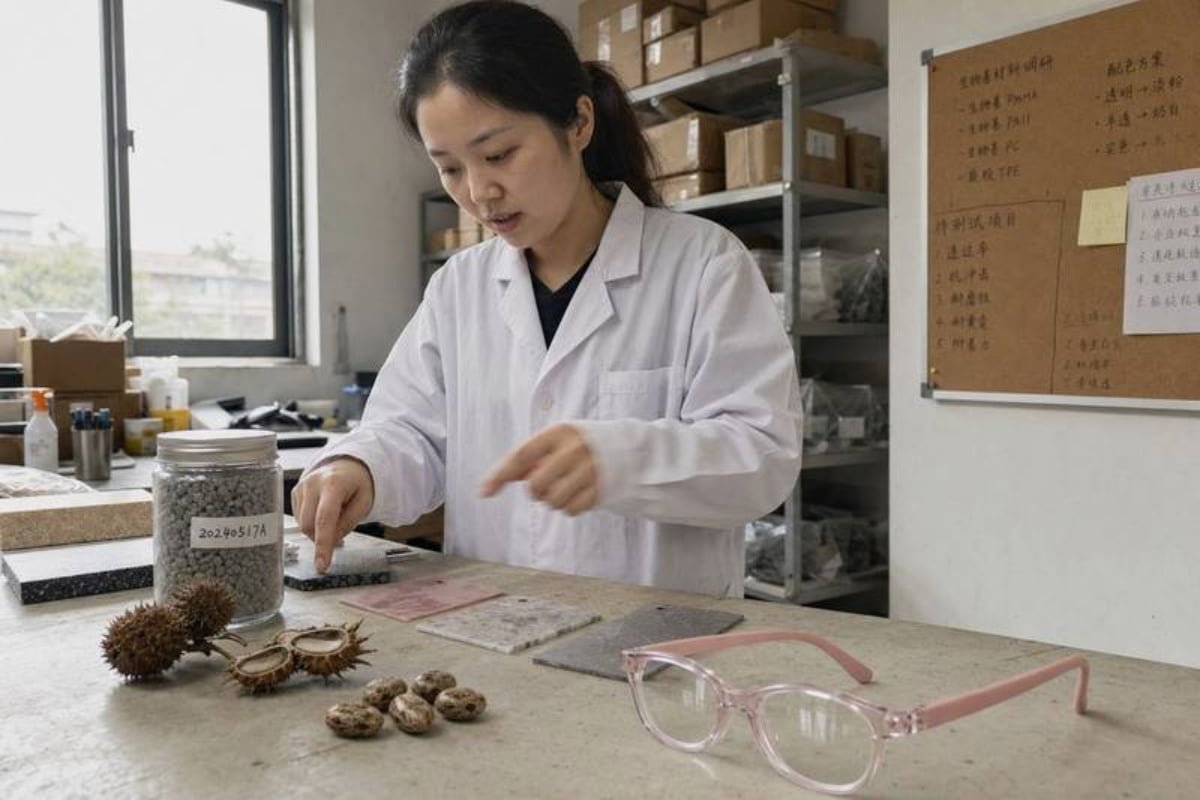
أقوى البدائل الصديقة للبيئة لإطارات الأطفال هي النايلون المعاد تدويره من بلاستيك المحيطات، والأسيتات الحيوية مع الملدنات النباتية، والنايلون الحيوي المشتق من الخروع مثل PA11، والفولاذ المقاوم للصدأ أو التيتانيوم المعاد تدويره. كل منها يقلل من استخدام البلاستيك البكر، على الرغم من أن قابلية إعادة التدوير في نهاية العمر لا تزال تختلف.
تولد صناعة النظارات حوالي 100 ألف طن من النفايات سنويًا، واللدائن التقليدية القائمة على البترول مثل الأسيتات والنايلون القياسي غير قابلة للتحلل البيولوجي. هذه هي المشكلة التي يحتاج اختيارك للمواد إلى الإجابة عليها. إليك كيف تقارن البدائل الرئيسية:
| المواد | الفائدة البيئية | أمثلة على المحتوى المعاد تدويره/الحيوي | الأنسب للأطفال؟ |
|---|---|---|---|
| نايلون معاد تدويره | مصدره شباك الصيد المهملة وبلاستيك المحيطات المعاد تدويره | ما لا يقل عن 50٪ محتوى معاد تدويره في بعض الخطوط | ممتاز - مرن ومتين |
| أسيتات حيوية المنشأ | Plant-based plasticizers from wood pulp and cotton | 60%+ bio-content achievable | Good — stylish, needs quality control |
| Recycled acetate | Reuses cellulose acetate offcuts | Around 27% recycled content in some frames | Good for fashion styles |
| Bio-nylon (PA11) | Made from castor seed oil frames feedstock | Renewable, non-food crop | Very good — tough and light |
| Recycled metals | Infinitely recyclable فولاذ مقاوم للصدأ 3 or titanium | High recovery rates | أفضل للأطفال الأكبر سنًا |
| Bamboo / wood / cork | Low-plastic, renewable | Natural material | Limited — less flexible for active kids |
The alternatives I recommend most for children
Recycled nylon leads my list. It keeps the flexibility and impact resistance that active children need, while diverting fishing nets from the ocean. Bio-based acetate comes second. It preserves the candy-colored translucent look — like the pale pink acetate style in our catalog — while replacing petroleum plasticizers with plant-based resins.
One caution I always share: bio-based does not mean home compostable. Most biodegradable eyewear materials require specific industrial temperatures and microbial conditions to degrade. Some sustainable lines reach 95% reclaimed and recycled materials, which is impressive, but the honest framing is lower-impact production, not zero-waste disposal.
Also worth watching: additive manufacturing. 3D printing with bio-resins like PA11 reduces raw material waste 4 by up to 80% compared to traditional subtractive acetate sheet cutting. We are following this closely for future development.
كيف أوازن بين خيارات المواد الصديقة للبيئة وبين الأمان والمتانة التي يحتاجها عملاؤنا الصغار؟
Our QC team runs a simple test on every new kids’ frame: twist the temples 180 degrees and release. Any eco material that fails that test never leaves our sample room.
وازن بين الاستدامة والسلامة من خلال إعطاء الأولوية للمتانة أولاً - إطار يدوم ثلاث سنوات من الاستخدام النشط أفضل من إطار أكثر صداقة للبيئة يتم استبداله مرتين. اختر مواد مرنة ومضادة للحساسية وخالية من مادة BPA مثل النايلون المعاد تدويره أو TPEE، واعتبر طول العمر بحد ذاته فائدة بيئية.
Here is the framing I share with every brand we work with: the greenest frame is often the one that lasts longest and can be repaired or passed on. Children outgrow, drop, sit on, and lose their glasses. If an eco material doubles the replacement rate, it may create more total waste than a durable conventional frame.
Safety requirements that cannot be compromised
Eco-friendly glasses for children still have to meet the same non-negotiables as any kids' frame. In our production line, these come before any sustainability feature:
- Flexibility. Frames must bend without snapping into sharp fragments. This is why we build most kids' styles in TR90 with TPEE temples — the combination flexes safely on impact.
- سلامة الجلد. Hypoallergenic frame materials matter because children wear glasses all day against sensitive skin. All our materials are BPA-free plastic formulations.
- Weight. Heavy frames slide down small noses and cause pressure marks. Bio-nylon and recycled nylon stay light.
- No small detachable parts. Nose pads and temple tips must stay firmly attached.
Ranking the trade-offs honestly
| الأولوية | نايلون معاد تدويره | أسيتات حيوي | Recycled metal | Bamboo/wood |
|---|---|---|---|---|
| سلامة التأثير | ممتازة | جيد | معتدل | ضعيف |
| المرونة | ممتازة | معتدل | منخفض | منخفض |
| الوزن | خفيف جدا | خفيف | معتدل | خفيف |
| Longevity | مرتفع | معتدل | عالي جداً | متغير |
| Eco story | إدارة علاقات الموردين القوية | إدارة علاقات الموردين القوية | إدارة علاقات الموردين القوية | إدارة علاقات الموردين القوية |
Natural materials look great in sustainability marketing, but wood and bamboo lack the flex that toddlers and school-age kids demand. Metals such as stainless steel and titanium are highly sustainable for older children because they are infinitely recyclable and outlast plastic, but I rarely recommend them under age eight. For that age group, recycled nylon or a TR90/TPEE combination remains the safest path — and durability quietly does most of the environmental work.
هل يمكنني طلب مواد معاد تدويرها أو قائمة على المواد الحيوية عند العمل مع مُصنِّع OEM مثل OKAY EYEWEAR؟
Last year a European baby-brand buyer emailed Alan on our sales team asking exactly this. Six weeks later she had bio-based samples in hand, molded from our existing tooling.
نعم. يمكن لشريك OEM/ODM قادر توفير النايلون المعاد تدويره، أو الأسيتات الحيوية، أو الراتنجات الحيوية وتشغيلها على قوالب موجودة. اطلب شهادات المواد، ووثائق المحتوى المعاد تدويره، والتحقق من العينات، وخيارات التعبئة المستدامة كجزء من موجز التطوير القياسي الخاص بك.
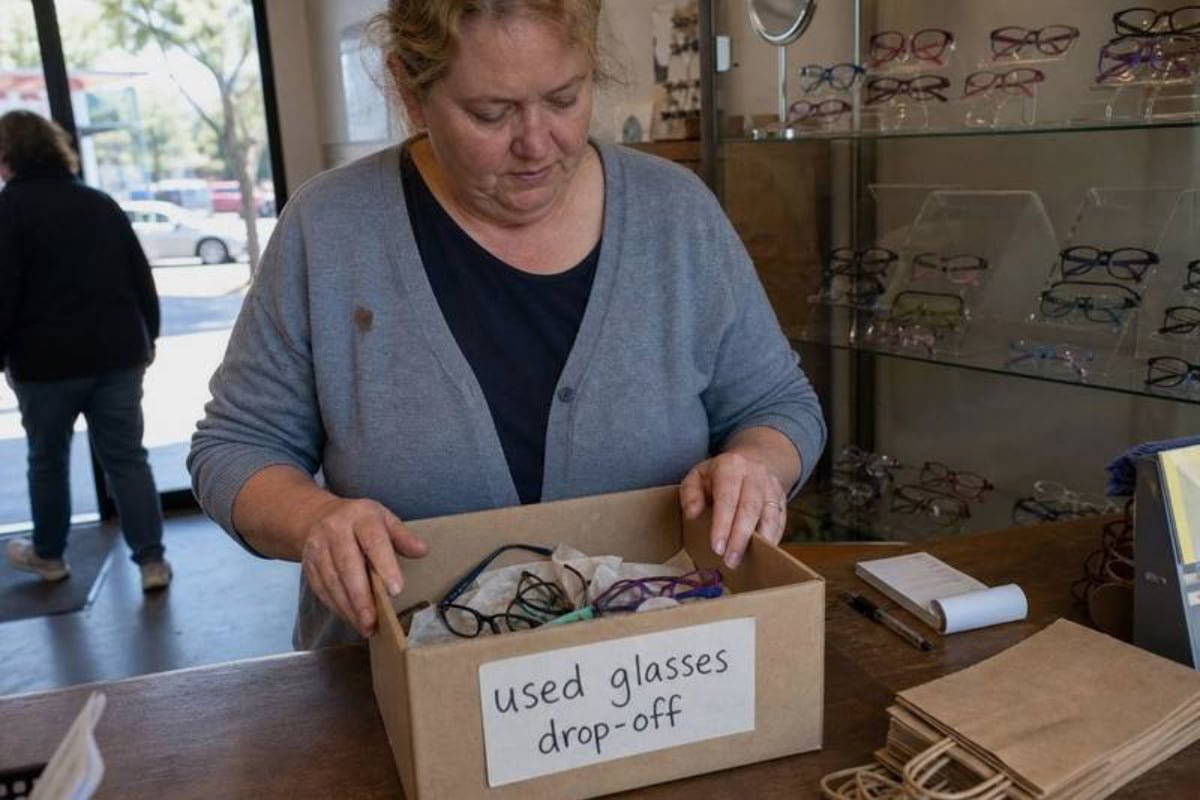
Sustainable eyewear manufacturing is not a separate factory — it is a set of decisions inside a normal OEM/ODM workflow. At our facility in Taizhou, with around 120 workers and a 5S-managed workshop, the process for an eco material request looks like this:
- Material sourcing and verification. We identify recycled or bio-based resin suppliers and collect documentation on recycled content and safety compliance. You should always ask for this paperwork — it is the foundation of any claim you print.
- Mold compatibility check. With roughly 800 existing styles, most buyers can test an eco material without investing in new tooling. This lowers the risk of trialing bio-based acetate or recycled nylon in your market.
- Sampling and safety testing. Eco resins can behave differently in injection molding. We validate flexibility, hinge strength, and finish quality before approving production.
- Design for recyclability. Where possible, we discuss mono-material design — engineering hinges and components from the same polymer as the frame. This eliminates manual disassembly and significantly increases automated recycling success rates. It supports a genuine circular economy in optics rather than a marketing slogan.
- Packaging alignment. Sustainability claims fall flat if frames arrive in virgin plastic. We offer recycled paper boxes and rPET pouch options so the whole retail presentation matches the story.
One more idea worth raising with your OEM partner: a Pediatric Growth Loop program. Because children outgrow frames quickly, a trade-in model — where outgrown frames return for refurbishment or professional recycling — directly addresses optical frame waste management at its weakest point: collection. We can design frames and packaging to support exactly that kind of program.
الخلاصة
Kids’ optical frame materials are only partly recyclable, so honest claims matter. Choose recycled nylon, bio-acetate, or metals wisely, prioritize durability, and partner with a factory that documents everything.
ملاحظات ختامية
1. Government resource explaining the impact and management of plastic pollution in marine environments. ↩︎
2. Official certification body for verifying recycled content and environmental practices in manufacturing. ↩︎
3. International industry body providing technical data on the sustainability and recyclability of stainless steel. ↩︎
4. Federal agency guidelines on reducing waste at the source through improved manufacturing efficiency. ↩︎
مقالات أخرى قد تعجبك

هل تبحث عن شريك موثوق به للنظارات للأطفال؟
استكشف أكثر من 800 نمط جاهز ودعم OEM/ODM كامل مصمم خصيصًا لعلامتك التجارية.
اتصل بنا English
  Español de México
  Deutsch
  Français
  日本語
日本語  العربية
  Português do Brasil