كيفية التحقق من مطابقة ملصقات نظارات الأطفال لمعايير صناعة البصريات؟
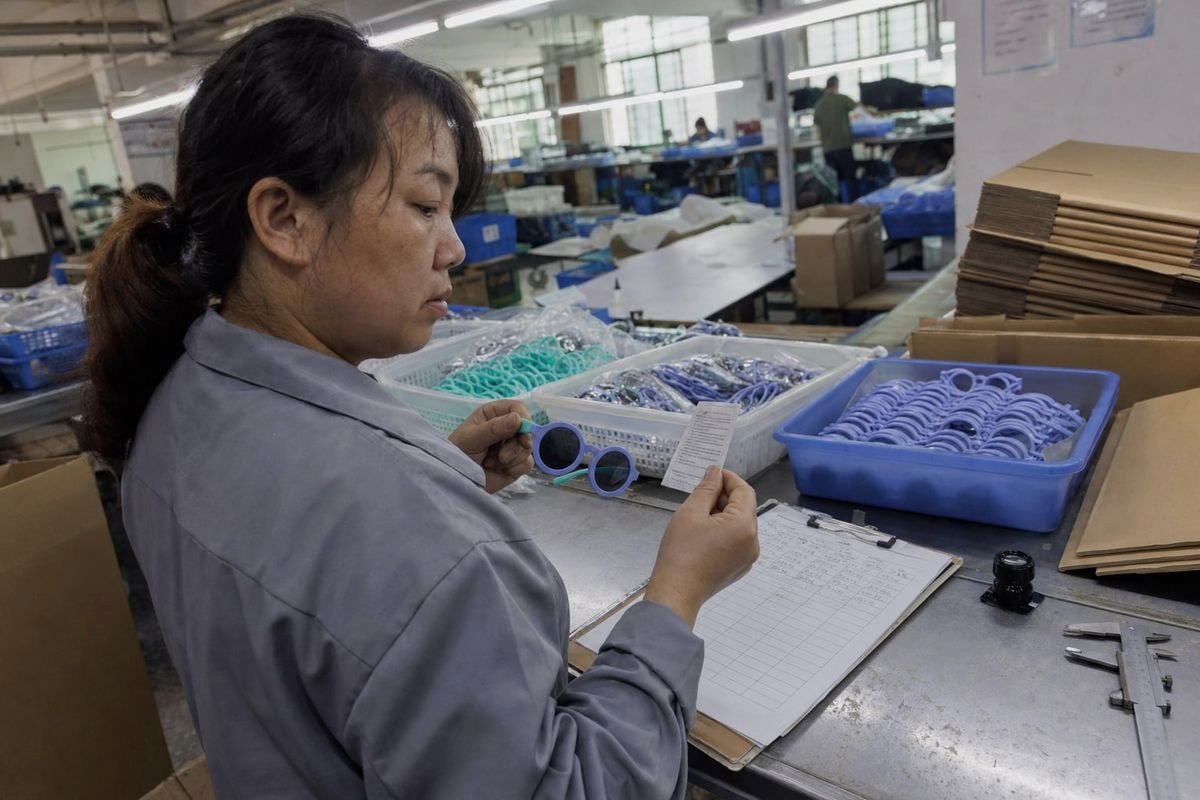
تصل أسئلة حول ملصقات نظارات الأطفال إلى بريدي الإلكتروني أسبوعيًا. يرسل لنا المشترون عينات تحمل ملصقات ’UV400“ رائعة، ثم يسألون فريق المصنع لدينا شيئًا واحدًا: هل تم التحقق من أي من هذا بالفعل؟
للتحقق من مطابقة ملصقات نظارات الأطفال لمعايير صناعة البصريات، تحقق من علامة المطابقة القانونية لسوقك المستهدف، وهوية الشركة المصنعة، وفئة مرشح العدسة، وادعاء UV400 أو 100٪ UVA/UVB، وتحذيرات الاستخدام المطلوبة، وإشارة إلى المعيار المطبق مثل ISO 12312-1 أو ANSI Z80.3.
تبدو قائمة التحقق هذه بسيطة. الجزء الصعب هو معرفة القواعد التي تنطبق في أي سوق، وكيفية إثبات كل ادعاء. دعني أرشدك خطوة بخطوة.
ما هي معايير الملصقات والشهادات التي يجب أن أتحقق منها قبل استيراد نظارات شمسية للأطفال؟
أعاد مشترٍ من أستراليا عينة ذات مرة إلى مصنعنا في تايتشو لأن العلامة المتأرجحة أظهرت وصفًا لفئة العدسة مكتوبًا للسوق الأوروبي. علمنا هذا الخطأ كلانا شيئًا: لا توجد مجموعة قواعد عالمية واحدة.
قبل استيراد نظارات الأطفال الشمسية، تحقق من المعيار الخاص بسوقك المحدد: علامة CE بموجب ISO 12312-1 للاتحاد الأوروبي، علامة UKCA للمملكة المتحدة، معايير ANSI Z80.3 وقواعد مقاومة الصدمات من إدارة الغذاء والدواء الأمريكية للولايات المتحدة، والمعيار الإلزامي للنظارات الشمسية في أستراليا، والتحقق من BSMI لتايوان.

أكبر خطأ أراه ترتكبه العلامات التجارية الجديدة هو التعامل مع "معايير نظارات الأطفال الشمسية' كمجموعة قواعد عالمية واحدة. إنها ليست كذلك. يمكن أن يكون المنتج متوافقًا تمامًا في ألمانيا وملصقًا بشكل غير صحيح تقنيًا في سيدني. لذا فإن المهمة الأولى هي رسم خرائط لأسواقك المستهدفة مقابل المعايير التي تحكم كل منها.
المعايير الرئيسية حسب المنطقة
إليك جدول المقارنة الذي نشاركه مع العملاء الجدد قبل أن نقتبس أي مشروع علامة تجارية خاصة:
| السوق | المعيار / القاعدة الرئيسية | العلامة المطلوبة | واجب الملصقات الملحوظ |
|---|---|---|---|
| الاتحاد الأوروبي | ISO 12312-1 1 (لائحة معدات الوقاية الشخصية) | علامة CE | فئة المرشح، هوية الشركة المصنعة، ملاءمة القيادة |
| المملكة المتحدة | ما يعادل ISO 12312-1 | علامة المطابقة للمملكة المتحدة | نفس العناصر الأساسية مثل الاتحاد الأوروبي، علامة خاصة بالمملكة المتحدة |
| الولايات المتحدة الأمريكية | ANSI Z80.3 + 21 CFR 801.410 | تسجيل/قائمة إدارة الغذاء والدواء | شهادة مقاومة الصدمات، عناصر CPSIA للأطفال |
| أستراليا | معيار إلزامي للنظارات الشمسية | ملصقات المطابقة | رقم فئة العدسة، التحذيرات، هوية المورد |
| تايوان | مخطط فحص BSMI | علامة التحقق BSMI | رقم التسجيل، UV400 وتصنيف المرشح على العبوة |
لاحظ كيف مسار المطابقة 2 يختلف. في أوروبا، تعتبر النظارات الشمسية معدات وقاية شخصية، لذا علامة CE 3 تنطبق ويجب أن تعود الملصقات إلى الامتثال لـ ISO 12312-1. في الولايات المتحدة، المنطق قائم على الجهاز: يجب أن تكون عدسات النظارات الشمسية معتمدة كمقاومة للصدمات، وتضيف منتجات الأطفال طبقة ثانية من قواعد سلامة المستهلك. تدير أستراليا معيارًا إلزاميًا مع متطلبات واضحة لمحتوى الملصقات، بما في ذلك رقم فئة العدسة وأي بيانات تحذيرية مطلوبة.
ستخبرك بعض المواقع الاستهلاكية أن حماية UV400 هي القصة بأكملها. إنها ليست كذلك. ترشيح الأشعة فوق البنفسجية خاصية واحدة. تغطي معايير البصريات أيضًا انتقال الضوء المرئي، وجودة الانكسار، والتشوه، و اختبار مقاومة الصدمات 4. تحقق من الإطار أولاً، ثم الادعاءات بداخله.
كيف يمكنني التأكد من أن ادعاءات المورد الخاصة بي بشأن UV400 والسلامة مدعومة بتقارير اختبار حقيقية؟
خلال 15 عامًا من تصنيع نظارات الأطفال، تحدث المحادثات الأكثر إزعاجًا عندما يطلب المشتري من المورد تقرير المختبر وراء ملصق UV400 - ويتلقى صمتًا. هذا الصمت يخبرك بكل شيء.
اطلب من المورد الخاص بك تقرير اختبار معملي من طرف ثالث يذكر المعيار المحدد الذي تم اختباره، ورقم الطراز، وتاريخ الاختبار، واعتماد المختبر. تحقق من التقرير مقابل العينات الخاصة بك، وتأكد من أن نتائج نقل الأشعة فوق البنفسجية، ونقل الضوء المرئي، ومقاومة الصدمات تظهر في البيانات.

تكلفة ملصق "UV400" المطبوع لا شيء. التحقق الحقيقي يكلف رسوم مختبر وبضعة أسابيع. لذا تعامل مع كل ادعاء على أنه غير مثبت حتى ترى الورقة وراءه. إليك العملية التي نوصي بها لعملائنا من الشركات المصنعة، وهي نفس العملية التي نتبعها داخليًا قبل إصدار أي من أنماطنا البالغ عددها حوالي 800 نمط للتصدير.
عملية تحقق من خمس خطوات
- اطلب التقرير الكامل، وليس ملخص الشهادة. "شهادة المطابقة" المكونة من صفحة واحدة بدون بيانات اختبار هي وثيقة تسويقية. يسرد التقرير الفعلي الأشعة فوق البنفسجية المنقولة المقاسة، عادة كنسبة مئوية عبر أطوال موجية تصل إلى 400 نانومتر.
- طابق التقرير مع منتجك. تحقق من أن رقم الطراز ومادة العدسة ولون العدسة في التقرير يتطابقان مع العينة التي في يدك. التقارير الخاصة بمنتج مختلف لا تثبت شيئًا عن منتجك.
- تحقق من المختبر. Reputable reports come from accredited third-party laboratories. Look up the lab's accreditation number. A report from an unknown in-house lab carries less weight with customs and retailers.
- Check the standard cited. The report should reference ISO 12312-1, ANSI Z80.3 standards, or the Australian standard — whichever matches your market. A generic "UV test" with no named standard is a red flag.
- Confirm impact resistance for the US. For American orders, ask specifically for drop-ball or equivalent impact resistance testing evidence, because FDA rules require lenses to be certified as impact resistant. Polycarbonate lens safety performance usually passes this comfortably, but you still need the documentation.
One nuance worth stating plainly: lens darkness tells you nothing about UV filtration. A nearly clear lens can block 100% of UV, and a very dark lens can fail. Even an optician's photometer check 5, useful as a spot check, does not replace batch-level lab data. For children's products in the US, that data also feeds the Children's Product Certificate, which some brands now link to via a QR code on packaging for batch-level transparency.
ما هي المعلومات المحددة التي تحتاج إلى الظهور على الملصق والتعبئة والتغليف للامتثال للوائح في سوقي المستهدف؟
Packaging artwork is where deals get delayed. Our design team once reworked a European client's hang tag three times because the filter category and the crossed-out car symbol kept getting dropped by their graphic designer for "aesthetic reasons."
يجب أن يُظهر ملصق النظارات الشمسية للأطفال المتوافق هوية الشركة المصنعة أو المورد، ورقم ووصف فئة فلتر العدسة، وادعاءات الحماية من الأشعة فوق البنفسجية، وملاءمة الاستخدام بما في ذلك تحذيرات القيادة عند الاقتضاء، وإشارة إلى المعيار المطبق، وبالنسبة لمنتجات الأطفال الأمريكية - ملصق تتبع CPSIA.
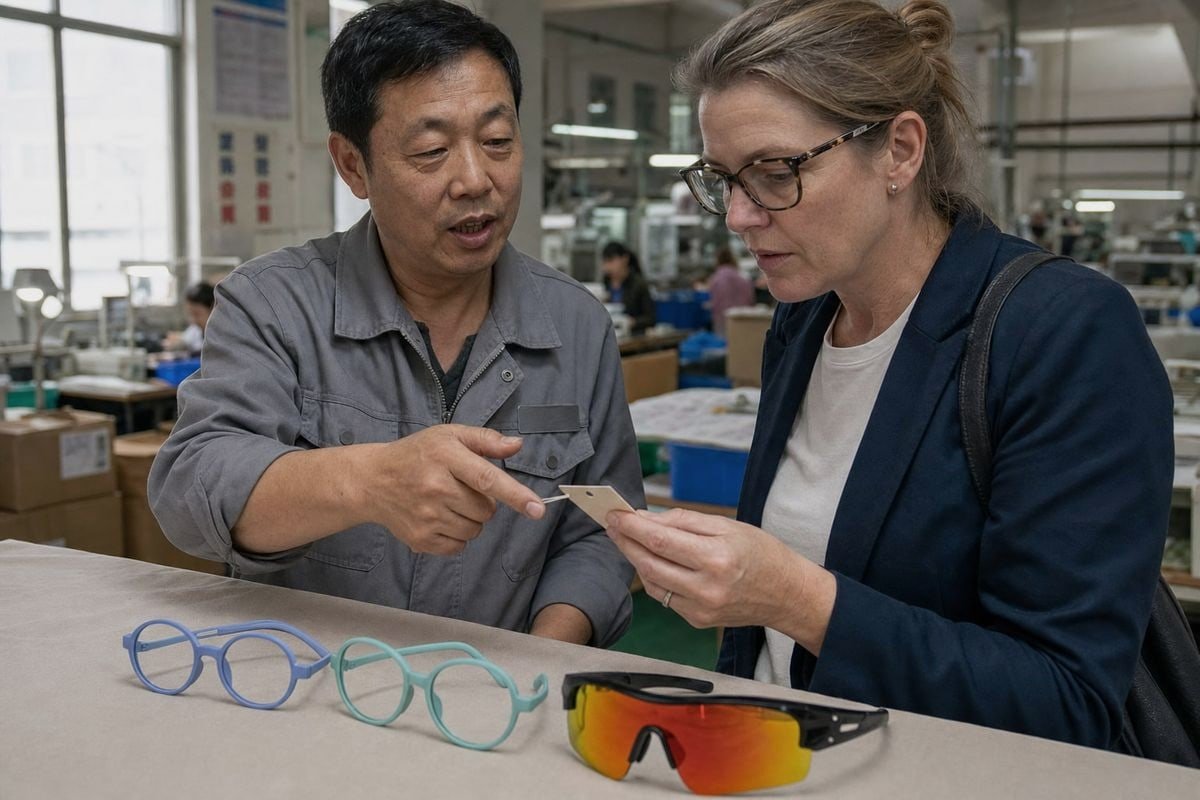
Think of the label as a legal document shrunk onto a hang tag. Each element serves a purpose: traceability, safe use, or proof of conformity. Miss one, and a market surveillance officer or a retail buyer's QA team can reject the whole shipment.
The core label elements, item by item
| عنصر الملصق | What it looks like | Why regulators require it |
|---|---|---|
| Manufacturer/supplier identity | Company name and address | Traceability and recall accountability |
| Lens/filter category | Number 0–4 plus description | Tells users what light conditions suit the lens |
| UV claim | "UV400" or "100% UVA/UVB" | Communicates the core protective function |
| Usage warnings | Crossed-out car symbol, "not for direct sun viewing" | Prevents unsafe use, e.g., night driving with dark lenses |
| Standard reference | e.g., ISO 12312-1:2022 | Anchors claims to a testable benchmark |
| Conformity mark | CE, UKCA, or BSMI mark | Legal permission to place on that market |
| CPSIA tracking label (US) | Batch, date, production location | Enables batch-specific recalls for children's products |
Filter category deserves special attention for kids' lines. Filter category 3 is the common choice for bright outdoor conditions, and it is what we fit on most of our sport wraparound styles with عدسات متدرجة عاكسة 6. Category 4 is too dark for road use and must carry the driving warning. For our flexible TPEE frames aimed at toddlers, we also advise clients to add material safety statements 7 on packaging, since young children chew on temple arms — a real-world behavior standard labels do not cover but retail buyers increasingly ask about.
Language matters too. Australia expects clear, legible English labeling. The EU may require warnings in the language of each member state where the product sells. Plan artwork space for this early, not after printing.
كيف أعمل مع الشركة المصنعة الخاصة بي للحفاظ على الامتثال لوضع العلامات عبر بلدان مختلفة؟
Trade-offs come up constantly on multi-market orders. One of our European importers wanted a single universal package for five countries; we had to show them why one smart artwork template beats one lazy universal label.
اعمل مع الشركة المصنعة الخاصة بك عن طريق الاتفاق على متطلبات وضع العلامات الخاصة بالسوق في مرحلة الاقتباس، ومشاركة قائمة التحقق الخاصة بالبلد المستهدف، وطلب الموافقة على الأعمال الفنية قبل الإنتاج، والتحقق من تقارير الاختبار لكل سوق، وإنشاء حزمة مستندات - بيانات الاختبار والإعلانات والشهادات - التي تسافر مع كل شحنة.

Compliance is a shared job, but the brand owner carries the legal responsibility in most markets. So your manufacturer should act as your execution partner, not your regulatory adviser of last resort. In our OEM/ODM projects, labeling is locked in before molds, colors, or logos are finalized — because retrofitting a hang tag after mass production is expensive and slow.
A practical division of responsibilities
| Task | Brand/importer | الشركة المصنعة |
|---|---|---|
| Identify target-market standards | Leads | Advises from export experience |
| Arrange third-party lab testing | Approves and pays or co-funds | Prepares samples, coordinates labs |
| Artwork with marks and warnings | Approves final files | Drafts, prints, applies |
| Conformity documents (DoC, CPC) | Signs and holds | Supplies supporting test data |
| Batch traceability records | Audits | Maintains production records |
A few habits make this partnership work in practice. First, send your manufacturer a written labeling checklist per country before sampling. We keep such checklists updated for our customers across 20+ countries, and they prevent most artwork rework. Second, approve a physical pre-production sample with the actual printed tag, insert, and box — not just a PDF. Third, ask how packaging variants are managed on the line; our 5S-managed workshop separates market-specific packaging by order to avoid mix-ups when one style ships to three regions. Fourth, revisit compliance annually. Standards get revised, and a reference to an outdated version of ISO 12312-1 compliance on your tag can trigger questions at customs.
Finally, think beyond minimum compliance. Polarized lens benefits, neutral-density color accuracy for developing eyes, and food-grade soft materials are not always legally required — but stating them accurately and verifiably on packaging builds retailer trust and shelf appeal.
الخلاصة
Unverified labels put children's eyes and your brand at risk. Verify the mark, the manufacturer identity, the filter category, the UV data, and the market-specific warnings — with real documents behind every claim.
ملاحظات ختامية
1. The official ISO page for the international standard governing sunglasses for general use. ↩︎
2. General overview of regulatory compliance and its importance in international trade. ↩︎
3. Official EU Commission page for Personal Protective Equipment (PPE) regulations. ↩︎
4. FDA regulation specifying the mandatory impact resistance testing for all eyeglass lenses sold in the US. ↩︎
5. Scientific explanation of how photometers measure light intensity and transmission. ↩︎
6. Technical description of different sunglass lens types, including mirrored and gradient options. ↩︎
7. CPSC guidance on safety standards and labeling for children’s products and toys. ↩︎
مقالات أخرى قد تعجبك

August 1, 2026
هل يجب على المصنع التعامل مع تغليف ووضع ملصقات نظارات الأطفال الشمسية، أم استخدام مورد مخصص؟

August 1, 2026
مستودع خاص مقابل الوفاء المباشر من المورد: أيهما يقلل تكاليف الإرجاع لعلامات نظارات الأطفال الشمسية؟

August 1, 2026
مباشر إلى ميناء المستودع أو التخزين الخارجي: أيهما يوفر أكثر على شحن نظارات الأطفال الشمسية؟
هل تبحث عن شريك موثوق به للنظارات للأطفال؟
استكشف أكثر من 800 نمط جاهز ودعم OEM/ODM كامل مصمم خصيصًا لعلامتك التجارية.
اتصل بنا English
  Español de México
  Deutsch
  Français
  日本語
日本語  العربية
  Português do Brasil