Quais Fatores de Custo Impulsionam as Diferenças de Preço em Óculos Infantis?
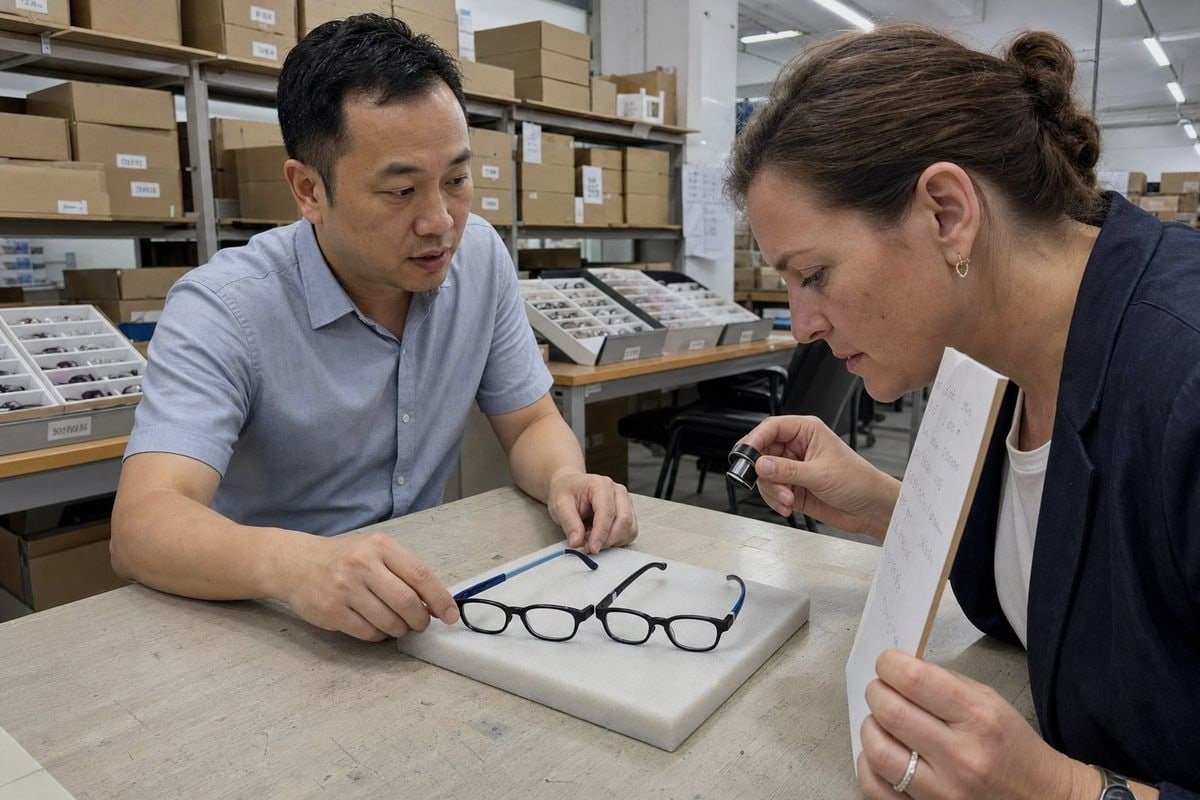
Os fatores de custo em óculos infantis confundem muitos compradores que visitam nossa fábrica em Taizhou. Duas armações de aparência semelhante podem diferir em preço em 300%, e as cotações raramente explicam o porquê.
As diferenças de preço em óculos infantis são impulsionadas por materiais de armação como TR90 e TPEE, tipos e revestimentos de lentes, qualidade de dobradiças e ferragens, investimento em moldes e ferramentas, níveis de MOQ, taxas de licenciamento, embalagem e custos ocultos, como testes de conformidade, taxas de defeito e termos de envio.
Cada um desses fatores adiciona ou remove dólares reais do seu custo de chegada. Vou detalhá-los um por um, para que você possa comparar as cotações dos fornecedores com confiança.
Quais São os Principais Fatores de Custo Por Trás do Preço dos Óculos Infantis?
No mês passado, um comprador da Austrália me enviou duas cotações de concorrentes para armações infantis quase idênticas. A diferença era de 40%. Passamos uma hora rastreando exatamente para onde esse dinheiro foi.
Os principais impulsionadores de custos por trás da precificação de óculos infantis são material bruto da armação, material e revestimentos das lentes, ferragens das dobradiças, amortização de moldes, quantidade de pedidos, mão de obra e controle de qualidade, embalagem e testes de conformidade. As escolhas de material e lente geralmente respondem pela maior parte do preço de fábrica.
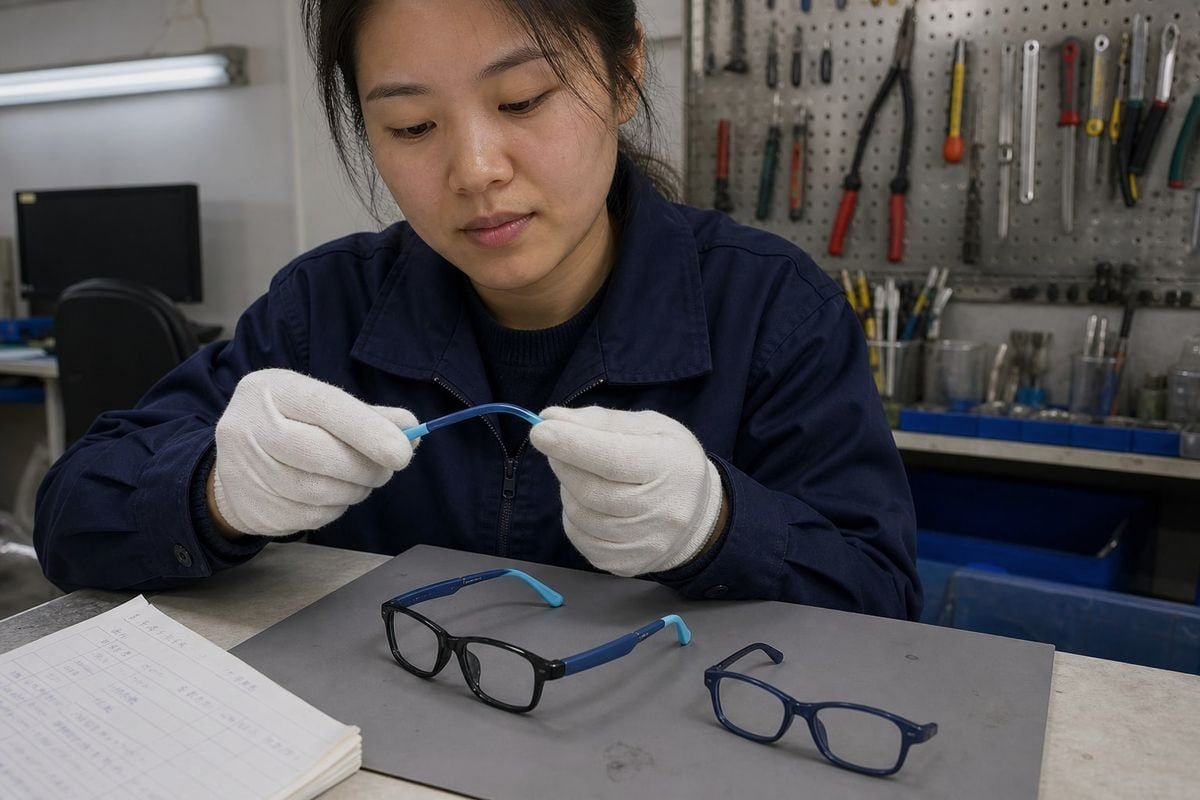
Quando você recebe uma cotação para armações infantis 1, você está realmente olhando para uma pilha de custos menores. Entender a pilha ajuda você a negociar as coisas certas em vez de apenas pressionar o total.
A Pilha de Custo Típica em uma Armação Infantil
Veja como o custo de uma armação óptica infantil flexível típica se divide no nível da fábrica, com base no que vemos em nossos aproximadamente 800 estilos existentes:
| Componente de Custo | Participação do Preço de Fábrica | O que Muda |
|---|---|---|
| Material da armação (TR90, TPEE, PC) | 25–35% | Grau do material, espessura da armação, masterbatch de cor |
| Lentes | 15–30% | Lentes de policarbonato, UV400, polarizadas, opções de lentes fotocromáticas |
| Dobradiças e ferragens | 5–15% | Dobradiças de mola flexíveis vs. dobradiças de barril padrão |
| Mão de obra e montagem | 10–15% | Ajuste manual, designs de duas cores, pontas de silicone |
| Controle de qualidade | 5–8% | Profundidade de inspeção, padrões de resistência ao impacto 2 testes |
| Embalagem | 5–12% | Caixas prontas para varejo, estojos, panos, etiquetas |
| Amortização do molde | 0–10% | Ferramentas novas vs. moldes existentes |
Alguns pontos merecem ênfase. Primeiro, as armações infantis são menores que as armações adultas, então usam menos matéria-prima. Mas essa economia é parcialmente compensada em outros lugares. As armações infantis precisam de dobradiças mais resistentes, pontas de haste mais macias e maior resistência à quebra. A segurança é inegociável nesta categoria. Segundo, as atualizações de lentes afetam o preço mais do que a maioria dos compradores espera. Uma lente de sol polarizada UV400 custa significativamente mais do que uma lente básica colorida. Terceiro, o licenciamento muda tudo. Taxas de licenciamento de designers para personagens ou marcas podem adicionar um nível premium que não tem nada a ver com o desempenho óptico. Duas armações que parecem semelhantes em função podem diferir acentuadamente no preço simplesmente porque uma carrega um design licenciado.
Como Materiais Como TPEE e TR90 Afetam Meus Custos de Fabricação?
Há um compromisso que pesamos em cada novo projeto: uma armação de plástico mais rígida e barata custa menos por unidade, mas uma haste flexível de TPEE sobrevive a uma criança torcendo-a diariamente.
TPEE e TR90 custam mais por quilograma do que plásticos padrão, elevando o preço unitário em aproximadamente 10–30%. Em contrapartida, oferecem flexibilidade, peso mais leve, conforto hipoalergênico e taxas de quebra muito mais baixas, o que reduz devoluções, reclamações de garantia e o custo total de propriedade para sua marca.
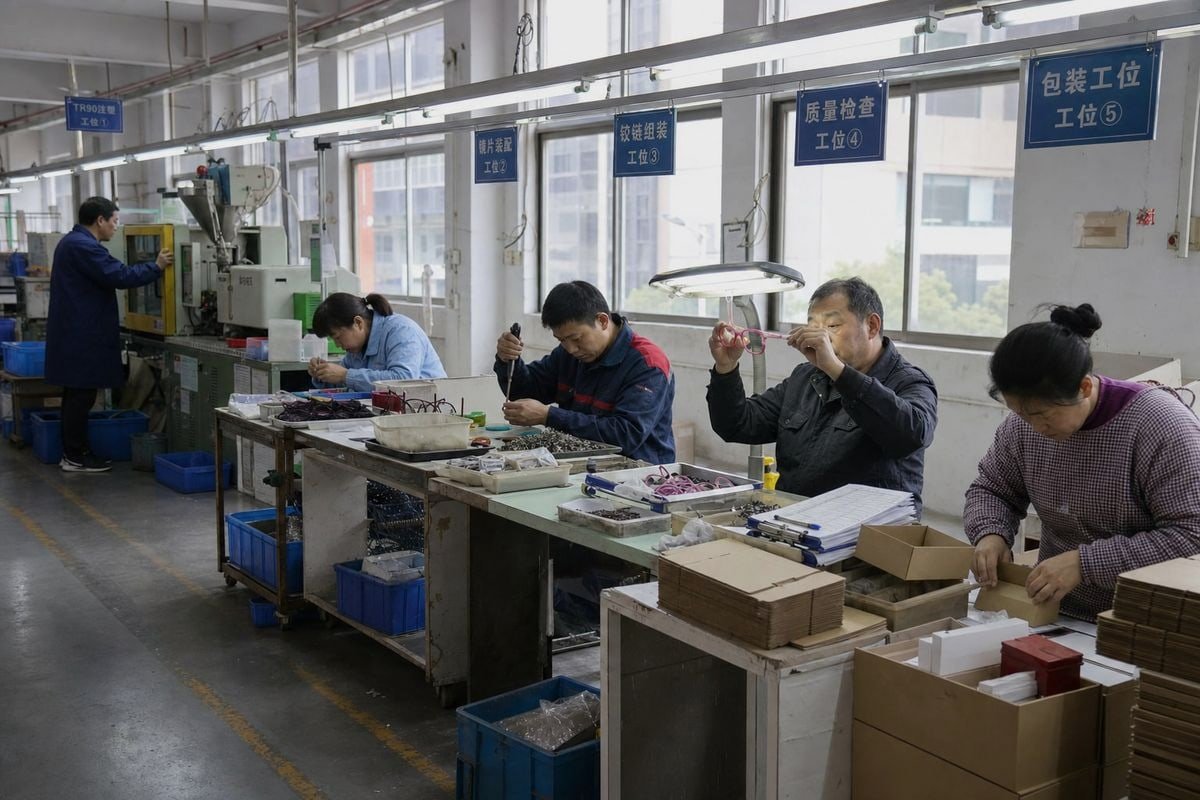
A escolha do material é a única decisão que molda tanto o seu custo quanto a reputação do seu produto. Portanto, vale a pena entender o que você realmente paga por cada opção.
Comparando Materiais Comuns de Armações Infantis
| Material | Custo Relativo | Flexibilidade | Peso | Melhor Uso |
|---|---|---|---|---|
| Plástico PC padrão | Baixo | Rígido, pode quebrar | Médio | Óculos de sol promocionais econômicos |
| o plástico de memória TR90 | Médio | Alto, retorna à forma | Muito leve | Armações ópticas infantis, uso diário |
| TPEE | Médio-alto | Muito alta, quase inquebrável | Leve | Armações para bebês e crianças ativas, hastes |
| Combinação TR90 + TPEE | Médio-alto | Frente rígida, hastes flexíveis | Leve | Estilos ópticos e de sol infantis premium |
O plástico de memória TR90 dobra e retorna à sua forma original. Isso é importante porque as crianças sentam em seus óculos, os tiram com uma mão e os deixam cair constantemente. O TPEE vai um passo além. É mais macio, ecologicamente correto e suave para a pele, razão pela qual muitas vezes combinamos um Frente TR90 3 com hastes de TPEE. A frente mantém as lentes estáveis para precisão óptica, enquanto as hastes se flexionam com segurança ao redor da cabeça de uma criança.
Há também custos ocultos de material. Plásticos reciclados baratos podem conter irritantes, então materiais hipoalergênicos para armações 4 exigem grânulos de grau virgem, que custam mais. A cor também importa. Designs de duas cores, como uma frente preta brilhante com pontas de silicone azul celeste, precisam de etapas extras de moldagem e montagem manual. processo de moldagem por injeção 5 Nossos engenheiros descobriram que esses detalhes adicionam 8–15% ao custo de mão de obra, mas também são o que faz uma armação infantil vender no varejo.
Uma objeção de comprador que ouço com frequência: armações mais baratas significam margens melhores. Na prática, taxas de quebra mais altas apagam essa margem. Dados da indústria sugerem que 20–25% dos óculos infantis são perdidos ou quebrados anualmente. Uma armação que sobrevive é um cliente que faz um novo pedido.
Escolher Entre Estilos Existentes Pode Ajudar-me a Reduzir o Meu MOQ e Investimento?
A lesson I learned early in our 15 years of eyewear production: new brands rarely fail because of design. They fail because tooling costs drain their launch budget before the first sale.
Sim. Escolher a partir da biblioteca de estilos existente de um fabricante elimina custos de moldagem de $2.000–$8.000 por armação, reduz o tempo de desenvolvimento de meses para semanas e diminui significativamente os MOQs, porque a fábrica já possui ferramentas comprovadas, ajustes testados e processos de produção estabelecidos para esses designs.

For a founder or product manager testing the kids' eyewear category, this is usually the smartest first move. Here is why the math works so strongly in your favor.
New Mold vs. Existing Style: The Real Numbers
Opening a new injection mold for a single frame style is a serious investment. You pay for the tooling itself, then for sampling rounds, then for adjustments. And because the factory must justify the setup, MOQs on fully custom tooling 6 are high. With an existing style, all of that disappears. At our workshop, buyers can select from around 800 existing kids' styles, then customize colors, logos, lenses, and packaging on top of proven molds.
| Fator | New Custom Mold | Existing Style + OEM Customization |
|---|---|---|
| Custo de ferramental | $2,000–$8,000 per style | $0 |
| Tempo de desenvolvimento | 60–120 days | 15–30 dias |
| MOQ Típico | High, to amortize tooling | Much lower per color/style |
| Fit and safety risk | Unproven, needs testing rounds | Already validated on real production |
| Market test flexibility | One design, big commitment | Multiple styles, small commitment |
What You Can Still Customize
Choosing an existing frame does not mean selling a generic product. You can still specify:
- Custom frame and temple colors, including two-tone combinations
- Your logo printed or embossed on the temple
- Lens upgrades — UV400, polarized, or photochromic lens options
- Branded, retail-ready packaging, cases, and accessories
This approach lets you launch three or four styles, watch which ones sell, and only invest in custom tooling once you have real market data. When a Japanese baby-product brand tested our TPEE toddler frames this way, they validated demand across two seasons before committing to their own exclusive design. That sequencing protected their cash flow and their timeline.
Quais Custos Ocultos Devo Observar Ao Comparar Fornecedores de Óculos?
During a QC audit in our 5S-managed workshop, a visiting procurement manager told me her previous supplier's "cheap" quote ended up 25% more expensive after rework, retesting, and delays.
Custos ocultos ao comparar fornecedores de óculos incluem a falta de testes de conformidade, altas taxas de defeito que exigem retrabalho, embalagens fracas que causam danos no transporte, termos de envio pouco claros, taxas de amostragem, comunicação lenta que atrasa lançamentos e cotações que excluem itens essenciais como revestimentos, estojos ou programas de garantia de substituição.
A low unit price on a quotation sheet is not the same as a low landed cost. sales quotation 7 The gap between the two is where inexperienced buyers lose money.
Compliance and Testing Gaps
Children's eyewear must meet impact resistance standards and chemical safety regulations in your target market — think EN standards in Europe or ANSI-related requirements in the US. Some suppliers quote low by skipping testing entirely. If your goods fail at customs or, worse, after a child is injured, the "saving" becomes a liability. Always ask what testing is included and request documentation before you commit.
Quote Exclusions That Add Up Later
Watch for these items that are often quoted separately or omitted:
- Lens treatments: anti-reflective coating and scratch-resistant treatment are sometimes excluded, then billed as surprise extras.
- High-index lens materials: if you sell armações ópticas, your customers' stronger prescriptions may need thinner lenses; confirm whether your Rx lab partner or the factory handles this.
- Hardware upgrades: flexible spring hinges cost more than basic hinges, and some quotes silently substitute the cheaper option.
- Embalagem: a poly bag is not retail-ready. Boxes, cases, cloths, and inserts each add cost — but they also protect goods in transit.
- Sampling and revisions: some factories charge heavily per sample round.
Service Gaps That Cost You Time
Slow communication is a hidden cost too. If email replies take four days, a small production question can delay your launch by weeks. This is a real difference between working with a factory directly and buying through layers of traders. Traders add markup and slow down answers, similar to how retail overhead and professional fitting services inflate prices at the consumer level. In our experience exporting to buyers in more than 20 countries, the suppliers who answer technical questions quickly are also the ones whose defect rates stay low — responsiveness and process discipline usually travel together.
Conclusão
Kids' eyewear prices reflect materials, lenses, hardware, tooling, and hidden service costs. Choose flexible TPEE and TR90, start with existing styles, and compare landed cost — not just unit price.
Mais Artigos que Você Pode Gostar
Procurando um Parceiro Confiável em Óculos Infantis?
Explore mais de 800 estilos prontos e suporte completo OEM/ODM adaptado à sua marca.
Entre em Contato English
  Español de México
  Deutsch
  Français
  日本語
日本語  العربية
  Português do Brasil