子供用光学フレームサプライヤー監査:社内または第三者検査?
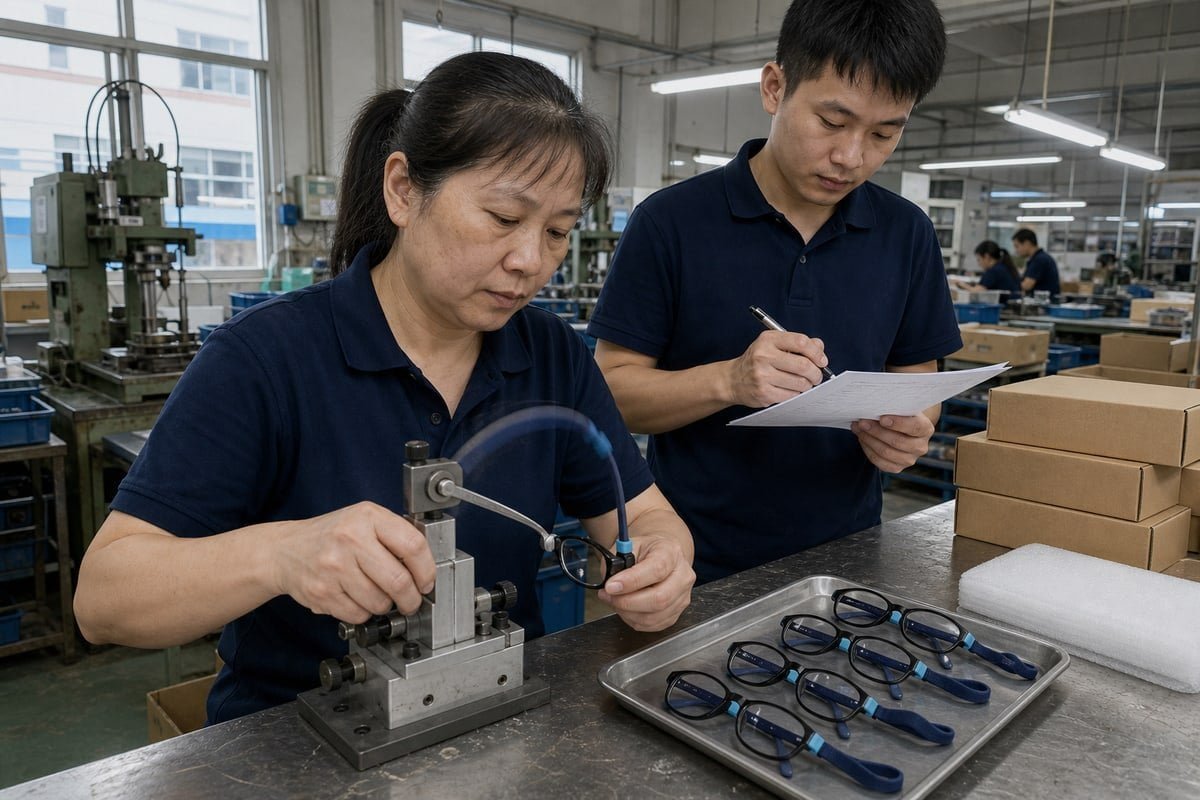
子供用光学フレームのサプライヤー監査は、ローンチを成功させることも失敗させることもあります ISO 8624サイジング 1. 蝶番の故障でシーズン全体を失ったバイヤーを何人も見てきました。それは私たちの5Sワークショップなら数分で見つけられたはずです。.
子供用光学フレームサプライヤー監査には、両方のモデルを使用してください。製品の深さ、サプライヤー開発、迅速な是正措置のための社内監査、および独立した検証、CPSIA関連のテスト証拠、出荷前検査のための第三者検査。ハイブリッドアプローチは、単独の方法よりも子供の安全リスクをより良く管理します。.
その短い答えには多くの詳細が隠されています。子供用眼鏡は、一般的な消費財よりも高い安全性、コンプライアンス、トレーサビリティの要求を伴います。したがって、あなたが選択する監査モデルは、他のほとんどの場所よりもここで重要になります。以下に、実際の生産ラインで起こっていることを使用して、決定を段階的に説明します。.
子供用光学フレームのサプライヤーを監査する際、社内検査と第三者検査のどちらを選ぶべきですか?
去年の春、あるオーストラリアのバイヤーから、彼女のチームが私たちの台州工場を自分たちで監査すべきか、それとも検査官を雇うべきか尋ねられました。私の正直な答えは彼女を驚かせました。それは段階によります。.
専門知識、長期的なサプライヤー育成、または知的財産保護が必要な場合は、社内検査を選択してください。独立性、外部からの信頼性、または複数の工場にわたる規模が必要な場合は、第三者検査を選択してください。ほとんどの子供用眼鏡バイヤーは、サプライヤーライフサイクル全体を通じて両方を組み合わせることで最良の結果を得ています。.
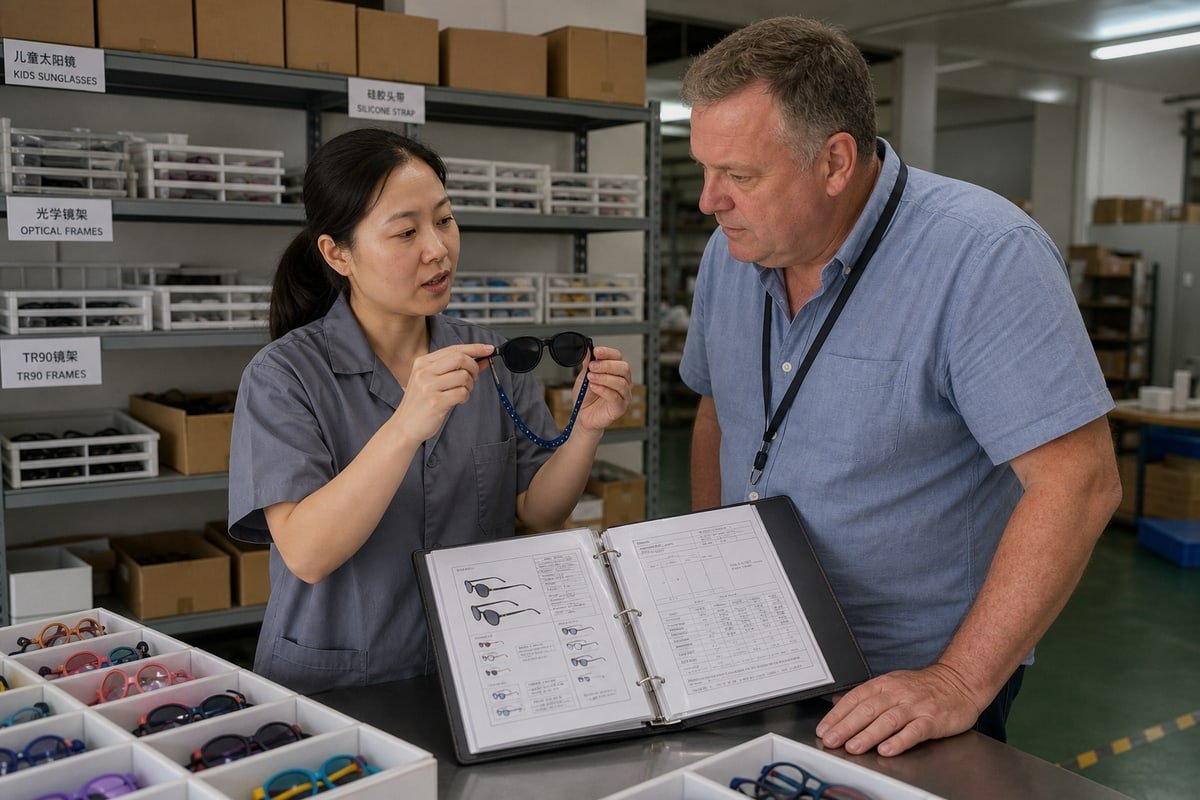
まず、多くのバイヤーを混乱させるので、用語を明確にさせてください。第一者監査は、工場の自己評価です。第二者監査は、バイヤー主導のサプライヤー監査であり、あなたのQAまたはソーシングチームによって行われます。第三者監査は、外部企業による独立したチェックです。人々が「社内監査」と言うとき、彼らは通常、第二の種類を意味します。ここに、2つのバイヤーオプションの比較があります。
| 要因 | 社内(バイヤー主導)監査 | 第三者検査 |
|---|---|---|
| 上記のすべてを、見知らぬ人が確認したもの | 低い; 関係のプレッシャーが存在する | 高い; 設計上中立 |
| 製品知識 | 深く、あなたのフレーム仕様に合わせた | 提供する基準がない限り一般的 |
| 小売業者および税関との信頼性 | 中程度 | 高い; レポートは広く受け入れられている |
| 月次カバレッジ | しばしば1〜2サプライヤーのみ | しばしば5〜10サプライヤー |
| テンプル、フルフレックスベビーフレーム | サプライヤー開発、複雑な仕様、機密IP | 新規サプライヤー、最終ゲート、多国間ソーシング |
サプライヤーの段階に合わせて監査モデルを一致させる
In my experience hosting audits from buyers in more than 20 countries, the stage decides the model. Early qualification suits a buyer-led visit, because you check whether the factory can meet your design and safety requirements. Ongoing monitoring suits internal audits too, since your team can tie the factory audit report directly to corrective actions. But critical checkpoints, like final acceptance before shipment, favor third parties, because neutrality matters most there.
一部のバイヤーは、外部検査官が微妙な製品の問題を見逃すことを異議としています。その懸念は妥当です。一般的な監査担当者は、子供用フレームの柔らかい蝶番やわずかに粗いテンプルエッジに気づかないかもしれません。解決策は第三者をスキップすることではありません。解決策は、詳細な品質管理チェックリストを提供し、あなた自身の訪問中の製造プロセス検証と検査をペアにすることです。ある眼鏡ソーシングガイドは、まさにこの理由で、バイリンガルで業界専門の検査官を雇うことを推奨しています。カバレッジは他の決定要因です。あなたの内部チームが月に1〜2社しか訪問できないのに対し、第三者企業が5〜10社をカバーする場合、規模だけで質問が決まる可能性があります。.
子供用眼鏡工場の監査中に確認すべき安全および品質基準は何ですか?
私たちのワークショップでのある入荷材料チェック中に、TR90バッチがサプライヤーのテストレポートなしで到着しました。子供用眼鏡の書類のギャップは決して小さな問題ではないため、すぐに隔離しました。.
CPSIA準拠、ISO 8624サイズ、およびフレーム素材とコーティングにおける鉛、フタル酸エステル、BPAの化学的安全性をご確認ください。また、ヒンジの耐久性、UV400レンズの表示、ラベルの正確性、原材料のトレーサビリティ、およびISO 9001、CE、FDA、UKCA、REACH、RoHSなどのテストレポートといった文書も検証してください。.
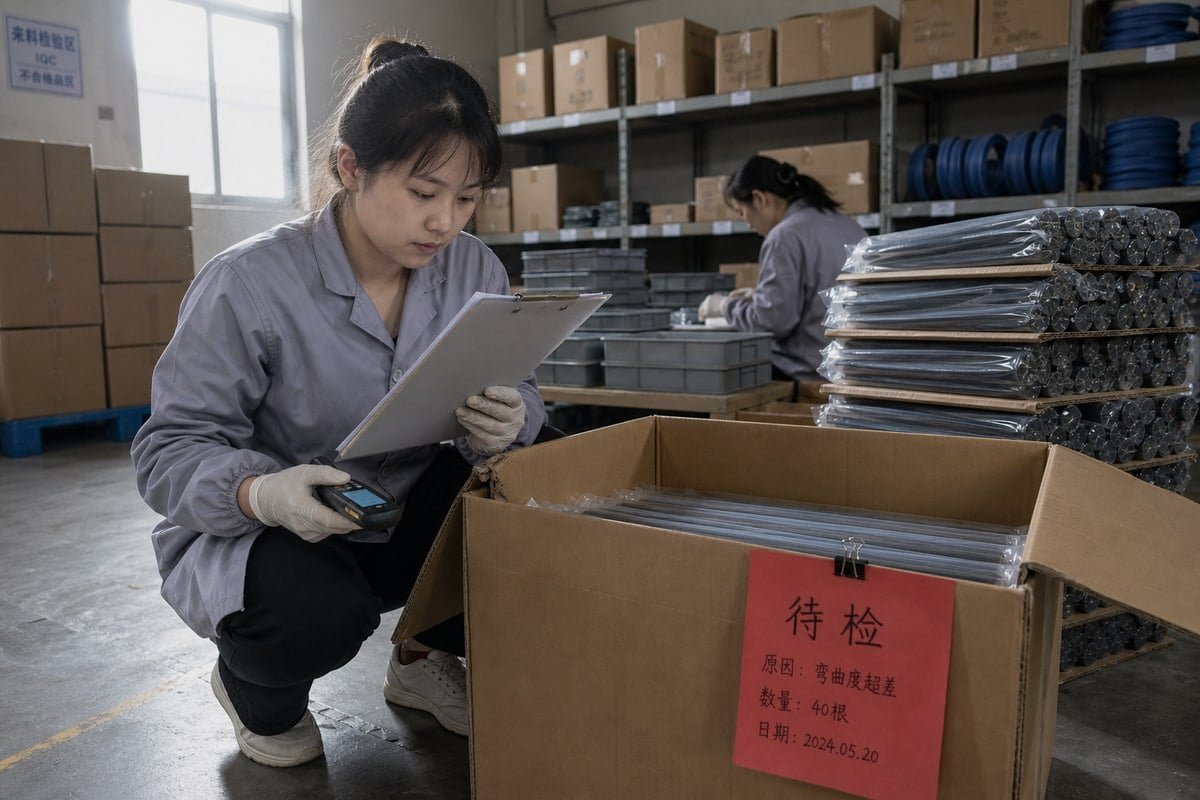
子供用フレームは二重のリスクに直面します。システムリスク、つまり弱い工場のプロセスがあります。そして製品リスク、つまり実際のフレームにのみ現れる欠陥があります。工場は書類上は準拠しているように見えても、一貫性のない蝶番や誤ってラベル付けされたパッケージを出荷する可能性があります。したがって、あなたの監査は両方のレイヤーをカバーする必要があります。これは、私たちを訪れるバイヤーに推奨するチェックポイント構造です。
| 監査エリア | 確認内容 | 子供にとってなぜ重要か |
|---|---|---|
| 何をチェックするか | アセテート、TR90、TPEE、またはコーティングに鉛、フタル酸エステル、またはBPAを含まない | CPSIAコンプライアンスと子供の健康保護 |
| フィットとサイジング | ISO 8624寸法; 年齢に適した形状 | フィットが悪いと、成長中の顔に滑りや圧力がかかる原因になります |
| 蝶番と耐久性 | サイクリングテスト、ネジ保持、屈曲挙動 | 子供たちは毎日フレームを落とし、曲げ、座ります |
| レンズ | UV400検証、耐衝撃性 | UVクレームは規制コンプライアンステストに耐える必要があります |
| サブティアコンポーネント | 蝶番、ネジ、ノーズパッドの起源 | サブティアのトレーサビリティは、小売業者からますます期待されています |
| ドキュメント | ISO 9001、CE、FDA、UKCA、REACH、RoHSレポート; 事業免許 | 法的な市場参入と弁護可能な記録 |
化学物質および材料の検証が最優先
米国のCPSIAのような必須規則は、サプライヤーの主張だけでなく、認定された第三者ラボテストを必要とすることがよくあります。したがって、子供用眼鏡の工場監査中は、生産中の正確な材料バッチに関連付けられた現在のテストレポートを見るように求めてください。原材料のトレーサビリティがここでのバックボーンです。私たちの工場では、すべてのTPEEおよびTR90ロットがサプライヤー証明書にリンクされており、数か月後にクレームを検証できるようにサンプルを保持しています。新しいトレンドはこれをさらに進めています。バイヤーは現在、バイオアセテートのバイオインテグリティチェックを求めており、持続可能な材料が高量生産中に石油ベースのポリマーで希釈されていないことを確認しています。.
Fit, function, and paperwork
Advanced buyers also audit ergonomics. Some now use 3D anthropometric verification to confirm frame geometry matches real pediatric face shapes at different ages, not just scaled-down adult sizing. Finally, check the document system. A few of our European optical customers even ask about ISO 13485 certification frameworks 2, because optical frames touch the medical-device channel in some markets. Even where it is not mandatory, a factory that understands that documentation standard usually runs tighter records overall.
子供用メガネフレームの注文に、第三者検査は追加費用を払う価値がありますか?
Every new purchase order that crosses my desk at our Taizhou factory raises the same trade-off: pay a few hundred dollars for independent inspection, or trust our reports alone?
はい、子供用眼鏡の第三者検査は通常、それだけの価値があります。地元の検査員の場合は約$100~$300、国際的な企業の場合は1日あたり$300~$700程度ですが、リコールリスク、出荷拒否、子供の安全製品カテゴリーにおける小売業者の信頼喪失と比較すると、その費用はわずかなものです。.
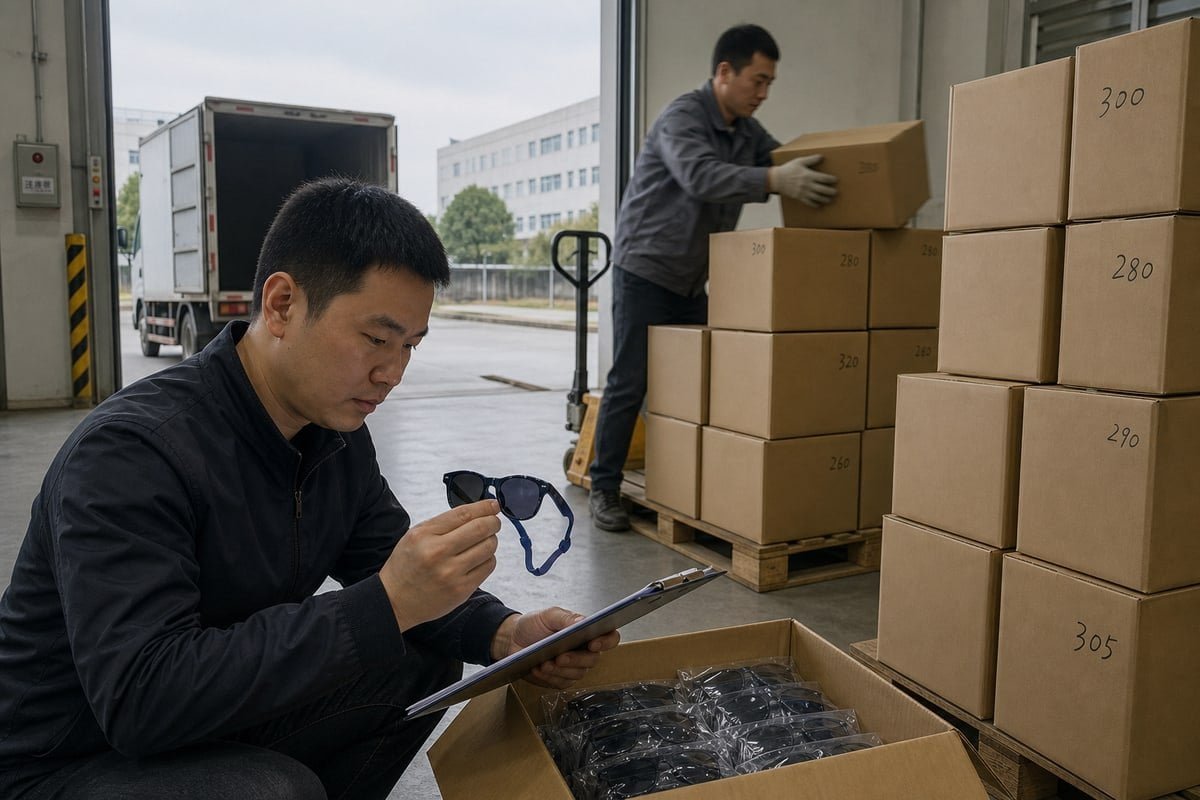
Let me put those numbers in context, because pricing varies widely by region and scope. Treat these figures as examples, not universal rates:
| Verification Option | 標準的なコスト | Best Used For |
|---|---|---|
| Supplier self-inspection | Free or built into unit price | Routine internal checks; lowest credibility |
| Local inspection company | About $100–$300 per visit | Smaller orders; quantity, defect, and packaging checks |
| International third-party firm | About $300–$700 per day | High-volume orders; formal reports for banks, customs, retailers |
The real question is not the fee. It is what a missed defect costs you. A children's product recall brings extreme financial and reputational damage, far beyond the value of one shipment. That is why multi-stage auditing has become the industry standard: a pre-production check on materials, an in-line check during assembly, and a pre-shipment inspection before goods leave the factory. Each stage catches problems while they are still cheap to fix.
How inspectors actually check your frames
A typical pre-shipment inspection uses AQLサンプリング基準 3 to pull a statistically valid sample from finished cartons. The inspector checks quantities, cosmetic defects, lens quality, hinge function, labeling, and packaging accuracy, then issues a photo-rich pass/fail report. In our experience exporting kids frames with silicone ear straps and flexible TPEE temples, these final gates catch exactly the issues that matter at retail, like a mismatched packaging insert or a strap batch with inconsistent texture.
Some buyers still object that inspectors lack product intimacy. True, but solvable. Send the inspector your approved sample, your tolerances, and your quality control checklist. A third-party report also serves a second purpose: it signals to the factory that your benchmarks are enforced by an external authority. Honest factories welcome that pressure. We do, because it protects both sides when a dispute arises.
独立した監査なしで、サプライヤーの社内品質管理をどのように信頼できますか?
Fifteen years of running eyewear production taught me one uncomfortable lesson: no factory, including ours, should ask buyers for blind trust. Verification systems earn trust; promises do not.
サプライヤーが証明した場合にのみ、社内品質管理を信頼できます。文書化された品質管理チェックリスト、AQLサンプリング記録、追跡可能な工場監査レポート、第三者試験証明書、および抜き打ち検査のためのオープンアクセス。検証可能な証拠とサプライチェーンの透明性なしには、自己検査だけでは利益相反のリスクを伴います。.
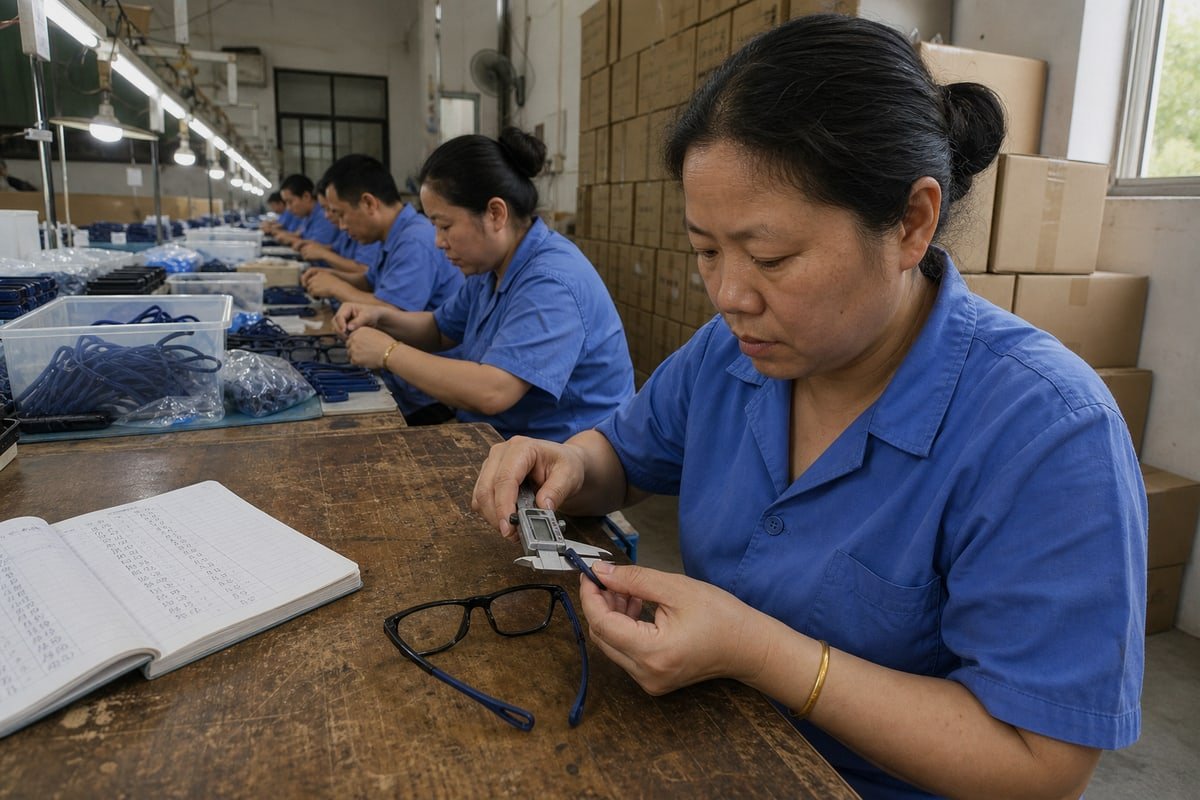
Supplier self-inspection has lower credibility for a structural reason: the person grading the work also profits from passing it. That does not mean in-house QC is worthless. It means you should verify the system behind it before you rely on it. Here is the process I suggest to buyers who cannot visit China immediately:
- Request the document trail. Ask for the factory's business license, export authorization, ISO 9001 certificate, and recent product test reports. Check that report dates match current production, not a batch from three years ago.
- Ask for batch-level records. A credible factory shows raw material traceability from resin lot to finished frame. At our workshop, TPEE and TR90 lots carry IDs through every station, so one defective frame traces back to its source.
- Review the inspection method. Ask which AQL level they apply and request a sample factory audit report or internal inspection sheet. Vague answers are a red flag.
- Run a video walkthrough. A live tour of the workshop floor reveals more than a brochure. Look for 5S organization, retained golden samples, and visible manufacturing process verification at each station.
- Verify sub-tier sourcing. Ask where hinges, screws, and nose pads come from. Sub-tier traceability is moving from nice-to-have to mandatory in serious retail programs.
- Schedule periodic independent checks anyway. Combine internal supplier QC for routine work with third-party deep dives at set intervals. Some hybrid programs now go further, using IoT-enabled production data that outside experts verify in real time.
The pattern behind all six steps is simple. Trustworthy in-house QC leaves evidence everywhere. When a buyer asks us hard questions, we can answer from records, not memory. A factory that resists this level of supply chain transparency is telling you something important. Listen to it, and keep independent verification in your program regardless of how good the relationship feels.
結論
Kids optical frames supplier audits work best layered: in-house depth plus third-party independence. If you want a factory that welcomes both, contact Alan Kong at sales@okayeyewear.com.
脚注
1. International standard for spectacle frame measuring systems, crucial for pediatric eyewear fit. ↩︎
2. Quality management standard for medical devices, often relevant for optical frames in regulated markets. ↩︎
3. Explains the statistical sampling method used by inspectors to determine batch quality. ↩︎

 English
  Español de México
  Deutsch
  Français
  日本語
日本語  العربية
  Português do Brasil