子供用サングラスのアフターセールス保証条件の交渉方法
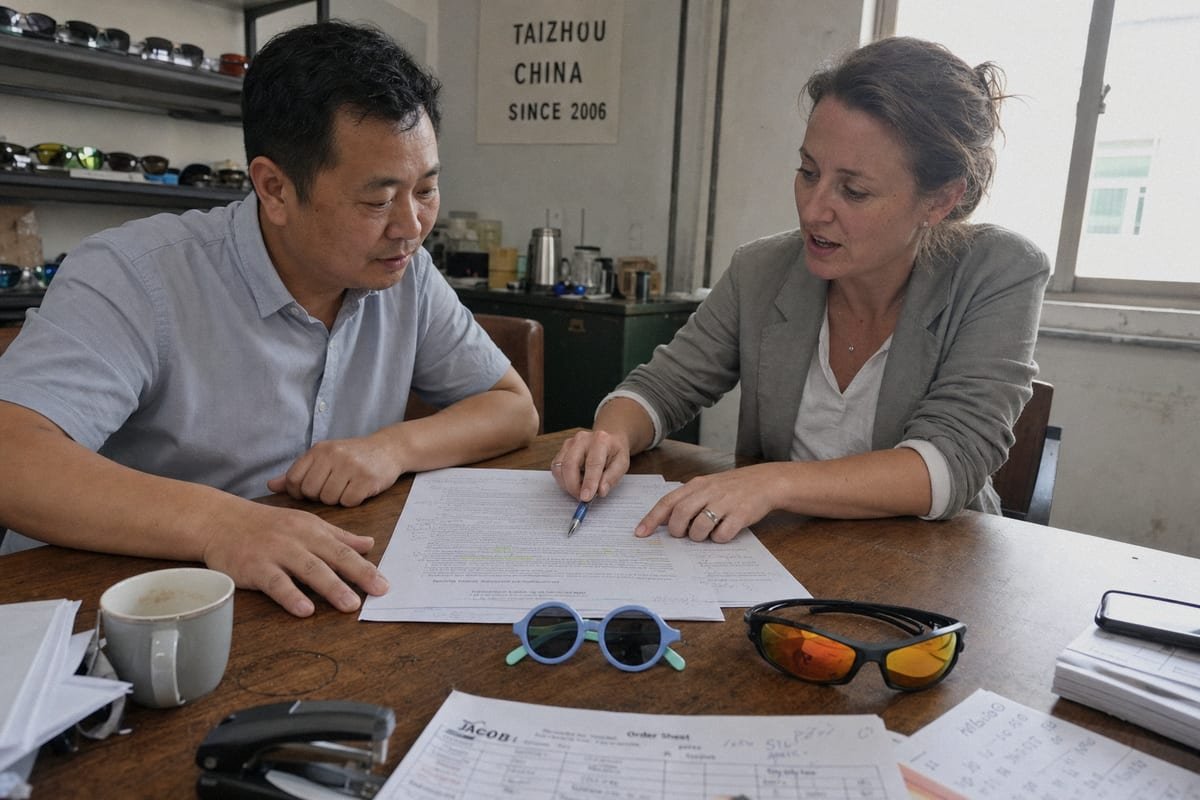
子供用サングラスのアフターセールス保証条件の交渉は、バイヤーが最も多くのお金を失うところだと私は見ています。台州の生産ラインでは、保証の文言が弱いと、小さな欠陥が大きな論争になり、一度悪いバッチが出ると、発売中止につながる可能性があります。.
子供用サングラスのアフターセールス保証条件を交渉するには、対象となる欠陥を正確に定義し、保証期間を出荷時ではなく小売販売開始時からとし、除外事項を証明可能な誤用のみに限定し、48〜72時間の応答時間で写真ベースの請求に同意し、出荷全体にわたる欠陥のバッチ障害トリガーを設定します。.
その一文には、多くの動く部分が隠されています。以下では、オーストラリア、日本、ヨーロッパのブランドが私たちと条件を交渉する際に、毎週見られることを利用して、各部分を分解します。.
信頼できる子供用サングラスメーカーに期待すべき保証条件とは?
ヨーロッパのベビーブランドのバイヤーが、かつて「すべての欠陥」をカバーする保証に署名したが、実際にはほとんど何もカバーしていなかったことが判明したと私に語りました。私たちはショールームで、条件ごとに一緒に書き直しました。.
信頼できる子供用サングラスメーカーは、フレームのヒンジ、レンズコーティング、素材の剥離に対して最低12ヶ月の保証を提供し、製造上の欠陥に対する明確な交換ポリシー、乱用に対する定義された除外事項、およびバッチテストレポートが要求に応じて入手可能な規定の不良率許容範囲を設けるべきです。.
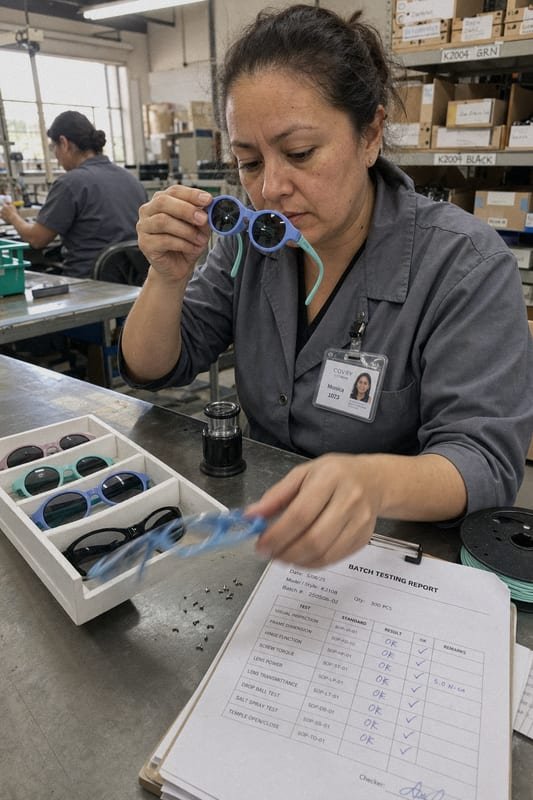
子供用アイウェアの保証は、ファッションアクセサリーの保証ではありません。それは小ロットの消費者製品の品質契約です。子供たちはサングラスを落としたり、座ったり、テンプルの先端を噛んだりします。したがって、条件は工場が管理するものと子供が行うものを区別する必要があります。TR90およびTPEEフレームを15年間製造してきた中で、論争はほぼ常に5つの障害点に集中しています。フレームのひび割れ、ヒンジの故障、レンズの傷、コーティングの剥離、UV保護の不適合です。あなたの保証はそれぞれを明記すべきです。.
サプライヤーが調整できる4つのダイヤル
サプライヤーは、平らな「はい」または「いいえ」を言うことはめったにありません。代わりに、4つのダイヤルで取引します。それらを理解すれば、議論する代わりに交渉できます。.
| ダイヤル | 何を制御するか | 強いバイヤーの立場 |
|---|---|---|
| 範囲 | どの部品と障害がカバーされるか | フレーム、ヒンジ、ネジ、レンズコーティング、ケース、ストラップ |
| 期間 | 保証期間 | 小売販売から最低12ヶ月 |
| 除外事項 | 請求が無効になるもの | 証明可能な誤用または改造のみ |
| 請求プロセス | 請求の提出方法と支払い方法 | 写真証拠、クレジットまたは交換、迅速な締め切り |
保証を製品の約束に結び付ける
サプライヤーが柔軟性を宣伝する場合 TR90フレーム 1 について尋ねてください。ここではゆっくりまたは曖昧に答える工場は、後でもゆっくりと答えます。 衝撃耐性テスト 2 レンズについては、保証はその約束を反映する必要があります。UV400または偏光レンズのオプションを引用する場合、バイヤーがコーティングの耐久性に関する保証を求めることを期待しており、それを バッチテストレポート. で裏付けることができます。耐久性を主張しながら保証を拒否するサプライヤーは、何かを伝えています。また、サプライヤーが 生産物賠償責任保険 3 を保有しており、 最初のサンプルは、子供用フレームのフィット感や仕上げの調整が必要になることがほとんどです。修正をスキップすると、リスクが量産に移行し、エラーの修正にはさらに多くの時間がかかります。 4 市場向けに提供できることを確認してください。規制上の裏付けのない保証は、安全ネットの半分にすぎません。.
製品ローンチを遅延させずに、欠陥クレームと返品にどう対処しますか?
タイミングのプレッシャーは、新しいブランドクライアントと最も頻繁に取引するトレードオフです。発売週の遅い請求プロセスは、レビュー、返金、小売業者の信頼において、不良品のコストよりも高くつく可能性があります。.
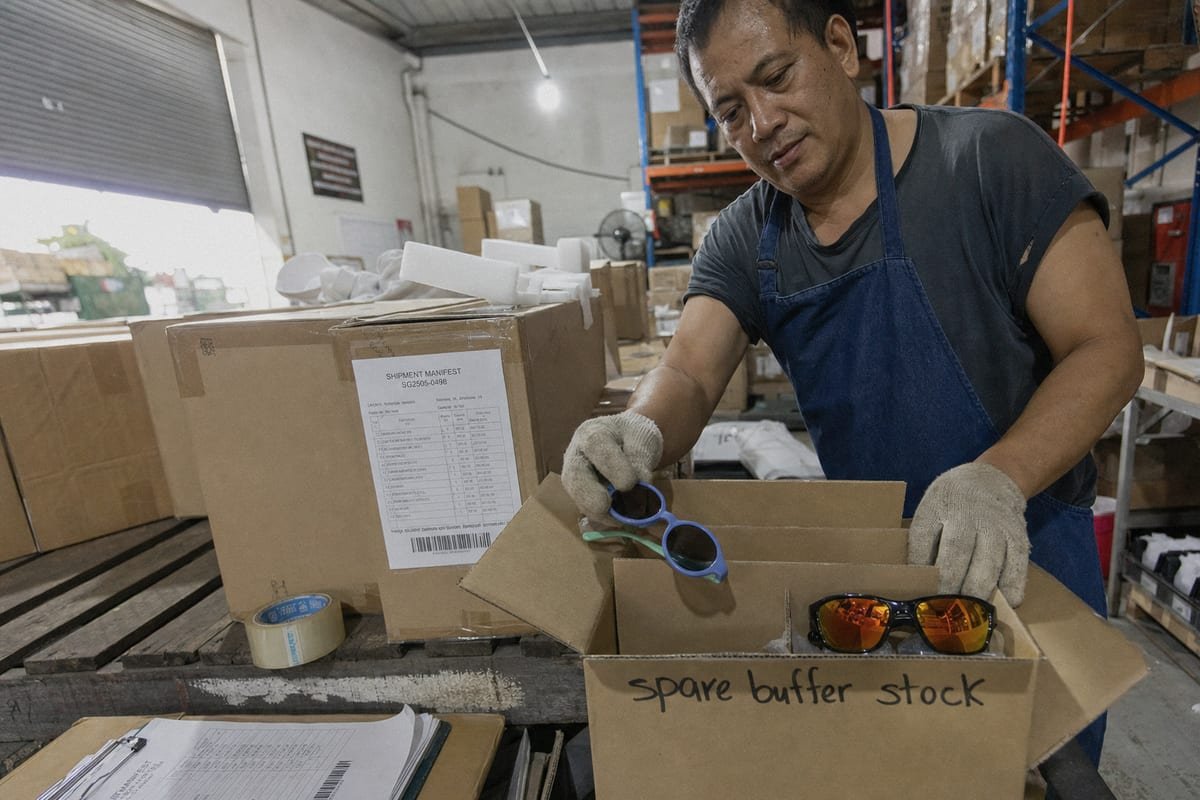
写真またはビデオ証拠で欠陥請求を処理し、返品なしで発売遅延を防ぐ。写真またはビデオ証拠に同意することで、48〜72時間の請求対応SLA、デフォルトの救済措置としてのクレジットまたは交換、および注文ごとに3〜5%のスペアパーツ供給またはバッファ在庫を配送します。.
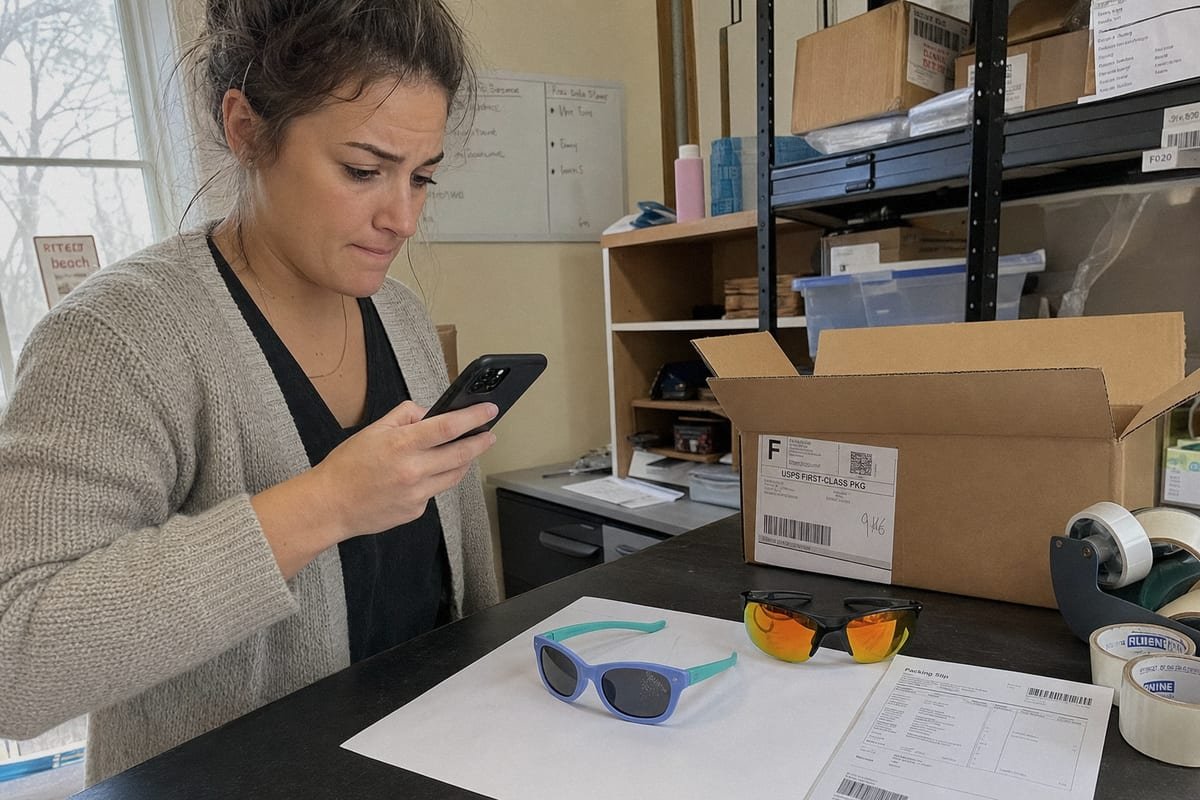
中国に壊れた子供用サングラスのペアを送り返す費用は、ユニット自体の費用よりも高くつく可能性があります。そのため、最も賢いバイヤーは、事前に証拠プロトコルを交渉します。低価値の請求には、デジタル写真または短いビデオで十分な証拠となります。私たちは海外の多くのクライアントに対して写真ベースの請求を受け入れており、プロセスから数週間のデッドタイムを排除します。.
実用的な請求ワークフロー
これは、契約に書き込むことをお勧めする番号付きプロセスです。
- バイヤーは、合意された期間内に写真またはビデオで欠陥を文書化します。.
- バイヤーは、バッチ番号と注文参照を付けて請求を提出します。.
- サプライヤーは、書面によるSLAの下で48〜72時間以内に承認または拒否します。.
- 承認された請求は、次の出荷での交換または次の注文でのクレジットによって決済されます。.
- 不良品は、現地で破壊されるか、サンプルとして保持されます。返送されません。.
アフターセールスバッファー
最も優れた発売保護は、アフターセールスバッファーです。各出荷に3〜5%の追加在庫が含まれています。カスタマーサービスチームは、請求書なしで同じ日に壊れたペアを交換でき、四半期ごとにサプライヤーと合計を照合します。返品送料の責任も書面で割り当てる必要があります。物理的な返品が必要になった場合(たとえば、バッチ全体の問題が疑われる場合)は、サプライヤーが確認された製造上の欠陥に対する送料を負担する必要があります。この費用を曖昧にしないでください。曖昧さは常に、お金を持っている側を有利にします。.
サプライヤーの保証契約に署名する前に、どのような質問をすべきですか?
The hardest lesson I learned early in our export business was that the questions buyers do not ask cost them the most. One importer skipped a single question about the warranty start date — and lost four months of coverage to shelf time.
署名する前に、保証期間がいつから始まるか、不良率の許容範囲はどのくらいか、請求はバッチ単位で可能か、返品送料は誰が負担するか、どのような証拠が必要か、販売チャネルを通じて保証が引き継がれるか、出荷前の第三者品質検査が許可されているかを確認してください。.
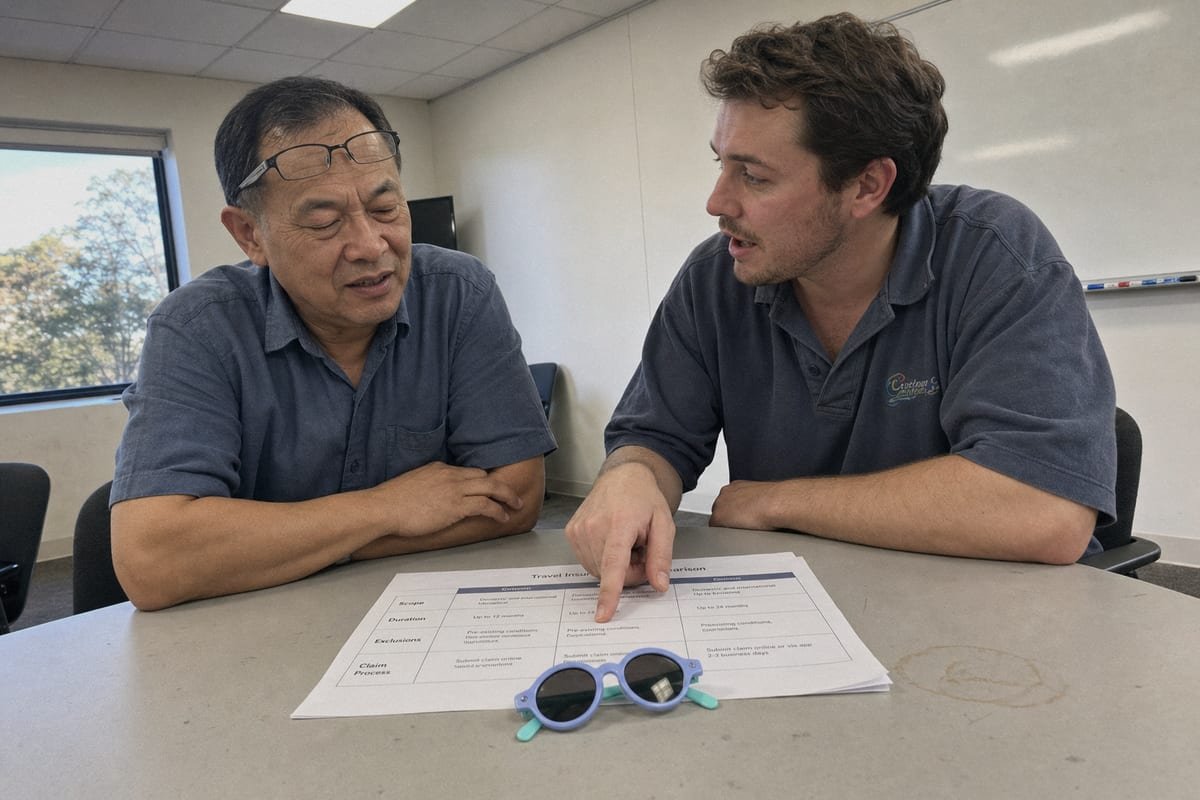
The start-date question deserves the most attention. Many contracts start the warranty at factory shipment. But your goods spend weeks at sea, more weeks in a warehouse, and months on a retail shelf. A 12-month warranty starting at shipment can leave the end customer with only three or four usable months. Push for the clock to start at retail sale or receipt by the end customer. If the supplier resists, a compromise is delivery to your warehouse plus an extended total period.
Questions That Expose Weak Agreements
| 必須の質問リスト | なぜ重要なのか | Red Flag Answer |
|---|---|---|
| When does the warranty clock start? | Channel delay eats coverage | "At factory shipment" |
| What is the defective rate allowance? | Sets the threshold for claims | "We don't track defect rates" |
| Are batch-level claims allowed? | One shipment-wide flaw shouldn't need 500 claims | "Each unit individually" |
| Who pays return shipping liability? | Freight can exceed unit value | "Buyer pays all freight" |
| Can I run third-party quality inspection? | Independent verification before shipment | "Not necessary" |
| Does coverage transfer to retailers and end customers? | Channel structure affects usable time | "Original buyer only" |
| Do you carry product liability insurance? | Protects your brand from downstream risk | Silence or vagueness |
Documentation Before Signing
Ask for material specs, impact resistance testing results, and recent batch testing reports. In markets like the United States, confirm CPSIA compliance certification and, where lenses are involved, FDA登録 5 for eyewear as an impact-resistant device category. We keep these documents ready for our clients precisely because serious buyers always ask. If a supplier cannot produce them quickly, the warranty behind them is probably just as thin.
子供用眼鏡の保証範囲交渉において、私のブランドをどのように保護できますか?
When we developed our TR90 frames with TPEE temples, a Japanese kids' brand pushed us hard on one point: their brand name would be on the box, so their reputation carried every claim we might reject. They were right to push.
5%の欠陥率を上回るバッチ障害トリガーを交渉し、除外規定を証明可能な悪用に限定し、子供の安全基準の変更に対応するための規制進化条項を追加し、製造物責任保険を確認し、取引価値(予測、数量、明確な証拠)をより強力な条件と交換することで、ブランドを保護します。.
Your customers do not know your supplier. They know your logo. So warranty negotiation is really brand-risk negotiation. The supplier's classic pushback is that children's eyewear invites misuse, so broad coverage would flood them with claims. The counter is simple: exclude genuine abuse, but cover defects that appear during ordinary child use, because ordinary child use is exactly what the supplier designs and manufactures for. A kids' frame that cracks when a kid wears it is a design failure, not a customer failure.
Trade Value Instead of Just Demanding More
Suppliers move furthest when you offer something back. Here is what each side can concede:
| You Offer | Supplier Offers in Return |
|---|---|
| Longer forecast visibility | Extended warranty duration |
| Clean, standardized claim evidence | Faster credit settlement |
| Larger or repeat order commitments | Lower defective rate allowance threshold |
| Accepting a paid extended plan on select SKUs | Free base coverage on core failure points |
Clauses That Shield the Brand Itself
Three clauses matter most for children's products. First, the batch failure trigger: if defects exceed 5% in one shipment, the supplier replaces the batch, not units one by one. Second, the regulatory evolution clause: if children's material standards — lead limits 6, BPA rules 7 — change during the warranty period, nonconforming stock gets replaced. Third, a clear replacement policy for manufacturing defects that names remedies and deadlines. Some buyers now also negotiate a sustainability buy-back, where broken frames returned for material recycling earn a small per-unit credit. It signals shared responsibility, and it plays well with eco-conscious parents.
結論
Weak warranty terms turn every defect into a dispute. Negotiate scope, start date, exclusions, and claims process precisely — and document everything before you sign.
脚注
1. TR90 is a nylon-based polymer; background reference clarifies the material used in frames. ↩︎
2. Standard governing impact resistance testing for eyewear, supporting the documentation requirement. ↩︎
3. Background concept explaining supplier liability coverage referenced as a negotiation point. ↩︎
4. Official U.S. regulation governing children’s product safety compliance referenced in the article. ↩︎
5. Official FDA guide for medical device establishment registration and product listing procedures. ↩︎
6. CPSC guidance on lead content limits in children’s products, matching the regulatory clause discussed. ↩︎
7. FDA’s official page on BPA regulation, directly tied to the material standards mentioned. ↩︎


 English
 Español de México
 Deutsch
 Français
 日本語
 العربية
 Português do Brasil