子供用サングラスの価格差の原因は何ですか?
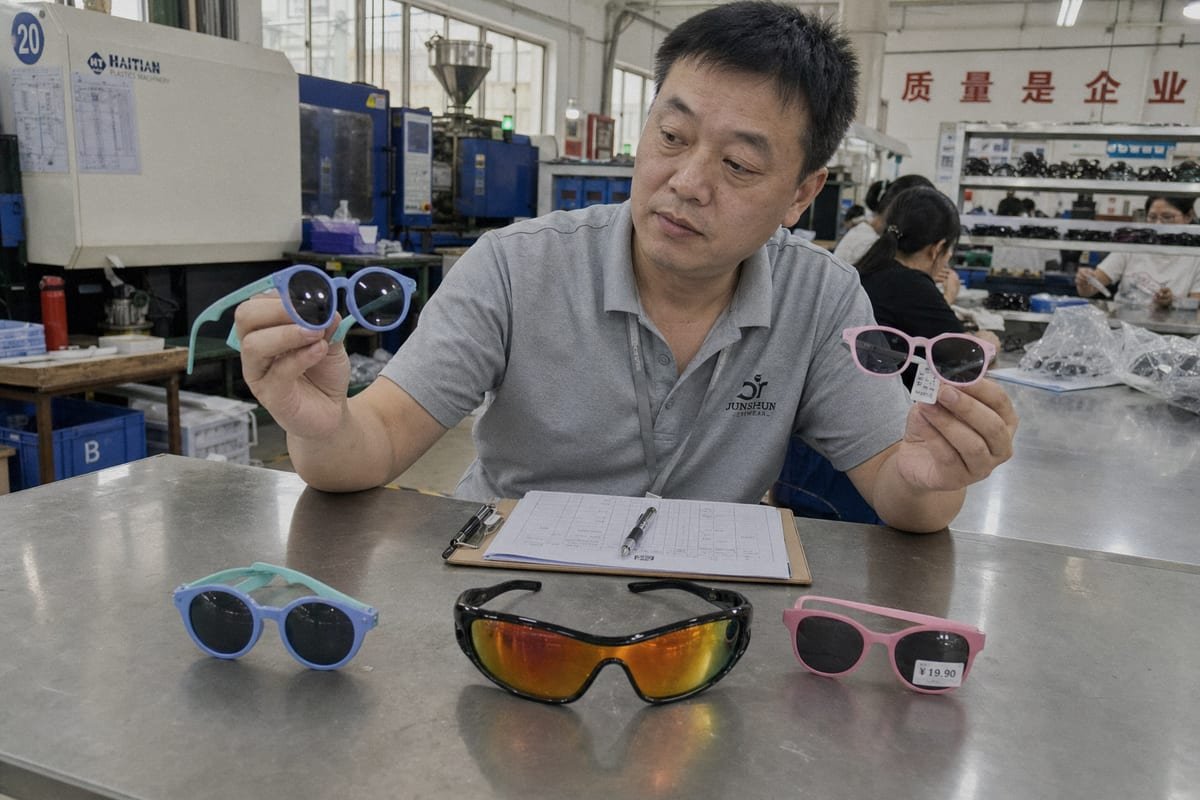
[子供用サングラスの価格差](https://okayeyewear.com/what-quality-differences-between-kids-sunglasses-different-price-points/) は、当社の台州生産ラインを訪れる多くのバイヤーを混乱させます。 射出成形 1. 。1つのサンプルは0.80ドル、別のサンプルは3.50ドルで見積もられ、どちらも写真では似ています。その差は新しいブランドを心配させます。真実は、その差はランダムではなく、素材、レンズ、金型、カスタマイズの選択に直接対応しているということです。.
子供用サングラスの価格差は、主に4つの要因から生じます。フレーム素材の品質(TPEEとTR90は基本的なプラスチックよりも高価)、レンズ技術(UV400および偏光レンズはコストを追加)、金型と開発への投資、そしてブランディングやパッケージングなどのカスタムOEM/ODM作業のレベルです。.
これら4つの要因はそれぞれ異なる方法で機能します。一部は単価を上げます。一部は初期投資を増やします。この記事では、4つすべてを一つずつ説明し、どこにお金が実際に価値を生み出すかを判断できるようにします。.
TPEEやTR90のようなフレーム素材は最終価格にどの程度影響しますか?
昨年、オーストラリアのバイヤーから2つのフレームを比較のために送ってもらいました。1つは私の柔軟なTPEEサンプルでした。もう1つは、彼女が他で見つけた硬い安価なフレームでした。彼女は両方を曲げました。1つだけが生き残りました。.
フレーム素材は通常、子供用サングラスの単価の30〜45%を占めます。.
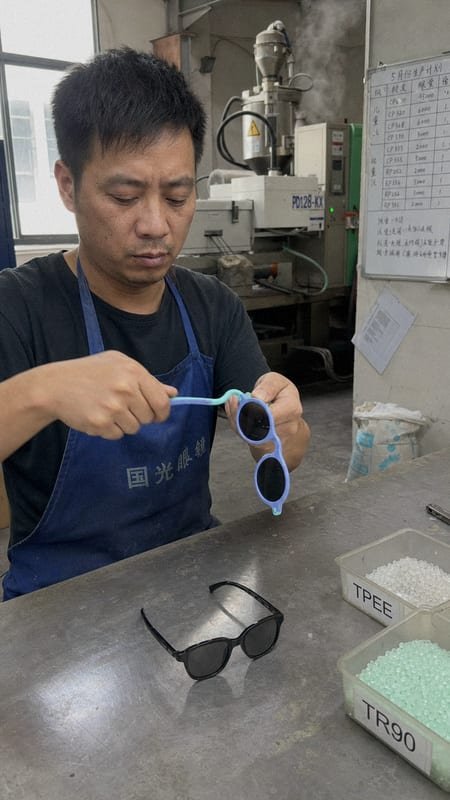
素材の選択は、価格差が現れる最初の場所であり、エンドユーザーに最も簡単に正当化できる場所でもあります。安価なフレームは硬くて壊れやすいプラスチックを使用しています。幼児が座るとひび割れます。子供が片手で外すとヒンジで折れます。私のエンジニアは15年間このパターンをテストしてきましたが、故障モードは常に同じです。硬い素材と乱暴な取り扱いが組み合わさると、返品や苦情につながります。.
なぜ柔軟な素材が高価なのか
TPEEとTR90はエンジニアリンググレードのポリマーです。それらの原材料価格は、キログラムあたりで汎用プラスチックよりも大幅に高くなっています。しかし、コストの話はペレット価格を超えています。
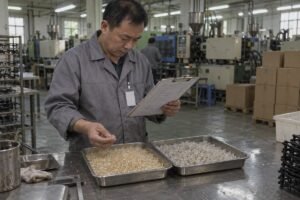
- 柔軟な素材は、より厳密な射出温度制御が必要なため、サイクルタイムが遅くなります。.
- 柔らかい素材は流れマークをより簡単に示すため、不良率を注意深く管理する必要があります。.
- TPEEテンプル付きのTR90フレームは、1つではなく2つの素材と2つの成形ステップが必要です。.
- 安全で環境に優しい配合— BPAフリーフレーム 2 —は、認定されていない樹脂よりも高価です。.
その最後の点は、 小児の目の健康 3 および全体的な子供の安全性にとって重要です。幼児の親は、子供がテンプルチップを噛むことを知っています。ヨーロッパ、日本、オーストラリアのバイヤーは、価格について尋ねる前に、素材の安全性に関する文書を求めてくることが増えています。.
素材コスト比較
| フレーム素材 | 相対コスト | 柔軟性 | 最適 |
|---|---|---|---|
| 基本的なPC/ABSプラスチック | 低 | 硬く、壊れやすい | 最低 |
| TR90 | 中〜高 | 曲がり、元に戻る | 安定剤があれば低い |
| 柔軟なTPEE | 高い | 非常に柔らかく曲がりやすい | 幼児と赤ちゃん |
| TR90 + TPEE テンプル | 高い | 硬いフロント、柔らかいアーム | アクティブな子供、プレミアムライン |
In our experience exporting to 20+ countries, brands that choose flexible materials see fewer warranty claims. The higher unit price often pays for itself in customer trust.
UV400および偏光レンズは、標準レンズよりも高価なのはなぜですか?
先春、私たちのワークショップでの品質監査中に、競合他社の返品サンプルから安価な着色レンズのバッチを抜き取りました。色は濃かった。UV透過テストはそれでも失敗しました。.
UV400と偏光レンズは、認定されたレンズブランク、多層構造、バッチごとのテストを使用しているため、より高価になります。濃い色合いだけでは光は遮断されますが、紫外線は遮断されません。本物のUV400保護は、約0.20~0.60ドル追加され、偏光はペアあたり0.50~1.20ドル追加されます。.
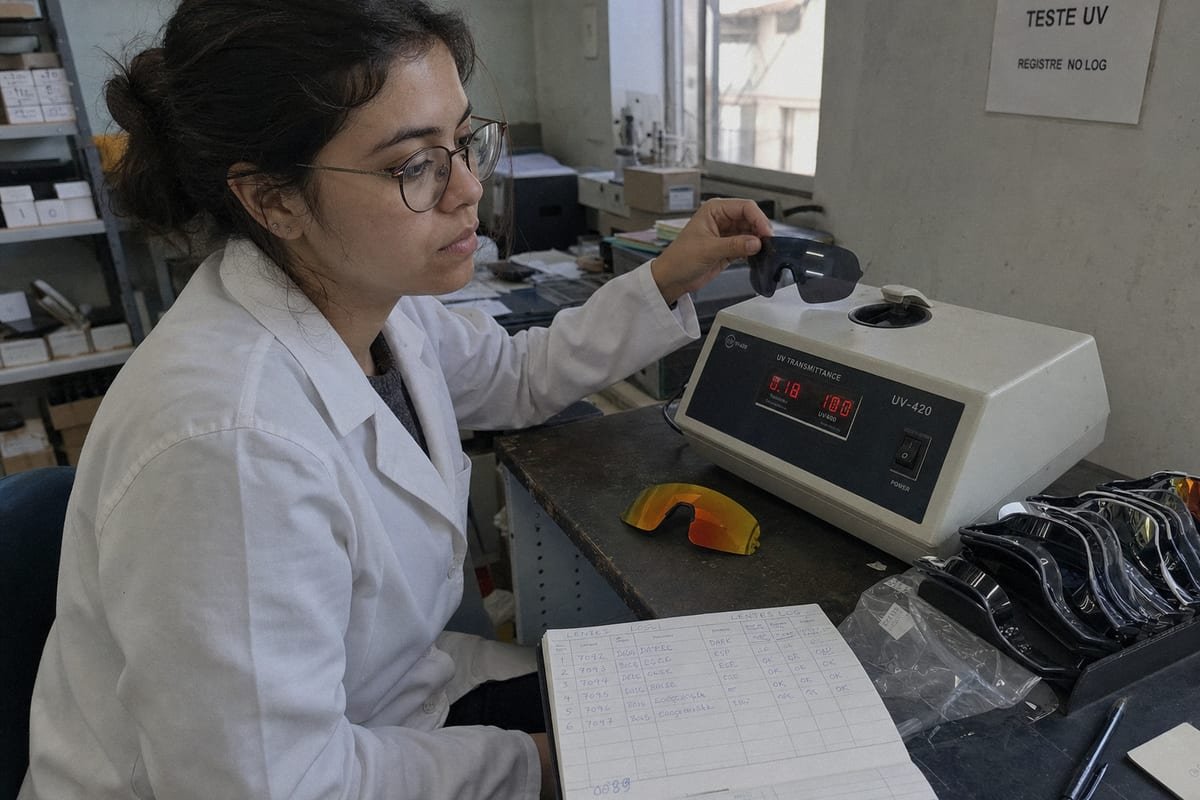
これは、親が理解すべき最も重要なコスト要因であり、市場で最も誤解されている要因でもあります。UVフィルターのない濃いレンズは実際には危険です。濃い色は子供の瞳孔を散大させ、未フィルターのUV光を目に多く取り込みます。そのため、0.50ドルの着色「サングラス」は、サングラスがないよりも悪い可能性があります。.
本物のUV400レンズで支払うもの
UV400保護 4 は、レンズが400ナノメートルまでの波長をブロックすることを意味します。それを確実に提供するために、UVフィルターがポリマー自体に組み込まれているレンズ素材を調達しています。コーティングとしてスプレーされたものではなく、劣化するものです。その後、検証します。私たちのラインのすべての生産バッチは、組み立て前にUV透過チェックを受けます。そのテスト時間と認定レンズ素材が、追加コストの源です。.
私たちの子供用レンズのほとんどは、耐衝撃性の ポリカーボネート 5. を使用しています。これは、子供が遊び場で顔から落ちたときに重要な、飛散防止構造を提供します。ポリカーボネートは、視界を歪ませ、 目の疲れ 6.
を引き起こす可能性のある、おもちゃグレードのサングラスに使用されるアクリルよりも優れた光学透明度も提供します。
偏光レンズが追加するもの—そして追加しないもの.
既存のスタイルから選択することは、本当に開発コストを削減できますか?
偏光はまぶしさを軽減するだけで、UV保護は個別のレンズ特性であり、偏光されていてもUV400基準を満たさない場合があります。.
はい。既存のスタイルから選択することで、スタイルあたりの金型投資$3,000~$8,000をなくし、開発期間を60~90日からわずか15~30日に短縮できます。ユニット、カスタムカラー、ブランディングの料金のみをお支払いいただくため、新しい市場をテストする際のリスクが劇的に低下します。.
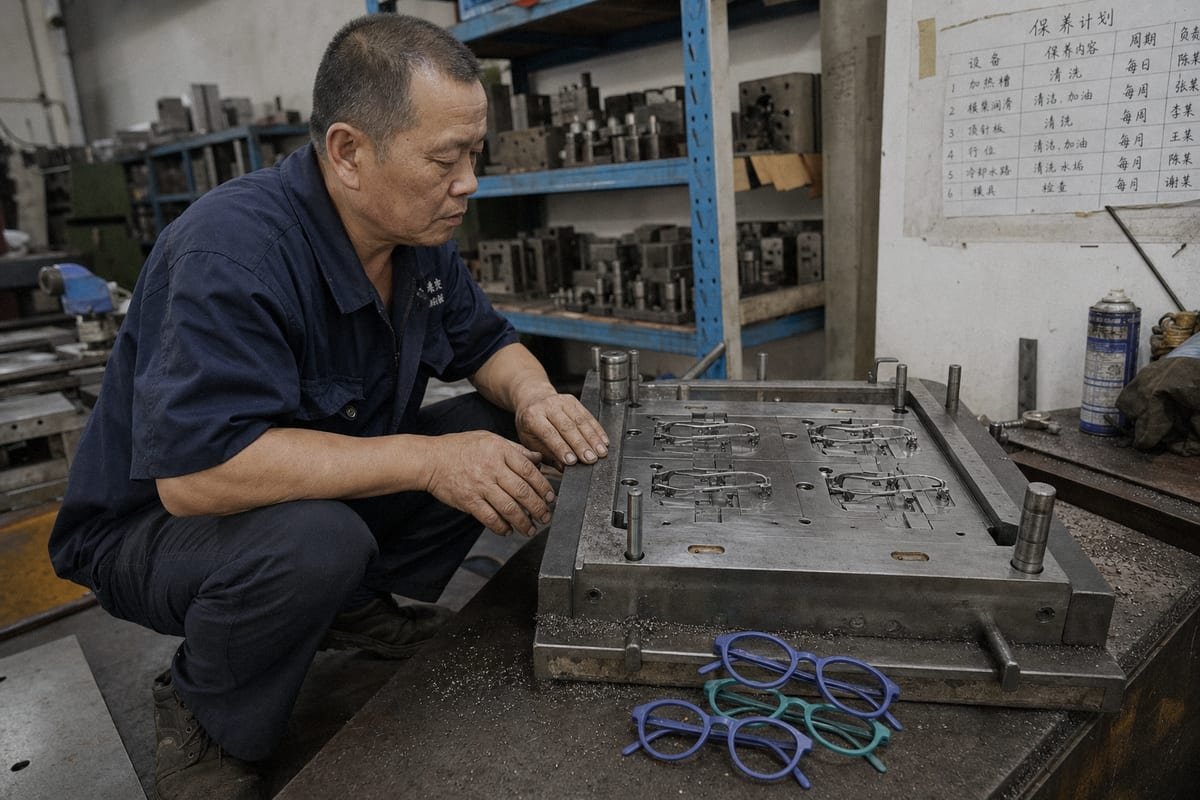
日本のスタートアップ創業者の一人は、私たちに連絡する前に、カスタム金型のために15,000ドルを予算計上していました。約800の既存スタイルからなる私のカタログを閲覧した後、彼女は最初のコレクションをその一部の費用で立ち上げました。 金型費用は、多くの新しい子供向けブランドを止める隠れた壁です。単一のサングラスフレーム用の鋼鉄製射出成形金型は、かなりの資本支出です。最初のスタイルが売れなければ、そのお金は失われます。だからこそ、私は 15年以上にわたり、幼児向けのソフトパステル調の丸型フレーム(ペリウィンクルブルーとミントティールのツートンカラーのデザインなど)から、年長の子供向けのミラーグラデーションレンズ付きラップアラウンドスポーツシールドまで。.
オープンモールド対カスタムモールドの実際の計算
新しいブランドが3つのスタイルを立ち上げる場合の一般的な比較を以下に示します。
| コスト項目 | 既存のスタイル(オープンモールド) | 完全カスタム(新規モールド) |
|---|---|---|
| 金型投資 | $0 | $9,000–$24,000 for 3 styles |
| サンプリング時間 | 7~15日 | 45~60日 |
| 最小注文数量 | 低く、柔軟 | ツーリングを正当化するために高い |
| 市場投入までの時間 | 15〜30日 | 60–90 days |
| Design exclusivity | Shared shape, custom colors | Fully exclusive |
What you still control with existing styles
Choosing an existing frame does not mean your product looks generic. On the same mold, you can specify:
- Custom frame colors and two-tone combinations
- Matte, glossy, or soft-touch rubberized finishes
- Lens options — UV400 tints, mirrored coatings, polarized lenses
- Your logo printed or engraved on the temple
- Accessories such as cases, pouches, and adjustable head straps for babies
In my experience, the smartest path for a new brand is to launch with existing styles, learn which shapes sell in your market, and invest in a custom mold only for your proven best-seller. That sequencing protects your cash flow and shortens your learning curve.
カスタムOEM/ODMのパッケージングやブランディングのような機能は、私の単価をどのように変えますか?
Trade-offs come up in almost every quotation I prepare. A buyer wants premium packaging, a printed logo, a microfiber pouch, and a hang tag — then asks why the unit price rose forty cents.
カスタムOEM/ODM機能は通常、ユニットあたり0.30~1.50ドル追加されます。ロゴ印刷は0.05~0.15ドル追加され、カスタム小売ボックスは0.15~0.50ドル追加され、ポーチとケースは0.10~0.60ドル追加され、カスタムレンズまたはカラー開発にはセットアップ料金が追加される場合があります。各機能はオプションであり、個別に価格設定されます。.
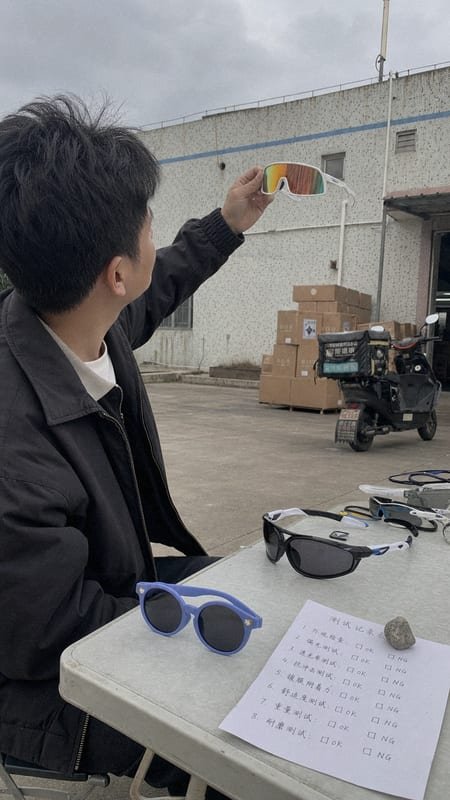
Customization is where two identical frames can end up with very different landed costs — and very different retail values. A plain pair in a polybag might wholesale at one price. The same pair with branded packaging can sell at retail for two or three times more. So the question is not whether custom features raise unit price. They do. The question is whether each feature raises perceived value by more than it costs.
Breaking down common OEM/ODM add-ons
| Custom Feature | Typical Added Cost per Unit | Value It Creates |
|---|---|---|
| Temple logo (pad print) | $0.05–$0.15 | Brand recognition |
| Logo engraving or metal plate | $0.10–$0.30 | Premium feel |
| Custom Pantone frame color | Setup fee, low per-unit | Brand consistency |
| Custom retail box | $0.15–$0.50 | Shelf-ready presentation |
| Microfiber pouch or hard case | $0.10–$0.60 | Perceived quality, protection |
| Hang tags and inserts | $0.03–$0.10 | Safety info, compliance details |
| Custom lens tint or mirror coating | $0.10–$0.40 | Distinctive look |
Where quality control fits into the price
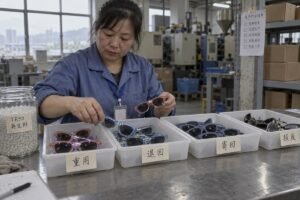
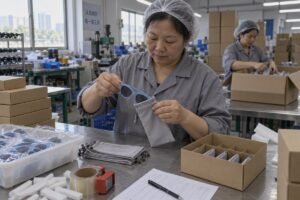
There is one more cost buried in professional OEM work: inspection. On our 5S-managed line, branded orders go through extra checkpoints — print alignment, color matching against approved samples, packaging assembly checks, and final AQL inspection 7 before shipping. That labor is built into the quote. A supplier who quotes noticeably lower for the same spec is usually cutting exactly these steps. For a children's product, where safety claims and brand reputation are on the line, that is the wrong place to save. Reliable QC is not a feature you see in a photo, but it is the feature that keeps your customer reviews clean and your reorders steady.
結論
Price differences in kids' sunglasses are not mysterious. They come from real choices: flexible TPEE material versus brittle plastic, verified UV400 protection and polarized lenses versus dark tint alone, existing styles versus expensive custom molds, and modular OEM/ODM branding. A rock-bottom quote usually hides a compromise in one of these areas — and in children's eyewear, that compromise lands on a child's face. My advice after fifteen years in this factory is simple: pay for safety, durability, and consistency first, then add style and branding on top. That is how you build a kids' eyewear line parents trust and reorder.
脚注
1. Wikipedia explains injection molding process referenced for frame manufacturing precision. ↩︎
2. FDA source on BPA safety relevant to child-safe frame material claims. ↩︎
3. NIH health information resource supports claims about children’s developing eyes and UV exposure. ↩︎
4. WHO explains UV radiation health effects, supporting claims about UV400 lens protection. ↩︎
5. Wikipedia background on polycarbonate material used in impact-resistant kids’ lenses. ↩︎
6. CDC resource on eye strain and vision safety relevant to lens distortion claims. ↩︎
7. ISO standard reference for acceptance quality limit inspection used in QC processes. ↩︎
 English
 Español de México
 Deutsch
 Français
 日本語
 العربية
 Português do Brasil