ما الذي يسبب فروق الأسعار في نظارات الأطفال الشمسية؟
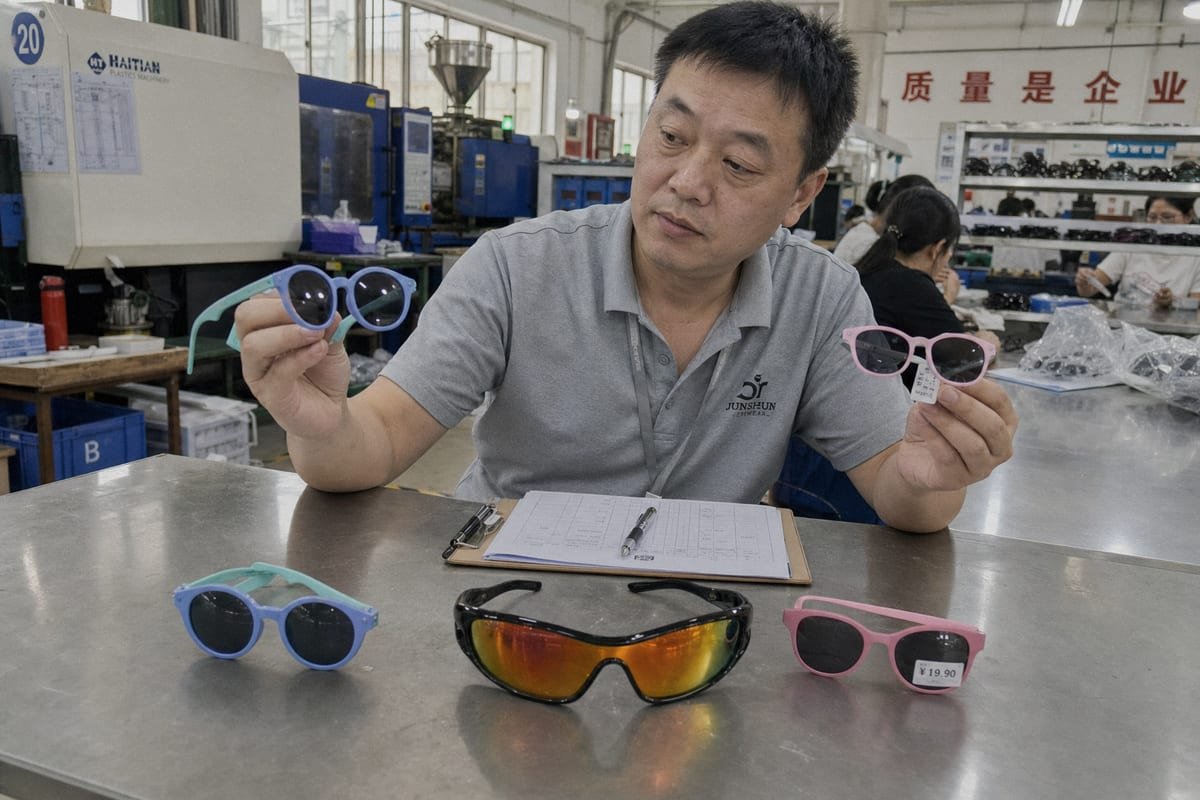
[فروق الأسعار في نظارات الأطفال الشمسية](https://okayeyewear.com/what-quality-differences-between-kids-sunglasses-different-price-points/) تربك العديد من المشترين الذين يزورون خط إنتاجنا في تايتشو قولبة بالحقن 1. يبلغ سعر عينة واحدة 0.80 دولار، وأخرى 3.50 دولار، وكلاهما يبدو متشابهًا في الصور. هذا الفارق يقلق العلامات التجارية الجديدة. الحقيقة هي أن الفارق ليس عشوائيًا - فهو يرتبط مباشرة بالمواد والعدسات والأدوات وخيارات التخصيص.
تأتي فروق الأسعار في نظارات الأطفال الشمسية من أربعة عوامل رئيسية: جودة مادة الإطار (TPEE و TR90 أغلى من البلاستيك الأساسي)، وتقنية العدسة (عدسات UV400 والعدسات المستقطبة تضيف تكلفة)، والاستثمار في القوالب والتطوير، ومستوى العمل المخصص OEM/ODM مثل العلامات التجارية والتعبئة والتغليف.
يعمل كل من هذه العوامل الأربعة بشكل مختلف. بعضها يرفع سعر الوحدة الخاص بك. بعضها يرفع استثمارك الأولي. في هذه المقالة، سأستعرض العوامل الأربعة، واحدًا تلو الآخر، حتى تتمكن من تحديد أين تخلق أموالك قيمة حقيقية.
كم يؤثر نوع مادة الإطار مثل TPEE أو TR90 على السعر النهائي؟
في العام الماضي، أرسلت لي مشترية من أستراليا إطارين للمقارنة. كان أحدهما عينة TPEE المرنة الخاصة بنا. الآخر كان إطارًا ميزانية صلبًا وجدته في مكان آخر. قامت بثني كليهما. نجا واحد فقط.
تُشكل مادة الإطار عادةً 30-45٪ من تكلفة الوحدة للنظارات الشمسية للأطفال. يمكن أن تضيف مادة TPEE المرنة و TR90 ما بين 0.50-1.50 دولارًا أمريكيًا لكل وحدة مقارنةً بالبلاستيك الأساسي من البولي كربونات، لأنها تكلف أكثر كمواد خام وتتطلب قولبة حقن أكثر دقة.
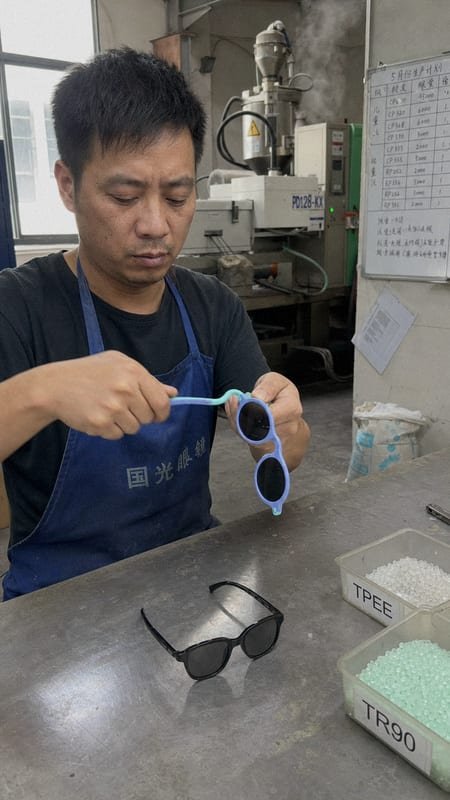
يعد اختيار المواد هو المكان الأول الذي تظهر فيه فجوات الأسعار، وهو أيضًا الأسهل في تبريره للعملاء النهائيين. تستخدم الإطارات الرخيصة البلاستيك الصلب الهش. تتشقق عندما يجلس عليها طفل صغير. تنكسر عند المفصل عندما يسحبها الطفل بيد واحدة. لقد اختبر مهندسونا هذا النمط لمدة خمسة عشر عامًا، وطريقة الفشل دائمًا هي نفسها: مادة صلبة بالإضافة إلى التعامل الخشن تساوي المرتجعات والشكاوى.
لماذا تكلف المواد المرنة أكثر
TPEE و TR90 هي بوليمرات هندسية. سعر مادة خامها لكل كيلوغرام أعلى بكثير من البلاستيك السلعي. لكن قصة التكلفة تتجاوز سعر الحبيبات:
- تحتاج المواد المرنة إلى تحكم أدق في درجة حرارة الحقن، لذا فإن أوقات الدورة أبطأ.
- يجب إدارة معدلات الرفض بعناية، لأن المواد الناعمة تظهر علامات التدفق بسهولة أكبر.
- تتطلب إطارات TR90 ذات المعابد TPEE مادتين وخطوتين قولبة، وليس واحدة.
- التركيبات الآمنة والصديقة للبيئة - بما في ذلك إطارات خالية من BPA 2 - تكلف أكثر من الراتنج غير المعتمد.
هذه النقطة الأخيرة مهمة لـ صحة عيون الأطفال 3 والسلامة العامة للطفل. يعرف آباء الأطفال الصغار أن أطفالهم يمضغون أطراف المعابد. يطلب منا المشترون في أوروبا واليابان وأستراليا بشكل متزايد وثائق سلامة المواد قبل أن يسألوا عن السعر.
مقارنة تكلفة المواد
| مادة الإطار | التكلفة النسبية | المرونة | الأفضل لـ |
|---|---|---|---|
| بلاستيك PC/ABS أساسي | منخفض | صلب، يمكن أن ينكسر | هدايا ترويجية |
| TR90 | متوسط إلى مرتفع | ينحني ويتعافى | نظارات شمسية للأطفال اليومية |
| TPEE مرن | مرتفع | ناعم ومرن للغاية | الأطفال الصغار والرضع |
| معابد TR90 + TPEE | مرتفع | جبهة صلبة، أذرع ناعمة | الأطفال النشطون، الخطوط المميزة |
من خبرتنا في التصدير إلى أكثر من 20 دولة، ترى العلامات التجارية التي تختار المواد المرنة عددًا أقل من مطالبات الضمان. غالبًا ما تدفع الوحدة السعرية الأعلى ثمنها بنفسها في ثقة العملاء.
لماذا تكلف عدسات UV400 والعدسات المستقطبة أكثر من العدسات القياسية؟
خلال تدقيق لمراقبة الجودة في ورشتنا الربيع الماضي، سحبنا دفعة من العدسات الملونة الرخيصة من عينة مرتجعة لمنافس. كان اللون داكنًا. فشل اختبار نقل الأشعة فوق البنفسجية على أي حال.
عدسات UV400 والاستقطاب تكلف أكثر لأنها تستخدم عدسات فارغة معتمدة، وبناء متعدد الطبقات، واختبار لكل دفعة. الصبغة الداكنة وحدها تحجب الضوء ولكن ليس الأشعة فوق البنفسجية. توفر حماية UV400 الحقيقية تكلفة إضافية تتراوح تقريبًا بين 0.20 دولار و 0.60 دولار، والاستقطاب يضيف 0.50 دولار إلى 1.20 دولار لكل زوج.
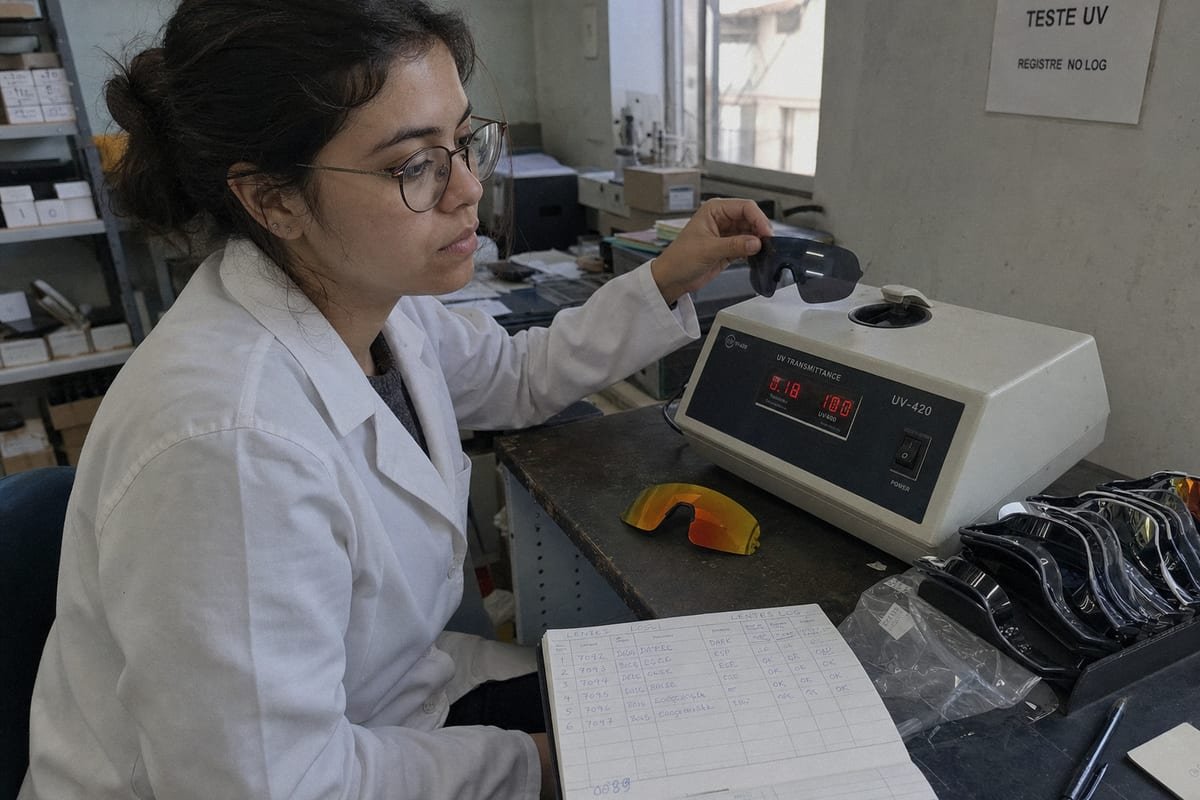
هذا هو أهم عامل تكلفة للآباء لفهمه، وهو أيضًا الأكثر تحريفًا في السوق. العدسات الداكنة بدون ترشيح للأشعة فوق البنفسجية خطيرة في الواقع. اللون الداكن يجعل بؤبؤ عين الطفل يتوسع، مما يسمح بدخول المزيد من ضوء الأشعة فوق البنفسجية غير المفلتر إلى العين النامية. لذا فإن زوجًا من "النظارات الشمسية" الملونة بسعر 0.50 دولار يمكن أن يكون أسوأ من عدم ارتداء نظارات شمسية على الإطلاق.
ما تدفعه في عدسة UV400 حقيقية
حماية UV400 4 يعني أن العدسة تحجب الأطوال الموجية حتى 400 نانومتر. لتقديم ذلك بشكل موثوق، نقوم بتوريد مادة العدسة حيث يتم بناء مرشح الأشعة فوق البنفسجية في البوليمر نفسه، وليس رشها كطلاء يتدهور. ثم نتحقق منه. كل دفعة إنتاج على خطنا تمر بفحوصات نقل الأشعة فوق البنفسجية قبل التجميع. وقت الاختبار هذا، بالإضافة إلى مادة العدسة المعتمدة، هو المكان الذي توجد فيه التكلفة الإضافية.
تستخدم معظم عدسات الأطفال لدينا مقاومة للصدمات البولي كربونات 5. يوفر بناءً مقاومًا للكسر، وهو أمر مهم عندما يسقط الطفل على وجهه في الملعب. توفر البولي كربونات أيضًا وضوحًا بصريًا أفضل من الأكريليك المستخدم في النظارات الشمسية ذات الدرجة اللعبة، والتي يمكن أن تشوه الرؤية وتسبب أثناء اللعب في الهواء الطلق. يساعد ترشيح الضباب الأزرق على حافة طيف الأشعة فوق البنفسجية أيضًا الأطفال على رؤية التباين وتقدير العمق بدقة أكبر في الهواء الطلق. بالنسبة لعلامة تجارية للأطفال في الهواء الطلق أو رياضية، هذه نقاط بيع صادقة وذات مغزى - الحماية أولاً، رؤية أفضل كمكافأة إضافية. 6.
ما تضيفه الاستقطاب - وما لا تضيفه
تحتوي العدسات المستقطبة على طبقة فلتر إضافية مغلفة بين طبقات العدسة. هذه الطبقة تقلل الوهج من الماء والثلج والرصيف. في العطلات الشاطئية والرياضات الخارجية، يرى الأطفال براحة أكبر ويحدقون أقل. لكن الاستقطاب هو ميزة راحة، وليس بديلاً عن السلامة. العدسة المستقطبة بدون حماية UV400 لا تزال عدسة غير آمنة. عندما يطلب منا المشترون تحديد الأولويات، أقول دائمًا: UV400 أولاً، ثم الاستقطاب، ثم طلاء مقاوم للخدش إذا سمحت الميزانية.
هل يقلل الاختيار من الأنماط الموجودة بالفعل من تكاليف التطوير الخاصة بي؟
قام مؤسس شركة ناشئة من اليابان ذات مرة بميزانية 15000 دولار أمريكي للقوالب المخصصة قبل الاتصال بنا. بعد تصفح كتالوجنا الذي يضم حوالي 800 تصميم موجود، أطلقت مجموعتها الأولى بجزء بسيط من ذلك.
نعم. يقلل الاختيار من الأنماط الموجودة من استثمار القالب البالغ 3000-8000 دولار لكل نمط ويقلل وقت التطوير من 60-90 يومًا إلى 15-30 يومًا فقط. أنت تدفع فقط مقابل الوحدات والألوان المخصصة والعلامات التجارية، مما يقلل بشكل كبير من مخاطرك عند اختبار سوق جديد.
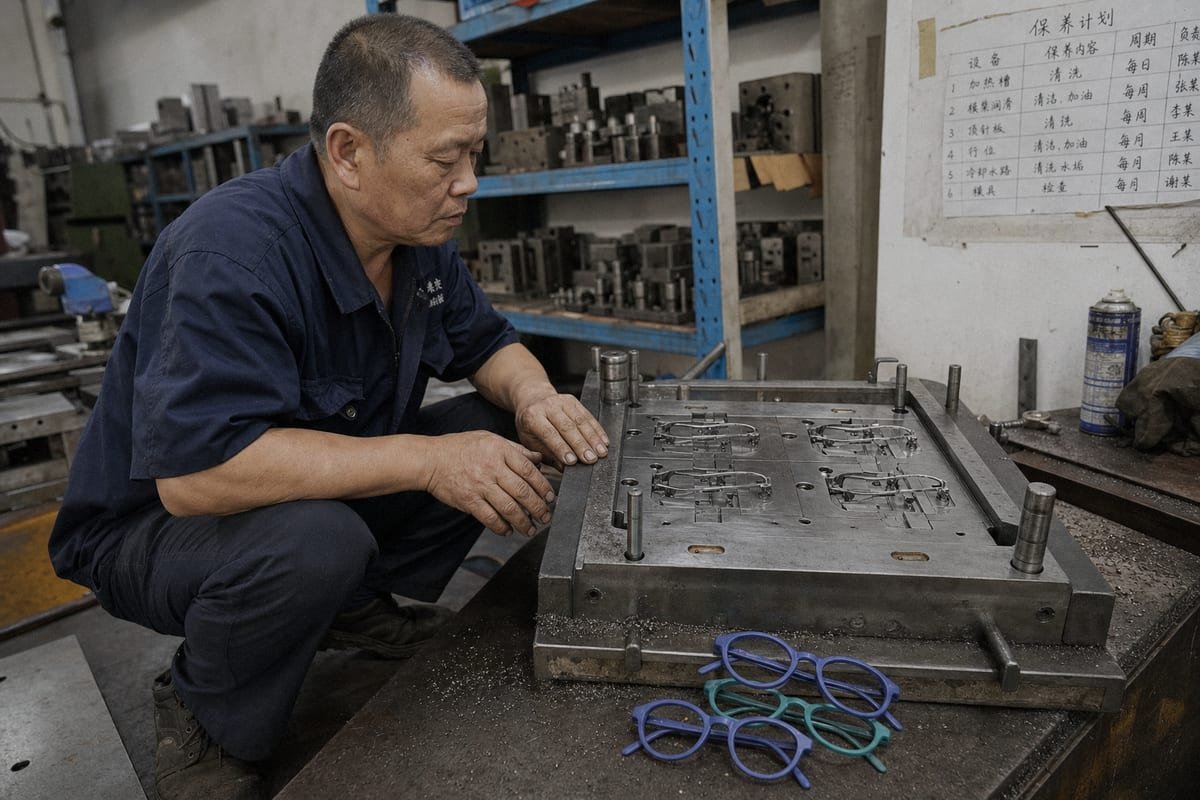
تكاليف القوالب هي الجدار الخفي الذي يوقف العديد من العلامات التجارية الجديدة للأطفال. قالب حقن فولاذي لإطار نظارة شمسية واحد هو نفقات رأسمالية كبيرة. إذا لم يبع تصميمك الأول، فقد ذهبت تلك الأموال. لهذا السبب قمنا ببناء مكتبة تضم حوالي 800 تصميم مثبت على مدى خمسة عشر عامًا - من الإطارات المستديرة ذات الألوان الباستيل الناعمة للأطفال الصغار، مثل تصميماتنا ثنائية اللون باللون الأزرق البنفسجي والأخضر النعناعي، إلى دروع رياضية ملتفة بعدسات متدرجة عاكسة للأطفال الأكبر سنًا.
الرياضيات الحقيقية للقالب المفتوح مقابل القالب المخصص
إليك كيف تقارن الأرقام عادةً لعلامة تجارية جديدة تطلق ثلاثة تصاميم:
| بند التكلفة | التصاميم الموجودة (قالب مفتوح) | مخصص بالكامل (قالب جديد) |
|---|---|---|
| استثمار القالب | $0 | 9000 دولار - 24000 دولار لـ 3 تصاميم |
| وقت أخذ العينات | 7-15 يومًا | 45-60 يومًا |
| الحد الأدنى لكمية الطلب | أقل، مرن | أعلى، لتبرير الأدوات |
| وقت الوصول إلى السوق | 15-30 يومًا | 60-90 يومًا |
| شكل مشترك، علامة تجارية فريدة | شكل مشترك، ألوان مخصصة | حصري بالكامل |
ما لا تزال تتحكم فيه بالتصاميم الموجودة
اختيار إطار موجود لا يعني أن منتجك يبدو عامًا. على نفس القالب، يمكنك تحديد:
- ألوان إطار مخصصة ومجموعات ثنائية اللون
- تشطيبات غير لامعة، لامعة، أو مطاطية ناعمة الملمس
- خيارات العدسات - ألوان UV400، طلاءات عاكسة، عدسات مستقطبة
- شعارك مطبوع أو محفور على الذراع الجانبي
- ملحقات مثل العلب، الحقائب، و أحزمة رأس قابلة للتعديل للرضع
في تجربتي، المسار الأذكى لعلامة تجارية جديدة هو الإطلاق بتصاميم موجودة، ومعرفة الأشكال التي تباع في سوقك، والاستثمار في قالب مخصص لأفضل منتج لديك الذي أثبت نجاحه. هذا التسلسل يحمي تدفقك النقدي ويقصر منحنى التعلم الخاص بك.
كيف تغير ميزات OEM/ODM المخصصة مثل التعبئة والتغليف والعلامات التجارية سعر وحدتي؟
تظهر المقايضات في كل عرض أسعار أقوم بإعداده تقريبًا. يريد المشتري تغليفًا ممتازًا، وشعارًا مطبوعًا، وحقيبة من الألياف الدقيقة، وبطاقة تعليق - ثم يسأل لماذا ارتفع سعر الوحدة بأربعين سنتًا.
تضيف الميزات المخصصة من مصنعي المعدات الأصلية/مصنعي التصميم الأصلي عادةً 0.30 دولارًا - 1.50 دولارًا أمريكيًا لكل وحدة. تضيف طباعة الشعار 0.05 دولارًا - 0.15 دولارًا أمريكيًا، وتضيف صناديق البيع بالتجزئة المخصصة 0.15 دولارًا - 0.50 دولارًا أمريكيًا، وتضيف الحقائب والحافظات 0.10 دولارًا - 0.60 دولارًا أمريكيًا، وقد يضيف تطوير العدسات أو الألوان المخصص رسوم إعداد. كل ميزة اختيارية ويتم تسعيرها بشكل منفصل.
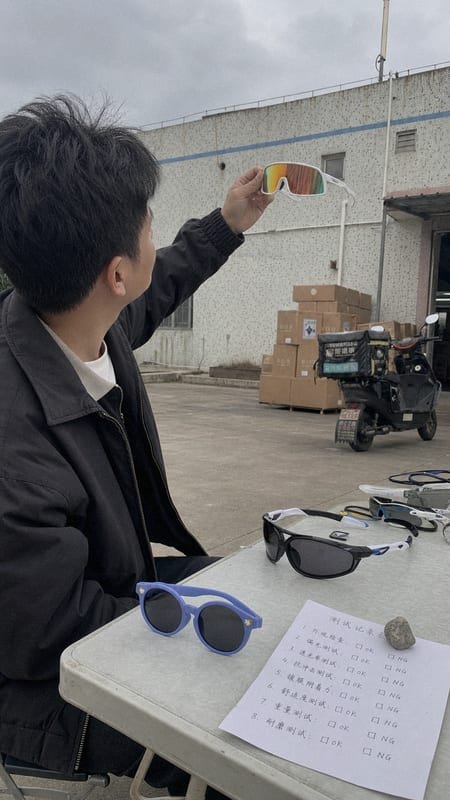
التخصيص هو المكان الذي ينتهي فيه إطاران متطابقان بتكاليف وصول مختلفة جدًا - وقيم بيع بالتجزئة مختلفة جدًا. قد يتم بيع زوج عادي في كيس بولي بسعر واحد. يمكن بيع نفس الزوج بتغليف يحمل علامة تجارية بسعر البيع بالتجزئة ضعف أو ثلاثة أضعاف. لذا فإن السؤال ليس ما إذا كانت الميزات المخصصة تزيد سعر الوحدة. إنها تفعل. السؤال هو ما إذا كانت كل ميزة تزيد القيمة المتصورة بأكثر من تكلفتها.
تفصيل الإضافات الشائعة لـ OEM/ODM
| ميزة مخصصة | تكلفة إضافية نموذجية لكل وحدة | القيمة التي تخلقها |
|---|---|---|
| شعار الذراع الجانبي (طباعة بالوسادة) | 0.05 دولار - 0.15 دولار | الوعي بالعلامة التجارية |
| نقش الشعار أو لوحة معدنية | 0.10 دولار - 0.30 دولار | ملمس فاخر |
| لون إطار بانتون مخصص | رسوم إعداد، منخفضة لكل وحدة | اتساق العلامة التجارية |
| صندوق بيع بالتجزئة مخصص | 0.15 دولار - 0.50 دولار | عرض جاهز للعرض على الرف |
| حقيبة من الألياف الدقيقة أو علبة صلبة | 0.10 دولار - 0.60 دولار | جودة مدركة، حماية |
| علامات معلقة وملحقات | ٠٫٠٣–٠٫١٠ دولار | معلومات السلامة، تفاصيل الامتثال |
| طلاء عدسة مخصص أو طلاء مرآة | ٠٫١٠–٠٫٤٠ دولار | مظهر مميز |
أين يتناسب التحكم في الجودة مع السعر
هناك تكلفة أخرى مدفونة في عمل OEM الاحترافي: الفحص. في خط الإنتاج المُدار بنظام 5S، تخضع الطلبات ذات العلامات التجارية لنقاط فحص إضافية - محاذاة الطباعة، مطابقة الألوان مع العينات المعتمدة، فحوصات تجميع التغليف، والفحص النهائي فحص AQL 7 قبل الشحن. تُبنى تكلفة العمالة هذه في عرض الأسعار. المورد الذي يقدم عرض سعر أقل بشكل ملحوظ لنفس المواصفات عادة ما يقوم بتقليص هذه الخطوات بالضبط. بالنسبة لمنتج الأطفال، حيث تكون مطالبات السلامة وسمعة العلامة التجارية على المحك، فهذا هو المكان الخطأ للتوفير. مراقبة الجودة الموثوقة ليست ميزة تراها في صورة، ولكنها الميزة التي تحافظ على تقييمات عملائك نظيفة وتزيد من إعادة طلباتك بثبات.
الخلاصة
الاختلافات في الأسعار في نظارات الأطفال الشمسية ليست غامضة. تأتي من خيارات حقيقية: مادة TPEE المرنة مقابل البلاستيك الهش، حماية UV400 مؤكدة وعدسات مستقطبة مقابل مجرد صبغة داكنة، أنماط موجودة مقابل قوالب مخصصة باهظة الثمن، وعلامات OEM/ODM معيارية. عرض سعر منخفض للغاية يخفي عادةً حلاً وسطًا في إحدى هذه المجالات - وفي نظارات الأطفال، يقع هذا الحل الوسط على وجه الطفل. نصيحتي بعد خمسة عشر عامًا في هذا المصنع بسيطة: ادفع مقابل السلامة والمتانة والاتساق أولاً، ثم أضف الأناقة والعلامات التجارية فوق ذلك. هذه هي الطريقة التي تبني بها خط نظارات أطفال تثق به الأمهات ويعيدون طلبه.
ملاحظات ختامية
تشرح ويكيبيديا عملية القولبة بالحقن المشار إليها لدقة تصنيع الإطار. ↩︎
مصدر إدارة الغذاء والدواء بشأن سلامة BPA ذات الصلة بمطالبات مواد الإطار الآمنة للأطفال. ↩︎
تدعم موارد معلومات الصحة التابعة للمعاهد الوطنية للصحة المطالبات المتعلقة بعيون الأطفال النامية والتعرض للأشعة فوق البنفسجية. ↩︎
تشرح منظمة الصحة العالمية الآثار الصحية للإشعاع فوق البنفسجي، مما يدعم المطالبات المتعلقة بحماية عدسات UV400. ↩︎
خلفية ويكيبيديا عن مادة البولي كربونات المستخدمة في عدسات الأطفال المقاومة للصدمات. ↩︎
مورد مراكز السيطرة على الأمراض والوقاية منها بشأن إجهاد العين وسلامة الرؤية ذات الصلة بمطالبات تشويه العدسة. ↩︎
مرجع معيار ISO لفحص حدود جودة القبول المستخدم في عمليات مراقبة الجودة. ↩︎
مقالات أخرى قد تعجبك

هل تبحث عن شريك موثوق به للنظارات للأطفال؟
استكشف أكثر من 800 نمط جاهز ودعم OEM/ODM كامل مصمم خصيصًا لعلامتك التجارية.
اتصل بنا English
  Español de México
  Deutsch
  Français
  日本語
日本語  العربية
  Português do Brasil