中国から子供用サングラスを調達する際の貿易条件の選び方
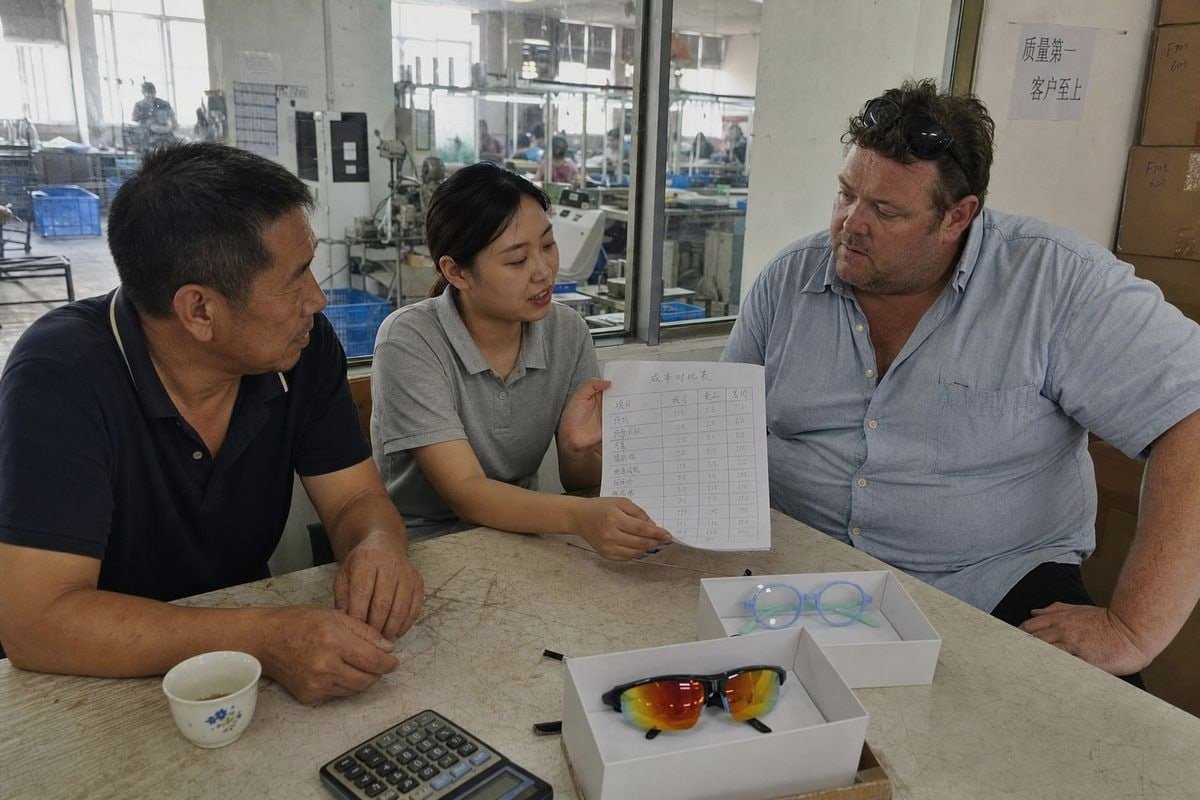
私が会う多くのバイヤーは、中国から子供用サングラスを調達する際の貿易条件の選択に混乱しています インコタームズ 1. 見積もりは安く見えても、その後、貨物運賃、集荷、通関手数料が静かにその節約分を食いつぶします。台州の生産ラインでは、毎シーズン新しいブランドがこの状況に陥るのを目にしますが、適切な条件であれば回避可能です。.
中国から子供用サングラスの貿易条件を選択するには、単価ではなく、陸揚げコストを比較してください。FOBは、コストと管理のバランスが取れているため、ほとんどのバイヤーにとって最適なデフォルトです。簡便性のために、小ロットの初回注文にはCIFまたはDDPを使用し、EXWは中国側のロジスティクスサポートが強力な場合にのみ使用してください。.
以下では、主要な各条件、注意すべき隠れたコスト、リスクとタイムラインへの影響、そしてバイヤータイプ別の最終的な推奨事項を説明します。 通関手続き 2. まず、ビッグスリーから始めましょう。.
中国から子供用サングラスを輸入する際、FOB、EXW、DDPのどれを選ぶべきかどうやって決めますか?
昨年、オーストラリアのバイヤーが当社の営業チームに同じものの3つの見積もりを依頼しました。 追加のカラーラウンド 3 EXW、FOB、DDPです。それらを並べて比較することで、彼女はどんな用語集よりも多くのことを学びました。.
あなたのロジスティクス能力に合わせて用語を照合して決定してください。フォワーダーを所有しており、輸送費を管理したい場合は、FOBを選択してください。サプライヤーにドアまでのすべてを処理してもらいたい場合は、DDPを選択してください。中国国内に信頼できる代理店がいる場合にのみ、EXWを選択してください。.
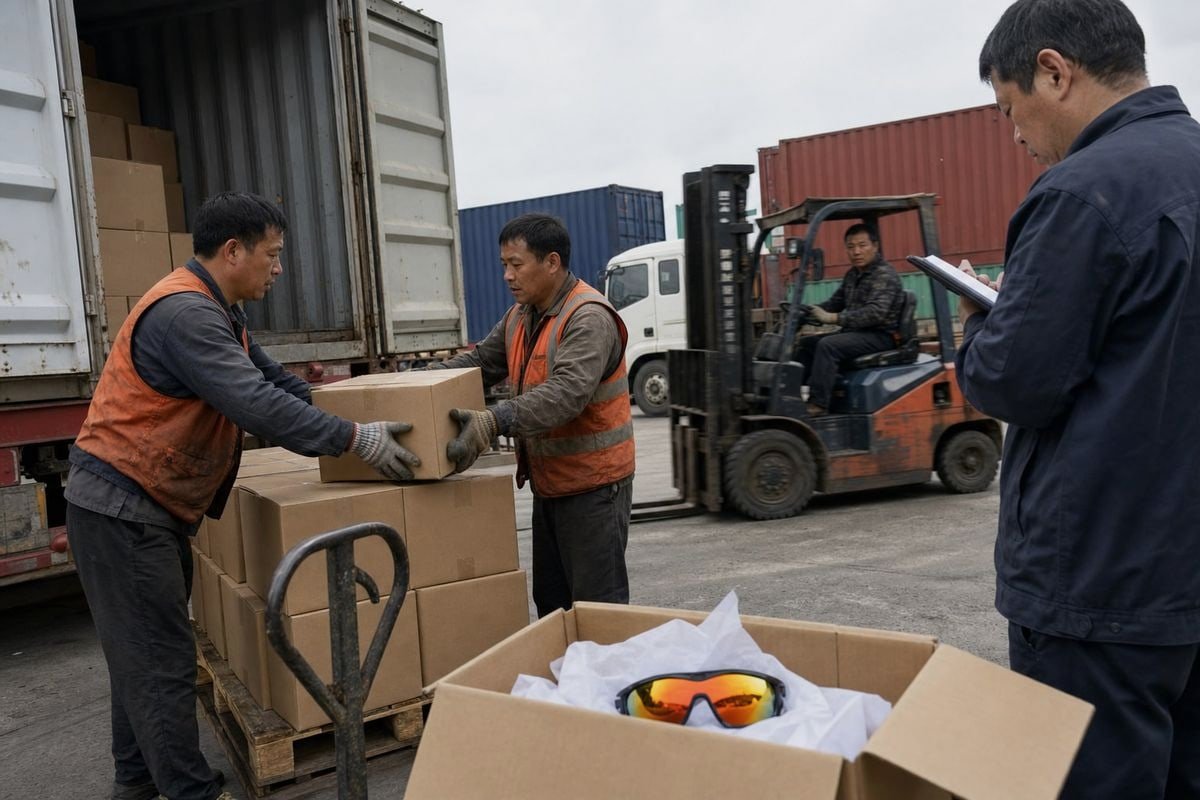
貿易条件 — 通常、 インコタームズ 4 と呼ばれます — 工場の集荷、中国での輸出通関、海上または航空貨物、保険、輸入通関、最終配送など、旅の各ステップの支払いと管理を誰が行うかを定義します。これらは支払い条件ではありません。これらは責任の地図です。.
典型的な子供用サングラスの注文における3つの条件の比較は次のとおりです。
| 条件 | サプライヤーが担当 | あなたが担当 | に最適 |
|---|---|---|---|
| EXW | 生産のみ。工場ドアで商品準備完了 | 台州での集荷、輸出通関、貨物運賃、輸入、配送 | 中国に強力なフォワーダーまたはエージェントがいるバイヤー |
| FOB | 中国港への配送、輸出通関、積み込み | 国際貨物運賃、保険、輸入通関、配送 | ほとんどの輸入業者。実用的なデフォルト |
| DDP | 関税とあなたの倉庫への配送を含むすべて | 運用上はほとんど何もなし | 初めてのバイヤーまたは小ロットのトライアル注文 |
FOBが実用的なデフォルトである理由
FOBでは、当社のワークショップから寧波または上海までのトラック輸送、輸出書類、積み込みなど、中国側の業務を担当します。国際貨物運賃は、お客様ご自身のフォワーダーを通じて予約していただきます。これにより、運送業者の料金を比較し、ルートを選択し、実際の輸送コストを確認できます。20カ国以上に輸出してきた経験から、FOB出荷は責任が明確で文書化されたポイントで移転するため、紛争が最も少ないです。.
EXWが裏目に出る場合
EXWの見積もりは、数字が小さいため魅力的に見えます。しかし、その数字には国内トラック輸送、輸出通関、港湾手数料は含まれていません。フォワーダーが浙江省にチームを持っていない場合、集荷の調整は遅延と予期せぬ手数料を追加します。EXWの注文が、同じ工場からのFOB見積もりよりも高くなるのを見たことがあります。.
DDPが理にかなう場合
DDPは、小ロットの航空便でのトライアル注文 — 例えば、Amazonのリスティングをテストするための300足 — に適しています。あなたは1つの価格を支払い、商品はあなたのドアに届きます。ただし、運賃と関税はその価格に含まれており、あなたは可視性を失うことを知っておいてください。.
ある日本の調達マネージャーが、競合他社の見積もりを私に送ってきました。それは私たちの見積もりよりも8パーセント安かったです。私たちが一緒に陸揚げコストシートとして再構築したとき、私たちのFOBオファーは実際には安くなりました。.
内陸輸送、輸出通関手数料、カスタム梱包料、保険の抜け穴、検査費用、仕向地関税、通関手数料に注意してください。これらは単価の外に隠されています。常に同じ数量、梱包、レンズ仕様を使用して、陸上コストレベルでサプライヤーの見積もりを比較してください。.
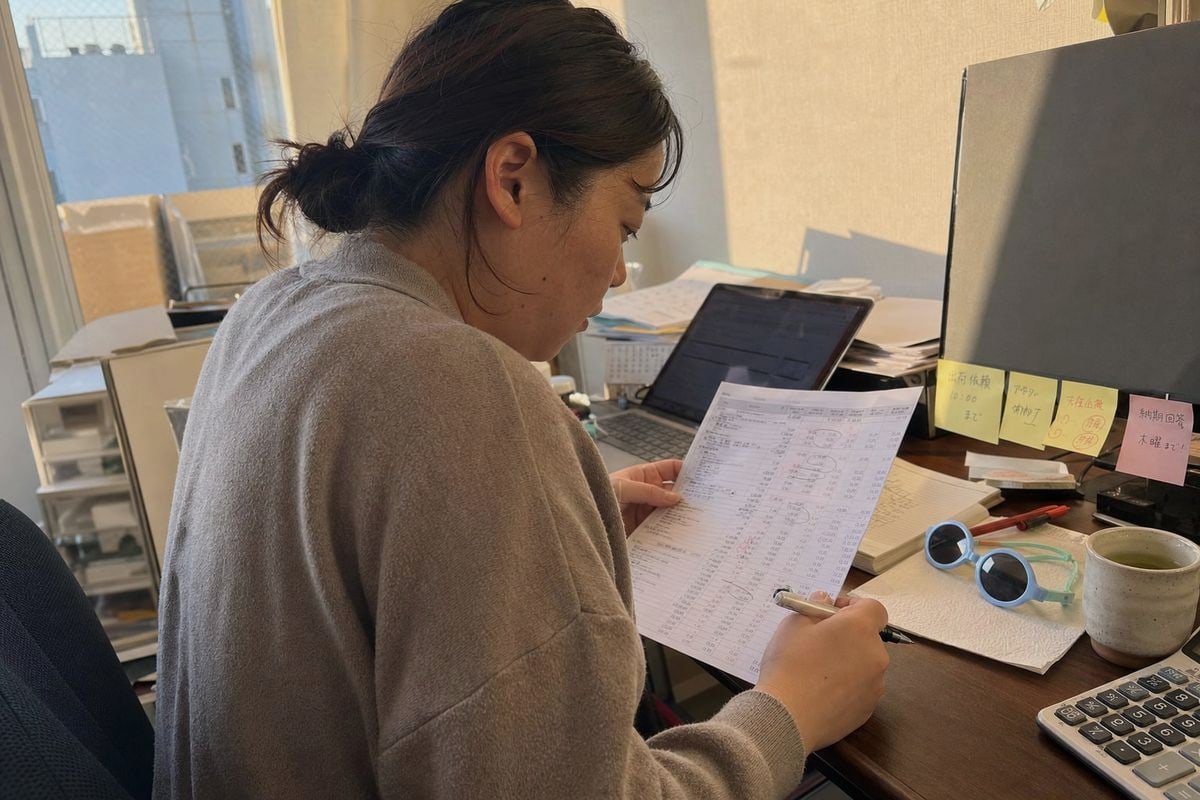
最も安い見積もりは、最も安い注文ではありません。それが中国調達における最も重要な教訓です。子供用アイウェアの場合、表示価格と実際の陸揚げコストの差は大きくなる可能性があります。子供用製品には追加の梱包、テスト、コンプライアンス作業が必要だからです。.
新しいバイヤーに共有する隠れたコストチェックリストは次のとおりです。
| コスト項目 | しばしば含まれていない | 典型的な影響 |
|---|---|---|
| 中国国内のトラック輸送 | EXW見積もり | コストと2〜4日を追加 |
| 輸出通関と港湾手数料 | EXW見積もり | Fixed fees that hurt small orders most |
| Custom packaging and private-label boxes | All quotes if not specified | Meaningful per-unit cost; can raise MOQ |
| Cargo insurance 5 | FOB and CIF quotes | CIF often defaults to minimum coverage |
| Third-party inspection | All quotes | Flat fee per inspection day |
| Duties and customs brokerage | Everything except DDP | Varies by market and HS code |
| Defect replacement and rework | All quotes | Depends on QC quality upstream |
Insurance deserves special attention
Kids' sunglasses ship with lenses and hinges that can crack under rough handling. Standard CIF insurance usually defaults to minimum ICC(C) coverage, which barely protects fragile cargo. If you accept CIF, negotiate ICC(A) all-risk coverage as a rider. If you buy FOB, arrange your own all-risk policy — it is usually cheap relative to cargo value.
Packaging is part of the trade-term math
At our factory, we do full OEM packaging — custom colors, logos, retail boxes, cases, and cleaning cloths. That work adds real per-unit cost and sometimes raises MOQ. So when you compare two quotes, confirm both include the same retail-ready packaging. A bare-bulk EXW price versus a retail-packed FOB price is not a fair comparison. Build a simple landed-cost spreadsheet: unit price, logo fees, packaging, freight, insurance, duties, inspection, and an expected defect allowance. Then compare totals.
子供用眼鏡の注文において、貿易条件は配送時期とリスクにどのように影響しますか?
Timelines are where I see the biggest surprises. One European brand chose DDP for speed, then watched their shipment sit in customs because the supplier's broker did not understand children's eyewear rules in their market.
リスクが移転する際の取引条件と、各タイムラインの段階を誰が管理するか。FOBは中国港でリスクを移転し、フォワーダーに輸送を管理させます。DDPはサプライヤーにリスクをより長く負わせますが、貴社の可視性を低下させ、規制対象の子供向け製品の通関を遅らせる可能性があります。.
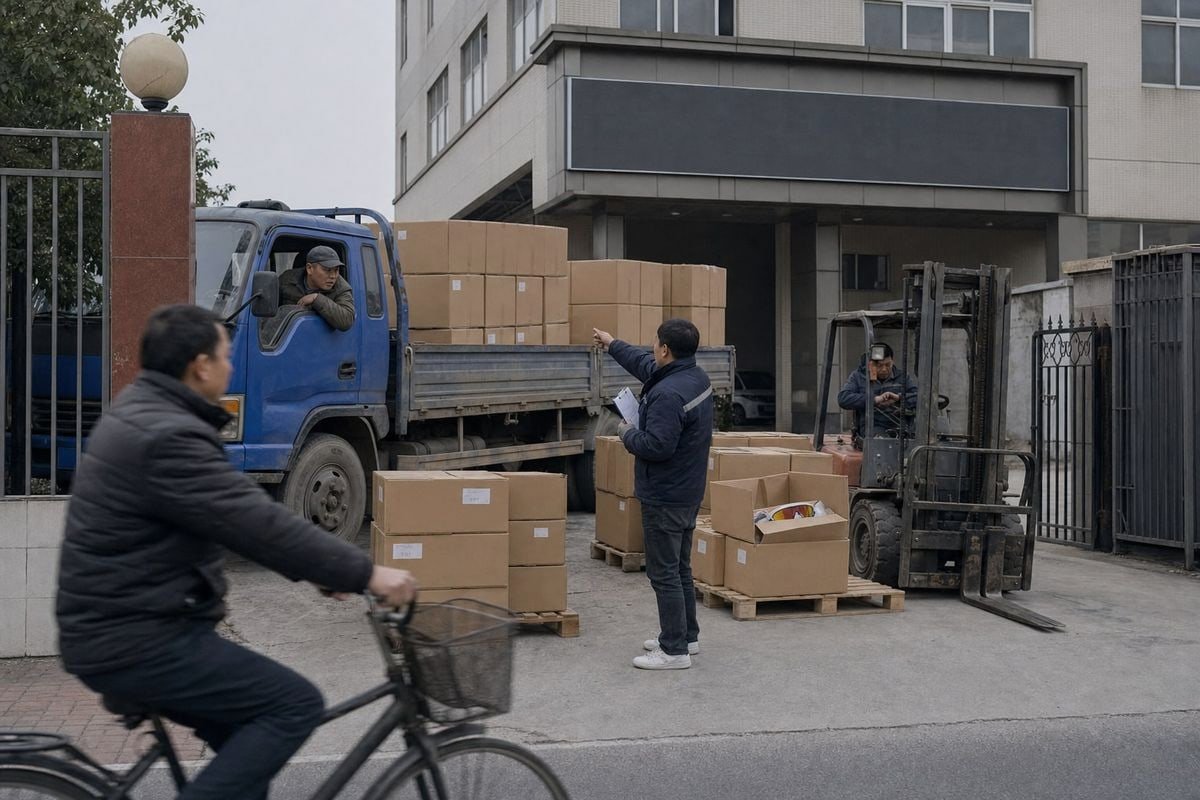
Children's sunglasses are not generic goods. In most markets, they are regulated as both toys and protective eyewear, which means documentation matters at customs. CE and EN71 6 evidence for Europe, CPSIA for the US, and equivalent standards elsewhere. Whoever clears your goods must know this.
Risk transfer points, stage by stage
Think of an order as a relay race. The trade term decides where the baton passes:
- Goods leave our workshop in Taizhou. Under EXW, risk is already yours here.
- Goods reach the port and are loaded. Under FOB, risk passes to you at loading.
- Goods cross the ocean. Under CIF, the supplier paid freight and basic insurance, but risk already passed at loading — a detail many buyers miss.
- Goods clear import customs. Under DAP, risk passes at arrival before duties.
- Goods arrive at your warehouse. Under DDP, risk stays with the supplier until here.
Why visibility affects compliance risk
If a lens batch has a defect or a documentation query arises, weak visibility makes everything harder. Under FOB with your own forwarder, you know exactly where the container is and who holds the paperwork. Under DDP, you depend on the supplier's chain. In our experience, FOB shipments cleared by buyer-selected forwarders face fewer inspection delays, because those brokers know destination-specific children's eyewear regulations better than supplier-appointed ones.
Whatever term you choose, write compliance responsibility into the contract explicitly. State who provides test reports, who pays for lab testing, and which standard applies. Trade terms allocate shipping risk — they do not automatically allocate compliance risk. That clause is on you.
新しいキッズサングラスブランドにとって、コストと管理の最適なバランスが得られる貿易条件は何ですか?
After fifteen years of shipping flexible TPEE and TR90 kids' eyewear worldwide, I have watched buyers evolve. Most follow the same path — and it points to a clear answer.
FOBは、新しい子供用サングラスブランドにコストと管理の最適なバランスを提供します。工場が中国側の輸出業務を管理し、お客様は貨物、保険、通関を管理します。少量のお試し注文の場合はCIFまたはDDPから始め、数量が増えるにつれてFOBに移行してください。.
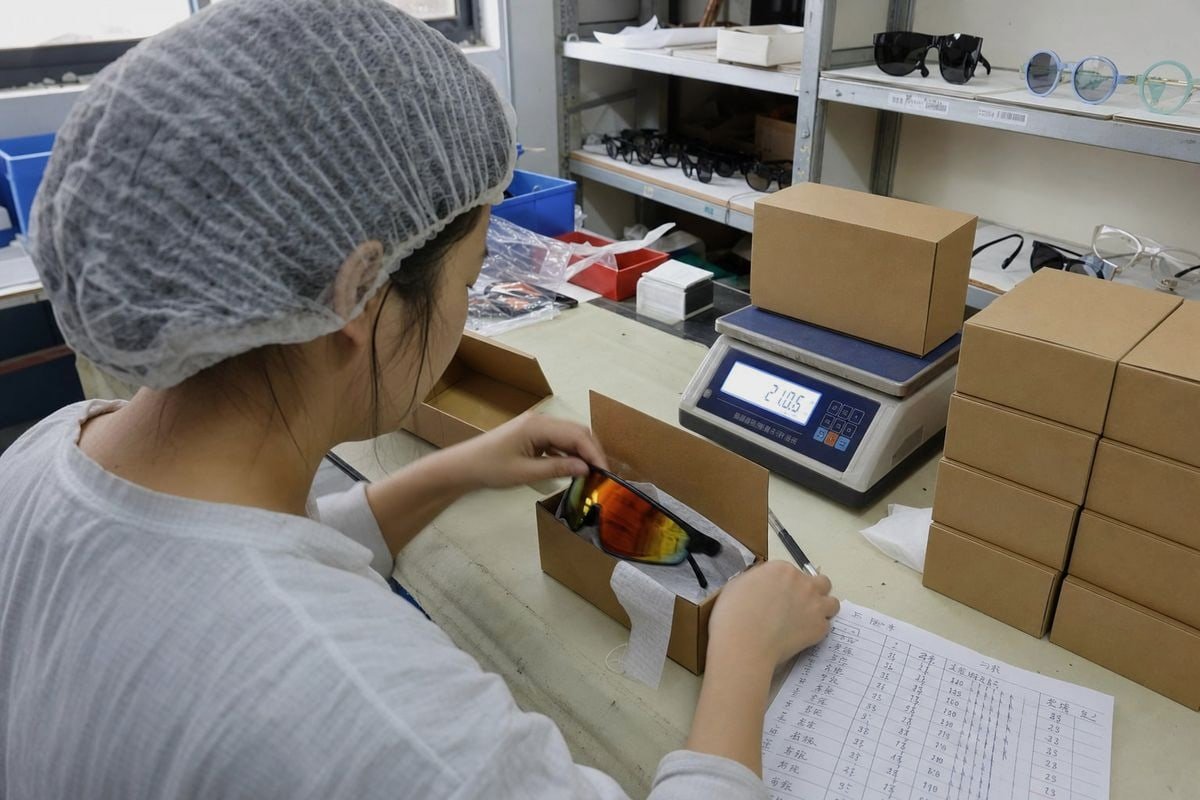
There is a natural progression I recommend to founders and product managers. It matches your logistics maturity to the term you use, so you never take on complexity you cannot handle.
The three-stage progression
| ステージ | Order profile | Recommended term | 理由 |
|---|---|---|---|
| Trial | Small sample or test order, often air freight | DDP or CIF | One simple price; low operational burden while you validate the market |
| Growth | Regular sea-freight orders, private-label packaging | FOB | You gain freight control, transparent costs, and faster customs handling |
| Scale | Large recurring volumes, dedicated forwarder | FOB, or EXW with strong China support | Full optimization of routes, consolidation, and insurance |
This is why we built our catalog of roughly 800 existing styles — from wraparound sport shields with mirrored gradient lenses to soft-touch pastel round frames. New brands can pick proven designs, skip mold investment, and run a small DDP trial without heavy risk. When the trial sells, they switch to FOB for the production run and keep the savings.
Negotiate the full package, not just the Incoterm
The trade term should be negotiated together with payment terms and inspection milestones. Common structures include a 30% deposit with balance before shipment, 30-40-30 arrangements, or 50% against the 船荷証券 7 copy. Tie your balance payment to a passed pre-shipment inspection. That way, quality verification, cash flow, and risk transfer all align at the same checkpoint. Some factories, ours included, can bundle pre-shipment inspection coordination into the FOB arrangement, which gives you predictable costs without hunting for separate agencies.
One more advanced tactic: if you source accessories like cases or straps from a second supplier, you can split terms — FOB for the main eyewear production and EXW consolidation for accessories — and let your forwarder combine them. Done well, this trims total landed cost noticeably.
結論
Trade terms decide your real cost, timeline, and risk when sourcing kids' sunglasses from China. Compare landed costs, default to FOB, and negotiate terms, payment, and inspection together.
脚注
1. Official ICC source defining Incoterms rules referenced throughout the trade-term discussion. ↩︎
2. US government trade resource explaining import customs clearance procedures for buyers. ↩︎
3. Wikipedia background on nylon-based polymer materials used in flexible eyewear frames. ↩︎
4. Wikipedia explains the standardized trade terms discussed throughout the article. ↩︎
5. Wikipedia background on marine cargo insurance types like ICC(A) and ICC(C). ↩︎
6. European Commission page on toy safety standards referenced for kids’ eyewear compliance. ↩︎
7. Background reference for the shipping document mentioned in payment structures. ↩︎
 English
  Español de México
  Deutsch
  Français
  日本語
日本語  العربية
  Português do Brasil