Who Pays Testing Costs for Kids Optical Frames: Supplier or Buyer?
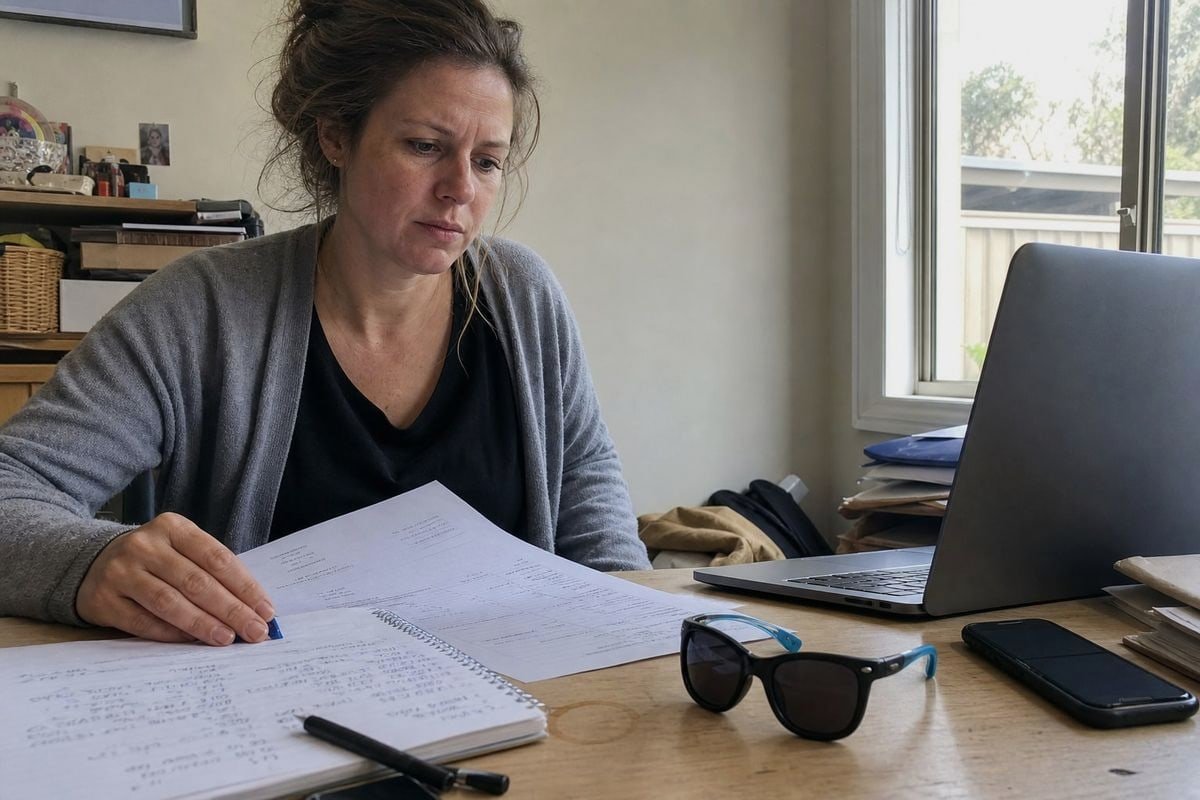
Testing costs for kids optical frames confuse many first-time buyers who contact our Taizhou factory CPSC accredited laboratory 1. They budget for molds and MOQ — then a surprise lab invoice threatens the whole launch. We help buyers plan this correctly from day one.
The buyer usually pays testing costs for kids optical frames, because the importer of record holds legal responsibility for CPSIA compliance and the Children’s Product Certificate. Suppliers may share or absorb costs for high-volume orders or existing styles, but custom private-label designs are typically tested at the buyer’s expense.
That is the short answer. But the real picture depends on your market, your order type, and your contract. Let me walk you through how this works in practice.
How do I know which safety tests my kids optical frames actually need?
A procurement manager from Australia once asked me why her lab quote listed six separate tests for one simple TR90 frame. The answer sits in how regulators classify children's products.
Required tests depend on your destination market. For the US, CPSIA mandates lead content, phthalates, and small-parts testing through a CPSC-accredited laboratory, documented in a Children's Product Certificate. The EU requires REACH regulation compliance, including nickel release standards for metal parts.
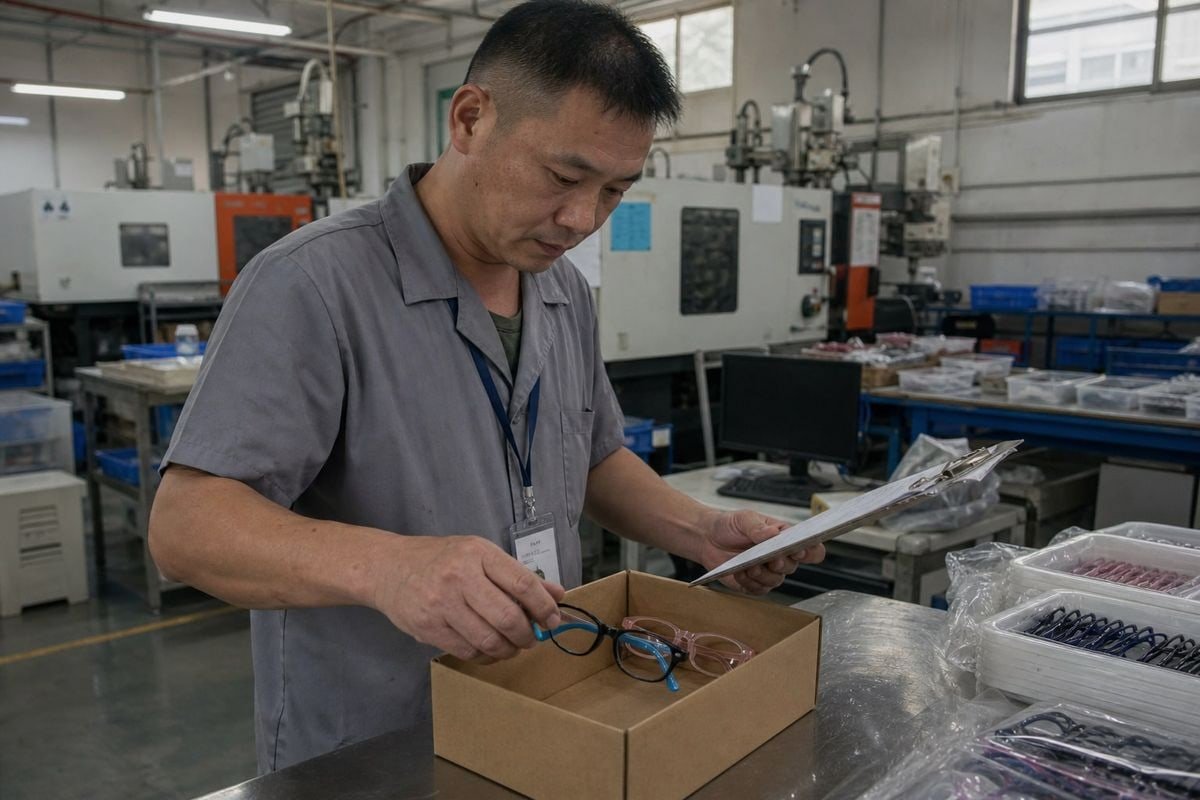
Children's eyewear is regulated as a children's product, not just as eyewear. That single classification triggers a stricter set of rules than adult frames face. In our fifteen years of making kids' frames in TPEE and TR90, we have seen buyers stumble here more than anywhere else.
The core test categories
Mandatory testing protocols for kids' eyewear focus on three areas. First, lead content — both in the frame substrate and in any surface coatings or paint. Second, フタル酸エステル 2 in plasticized parts, such as soft temple tips and nose pads. Third, physical and mechanical safety, especially small parts that could detach and become a choking hazard.
Here is how the requirements map to the main markets we export to:
| 市場 | Key regulation | Main tests | Certificate needed |
|---|---|---|---|
| アメリカ合衆国 | CPSIA | Lead, phthalates, small parts | Children's Product Certificate (CPC) |
| 欧州連合 | REACH, EN standards | Chemical restrictions, nickel release | 適合宣言 |
| オーストラリア | ACCC mandatory standards | Chemical and mechanical safety | Supplier documentation |
| 日本 | Household goods regulations | Restricted substances | Import compliance records |
Why the lab must be accredited
For the US market, results only count if they come from a CPSC accredited laboratory 3. A generic factory test report will not satisfy customs or retailers. When we run third-party lab testing for our own catalog styles, we use recognized labs precisely so the reports hold up when a buyer's compliance team reviews them.
One more point worth planning for: beginning in July 2026, US importers must electronically file compliance data with Customs (eFile). That adds an administrative layer on top of the lab work itself, so your product safety certification records need to be organized, not just filed away.
Can I reduce testing costs by choosing from my supplier's existing frame styles?
The trade-off we discuss most often with new brands is this: a fully custom frame gives you a unique product, but every custom design carries its own testing bill. Our ~800 existing styles exist partly to solve that math.
Yes. Choosing existing frame styles significantly reduces testing costs, because testing is a fixed expense per product style. Styles already tested by the supplier may need only verification testing, and shared components like hinges and nose pads can carry pooled certification across multiple designs.
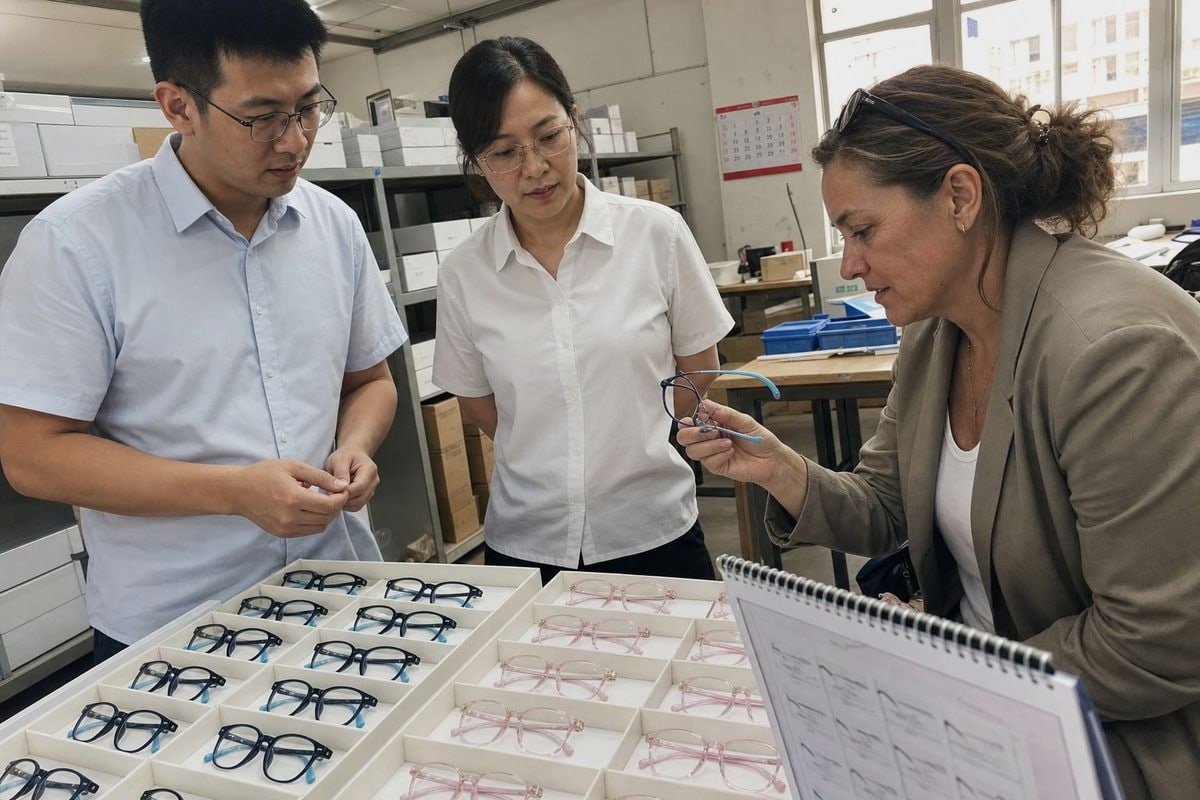
Testing costs are generally charged per style, per material, per market. So a brand launching five custom frames for the US and EU is not paying one lab fee — it may be paying ten or more. This is where existing styles change the economics of a launch.
How existing styles cut the bill
When a buyer picks from our catalog — say, a glossy black TR90 front with navy TPEE temples and soft silicone tips, or a translucent pale pink acetate-look frame — the base design, materials, and components are already proven. In many cases, we hold recent test reports for those exact material batches. Your lab may then only need to verify color-specific coatings or your added logo print, rather than testing the entire frame from scratch.
Compare the two paths:
| Cost factor | Custom private-label design | SKUごとのカスタムカラーマッチング |
|---|---|---|
| Full CPSIA test suite | Buyer pays, per style | Often partially covered by existing reports |
| Mold investment | 必須 | アクティブな子供のための安全性 |
| Re-test on material change | Full cost to buyer | Shared across all buyers of the style |
| Time to launch | Months longer | Weeks |
| Negotiating room on fees | 限定的 | Higher — supplier has volume incentive |
Component-level certification pooling
There is a newer trend worth knowing. Small brands are forming co-op groups to share testing costs on common components — standard hinges, screws, and nose pads used across different frame styles. We support this naturally, because our flexible TPEE temples and hinge systems repeat across many catalog designs. One tested component can support certification files for several of your SKUs.
One caution: if you later request a material change — a new pigment, a different plasticizer, a switched sub-supplier — regulators treat that as a "material change" requiring a full re-test, usually at the buyer's expense. This matters even more with bio-based or recycled acetates, where buyers now run periodic spot-testing to catch batch-to-batch chemical drift that a one-time test would miss.
What should I expect my supplier to cover versus pay for myself?
A lesson we learned early in our export work: unclear testing terms damage a partnership faster than almost any quality issue. Now we put testing responsibility into every quotation before a buyer commits.
Expect to pay for testing tied to your custom designs, your destination market, and your Children's Product Certificate. Expect your supplier to cover internal quality control inspections, material safety data, factory-level test reports on catalog styles, and — for high-volume orders — a negotiated share of third-party fees.
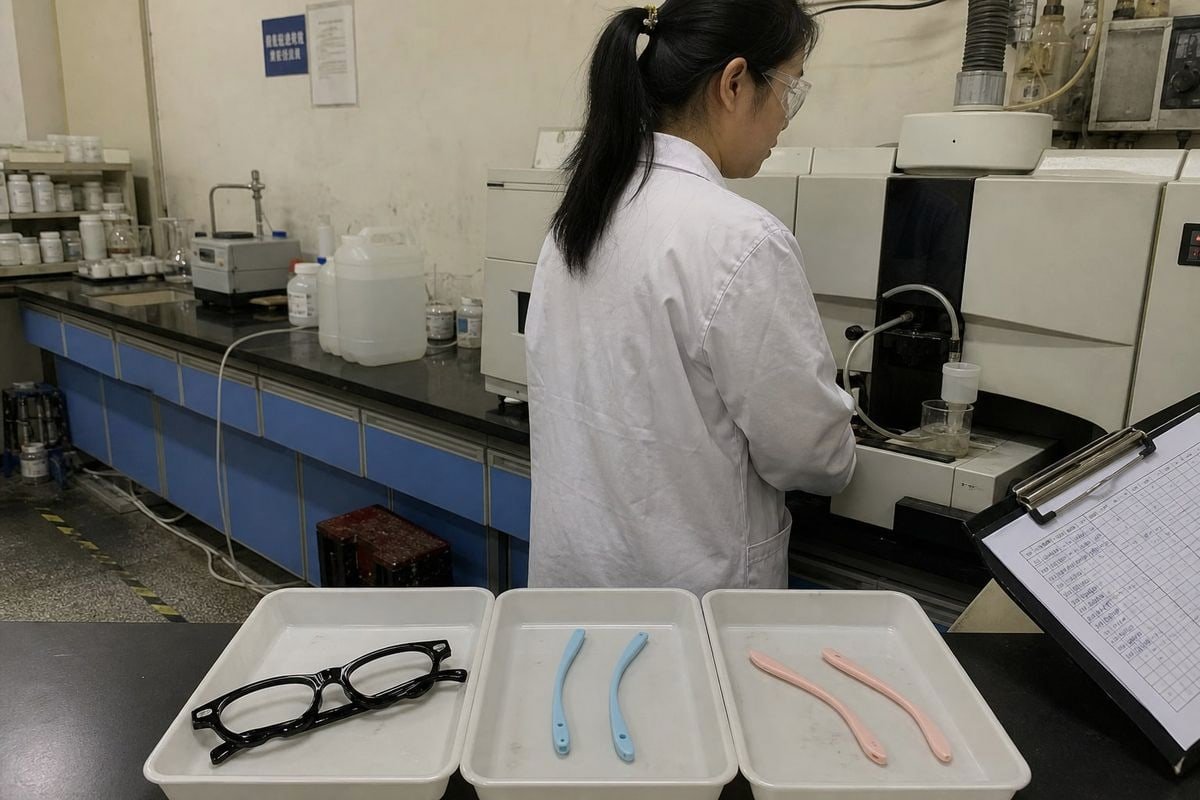
The legal starting point is simple. The importer of record — almost always you, the buyer — bears the ultimate legal and financial responsibility for compliance. No contract clause transfers that legal duty. What a contract can do is redistribute the cash cost.
A realistic cost split
In our experience exporting to 20+ countries, this is the division that works and holds up over time:
| コスト項目 | Typically paid by | 注記 |
|---|---|---|
| Incoming material inspection | Supplier | Part of normal factory QC |
| In-line and final quality control inspections | Supplier | We run this under 5S workshop management |
| Factory test reports on catalog styles | Supplier | Shared with serious buyers on request |
| Third-party lab testing for custom designs | Buyer | Negotiable line item for large volumes |
| Children's Product Certificate issuance | Buyer | The importer signs and holds the CPC |
| Re-tests after buyer-requested changes | Buyer | Material changes reset compliance |
| Re-tests after supplier process changes | Supplier or shared | Should be stated in the contract |
Put it in the manufacturing contract
Testing fees are a negotiable line item in manufacturing contract terms — treat them that way. Suppliers may absorb costs for high-volume orders because the report benefits multiple customers of that style. For custom or private-label designs, the buyer typically pays, because the report benefits only you. Ask your supplier to state, in writing: who books the lab, who pays, who owns the report, and who pays for a re-test if a batch fails.
One objection I hear: shouldn't the factory simply guarantee compliance and eat all testing costs? I understand the appeal, but be careful with any supplier who promises that. Blanket promises usually mean the supplier plans to skip proper third-party lab testing and hope nothing surfaces. A reliable partner is transparent about what testing costs, not silent about it. There is also an upside for you in paying: buyers increasingly use comprehensive safety test data they own to negotiate lower product liability insurance 4 premiums for pediatric categories. A report in your name is an asset, not just an expense.
How do I make sure testing costs don't delay my product launch?
Watching a buyer's retail launch date slip because a lab report arrived two weeks late taught our team to build testing into the production timeline itself, not treat it as an afterthought.
Start testing in parallel with production, not after it. Select pre-tested existing styles, book the CPSC-accredited lab before mass production begins, test golden samples early, lock materials to avoid re-tests, and prepare eFile compliance documentation well ahead of your shipping date.
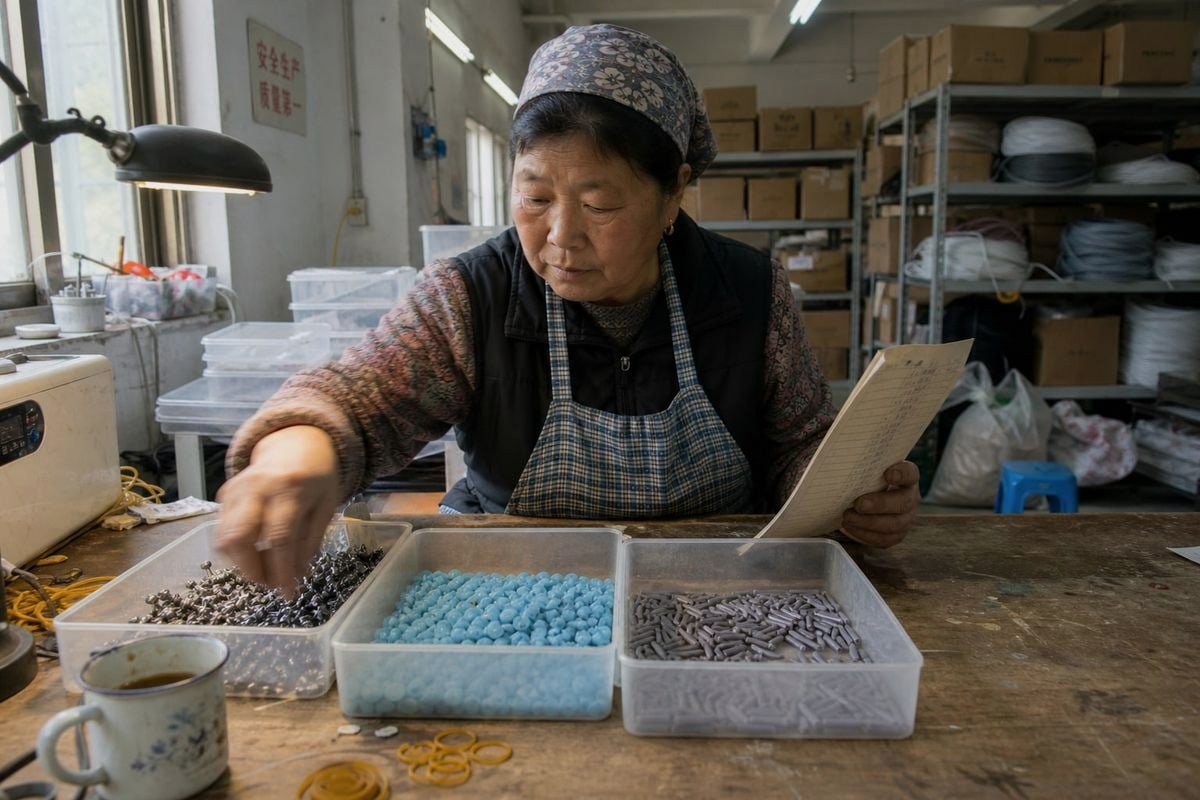
Delays rarely come from the testing itself — a standard CPSIA panel takes days to a couple of weeks. Delays come from sequencing mistakes: testing too late, testing the wrong sample, or discovering a failure after mass production has already started.
A launch timeline that protects your date
Here is the sequence we recommend to brands developing kids' frames with us:
- Confirm your target markets first. US, EU, and Australia each define a different test scope. Knowing this before sampling prevents duplicate lab rounds.
- Choose styles with existing reports where possible. A catalog style with valid third-party results can shorten your compliance path by weeks.
- Test the golden sample, not a rough prototype. The tested sample must match mass production exactly — same pigment lot, same coating, same nose pad material. Otherwise the report is worthless.
- Book the lab before production starts. Accredited labs have queues. Reserve a slot so samples go straight in when ready.
- Freeze the specification. Any late change to color, plasticizer, or sub-supplier triggers a full re-test at your expense and resets the clock.
- 商品が港に到着した後ではなく、商品がライン上にある間に、子供用製品証明書を作成し、テンプルとパッケージの追跡ラベルのイラストを確認し、カリフォルニア州提案65のコンプライアンスステートメントを調整してください。. Draft your Children's Product Certificate, tracking labels, and — for US shipments from July 2026 — your eFile customs data while the lab works.
Budget for time, not just money
Also plan a small contingency. If a coating fails lead-in-paint limits, you need time to reformulate and re-test before your ship date. On our side, we help by holding material consistency tight — flexible TPEE and TR90 are stable, well-characterized materials, which is one reason we standardized on them for children's frames. Some of our buyers are also moving toward Digital Product Passports 5, where blockchain-verified compliance data travels with the frame through its lifecycle. Preparing clean, structured test records now makes that transition painless later.
結論
Buyers pay most testing costs for kids optical frames — but smart style selection, clear manufacturing contract terms, and early lab scheduling keep those costs small and launches on time. Ask us which of our pre-tested styles fit your market.
脚注
1. Official CPSC page detailing third-party lab accreditation rules for children’s product testing. ↩︎
2. CPSC overview of phthalate restrictions and compliance requirements for children’s toys and childcare articles. ↩︎
3. Official CPSC guidance on mandatory third-party testing requirements for children’s products in the US. ↩︎
4. Educational resource explaining how product liability insurance protects businesses from claims related to product defects. ↩︎
5. Wikipedia entry detailing the regulatory framework and purpose of digital product passports in global trade. ↩︎

 English
  Español de México
  Deutsch
  Français
  日本語
日本語  العربية
  Português do Brasil