LCL vs Waiting for FCL: Which Is Cheaper for Kids’ Optical Frames?
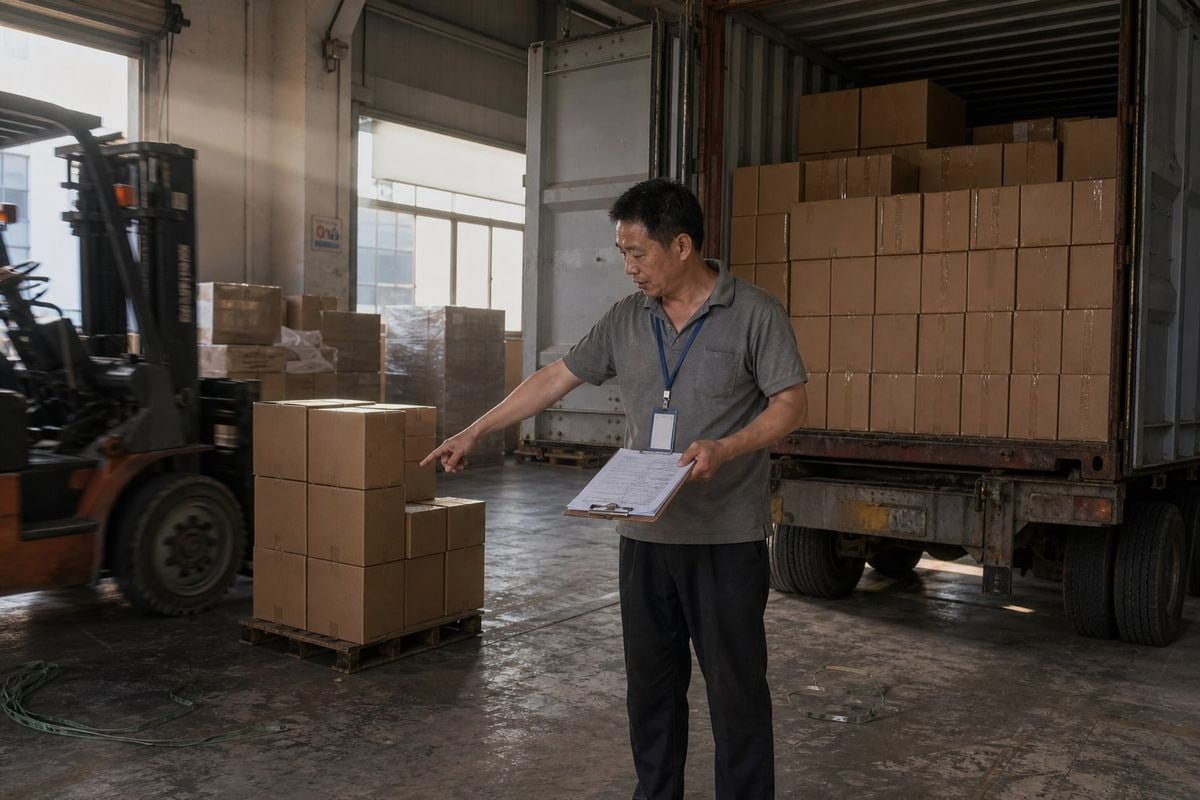
Choosing between LCL and FCL for kids’ optical frames confuses many buyers we work with at our Taizhou factory. Pick wrong, and freight quietly eats your margin on every frame.
LCL is usually cheaper for kids’ optical frames when your shipment is under roughly 15 CBM. FCL becomes cheaper once volume approaches container scale, because the flat container rate spreads across more frames, cuts handling fees, and shortens transit time.
That is the short answer. But the real decision depends on your volume, your route, and your timing. Let me walk you through how we help our buyers think it through.
How do I calculate the true cost difference between LCL and FCL for my kids' eyewear order?
A procurement manager from Australia once asked me why her "cheap" LCL quote produced an expensive invoice. We sat down and rebuilt her numbers from scratch. The gap was in the math.
Calculate total landed cost per frame, not base freight. Add LCL per-CBM charges, consolidation fees, destination handling, customs duties and taxes, and trucking. Compare that against the flat FCL container rate plus its own fees, then divide each total by frame quantity.

The core difference is simple. LCL uses cubic meter pricing, so you pay for the space your cartons occupy in a shared container. FCL charges one flat rate for the whole box, full or not. For eyewear shipping, that distinction matters a lot, because kids' optical frames are light and compact. Volume, not weight, drives your bill.
Start with your shipment volume
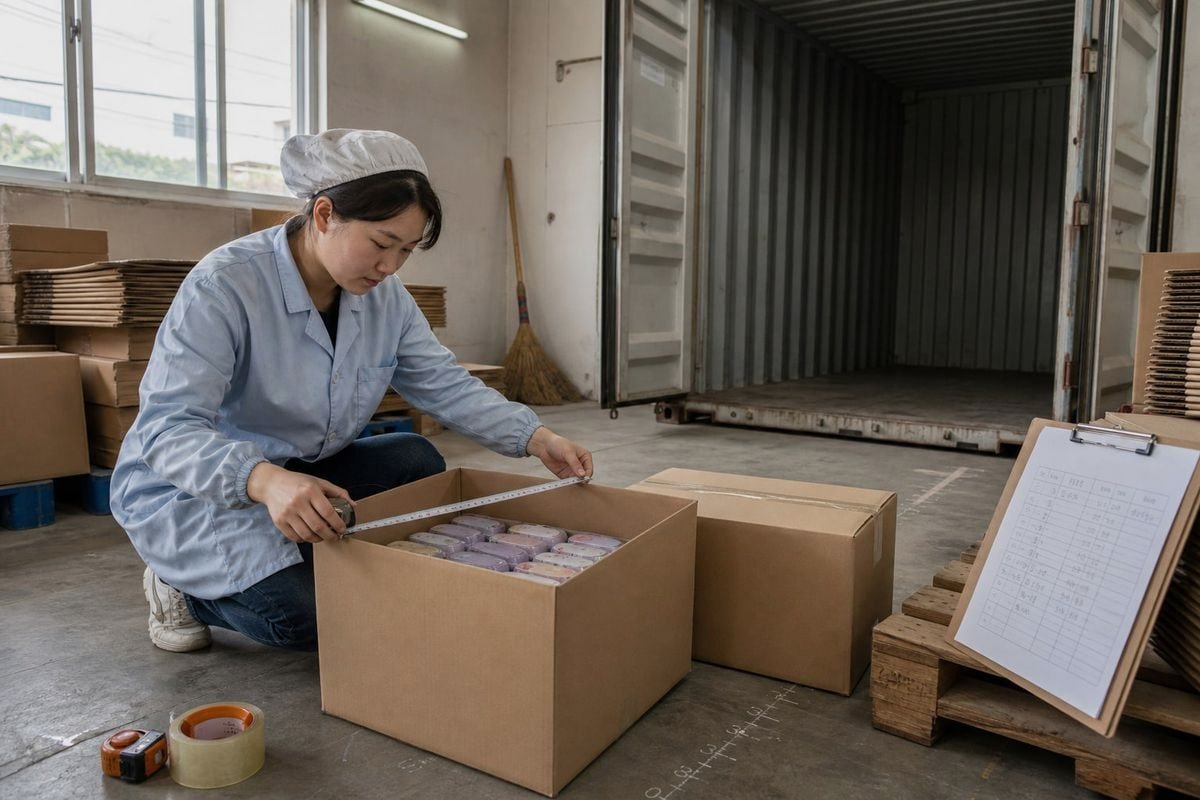
First, measure your actual CBM. At our factory, a standard export carton of kids' optical frames holds a few hundred units and packs very efficiently. Most trial orders from new brands come out between 1 and 5 CBM. That is deep inside LCL territory.
Then build both quotes side by side
Here is the comparison structure I share with buyers who use our TR90 kids optical frames:
| コスト要素 | LCL | FCL |
|---|---|---|
| 海上運賃基本料金 | Roughly $30–$180 per CBM in 2026, route dependent | Roughly $1,900–$3,500 flat for a 20' or 40' container |
| Origin handling | Consolidation and CFS fees added | Loading and documentation only |
| Destination handling | Deconsolidation, CFS, per-CBM charges | Drayage and unloading |
| Customs duties and taxes | Same rate, but processing fees can be higher per shipment | Same rate, often smoother clearance |
| Typical 10 CBM total | Around $1,390–$2,460 | Around $2,330–$4,110 |
Notice the 10 CBM row. At that volume, LCL usually wins on total landed cost. But run the same math at 20 CBM and the picture often flips. That is why I always tell buyers to model both options before every replenishment order, not just once. Freight forwarding services 1 can produce both quotes for you in a day.
Will waiting to consolidate a full container actually save me money on kids' optical frames?
There is a trade-off we discuss with distributors almost every quarter: delay a shipment to fill a container, or ship smaller batches now. Neither answer is free of cost.
Waiting for FCL saves money only when your consolidated volume passes the break-even point, commonly 12–15 CBM but up to 25–30 CBM on some lanes. Below that threshold, waiting adds inventory risk and stockout costs without meaningful freight savings.
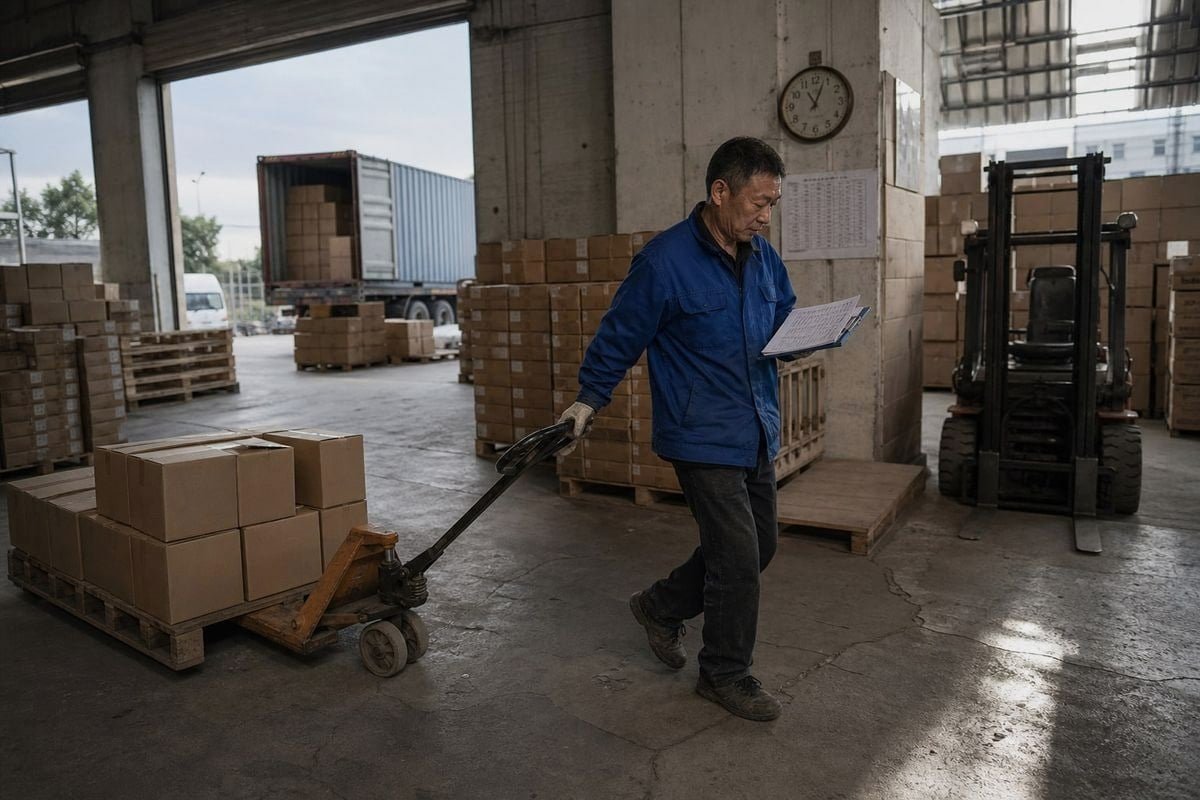
The break-even point is the heart of this question, and honest people disagree about where it sits. The classic industry rule says LCL is cheaper below about 15 CBM and FCL wins above it. But some recent market analyses argue the real crossover on certain lanes, especially Asia to the US West Coast, is closer to 25–30 CBM once you count all LCL surcharges. Both views can be right, because ocean freight costs vary by route and season. So do not trust a single universal number. Get live quotes for your lane.
The hidden cost of waiting
Here is what waiting actually costs a kids' eyewear brand, based on what we see across our customers in 20+ countries:
- Stockout risk. Kids' frames sell in size and color runs. If your bestseller sells out while you wait to fill a container, lost sales can exceed any freight savings.
- Tied-up capital. A full container of frames is a big inventory commitment. Smaller LCL batches keep cash free, which matters for DTC brands with fluctuating online demand.
- Seasonal timing. Back-to-school is the peak season for kids' optical frames. Missing that window to save on freight is a bad trade.
When waiting genuinely pays off
Cargo consolidation makes sense when you are replenishing proven sellers, when you can combine multiple SKUs into one order, or when your reorder cycle naturally approaches container volume. Because we hold around 800 existing styles, many of our buyers consolidate several styles and colorways into one shipment. That is often the fastest legitimate path from LCL economics to FCL economics, and it supports broader supply chain optimization too. One combined order can also earn better production scheduling on our side.
Early in my export career, I quoted a European optical company a tidy CIF price 2, then watched their forwarder's destination invoice double the "cheap" LCL freight. That lesson stuck with me.
Watch for consolidation and deconsolidation charges, CFS handling at both ends, destination documentation fees, customs processing, drayage, inland trucking, higher insurance premiums, and storage charges if pickup is delayed. These fees can add 30–100% to the base LCL quote.
LCL looks cheap on the first line of the quote. The problem is everything below that line. Because your cartons share a container with other shippers' cargo, they pass through more hands, more warehouses, and more billing events. Each step in international logistics creates a fee. Here are the ones that surprise buyers most often:
| Hidden fee | When it hits | Why it stings |
|---|---|---|
| CFS handling (origin) | When cargo is consolidated | Charged per CBM, often overlooked in comparisons |
| Deconsolidation (destination) | When the container is unpacked | Frequently the biggest surprise on the invoice |
| Documentation and release fees | At destination port | Flat fees hurt small shipments proportionally more |
| Storage and demurrage | If pickup or clearance is slow | Grows daily; customs delays make it worse |
| Higher insurance premiums | At booking | Shared containers mean more handling and more claims |
| Inland trucking | Final delivery | Priced separately, easy to forget in the quote |
Why this matters more for optical frames
Kids' optical frames are fragile goods transport by nature. Hinges, demo lenses, and glossy acetate or TR90 fronts can suffer from rough handling. Every extra touch point in the LCL chain is another chance for crushed cartons. At our workshop, we pack frames in individual boxes, then reinforced master cartons, precisely because LCL cargo gets stacked next to unknown freight. Our TPEE and TR90 materials help here too, because flexible frames survive compression far better than rigid ones. Still, fewer handling steps means fewer claims, which is one quiet advantage of FCL that never shows up on a freight quote. Insist that your forwarder gives you an all-in door-to-door quote so nothing hides in the fine print.
How do I decide the right order volume and timing to switch from LCL to FCL with my supplier?
A lesson we learned over fifteen years of exporting: the switch to FCL works best when it is planned with your supplier months ahead, not decided at booking time.
Switch to FCL when your consolidated order volume consistently reaches 15+ CBM per shipment, your reorder cycle is predictable, and your bestsellers are proven. Align production scheduling with your supplier so a full container ships without delaying your inventory.
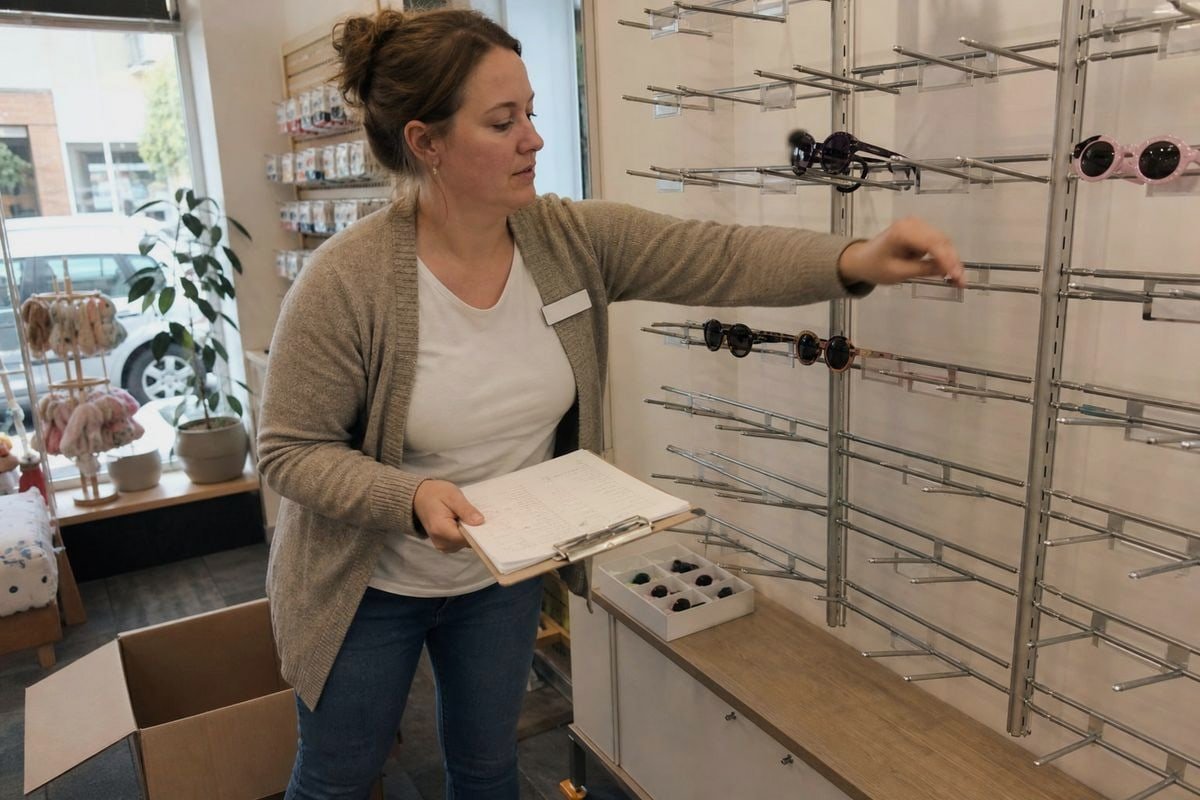
The right timing is not a single number. It is a maturity curve. Most of our buyers follow a similar path, and mapping your position on it makes the decision much clearer.
The typical growth path we see
| ステージ | 通常の量 | Best method | What we recommend |
|---|---|---|---|
| Market testing | 1–3 CBM | LCL or air | Pick from existing styles, small mixed SKUs, low risk |
| Early growth | 3–10 CBM | LCL | Reorder winners, add colorways, refine packaging |
| Scaling | 10–15 CBM | Compare both | Run landed-cost math on every order |
| Established | 15+ CBM | FCL | Consolidate reorders, plan quarterly containers |
A simple decision process
Follow these steps before each order:
- Forecast 90 days of demand. Base it on sell-through, not hope. FCL only makes sense against real, repeatable demand.
- Calculate the CBM. Ask your supplier for carton dimensions and packing quantities. We provide these figures with every quotation.
- Get both quotes. Request LCL and FCL pricing from your freight forwarding services on your exact lane, including all destination charges.
- Compare landed cost per frame. Divide each total by your unit count. The lower number wins on cost.
- Check the transit time comparison. FCL is typically 5–10 days faster because it skips consolidation and deconsolidation. If speed protects a launch or a season, weigh that as money.
- Coordinate production. Tell your supplier your target ship date early. On our line, a full-container order across multiple styles needs aligned scheduling so everything finishes together and nothing waits in the warehouse.
One more practical note. Talk to your supplier about packaging density. Well-designed cartons and efficient nesting reduce CBM per thousand frames, which either lowers your LCL bill or fits more product into your container. Either way, you win.
結論
Freight mistakes drain margins silently. Compare landed cost per frame, know your break-even CBM, watch hidden fees, and time your switch to FCL with your supplier's production plan.
脚注
1. Explains the role and definition of freight forwarding services in shipping. ↩︎
2. Defines Cost, Insurance, and Freight (CIF) terms in international trade agreements. ↩︎



 English
  Español de México
  Deutsch
  Français
  日本語
日本語  العربية
  Português do Brasil