Do Kids’ Sunglasses Yellow or Age in Storage? How to Control Conditions?
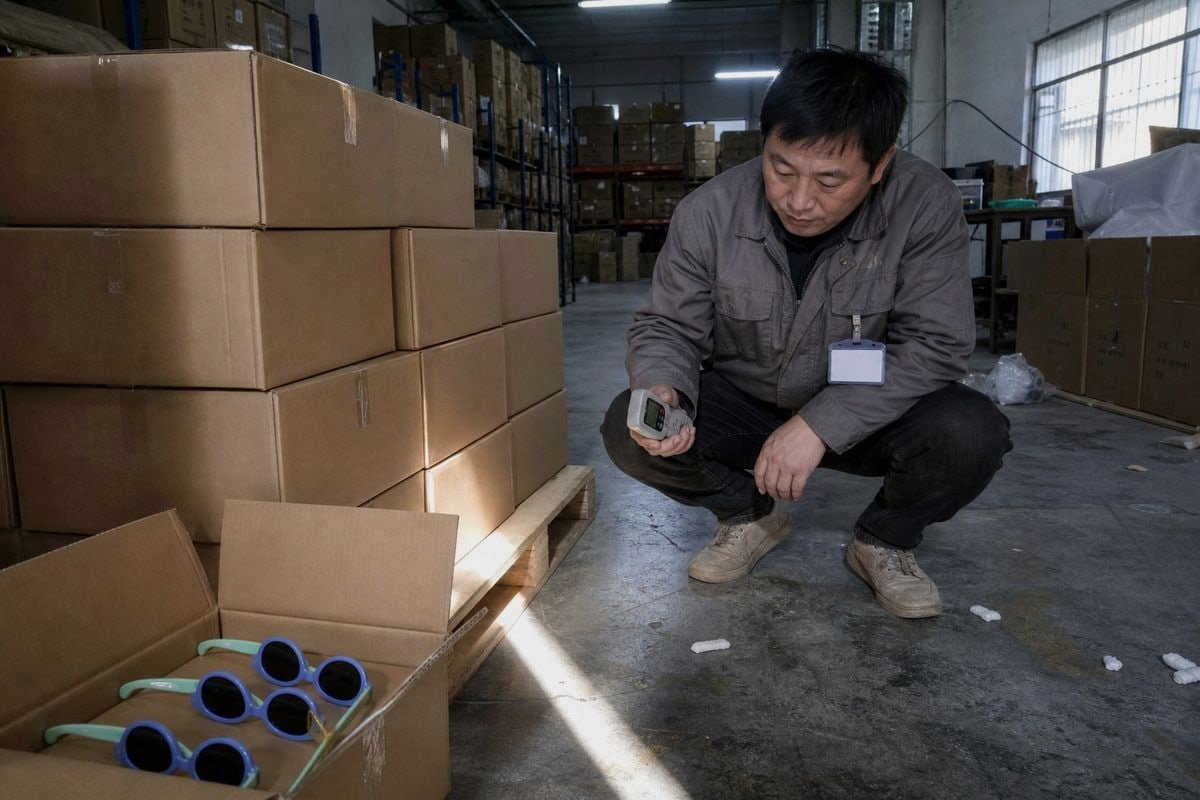
Kids’ sunglasses can yellow or age in storage, and I have seen it happen in our own Taizhou warehouse chromophores 1. One bad pallet position can quietly ruin a whole shipment’s retail appeal.
Yes, kids’ sunglasses can yellow or age in storage. UV light, heat, oxygen, and humidity slowly degrade plastics, coatings, and adhesives. To prevent this, store them in a cool, dark, dry place at roughly 10–30°C with 30–50% relative humidity, sealed in protective packaging.
Below, I will explain [why yellowing happens](https://okayeyewear.com/how-kids-sunglasses-lenses-turn-yellow-hazy-over-time/), which storage conditions matter most, how TPEE and TR90 behave over time, and what packaging practices protect your stock before it reaches retailers.
Why do my kids' sunglasses turn yellow after months in storage?
A buyer from Europe once sent me photos of clear-frame kids' sunglasses that had turned pale yellow after eight months in his warehouse. The culprit was a skylight directly above his shelving.
Kids' sunglasses turn yellow in storage mainly because of photodegradation and oxidation. UV light, heat, and oxygen break polymer chains in plastic frames and lens coatings, causing discoloration. Clear and translucent frames show it first, but darker frames age too—the change is just harder to see.
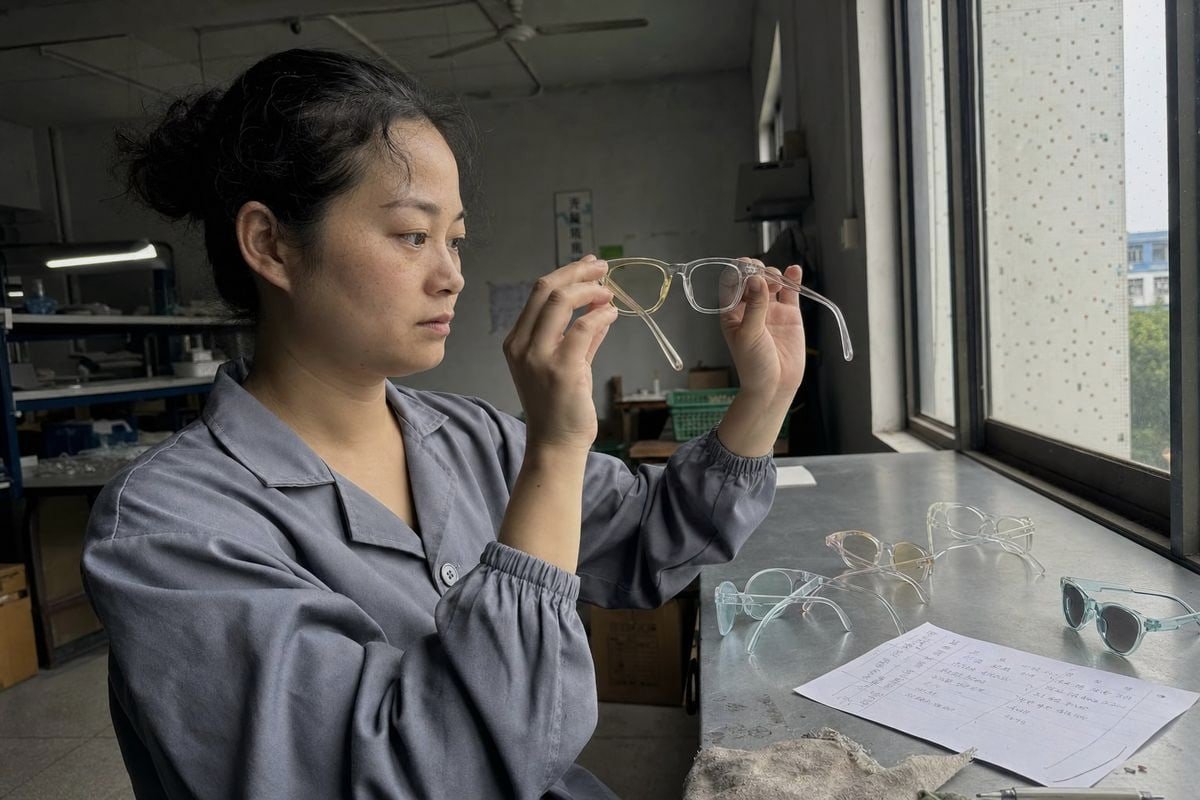
Yellowing is not one single problem. It is the visible symptom of several chemical processes happening at once. In our 15 years of making children's eyewear, we have traced yellowing complaints back to four main triggers. Understanding each one helps you diagnose your own storage issues.
The four main causes of yellowing
First, UV light. Sunlight coming through warehouse windows or skylights excites molecules in the plastic. The polymer chains 2 break. Broken chains form new chemical structures called chromophores 3, and these structures absorb blue light. When a material absorbs blue light, our eyes see it as yellow.
Second, heat. High temperatures speed up every chemical reaction, including oxidation. A warehouse that hits 40°C in summer can age a product several times faster than a climate-controlled room. Heat also softens adhesives around lens edges and can warp thin temple tips.
Third, oxygen. Plastics oxidize slowly even in the dark. This is why "we kept them indoors" is not a full answer. Oxidation never fully stops; it only slows down.
Fourth, contamination. Dust, smoke, factory fumes, and residue from packaging materials can settle on surfaces and react with coatings over time.
Yellowing versus other forms of aging
| Symptom | Main cause | Reversible? |
|---|---|---|
| Yellow tint on clear frames | UV light + oxidation | いいえ |
| Cloudy or hazy lenses | Coating breakdown, humidity | いいえ |
| Warped frames or temples | Heat above ~60°C | 稀 |
| Peeling or bubbling coatings | Heat + chemical exposure | いいえ |
| Sticky rubberized surfaces | Plasticizer migration, humidity | いいえ |
None of these are reversible with cleaning. That is exactly why prevention through storage control matters so much for anyone holding inventory.
What storage conditions help me prevent lens and frame aging?
Every summer, our team walks the warehouse with a thermometer and hygrometer before peak shipping season. It is a simple habit, but it has saved us from more than one costly surprise.
Store kids' sunglasses in a cool, dark, dry environment: 10–30°C temperature, 30–50% relative humidity, and no direct sunlight. Keep products in sealed cases or bags, away from heat sources, windows, chemical fumes, and damp floors. Add silica gel packets in humid climates.
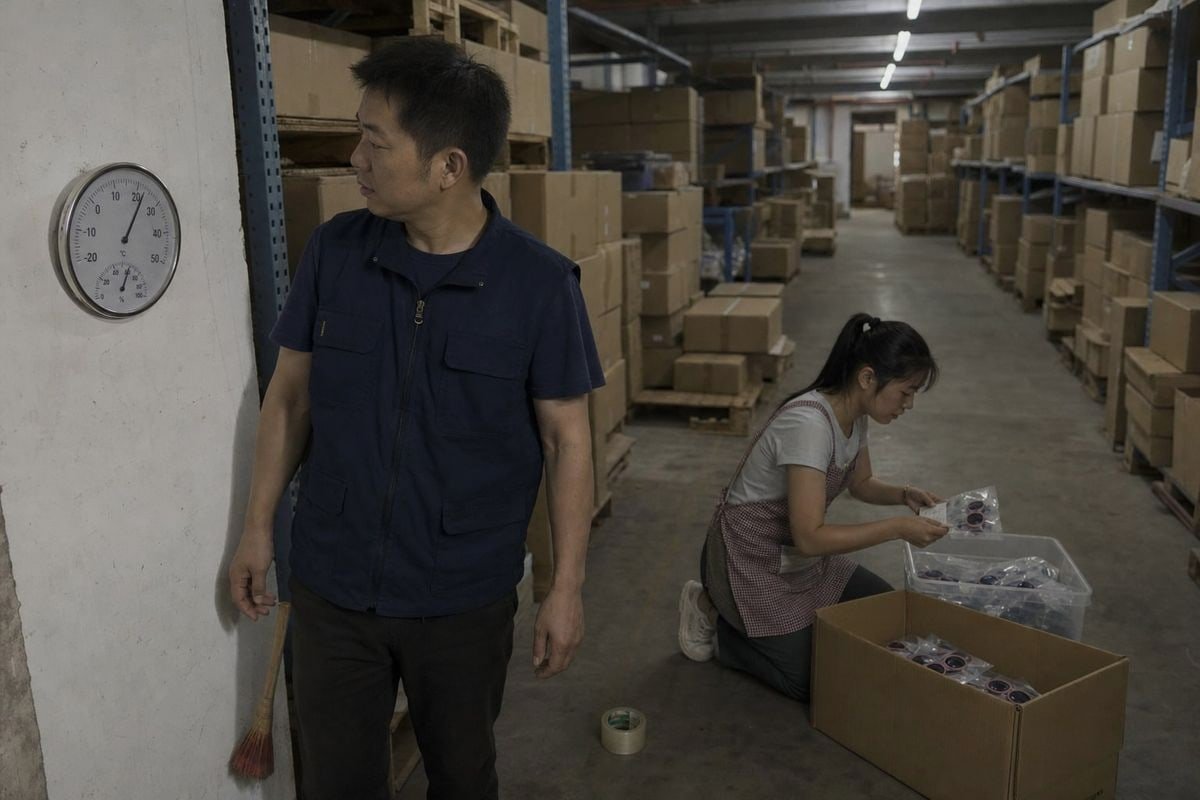
Good storage is mostly about controlling four variables: light, temperature, humidity, and air quality. The good news is that none of them require expensive equipment. They require awareness and consistency.
Target conditions at a glance
| Condition | Ideal range | Danger zone | Practical fix |
|---|---|---|---|
| Temperature | 10–30°C (50–86°F) | Above 60°C causes warping | Avoid top shelves near roofs; no storage in vehicles or containers left in sun |
| Humidity | 30–50% RH | Above 70% RH long-term | Silica gel packets 4, dehumidifier, pallets off the floor |
| 軽い | Dark or dim | Direct sunlight, skylights | Opaque cartons, blocked windows, interior shelving |
| Air quality | Clean, ventilated | Smoke, solvents, exhaust | Separate eyewear from chemicals, paints, and cleaning supplies |
The worst places we have seen products stored
Over the years, buyers have told us stories that all follow the same pattern. Sunglasses left in shipping containers parked in the sun for weeks. Sample stock displayed on a sunny windowsill for a full season. Backup inventory kept in a humid basement near a boiler. In each case, the damage was gradual and invisible—until it was not.
Temperature swings deserve special attention. Repeated cycling between hot and cold stresses polymers more than steady warmth does. A warehouse that bakes by day and chills by night ages plastic faster than a consistently warm but stable room. If you can only fix one thing, fix stability first.
Finally, keep products in their original sealed packaging until sale. The polybag or case is your first defense against dust, humidity, and airborne contamination.
How do TPEE and TR90 materials affect my products' long-term storage stability?
When we were developing our first TR90 frames with TPEE temples, we ran extended aging trials on samples before committing to production. Material choice, we learned, sets the ceiling on how long a frame stays looking new.
TPEE and TR90 are among the more storage-stable options for kids' eyewear. TR90 resists heat deformation and holds color well; TPEE stays flexible without brittleness over time. Both outlast cheap PC or PVC frames in storage, though quality of raw material and UV stabilizers still matters greatly.
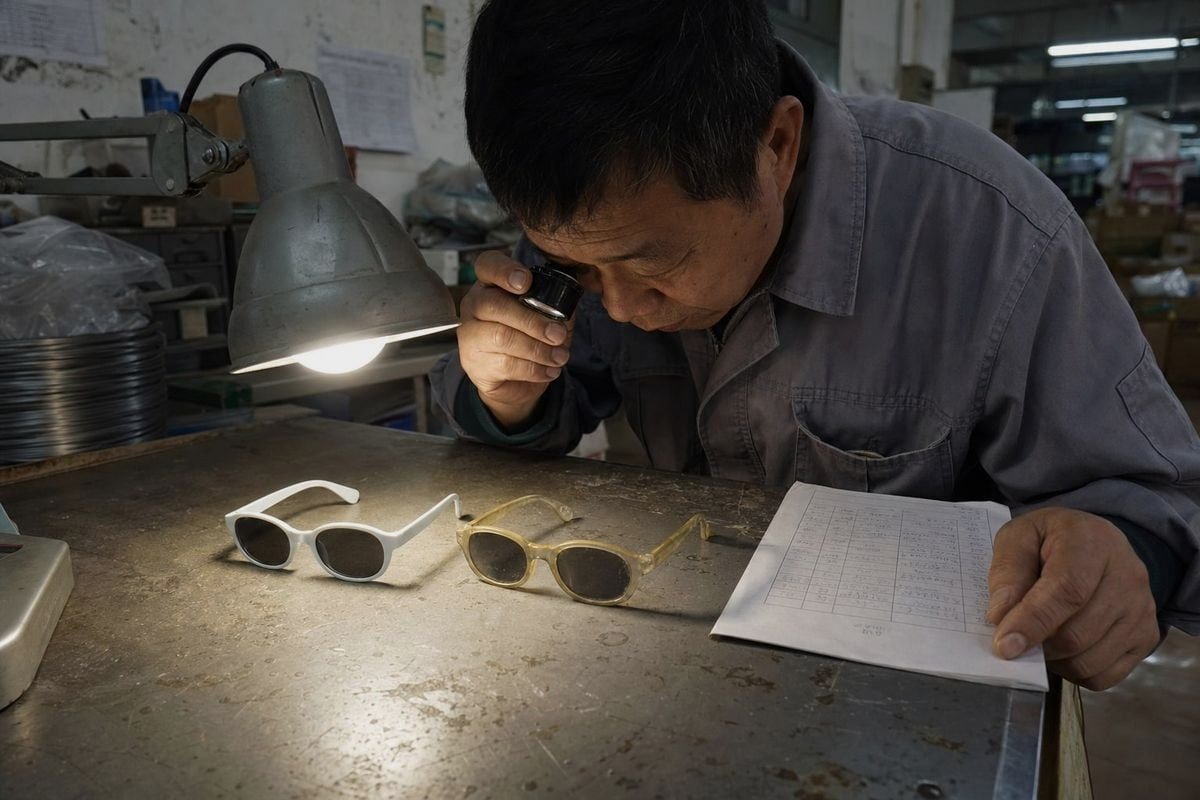
Not all plastics age the same way, and this is where material knowledge directly protects your inventory investment. Our factory works primarily with TPEE and TR90 because they balance child safety, flexibility, and long-term stability better than commodity plastics. But it is worth understanding why.
How the common frame materials compare in storage
| 素材 | Heat resistance | Yellowing tendency | Flexibility over time | 通常の使用 |
|---|---|---|---|---|
| TR90 | 高い | Low with good stabilizers | Stays flexible | Quality kids' and sports frames |
| TPEE | 接触点に集中 | 低〜中程度 | 優れた、ゴムのような | Flexible temples, baby eyewear |
| 標準PC | 中程度 | 中程度から高程度 | Becomes brittle | Budget sunglasses |
| Cheap recycled blends | 悪い | 高い | Unpredictable | Low-cost promotional items |
TR90 is a nylon-based thermoplastic. Its molecular structure resists heat deformation, which means frames hold their shape through warm shipping and storage seasons. TPEE is a 熱可塑性エラストマー 5. It gives our children's frames their bendable, snap-back quality, and it retains that flexibility for years instead of turning stiff and cracking the way plasticized PVC often does.
Why raw material grade matters as much as material type
Here is the honest caveat. TR90 from a reputable resin supplier, with proper UV stabilizers compounded in, behaves very differently from off-spec TR90 bought cheap. We have tested competitor samples labeled "TR90" that yellowed noticeably faster than our standard material. Clear and translucent colorways are the most demanding, because there is no pigment to hide early discoloration. When buyers ask us for crystal-clear kids' frames, we always discuss stabilizer packages and realistic shelf-life expectations up front. Storage habits help, but the material's quality sets the limit on what storage can achieve.
What packaging and warehouse practices should I follow before shipping to retailers?
One lesson from our 5S-managed workshop shapes everything we do at the packing stage: a product's condition at arrival is decided long before the container leaves the port.
Pack each pair cleaned and fully dry, sealed in an individual polybag or case, with desiccant in humid seasons. Use opaque master cartons, store them off the floor in a stable indoor area, rotate stock first-in-first-out, and never leave loaded containers sitting in direct sun.
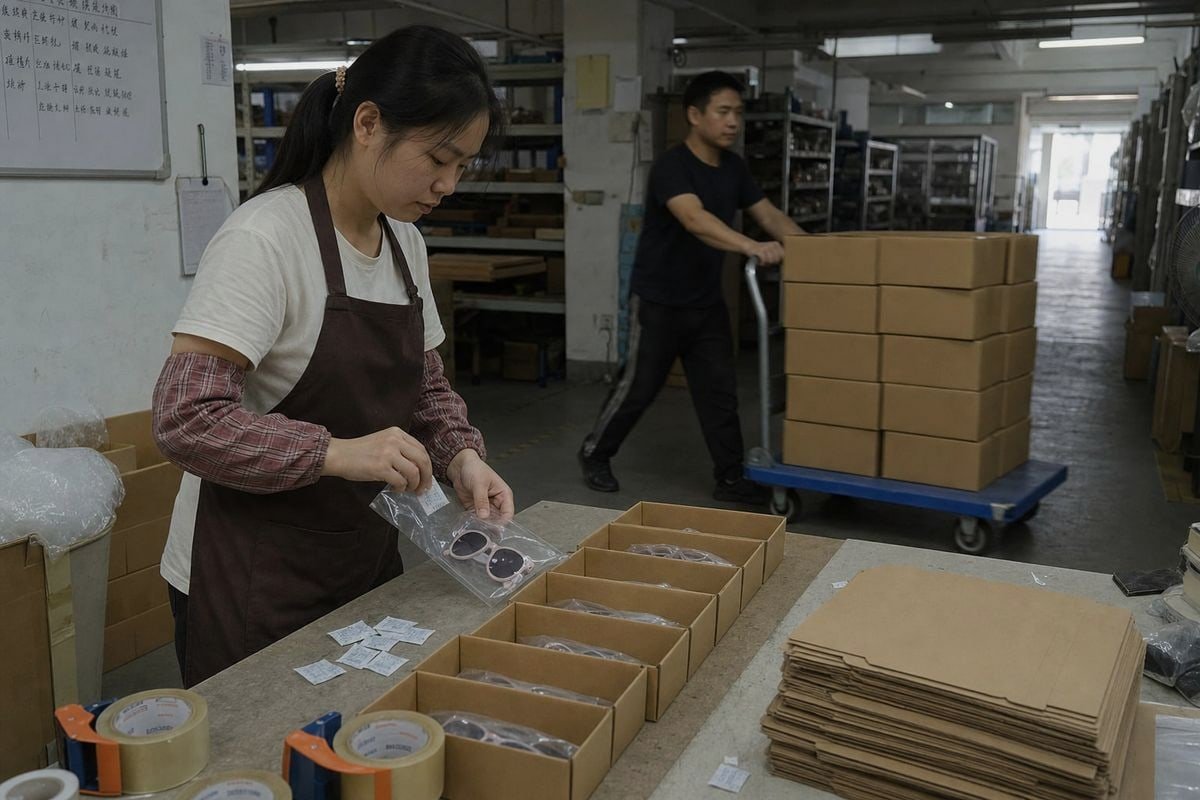
Packaging is not just presentation. For eyewear, it is the primary aging barrier between the factory and the retail shelf. Over years of exporting to buyers in 20+ countries, we have refined a checklist that we follow on every order and recommend to every partner holding stock on their side.
Our pre-shipment and warehouse checklist
- Clean and dry before packing. Any fingerprint oil, dust, or moisture sealed inside a polybag will sit against the surface for months. We wipe every lens and frame before it goes into its bag.
- Individual sealed packaging. A closed polybag or hard case blocks dust, airborne contamination, and most humidity fluctuations. For retail-ready orders, we combine branded cases with sealed outer bags.
- Desiccant where the route demands it. Sea freight through humid climates, or destination warehouses in damp regions, justify silica gel packets in cartons. It is a small cost against a real risk.
- Opaque master cartons. Cardboard blocks UV completely. Products should never be stored in transparent bins under warehouse lighting or near windows.
- Off the floor, away from walls. Pallets and shelving keep cartons clear of floor moisture and condensation on exterior walls.
- First-in, first-out rotation. Even well-stored stock ages slowly. Selling older inventory first keeps average shelf time 6 short and quality consistent.
- Watch the container. A sealed container in direct summer sun can exceed 60°C inside. Schedule pickups and unloading to minimize the time goods sit in that heat.
For buyers who order our OEM packaging, we also match packaging materials to the product. Some low-grade printed bags and foams can off-gas chemicals that react with coatings over long storage. We test and select packaging materials that stay inert, so the box protecting your product never becomes the thing that damages it.
結論
Kids' sunglasses do yellow and age in storage, but you control the pace. Manage light, heat, and humidity, choose stable materials like TR90 and TPEE, and pack properly—your inventory stays retail-ready far longer.
脚注
1. Explains the chemical structures that form during polymer breakdown and cause yellow discoloration. ↩︎
2. Explains the chemical process of chain breakdown referenced in the yellowing discussion. ↩︎
3. Defines the light-absorbing structures causing the yellow color change. ↩︎
4. NIH database entry on silica, the desiccant material used to control humidity in storage. ↩︎
5. Provides scientific background on the material class behind TPEE’s flexibility and durability. ↩︎
6. Explains the standard inventory rotation principle used to minimize product aging in storage. ↩︎
 English
  Español de México
  Deutsch
  Français
  日本語
日本語  العربية
  Português do Brasil