Kids Optical Frames: Small-Batch Orders or Bulk—Which Lowers Inventory Risk?
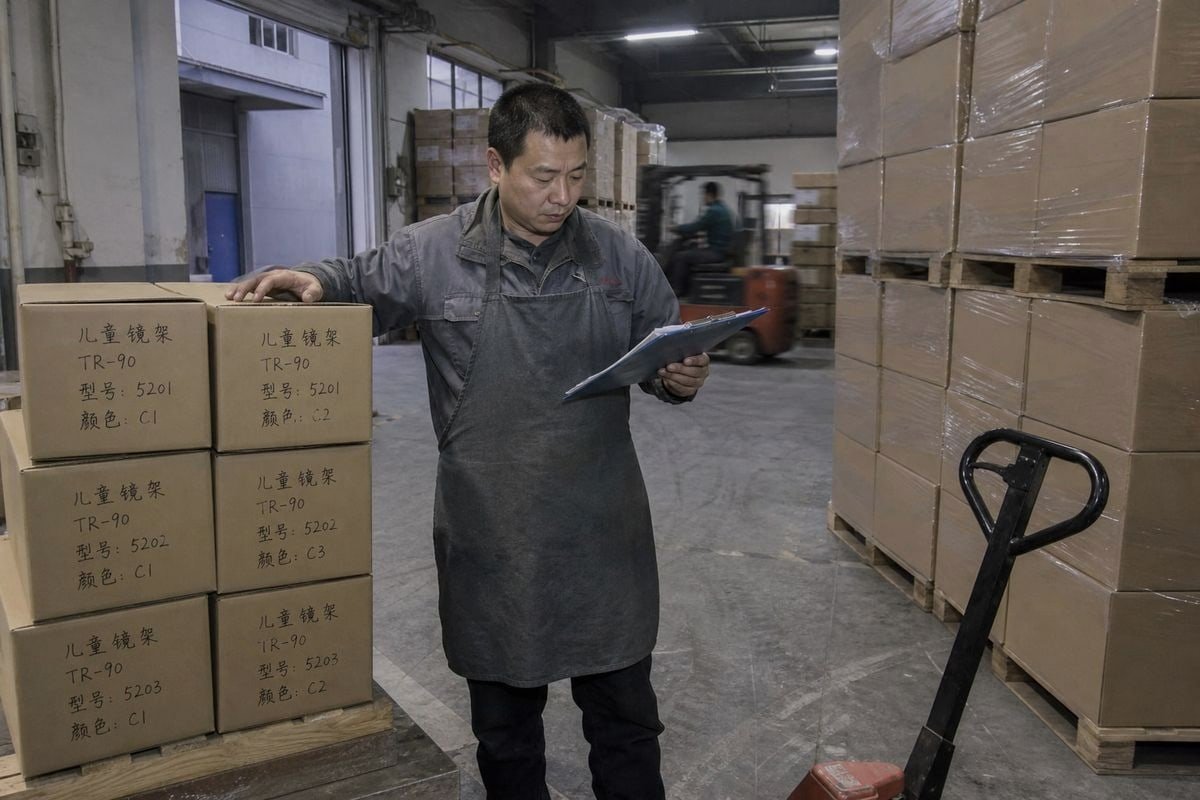
Buyers ask me about kids optical frames ordering strategy almost weekly. Overbuy, and cash sits frozen in dead stock. Underbuy, and you miss the season. Our factory sees both mistakes constantly.
For kids optical frames, small-batch orders lower inventory risk more than bulk buying. Children’s sizes, styles, and demand shift too fast to forecast reliably, so small batches limit dead stock and protect cash. Reserve bulk orders for proven bestsellers with stable, repeatable sales data.
That is the short answer. The longer answer depends on your stage, your cash flow, and your supplier’s flexibility. Let me walk you through how I advise our own buyers.
How can I test new kids optical frame designs without committing to bulk inventory?
Last spring, a startup brand from Australia asked us for 3,000 units of one untested pink acetate style. I talked them down to a mixed test order instead—and it saved their launch budget.
Test new kids optical frame designs by ordering 20–50 units per style from a factory's existing catalog, selling for 2–3 weeks, and reordering only proven winners. Choosing ready-made styles avoids mold investment and lets you validate colors, sizes, and price points with minimal capital at risk.
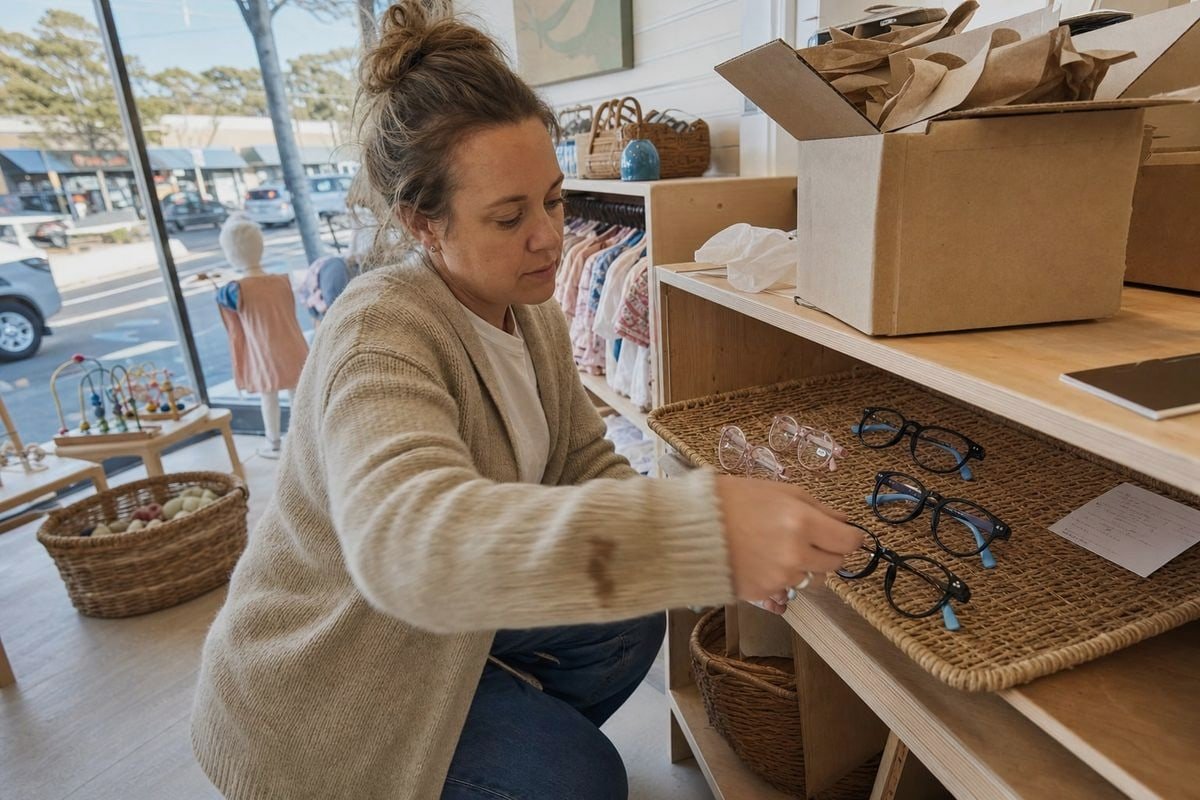
The test-and-reorder model works because it replaces guessing with real sales data. Kids' eyewear is trend-sensitive. A translucent candy-pink frame may fly off shelves in Japan and sit untouched in Germany. You cannot know until real parents and real children respond. Small-batch testing turns that uncertainty into a controlled experiment instead of a gamble.
Start with existing styles, not custom molds
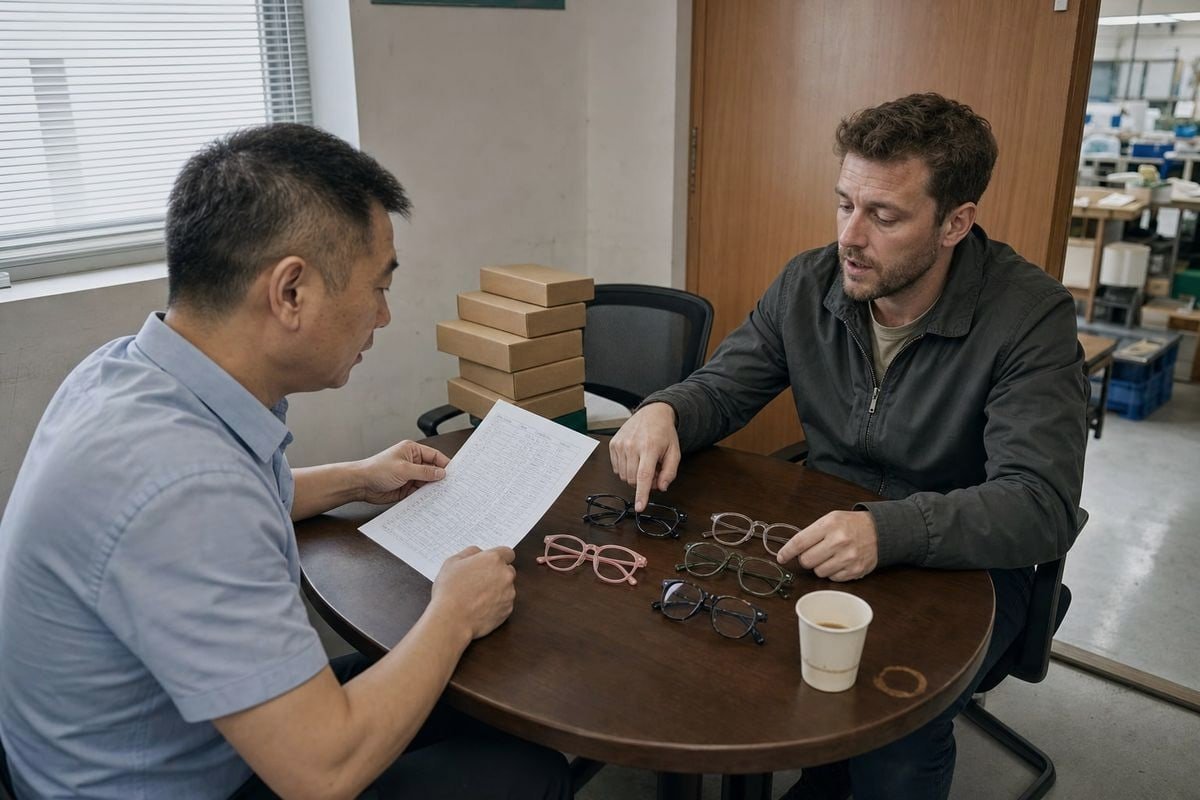
Our factory keeps roughly 800 existing styles on file precisely for this reason. A new brand can pick five or six frames—say, a glossy black TR90 frame with soft silicone temple tips for boys, and a pastel acetate rounded rectangle for girls—apply their logo, and launch without paying for tooling. Private label manufacturing on ready styles is the lowest-risk entry point into this category. Custom development comes later, once you know what sells.
Run the test like a process
- Select 4–6 styles across age groups and color families.
- Order 20–50 units per style, ideally under a mixed-style Minimum Order Quantity.
- Sell for 2–3 weeks and track sell-through by style, color, and age group.
- Reorder winners in larger quantities; drop losers before they become deadstock.
- Only then consider custom colors or exclusive designs for the validated frames.
This cycle also sharpens your demand forecasting. After two or three rounds, you will know which eye sizes and bridge fits your market actually needs. That data is worth far more than a bulk discount on an unproven guess.
What MOQ options should I expect when working with a kids eyewear factory?
A distributor once emailed me assuming every factory demanded 1,200 pieces per color. That belief nearly stopped him from entering the category at all. MOQ structures are far more flexible than most first-time buyers expect.
Expect tiered MOQ options: around 100 pieces for test orders, 300–500 for growth orders, and 1,000+ for the lowest unit cost. MOQs vary by material—injection-molded TR90 requires higher volumes than handmade acetate—and many factories accept mixed-style orders that spread one MOQ across several designs.
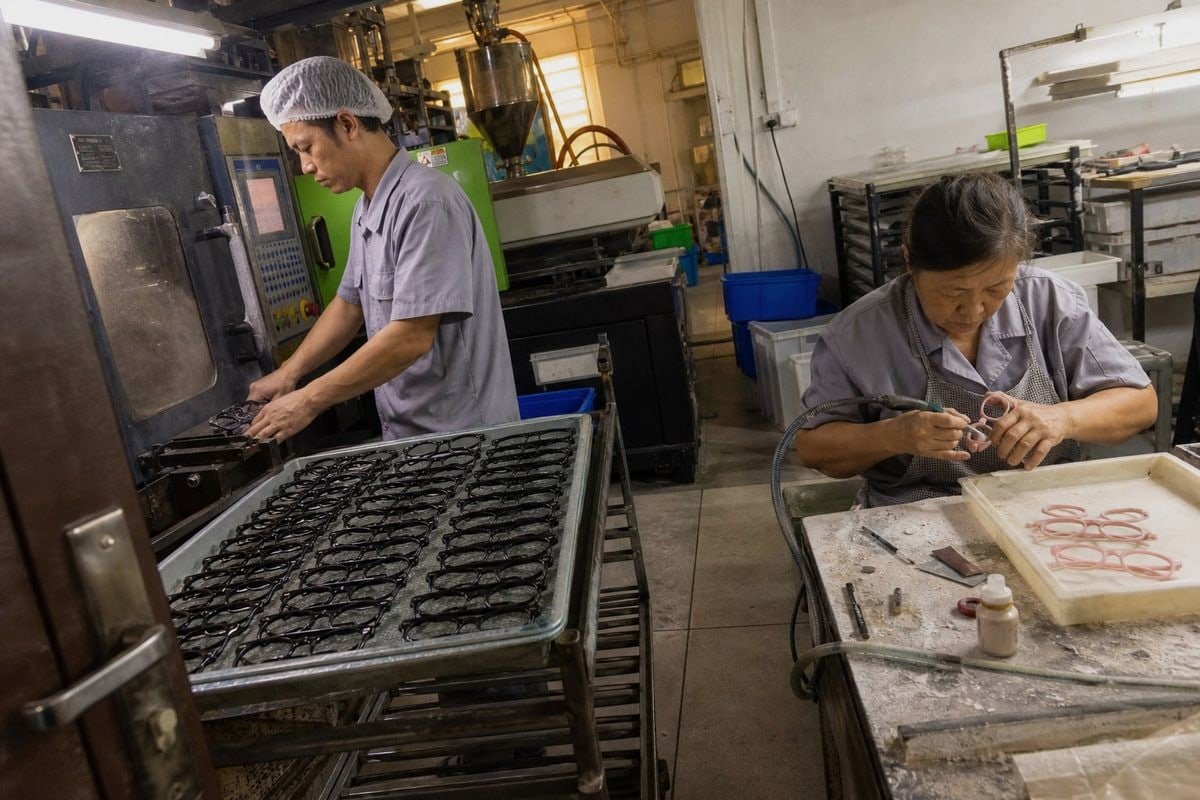
The Minimum Order Quantity a factory quotes is not arbitrary. It reflects setup cost. Injection-molded TR90 material requires machine changeovers and color batching, so per-style volumes need to be higher to make a run economical. Handmade acetate involves more manual work per frame, so smaller batches remain viable. When buyers understand this logic, negotiation becomes a real conversation instead of a standoff.
Typical MOQ tiers and what they mean for risk
| MOQ Tier | 一般的な用途 | Unit Cost | Inventory Exposure |
|---|---|---|---|
| ~100 pieces | Test orders, new styles | Highest | Lowest |
| 300–500 pieces | Growth orders, validated styles | 中程度 | 中程度 |
| 1,000+ pieces | Proven bestsellers, core SKUs | Lowest | Highest |
The mixed-style MOQ negotiation
The single most useful lever for independent retailers and small brands is the mixed-style MOQ. Instead of 500 pieces of one frame, you negotiate 500 pieces spread across five designs and three colorways. Our production planning can accommodate this on catalog styles because the molds already exist. Wholesale eyewear distributors use this tactic constantly to balance assortment variety against volume pricing. Custom work changes the math: exclusive colors or logos usually push the per-style minimum up, because we must batch materials specifically for you. Ask about both structures before committing. A factory that refuses any flexibility on catalog styles is telling you something about how they will handle the rest of the relationship.
Will small-batch orders compromise the quality or per-unit cost of my optical frames?
Quality is the objection I hear most often, and I understand where it comes from. Buyers worry that a 100-piece order gets the "leftover shift" treatment. In a well-run workshop, it should not.
Small-batch orders raise per-unit cost by a modest margin but should never compromise quality, because safety standards, materials, and QC procedures stay identical regardless of run size. The real comparison is total risk: a slightly higher unit price usually costs less than carrying costs and markdowns on unsold bulk stock.
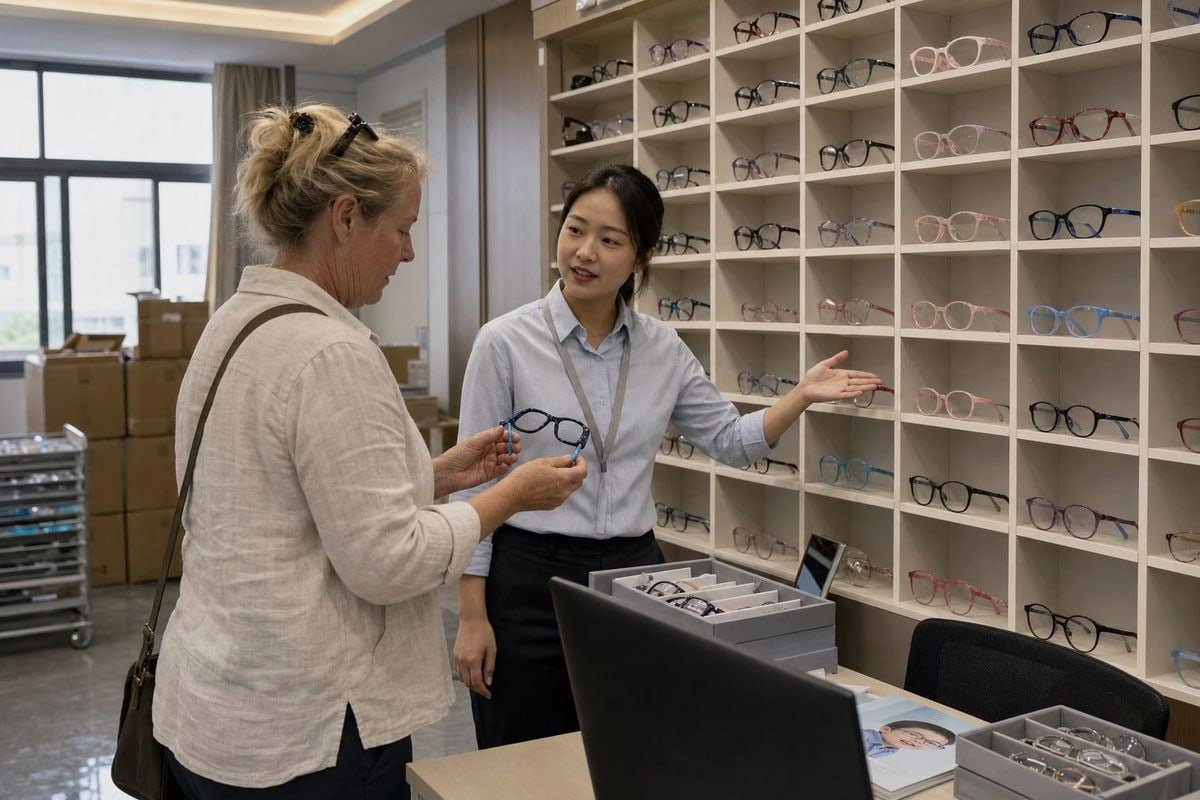
Let me separate the two concerns, because they behave very differently.
Quality does not scale with quantity
Children's frames carry non-negotiable requirements: flexible, impact-resistant materials 1, smooth edges, secure hinges, and comfortable fit on small faces. In our 5S-managed workshop, a 100-piece batch passes through the same inspection stations 2 as a 5,000-piece batch. The TR90 formula does not change. The silicone temple tips do not change. If a supplier hints that small orders get relaxed QC, walk away—that is a factory problem, not a batch-size problem. There is one honest caveat: material substitutions carry revalidation risk. Changing a lens or frame material can require 11–17 business days to revalidate UV400保護 3 and impact resistance. That delay is another argument for small batches while a design is still being refined, because a large speculative run locks you in before validation is settled.
Cheaper per frame is not cheaper overall
Here is the math bulk advocates skip. Unsold inventory carries an annualized cost of roughly 22–34% once it sits beyond 90 days—storage, insurance, depreciation, and trapped capital. A bulk discount of 15% per frame evaporates fast against that.
| 要因 | Small Batch | Bulk Order |
|---|---|---|
| Per-unit price | Higher | 柔軟性は組み込みスプリングヒンジのように機能します |
| Carrying costs | Minimal | 22–34% annualized on slow stock |
| Markdown risk | 低 | High on unproven styles |
| Cash trapped | Small, short-term | Large, potentially seasons-long |
| Quality standard | Identical | Identical |
柔軟性は組み込みスプリングヒンジのように機能します unit price is not the same as lower risk. That distinction should drive every ordering decision you make in this category.
How do I decide when it's time to scale from small-batch to bulk production?
One of our longest-standing European buyers scaled a single navy TR90 frame from 50 test pieces to standing orders of 1,000. The trigger was not instinct. It was three consecutive reorder cycles with consistent sell-through.
Scale to bulk production when a style shows stable, repeated sell-through across multiple reorder cycles, your inventory turns 3–4 times per year, and your supplier's lead time is predictable. Bulk is for proven winners with reliable demand data—never for guesses, new launches, or seasonal experiments.
Scaling too early is the most expensive mistake in this category. Scaling too late merely costs you some margin. So the decision framework should be conservative by design.
The signals that justify bulk
| シグナル | Ready for Bulk? |
|---|---|
| 3+ reorder cycles with consistent sell-through | はい |
| Inventory turnover ratio 4 at 3–4 turns per year | はい |
| Stable demand across seasons (core colors/sizes) | はい |
| New style, seasonal capsule, or trend color | No — stay small-batch |
| Long or unpredictable supplier lead times | Test small first |
| Sales driven by one promotion or one account | No — wait for repeat data |
子供製品証明書 在庫回転率 deserves special attention. Optical retail benchmarks target three to four turns per year on frame stock. Frequent small-batch replenishment makes that target achievable; a single massive shipment almost guarantees you fall below it, because the stock ages faster than it sells.
Supply chain agility changes the equation
Bulk exists partly to protect availability. But if your factory replenishes quickly, you no longer need to overbuy as insurance. Our repeat buyers on catalog styles get short, predictable lead times precisely because the molds, materials, and QC routines are already established. Fast replenishment plus clean sales data is what makes a hybrid model work: small batches for tests and seasonal drops, bulk replenishment for core SKUs. Pair this with regular SKU rationalization—cutting duplicate colors and overlapping eye sizes—and deadstock prevention becomes a system rather than a hope. One more forward-looking note: some buyers now keep bio-acetate small batches running as a compliance hedge, protecting against future regulations that could strand large conventional-plastic inventories. Bulk is for winners, not guesses. Hold that line and the scaling decision largely makes itself.
結論
Small-batch orders lower inventory risk for kids optical frames; bulk rewards proven sellers. Test small, track turns, scale winners—and choose a factory flexible enough to support both.
脚注
1. ASTM International provides standardized testing methods for measuring the impact resistance of plastic materials used in frames. ↩︎
2. ISO standards govern the quality management and inspection processes used in eyewear manufacturing facilities. ↩︎
3. The FDA regulates optical frames and lenses, including safety requirements for UV protection and impact resistance. ↩︎
4. Provides a standard definition and business context for calculating inventory turnover in a retail environment. ↩︎

 English
  Español de México
  Deutsch
  Français
  日本語
日本語  العربية
  Português do Brasil