Kids Optical Frames Bulk Orders: Mid-Production vs. Final Inspection—Which Prevents Rework?
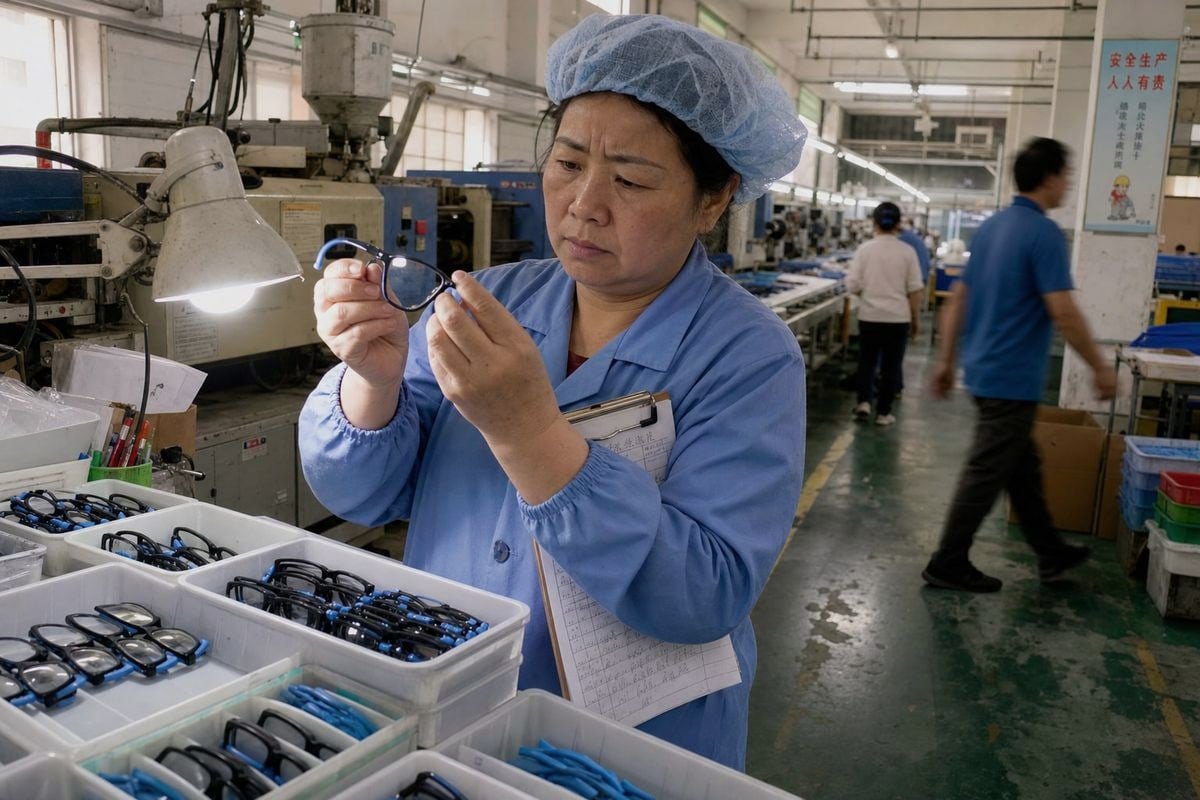
Kids optical frames bulk orders can go wrong quietly. On our Taizhou production line, I have watched one drifting hinge setting threaten thousands of TR90 frames before anyone noticed.
For kids optical frames bulk orders, mid-production inspection prevents rework far better than final inspection. It catches process drift while 20–30% of units are made, so the line can be corrected. Final inspection only verifies finished goods, when rework is already expensive.
That is the short answer. Now let me explain what each inspection stage actually does, and how to combine them for a bulk kids frame order.
What Does a Mid-Production Inspection Actually Catch Before It's Too Late?
A buyer from Australia once asked me why we insist on checking her order at 25% completion. Two weeks later, that check saved her entire back-to-school delivery window.
Mid-production inspection catches process defects while production can still be corrected: hinge stiffness, temple misalignment, nose-pad positioning, dimensional drift, finish inconsistency, and rising defect rates. Because only 20–30% of the batch exists, the factory fixes the root cause instead of reworking finished frames.
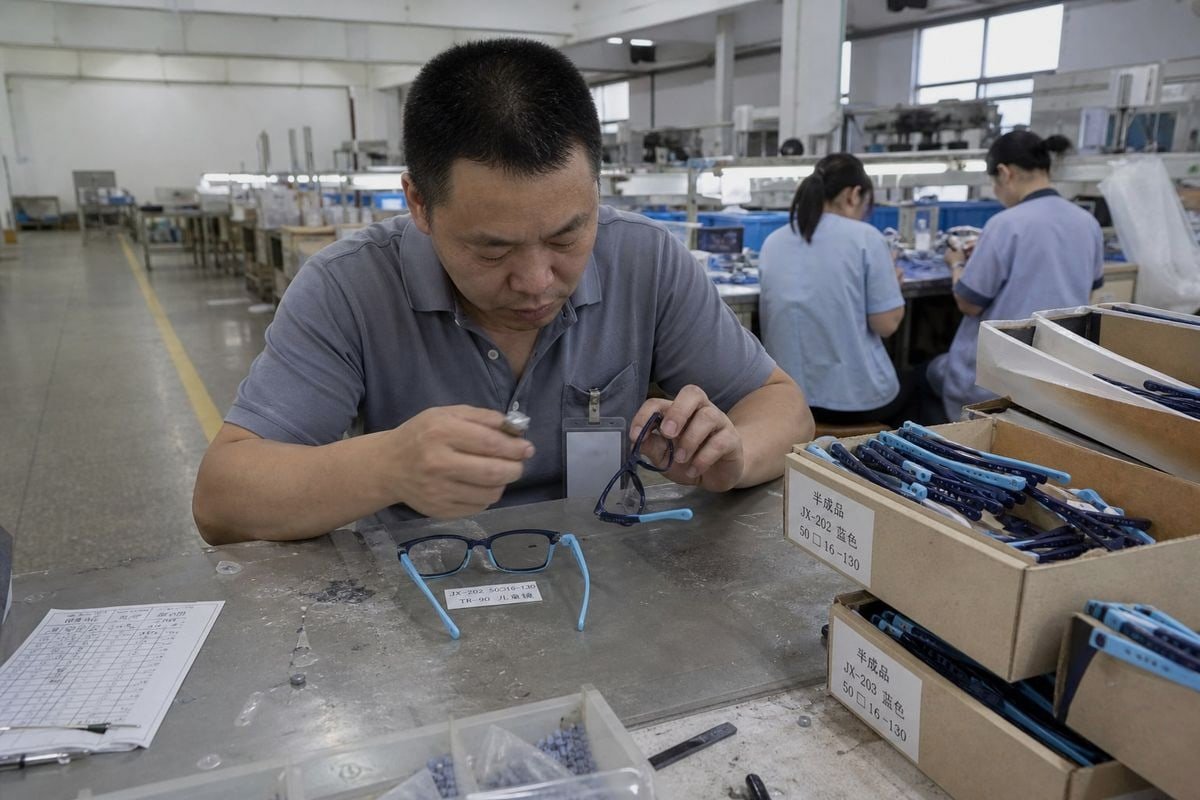
Mid-production inspection, often called DUPRO or in-line quality control, happens during production. Depending on the model, it can occur anywhere between 10% and 80% completion. For kids optical frames, we recommend the 20–30% window. That is early enough to correct the line, but late enough for real patterns to show up.
The Defects That Only Show Up Mid-Run
Some problems never appear in a pre-production sample. They appear only when the line runs at full speed. On our floor, the recurring ones are:
- Hinge tension drifting looser or tighter across shifts
- Temple arms curing slightly out of symmetry
- Silicone temple tips bonding inconsistently to TR90 cores
- Surface scratches from worn tooling or careless handling
- Injection parameters drifting, which changes flexibility and fit
- Labeling and packaging setup errors before mass packing begins
For children's frames, there is one more critical point. High-heat manufacturing phases are the primary source of chemical leaching risk 1 in kids' plastics. Testing during production, while materials pass through those heat stages, gives a more accurate safety picture than testing finished, cooled frames at the end.
Why Timing Changes Everything
| Inspection point | Units affected if a defect exists | Factory's ability to correct |
|---|---|---|
| Pre-production sample | 0 (sample only) | Full, but line issues not yet visible |
| Mid-production (20–30%) | A limited portion of the batch | High — adjust process, issue corrective action plan |
| Final inspection (100%) | Potentially the whole order | Low — rework, sort, or remake finished goods |
When our QC team finds hinge stiffness at 25% completion, we stop, adjust the assembly torque, verify against the Golden Sample, and document a corrective action plan. The remaining 70–80% of the run is then produced correctly. That is prevention, not detection.
Can Final Inspection Alone Really Prevent Costly Rework on My Kids Frames Order?
There is a trade-off I discuss with almost every new importer: skipping the mid-production check saves one inspection fee, but it moves all your risk to the very last gate.
No. Final inspection alone cannot prevent rework because it happens after 100% of production is complete and often after packing. It stops defective frames from shipping, but any systemic defect found then forces unpacking, sorting, reworking, and repacking the entire finished order.
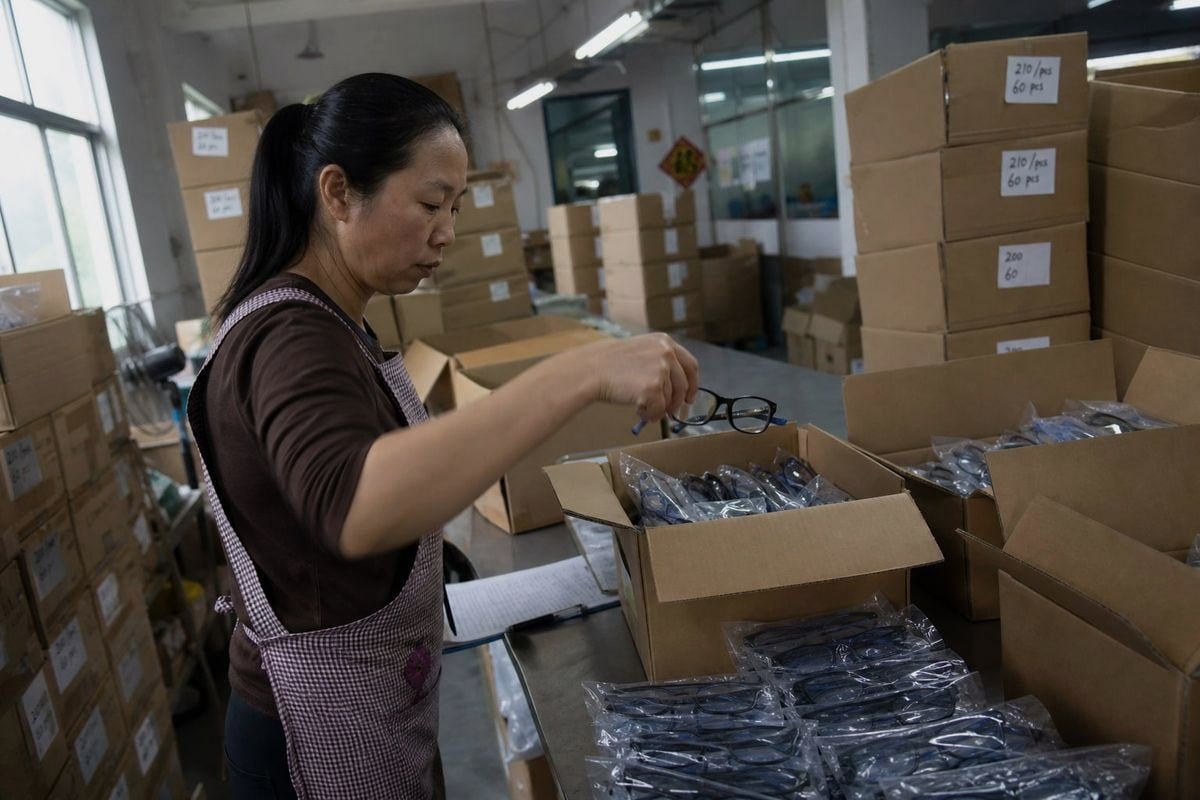
Final inspection, also called pre-shipment inspection 2 or FRI, is a gatekeeper. It verifies finished appearance, measurements, quantity, packaging completeness, and label accuracy before loading. It is genuinely necessary. But it is reactive by design. The frames already exist. The cost is already spent.
The Economics of Late Discovery
Quality literature summarizes this with the 1-10-100 rule: a defect costs roughly one unit to prevent, ten to correct during production, and one hundred to fix after production. Fixing a hinge issue at 10% completion costs a fraction of reworking thousands of finished, packed units. When a defect surfaces at final inspection, the rework bill includes:
- Unpacking every carton and polybag
- Sorting good units from defective ones
- Disassembling and repairing or remaking frames
- Re-cleaning every touched unit
- Re-packaging with new materials
- Absorbing overtime, delays, and possible air-freight upgrades
The Leverage Problem Buyers Underestimate
There is also a supply chain risk management issue that has nothing to do with technical quality. Once production is finished, buyer leverage drops. Payment milestones are often due. The factory has sunk its material and labor costs, so resistance to broad remake work rises. I have seen buyers who relied only on pre-shipment inspection end up negotiating discounts on defective goods instead of receiving corrected goods, simply because the season left no time for remakes.
A related industry problem is defect smoothing, where a factory quietly under-reports mid-production issues to protect the delivery date. Decentralized, real-time inspection reporting — photos and data shared with the buyer as checks happen — makes that practice much harder. It is one reason we share in-line QC records openly with our brand clients.
How Do I Decide Which Inspection Stage Fits My Bulk Order Budget and Timeline?
Early in my export career, I let a distributor talk us out of a DUPRO on a large repeat order to save cost. A supplier-side material substitution slipped through, and that lesson permanently shaped how we advise buyers today.
Choose based on order risk. Use both stages for first orders, new molds, or seasonal deadlines. A final inspection alone may suffice for small repeat orders from an audited factory with a stable manufacturing defect rate. When rework prevention matters most, mid-production is non-negotiable.
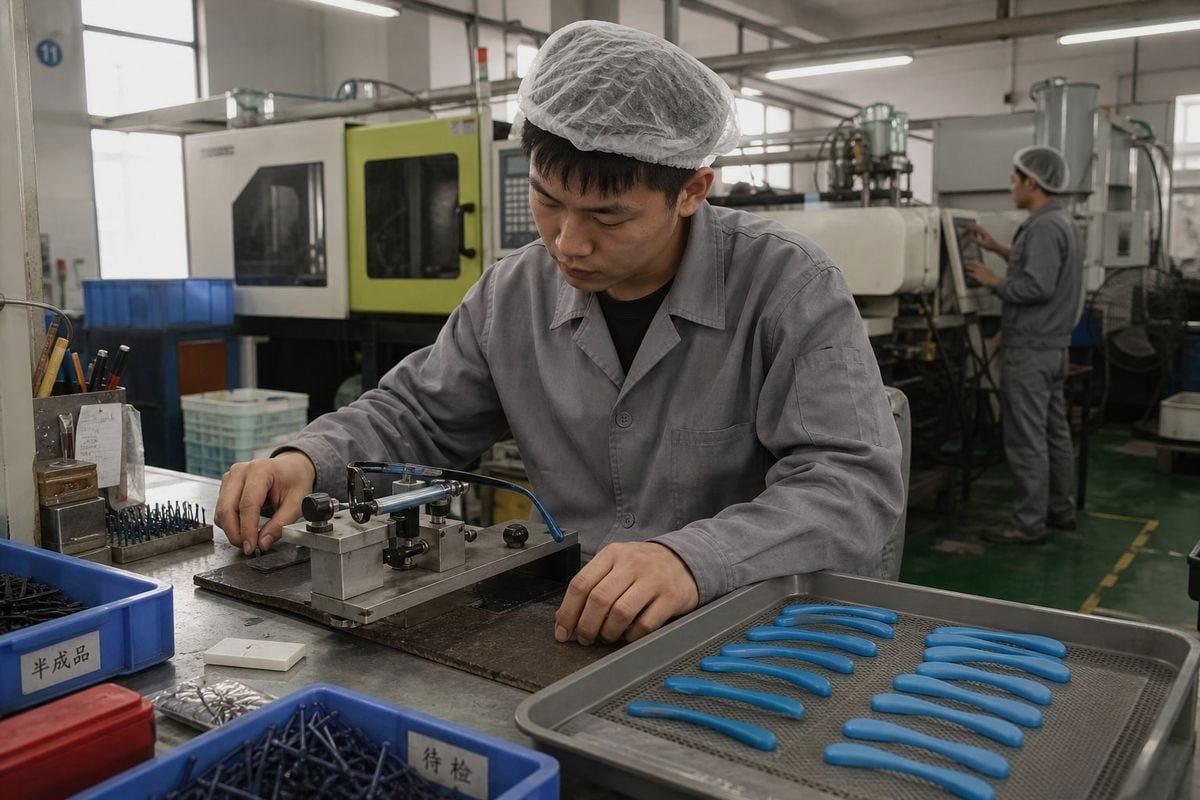
The honest answer is that this is rarely an either/or decision. It is a risk-allocation decision. Here is the framework I walk buyers through.
A Decision Table for Bulk Kids Frame Orders
| Your situation | Recommended plan | 理由 |
|---|---|---|
| First order with a new supplier | Mid-production + final inspection | No history of batch consistency; both process and outcome need verification |
| New style or new mold | Mid-production + final inspection | Tooling and parameters are unproven; drift risk is highest |
| Large order tied to back-to-school season | Mid-production + final inspection | No calendar room for rework; lead time optimization depends on early catches |
| Small repeat order, stable supplier | Final inspection may suffice | Proven process history lowers the value of an extra visit |
| Repeat order after a past quality claim | Mid-production mandatory | The corrective action plan must be verified during production, not after |
Budget Reality Check
A third-party mid-production inspection typically costs one man-day of inspector time. Compare that against the rework math from the previous section. For a bulk order of children's frames, a single systemic defect can touch every unit. The inspection fee is a rounding error next to the cost of unpacking and remaking a full container.
Timeline works the same way. A mid-production check adds a day or two to the schedule. A failed final inspection can add weeks. If your retail window is fixed — and for kids optical frames it usually is — the mid-production stage is what actually protects your launch date. Factory audit protocols before the order, plus in-line quality control during it, are how experienced buyers keep both budget and calendar intact.
What Should I Include in My QC Checklist to Avoid Reworking Kids Optical Frames?
Our engineers rebuilt our internal checklist three times over fifteen years, because children's frames punish vague criteria. A checklist that works for adult acetate frames will miss half of what matters for a six-year-old's face.
Your checklist should cover a Golden Sample reference, hinge tension and small-part pull tests, temple symmetry, nose-pad fit, dimensional tolerances, surface finish, material safety compliance, stricter AQL limits than adult frames, and packaging accuracy — split across mid-production and final inspection stages.
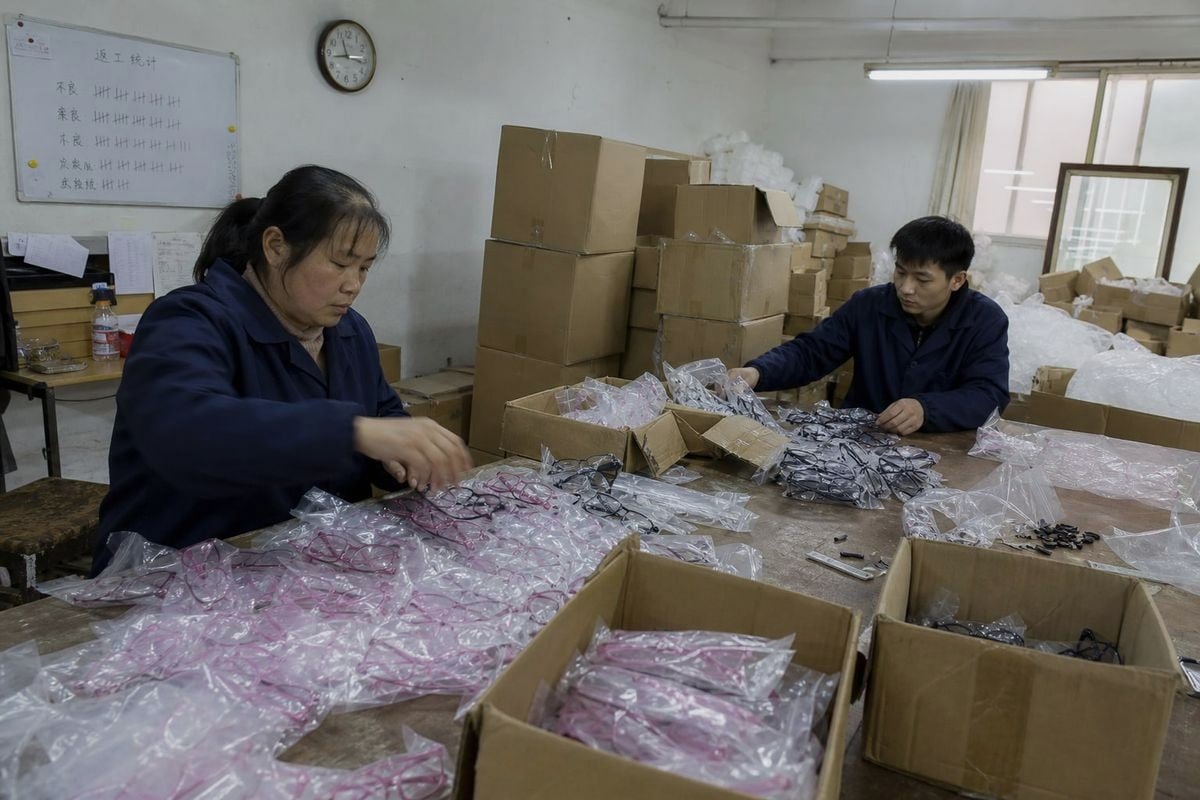
Kids frames differ from adult frames in three ways: they must survive rougher handling, they must fit smaller and faster-changing faces, and they fall under stricter children's product regulations. Your checklist has to reflect all three. Everything starts from the Golden Sample — the approved physical reference that both inspection stages measure against. Without it, "acceptable" becomes an argument.
Split the Checklist by Stage
| Checklist item | Mid-production | 最終検査 |
|---|---|---|
| Golden Sample comparison (color, shape, material) | ✔ | ✔ |
| Hinge tension and open-close cycling | ✔ Primary | Spot check |
| Small-part pull tests (temple tips, nose pads) | ✔ Primary | Spot check |
| Temple alignment and symmetry | ✔ Primary | ✔ |
| Dimensional tolerance vs. spec sheet | ✔ Primary | ✔ |
| Surface finish, scratches, flow marks | ✔ | ✔ Primary |
| Flex and durability of TR90/TPEE parts | ✔ Primary | Spot check |
| Material safety documentation review | ✔ | ✔ |
| Quantity, carton, and shipping-mark check | — | ✔ Primary |
| Label accuracy and packaging completeness | Setup check | ✔ Primary |
Set the Right Acceptable Quality Level
Standard sampling under an Acceptable Quality Level 3 makes batch verification practical, but children's products deserve tighter thresholds than general consumer goods. Stricter AQL limits for kids' frames reduce recall risk and protect brand trust in a market where parents forgive very little. In our workshop, safety-related defects — sharp edges, loose small parts, failed pull tests — are treated as critical with zero tolerance, regardless of the cosmetic AQL agreed for the lot.
Two forward-looking additions are worth considering for large programs. IoT-based monitoring of injection molding cycles 4 can create a digital signature that flags structural weaknesses no manual inspection detects. And feeding pediatric ergonomic data into mid-production reviews helps reveal fit-failure patterns in growth-phase frames that a static sample check would overlook. Neither replaces the checklist. Both strengthen it. Meeting recognized eyewear safety standards for your destination market should sit at the top of the document, with everything else supporting that goal.
結論
Rework on kids optical frames bulk orders is rarely bad luck; it is a timing failure. If defects hide until shipment, you pay the maximum price to fix them.
Mid-production inspection is your prevention tool. Final inspection is your last defense. Use both, anchored by a Golden Sample, strict AQL limits, and a documented corrective action plan. After fifteen years building flexible TR90 and TPEE frames for children’s brands in more than twenty countries, our team at OKAY EYEWEAR has learned that the cheapest defect is the one you correct at 25% completion — not the one you discover in a packed carton. If you are planning a bulk kids eyewear program and want a QC plan built around prevention, we are glad to walk you through ours.
脚注
1. The CPSC regulates hazardous substances and chemical safety in products intended for children. ↩︎
2. Official World Trade Organization (WTO) page defining the international standards and agreement for pre-shipment inspections. ↩︎
3. Defines the maximum number of defective units considered acceptable during quality sampling. ↩︎
4. Explains the primary manufacturing process used for producing thermoplastic optical frames. ↩︎
 English
  Español de México
  Deutsch
  Français
  日本語
日本語  العربية
  Português do Brasil