In-House Team vs Sourcing Agent for Low-Volume Kids Sunglasses from China?
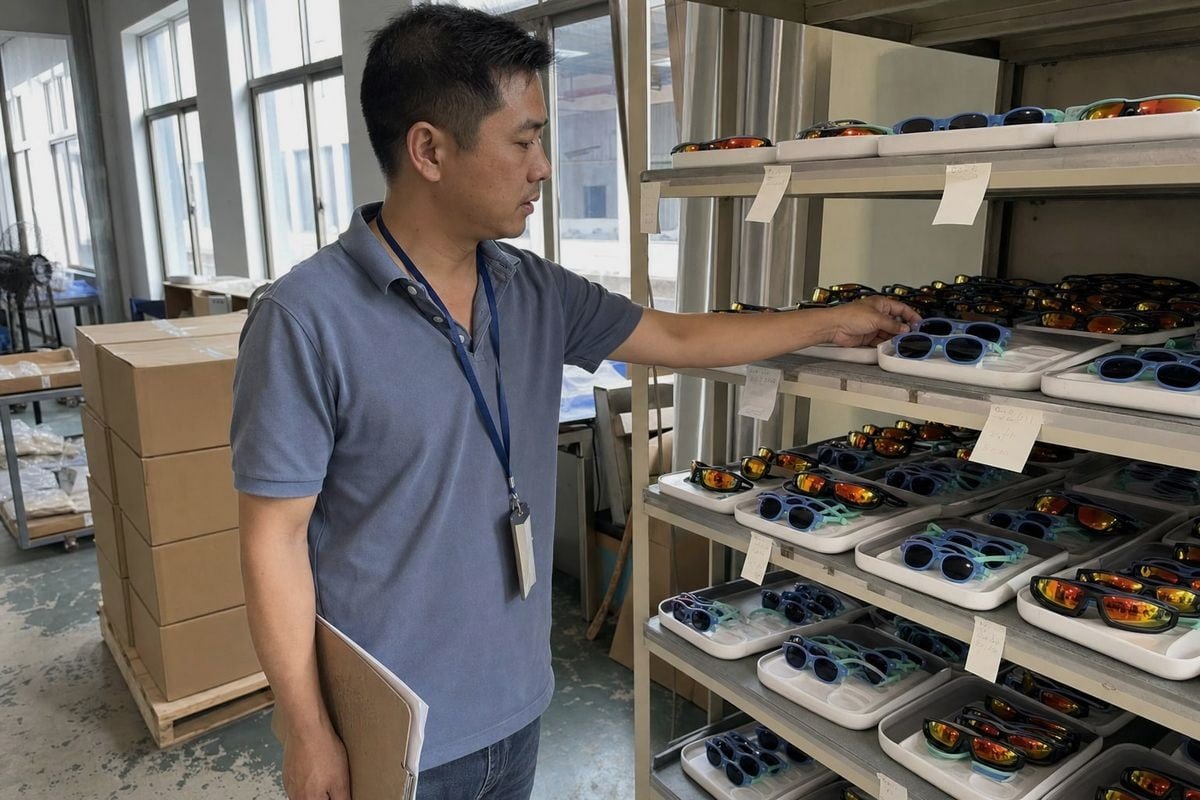
The in-house team vs sourcing agent 1 question comes up constantly on our factory floor in Taizhou, usually from new kids brands placing their very first low-volume sunglasses order.
For low-volume kids sunglasses from China, a sourcing agent is usually the lower-risk choice unless you already have China experience, Mandarin-speaking staff, and enough volume to absorb the overhead. Better still, a factory offering existing styles, low MOQs, and built-in QC can reduce the need for either.
The real question is not which option is cheaper on paper. It is which setup lowers your total landed cost 2 and execution risk at small volumes. Let me break it down from the factory side.
How do I decide between hiring an in-house team or working with a sourcing agent for small kids sunglasses orders?
Last spring, a founder from Melbourne emailed us after her one-person "China team" quit mid-project. Her order sat unfinished because nobody was chasing samples. That story shapes my answer here.
Decide based on order volume, internal capability, and compliance needs. Use a sourcing agent if you import for the first time, lack Mandarin-speaking staff, or order below roughly $20,000 per run. Build an in-house team only when repeat volume and established supplier relationships justify the fixed overhead.
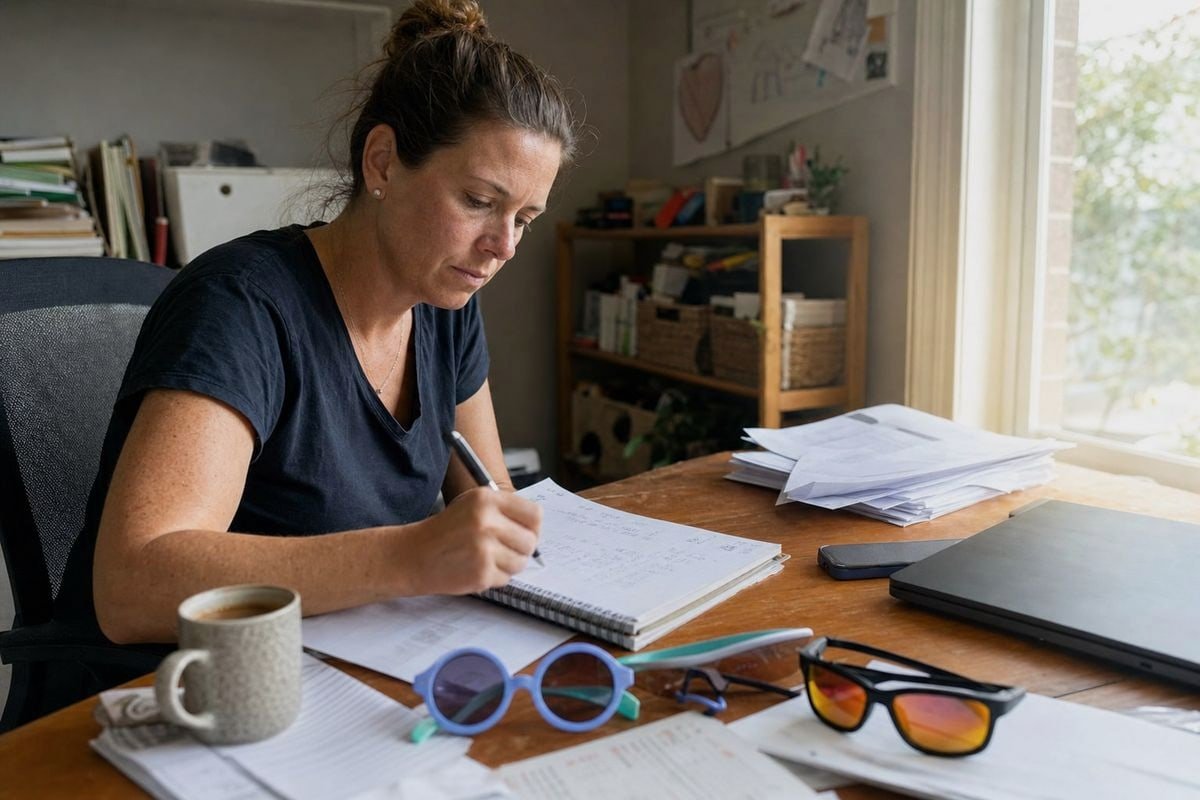
This is fundamentally a make-or-buy decision for your sourcing operations, not a procurement shortcut. An in-house team is a fixed cost. It only pays off when you push enough orders through it, month after month. A sourcing agent is a variable cost, usually a commission of around 5–10% of order value, that scales with what you actually buy.
Compare the two models side by side
| 要因 | In-House Team | Sourcing Agent |
|---|---|---|
| Cost structure | Fixed salaries, travel, office overhead expenses | Commission, typically 5–10% of order value |
| Best order size | High, repeat volumes | Small or irregular orders |
| Supplier access | Limited to your own network | Established factory relationships |
| MOQ leverage | Weak for small orders | Can pool buyer power to unlock low Minimum Order Quantity slots |
| コンプライアンスサポート | You build it yourself | Often included in scope |
| Control | Highest | Shared, depends on agent quality |
The volume threshold that matters
Industry guidance suggests direct sourcing offices only show ROI at very high annual throughput. For a startup kids eyewear brand ordering 1,000–5,000 pieces per style, that math simply does not work. In our experience exporting to buyers in 20+ countries, the brands that build in-house teams too early spend more on overhead expenses than they ever save on unit price. One useful benchmark: very small test orders under $2,000 can often be handled DIY with a trustworthy factory, while orders above $20,000 with compliance requirements are where agents or strong factory partners earn their keep. Between those points, your internal capability decides. If nobody on your team has run supply chain management in China before, buy that capability rather than building it.
One trade-off I weigh with buyers every week is visible fees versus invisible ones. The agent's commission is printed on the invoice. The DIY costs never are, and they hurt more.
Agents carry risks of hidden margins, markup on factory quotes, and variable service quality. DIY sourcing hides costs in failed samples, rework, small-batch freight forwarding premiums, customs clearance delays, and compliance mistakes. At low volumes, DIY hidden costs usually exceed a transparent agent's fee.
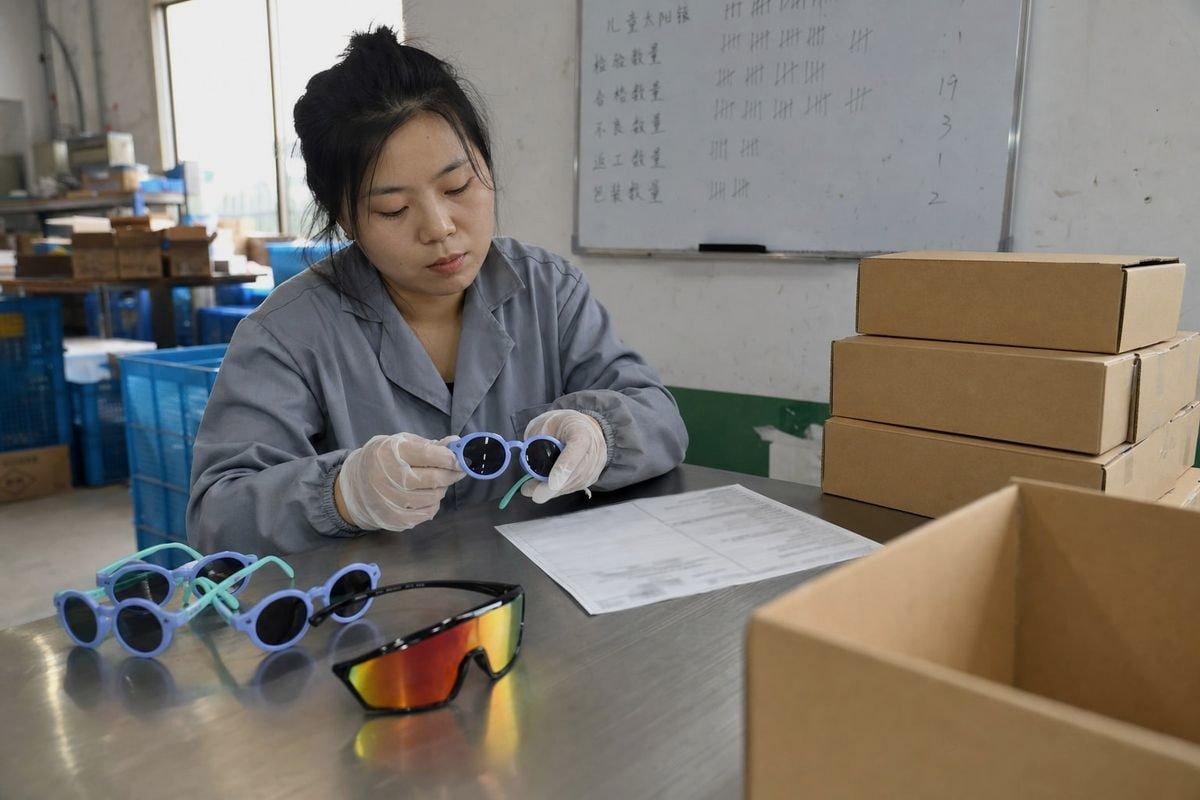
Both paths have costs that never appear on the first quote. The honest exercise is a full unit cost analysis of total landed cost, not just the ex-works price. Here is what typically gets missed on each side.
Hidden costs on the agent side
Some intermediaries take undisclosed margins on top of factory prices. Others quote a low commission but charge extra for inspections, translations, or document handling. Agency quality varies widely too. A poor agent adds a layer of failure instead of removing risk. That is why transparency is the deciding filter: insist on visible fees, a written scope, and direct access to the factory's name and address.
Hidden costs on the DIY side
| Hidden Cost | Why It Hits Low-Volume Buyers Hardest |
|---|---|
| Sample iteration cycles | Each round costs courier fees and 2–3 weeks; small buyers get lower priority |
| Small-batch shipping | No consolidation means high per-unit freight forwarding costs |
| Customs clearance errors | Wrong labeling or missing test reports can strand a whole shipment |
| Bank and transfer fees | Multiple small payments multiply fixed transaction costs |
| Quality failures | One bad batch of a safety-sensitive kids product can erase a year's margin |
| Management time | Founder hours chasing WeChat replies at midnight are never invoiced |
A well-run agent can consolidate multiple SKUs into one shipment, cutting per-unit shipping and customs fees. Some vendors claim competent agents reduce total landed cost by 10–30%. Treat that figure as a vendor claim, not a guarantee, but the direction is right: at low volumes, the savings come from avoiding expensive errors, not from a lower unit price. When we quote buyers directly, I always encourage them to model these line items honestly before assuming DIY is cheaper.
Can I get the same quality control and safety compliance without an in-house team in China?
A quality lesson from our workshop: we once caught a lens supplier attempting to switch resin grades between the approved sample and mass production. Our incoming-material check stopped it. That is what "quality fade" looks like in real life.
Yes, if someone verified is physically checking production. A credible sourcing agent or a factory with documented QC processes can deliver CPSIA and CE compliance, third-party inspections, and material verification. What you cannot do is manage children's product safety remotely from emails and photos alone.
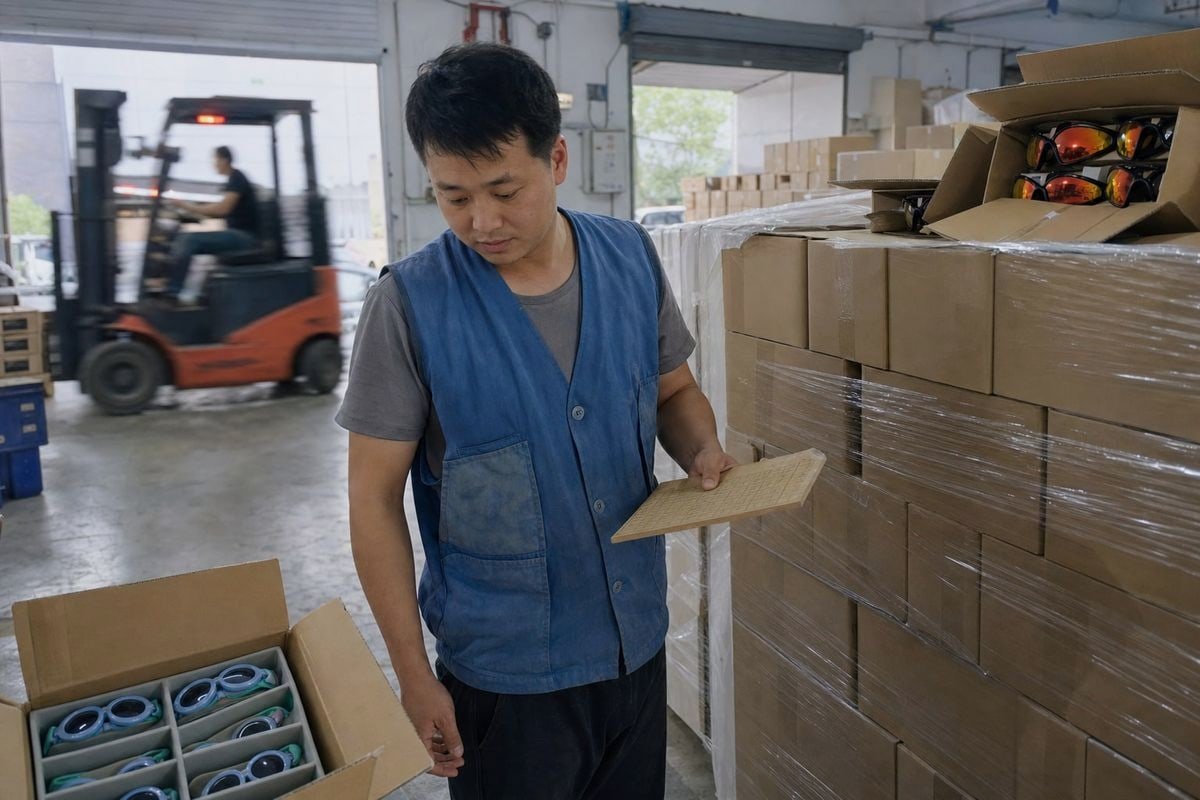
Kids sunglasses look simple. They are not, from a compliance standpoint. Children's eyewear touches product safety standards 3 that generic adult accessories never face — CPSIA compliance testing for the US, CE and EN standards for Europe, plus UV protection claims that must actually hold up in testing. This raises the bar for both factory auditing and ongoing quality control inspection 4.
What "boots on the ground" actually catches
The biggest risk for a remote buyer is quality fade. A factory shows a perfect approved sample, then quietly substitutes cheaper — potentially toxic — materials in mass production. Photos will not reveal a resin swap. Physical inspection and material verification 5 will. This is exactly why we run 5S management in our workshop and welcome third-party inspections on every order: buyers who cannot visit still need evidence, not promises.
Material choice reduces your compliance risk upfront
Material selection is a QC decision, not just a design one. For small batches of children's frames, flexible materials like TPEEとTR90 6 carry a stronger safety profile than cheap traditional plastics. TPEE in particular offers durability and a non-toxic profile that lowers recall risk for new brands. After fifteen years making children's frames — including TR90 fronts with TPEE temples — we have seen that the material decision made on day one determines half the compliance headaches later.
A minimum viable QC setup without an in-house team looks like this:
- Verify the factory's business license and export history before ordering.
- Approve a golden sample and lock the bill of materials in writing.
- Require test reports (CPSIA, CE, UV400) matched to your target market.
- Book a third-party pre-shipment quality control inspection against an agreed defect standard.
- Hold final payment until the inspection report passes.
How do I choose a factory partner that reduces my need for either an in-house team or a sourcing agent?
Something we hear often from procurement managers in Japan and Europe: they do not actually want an agent or a team. They want a factory that behaves like a partner. That preference is reasonable — and achievable.
Choose a factory with a large library of existing styles, low MOQs, in-house QC, compliance documentation, and full OEM/ODM support including packaging. Such a partner absorbs the sourcing, sampling, and inspection work that would otherwise require an agent or dedicated in-house staff.
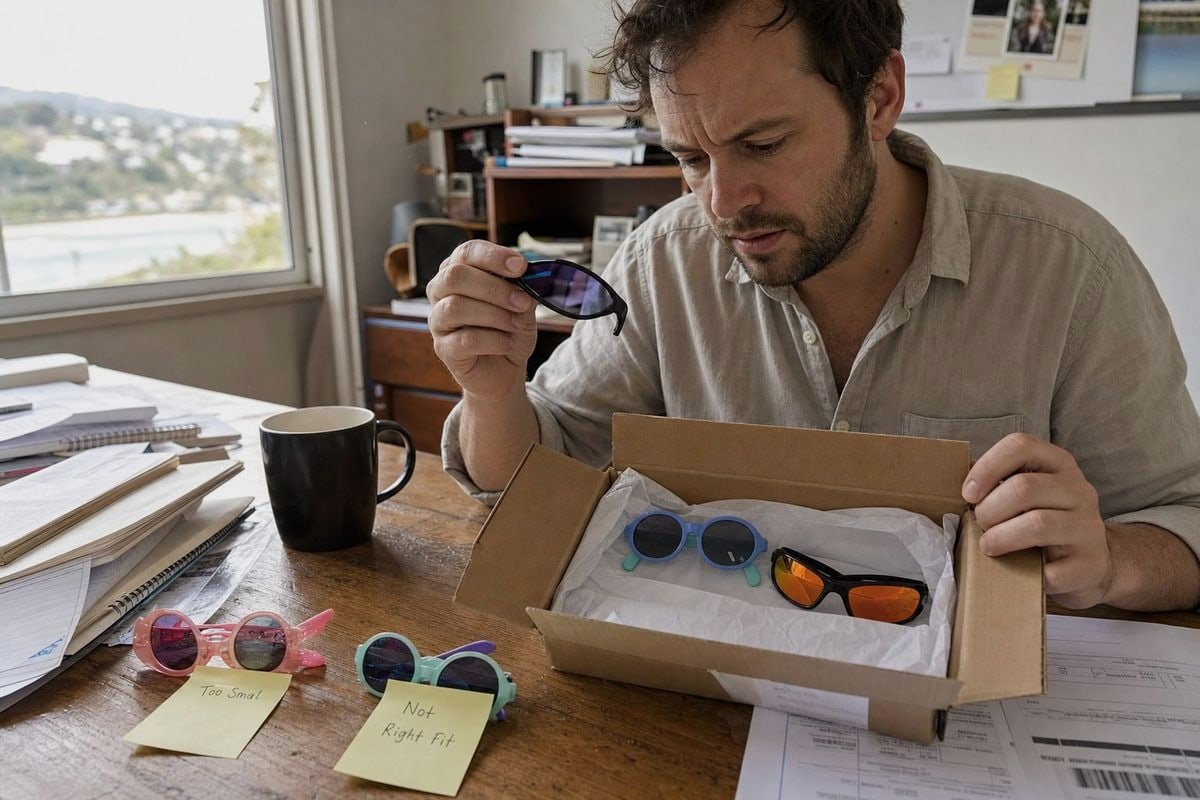
The right factory partner collapses most of the make-or-buy dilemma. Here is the logic. A sourcing agent exists to find, vet, and manage factories on your behalf. An in-house team exists to do the same. But if a single verified factory already covers supplier reliability, product safety standards, sampling speed, and retail-ready packaging, the coordination workload shrinks dramatically.
What to screen for
| Selection Criterion | Why It Reduces Your Overhead |
|---|---|
| Existing style library (we maintain ~800) | Launch without mold investment; test the market at low risk |
| Genuine material expertise (TPEE, TR90) | Safety and comfort engineered in, not inspected in afterwards |
| Documented QC and factory auditing openness | Fewer surprises, no need for constant on-site presence |
| Full OEM/ODM scope (colors, logos, lenses, packaging) | One partner instead of four vendors to coordinate |
| Compliance test support (CPSIA, CE, UV400) | Customs clearance and retailer onboarding go smoothly |
| Real factory, not a trader | Direct pricing, direct accountability |
Modern tools that shrink the gap further
Two practical trends help low-volume brands work factory-direct. First, 3D-printed prototyping 7 lets you finalize kids' ergonomic designs in-house before sampling, cutting the expensive physical iteration cycle in China. When buyers send us print-validated geometry, we often go from file to approved sample in one round instead of three. Second, micro-fulfillment hubs in Shenzhen can ship small batches directly to global customers, bypassing domestic warehousing fees. Add social listening data to guide small-batch design pivots, and a nimble brand can iterate styles faster than large competitors locked into six-month production cycles. Our sport-shield styles with gradient mirrored lenses and our soft two-tone round frames both came out of exactly this kind of fast, small-batch iteration with brand partners.
結論
For low-volume kids sunglasses from China, the real choice is not agent versus savings — it is buying execution-risk reduction versus building capability. Start hybrid: use an agent or a verified, QC-strong factory partner like ours, then internalize functions only as volume grows.
脚注
1. Defines the role and function of intermediaries in managing international supply chains and factory relationships. ↩︎
2. Explains the calculation of the total price of a product once it has arrived at a buyer’s door. ↩︎
3. European Commission guidelines for products sold within the European Economic Area, ensuring health and safety standards. ↩︎
4. Official US government requirements for third-party testing and certification of children’s products for safety compliance. ↩︎
5. Overview of the scientific methods used to verify the physical and chemical properties of manufacturing materials. ↩︎
6. Technical summary of Polyamide 12, the
 English
  Español de México
  Deutsch
  Français
  日本語
日本語  العربية
  Português do Brasil