How to Use Presale Deposits to Pay Supplier Balances for Kids’ Sunglasses?
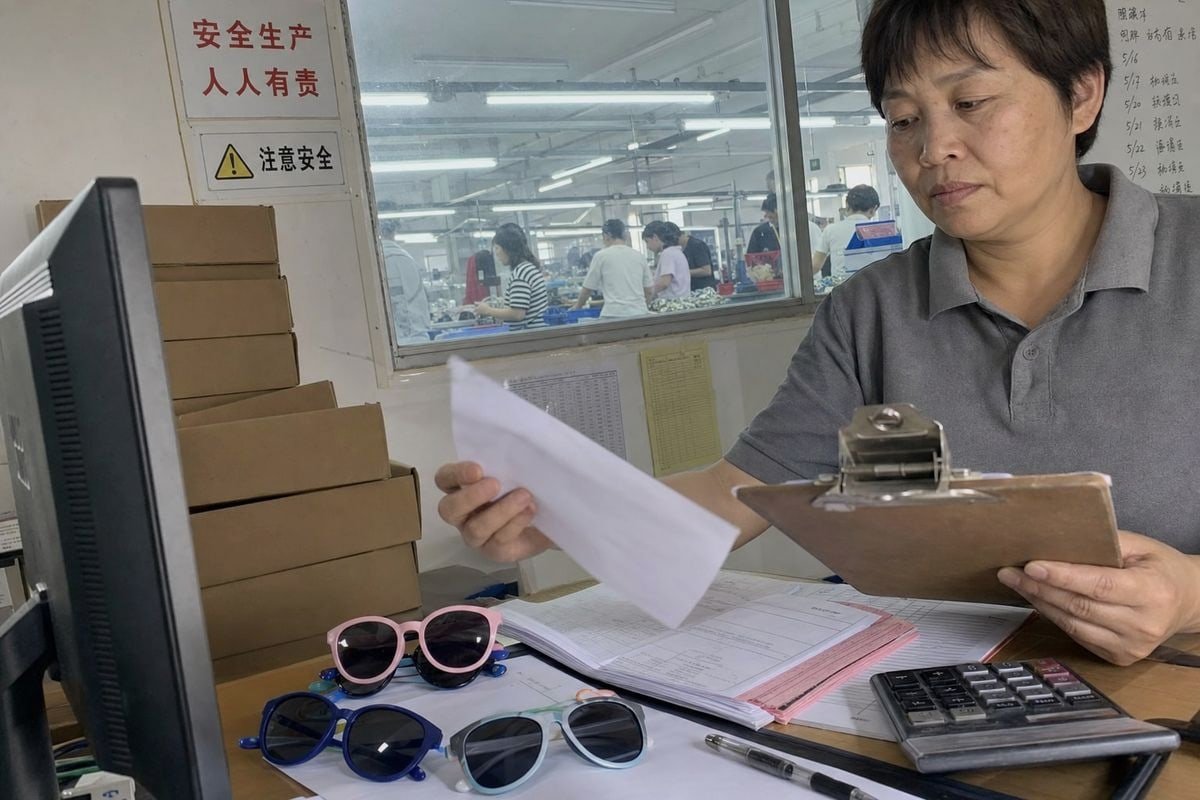
Using presale deposits to pay supplier balances for kids’ sunglasses sounds risky — until it’s structured properly. At our Taizhou factory, we watch new brands struggle with [this cash gap](https://okayeyewear.com/how-manage-cash-flow-gaps-sourcing-kids-sunglasses-china/) every season.
To use presale deposits to pay supplier balances for kids’ sunglasses, collect a 20–30% customer deposit at launch, apply it to the factory’s 30% production deposit, then collect customer balances before shipment to fund the 70% supplier balance due at inspection.
That is the short answer. The details matter more. Below, I will walk through the structure, the deposit math, the timing, and the risks — step by step.
How can I structure a presale deposit strategy to cover my kids' sunglasses supplier balance?
Last spring, a first-time importer from Australia asked us to start production before her presale money arrived. We helped her restructure the whole payment flow instead. Here is what we built together.
Structure the strategy in four stages: collect customer deposits at presale launch, pay the factory's production deposit, collect customer balances at the pre-shipment milestone, then settle the supplier balance after passing inspection. Track deposits as liabilities and supplier advances as prepayments throughout.
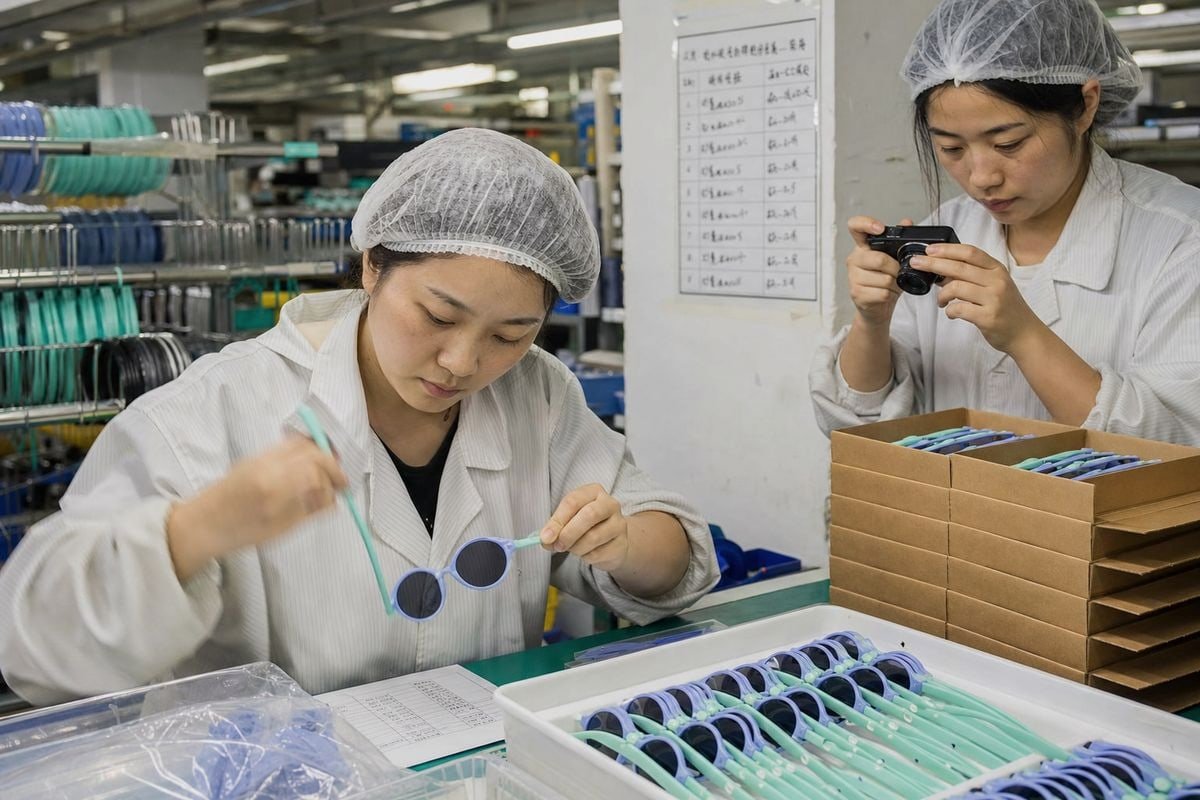
The core idea is simple. Customer money flows in at two points. Factory money flows out at two points. Your job is to make the inflows land before the outflows. In our experience working with brands across 20+ countries, most eyewear factories — ours included — invoice on a split-payment structure: a deposit before production starts, and the balance against the final invoice before shipment.
The four-stage workflow
- Launch the presale. Collect a fixed or percentage-based deposit from customers on each order.
- Place the purchase order. Use the collected deposits to pay the factory's production deposit. Production begins only after this payment clears.
- Track production milestones. Approve samples, review production photos, and schedule final inspection. This is where our 5S-managed workshop shares progress updates so buyers can time their next customer communication.
- Collect balances and close. Request the remaining customer balance before shipment. Use that cash to pay the supplier's final balance. Match the final invoice against your earlier prepayment so the vendor advance account returns to zero.
Matching money in to money out
| ステージ | Customer side (cash in) | Supplier side (cash out) |
|---|---|---|
| Presale launch | 20–30% customer deposit | — |
| PO placement | — | 30% factory deposit |
| 生産完了 | Balance invoice sent | — |
| Pre-shipment | 70–80% customer balance | 70% supplier balance |
One accounting point I always stress to buyers: presale deposits are not revenue when collected. Treat them as unearned revenue 1 — a liability — until the sunglasses ship. Supplier advances sit on the asset side as inventory prepayments. Getting this wrong creates tax problems and hides real cash flow management 2 risk. Linking each customer deposit batch to a specific PO reference keeps the funds ring-fenced for that production run, which protects both you and your customers.
What deposit percentage should I request from customers to safely fund my factory payment?
A trade-off we discuss with almost every new brand: ask for a bigger deposit and fewer people preorder; ask for less and the factory payment falls short. The right percentage sits between those two failures.
Request a 20–30% customer deposit for kids' sunglasses presales. This matches the typical 30% factory production deposit, keeps the entry price low enough for parents to commit, and leaves the 70–80% balance collectable at fulfillment when trust is highest.
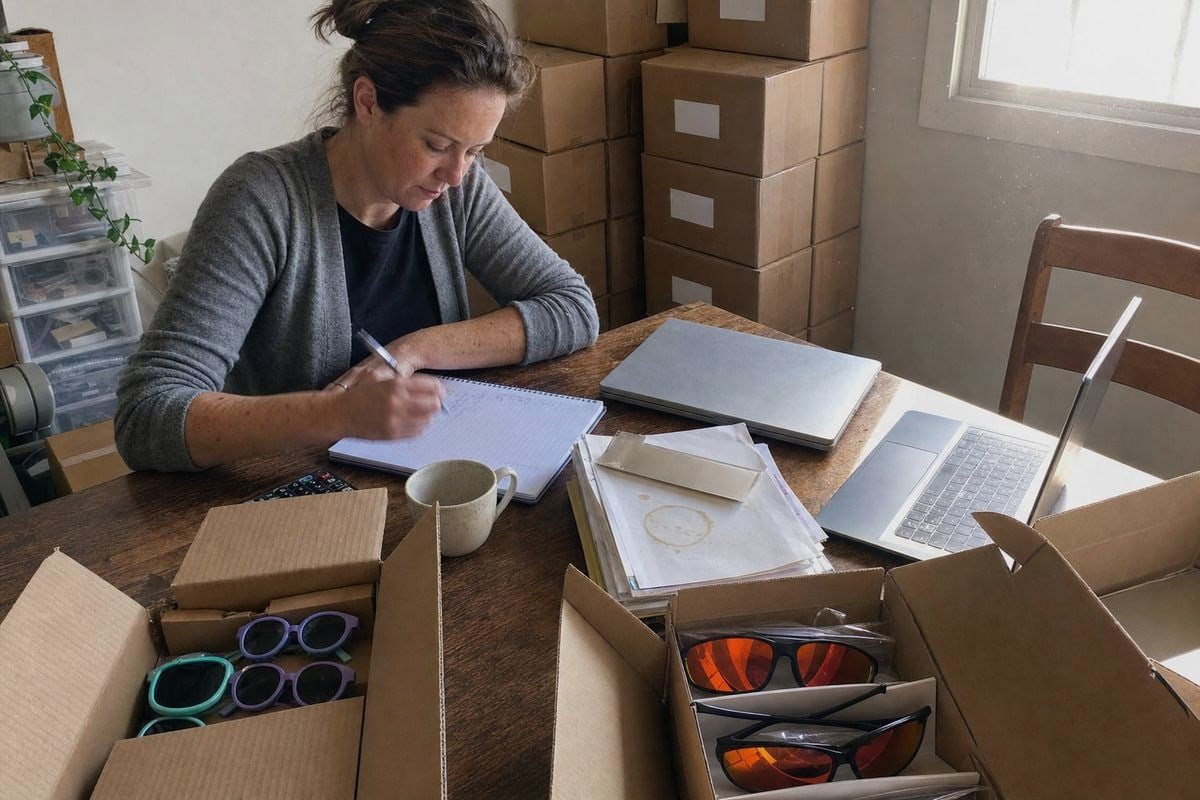
Let me show the math with a realistic scenario. Suppose you order 2,000 units of a 追加のカラーラウンド 3 with TPEE temples — a flexible, child-safe combination we produce daily — at a unit cost of $3.50. The total factory invoice is $7,000. The factory deposit is 30%, or $2,100.
A worked example
| アイテム | Amount |
|---|---|
| Factory invoice (2,000 units × $3.50) | $7,000 |
| Factory deposit (30%) | $2,100 |
| Factory balance (70%) | $4,900 |
| Retail price per unit | $19.99 |
| Presale orders needed at 25% deposit ($5.00 each) to cover factory deposit | 420 orders |
At a 25% customer deposit, 420 presale orders fully fund your factory deposit. Everything above that builds a buffer for the balance payment, freight, and duties. Compare that with financing the whole run from personal capital — the presale model cuts your upfront exposure dramatically. This is working capital optimization in its simplest form, and it often removes the need for purchase order financing 4 entirely.
Why not go higher or lower?
Consumer preorder deposits commonly sit at 10–20% in many retail categories. For kids' sunglasses, I recommend nudging toward 25–30% for three reasons. First, unit prices are low, so a $5–$8 deposit is painless for parents. Second, a higher deposit signals commitment and reduces abandonment before balance collection. Third, it aligns almost exactly with the supplier deposit, so the two payments offset cleanly.
Also budget a landed cost buffer. Set aside 10–15% of presale revenue for freight swings, insurance, and customs duties 5. If your market requires CPSIAコンプライアンス試験 6 — and for children's products in the US, it does — reserve funds for third-party lab fees too. A smart move is to withhold your final supplier balance until the safety test certificate is issued, which keeps leverage on your side.
How do I time my presale campaign to match my supplier's production and balance payment schedule?
When we quote manufacturing lead times to buyers, the first question is almost never about the frames — it is about whether the schedule fits their launch calendar. Timing is where presale models live or die.
Launch your presale 10–14 days before the factory deposit deadline, so deposit collection peaks when the payment is due. Then schedule customer balance collection 7–10 days before the supplier's pre-shipment balance, aligned with final inspection and sample-approved production milestones.

Production for kids' sunglasses typically runs 30–45 days from deposit receipt, depending on lens type and customization depth. Polarized lenses, custom hinges, and branded packaging add lead time. One tactic that works well: allocate early deposits to long-lead components first. If your design uses polarized UV400 lenses, pre-funding that component purchase shortens the final assembly window and pulls your whole timeline forward.
A sample 8-week timeline
| Week | Presale action | Production action |
|---|---|---|
| 1–2 | Presale launch, collect deposits | Sample approval, PO confirmed |
| 2 | Deposit threshold hit | Pay 30% factory deposit |
| 3–6 | Marketing updates to customers | Production run, milestone photos |
| 6 | Send balance invoices (7–10 day window) | Final inspection scheduled |
| 7 | Customer balances collected | Pay 70% supplier balance |
| 8 | Confirm shipping addresses | Shipment departs factory |
Threshold and wave tactics
Set a presale threshold that matches the supplier’s minimum order quantity. At our factory, MOQs on existing styles are deliberately accessible — with around 800 ready designs, brands can test the market without mold investment — but you should still confirm the MOQ is funded before triggering production. If demand exceeds one run, organize sequential funding waves. Wave one funds batch one; wave two funds batch two. Dynamic batching spreads risk across smaller commitments instead of one large capital bet.
Keep the balance window tight. Preorder systems that give customers 7–10 days to pay the balance see far fewer stragglers than open-ended windows. Communicate the pre-order fulfillment date clearly at checkout and again at balance invoicing. Seasonal timing matters too: for a summer collection, count backward from your target retail week through shipping, customs, and the full production schedule. Miss the season, and refund requests follow.
What risks should I plan for if my presale doesn't cover the full supplier balance on time?
A lesson we learned early in our 15 years of exporting: the presale model fails quietly, not loudly. A brand hits its deposit target, celebrates, then discovers balance collections trickle in slower than the supplier invoice allows.
Plan for four risks: a funding shortfall at balance time, production or shipping delays that trigger refunds, quality failures after deposits are spent, and accounting mismatches. Mitigate with a working capital reserve, quality checkpoints before balance payment, clear refund terms, and PO-linked deposit tracking.
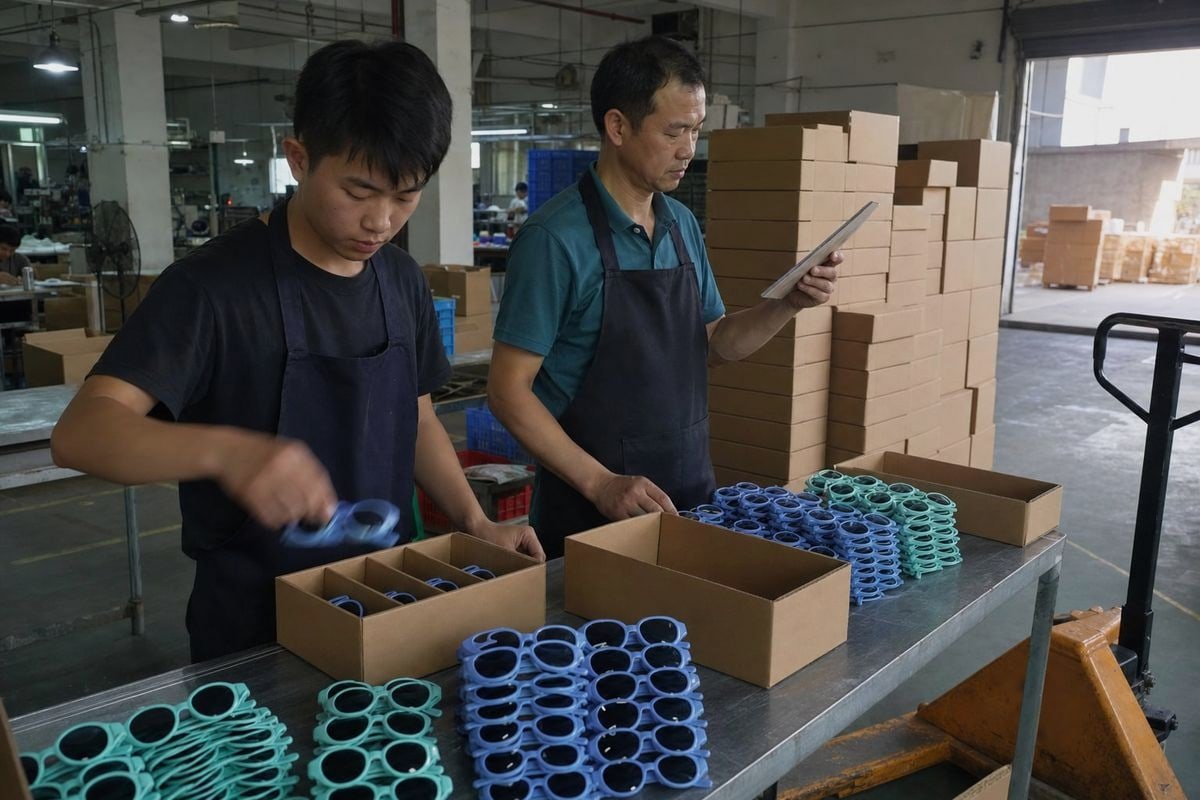
Some operators avoid this model entirely because it ties production payment deadlines to sales velocity. That objection is fair — but the answer is discipline, not avoidance. Here is how I break the risk down for buyers.
Funding shortfall
If customer balances arrive slower than the supplier balance is due, you need a bridge. Options include a short-term credit line, purchase order financing, or negotiating extended payment terms with your factory. Payment terms negotiation works best when you have a track record; we regularly give repeat buyers more flexible balance timing than first orders. Never assume 100% of balance invoices get paid on schedule — model 85–90% and hold a reserve for the gap.
Quality and compliance failures
Never pay the final supplier balance before quality checkpoints 7 are complete. Approve the pre-production sample. Review in-line production photos. Commission or attend final inspection. For children's eyewear, verify UV protection standards — UV400 lens performance — and confirm safety testing for your destination market passes before funds move. Holding the balance until the compliance certificate is issued is standard practice, and a professional factory will not resist it.
Refund and trust erosion
Delays happen: a vessel misses its slot, customs holds a container, a component runs late. If your release date was vague or your deposit was non-refundable with no explanation, trust collapses fast. Publish clear terms: whether deposits are refundable, partially refundable, or non-refundable, and under exactly which conditions. Proactive delay updates cost nothing and preserve the customer relationship your whole wholesale supply chain depends on.
Accounting mismatch
Sloppy books are the silent killer. If customer money received, vendor advances paid, and outstanding liabilities do not reconcile, you cannot see a shortfall coming. Tag every deposit to its PO. Reverse each supplier prepayment against the final bill. Reconcile weekly during the campaign, not monthly. Sound inventory procurement starts with knowing exactly where every dollar sits at every stage. Using specialized international payment services also trims wire fees and exchange losses when funds move to an overseas factory — small percentages that add up across a full production run.
結論
Presale deposits can fund your kids' sunglasses supplier balance — if timing, deposit math, quality checkpoints, and accounting discipline all align. Structure it tightly, and demand finances production instead of your savings.
脚注
1. Explains why customer deposits must be booked as a liability, not revenue. ↩︎
2. Background concept explaining why deposit accounting mistakes distort real cash flow. ↩︎
3. Background on the polyamide-based material used in TR90 eyewear frames. ↩︎
4. Government resource on financing tools like PO financing for cash gaps. ↩︎
5. WTO explains tariff and customs duty rules relevant to landed cost budgeting. ↩︎
6. Official US safety requirement for children’s products including sunglasses. ↩︎
7. ISO standards underpin the quality checkpoints buyers should verify before final payment. ↩︎



 English
  Español de México
  Deutsch
  Français
  日本語
日本語  العربية
  Português do Brasil