How to Tell If Nose Pad Design in Kids Optical Frames Fits Lower Nose Bridges?
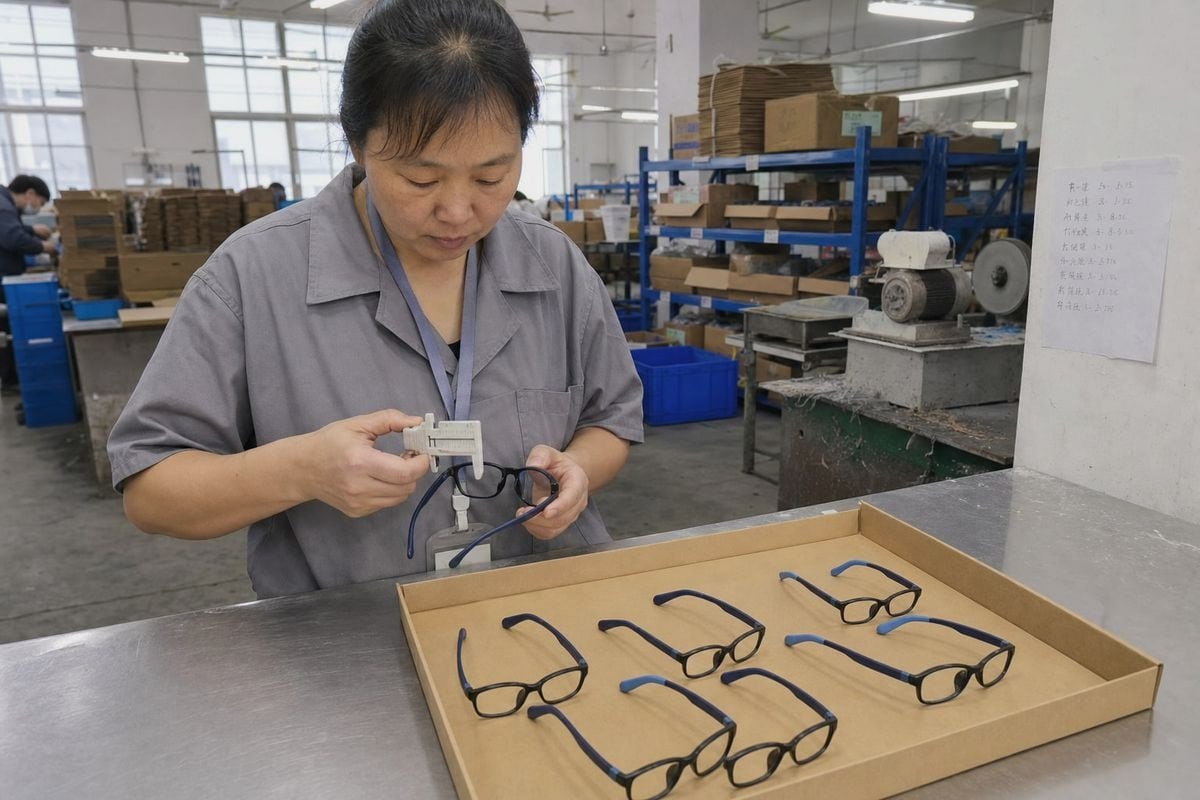
Nose pad design in kids optical frames 1 can make or break your product line. On our Taizhou production floor, we see buyers underestimate this detail — and pay for it in returns.
A nose pad design fits a lower nose bridge when the pads sit lower and wider on the nose, spread contact evenly from front to back, keep the frame from sliding, and maintain proper eyelash clearance without pressing on the cheeks when the child smiles.
Below, I break this down into four practical questions. Each one comes from real conversations with buyers who source children’s frames from our factory.
What Nose Pad Shapes Should I Look for When Sourcing Frames for Children With Lower Nose Bridges?
A buyer from Japan once returned a sample batch to us with one note: "Frames slide on every child we tested." The nose pad geometry was wrong for her market, not the frame size.
Look for pads positioned lower on the frame front, with a larger surface area, a wider splay angle, and extra depth. These features let the pads rest on the sides of a flatter nose instead of perching on a bridge that is not there.
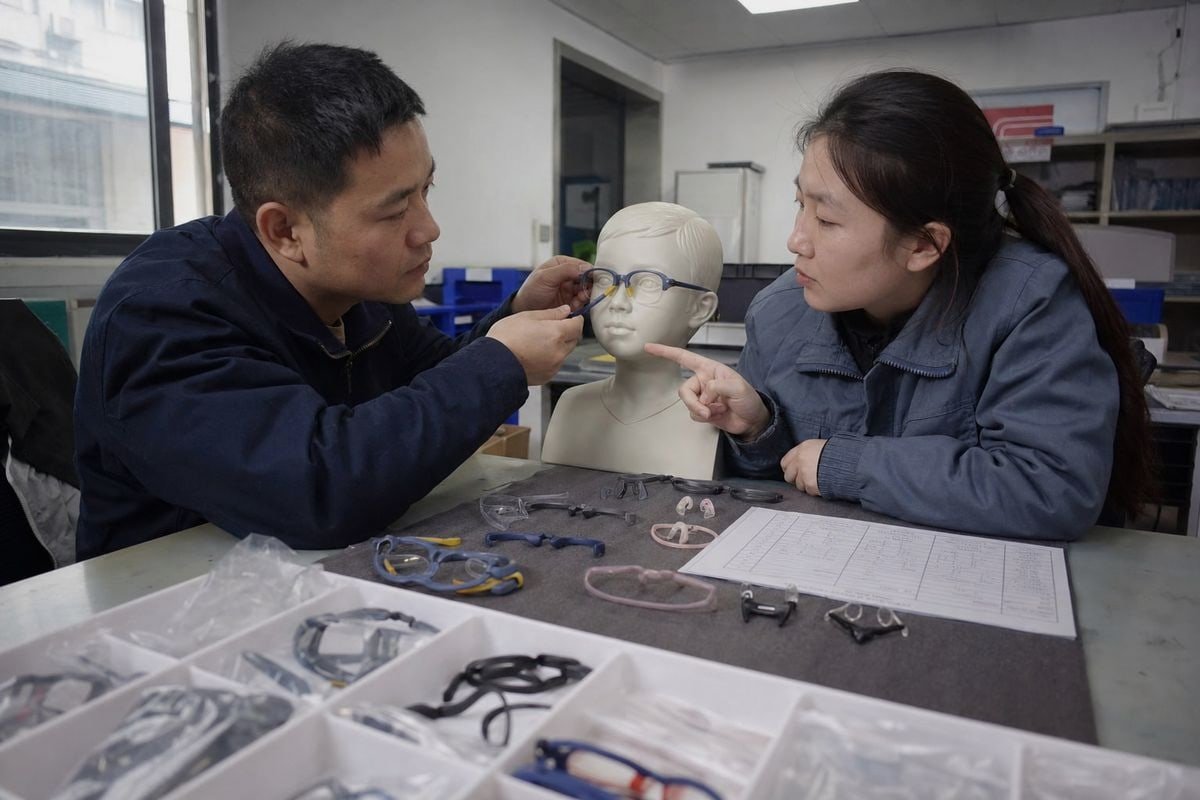
The core problem is simple. Many children — especially in Asian markets, and often younger kids everywhere — have a flatter or lower nasal bridge 2 than the standard adult template most frames are built around. A standard bridge assumes bone that a lower nose bridge does not offer. So the frame slides, sits on the cheeks, or rests too close to the lashes.
The Four Pad Features That Matter Most
When we develop a low bridge fit style, our engineers focus on four geometry points:
| Feature | それがすること | Why It Matters for Lower Bridges |
|---|---|---|
| Lower pad position | Moves contact down the nose | Pads grip the fleshier sides instead of the flat top |
| Larger pad surface | Spreads pressure over more skin | Prevents red marks and digging on soft tissue |
| Wider splay angle | Matches the nose from front to back | Pediatric fitting guidance calls splay the most critical adjustment for children |
| Deeper, built-up nose pads | Pushes the lens away from the face | Increases vertex distance and stops lashes brushing the lens |
You will see these features marketed under labels like Asian fit eyewear, low bridge fit, or alternative fit. The labels are not standardized, though. Two brands can use the same term for very different geometry. That is why I always tell buyers to judge the actual pad position and depth, not the product-page label.
One more nuance from our experience: a saddle bridge on an acetate or TR90 frame can outperform separate pads for some low or wide nasal bridges, because the larger contact area stabilizes the frame naturally. Do not assume adjustable pads are always the answer.
How Can I Test Nose Pad Fit Before Placing a Bulk Order With My Manufacturer?
Before any bulk order leaves our workshop, we ask buyers to run structured wear trials on sample frames. One Australian brand caught a slippage issue this way — before 5,000 units shipped.
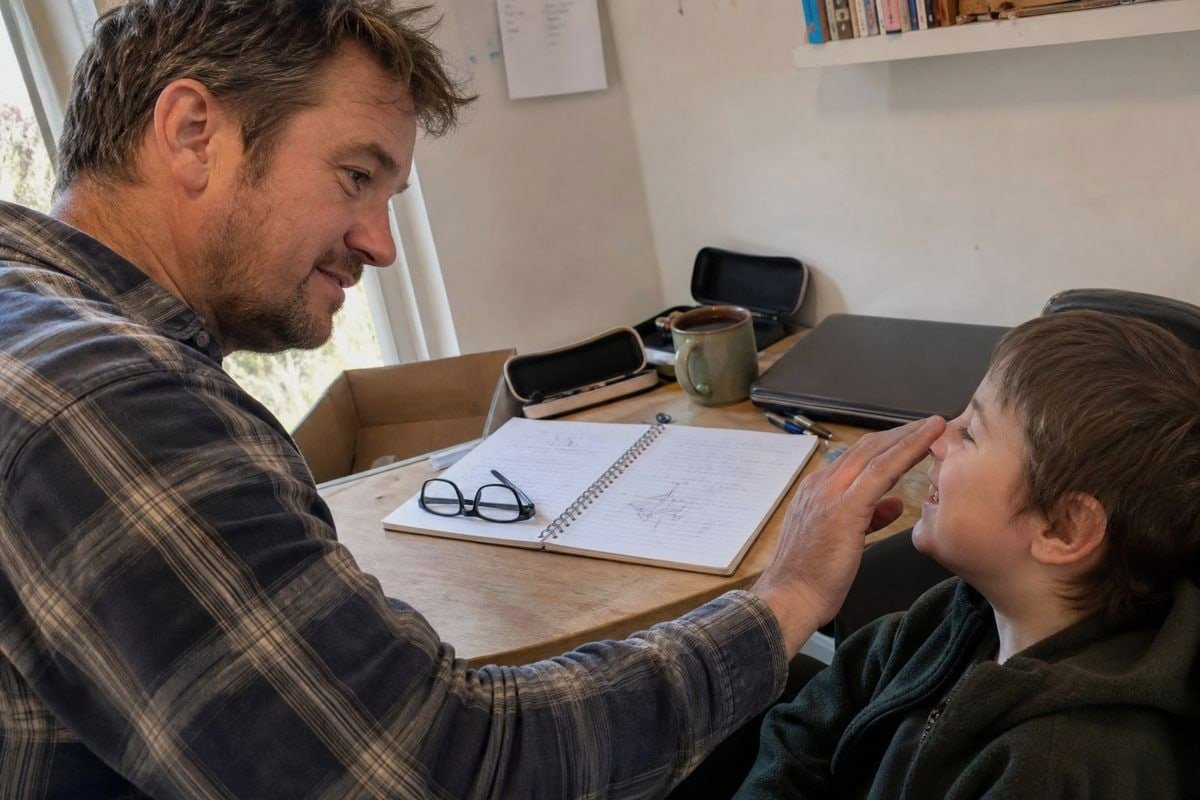
Test samples on real children in your target market. Check that frames stay centered without sliding, pads contact the nose evenly, lenses clear the eyelashes, and the frame lifts off the cheeks when the child smiles. Document results before confirming production.
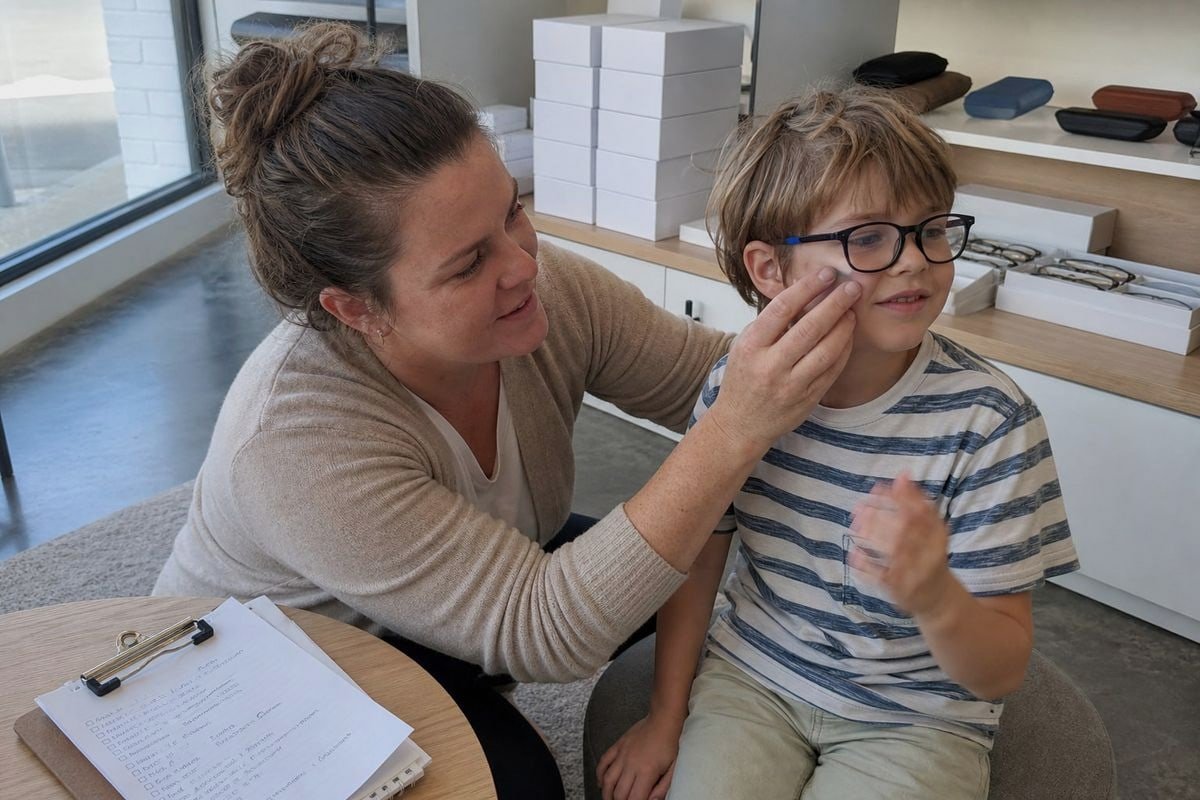
A fit test does not need lab equipment. It needs a repeatable checklist and honest observation. Here is the process I recommend to every buyer who requests samples from us:
A Five-Step Sample Fit Test
- Run the Pupil Test. Check whether the child's nasal bridge starts at or below pupil level. If it does, that child needs a low bridge design, and standard samples will fail no matter how good they look.
- Do the slide check. Place the frame and have the child read or play for ten minutes. If the frame only stays up when the child pushes it, the pad geometry is wrong for that bridge shape.
- Check eyelash clearance from the side. Lashes brushing the lens means vertex distance is too short. Deeper pads or a spacer solution is needed.
- Run the smile test. If the frame bottom or the pads lift off the nose and rest on the cheeks when the child grins, the bridge is too narrow or too shallow.
- Inspect contact points. Pressure should spread across the whole pad, not concentrate on one point near the top of the bridge. Look for red marks after removal.
Reading the Results
| Observation | Likely Cause | Fix to Request |
|---|---|---|
| Frame slides within minutes | Pads too high or too shallow | Lower pad position, wider splay |
| Lashes touch the lens | Insufficient vertex distance | Deeper or built-up nose pads |
| Frame rests on cheeks | Bridge too wide or shallow | Narrower bridge, low-set pads |
| Red marks on one spot | Uneven pad contact | Adjusted splay and vertical angle |
One caution I share often: what looks like a bridge problem can actually be a temple problem. If the temples are too wide, the frame slides forward no matter how good the pads are. Ask your supplier for pediatric frame measurements 3 — eye size, bridge width, and temple length — and evaluate the whole frame, not just the pads.
Which Materials Help Me Ensure Comfortable, Slip-Free Nose Pads for Active Kids?
Material choice is a trade-off we weigh on every new mold. Harder plastics hold shape longer; softer compounds grip better on a flat bridge. For active kids, grip usually wins.
Soft silicone and flexible TPEE-based pads give the best slip resistance on lower nose bridges. Hydrophilic silicone increases grip when it contacts sweat, which compensates for the lack of a bony ridge during sports, running, and outdoor play.
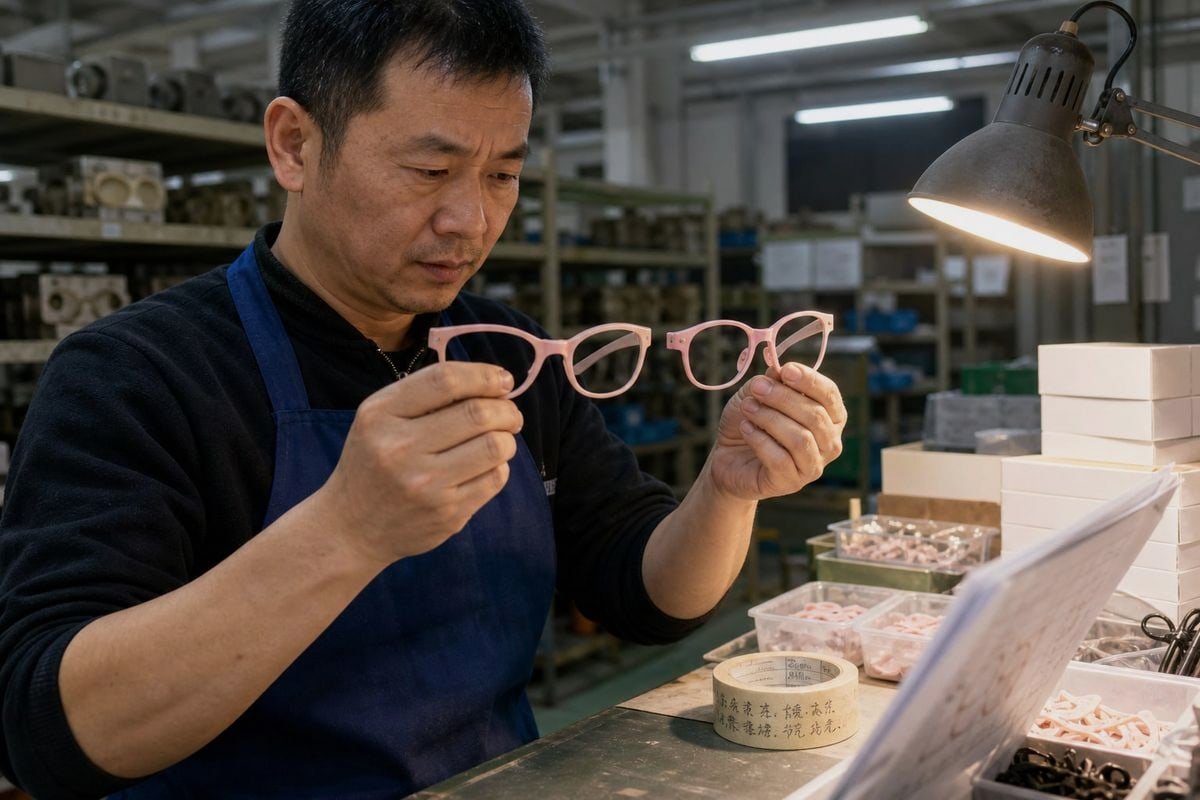
Our factory has worked with flexible materials for fifteen years, and the lesson repeats itself: a child with a lower nose bridge relies on friction and surface contact, not bone, to hold the frame. That makes material behavior as important as pad shape.
How the Main Options Compare
| 素材 | Grip on Flat Bridges | Comfort | Durability Notes |
|---|---|---|---|
| Hard PVC / acrylic pads | 低 | Firm, can dig in | Long-lasting but slippery when sweaty |
| Standard silicone | 接触点に集中 | Soft, gentle on skin | Can attract dust; easy to clean |
| Hydrophilic silicone | Excellent when moist | Soft | Grip improves with sweat — ideal for sports |
| Integrated TR90 saddle bridge | Moderate to good | Very light, no parts to lose | No adjustment, but nothing to snap off |
| TPEE molded contact zones | 接触点に集中 | Flexible and resilient | Environmentally friendly, bends without breaking |
Safety Comes Before Grip
For children's products, I push buyers to think beyond friction. Metal pad arms on adjustable nose pads can bend into sharp angles if a child sits on the frame. That is one reason many of our kids optical frames use integrated soft bridges or molded TR90 fronts with silicone contact zones instead. There is no small part to detach, nothing rigid near the eye, and the flexible frame absorbs impact during play.
Cleaning matters too. Silicone pads collect skin oils faster than hard plastic, so grip degrades if parents never wipe them. Include a simple care note in your retail packaging — it is a small touch that reduces "the glasses stopped gripping" complaints.
Can I Request Custom Nose Pad Adjustments for Different Regional Face Shapes When Working With an OEM Partner?
Buyers from twenty-plus countries have taught me one thing: no single bridge geometry serves every market. A frame that fits perfectly in Northern Europe often slips in Southeast Asia.
Yes. A capable OEM/ODM partner can adjust pad height, depth, splay angle, and bridge geometry for regional face shapes — often by modifying existing molds or offering low bridge fit variants of stock styles, without requiring full new-mold investment for every change.
Regional fit is where OEM flexibility earns its keep. When a buyer targets markets with a high share of lower nose bridges, we typically discuss three levels of customization, from lowest cost to highest:
Three Levels of Regional Customization
- Level 1 — Select from existing low bridge styles. With roughly 800 existing styles in our catalog, many buyers find a stock frame with the right pad position and simply customize colors, logos, and packaging. This lets a new brand test the market without heavy mold investment.
- Level 2 — Modify pad geometry on an existing mold. We can build up pad depth, adjust the vertical angle, or reduce pantoscopic tilt so the lower rim does not dig into rounder cheeks. Reduced tilt is a common request for low bridge variants because it protects cheek clearance.
- Level 3 — Develop a dedicated regional mold. For larger programs, we design the bridge, splay angle, and front curvature around target pediatric frame measurements from the buyer's market. Some buyers now supply data from 3D facial scanning apps that map nasal slope angles, which makes this process far more precise than it was five years ago.
Planning for Growing Faces
Children's noses change. Nasal bone maturation gradually raises bridge height 4 with age, so a design that fits a four-year-old may sit differently at seven. For multi-year programs, we discuss options like modular bridge inserts or graduated sizing across age bands, so the brand's fit story stays consistent as kids grow. Special populations matter here too — children with Down syndrome often need lower-set, wider pad designs, and a good OEM partner should be able to support that inclusive sizing conversation rather than force a standard template.
Bring wear-trial feedback to these discussions. Concrete observations — where frames slipped, where marks appeared — turn a vague "make it fit better" request into a specific engineering change we can execute and verify before mass production.
結論
Fit fails quietly — until returns pile up. Judge nose pad design by pad position, splay, eyelash clearance, and real wear trials, then partner with an OEM who can adjust geometry for your market.
脚注
1. Official regulatory authority for medical device safety standards, including pediatric optical frames. ↩︎
2. Premier database for scientific research on pediatric facial anatomy and nasal bridge development. ↩︎
3. Authoritative NIH resource detailing technical fit and measurement standards for pediatric spectacle frames. ↩︎
4. Authoritative clinical resource for pediatric eyewear fitting standards and bridge height adjustments. ↩︎


 English
  Español de México
  Deutsch
  Français
  日本語
日本語  العربية
  Português do Brasil