How Much More Does Air or Express Shipping Cost Than Sea Freight for Kids Optical Frames?
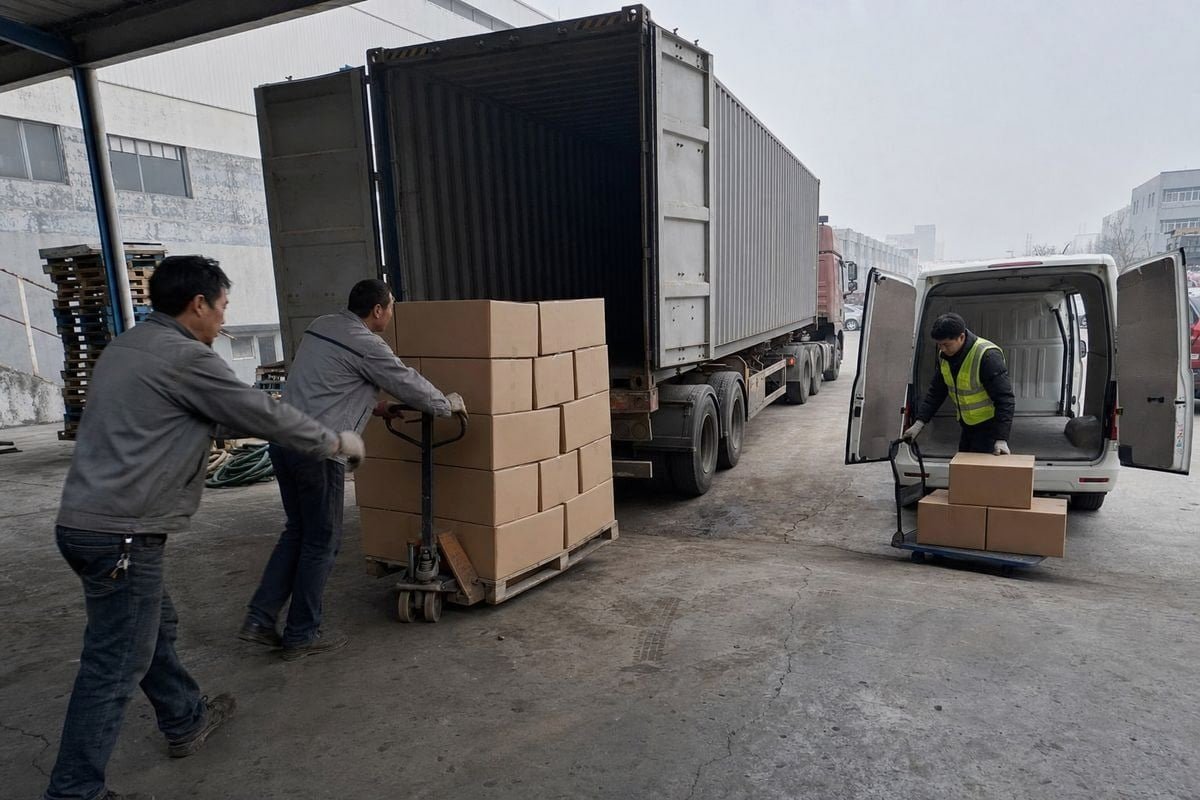
Buyers ask me weekly how much more air or express shipping costs than sea freight for kids optical frames. At our Taizhou factory, we quote both routes daily — and the gap surprises people. Guess wrong, and your margin or your launch date suffers.
Air or express shipping for kids optical frames typically costs 4–8 times more than sea freight, and can reach 10–20 times more for small shipments. Air runs roughly $3.50–$10/kg, while sea freight equals about $0.10–$1.50/kg, making sea 70–90% cheaper for bulk orders.
Those multipliers hide a lot of detail. Let me break down real numbers, the factors that widen or shrink the gap, and how to choose the right mode for your order.
How much can I expect to pay for air freight versus sea freight on my kids optical frames order?
A distributor in Australia once asked us to quote the same 300 kg order of TR90フレーム 1 both ways. When he saw the two numbers side by side, he called me to confirm there was no typo.
Expect standard air cargo rates of $3.50–$10 per kilogram and express courier rates of $5.00–$8.50 or higher, versus sea freight at roughly $0.10–$1.50 per kilogram equivalent. On a 300 kg order of kids optical frames, sea can save you $1,200–$2,000 or more.
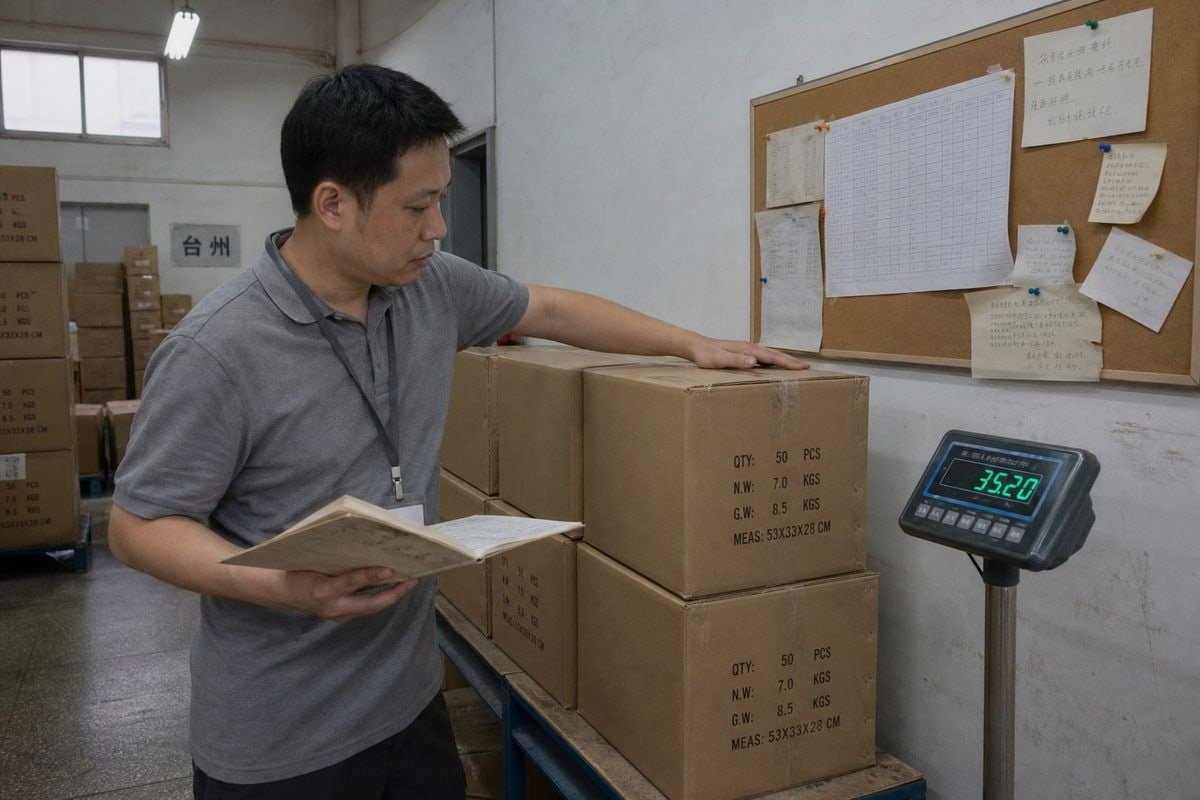
The honest answer is that no single multiplier applies to every shipment. The gap depends on your lane, your volume, and the season. But we can anchor the discussion with typical ranges we see when shipping children's eyewear from China to Europe, Australia, Japan, and North America.
Typical rate ranges by mode
| モード | Typical cost basis | Typical transit time | 最適な使用例 |
|---|---|---|---|
| 海上貨物(LCL/FCL) | ~$0.10–$1.50/kg equivalent | 20–45 days | Bulk replenishment, planned inventory |
| Standard air freight | ~$3.50–$10/kg | 3〜7日 | Urgent restocks, launches, smaller orders |
| Express courier (DHL/FedEx/UPS) | ~$5.00–$8.50+/kg | 2–3 days door-to-door | Samples, emergency stockouts, DTC fulfillment |
What that means in real dollars
Per-kg figures feel abstract. So let me make it concrete. A carton of our kids optical frames — say, glossy black rectangular frames with flexible TPEE temples — holds around 200–300 pieces and weighs roughly 10–15 kg with retail packaging. Ship 20 cartons by sea as LCL, and your freight bill might land near $200–$400. Ship the same load by air, and you could pay $1,000–$2,500. One published comparison shows a $195 ocean shipment jumping to $1,000 by air. That is a premium of several hundred percent on modest freight value.
Ocean freight rates also fall sharply per unit as volume grows. Fill more of a container, and your per-frame shipping cost can drop below a few cents. Air never scales that way. That is why sea is the default for planned replenishment, and air is the premium lever you pull deliberately.
What factors influence the shipping cost gap between express and sea freight for my eyewear shipment?
One trade-off we weigh constantly on our production line is packaging. A retail-ready gift box protects the frame and sells the brand — but it also inflates the volume that carriers charge you for.
Five factors drive the gap: chargeable weight (actual versus volumetric weight calculation), shipment volume, route and season, hidden fees like fuel surcharges and customs brokerage, and packaging density. Kids optical frames are light but bulky, so dimensional weight often pushes air costs higher than expected.
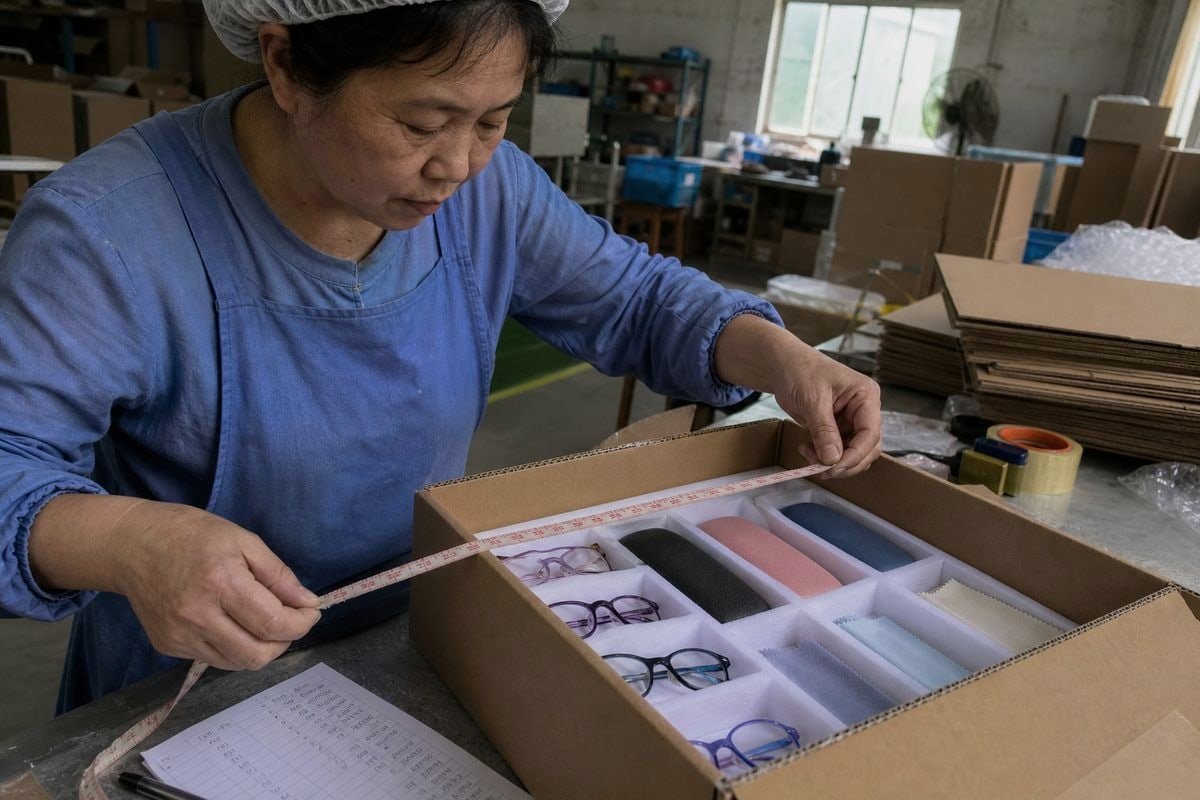
Kids frames behave differently from dense cargo, and this is where many first-time importers get caught out. Let me walk through each factor.
Chargeable weight: the dimensional weight trap
Air carriers bill you on the greater of actual weight or volumetric weight. The standard volumetric weight calculation 2 for air is length × width × height in centimeters, divided by 6,000. Our TR90 kids optical frames weigh only 15–25 grams each. But add a hard case, a cleaning cloth, a printed insert, and a display box, and one unit can occupy ten times the volume of the bare frame. A carton that weighs 12 kg on the scale can be billed as 20 kg or more. Sea freight, priced per cubic meter for LCL shipping 3 costs, punishes bulk far less severely.
Hidden costs on both sides
The base rate is never the whole invoice. Compare landed cost, not freight cost.
| コスト項目 | Sea freight | Air / express |
|---|---|---|
| Fuel surcharges | 中程度 | High, volatile |
| Port/terminal handling | Yes, both ends | Airport handling fees |
| Customs duties 4 on eyewear | Same duty rate | Same duty rate |
| 通関手数料 | Often separate fee | Often bundled by courier |
| Last-mile delivery | Usually extra for LCL | Included in express door-to-door |
| Shipping insurance costs 5 | Low % of value | Low % of value, higher base |
Notice that customs duties for eyewear are identical regardless of mode — duty is charged on goods value, not speed. But fixed fees hit small sea shipments hard. A tiny LCL consignment can carry $150–$250 in handling and documentation charges, which erodes sea's advantage below roughly 1 CBM or 100 kg. That is exactly the zone where express couriers become competitive.
Season and route volatility
Peak season, Chinese New Year 6, and geopolitical disruptions all move rates. In 2025–2026 conditions, fuel surcharges and route congestion can swing the air-versus-sea gap by a wide margin within a single quarter. A good freight forwarder 7 will quote both modes and flag seasonal spikes before you commit.
How do I decide whether air, express, or sea freight makes sense for my order size and timeline?
Fifteen years of exporting children's eyewear to 20+ countries has taught me a simple lesson: the right shipping mode is decided by your calendar and your carton count, not by the rate sheet alone.
Choose sea freight for large, planned, margin-sensitive orders above roughly 100–300 kg or 1 CBM. Choose air freight when launch timing matters or the order is too small for efficient LCL. Choose express couriers for samples, emergency restocks, and urgent e-commerce fulfillment.
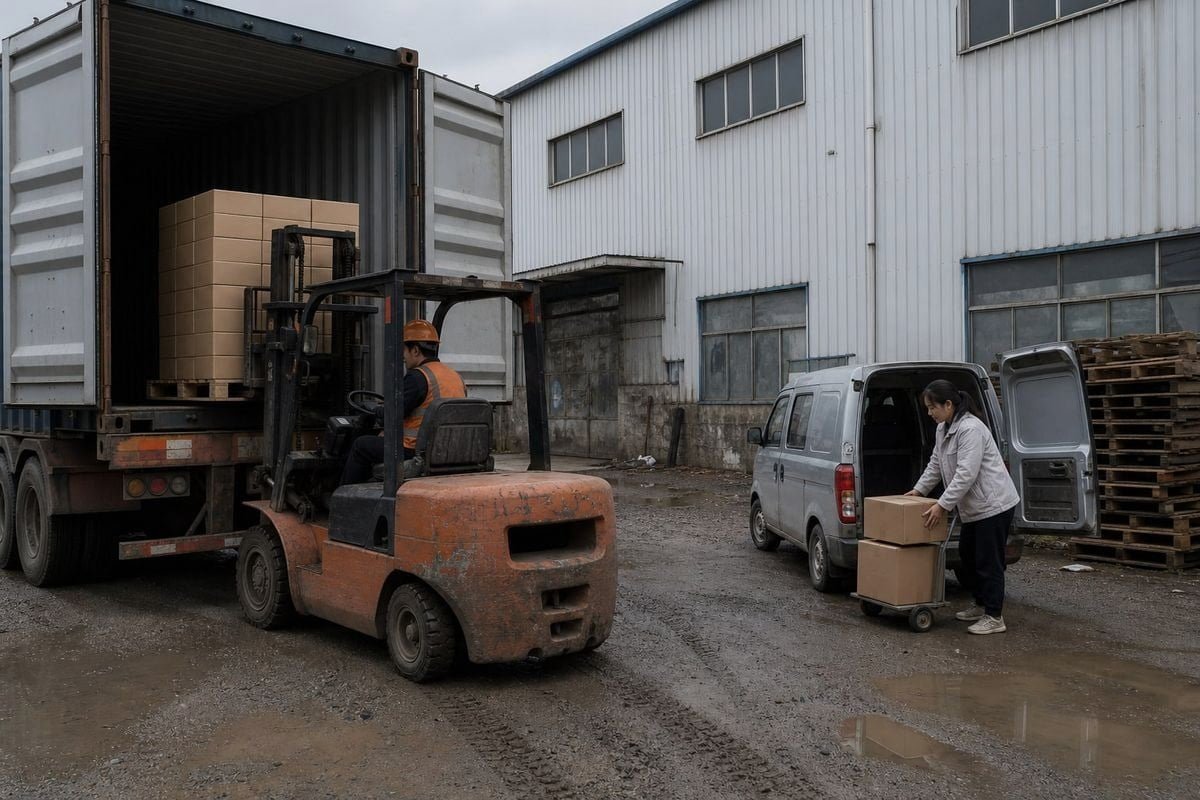
Start with the transit time comparison, because time is what you are really buying:
- Sea freight: 20–45 days port to port, often 25–40 days for eyewear lanes to Europe or Australia
- Standard air: 3–7 days, sometimes 5–10 with consolidation
- Express courier services: 2–3 days door to door
A practical decision sequence
- Fix your must-have-stock date. Count backward from your launch or restock deadline. Include production lead time — our standard runs take about 25–35 days — plus customs clearance and inland delivery.
- Check your order size. Below ~100 kg, express is often the cheapest realistic option once fixed sea fees are counted. Between 100–300 kg, compare LCL and air quotes carefully. Above 300 kg or 1 CBM, sea almost always wins on landed cost.
- Price the stockout, not just the freight. If being out of stock costs you a retail listing, a season, or a launch window, the air premium is cheap insurance. If you are topping up base inventory, sea protects your margin.
- Consider a hybrid split. Many of our long-term buyers ship 80–90% of an order by sea and 10–20% by air. The air portion covers the launch; the sea portion arrives for replenishment. This is basic supply chain optimization 8, and it works especially well for seasonal kids' eyewear collections.
How the decision shifts by scenario
| シナリオ | Recommended mode | 理由 |
|---|---|---|
| First trial order, 50–100 pcs samples | Express courier | Fast, trackable, fixed fees beat LCL minimums |
| New brand launch, hard deadline | Air, or hybrid air + sea | Speed protects the launch date |
| Regular replenishment, 500+ pcs | 海上輸送(LCL) | Lowest per-unit landed cost |
| Full seasonal program, 5,000+ pcs | Sea freight (FCL share) | Container economics maximize margin |
| Emergency stockout mid-season | Express | Lost sales cost more than the freight premium |
One nuance in our favor: because we mold kids frames in lightweight TR90 with flexible TPEE temples, our cargo is lighter per unit than acetate adult eyewear. That marginally improves air economics for our buyers. But packaging still dominates the volumetric math, so treat air as a tactical tool, not a default.
Can I reduce my shipping costs while still meeting my launch deadline for kids optical frames?
A Japanese buyer once came to us three weeks before a retail launch, convinced she had to air-freight everything. We restructured her packaging and split the shipment — and she saved close to half her projected freight bill.
Yes. Consolidate orders, optimize packaging to cut volumetric weight, use a hybrid air-plus-sea split, book early to avoid peak surcharges, choose stocked designs to shorten production lead time, and let your freight forwarder compare LCL, air, and courier quotes on every shipment.
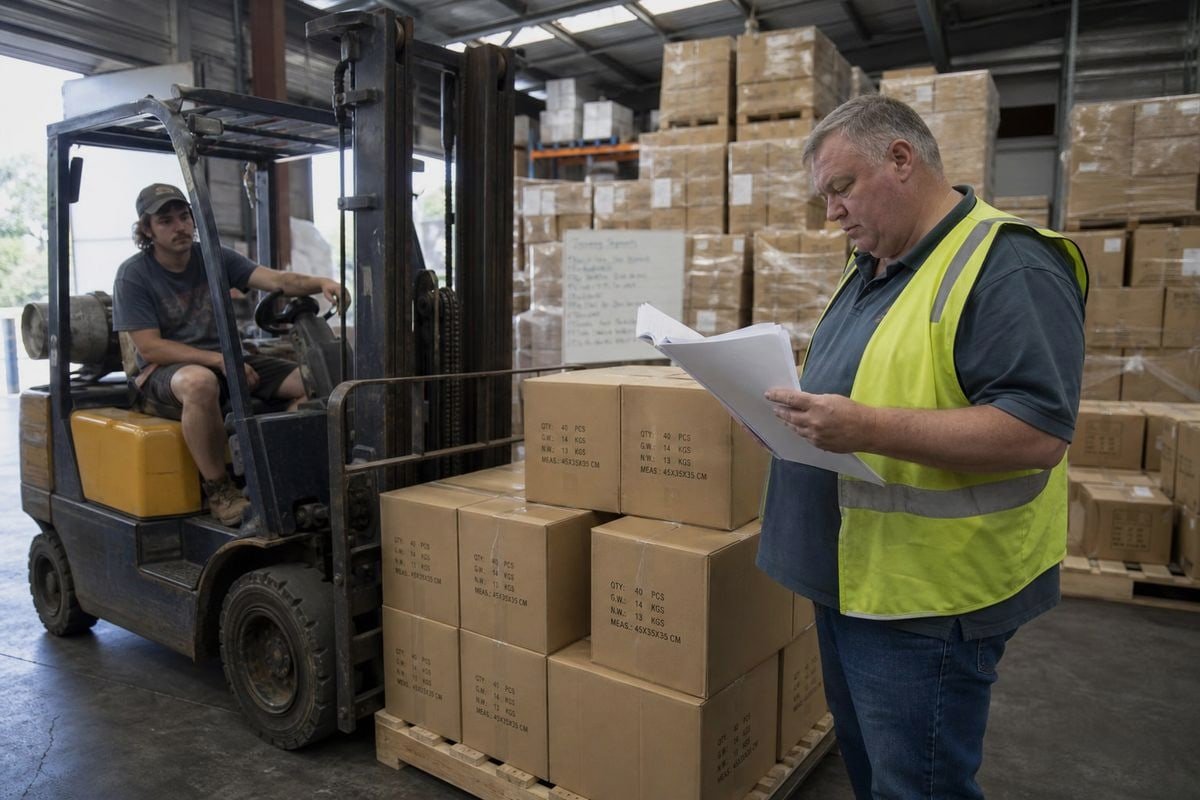
You do not have to pick between cheap and on-time. Most of the savings come from decisions made weeks before the cargo moves. Here is what actually works when importing children's glasses.
Shorten production, not just transit
Lead time considerations start at the factory, not the port. Because we keep around 800 existing styles ready for customization, buyers can skip mold development entirely. Choosing an in-stock design with custom colors and logos can cut 30–60 days from the schedule. Those saved days are often the difference between affordable sea freight and forced air freight. In our experience, buyers who lock in orders 90 days before their launch almost never pay air rates on the main shipment.
Engineer the packaging for freight
We regularly rework packaging with buyers before big shipments. Practical steps:
- Ship frames in slim protective sleeves and pack rigid cases flat or separately.
- Right-size cartons so there is no billed empty space.
- Move marketing inserts into a single master pack instead of every unit box.
- Ask your factory for the exact carton dimensions early, so your forwarder can run the volumetric weight calculation before quoting.
Each of these trims chargeable weight if you must fly, and cuts CBM if you sail.
Use timing and consolidation
Book sea freight 3–4 weeks ahead and avoid peak windows around Chinese New Year and Q4. Consolidate two planned orders into one LCL shipment to dilute fixed fees. Keep shipping insurance costs in perspective — insuring a sea shipment is inexpensive relative to the inventory risk of a 30-day voyage. And ask about lower-carbon sea options; sustainability-minded kids' brands increasingly value ocean's smaller CO₂ footprint, and some lanes now price green surcharges into air.
The hybrid launch play
For hard deadlines, split the order. Fly 10–20% of units to hit shelves on day one. Sail the balance for weeks three to six. Your blended freight cost stays low, your launch date holds, and you build resilience against sea delays — a strategy more importers adopted after recent supply chain disruptions.
結論
Air or express typically costs 4–20× more than sea freight for kids optical frames. Plan early, ship bulk by sea, reserve air for urgency — and your margins and launch dates both survive.
脚注
1. Provides information on TR90, a thermoplastic material commonly used in eyewear frames. ↩︎
2. Explains the concept and calculation of dimensional weight in freight transport. ↩︎
3. Defines Less than Container Load (LCL) shipping, a method for smaller sea freight volumes. ↩︎
4. Defines customs duties as indirect taxes levied on imported or exported goods. ↩︎
5. Explains marine insurance, which includes coverage for cargo during transit. ↩︎
6. Provides context for the Chinese New Year holiday, which impacts global logistics. ↩︎
7. Explains the role of a freight forwarder in coordinating shipments for clients. ↩︎
8. Describes the process of optimizing a supply chain for efficiency and cost-effectiveness. ↩︎



 English
  Español de México
  Deutsch
  Français
  日本語
日本語  العربية
  Português do Brasil