How to Manage Cash Flow Gaps Between Retail Payment Terms and Factory Deposits for Kids Optical Frames?
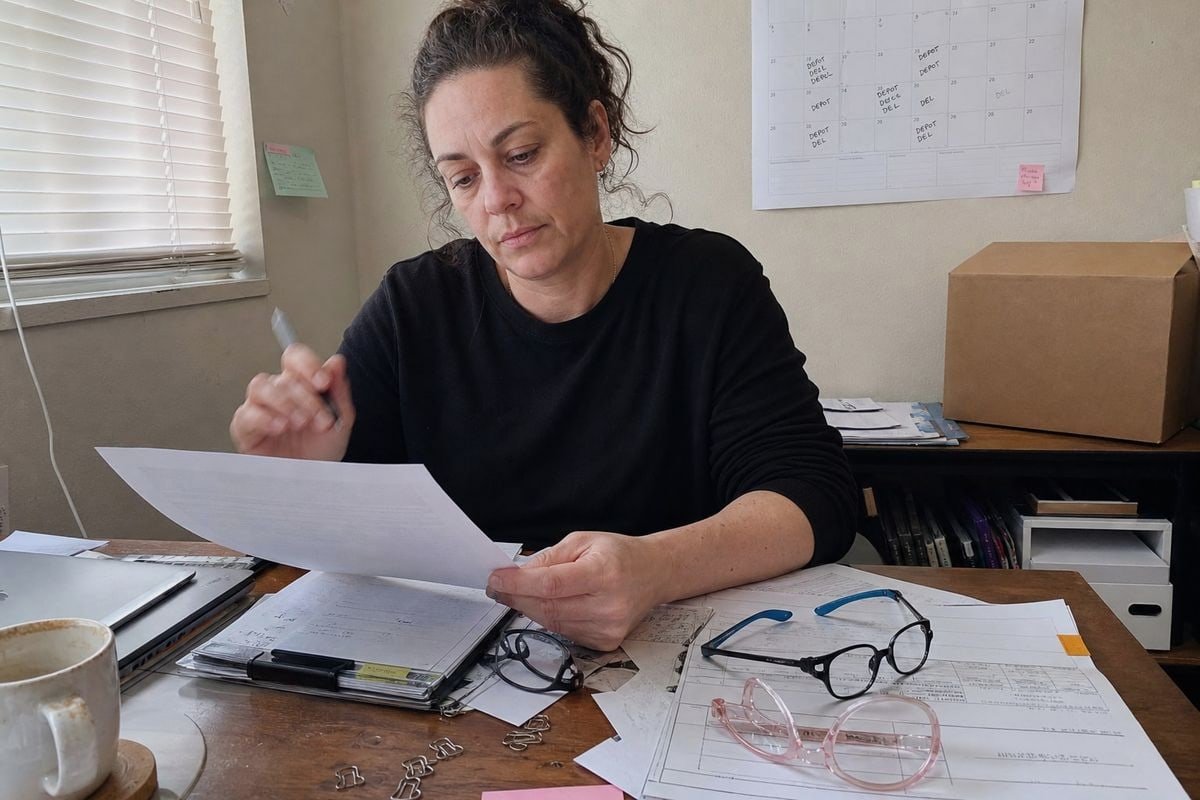
Cash flow gaps between retail payment terms and factory deposits squeeze kids optical frame brands hard. I see this weekly at our Taizhou eyewear factory when new buyers hesitate over deposit invoices. The math is brutal: you pay us upfront, then wait 60 to 90 days for retailers to pay you. That gap can quietly kill a growing brand. But it does not have to.
To manage cash flow gaps for kids optical frames, forecast a rolling 13-week cash plan, negotiate 30/70 deposit structures with your factory, keep MOQs lean by using existing molds, offer retailers early-payment discounts, and bridge remaining gaps with purchase order financing or invoice factoring.
Each of those levers deserves a closer look. Below, I break down what deposits to expect, what terms you can realistically negotiate, how order size affects trapped capital, and how to time payments against sell-through.
How much deposit should I expect to pay before my kids optical frames go into production?
Last spring, a first-time buyer from Australia asked me why we needed a deposit at all before cutting a single TR90 frame. Her question was fair, and the answer shapes everything about working capital planning.
Most kids optical frame factories require a 30–50% deposit before production, with the balance due at or before shipment. Standard orders from existing molds usually sit at 30%; custom colors, new tooling, or private packaging push deposits toward 50% because the factory carries more risk.
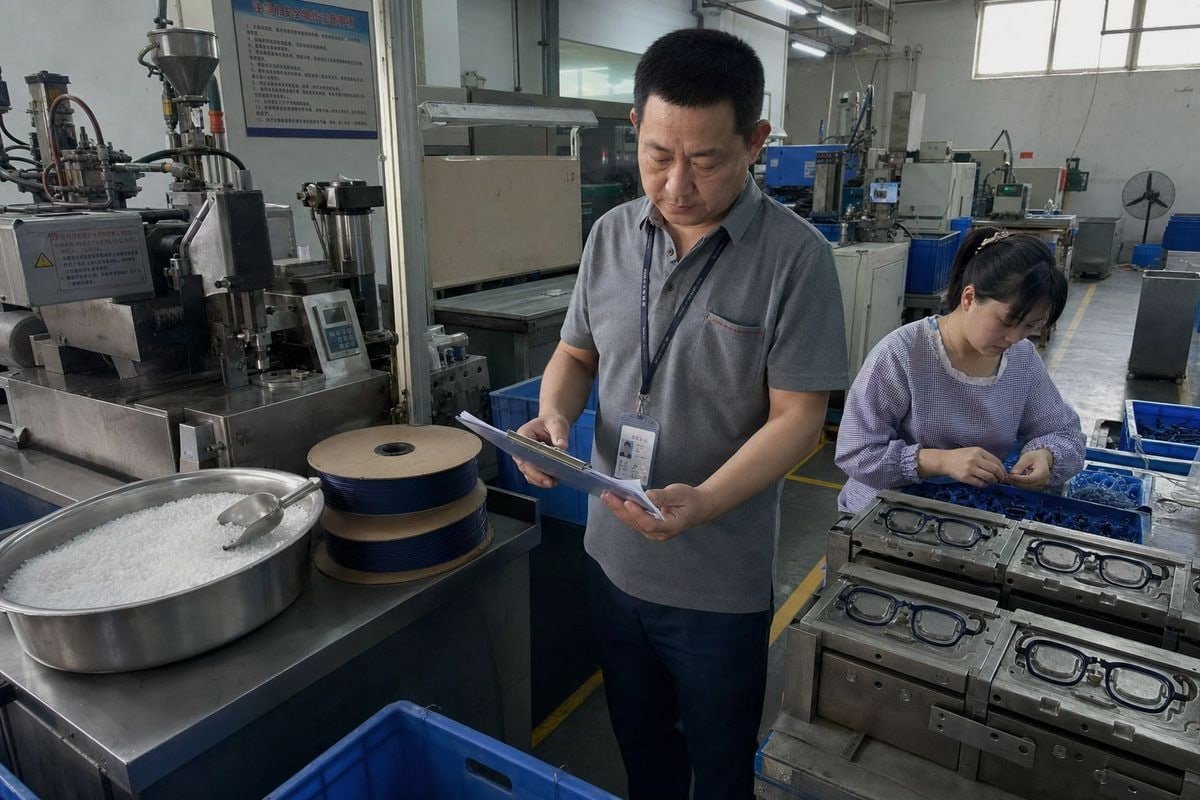
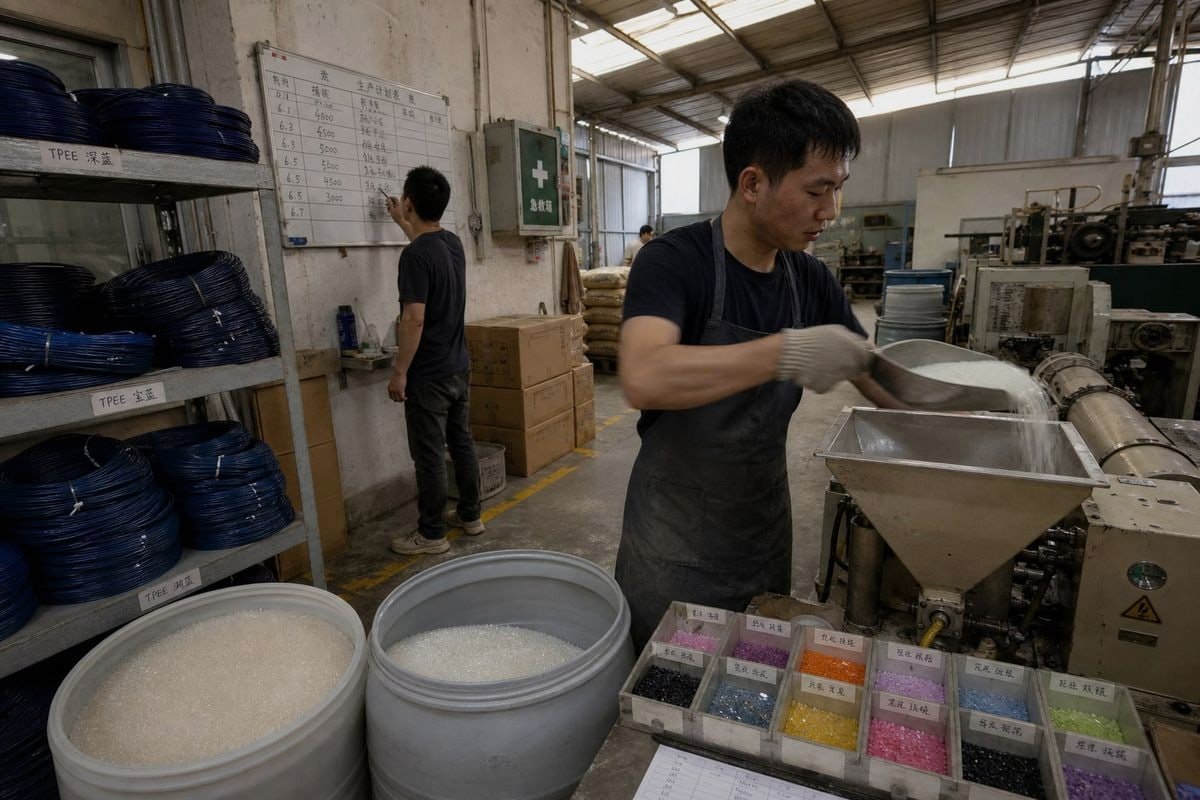
The deposit is not a factory being greedy. It covers real cash we spend before you pay the balance: raw TR90 and TPEE material 1, lens blanks, custom pigments, and labor scheduled on our line. If a buyer cancels mid-production, the factory eats those costs. That is why deposit size tracks risk, not order value alone.
What drives the deposit percentage up or down
In our experience exporting to 20+ countries, four factors move the number:
| 要因 | Lower Deposit (~30%) | Higher Deposit (40–50%) |
|---|---|---|
| Molds | Existing catalog styles | New custom tooling |
| 在庫色、1つのMOQで混合 | Standard color library | Custom Pantone matching |
| 関係性 | Repeat buyer, 2+ years | First order |
| パッケージング | Stock cases and boxes | Fully branded retail packaging |
Kids eyewear adds one more wrinkle. Children's frames carry safety and fit requirements — flexible temples, hypoallergenic materials, impact resistance — so factories cannot easily resell a cancelled custom run. A pink translucent acetate frame made for one brand's SKU list is hard to move elsewhere. That specificity justifies deposits, but it also means you should plan for that cash to leave your account eight to twelve weeks before goods arrive.
My practical advice: budget the deposit as trapped cash for the full production lead time plus transit. If your retailers pay Net 60 after delivery, your total cash cycle can stretch past 150 days. Knowing that number early is the first step in working capital management 2.
Can I negotiate more flexible payment terms with my frame manufacturer to match my retail cash flow?
A distributor in Japan once told me his retailers held him to Net 90 while his previous supplier demanded 50% upfront. We restructured his terms over two orders, and it changed his whole buying rhythm. Negotiation is absolutely possible — if you approach it the right way.
Yes, most factories will negotiate payment terms once trust is established. Realistic asks include reducing deposits from 50% to 30%, splitting the balance into milestone payments, moving final payment to documents-against-shipment, or earning Net 30 trade credit after two or three successful orders.

Here is the honest view from our side of the table. When we evaluate a payment-terms request at our factory, we are weighing one trade-off: cash risk versus a long-term customer. A buyer who orders predictably, communicates clearly, and pays on time earns flexibility fast. A buyer who demands Net 60 on a first order does not.
A realistic negotiation ladder
Think of supplier payment terms as something you climb, order by order:
- Order one: Accept the standard 30–50% deposit, balance before shipment. Prove you pay promptly.
- Order two: Ask for 30% deposit with balance against copy of the bill of lading.
- Orders three and four: Request milestone billing — deposit, payment at QC approval, final payment on shipment.
- Established relationship: Discuss partial trade credit, such as 30% deposit and 70% at Net 30 after shipment.
What to offer in exchange
Negotiation works when both sides gain. Levers that make factories say yes include committing to a rolling annual forecast, consolidating orders with one supplier, accepting slightly longer lead times during peak season, and choosing catalog styles over custom tooling. Some buyers also use supply chain finance programs, where a bank pays the factory early at a small discount while the buyer pays the bank later — this keeps both sides whole.
One warning from the research and from my own desk: pushing a factory too hard on terms has a cost. Suppliers who absorb your cash flow risk often respond with higher unit prices, stricter MOQs, or lower priority in the production queue. Extended terms are not free money. Treat them as one tool alongside cash flow forecasting and financing, not as your entire strategy.
What order quantities or MOQs help me avoid tying up too much capital in factory deposits?
The single biggest cash mistake I watch new kids eyewear brands make is over-ordering. They fall in love with twelve styles, order deep quantities of each, and then discover that children's SKU complexity — sizes, colors, boy and girl styling — traps far more capital than an adult line would.
Order the smallest MOQ that still hits reasonable unit economics — typically 300 pieces per style per color from existing molds. Skip custom tooling for your first launches, limit your opening range to 4–6 proven styles, and reorder fast movers rather than stocking deep upfront.
Excess inventory is cash sleeping in a warehouse. For kids optical frames, the risk is worse than in most categories, because children outgrow sizes and trends move quickly. A slow-moving color in a size that only fits ages 4–6 has a short shelf life.
How order structure changes your trapped capital
Compare two ways of spending the same launch budget:
| アプローチ | Styles Ordered | Deposit Tied Up | Inventory Risk | Restock Speed |
|---|---|---|---|---|
| Deep and wide | 12 styles, high volume each | 高い | High — many slow movers | Slow, cash exhausted |
| Lean and tested | 4–6 styles, MOQ each | 低 | Low — small bets per SKU | Fast, cash available |
The lean approach only works if your factory supports it. This is exactly why we built a catalog of roughly 800 existing styles at our workshop: a brand can pick frames like our black-and-navy flexible TPEE-temple sports style or a translucent pink acetate frame, apply its own logo and packaging, and launch without paying for molds at all. No tooling cost means a smaller deposit, a lower MOQ, and a faster test of what actually sells.
Practical MOQ tactics that free up cash
- Mix multiple colorways within one style to reach MOQ without deep stock in any single SKU.
- Use inventory financing or a business line of credit for reorders of proven sellers only — never for untested styles.
- Ask your factory whether demo lenses and stock packaging can shave per-unit cost on trial runs.
- Consolidate purchasing with one supplier to gain MOQ flexibility as your volume grows.
Small first orders cost slightly more per unit. But the capital they free up funds marketing, faster reorders, and survival through your first Net 60 collection cycle. That trade is almost always worth making.
How do I time my factory payments with retail sell-through so I don't run into cash flow gaps?
Timing is the lesson I wish more of our buyers learned before their first back-to-school season. One European optical distributor we work with now plans orders backward from her retailers' payment dates — and her deposits never collide with her payroll anymore.
Map your full cash conversion cycle, then schedule deposits so retail collections from the previous season fund the next production run. Use a rolling 13-week cash flow forecast, place seasonal orders early, and bridge unavoidable gaps with purchase order financing or invoice factoring.

The core problem is a timing mismatch. Cash leaves your business at the deposit, but cash returns only after production, shipping, delivery, and your retailer's Net 60 or Net 90 clock. For kids optical frames, back-to-school demand makes this lumpy: everyone orders in the same window, and factories fill up.
Map your cash conversion cycle in real dates
Here is a typical timeline for a back-to-school delivery:
| ステージ | タイミング | Cash Impact |
|---|---|---|
| Deposit paid | Week 0 | 30–50% out |
| Production | Weeks 1–6 | No movement |
| Balance paid at shipment | Week 6–7 | 50–70% out |
| Ocean transit and customs | Weeks 7–11 | Freight and duty out |
| Retailer receives goods | Week 11 | Invoice issued |
| Retailer pays Net 60 | Week 19–20 | Cash finally in |
That is roughly five months of cash outflow before a single dollar returns. If you place the next season's deposit at week 14, you are funding two production cycles at once. That is where brands break.
Tools that close the remaining gap
Even with good planning, seasonal peaks create gaps. The main optical retail financing tools work at different stages of the cycle. Purchase order financing 3 covers the pre-production deposit against a confirmed retail PO. Invoice factoring 4 converts your receivables into cash within days of delivery instead of waiting out Net 60. A revolving business line of credit 5 smooths smaller, temporary shortfalls. Many brands stack these — one tool per stage — rather than relying on a single fix.
Two honest caveats. Factoring fees eat margin, and some counterparties read heavy factoring as financial stress. And offering retailers early-payment discounts accelerates collections but costs a few points of revenue. Both are still usually cheaper than a stockout in September or a missed factory deposit that pushes your delivery past the season.
Finally, track when money actually lands, not just nominal terms. Card settlement delays, bank cut-offs, and reconciliation errors can create artificial gaps of several days — enough to miss a deposit deadline. A weekly rolling forecast that uses real deposit dates catches these problems before they become crises.
結論
Cash flow gaps between retail terms and factory deposits are a timing problem, not a profit problem. Forecast weekly, negotiate terms progressively, order lean from existing molds, and finance only the unavoidable gap.
脚注
1. Compares TR90 and TPEE materials, highlighting their properties for eyewear. ↩︎
2. Replaced HTTP 404 with a working and relevant page from the original domain, Taulia, on working capital management. ↩︎
3. Explains how purchase order financing provides upfront capital for orders. ↩︎
4. Replaced HTTP 404 with a comprehensive NetSuite article explaining invoice factoring. ↩︎
5. Replaced HTTP 404 with an authoritative Chase page detailing revolving business lines of credit. ↩︎



 English
  Español de México
  Deutsch
  Français
  日本語
日本語  العربية
  Português do Brasil