How to Get Suppliers to Provide Try-On Samples for Kids Optical Frames?
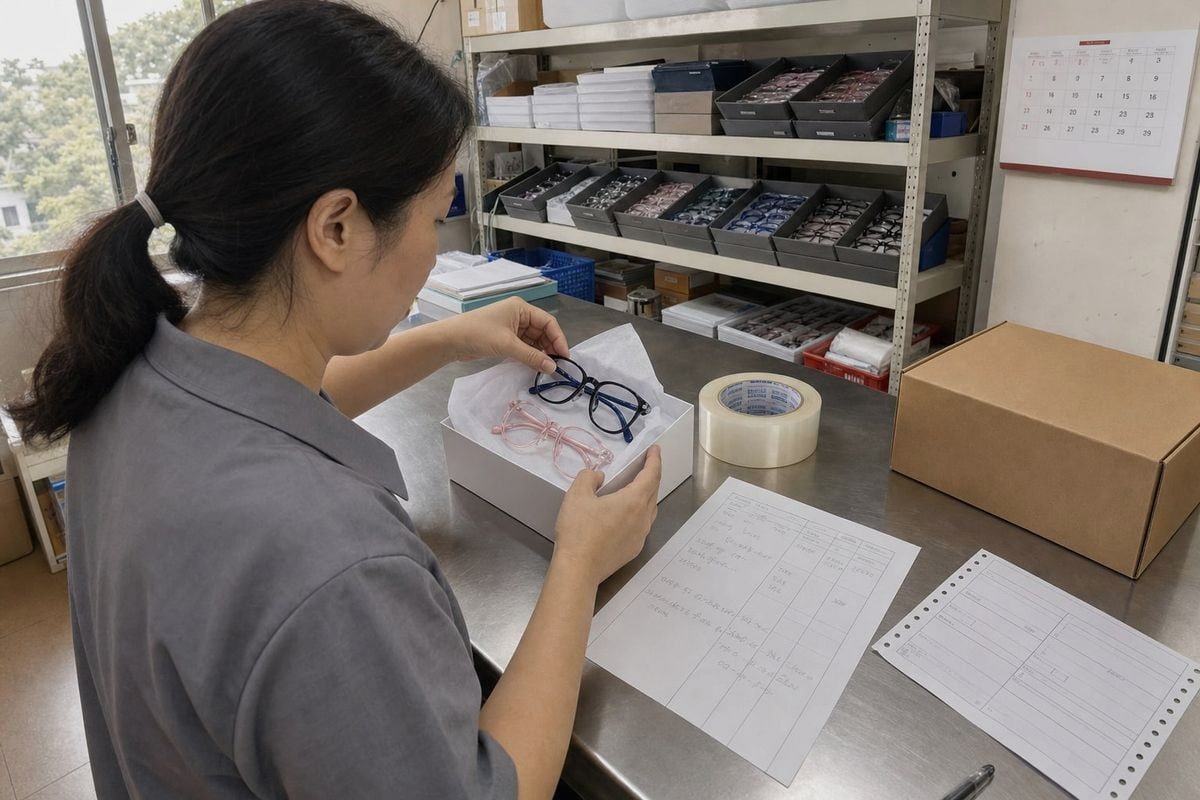
Getting try-on samples for kids optical frames feels harder than it should be. At our Taizhou factory, I read dozens of sample requests weekly — and most fail before they start.
To get try-on samples for kids optical frames, present yourself as a serious wholesale buyer: introduce your company, name specific styles or SKUs, state your target age ranges and expected order volume, offer to cover shipping or sample fees, and propose a clear testing and feedback timeline.
That is the short answer. But the details matter — how you word the request, what you check on arrival, and how many styles you order. Let me walk you through each step.
How can I request try-on samples without paying excessive upfront costs?
Last spring, a first-time buyer from Australia emailed us asking for "free samples of everything." We declined. A week later, she rewrote her request — and we shipped six frames at cost.
Keep sample costs low by requesting only specific styles, asking for a sample-to-order credit where fees are deducted from your first bulk invoice, covering shipping yourself, and requesting digital spec sheets, real-wear photos, and material certifications before any physical frames ship.
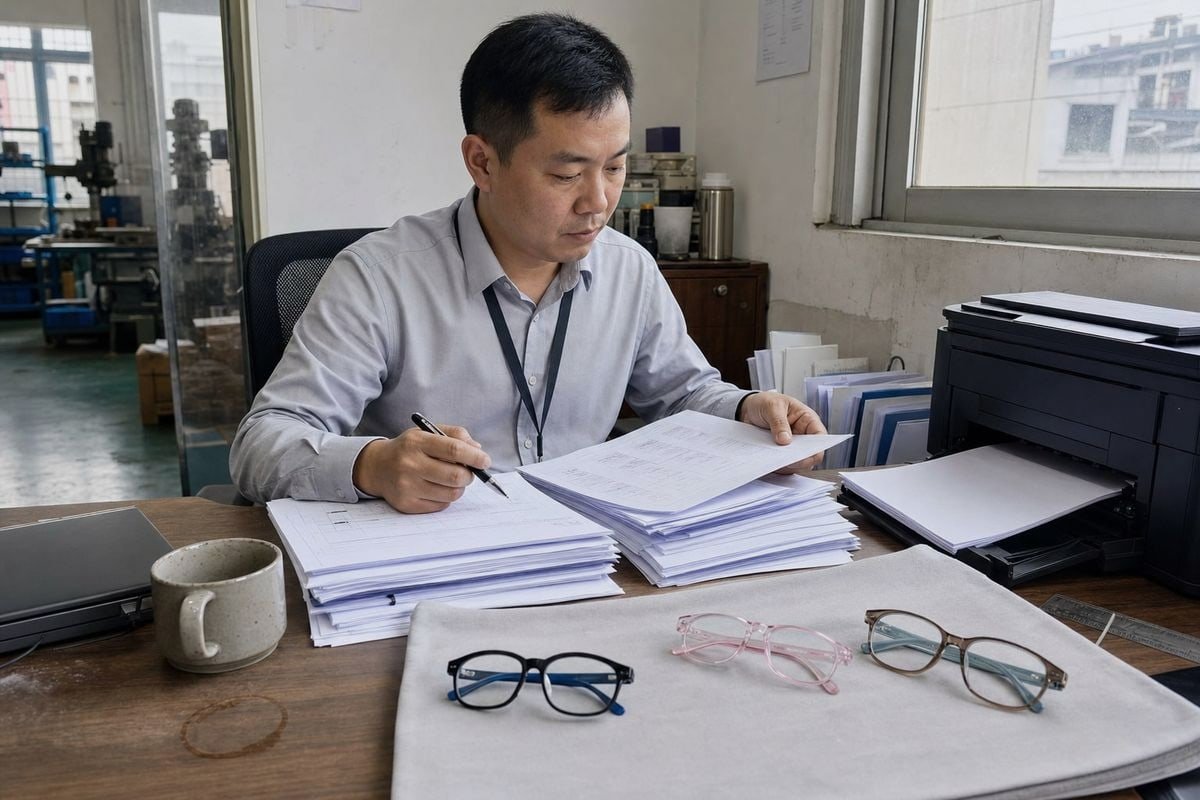
The core issue is supplier psychology. Every sample we send costs us real money: the frame, demo lenses, packing, and international courier fees. So we quietly sort buyers into two groups. One group looks like a future partner. The other looks like a freebie hunter. Your job is to land in the first group.
Here is the tension you will hear about online. Some sourcing guides say you should push hard for free samples because samples are a normal part of supplier qualification. Others warn that pushing too hard signals low seriousness. In my experience running our export desk, the second view is closer to reality. Buyers who offer to pay a fair sample kit deposit almost always get faster replies, better samples, and more honest technical answers. The money is not the point. The signal is.
Cost-reduction tactics that actually work
The smartest buyers do not ask for "free." They ask for "refundable." Here is how the common fee structures compare:
| Fee structure | How it works | When suppliers accept it |
|---|---|---|
| Free samples | Supplier absorbs all costs | Rarely; only for large verified brands |
| Paid samples | You pay unit cost plus shipping | Almost always accepted |
| Sample-to-order credit | Fees deducted from first bulk invoice | Common when you show order intent |
| Sample kit deposit | Refundable deposit on a multi-style kit | Offered by factories with big catalogs |
Two more tactics reduce waste. First, request digital materials before physical frames — we send TR90 1 and TPEE spec sheets, UV400 test reports 2, and real-wear videos on request, which lets buyers cut their shortlist in half without spending a dollar on shipping. Second, ask whether the factory offers a virtual fit consultation. We regularly review technical drawings and measurements with buyers over video before manufacturing anything. Some wholesale eyewear distributors even use virtual try-on software to pre-screen styles. None of this replaces physical samples for children's frames, but it means you only pay for samples you genuinely need.
What should I check for in kids optical frame samples before placing a bulk order?
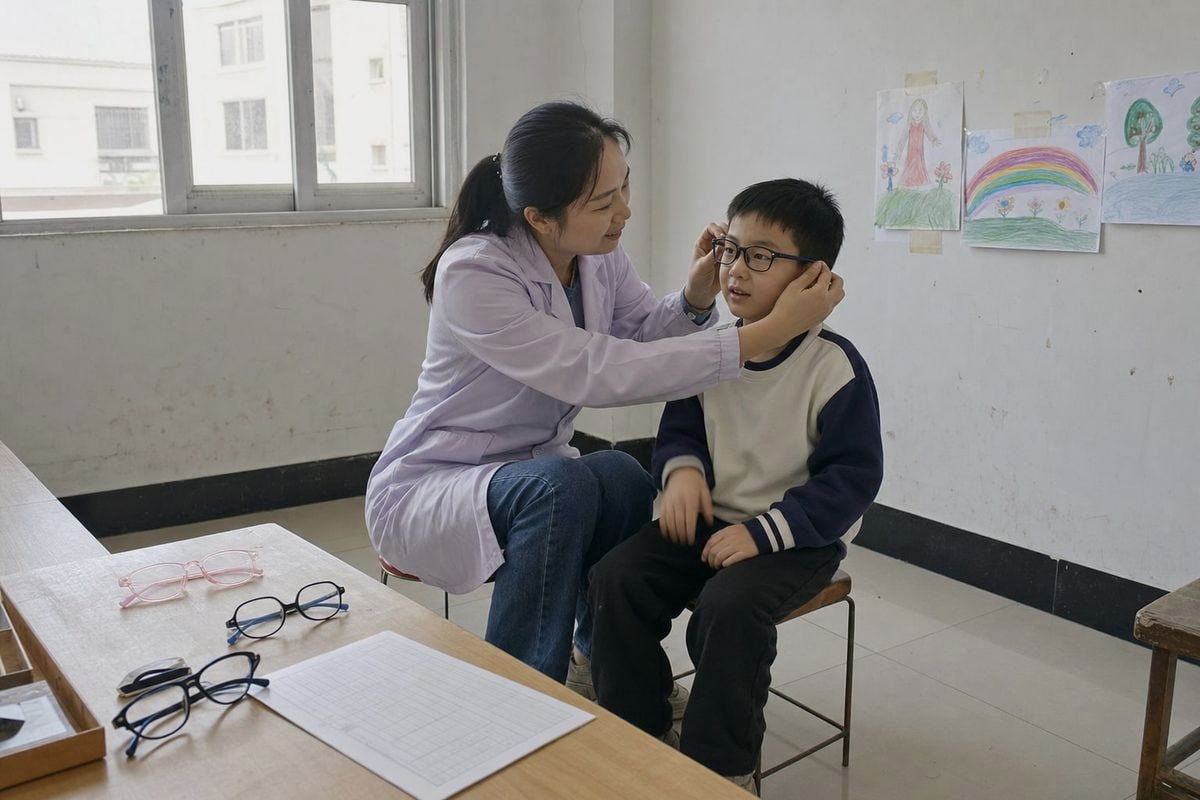
A trade-off we weigh daily on our production line: a frame can look flawless on a white background yet still pinch a five-year-old's temples. Appearance is the least important test.
Check frame flexibility, weight, contact-area softness, bridge fit, temple length, hinge durability, and finish consistency. Test on real children where possible, verify material safety certifications like TR90 or TPEE, and request random production units rather than hand-picked showpieces.
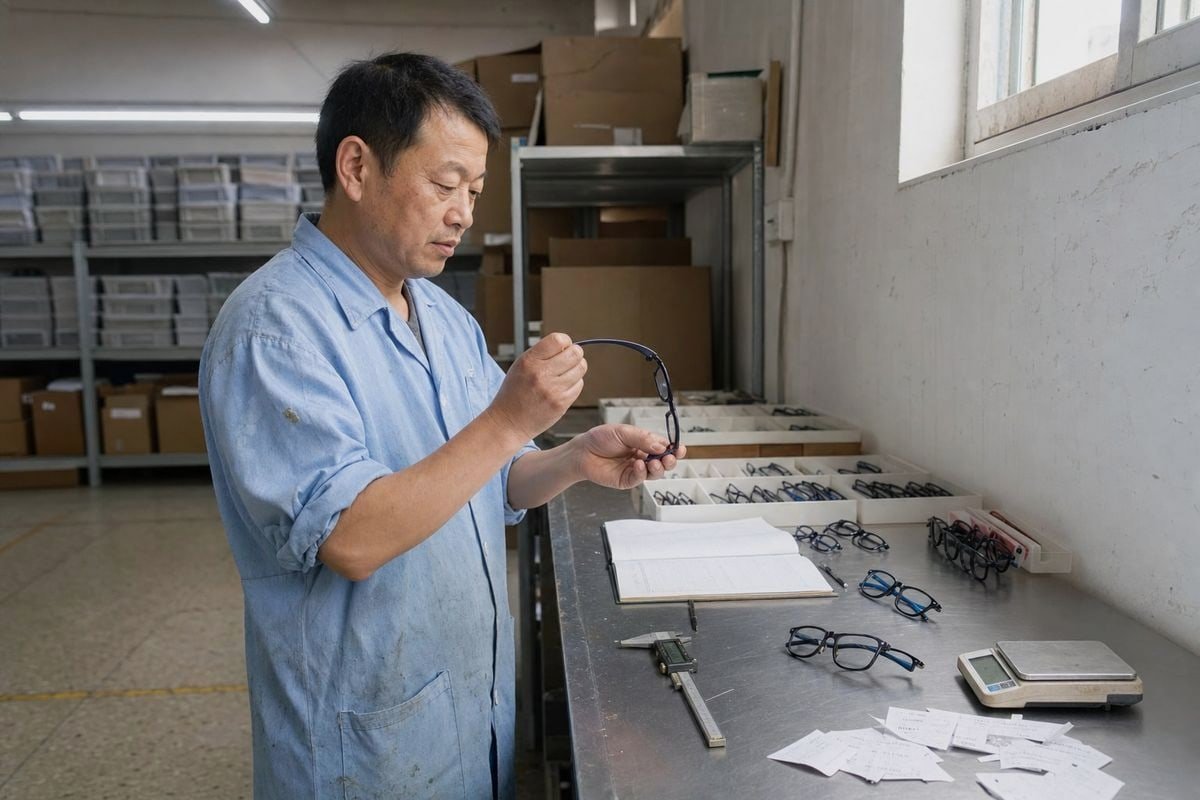
Children's eyewear is not adult eyewear scaled down. A child's nose bridge is flatter. Their ears sit differently. They drop, twist, and chew their frames. That is why our engineers build frames with TPEE temples and flexible spring hinges in the first place — and why your sample testing must go beyond a visual inspection.
Start with a critical request: ask for random production units, not showpieces. Any factory can polish one perfect sample. What you need to see is the consistency of a normal production run. When buyers ask us for units from different pre-production batches, we take it as a good sign — it tells us they understand frame material durability and will be a careful long-term partner.
A practical testing checklist
| Test area | What to do | What a pass looks like |
|---|---|---|
| 柔軟性 | Twist temples 90 degrees and flex the frame front | Returns to shape, no whitening or cracks |
| 中程度から重い | Weigh on a kitchen scale | Light enough not to slide on a small nose |
| Contact softness | Press nose pads and temple tips against skin | Soft, no hard edges; hypoallergenic silicone 3 frames or grips feel smooth |
| Hinge durability | Open and close 100+ times | No loosening; flexible spring hinges keep tension |
| Fit | Try on children in your target age band | Bridge sits flat, temples reach the ear curve |
| Safety and finish | Check edges, paint, small parts | No sharp points, no flaking, no detachable choke hazards |
Also verify paperwork before frames ship. Ask for material safety certifications 4 and UV400 test reports digitally. If a supplier hesitates to share test documentation for a children's product, that hesitation is your answer. Finally, gather real-child feedback. We encourage buyers to run short wear tests with parents and kids, then send us photos and notes. That feedback loop is how sample revisions actually improve.
How many styles should I request as try-on samples to test my market?
When we onboard new brands, the most common mistake I see is ordering one sample of one style. Our catalog holds around 800 既存のスタイル precisely because market testing needs breadth.
Request 4 to 8 styles as try-on samples, covering at least two age ranges, two frame shapes, and two colorways. Order 2 to 3 units of your top candidates from different batches to check consistency. This balances testing depth against sample costs.
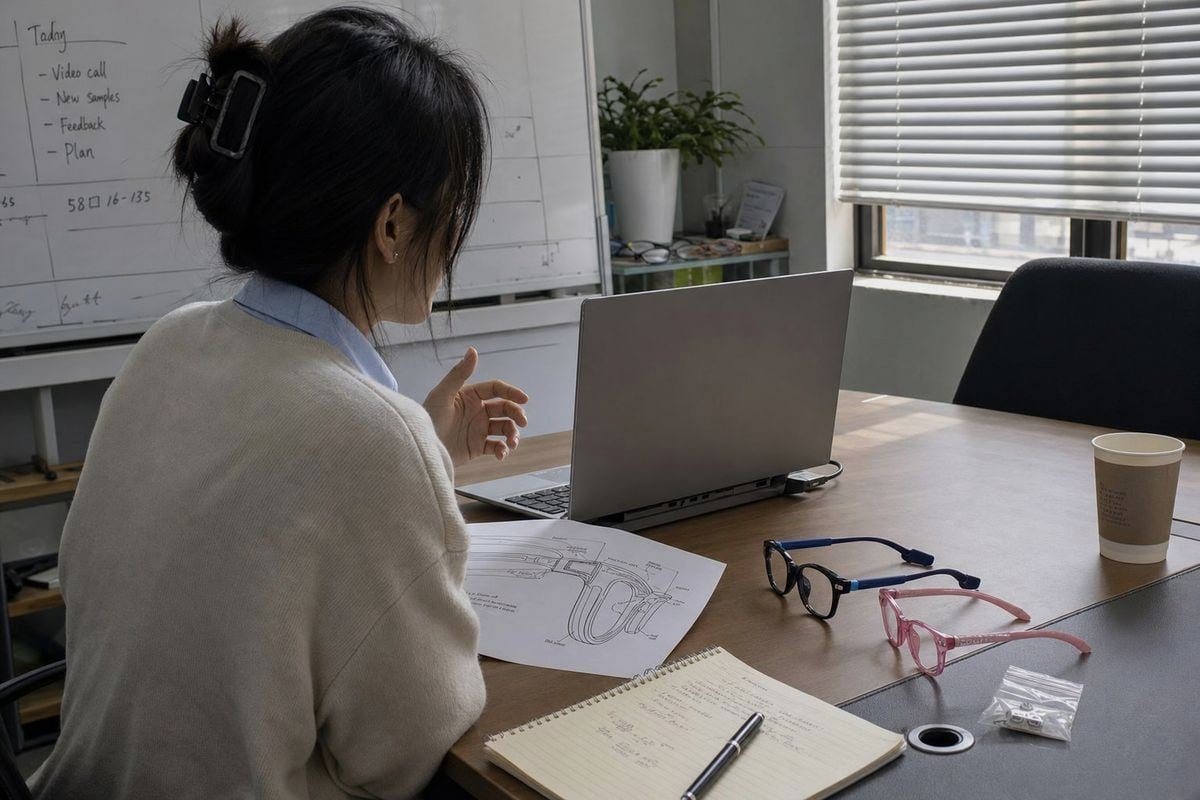
Why not just one? Because a single frame answers a single question. Market testing asks several questions at once: Which age band do you serve? Which shapes do local parents prefer? Do your customers want playful sporty designs — like our black frames with two-tone navy rubber temples and silicone ear hooks — or softer fashion looks, like a translucent blush-pink acetate style? One sample cannot answer all of that.
Here is the structure I recommend to buyers testing a new market:
- Two age bands minimum. Bridge width and temple length change fast as children grow. A frame that fits a 4-year-old will slip off an 8-year-old. Sampling two size bands verifies the supplier's pediatric sizing, not just one lucky fit.
- Two design directions. Pick one sporty, durable style and one fashion-forward style. Real try-on reactions from kids and parents will surprise you.
- Two colorways per hero style. Color drives kids' purchase decisions more than shape does.
- Duplicate units of finalists. Ask for 2–3 units of the same style, ideally from different pre-production batches, to compare finishing consistency and durability.
Matching sample count to your business stage
| Business stage | Suggested styles | 理由 |
|---|---|---|
| New brand, first launch | 4–6 styles | Test direction without heavy spend; avoid minimum order quantity 5 risk later |
| Established retailer adding kids' lines | 6–8 styles | Broader assortment testing across age bands |
| Distributor building a catalog | 8–12 styles | Coverage matters more than depth |
| Private label manufacturing 6 project | 2–4 styles, multiple revisions | Depth per style; revision samples confirm custom colors and logos |
One more note on cost control. A large existing catalog means you can test the market without paying for new molds, and a reasonable minimum order quantity per style keeps your first bulk order manageable. If your supplier offers neither, sampling widely becomes expensive fast — which is itself useful information about the partnership.
How long does it take to receive try-on samples from a kids eyewear manufacturer?
A buyer in Japan once asked me why her samples took five weeks while ours arrived in eight days. The answer was simple: hers were custom; ours came off the shelf.
Stock-style try-on samples typically arrive in 5 to 10 days, including express courier shipping. Custom samples — new colors, logos, or modified designs — take 2 to 4 weeks for production plus shipping. Confirm the timeline in writing before paying any sample fee.
Timeline depends on one question: does the sample already exist? At our workshop, stock styles ship within 1–3 working days because we only need to pick, pack, and book the courier. Express shipping to Europe, Australia, or Japan usually takes 4–7 days on top of that. So a realistic door-to-door window for existing styles is about a week to ten days.
Custom samples are a different process. If you want your logo printed on the temple, a specific Pantone color, or modified nose pads, we have to schedule a small production run, cure and finish the parts, and pass QC before shipping. That adds two to four weeks. Revision samples — a second round after your feedback — add another cycle. Buyers running a private label manufacturing project should budget for at least two rounds.
How to keep the timeline honest
A few habits protect your schedule:
- Ask for a written lead time before paying. Vague answers like "soon" or "next week maybe" are a warning sign.
- Request tracking numbers on dispatch. Any professional exporter provides them automatically.
- Use digital previews to shave days off. Spec sheets, 3D drawings, and real-wear videos can resolve questions that would otherwise need an extra sample round.
- Plan around trade seasons. Around major optical trade shows and Chinese New Year, factory sample queues stretch. Request samples a month earlier than you think you need them.
- Commit to a feedback deadline. Tell the supplier when you will report test results — for example, two weeks after receipt. This keeps the relationship active and signals that a decision, and possibly a bulk order or even a consignment inventory 7 discussion, is coming.
One caution: do not equate speed with quality. A factory that ships a custom kids' frame sample in three days probably skipped safety checks. For children's products, a slightly slower, documented process is the better outcome.
結論
Try-on samples for kids optical frames reward serious buyers. Request specifically, pay fairly, test on real children, sample multiple age bands, and confirm timelines in writing — then order confidently.
脚注
1. TR90 is a thermoplastic material; background link clarifies its properties for readers. ↩︎
2. Background on UV radiation explains why UV400 protection testing matters for kids’ eyewear. ↩︎
3. FDA consumer guidance relevant to hypoallergenic material safety claims for children’s products. ↩︎
4. ISO standards govern material safety certification processes referenced for children’s eyewear frames. ↩︎
5. Explains the sourcing concept of minimum order quantity referenced for bulk ordering decisions. ↩︎
6. Provides background on private label manufacturing model mentioned for custom eyewear projects. ↩︎
7. Background concept explaining consignment inventory arrangements mentioned as a business option. ↩︎
 English
  Español de México
  Deutsch
  Français
  日本語
日本語  العربية
  Português do Brasil