How to Find Kids Sunglasses Suppliers: Platform Search vs Partner Referrals?
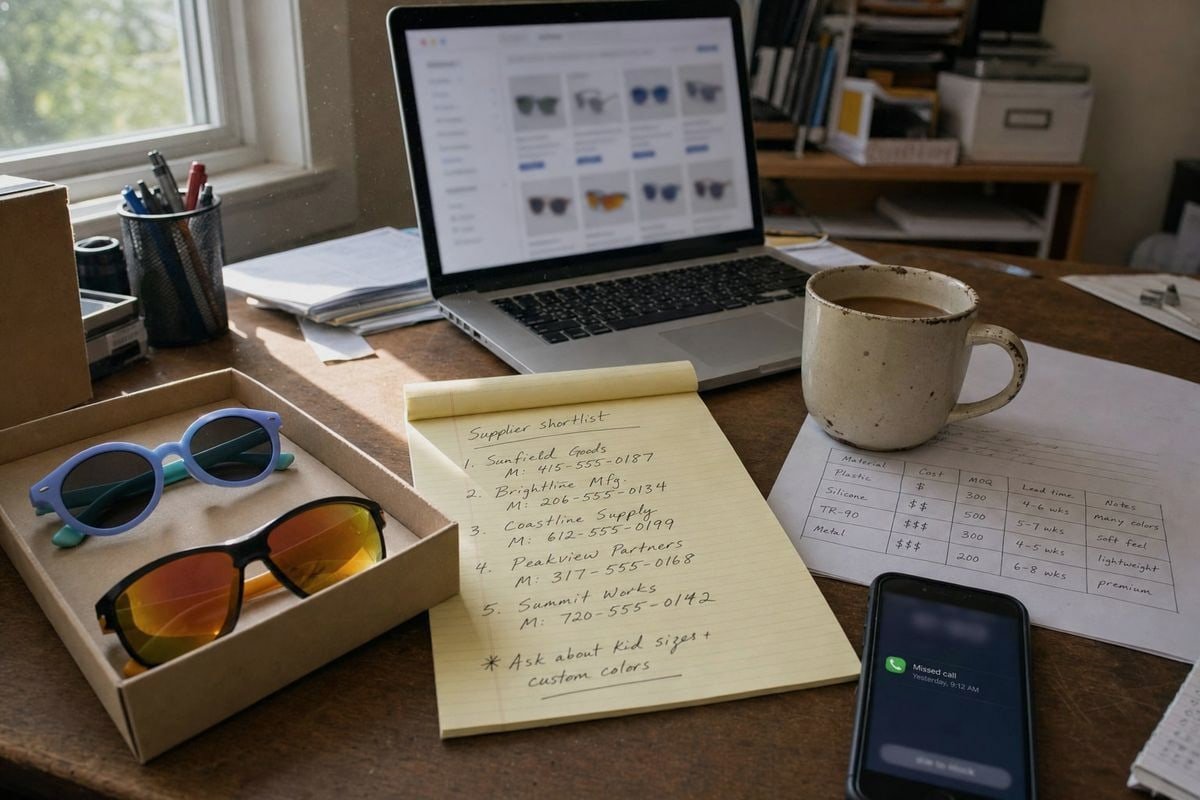
Finding reliable kids sunglasses suppliers can feel overwhelming. I hear this from buyers who visit our Taizhou factory every month, often after months of frustrating platform searching.
The best way to find kids sunglasses suppliers is a hybrid approach: use B2B platforms like Alibaba for broad discovery and price benchmarking, then validate through partner referrals, safety certifications, samples, and factory audits. Platforms give you options; referrals and verification give you confidence.
Both paths have real strengths and real risks. Below, I break down each route, show you how to vet suppliers properly, and share what fifteen years on the factory floor has taught me.
Should I search platforms like Alibaba or ask for trusted partner referrals when sourcing kids sunglasses suppliers?
A buyer from Australia once told me she messaged forty listings on Alibaba 1 before a distributor friend simply gave her our email. Both paths eventually work, but they work very differently.
Use both. Platform search on Alibaba, Made-in-China, or Global Sources maximizes discovery and price comparison, while partner referrals from trade shows, distributors, and industry contacts deliver pre-vetted, trustworthy leads. Start broad on platforms, then confirm your shortlist through referrals and independent due diligence.
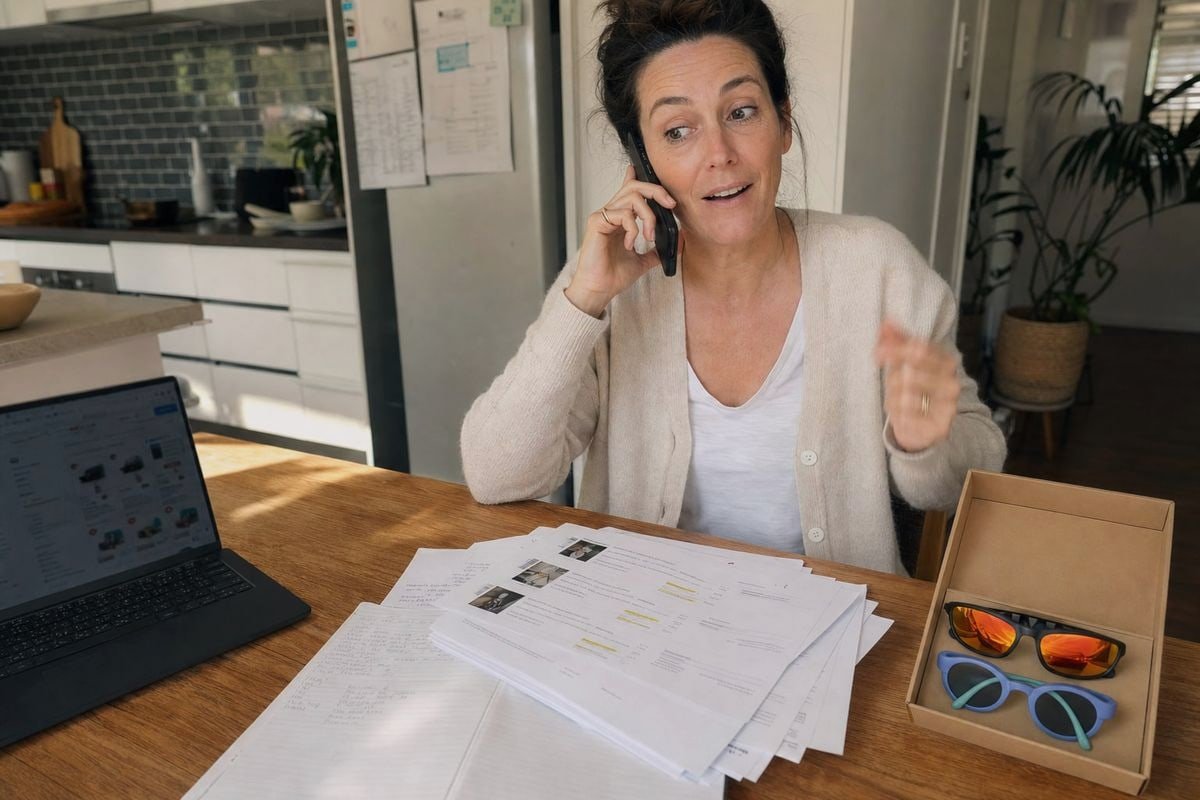
Here is a side-by-side view of the two sourcing paths before we go deeper:
| 要因 | Platform Search | Partner Referrals |
|---|---|---|
| Reach | Very wide; hundreds of listings per search | Narrow; limited to your network |
| Trust level | Low at first; needs heavy vetting | High; someone already tested the supplier |
| Speed to shortlist | Fast to gather, slow to verify | Slower to gather, fast to verify |
| Price leverage | Strong; easy to compare quotes | Moderate; less competitive pressure |
| Risk of trading companies | High on open marketplaces | Low; referrers usually know the factory |
What platform search actually gives you
B2B sourcing platforms are unmatched for discovery. A single search for children's eyewear on Made-in-China 2 can return over two hundred manufacturers and suppliers. That scale is useful for benchmarking prices and spotting design trends. But scale creates noise. Many listings are vague, use stock photos, or come from trading companies presenting themselves as wholesale eyewear manufacturers. You carry the full burden of verification.
What referrals actually give you
Trade show networking, distributor introductions, and word-of-mouth surface suppliers with a track record someone else has already experienced. Some of the best leads never advertise at all; they circulate in private e-commerce founder communities and Slack groups. In our experience, referred buyers arrive with better questions and close deals faster because the baseline trust already exists.
But referrals have a bias problem. Your contact may recommend the supplier who is convenient for them, not optimal for you. So even a referred factory should face the same sample tests and document checks as a platform find.
How can I verify a kids sunglasses supplier's safety certifications and quality control before placing my first order?
Last year, a European buyer showed us a competitor's CE report 3 that turned out to be forged. That moment convinced me that document verification deserves its own step in every sourcing process.
Request CPSIA, CE, and EN71-3 test reports, then verify them directly with the issuing laboratory. Confirm UV400 protection standards through independent lens testing, review the factory's QC records, and hire a third-party inspection firm to check 10–20% of your first shipment.
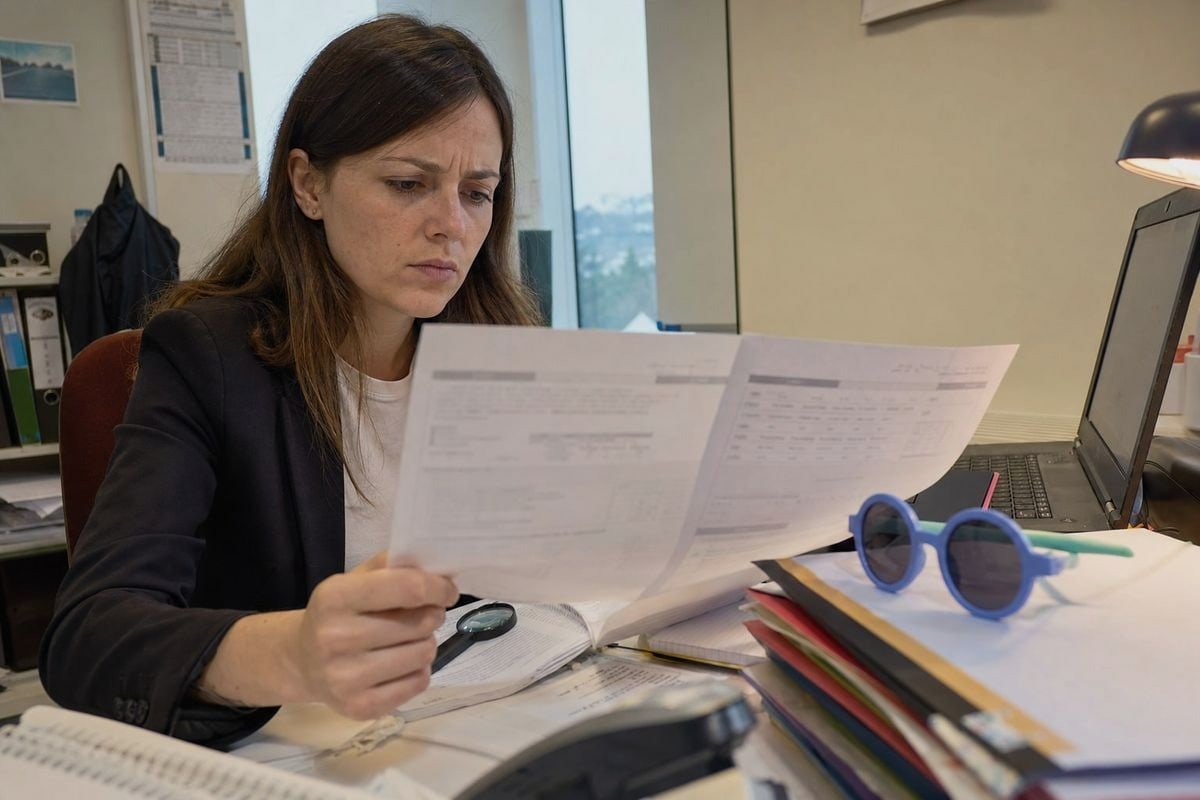
Children's eyewear is a safety product first and a fashion product second. That changes how you should vet suppliers. A pretty catalog means nothing if the lenses fail UV transmission tests or the frame material leaches restricted substances.
The certification checklist that matters
Different markets require different documents. Here is what our export customers across 20+ countries typically request:
| 市場 | Key Requirements | 確認内容 |
|---|---|---|
| アメリカ | CPSIA compliance, FDA drop-ball test | Lab report number, testing date, lead/phthalate limits |
| EU | CE marking, EN ISO 12312-1, EN71-3 | Notified body validity, migration test results |
| オーストラリア | AS/NZS 1067 | Lens category rating, UV transmittance data |
| Global baseline | UV400保護基準 | Independent spectrophotometer test on actual samples |
Never accept a PDF at face value. Call or email the laboratory listed on the report and confirm the report number matches the supplier's legal name. Forged compliance reports are more common than most first-time buyers expect.
Beyond paperwork: proving real quality control
Documents show a supplier passed a test once. Quality control 4 shows they pass it every day. Ask for factory audit procedures in writing: incoming material inspection, in-process checks, and final random sampling standards. At our own workshop, we run 5S管理 5 across production lines, and we encourage buyers to request a live video tour so they can see it, not just read about it. You can also use customs data tools to check a supplier's 船荷証券 6 history, which reveals their real export volumes and which brands they actually ship to. Finally, book SGS, Intertek 7, or a similar firm to inspect a portion of your first order before it leaves the port. The cost is small compared to a recalled shipment of children's products.
What questions should I ask a potential supplier to confirm they truly specialize in flexible, child-safe eyewear materials?
There is a trade-off I weigh every time we quote a new project: rigid frames are cheaper to mold, but a toddler will sit on their sunglasses within a week. Material choice decides whether the product survives real childhood.
Ask which flexible materials they use — TPEE and TR90 are the benchmarks — how they design for children's flatter nose bridges and lower ear positions, what twist and drop tests they run, and whether they can show existing kids-specific molds rather than downsized adult frames.
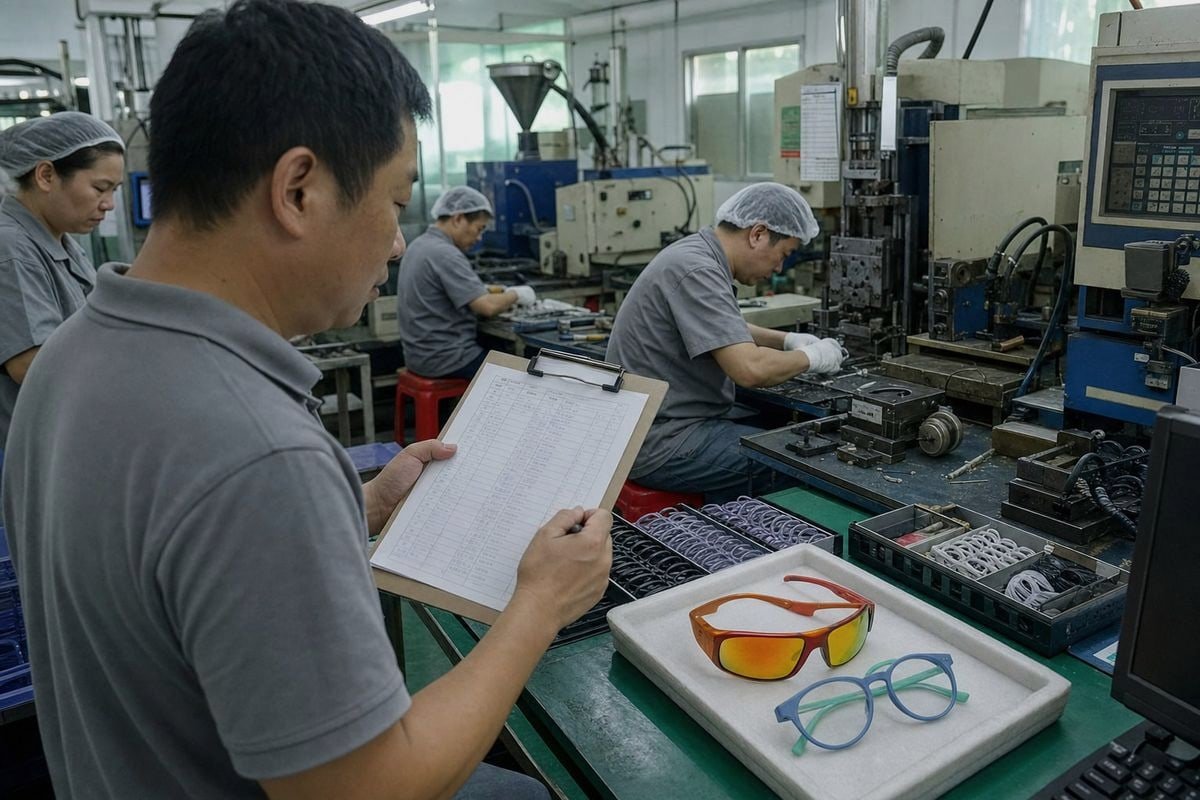
Many general fashion eyewear suppliers will claim they can make kids' products. Most cannot do it well. Children's eyewear demands specific material science and ergonomic knowledge, and the right questions expose the difference quickly.
The material questions
Start with substance, not style. Ask exactly what polymer the frames and temples use. TPEE flexible frames can twist nearly flat and spring back, which is why we pair TR90 fronts with TPEE temples on most of our children's styles. If a supplier answers with vague terms like "soft plastic" or "safe material," treat that as a red flag. Then ask whether their materials are environmentally friendly and documented, since Gen Alpha parents increasingly expect sustainability claims, and certifications like the Global Recycled Standard are becoming genuine selling points at retail.
The design and testing questions
Children are not small adults. Their nose bridges are flatter, their ear positions sit lower, and their skin is more sensitive to pressure points. A true specialist can explain how their frame geometry adapts to each age group. Use this question set on every call:
- Which materials do you use for frames and temples, and why?
- How do your kids' frames differ ergonomically from adult frames?
- What flexibility, twist, and drop tests do you perform, and can I see video?
- How many kids-specific molds and existing styles do you have?
- Do your lenses meet UV400 protection standards with test data per batch?
- What happens if a hinge screw or temple fails in the field?
A supplier with genuine expertise, like our engineering team that has developed roughly 800 children's styles over fifteen years, will answer these in detail without hesitation. A generalist will deflect toward price.
Why might starting with an experienced OEM/ODM manufacturer save me time and reduce risk compared to endless platform searching?
A Japanese baby-brand buyer once arrived at our office with a spreadsheet of thirty platform suppliers and six months of dead-end conversations. Within one meeting, she picked eight existing styles and had samples shipped that week. That contrast stuck with me.
An experienced OEM/ODM manufacturer offers existing tooling, proven child-safety compliance, and full private label manufacturing support, so you skip mold investment, shorten development from months to weeks, and reduce quality risk. Endless platform searching mostly multiplies unverified options without solving trust or capability.
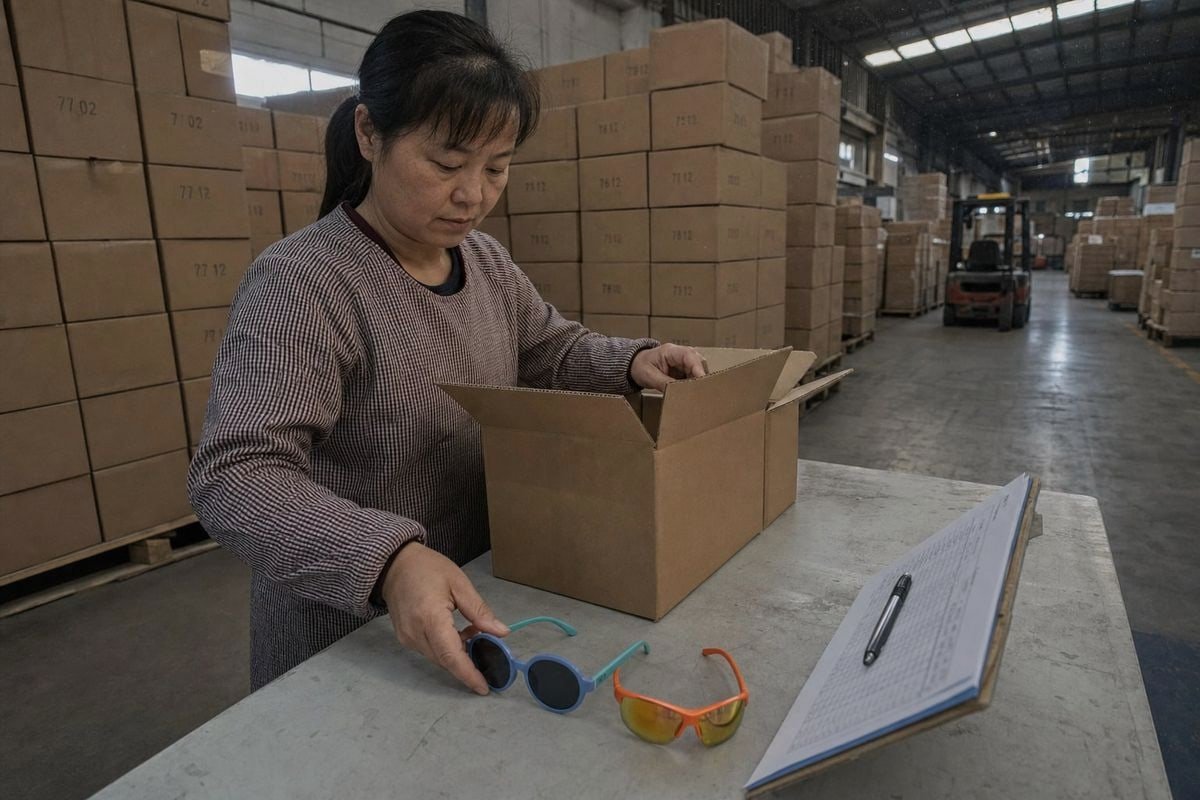
Platform searching feels productive because it generates activity: messages sent, quotes received, catalogs downloaded. But activity is not progress. Progress means a compliant, comfortable, retail-ready product landing in your warehouse on schedule. An established OEM/ODM partner compresses that path in several concrete ways.
Existing styles remove the biggest startup barrier
Custom molds cost thousands of dollars and add months to development. A factory with a deep library of ready styles — buyers choosing from our roughly 800 designs is the most common starting point — lets a new brand test the market with custom colors, logos, lenses, and packaging instead of tooling investment. That is the core of practical OEM/ODM services: you get differentiation without the mold bill.
Time and risk, compared honestly
| ステージ | Endless Platform Searching | Experienced OEM/ODM Partner |
|---|---|---|
| Supplier vetting | Weeks of filtering traders from factories | Done once; audit one real factory |
| Product development | New molds or unverified stock items | Proven molds, adjustable specs |
| コンプライアンス | Chase documents listing by listing | CPSIA, CE, UV400 reports on file |
| Minimum Order Quantity | Varies wildly; often hidden until late | Clear MOQ and lead time upfront |
| Long-term consistency | Resets with every new supplier | One relationship, improving each order |
The risk factors buyers underestimate
Two objections come up often, and both deserve honest answers. First, buyers worry that committing to one manufacturer reduces flexibility. In practice, geopolitical hedging strategies like China Plus One can still sit alongside a primary partner; the point is not exclusivity but a verified anchor supplier. Second, buyers assume a specialist factory costs more than the cheapest listing. It usually does, slightly. But the cheapest quote on a children's safety product routinely hides thinner lenses, brittle hinges, or missing compliance testing. When we sit down with procurement managers from kids' brands in Europe and Australia, the conversation is never about the lowest price. It is about consistent quality, on-time delivery, professional packaging, and someone answering emails within a day. Those are the factors that decide whether your brand survives its second season.
結論
Search platforms broadly, verify through referrals and audits, insist on real material expertise, and anchor your supply chain with a proven OEM/ODM partner. That hybrid path finds kids sunglasses suppliers you can trust for years.
脚注
1. Alibaba is the leading B2B platform buyers use for discovering kids sunglasses suppliers. ↩︎
2. Made-in-China is a major sourcing platform referenced for benchmarking supplier listings. ↩︎
3. Official EU page explains CE marking requirements referenced when verifying compliance documents. ↩︎
4. Background concept explaining the quality control processes suppliers should demonstrate. ↩︎
5. 5S methodology is the lean manufacturing system referenced for factory production lines. ↩︎
6. Explains the trade document used to verify a supplier’s actual export shipment history. ↩︎
7. SGS is a leading third-party inspection firm used to verify shipment quality before export. ↩︎
 English
  Español de México
  Deutsch
  Français
  日本語
日本語  العربية
  Português do Brasil