How Do D2C Eyewear Brands Register Private Label Kids Optical Frames With the FDA?
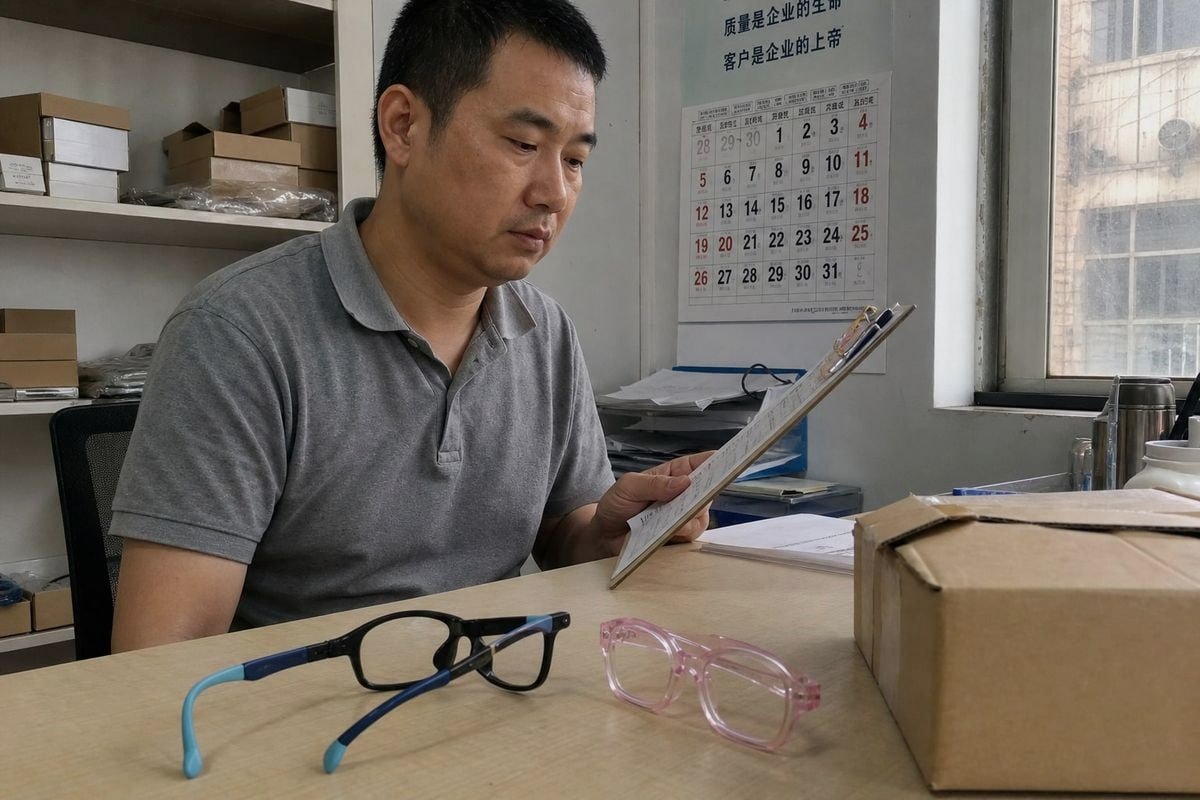
Registering private label kids optical frames with the FDA confuses many of the D2C founders who contact our Taizhou factory. Skip a step, and customs can hold your first shipment.
D2C eyewear brands register private label kids optical frames by completing FDA establishment registration and device listing under the brand’s trade name. Frames are Class I, 510(k)-exempt medical devices, so no premarket approval is needed — but registration is annual, and foreign factories must appoint a United States Agent.
That short answer covers the core. But the details decide whether your launch goes smoothly or stalls at the border. Let me walk you through each step below.
What FDA Requirements Do I Need to Meet Before Launching My Private Label Kids Optical Frames?
A buyer from Australia once asked me why her US retail partner requested "FDA paperwork" for plastic kids frames with demo lenses. Her surprise is common — most new brands assume eyewear is just a fashion product.
Before launch, you must confirm the medical device classification of your frames, complete establishment registration, list each device with the FDA, follow quality system regulation, meet FDA labeling requirements, and certify any lenses as impact resistant under 21 CFR 801.410.
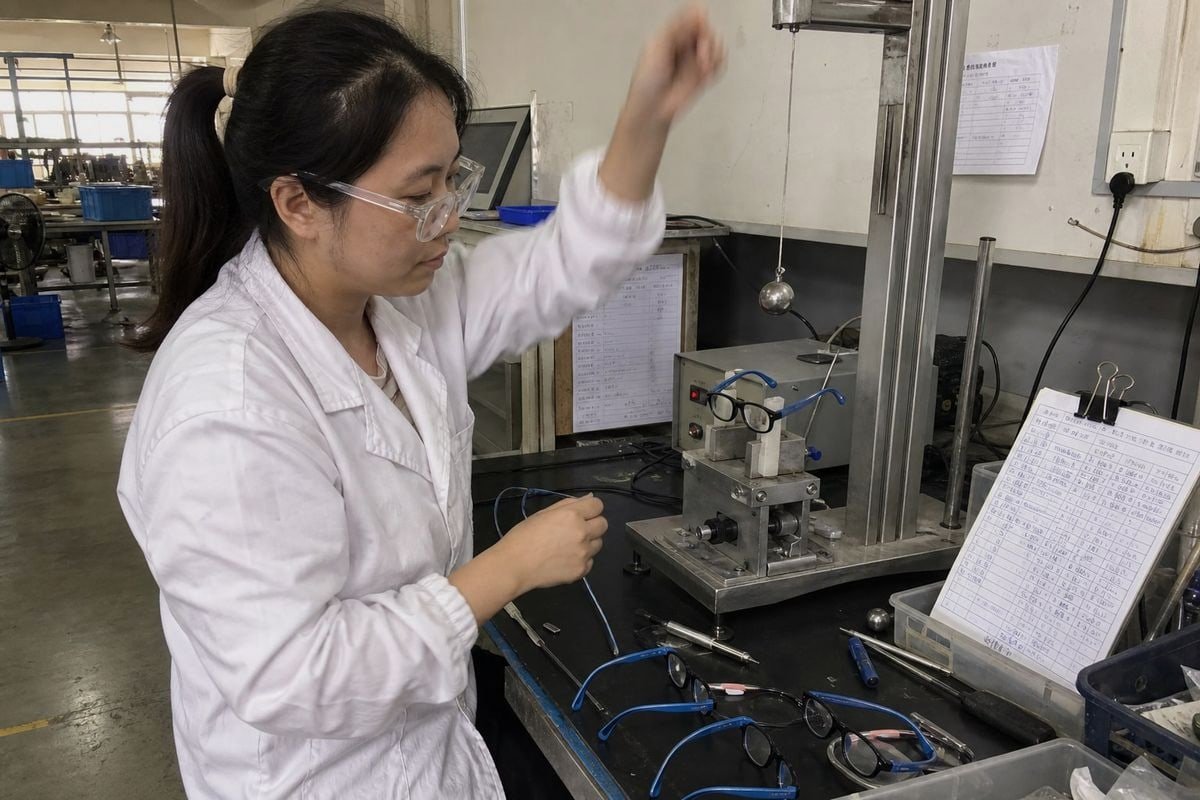
The FDA treats spectacle frames — including kids optical frames — as クラスI医療機器 1. That sounds intimidating, but Class I is the lowest-risk tier. The good news is the 510(k) exemption: spectacle frames, spectacle lenses, and sunglasses do not require Premarket Notification. You will never file a 510(k) for a standard kids frame. What you cannot skip is the administrative side.
The Core FDA Obligations at a Glance
| 要件 | 意味 | Who Handles It |
|---|---|---|
| Establishment registration | Annual registration of each facility that makes, imports, or initially distributes the frames | Manufacturer and initial US importer |
| Device listing | Each device type listed with FDA, reflecting the trade name it is sold under | Manufacturer, with private labeler info |
| Quality system regulation 2 | Manufacturing controls under 21 CFR 820 covering design, production, and labeling | Factory, verified by the brand |
| Impact resistance testing | Drop ball test certification for lenses under 21 CFR 801.410 3 | Lens supplier or lab |
| FDA labeling requirements | Truthful labels, no "FDA approved" claims | Brand and factory together |
Why "Kids" Does Not Change the FDA Pathway
There is no separate FDA registration route just because the frames are for children. The registration and device listing process is identical to adult frames. However, kids products carry extra obligations outside the FDA framework — most importantly children's product safety rules under CPSIA, which govern lead content and phthalates. In our experience developing TR90 frames with soft TPEE temples for children, buyers who prepare both FDA and CPSIA documentation at the same time avoid nearly all US import friction. Treat them as two parallel tracks, not one.
How Do I Register My Brand as a D2C Eyewear Company With the FDA?
One lesson we learned early in fifteen years of exporting eyewear: brands often assume registration is a one-time filing. Then their renewal lapses, and a shipment sits in customs while everyone scrambles.
Determine your role first — importer, initial distributor, or specification developer — then register your establishment through the FDA's Unified Registration and Listing System, pay the annual fee, and ensure your kids frames are listed under your trade name. Foreign factories must also register and appoint a United States Agent.

Registration is not approval. The FDA states this plainly: registration and listing do not mean a product is approved, cleared, or certified, and the FDA does not issue registration certificates. Keep that in mind for your marketing later.
Step-by-Step Registration Workflow
- Identify your regulatory role. If you import the frames into the US under your own brand, you are typically the initial importer and must register. If you only buy from a US distributor who already imports, your duties shrink considerably.
- Confirm the factory's registration. Your overseas OEM must hold its own annual establishment registration and must designate a United States Agent as the FDA liaison. Ask for proof before you sign a purchase order.
- Register your establishment. US-based importers and initial distributors register through FDA's electronic system and renew every year.
- Handle device listing under your trade name. When frames are marketed under the private labeler's brand name, the device listing must reflect that name. Coordinate with your factory so the listing structure matches how the product actually appears in the market.
- Check the public database. FDA's registration and listing database is updated weekly, usually every Monday. Verify that your entries and your factory's entries appear correctly.
- Calendar the renewal. Annual renewal is the step lean D2C teams forget most often. Set a recurring reminder before the renewal window opens.
Depending on your device type and listing details, a Unique Device Identifier (UDI) 4 obligation may also apply, so confirm your UDI status with your factory or a regulatory consultant rather than assuming Class I products are always fully excused.
Can My OEM Manufacturer Help Me Prepare Documentation for FDA Compliance?
When a Japanese kids brand chose one of our roughly 800 existing frame styles for a private label launch, their first email after sampling was not about colors — it was a documentation checklist. That instinct was exactly right.
Yes. A capable OEM should provide its establishment registration number, United States Agent details, device listing confirmation, drop ball test certificates for lenses, material safety data, and quality system records. Request this documentation package before production starts, not after your goods ship.
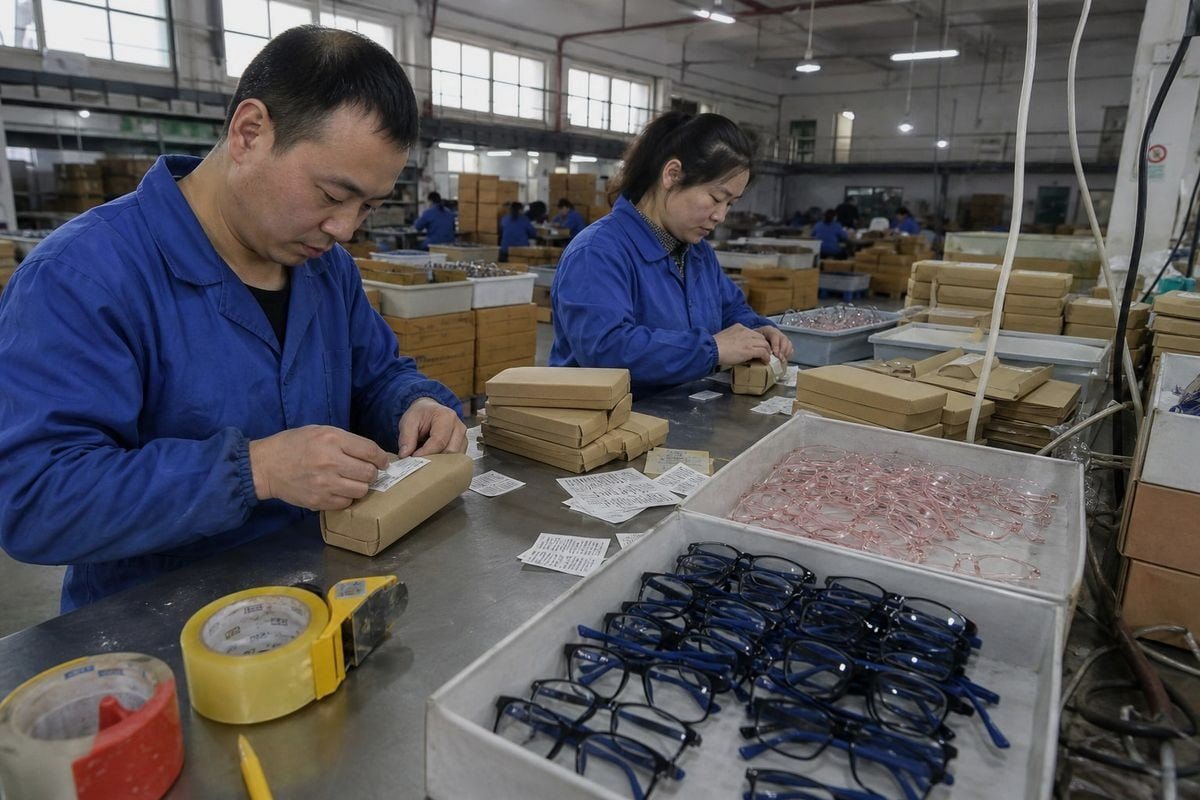
Your factory sits on most of the evidence the FDA framework relies on. At our workshop, we keep production records, material certificates, and QC inspection reports organized under 5S management precisely because international buyers need them fast. But you should never treat the OEM's paperwork as a black box. Verify it.
The Documentation Package to Request From Your OEM
| 文書 | 目的 | When to Request |
|---|---|---|
| FDA establishment registration number | Proves the factory is registered and current | Before signing the order |
| United States Agent contact | Confirms the FDA liaison for a foreign factory | Before signing the order |
| Device listing details | Confirms your frames are listed, including your trade name | During pre-production |
| Impact resistance certificates | Drop ball test records for lenses per shipment | With every shipment |
| Material compliance reports | Supports CPSIA lead and phthalate limits for kids products | During sampling |
| QC and quality system records | Demonstrates 21 CFR 820-style manufacturing controls | Ongoing, per production run |
Where Responsibility Splits Between Brand and Factory
A private label arrangement changes who is named on the paperwork, not whether the rules apply. Your OEM handles factory-side registration, production controls, and test records. You handle importer-side registration, your product pages, your packaging claims, and your renewal calendar. In our OEM/ODM projects — custom colors, logos, lenses, and retail-ready packaging — we prepare the factory-side file, and we always tell buyers plainly: keep your own copies. If your supplier relationship ever changes, your compliance history should not disappear with it.
What Safety and Material Standards Should I Confirm With My Factory Before FDA Submission?
Flexibility versus rigidity is a trade-off our engineers weigh on every kids frame. A stiff acetate front holds lens shape well, but a child's temple bar must bend and recover — which is exactly why we pair TR90 fronts with TPEE temples.
Confirm impact resistance testing for lenses under 21 CFR 801.410, CPSIA compliance for lead and phthalates, non-toxic and skin-safe frame materials, durability and flex testing for temples and hinges, and accurate labeling. Get written test evidence for each item before submission and shipment.
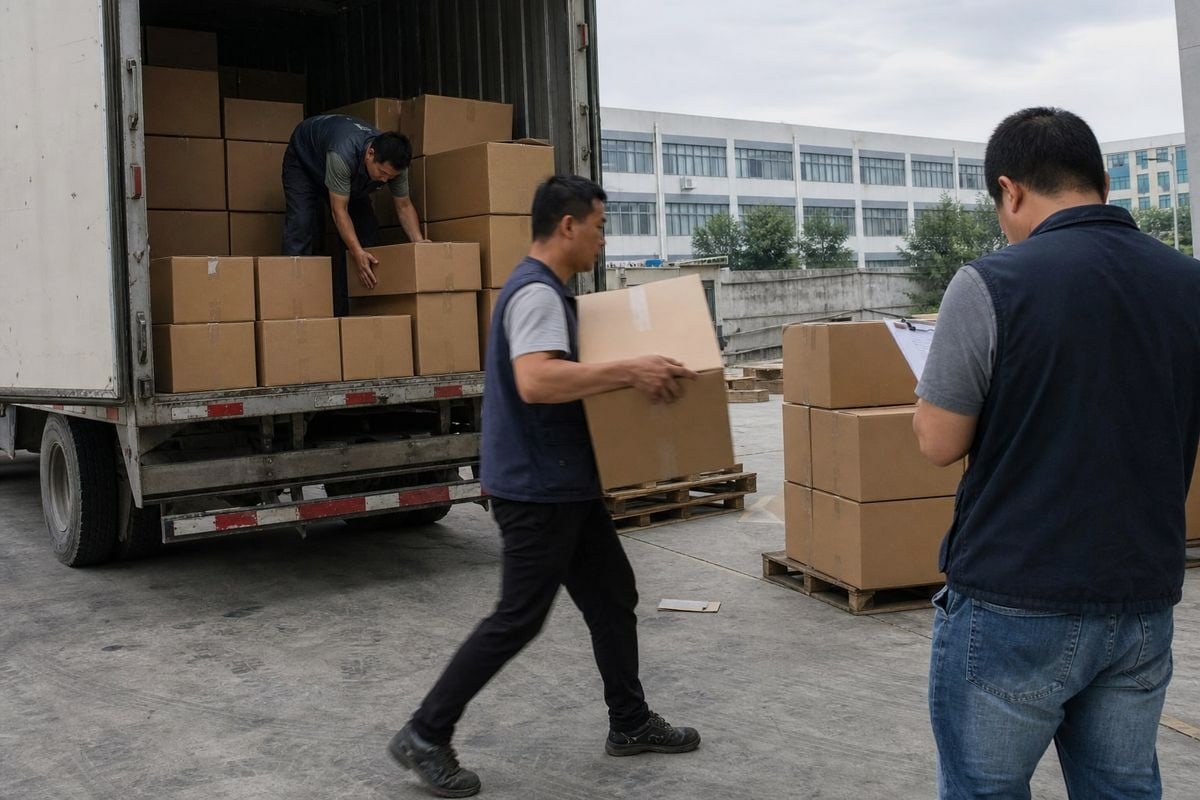
FDA registration is administrative. Safety substance is physical. Both matter, and the second one protects real children's faces.
Lens Impact Resistance Comes First
If your frames ship with lenses — even demo lenses that will be replaced by an optician — clarify the impact resistance status. Prescription and sunglass lenses must be certified impact resistant under 21 CFR 801.410, commonly demonstrated by the drop ball test. Ask your lens supplier who performs the test, how records are kept, and whether certification travels with each shipment. Import brokers frequently request these certificates, and missing paperwork causes real delays.
Material Safety Beyond the FDA
Kids frames touch skin for hours daily, so material choice is a children's product safety issue as much as a regulatory one. Here is how we frame the comparison for buyers choosing materials:
| Material Aspect | 確認内容 | 子供にとってなぜ重要か |
|---|---|---|
| Frame polymer (TR90, TPEE) | Non-toxic, environmentally friendly grade certificates | Constant skin contact; children chew and bend frames |
| Surface coatings and paints | Lead content within CPSIA limits | CPSIA sets strict lead thresholds for children's products |
| Soft components (temple tips, nose pads) | Phthalate-free test reports | Plasticizers are restricted in children's products |
| Hinges and temples | Flex and durability testing results | Active kids drop, twist, and sit on their glasses |
| Labels and packaging | FDA labeling requirements, no "FDA approved" wording | Misleading claims invite enforcement and platform takedowns |
One Marketing Warning Worth Repeating
Never print "FDA approved" or "FDA certified" on your packaging, website, or ads. Registration does not equal approval, and the FDA rejects those claims outright. Safe phrasing is factual: "manufactured in an FDA-registered facility" or "lenses certified impact resistant per 21 CFR 801.410."
結論
Private label kids optical frames need no 510(k), but they demand annual registration, correct device listing, verified lens testing, and honest labeling. Partner with a factory that hands you the paperwork upfront — and launch with confidence.
脚注
1. Provides official FDA classification of medical devices, including Class I. ↩︎
2. Explains the FDA’s quality management system requirements for medical devices. ↩︎
3. Provides the official text of the regulation for impact-resistant lenses in eyewear. ↩︎
4. Found an official FDA page specifically titled ‘UDI Basics’ within the Unique Device Identification System section. ↩︎


 English
  Español de México
  Deutsch
  Français
  日本語
日本語  العربية
  Português do Brasil