How Do Customizing Kids Sunglasses Affect Labor Hours and Delivery Delays?
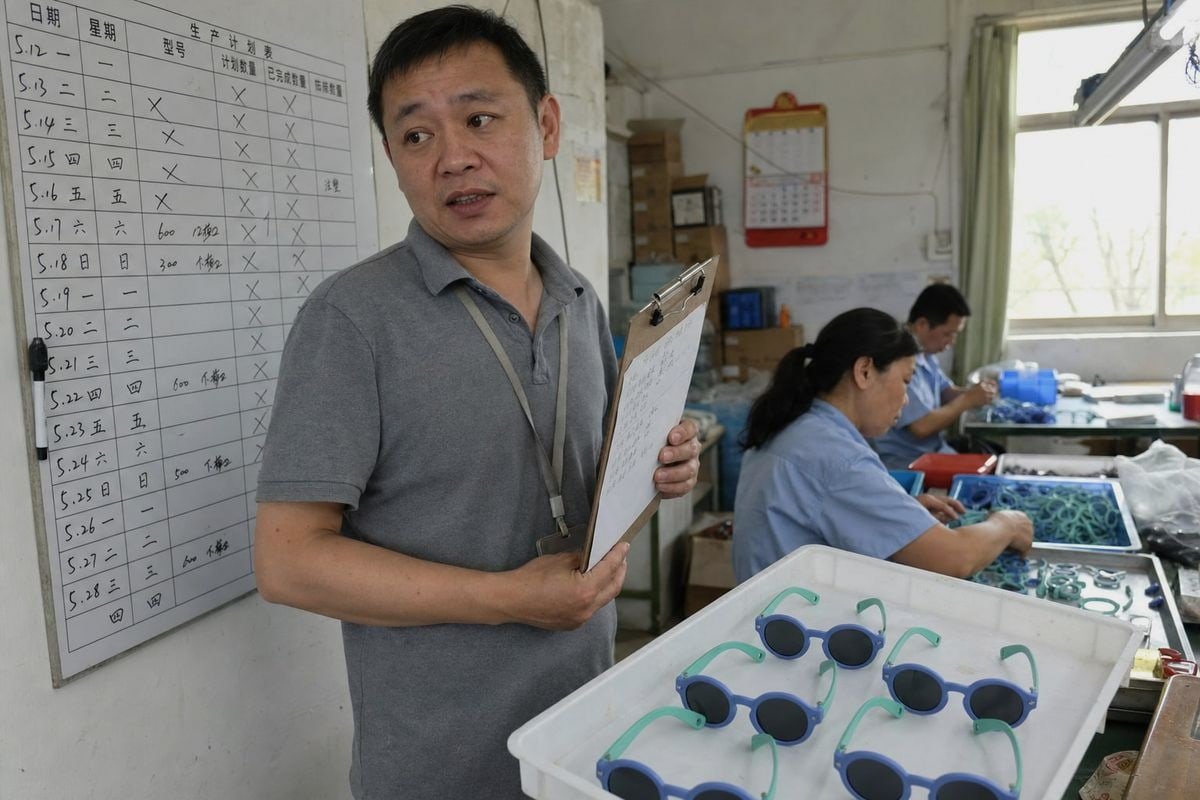
Customizing kids sunglasses looks simple until your launch date slips. On our Taizhou production line, I have watched one late Pantone approval quietly erase two weeks of schedule.
Customizing kids sunglasses increases labor hours and delivery delays because every added specification—logo, color, lens, mold, or packaging—adds design work, sampling, tooling, inspections, and approvals. Stock frames with a logo ship in roughly 5–10 days, while fully custom orders commonly need 45–90 days.
The good news is that most delays are predictable. Once you see where labor hours pile up, you can plan around them. Let me walk you through each stage.
How much extra production time should I expect when I customize kids sunglasses with my own logo and colors?
Last spring, a buyer from Australia asked me why her logo-only order shipped in a week while her custom-color order took a month. The answer sits in labor hours.
Expect roughly 5–10 days for logo pad printing on stock kids sunglasses, 15–30 days for private-label work with custom colors, and 45–90 days for fully custom frames. Each customization layer adds design confirmation, sampling, setup, and quality control inspections to the manufacturing lead time.
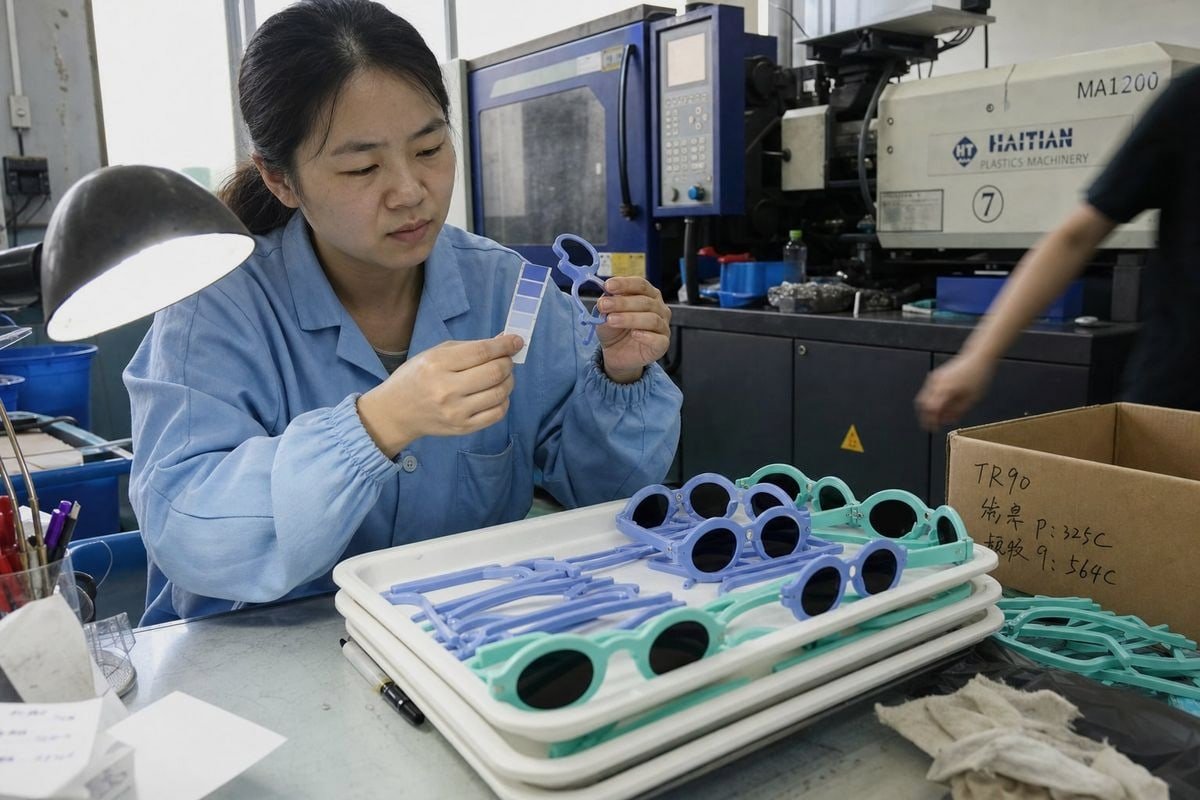
The key idea is that customization changes your order from a picking task into a production project. When a buyer chooses one of our roughly 800 existing styles and only adds a logo, our workshop pulls finished frames from inventory management 1, runs logo pad printing, inspects, and packs. That whole order fulfillment cycle can close in under two weeks.
Custom colors change the math. New frame colors mean new material batches, injection machine setup 2, color matching against your Pantone codes, and a confirmation sample before mass production. Each of those steps consumes technician hours and calendar days. In our experience exporting to 20+ countries, color-matched TR90 and TPEE orders sit in that 15–30 day window when decisions come back quickly.
Typical Lead Time by Customization Level
| Customization level | 内容 | Typical lead time |
|---|---|---|
| Stock style + logo only | Logo pad printing or laser engraving on existing frames | 5–10 days |
| Private label / light custom | Custom frame colors, lens tints, branded temple prints | 15〜30日 |
| Full OEM with new mold | Bespoke frame design, tooling, sampling, compliance testing | 45–90 days |
Why Labor Hours Multiply, Not Add
Every extra specification creates extra touch points. A two-color order needs two setups, two inspections, and two chances for rework. A gradient mirrored shield lens, like the sport wraparound styles we produce, adds coating steps and stricter visual checks than a plain dark lens. Labor hours grow with complexity, and manual labor costs grow with them. That is why I always ask buyers to lock the spec sheet before we book machine time.
Will choosing from existing styles instead of new molds help me avoid delivery delays?
A trade-off I weigh with almost every new brand: invest 45–90 days in a unique mold, or launch fast from our existing style library and test the market first.
Yes. Choosing existing styles removes mold development entirely, which alone takes 30–40 days and can stretch to two months for complex designs. Stock-based customization with your logo, colors, and packaging typically ships in 15–30 days instead of 45–90 days for new tooling.
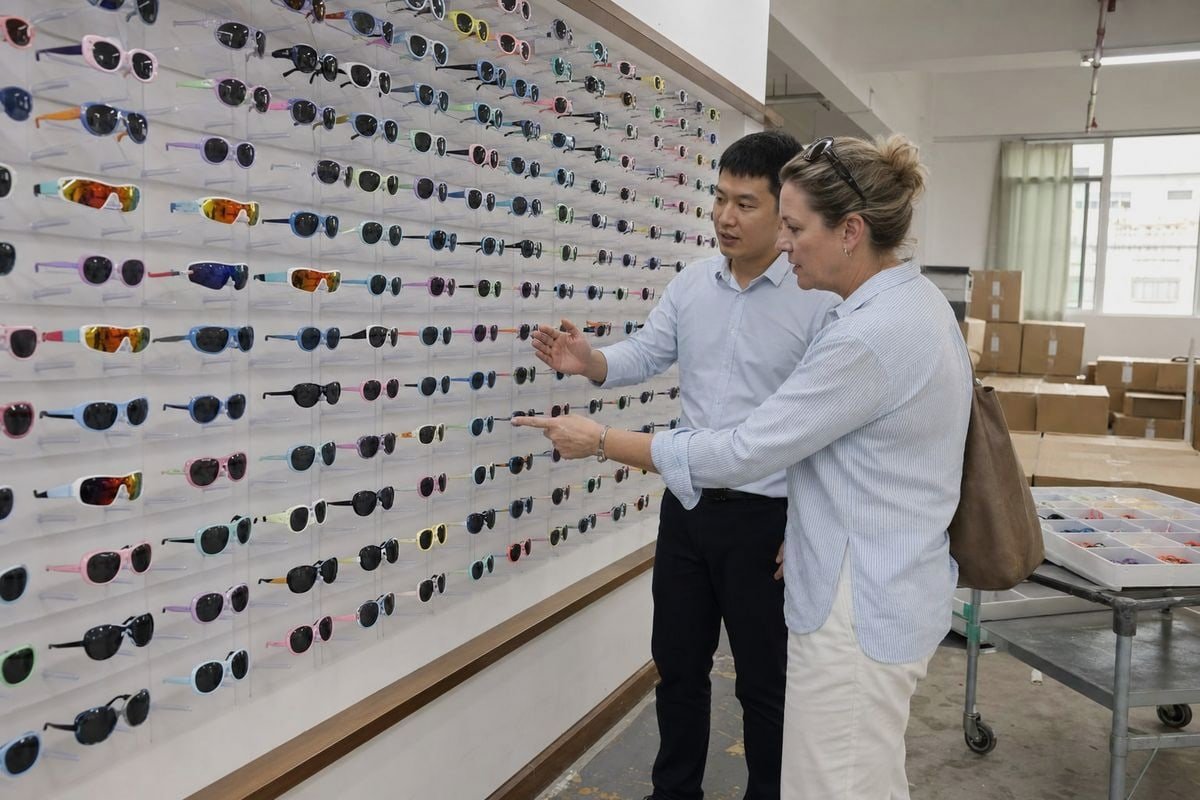
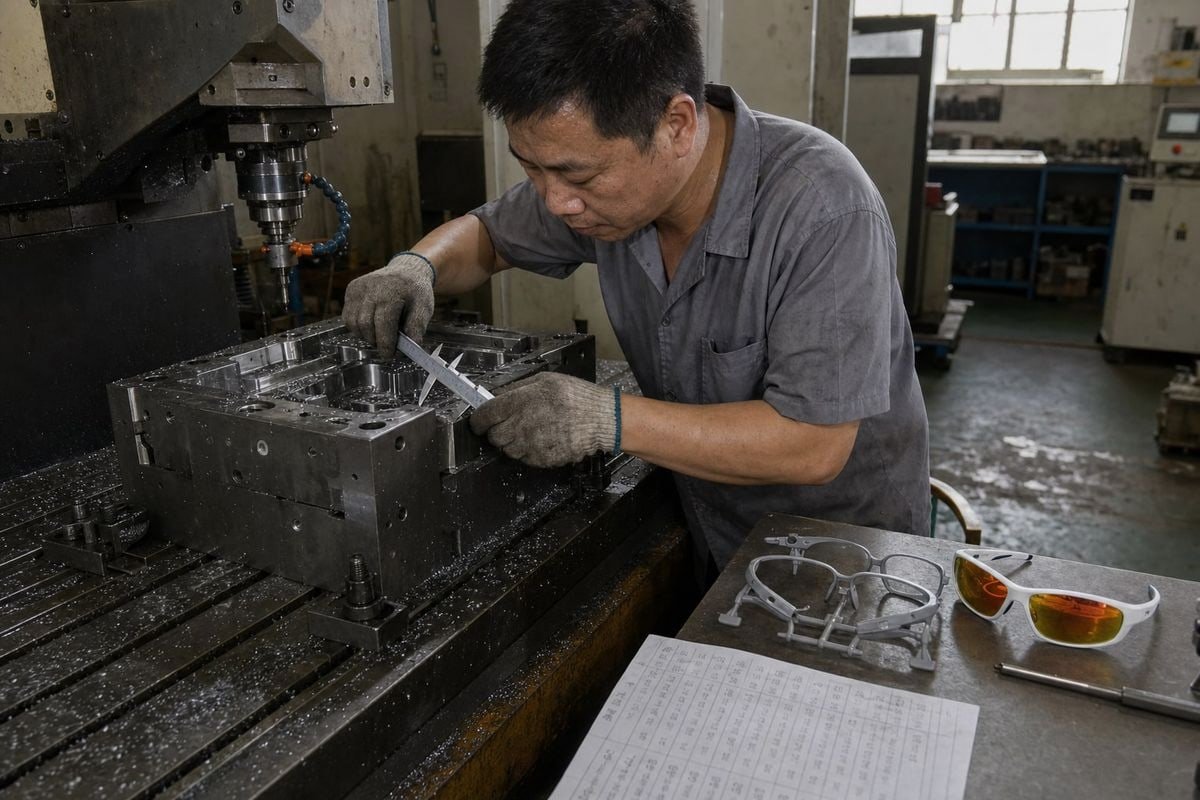
New molds are the single biggest time penalty in eyewear customization. Full OEM tooling typically adds 45 to 90 days compared to using existing open-market molds. The steel must be machined, tested, and adjusted. Then samples come off the tool, get reviewed, and often trigger mold corrections. Each correction loop burns another one to two weeks.
Existing styles skip all of that. At our factory, we keep around 800 proven kids styles—round two-tone frames, sport wraparound shields, flexible TPEE-temple designs—so a new brand can pick a shape that already fits children's faces, already passes impact testing 3, and already runs smoothly through our production throughput. You still get your own colors, logo, lenses, and packaging, so the shelf product looks fully yours.
The Honest Counterargument
Some buyers push back: does a unique mold justify the delay? Sometimes, yes. A bespoke frame design gives stronger differentiation and can support better retail margins. My advice is sequence, not sacrifice. Launch season one on stock frames to validate demand, then invest in tooling for season two once sales data supports it. That approach protects your delivery date and your mold budget at the same time.
Material Choice Also Matters
Frame material affects labor intensity too. Injection-molded TR90 runs fast and consistently. Handmade acetate needs hundreds of manual polishing and CNC cutting steps, which is why we build most children's frames in TR90 and TPEE—faster to produce, and safer and more flexible on small faces.
What customization details tend to slow down labor hours the most in a factory workshop?
Our workshop supervisor keeps a simple rule on the 5S board 4: every extra variant is an extra changeover. After 15 years in eyewear, I have seen which details truly hurt.
New molds, multiple sample revisions, many color variants, special lens coatings, and custom packaging slow labor hours the most. Each one adds machine setup, matching work, quality control inspections, and rework risk, creating work-in-progress bottlenecks at assembly and extending the manufacturing lead time.
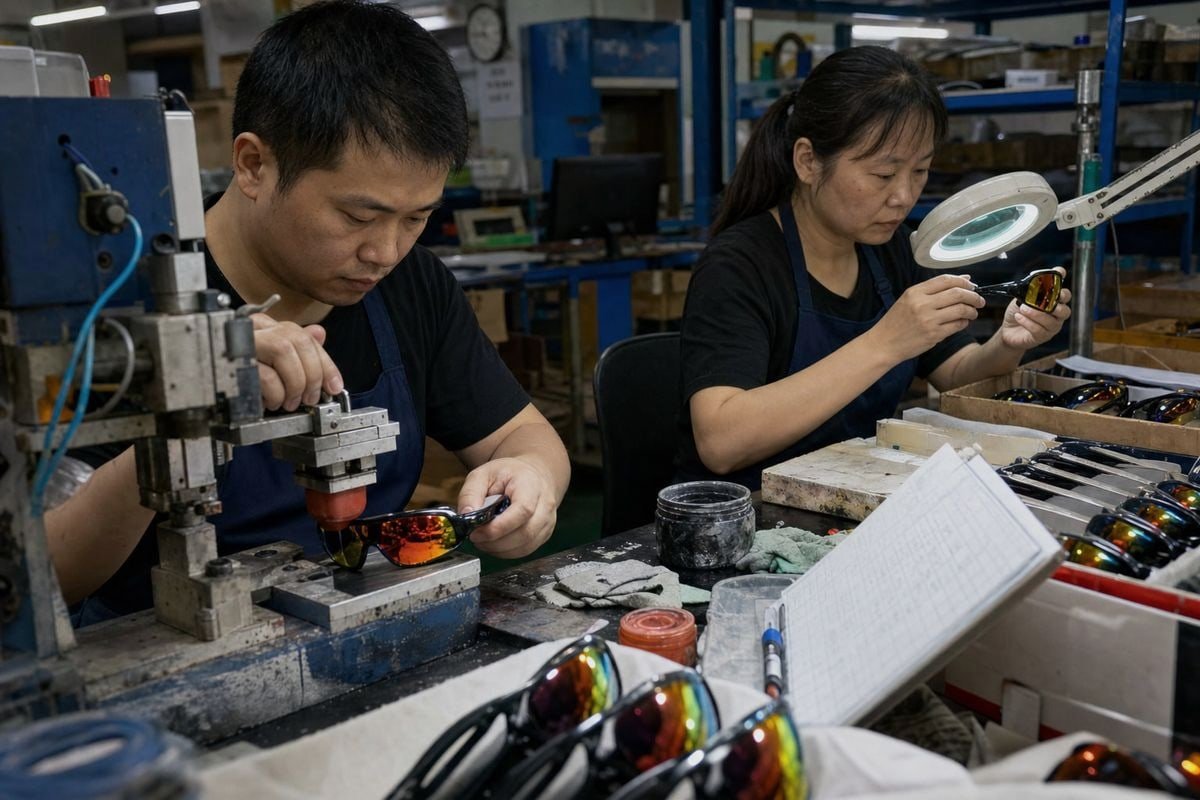
Inside a workshop, delay is rarely one big event. It is dozens of small labor additions stacking up. Here is how the main culprits rank, based on what we see across our own 120-worker floor.
Labor Impact by Customization Detail
| Customization detail | Why it slows work | 典型的な追加時間 |
|---|---|---|
| New frame mold | Tooling, trials, and corrections | 30–60 days |
| Sample revisions | Each round repeats setup and review | 7–20 days per round |
| Multiple color variants | Machine changeovers and separate QC per color | 2–5 days per color |
| Mirrored or polarized lenses | Coating, sourcing, and stricter visual checks | 5–15 days |
| Custom packaging and accessories | External vendor coordination and matching | 10–15 days |
The WIP Bottleneck Problem
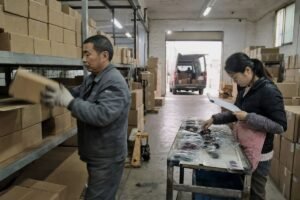
Customization also increases work-in-progress inventory. When custom hinges, gradient shield lenses 5, or specific temple colors must be matched to specific frames at assembly, workers cannot just grab the next part from a bin. They match, verify, and assemble more slowly. Miss one component shipment—say, specialized polarized lenses with a 30-day raw material lead time—and finished frames sit waiting, tying up floor space and creating supply chain bottlenecks downstream.
Kids Products Carry Extra Checks
Children's eyewear adds mandatory labor that adult promotional sunglasses skip. Compliance with CPSIA safety standards and EU norms means chemical testing 6 and impact resistance verification. We integrate those checks early, because running them late in production is how shipments get held. Note that prescription lens fitting for kids optical frames adds another skilled-labor stage entirely, which is why optical orders always run longer than plano sunglasses.
How can I plan my order timeline so custom packaging and accessories don't push back my delivery date?
A lesson I learned the hard way: several years ago, one of our first European retail orders had frames finished on schedule—and then sat for twelve days waiting for delayed printed boxes.
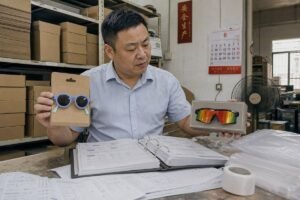
Plan packaging and accessories in parallel with production, not after it. Approve artwork and dielines during sampling, order pouches and cases at least 15 days before frames finish, buffer 10–15 days for branding steps, and avoid Chinese New Year and Golden Week production windows.
Packaging feels like an afterthought, but it sits on the critical path. Boxes, pouches, cleaning cloths, hang tags, and display inserts often come from external vendors. If you brief them only when frames are done, you have built a delay directly into your order fulfillment cycle.
A Parallel Timeline That Works
- Send final logo files, Pantone codes, and packaging artwork with your purchase order, on day one.
- Approve the frame sample and the packaging dieline in the same review window.
- Confirm accessory quantities early so pouches and cases arrive before mass production ends.
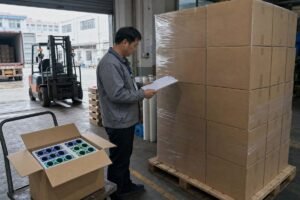
- Book your pre-shipment quality control inspections in advance, not after packing starts.
- Choose your freight mode early—air adds 3–7 days of shipping turnaround time; sea can add 25–35 days.
Watch the Calendar, Not Just the Factory
Approval speed is the strongest factor you actually control. Administrative dead time—waiting on artwork sign-offs 7 and sample feedback—often causes more delivery delay than the physical manufacturing itself. When our buyers reply within 24–48 hours, orders routinely land on schedule. When feedback takes two weeks, no rush fee can recover that time.
Seasonality matters too. Chinese New Year and Golden Week shut factories and clog ports. If you sell for the Southern Hemisphere summer, place orders before October; for Northern Hemisphere summer, confirm details by February at the latest.
Decision Buffer Cheat Sheet
| Planning action | When to do it | Delay it prevents |
|---|---|---|
| Supply logo files and Pantone codes | With the PO | 5–10 days of design back-and-forth |
| Approve packaging artwork | During frame sampling | 10–15 days of vendor waiting |
| Book third-party inspection | Two weeks before completion | 3–7 days of idle finished goods |
| Confirm freight booking | Mid-production | 5–20 days of shipping congestion |
結論
Customizing kids sunglasses adds labor hours at every stage, but delays are controllable. Choose stock styles, decide fast, plan packaging in parallel, and your custom order ships on time.
脚注
1. Authoritative Wikipedia overview of stock tracking and inventory control processes. ↩︎
2. Detailed overview of the manufacturing process used to create plastic parts by injecting molten material into a mold. ↩︎
3. Official international standard specifying requirements for sunglasses to ensure eye protection and physical durability.
 English
  Español de México
  Deutsch
  Français
  日本語
日本語  العربية
  Português do Brasil