How to Choose Air, Sea, or Express Shipping for Kids Optical Frames from China?
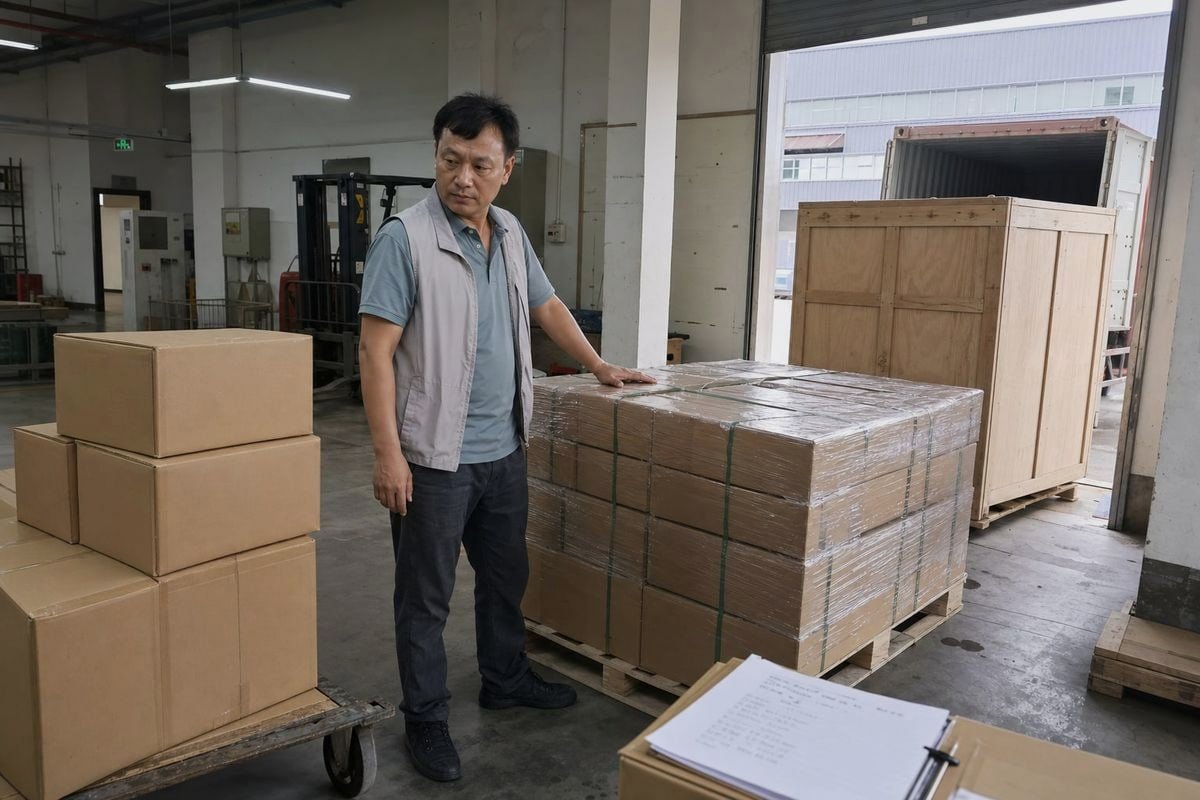
Choosing air, sea, or express shipping for kids optical frames from China confuses many buyers. I see it weekly at our Taizhou factory: a great order stalls because freight feels like a gamble, and one wrong choice eats the margin.
Choose express courier for samples and small urgent orders, air freight for medium urgent replenishment of roughly 50–300kg, and sea freight for large planned inventory buys. Base the decision on urgency first, order size second, and total landed cost third — not on freight price alone.
That is the short answer. But kids optical frames are light, bulky per pair, and fragile. The details matter. Let me walk you through how I advise our buyers, step by step.
How do I decide which shipping method fits my order size and budget?
One trade-off comes up in almost every quote I prepare for our TR90 kids optical frames: the mode that looks cheapest per shipment is rarely the cheapest per pair once you count everything.
Match the mode to the order: express for shipments under about 50kg or a few hundred pairs, air freight for mid-sized orders between roughly 50–300kg, and sea freight (LCL or FCL) for bulk seasonal orders. Then verify the choice against your landed cost target per pair.
For a comparison question like this, I always start buyers with a simple table before we discuss anything else:
| モード | Typical shipment size | に最適 | Main trade-off |
|---|---|---|---|
| Express courier (DHL/FedEx/UPS) | Under ~50kg | Samples, test orders, urgent top-ups | Fastest, but highest cost per pair |
| 航空貨物 | ~50–300kg | Urgent replenishment, launches | Fast, but chargeable weight can sting |
| 海上輸送(LCL) | ~1–15 CBM | Medium bulk without a full container | Cheap per unit, slow, handling fees add up |
| Sea freight (FCL) | Full container | Full-season inventory builds | Lowest per-unit cost, longest planning horizon |
Why pairs matter more than kilograms
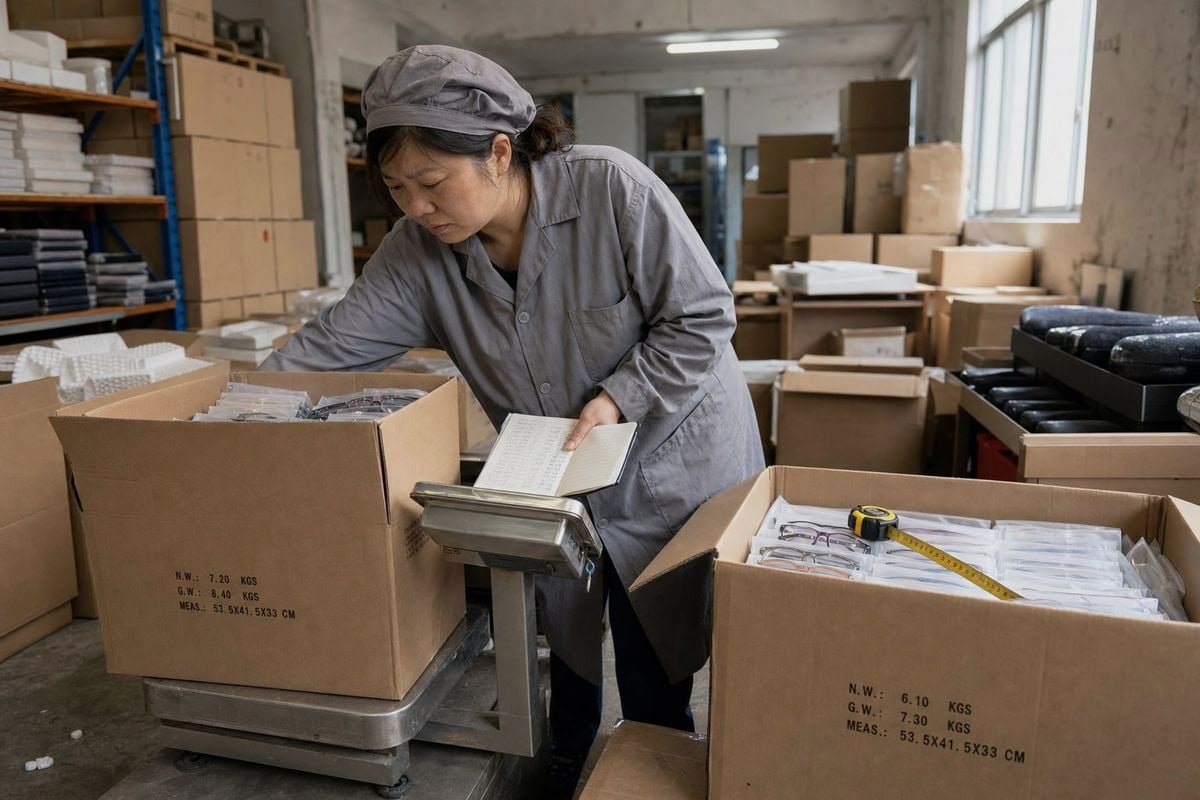
Children's frames are small, light, and high in unit count. A carton of 300 pairs of our TR90 frames with TPEE temples weighs very little. So the raw weight looks harmless. But couriers and airlines bill by volumetric weight calculation 1 — length x width x height divided by 5000. Bulky retail packaging can double or triple your billed weight. In our experience, once an order passes a few hundred pairs, you should compare air and sea seriously rather than defaulting to courier.
Budget against landed cost, not freight price
The factory FOB price is only the start. Add freight, shipping insurance, customs clearance fees, import duties and taxes, and last-mile delivery 2. Sea freight usually wins on landed cost per pair for bulk orders. Express wins on simplicity. Air freight is the bridge when timing protects your revenue.
One practical packing tip
We often ship frames in recycled rPET soft pouches instead of hard cases during transit. That alone can cut volumetric weight by a large margin without sacrificing scratch protection. Hard cases can ship flat-packed or by sea separately.
What lead times can I expect from air, sea, and express shipping for kids optical frames?
A buyer in Australia once asked me why her "7-day air freight" quote arrived on day 13. The answer taught her — and reminded me — that transit time and total lead time are different things.
Express courier typically delivers door-to-door in 3–7 days. Air freight takes about 5–14 days including airport handling and customs. Sea freight runs roughly 25–45 days port-to-door. Add your production lead time on top of every shipping estimate.
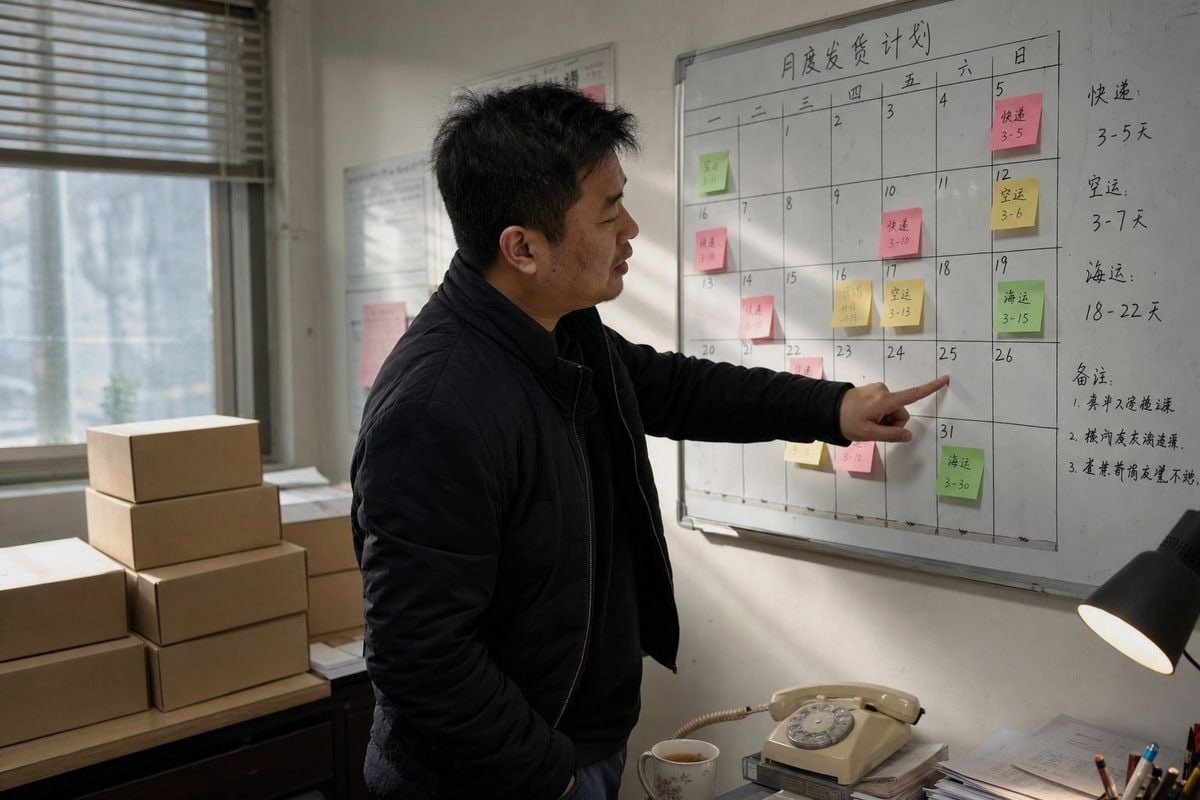
Here is the realistic timeline picture I share with buyers planning around back-to-school season or retailer deadlines:
| モード | Typical transit time | What can extend it |
|---|---|---|
| Express courier | 3〜7日 | Customs holds, remote-area delivery |
| 航空貨物 | 5–14 days | Airport congestion, cargo restrictions, clearance delays |
| Sea-air hybrid | ~12–20 days | Transshipment at hubs like Dubai |
| Sea freight LCL | 30–45 days | Consolidation waits, port congestion, deconsolidation |
| Sea freight FCL | 25–40 days | Port congestion, weather, inland trucking |
Count backwards from your deadline
Start with the date the frames must be on shelves. Subtract last-mile delivery, customs clearance, and transit. Then subtract production time. At our factory, choosing from our roughly 800 existing styles shortens production dramatically compared with new molds — which is exactly why many first-time importers can still make a seasonal window with sea freight.
The hybrid option most buyers miss
Sea-air routes via transit hubs can cut costs meaningfully compared with direct air freight while roughly halving standard sea transit times. It is a strong middle option for medium-urgency restocks. A good freight forwarder China side can arrange this; ask specifically, because many quotes never mention it.
Customs is part of the clock
Paperwork errors stop clocks. Correct HS codes 3 (9003.11 covers plastic frames), a Children's Product Certificate for the US market, and FDA registration for eyewear where applicable all prevent seizures and holds. We prepare export documents daily, and I can say clean paperwork saves more days than a faster carrier does.
How do I balance shipping costs with the safety and quality of fragile eyewear during transit?
Years ago we opened a returned container in Taizhou and found warped acetate fronts. The cause was not rough handling. It was heat — the container had sat in an upper-deck position through a tropical route. That lesson now shapes how we pack every sea shipment.
Protect fragile kids frames by using dense but padded cartons, requesting below-waterline container placement for heat-sensitive acetate, carrying shipping insurance on every mode, and choosing packaging that lowers volumetric weight. Spending 1–2% more on protection is cheaper than replacing a damaged shipment.
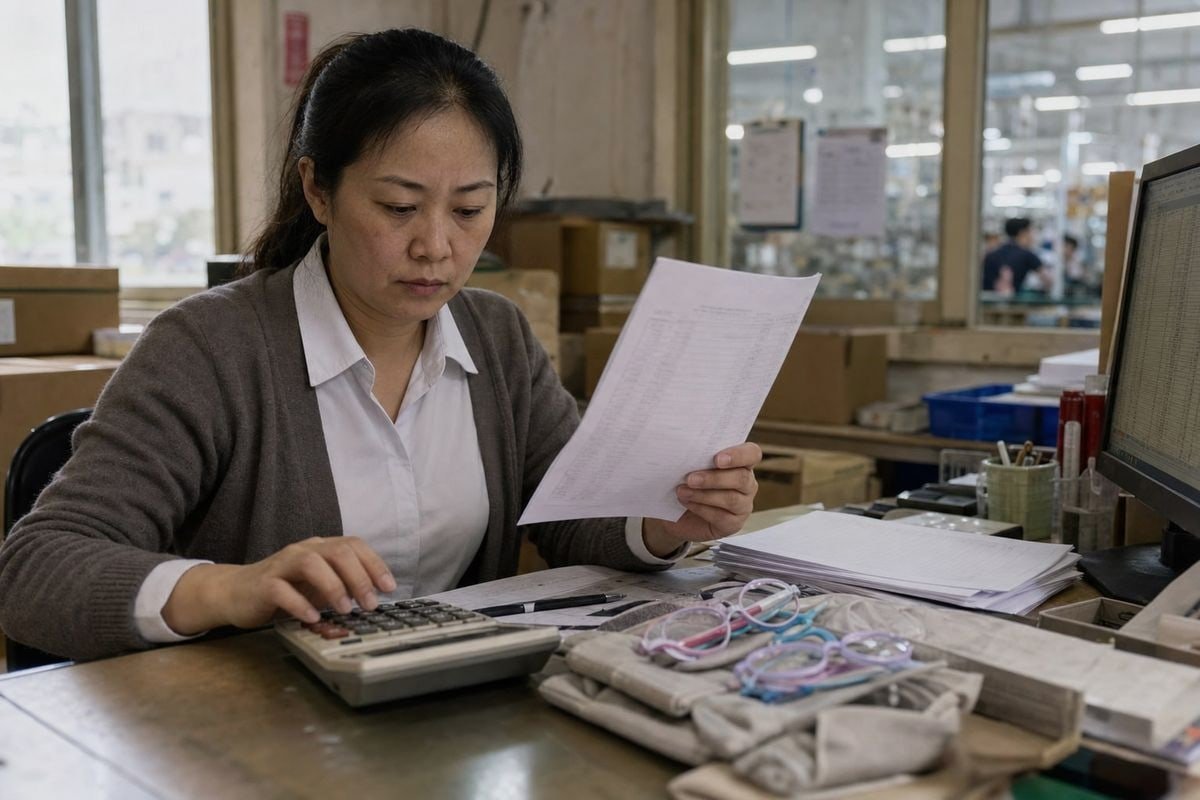
Freight cost and product safety pull in opposite directions. Tighter packing lowers cost but raises crush risk. More padding protects frames but inflates volumetric weight. The goal is a smart middle, not an extreme.
Material behavior changes the risk profile
Our flexible TPEE and TR90 frames tolerate transit stress far better than rigid materials. They flex instead of snapping, which is one reason we chose them for active kids in the first place. Translucent acetate frames, like soft pink acetate styles, are more heat-sensitive. For those, we request below-waterline container placement on sea shipments to avoid the high-heat upper-deck zones that can warp fronts during summer routes.
Practical protection steps we use
- Pack frames in rPET soft pouches for transit, not bulky hard cases.
- Use inner dividers so frames cannot rub or stack pressure on hinges and demo lenses.
- Keep cartons dense enough to resist crushing but under courier weight thresholds.
- Add desiccant packs for humid sea routes.
- Insure the shipment — shipping insurance on eyewear is cheap relative to the invoice value.
Insurance and terms matter as much as padding
Understand your Incoterms DDP vs FOB 5. 。FOBの下では、, risk passes to you at the Chinese port, so you must arrange insurance from there. Under DDP, the seller carries risk and handles import duties and taxes to your door. DDP is simpler for newer importers; FOB gives experienced buyers more control and often lower total cost with their own forwarder.
Which shipping option works best for urgent orders versus long-term inventory planning?
A distributor in Japan taught me the smartest pattern I have seen. She never picks one mode. She splits every purchase order by SKU priority, and her stockout rate dropped almost to zero.
Use express or air freight for urgent orders — samples, launches, and fast-selling styles where stockouts cost revenue. Use sea freight for long-term inventory planning and seasonal buys. For mixed orders, split the shipment: air the urgent SKUs, sea the rest.
Some logistics guides argue air freight is always the best balance for medium shipments. Others insist sea freight wins whenever the order is not urgent. Both are right in different contexts — and both are wrong as universal rules. The cheapest mode is not the best mode if it causes missed shelf time. The fastest mode is not the best mode if it destroys your per-pair margin. Here is how the scenarios actually play out:
| Buyer scenario | Recommended mode | 理由 |
|---|---|---|
| Samples for buyer approval | Express | Speed and door-to-door delivery simplicity beat cost |
| Urgent reorder of a best-selling style | 航空貨物 | Stockout risk outweighs the higher freight bill |
| Seasonal buy for next quarter | Sea freight (LCL or FCL) | Lowest per-unit landed cost with time to plan |
| Mixed urgency across SKUs | Split shipment | Air the urgent styles, sea the core stock |
| Multiple factories, small orders each | FTZ consolidation | Avoid paying multiple minimum billable freight fees |
The hybrid strategy is the mature strategy
The most successful brands we supply run all three modes at once: sea for core inventory 6, air for replenishment, express for samples. When we develop a custom OEM colorway for a client, the approval samples always fly courier, the launch quantity often goes air, and the reorder goes ocean. Each mode does the job it is best at.
Consolidation cuts waste on small orders
If you buy frames from us and cases or accessories from other suppliers, consolidating at a Shenzhen-based Free Trade Zone warehouse 7 merges everything into one shipment. You pay one freight minimum instead of three, and customs clearance happens once. Our team coordinates this with buyers' forwarders regularly, and it is one of the easiest savings available to smaller brands.
結論
Freight mistakes quietly erase eyewear margins. The fix is simple: match express, air, or sea to urgency, volume, and landed cost — then ask us before you book.
Ask four questions before every shipment: how many pairs, how soon, what landed cost target, and what stockout risk? Express for samples. Air for urgent replenishment. Sea for planned inventory. Split when priorities mix. At our Taizhou factory, we help buyers run this checklist on every order — because getting flexible, safe kids frames made well only matters if they arrive on time, intact, and profitable.
脚注
1. Explains the industry standard for calculating shipping costs based on package volume. ↩︎
2. Defines the final stage of the logistics process for delivering goods to the end user. ↩︎
3. Official U.S. tariff schedule verifies the HS code classification mentioned for plastic frames. ↩︎
4. Official definition of the international system used to classify products for customs purposes. ↩︎
5. Official ICC source defines these shipping terms referenced for risk and duty allocation. ↩︎
6. Provides a technical definition of stock held to meet core business demand. ↩︎

 English
  Español de México
  Deutsch
  Français
  日本語
日本語  العربية
  Português do Brasil