How to Balance Boys’ vs Girls’ Styles When Buying Kids’ Sunglasses for Store Groups?
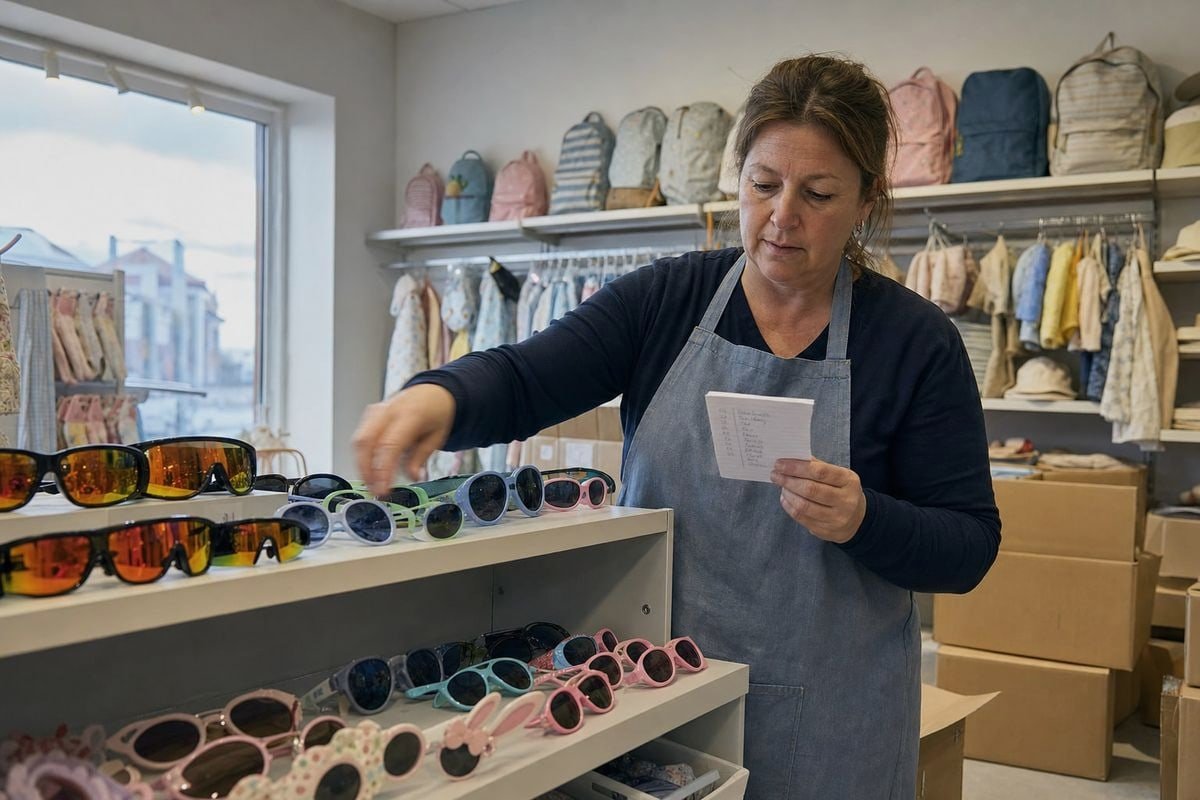
Balancing boys’ vs girls’ styles when buying kids’ sunglasses is a real headache for store groups polarized options 1. In our Taizhou factory, we see buyers wrestle with this split every single season.
Balance boys’ and girls’ kids’ sunglasses by buying roughly 70% unisex core styles, 20% gender-coded colorways, and 10% seasonal novelty pieces. Segment by age and fit first, then use color, pattern, and merchandising to signal boys’, girls’, and shared appeal.
That short answer is the framework. Below, I will unpack each step so you can apply it to your own store group with confidence.
How do I decide the right ratio of boys' vs girls' styles for my store's kids' sunglasses collection?
Last year, a European importer asked our team to split an order exactly 50/50 by gender. We reviewed their sell-through data together, and the numbers told a very different story.
Set your ratio using past sales data and regional demographics, not assumptions. A safe starting point is 70% unisex, 15% girl-coded, and 15% boy-coded styles. Then review sell-through quarterly and shift the ratio toward whatever actually sells in each store location.
The biggest mistake I see buyers make is treating gender ratio as a fixed rule. It is not. It is a moving target that depends on your locations, your customer base, and the season. So start with data, not instinct.
Start with what you already know
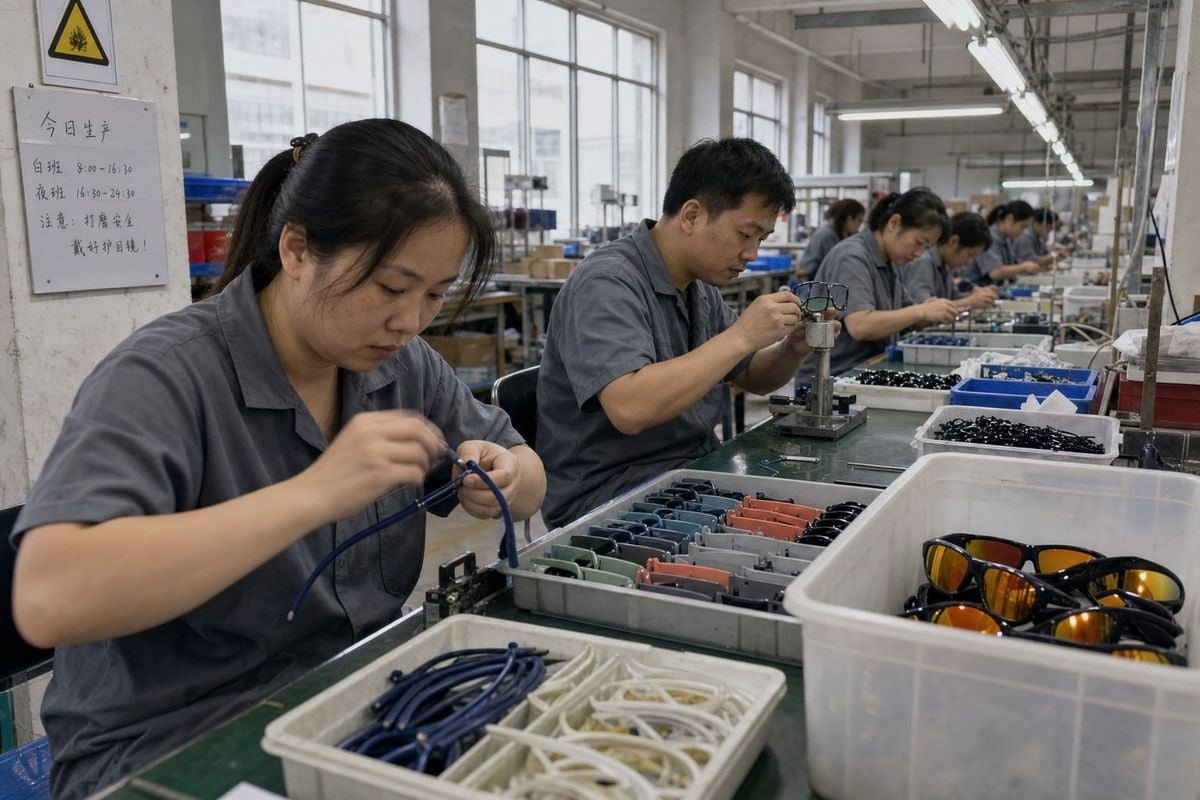
Pull your sell-through reports from the last two or three seasons. Look at which SKUs sold fastest and which ended up on the markdown table. In our experience supplying importers across 20+ countries 2, the leftover stock is almost always the heavily gender-coded pieces, not the neutral ones.
Age matters more than gender
Face size changes far more by age than by gender. A toddler's frame and a tween's frame are completely different products. That is why we grade our TR90 3 and TPEE frames by age bracket first. Here is a practical way to think about the split:
| Age segment | Who decides | Suggested gender split | Buying focus |
|---|---|---|---|
| Baby / toddler (0–3) | Parents | 85% unisex 4 / 15% coded | Soft, flexible TPEE, safety first |
| Young child (4–7) | Parents + child | 70% unisex / 30% coded | Bright colors, durability |
| Older child (8–10) | Child, parent pays | 60% unisex / 40% coded | Trend shapes, "mini-me" styles |
| Tween (11–13) | Child self-selects | 50% unisex / 50% coded | Adult-inspired, stronger style identity |
Notice the pattern. Younger children need almost no gender split at all, because parents buy for fit and safety. Tweens self-select more strongly, so coded styles earn their shelf space there. Adjust your ratio by age tier, not across the whole collection at once. Then track SKU-level performance every quarter and let real numbers move the ratio.
Can unisex frame designs help me simplify buying while still appealing to both boys and girls?
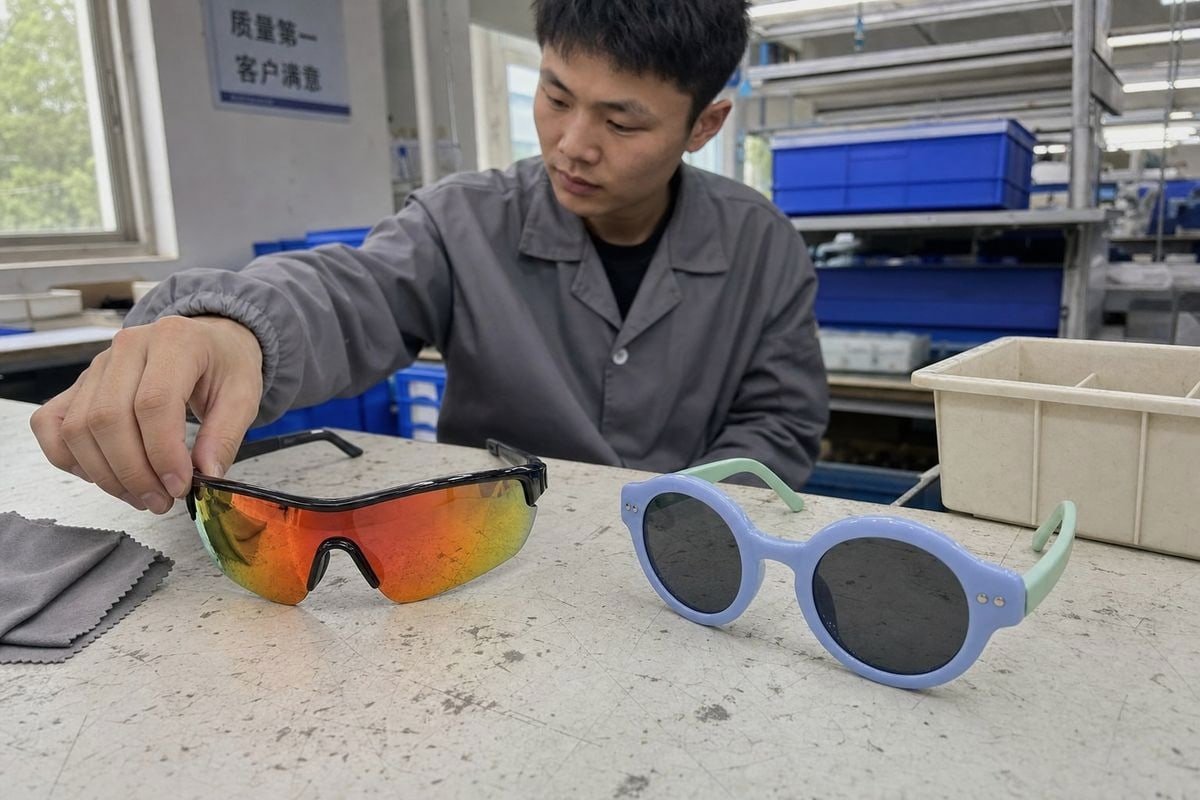
One of our best-selling wraparound shields — glossy black frame, fiery orange-to-gold mirrored lens — was originally briefed as a "boys' sport style." Girls bought it just as fast. That order taught our sales team something important.
Yes. Unisex frames like wraparound sport shields, round retro frames, aviators, and rectangular plastics appeal to both boys and girls, cut your SKU count, reduce markdown risk, and simplify reordering. Many classic silhouettes are inherently unisex; only color and marketing make them gendered.
The core insight is simple. Frame shape rarely carries gender. Color, pattern, and shelf placement do most of the signaling. Once you accept that, buying gets much easier.
The shapes that work for everyone
From roughly 800 existing styles in our catalog, four silhouettes consistently perform across both boys and girls:
- Wraparound sport shields. Function-first, athletic, and futuristic. Our single-lens shield styles with mirrored gradient coatings sell to active kids of both genders, and the wide lens gives excellent UV coverage as a bonus.
- Round retro frames. A soft, rounded shape reads playful, not gendered. Our periwinkle-blue front with mint-green temples is a good example — a pastel two-tone that parents pick for boys and girls alike.
- Metal and metal-look aviators. The classic "cool kid" style, best for older children and tweens who want an adult look.
- Rectangular plastic frames. The everyday workhorse. Available in every color, sized from toddler to tween.
Why fewer SKUs is a competitive advantage
Every extra gendered SKU splits your inventory risk. A unisex SKU sells to 100% of your foot traffic; a heavily coded one sells to half. When we help new brands launch from our existing molds, we always recommend a unisex-first core precisely because it lets them test the market without heavy mold investment or deep stock in unproven styles. The same logic applies to your store group. Buy the shape once. Vary the colorway. Merchandise it flexibly across your "boys," "girls," and shared displays as demand shifts.
What color and pattern options should I prioritize to reflect current boys' and girls' style preferences?
Color is where our OEM work gets interesting. When a buyer customizes one of our TR90 frames, we can run the same mold in a dozen colorways — and the color choices decide who picks it up off the shelf.
Prioritize a neutral core of black, navy, tortoiseshell, red, clear, and bright primaries. Then add girl-coded accents like pastels, florals, glitter, and hearts, plus boy-coded accents like camo, darker shades, and sporty mirrored lenses — kept as a smaller trend layer.
Think of your color plan in three layers. The core layer carries your volume. The coded layer creates shopper navigation. The novelty layer creates excitement and impulse buys.
| レイヤー | Share of buy | Colors and patterns | Role in the assortment |
|---|---|---|---|
| Unisex core | ~70% | Black, navy, tortoiseshell, red, clear, bright primaries | Volume sellers, low markdown risk, easy reorders |
| Gender-coded accents | ~20% | Pastels, florals, glitter, hearts / camo, dark gray, sport mirror lenses | Shelf navigation, satisfies traditional shopper expectations |
| Seasonal novelty | ~10% | Gradient mirror shields, two-tone pastels, glow or transparent finishes | Trend energy, window displays, social-media appeal |
What is trending right now
A few patterns come up again and again in the orders we produce. Mirrored gradient lenses — like an orange-to-teal shift on a white sport shield — photograph beautifully and pull kids toward the display. Two-tone pastel combinations, such as a soft blue front with mint temples, sell across genders because pastels have moved beyond "girls only." Retro adult-inspired looks remain strong, driven by the "mini-me" trend where kids want what their parents wear.
One rule on lenses
Whatever the color, the lens spec should be identical across your whole range: UV400保護 6 on every pair, with polarized options as a premium upsell for outdoor and waterside use. Lens darkness and tint color say nothing about UV protection UV放射 7. Never let styling decisions compromise that baseline — parents check for it, and it protects your store group's reputation.
How do I avoid overstocking one gender's styles while still meeting demand across my store group?
A distributor once told me his warehouse held two seasons of unsold pink cat-eye frames while his black sport wraps sold out twice. We restructured his next order together, and the fix was mostly process, not product.
Avoid overstock by buying unisex-first, ordering gender-coded styles in small test batches, tracking sell-through by SKU quarterly, and rebalancing stock between stores. Use flexible merchandising so the same frame can move between boys', girls', and shared displays as demand shifts.
Overstock in kids' sunglasses almost always comes from the same source: over-committing to narrow, heavily coded styles before demand is proven. Here is a repeatable process to prevent it.
A five-step buying discipline
- Anchor the buy in unisex cores. Commit your deepest quantities to shapes and colors that sell to every child walking in. These SKUs almost never need markdowns.
- Test before you commit. Order new gender-coded or novelty designs in small trial quantities first. We support this on our side by letting buyers pull from existing styles instead of funding new molds, so a test batch stays low-risk for both of us.
- Track sell-through by SKU, not by category. A quarterly SKU-level review shows you exactly which floral frame or camo wrap earns a reorder. Category-level averages hide the losers.
- Rebalance across your store group. Demand differs by location. A pastel round frame that stalls in one store may fly in another. Transfer stock before you mark it down. Having your factory pre-sort kids’ sunglasses by store also makes location-level allocation far easier from day one.
- Merchandise by lifestyle, not hard gender walls. Display sport wraps in an "active" zone, retro rounds in a "style" zone, and let color do the soft signaling. Gender labels become a navigation aid, not a stock constraint.
Watch the warning signs
| Warning sign | What it usually means | Corrective action |
|---|---|---|
| Coded SKUs aging past 90 days | Over-bought the gender split | Shift budget to unisex core next order |
| Frequent stockouts of black/navy basics | Under-bought the core | Increase core depth by 20–30% |
| One store sells girls' styles 2x faster | Local demographic difference | Rebalance inventory between locations |
| Novelty pieces selling out in weeks | Trend appetite exists | Reorder in test batches, still capped at ~10% |
Follow this discipline for two or three seasons and your markdown rate on kids' sunglasses will fall noticeably, because you are buying fewer gender assumptions and more wearable options.
結論
Buy kids' sunglasses unisex-first, segment by age, add gender-coded color as a smaller layer, and let quarterly sell-through data — not assumptions — drive every reorder across your store group.
脚注
1. Ophthalmology source explains added glare-reduction benefits of polarized lenses for consumers. ↩︎
2. Links global sourcing claim to official U.S. trade data on international importer activity. ↩︎
3. Background on the thermoplastic material used for durable, flexible kids’ eyewear frames. ↩︎
4. Wikipedia defines the unisex concept central to the article’s buying strategy. ↩︎
5. Wikipedia background on the classic aviator style mentioned as a unisex frame option. ↩︎
6. FDA guidance confirms UV protection standards referenced for kids’ sunglasses lenses. ↩︎
7. WHO explains UV radiation risks, supporting the article’s emphasis on lens protection. ↩︎



 English
  Español de México
  Deutsch
  Français
  日本語
日本語  العربية
  Português do Brasil