How to Align Kids’ Sunglasses Inventory with Licensing Periods to Avoid Unsellable Stock?
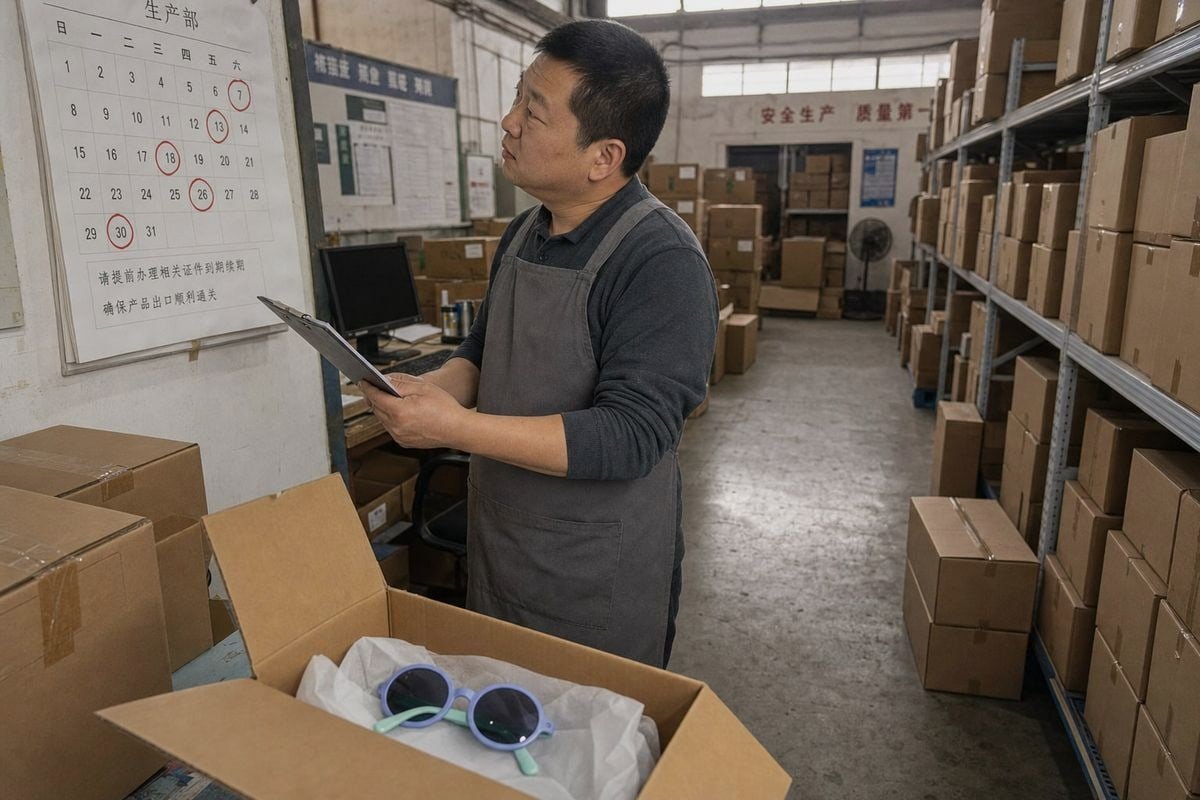
Kids’ sunglasses inventory carries a double risk our Taizhou factory sees every year: seasonal demand plus licensing deadlines. Miss either window, and licensed stock becomes dead weight nobody can legally sell.
To align kids’ sunglasses inventory with licensing periods, map every purchase order to the license expiration date and sell-off window, place smaller initial buys with fast reorders, hold deeper stock only on evergreen frames, and freeze reorders 90–120 days before the license ends.
That is the short answer. The longer answer involves lead times, forecasting math, and assortment structure. Let me walk you through each piece, based on what we see across orders from buyers in twenty-plus countries.
How do I forecast the right order quantities when a licensing period has a fixed expiration date?
A buyer from Europe once asked our team to quote a full-year quantity for a character frame with only five months left on the license. We suggested cutting the order in half.
Forecast backward from the license end date, not forward from the season. Count the weeks available for shipping, receiving, merchandising, and selling before the sell-off window closes, then size your order so projected weekly sell-through clears the stock with a safety buffer of two to four weeks.

Most retailers forecast forward. They look at last summer, estimate demand, and place a buy. That works for evergreen frames. It fails for licensed kids' sunglasses, because the license adds a hard stop that the season does not.
Work the timeline in reverse
Start with the license expiration date. Then subtract the sell-off period, which is commonly around 90 days in licensing agreements 1. During sell-off you can usually sell remaining stock but not manufacture more. After it, unsold units are often unsellable by contract. So your real deadline is not the expiration date. It is the end of the sell-off window, and your last production run must land well before expiration.
Next, subtract your realistic weekly sell-through. If your stores move 200 licensed kids' sunglasses per week in peak season and 50 per week in shoulder months, model both. Do not apply peak velocity to the whole window.
A simple sizing table
| License time remaining | Buying posture | Typical depth |
|---|---|---|
| 12+ months | Normal seasonal buy, plus one reorder cycle | Full forecast |
| 6–12 months | Conservative first buy, reorder only proven sellers | 60–70% of forecast |
| 3–6 months | Test quantities only, no speculative depth | 30–50% of forecast |
| Under 3 months | Sell down existing stock, freeze new orders | Zero new units |
One more rule we share with buyers: check sell-through at the license midpoint. A frame that is 60% sold halfway through can justify a reorder. A frame at 10% should be frozen and marked down early, while the license still gives the character full retail value.
What lead times should I expect from a manufacturer so my licensed styles arrive with enough selling season left?
In our 5S管理ワークショップ 2, we track every order stage from mold confirmation to container loading, because a two-week slip on a licensed style can eat a buyer's entire margin window.
Expect roughly 30–45 days production for existing styles with custom colors and logos, 60–90 days for fully custom OEM designs, plus 30–40 days ocean freight. Add customs and distribution, and licensed goods should be ordered four to six months before your target on-shelf date.
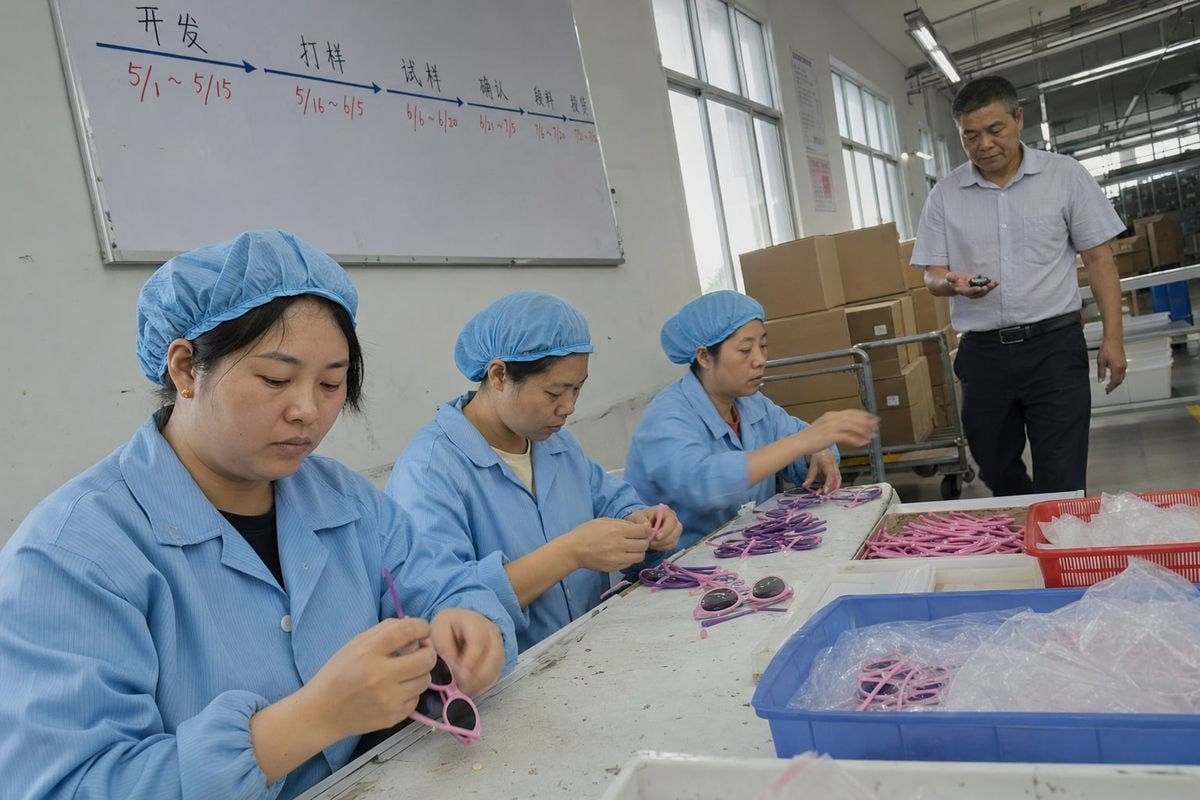
Lead time is where licensing risk quietly compounds. Every stage that slips pushes your stock closer to the sell-off deadline, and unlike evergreen frames, licensed kids' sunglasses cannot simply wait for next summer.
Typical lead-time components
| ステージ | Existing style (OEM colors/logo) | Fully custom design |
|---|---|---|
| Sampling and licensor artwork approval | 1–3 weeks | 3–6 weeks |
| Mold development 3 | Not needed | 4〜6週間 |
| 量産 | 30–45 days | 30–45 days |
| Quality inspection and packing | 3–5 days | 3–5 days |
| Ocean freight (Asia to EU/US/AU) | 30–40 days | 30–40 days |
| Customs and inland distribution | 1–2 weeks | 1–2 weeks |
Two points deserve extra attention. First, licensor artwork approval is often the slowest and least predictable stage. Brand owners review packaging, printed logos, and character colors, and revisions can add weeks. Build that into your calendar before blaming the factory. Second, choosing from an existing style library removes mold development entirely. Our buyers who pick from our roughly 800 ready styles and apply licensed artwork through custom colors, lens tints, and packaging routinely save four to six weeks versus opening new tooling.
Match lead time to the license clock
Retail guidance suggests stock should arrive four to six weeks before peak season. For licensed goods, apply a second test: after the goods land, is there still enough license time left to sell through before the sell-off window? If ordering for summer means goods arrive with only ten weeks of license remaining, cut the quantity or air-freight a smaller batch instead.
Should I choose evergreen frame styles alongside licensed designs to reduce leftover stock risk?
The trade-off we discuss most often with kids' brand buyers is depth versus flexibility. Character frames pull shoppers in fast, but our flexible TPEE and TR90 4 basics are what keep reordering year after year.
Yes. Split your assortment into a core evergreen layer and a licensed trend layer. Evergreen flexible frames in classic colors carry across seasons with no expiry risk, so they can absorb deeper buys, while licensed styles stay shallow, fast-turning, and tied to the license calendar.
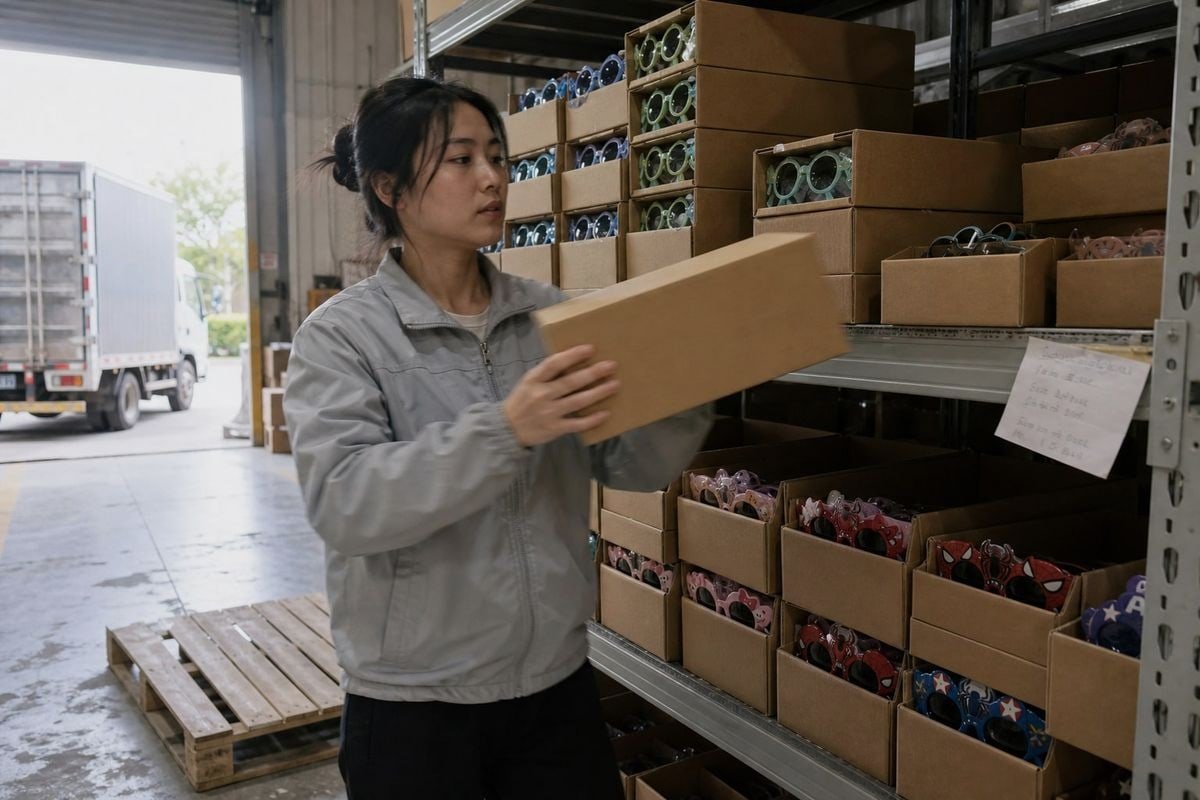
Think of it as a core-and-trend model. The core layer protects your margin. The trend layer creates excitement. Each layer needs its own buying rules, and mixing them is how retailers end up with unsellable stock.
What belongs in each layer
| Attribute | Evergreen core | Licensed trend |
|---|---|---|
| Frame styles | Classic rounds, sporty wraps, basic shapes | Character prints, movie tie-in colorways |
| 在庫色、1つのMOQで混合 | Black, blue, pink, pastels, clear | Property-specific palettes |
| Lens spec | UV400, shatter-resistant polycarbonate, polarized options | Same safety spec, themed tints |
| Buy depth | 8–12 weeks of cover in season | 4–6 weeks of cover, reorder on proof |
| Carryover | Yes, next season | No, expires with the license |
| Markdown urgency | 低 | High as the sell-off window nears |
Product design supports this split. Take a soft periwinkle-and-mint round frame in matte, rubberized-touch plastic, or a sporty wraparound shield with a mirrored gradient lens. Neither depends on a character to sell. Parents buy them for UV400保護 5, flexible fit, and durability. These styles can sit in your line for three seasons. A character frame cannot.
There is a counterargument worth stating honestly. Licensed merchandise often outsells generics per week in peak periods, so a purely evergreen assortment can leave revenue on the table. The answer is not avoiding licenses. It is capping the licensed share of your open-to-buy, commonly at 20–40% of the category, so a license miss never sinks the season. Evergreen depth also gives you re-merchandising options: if a licensed line stalls, your core wall still looks full and shoppable.
How can I work with my eyewear factory to reorder quickly if a license gets extended or renewed?
A lesson from fifteen years of eyewear production: the buyers who react fastest to license renewals are the ones who set up the reorder path before they needed it, not after.
Agree on a rapid-reorder framework upfront: keep approved artwork, color standards, and packaging files on record at the factory, reserve mold and material availability, confirm minimum reorder quantities, and pre-book a shortened lead time so a renewal triggers production within days, not weeks.
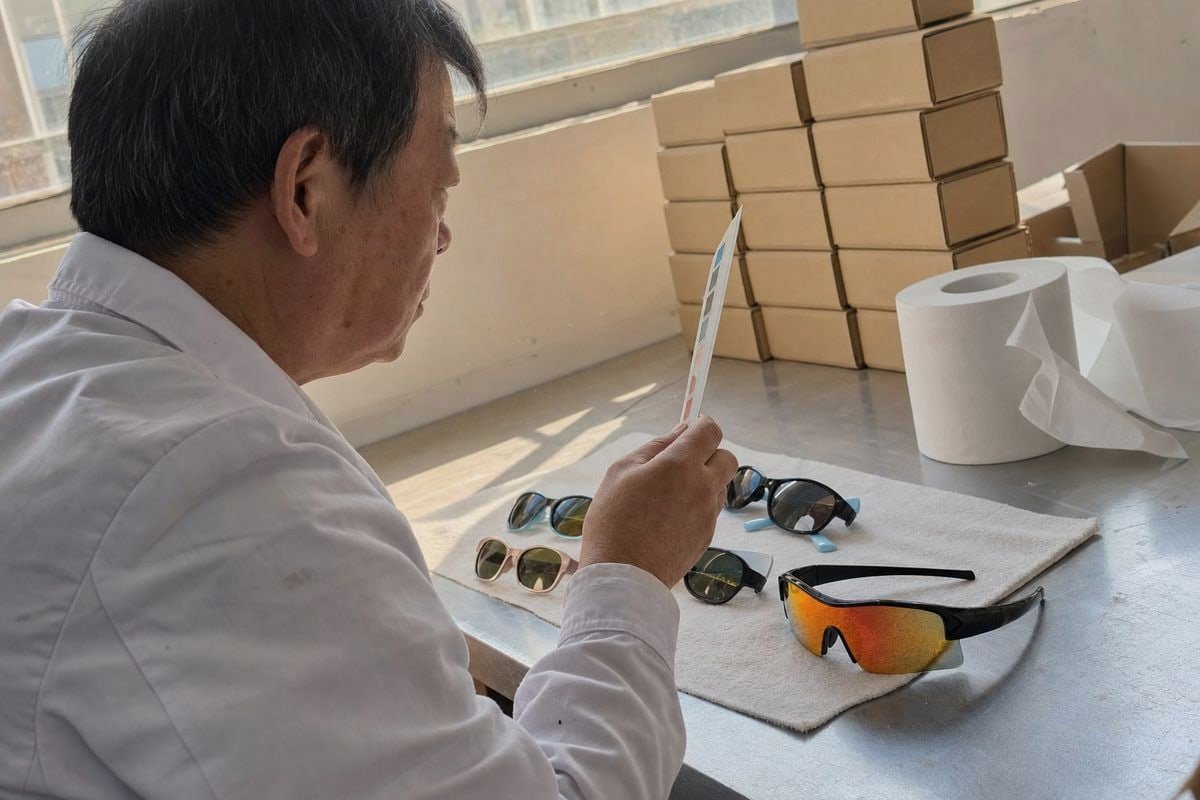
License extensions are good news, but only if you can capitalize before the renewed window shrinks again. Speed at that moment depends almost entirely on preparation done months earlier. Here is the process we recommend building with your factory.
A five-step rapid-reorder framework
- Lock the technical package early. After the first production run, confirm the factory retains approved artwork files, Pantone color standards 6, lens specifications, and packaging dielines. A reorder should require zero re-approval on your side and, ideally, only a fast confirmation from the licensor.
- Negotiate reorder MOQs in the first contract. First orders often carry higher minimums to cover setup. Agree in advance that repeat runs of the same SKU qualify for lower minimums, so you can reorder proven sellers without overcommitting.
- Share your license calendar with the factory. When we know a buyer's license runs to a specific date, we can flag capacity around likely renewal decisions and hold material for a fast run. Silence from the buyer means we plan capacity elsewhere.
- Keep a golden sample on both sides. A sealed reference sample at the factory and at your office removes quality debates and lets inspection start immediately on a rush run.
- Pre-plan logistics for two speeds. Define a standard ocean plan and a fast plan combining partial air freight 7 for the first replenishment with sea freight behind it.
With this framework, an existing licensed style can typically re-enter production within days of your confirmation, and total reorder lead time can compress meaningfully versus a cold start. Pair that with ERP alerts at 120, 90, 60, and 30 days before expiration, and your team can taper or accelerate orders with confidence instead of guesswork.
結論
Buy to the license calendar, not just the season. Keep depth in evergreen flexible frames, stay lean on licensed styles, and prepare fast reorders so renewals become upside, never dead stock.
脚注
1. WTO TRIPS framework underpins intellectual property licensing agreements referenced. ↩︎
2. 5S is a lean manufacturing method explaining the workshop organization referenced. ↩︎
3. Injection molding background explains why mold development adds lead time for custom frames. ↩︎
4. TR90 is a flexible nylon-based resin used in durable eyewear frames. ↩︎
5. ISO sets international sunglasses standards covering UV protection claims like UV400. ↩︎
6. Pantone is the official authority for color matching standards used in artwork approval. ↩︎
7. IATA governs air cargo standards relevant to rush shipping of licensed eyewear. ↩︎



 English
  Español de México
  Deutsch
  Français
  日本語
日本語  العربية
  Português do Brasil