子供用アイウェアのスポーツ対ボールゲームの仕様要件は何ですか?
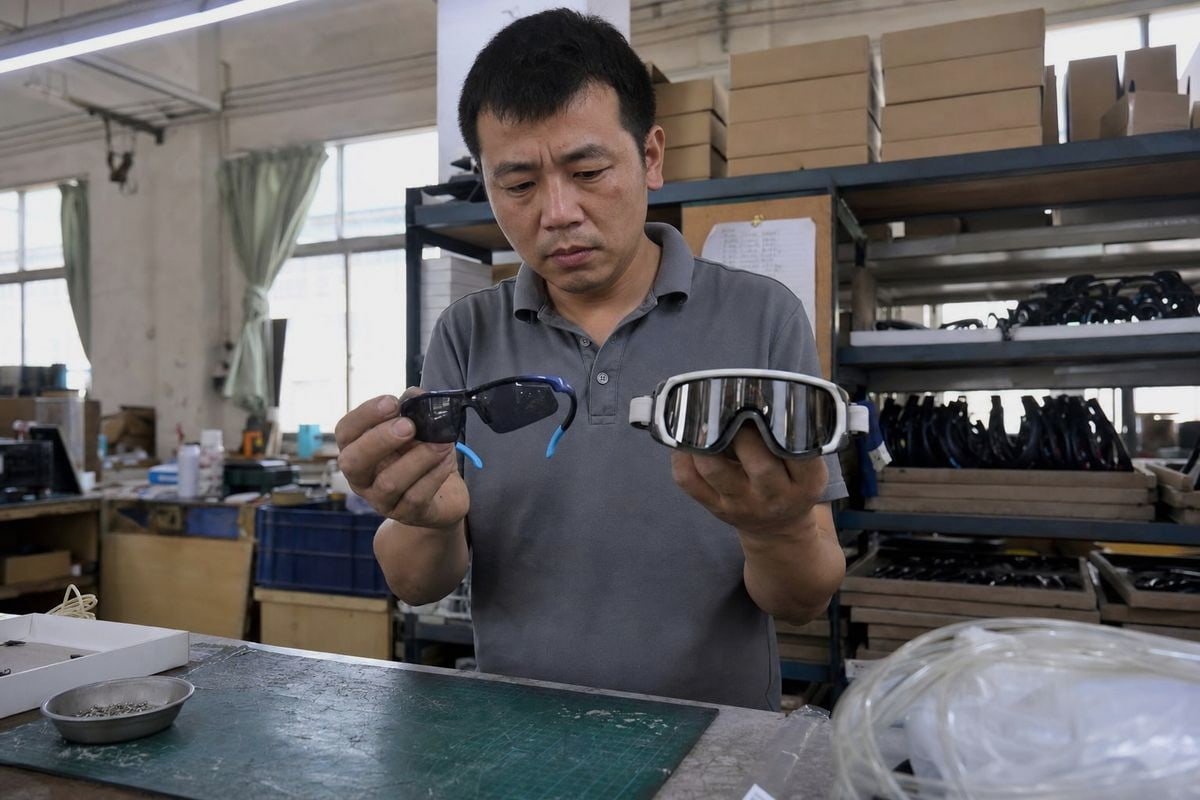
子供用アイウェアの仕様要件は、多くのバイヤーを混乱させています。彼らは、すべてのものに1つの「スポーツ」仕様が適合すると想定しています。私たちの台州の生産ラインでは、その間違いがブランドに実質的なコストをもたらしているのを見てきました。.
子供用アイウェアの仕様要件はリスクによって異なります。一般的なスポーツでは、ASTM F803規格の耐衝撃性、ポリカーボネートレンズ、柔軟なTR90フレーム、安全なストラップが必要です。ボールゲームでは、飛来物対策に特化した仕様が追加されます。密閉型ゴーグルデザイン、リアローディングレンズ、パッド、そして場合によってはASTM F910またはヘルメットとの互換性も必要です。.
コアアイデアはシンプルです。アイウェアをスポーツの主な危険に合わせます。動き、接触、または飛んでくるボールです。以下に、各仕様を分解しますので、自信を持って調達できます。.
子供用スポーツ用メガネを選ぶ際に、どのような耐衝撃性基準に注目すべきですか?
オーストラリアの調達マネージャーがかつて、サプライヤーの「スポーツグラス」が ドロップテスト. で割れた理由を私に尋ねました。答えは簡単でした。それらは保護スポーツアイウェアではなく、基準に合わせて作られたものではなく、スポーティな外観のファッションフレームでした。.
ユーススポーツ用アイウェアの主要な耐衝撃性規格であるASTM F803を探してください。バスケットボール、サッカー、テニス、ラケットスポーツ、フィールドホッケー、ラクロスを対象としており、通常の子供用メガネでは決して合格するように設計されていない、高速飛来物試験にレンズとフレームが耐えることを要求しています。.
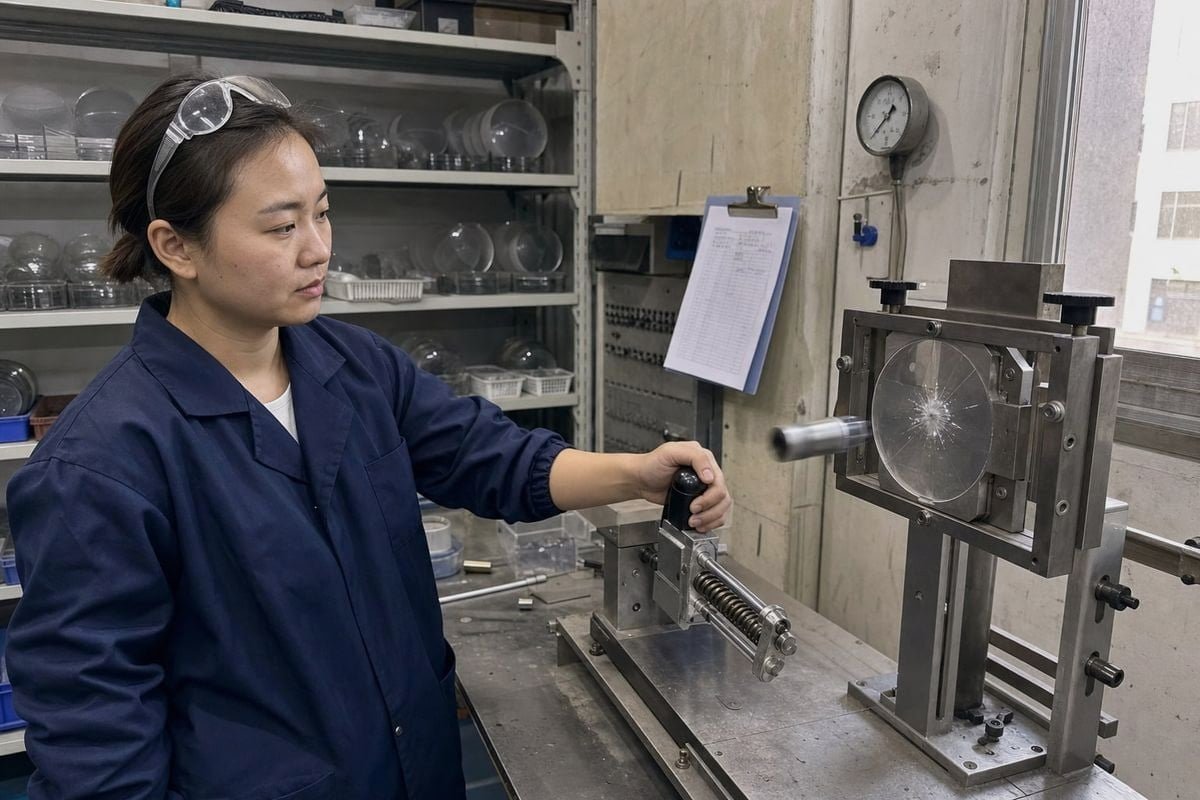
子供製品証明書 ASTM F803 1 基準は、私が最初にすべてのB2Bバイヤーに指示するベンチマークです。平易な言葉で言えば、アイウェアはスポーツ関連の速度で物体で撃たれ、レンズもフレームも目を負傷させるような方法で失敗しなかったことを意味します。通常の光学フレーム—優れたものさえも—耐久性についてテストされており、テニスボールを止めるためのテストはされていません。その区別は 目の負傷防止 2, にとって重要であり、ツーリングや色について話す前に製品概要を形成する必要があります。.
なぜ通常の子供用メガネはフィールドで失敗するのか
日常のフレームは、快適さとスタイルのために選ばれたヒンジ、レンズの面取り、素材を使用しています。衝撃下では、標準レンズが目に向かって内側に飛び出す可能性があります。剛性のあるアセテートフレームは、スナップして鋭いエッジを作成する可能性があります。スポーツ定格のデザインは、保持されたレンズと柔軟で飛散防止のアイウェア構造で両方の問題を解決します。.
基準の状況を読む
| 標準 | 対象範囲 | 子供たちへの関連性 |
|---|---|---|
| ASTM F803 | ラケットスポーツ、バスケットボール、サッカー、フィールドホッケー、ラクロスのアイウェア | コアユースポーツベンチマーク |
| ASTM F910 | 野球/ソフトボールのバッターの顔面保護 | ヘルメット付きのボールゲーム |
| ANSI Z87.1 | 職業/産業用衝撃 | スポーツの代替ではない |
| CE / ENサングラス基準 | UVおよび一般的なレンズの安全性 | ベースラインのみ、衝撃定格ではない |
子供用フレームを15年間製造してきた経験から、バイヤーが事前に基準を指定すると、より良い見積もり、よりクリーンなQC基準、そして検査での驚きがはるかに少なくなります。.
ボールゲームと一般的なスポーツで適切なレンズ素材を選ぶにはどうすればよいですか?
レンズの調達は、当社の工場で常に考慮しているトレードオフを伴います。光学的な鮮明度対衝撃性能対コストです。子供のアクティブアイウェアの場合、その三角形はほぼ常に1つの素材ファミリーを支持して解決されます。.
両方のカテゴリーでポリカーボネートレンズをお選びください。軽量で、割れにくく、自然に紫外線をカットします。球技で速い球が飛んでくる場合は、リアローディングレンズデザインで厚めのポリカーボネートを指定してください。トライベックスは、同等の耐衝撃性でより鮮明な光学性能を提供するプレミアムな代替品です。ガラスは絶対に使用しないでください。.
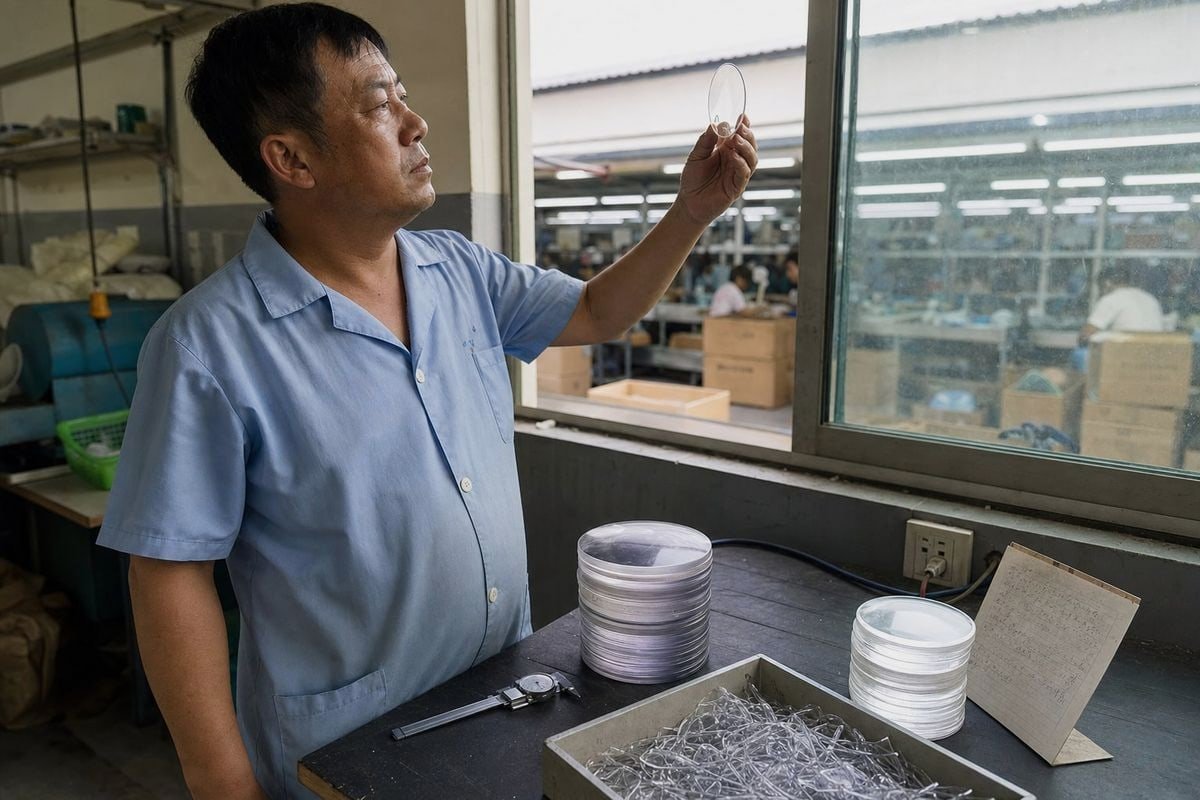
ポリカーボネートは、 多くの理由で UV保護 4. トライブレックス 5 業界標準としての地位を獲得しています。それは、破損するのではなく、曲がることで衝撃を吸収します。それは軽量であり、小さな鼻梁にとっては重要です。そして、コーティングが施される前に、本質的にUVをブロックします。.
より高価ですが、より優れた光学的な鮮明度を提供します—子供がレンズを何時間も着用する処方スポーツゴーグルでは検討する価値があります。 ボールゲームの場合、レンズの仕様は素材を超えています。リアローディングレンズアーキテクチャは、内部フレームリップを使用しているため、直接的な前面からのヒットは、レンズを目から離して外側に押し出し、内側に押し出すのではなく、外側に押し出します。その単一のデザイン詳細は、本物のボールゲームゴーグルと.
一般的なスポーツサングラス
| 素材 | 衝撃強度 | 中程度から重い | を区別します。 | 最適 |
|---|---|---|---|---|
| ポリカーボネート | 素晴らしい | 非常に軽い | 接触点に集中 | レンズ素材比較 |
| トライブレックス | 素晴らしい | 非常に軽い | 非常に良い | 光学的な鮮明度 |
| すべての子供用スポーツ。デフォルトの選択肢 | 中程度 | 軽い | 非常に良い | 処方スポーツゴーグル |
| ガラス | CR-39プラスチック | 重い | 素晴らしい | カジュアルウェアのみ、スポーツではない |
悪い(割れる)
子供のスポーツには絶対に使用しないでください UV400 6 色合い、コントラスト、コーティング.
高衝撃プレー中に、フレームの柔軟性とフィット機能は、どのようにして子供たちのスポーツ用アイウェアを安全に保つのでしょうか?
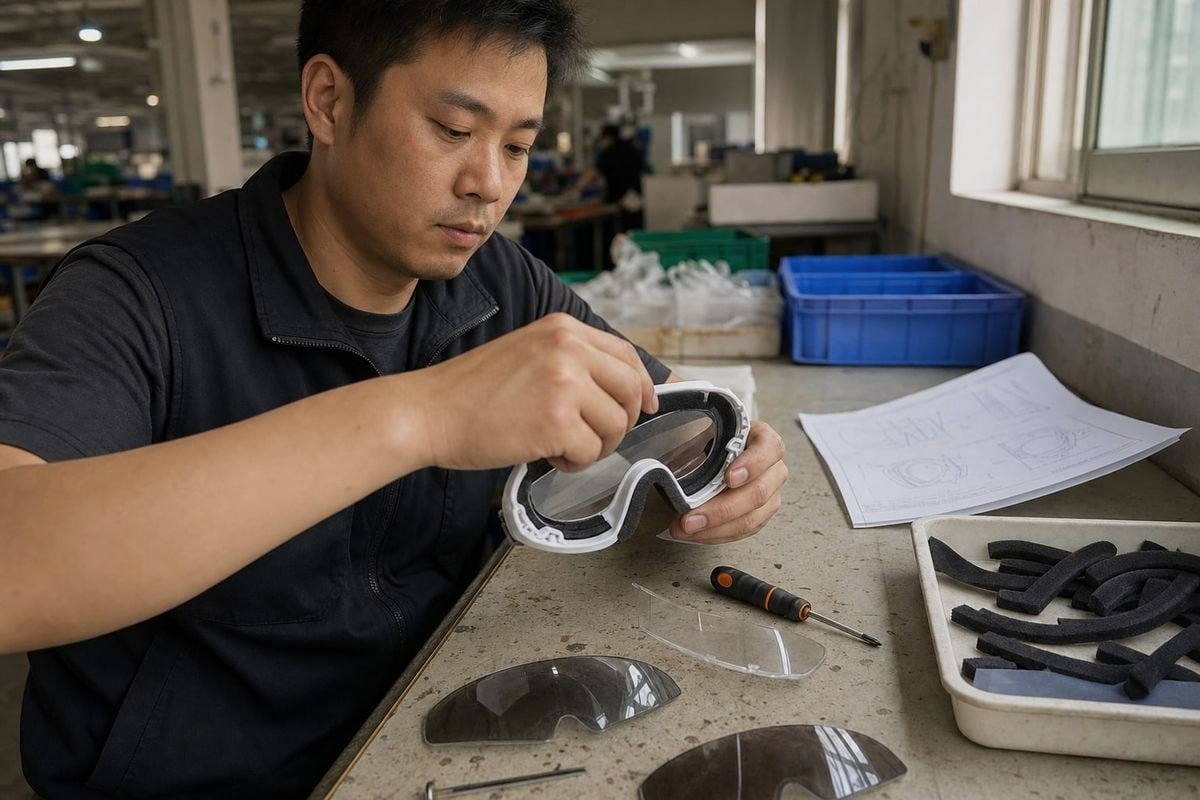
During a recent QC round on our 5S-managed workshop floor, we twist-tested a batch of TR90 frames with TPEE temples through full 180-degree flexes. That flexibility is not a gimmick — it is a safety spec.
安全な子供用スポーツフレームは、TR90やグリラミドのような柔軟で耐衝撃性の高いポリマーを使用しており、折れるのではなく曲がり、サイドプロテクションのためのラップアラウンド形状、鼻とテンプル部分の衝撃吸収パッド、そしてスプリント、カット、衝突時にアイウェアを中心に保つ調節可能なヘッドストラップを備えています。.
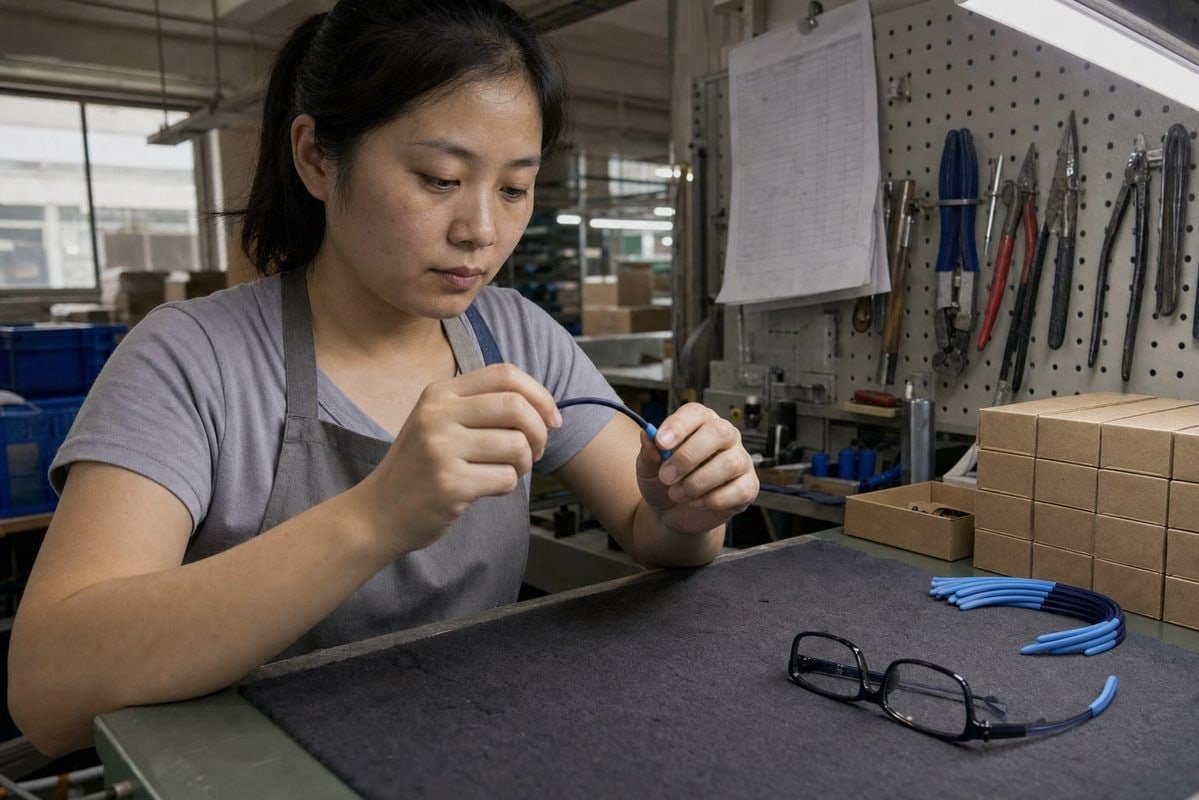
Frame behavior under stress is where children's eyewear engineering gets serious. A rigid frame that splinters on impact can cause the very facial laceration it was supposed to prevent. That is why we build most of our children's lines in TR90 and TPEE — materials that flex, absorb energy, and return to shape. Our two-tone temple designs with soft silicone tips exist for the same reason: grip and comfort keep the frame where it protects.
Fit Is a Safety Feature, Not a Comfort Feature
Eyewear that slides down a sweaty nose stops protecting at the exact moment of impact. For active play, ordinary temple arms are not enough. Adjustable head straps or elastic sports bands hold the frame stable through rapid direction changes. Internal padding at the bridge and temples then does double duty: it cushions the face and distributes kinetic energy across a wider area during a hit.
The Fit Checklist I Give Buyers
- Wrap-around frames or goggle geometry that closes the gap at the sides of the eyes.
- Soft, hypoallergenic nose padding sized for a child's low nasal bridge.
- Strap anchors or convertible temples so one SKU can serve casual and sport use.
- Growth-friendly sizing — replaceable bridge inserts and strap adjustment extend usable life across seasons.
- No exposed metal edges or hard hinge points at impact zones.
Because we hold around 800 existing styles, brands can usually test a wrap-around or goggle-style fit in the market before committing to custom molds. That lowers risk while the fit spec proves itself with real kids.
ボールゲーム用アイウェアは、他のスポーツ用品とは異なる認証が必要ですか?
A Japanese kids' brand once sent us a single spec sheet covering soccer glasses and baseball goggles together. We flagged it immediately — those two products live under different certification logic, and merging them creates compliance gaps.
はい。一般的なスポーツ用アイウェアには、通常、ASTM F803認証のみが必要です。高速の飛翔物を使用する球技には、多くの場合、追加のスポーツ固有のコンプライアンス(野球のバッティングにはASTM F910、ラクロスにはNOCSAE要件など)が必要となり、多くのリーグではヘルメットまたはフェイスガードの統合が義務付けられています。.
The certification question is really a risk-profile question. In soccer, basketball, and racquet sports, the dominant hazards are collisions, elbows, and deflected balls — ASTM F803-rated protective sports eyewear addresses those well. In baseball and softball, a pitched or batted ball arrives faster and harder than F803 scenarios contemplate. That is why batting situations fall under ASTM F910 face protection, usually integrated with a batting helmet, and why lacrosse leagues lean on NOCSAE 7-governed gear.
Some buyers push back: "Isn't one certified goggle simpler for our whole range?" I understand the appeal, but it oversimplifies a real safety distinction. A single SKU cannot honestly claim coverage for both a tennis rally and a fastball. The stronger commercial move is a small, clearly positioned range: an F803 goggle for court and field sports, and a helmet-compatible solution for hard-ball sports.
Certification Mapping by Sport Type
| Sport Category | Primary Hazard | Certification Focus | Design Emphasis |
|---|---|---|---|
| Soccer, basketball | Contact, elbows, deflections | ASTM F803 | Secure fit, wrap coverage, strap retention |
| Tennis, racquetball, squash | Close-range ball/racquet strikes | ASTM F803 | Enclosed goggle, rear-loading lens |
| Baseball, softball (batting) | High-velocity pitched ball | ASTM F910 + helmet | Helmet/face-guard integration |
| Lacrosse, field hockey | Stick and ball impact | ASTM F803 / NOCSAE rules | Full enclosure, padding, retention |
| Cycling, skiing, outdoor field | Sun, wind, debris | UV400 + impact-resistant build | Shield lens, helmet compatibility, anti-fog |
Regional rules add another layer. When we support customers across twenty-plus countries, we align lens and material documentation with the destination market during OEM development — before packaging, not after. Helmet compatibility deserves early attention too: low-profile temples or strap-based designs must physically fit under or with the helmet your target league mandates.
結論
Match kids eyewear spec requirements to the hazard: ASTM F803 and secure fit for general sports, enclosed certified protection for ball games. Source by risk profile, and every child stays safer.
脚注
1. Explains the standards organization behind the primary sports eyewear impact standard. ↩︎
2. CDC resource on vision health and injury prevention supporting the safety rationale. ↩︎
3. Background on the shatterproof, UV-blocking material used in kids’ sports lenses. ↩︎
4. WHO information on UV radiation health effects, relevant to lens UV-blocking claims. ↩︎
5. Wikipedia background on the premium optical material mentioned as an alternative to polycarbonate. ↩︎
6. Authoritative FDA guide confirming UV400 standards for maximum eye protection from solar radiation. ↩︎
7. Background on the athletic equipment standards body governing lacrosse and helmet safety. ↩︎
 English
  Español de México
  Deutsch
  Français
  日本語
日本語  العربية
  Português do Brasil