子供用光学フレームのサプライヤーとの安全要件の書き方
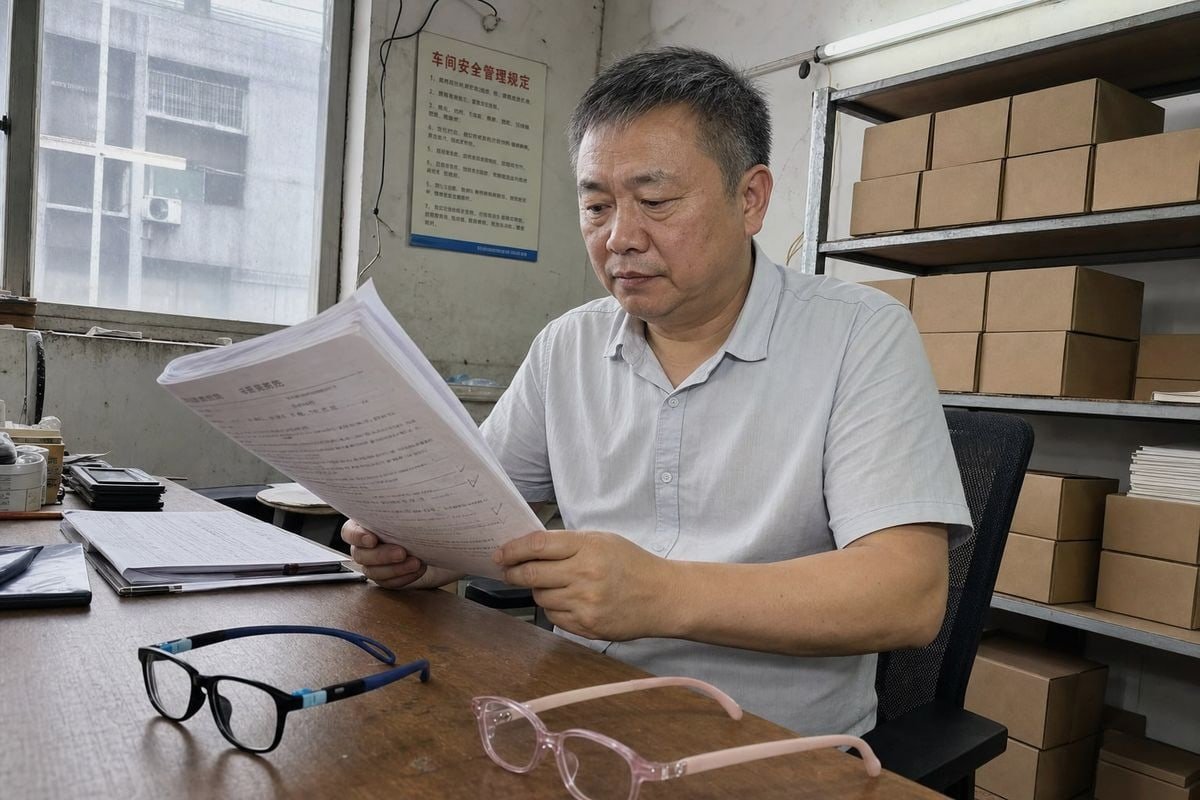
子供用光学フレームのサプライヤーとの安全要件の書き方は、口頭での約束が果たされない場合にブランドを保護するものです。私たちの生産ラインでは、そのギャップがどのように開くかを正確に見てきました。バイヤーはサンプルを信頼し、書類作成をスキップし、6か月後にテストされていないノーズパッドや間違ったレンズ素材の出荷が到着します。リコールの費用は工場ではなくブランドに発生します。解決策はシンプルですが要求が厳しいです。最初の注文書を出す前に、すべての安全上の期待を文書化することです。.
子供用光学フレームのサプライヤーとの安全要件を文書化するには、技術仕様書と、承認された素材、CPSIAコンプライアンス、耐衝撃性テスト、制限物質、ラベリング、バッチトレーサビリティ、第三者テストレポート、および出荷前検査基準をカバーするサプライヤー品質契約を発行します。明確な合格/不合格の制限と変更管理規則を含めます。.
それが簡単な答えです。この記事の残りの部分は、あらゆる工場、ソーシングエージェント、またはQCチームに適用できる4つの実践的なステップに分解します。.
子供用メガネ フレームの安全仕様書には何を含めるべきですか?
数年前、ヨーロッパのバイヤーから「仕様」として1行だけ送られてきました。フレームは子供にとって安全でなければならない、というものです。私たちのチームは4ページのテンプレートを送り返しました。そのやり取りは、私たち両方に何かを教えました。.
子供用光学フレームの安全仕様書には、コンポーネントごとの承認済み材料、制限物質とその許容値、丸みを帯びたエッジや安全な小部品などの機械的安全性基準、レンズ互換性の要件、寸法公差、ラベリングおよび警告文、そして出荷前に必要な正確な試験基準と文書を記載する必要があります。.
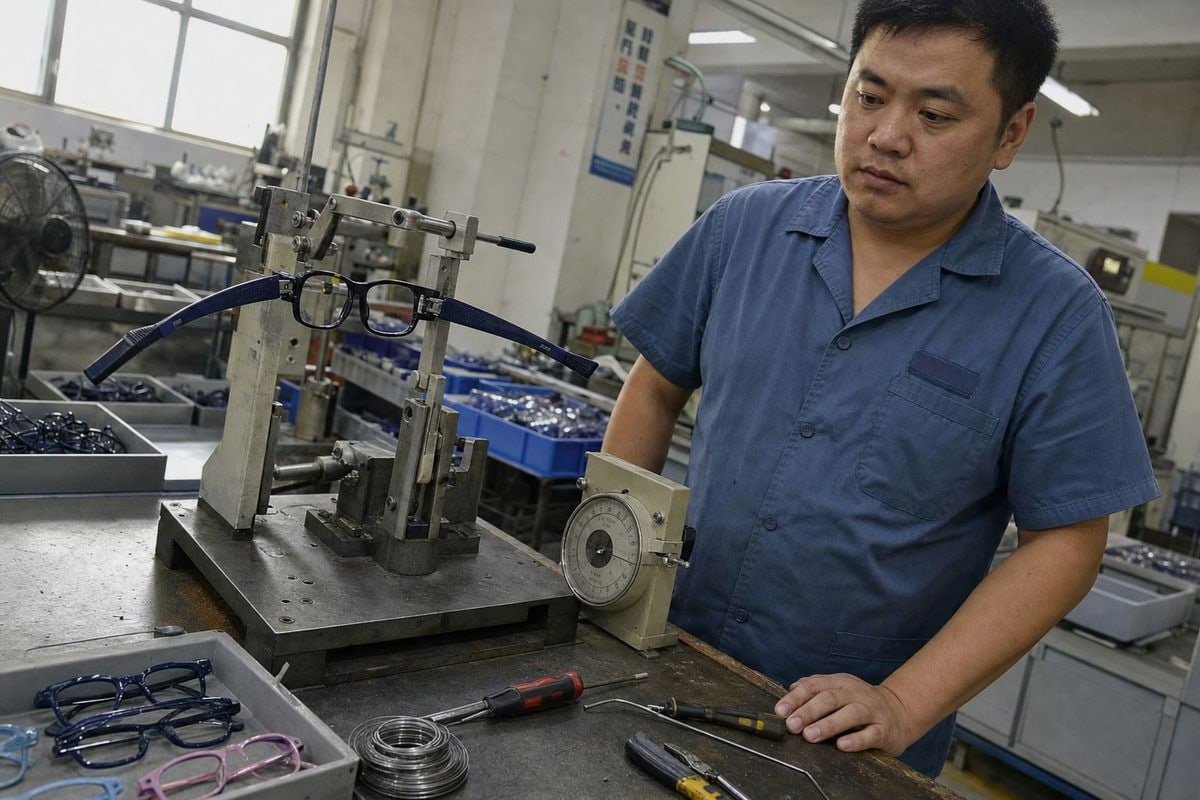
私がすべての新しいクライアントと共有する核となるルールはこれです。文書化されていなければ、執行できません。「安全でなければならない」は紛争においては意味がありません。「アクセス可能な鋭利な部分がない、エッジの半径が触っても滑らか、入荷検査で検証済み」はすべてを意味します。優れた仕様書は、法的義務を測定可能な工場タスクに変えます。.
仕様をバケットに分割する
何も見落とされないように、リスクカテゴリ別にシートを整理します。これは、私たちの台州工場から調達するバイヤーに推奨する構造です。
| 仕様バケット | 書き留めること | 要件の例 |
|---|---|---|
| 何をチェックするか | 市場ごとの制限物質リスト | 鉛およびフタル酸エステルテスト 1 CPSIA制限に準拠。BPAフリー素材 |
| 紫外線透過率、屈折力、光学放射線安全性 | エッジ、ヒンジ、小部品の基準 | 滑らかな表面、バリなし、丸みを帯びたエッジ、取り外し可能な小部品なし |
| レンズの安全性 | 耐衝撃性および保持要件 | 耐衝撃性テスト 2; 溝へのレンズの確実な保持 |
| フィット感とデザイン | 子供向けのジオメトリ | 調整可能または成形されたノーズパッド。軽量フレームターゲット |
| ラベリング | 警告とマーキング | 年齢評価、追跡ラベル、ケア指示 |
| ドキュメント | 出荷前に必要な証拠 | 第三者テストレポート 3, 、素材証明書、適合証明書 |
すべての行を測定可能にする
曖昧な言葉は議論を招きます。 「耐久性」をヒンジサイクル数に置き換えます。 「無毒」を、名前が挙がった無毒のフレーム素材とそれを証明するテスト方法に置き換えます。私たちのTR90およびTPEE子供用フレームでは、コンポーネントレベルの素材(フレームフロント、テンプル、ヒンジコネクタ、テンプルチップ、ネジ)を指定しています。なぜなら、子供用製品は完成フレームだけでなく、そのレベルでの素材トレーサビリティが必要だからです。文書化する価値のある見落とされがちな詳細:子供がテンプルを曲げたり噛んだりするような予見可能な誤用下でも、フレームは危険を作り出してはなりません。柔軟な素材は、剛性のある素材よりもはるかにうまくこれを処理します。だからこそ、私たちは製品ライン全体をそれらの周りに構築しました。.
フレームサプライヤーと材質および耐久性の基準を設定するにはどうすればよいですか?
バイヤーと常に天秤にかけているトレードオフがあります。より安価なアセテートまたは一般的なプラスチックフレームは、ユニットあたり数セント節約できますが、柔軟な TR90またはTPEEフレーム 4 は、子供たちが実際にメガネにすることに耐えます。.
コンポーネントごとに承認された素材を文書で指定して素材基準を設定する — 例えば、TR90のフロント、TPEEのテンプル、ポリカーボネートまたはTrivexのレンズなど — その後、耐久性基準を添付する:ヒンジサイクル試験、ISO 12870の要件に基づくブリッジ変形限界、金属部品のニッケル放出限界、子供用フレームの最大重量。.
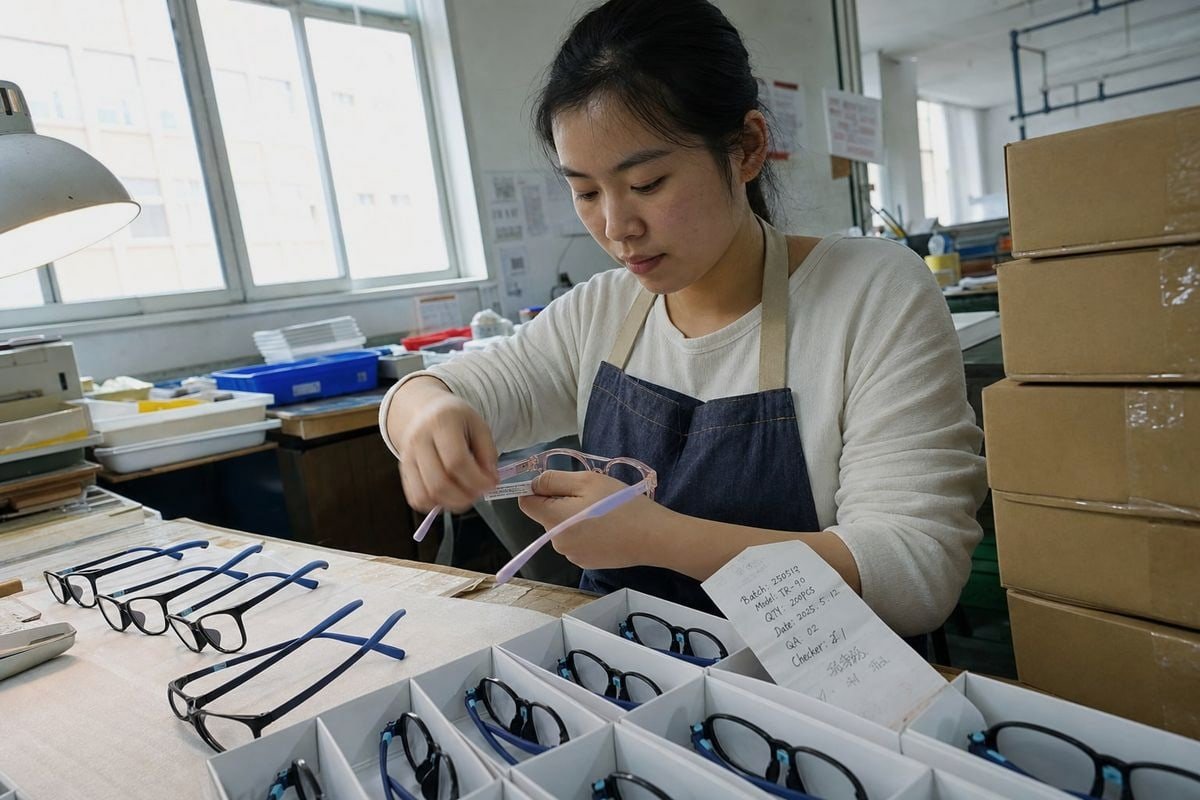
素材の選択は最初の安全上の決定です。なぜなら、それがフレームの破損方法を決定するからです。剛性のあるフレームは壊れて、子供の目の近くに鋭利なエッジを残します。柔軟なフレームは曲がって元に戻ります。15年間子供用アイウェアを製造してきた経験から、私たちのエンジニアは素材仕様を、仕様の残りの部分が基づく基盤として扱っています。.
素材の名前を付け、次にそれを証明する
見積もりで「プラスチックフレーム」を受け入れないでください。サプライヤーに各部品の正確なポリマーを宣言させ、それを 素材証明書とラボレポート. で裏付けてください。これは、バイヤーが検討する比較です。
| 素材 | 一般的な用途 | 安全上の利点 | 文書化する必要があるもの |
|---|---|---|---|
| TR90 | フレームフロント、フルフレーム | 軽量、形状記憶性、破損しにくい | 素材証明書および化学物質移行レポート |
| TPEE | テンプル、ソフトコンポーネント | 極度の柔軟性、肌に優しい、環境に優しいプロファイル | Batch-level testing for sweat and saliva stability |
| シリコーン | Hinge connectors, nose pads, ear hooks | Soft, hypoallergenic, slip-resistant | Skin-contact safety declaration |
| Polycarbonate / Trivex | レンズ | Shatter-resistant under impact | Impact resistance testing evidence per lens batch |
| Metal (screws, cores) | ハードウェア | Structural strength | Nickel release limits and chemical assay per component |
Write Durability as Numbers
Durability standards should read like test instructions. Specify hinge open-close cycles. Specify temple flex angles without permanent deformation. Reference ISO 12870 5 requirements for general frame robustness, and add child-specific extras: a weight cap on the unglazed frame, bite and pull resistance on temple tips, and colorfastness of coatings against sweat. On the two-tone rubber-temple frames we produce, we test the bond between the TR90 core and TPEE overmold, because a delaminating temple is both a durability failure and a choking risk. Finally, lock in a "no change" clause: the supplier may not switch resin grades, colorant suppliers, or hardware sources without your written approval and retesting. Silent material substitutions cause more compliance failures than bad initial design ever does.
光学フレームメーカーに要求すべき安全認証は何ですか?
When we ship kids' optical frames to buyers in more than twenty countries, the paperwork stack changes with every destination. That reality shapes my advice here.
市場に適合した認証を要求する:米国では、CPSC認定ラボによるテストに裏付けられた児童製品証明書と、21 CFR 801.410に基づくFDAのレンズ耐衝撃性コンプライアンス。EUでは、REACHテストと適合証明書。さらに、世界中でISO 12870レポートとコンポーネントレベルの化学物質試験証明書。.
A common buyer objection I hear is: "Can't we just use one universal certificate for all markets?" I understand the appeal, but no single document covers everything. The workable compromise is a global core spec — non-toxic frame materials, mechanical safety, impact resistance testing — plus market-specific annexes listing each region's documents. That keeps your supplier file manageable without leaving legal gaps.
市場別の認証
| 市場 | 主な要件 | Document to Demand |
|---|---|---|
| アメリカ合衆国 | CPSIA compliance for lead, phthalates, tracking labels | Children's product certificate with CPSC-accredited lab reports |
| アメリカ合衆国 | Lens impact resistance under FDA rules | Drop-ball or equivalent test records; confirm FDA medical device registration status for Rx frames |
| 欧州連合 | REACH restricted substances | SVHC screening report and Certificate of Conformity |
| UK / EU protective use | EN 166 markings where applicable | Marked samples plus test report |
| スポーツアイウェア | ASTM F803 standards for impact protection | Certified test report if marketed for sports |
| General | Frame robustness | ISO 12870 requirements test report |
Treat Missing Reports as a Deal-Breaker
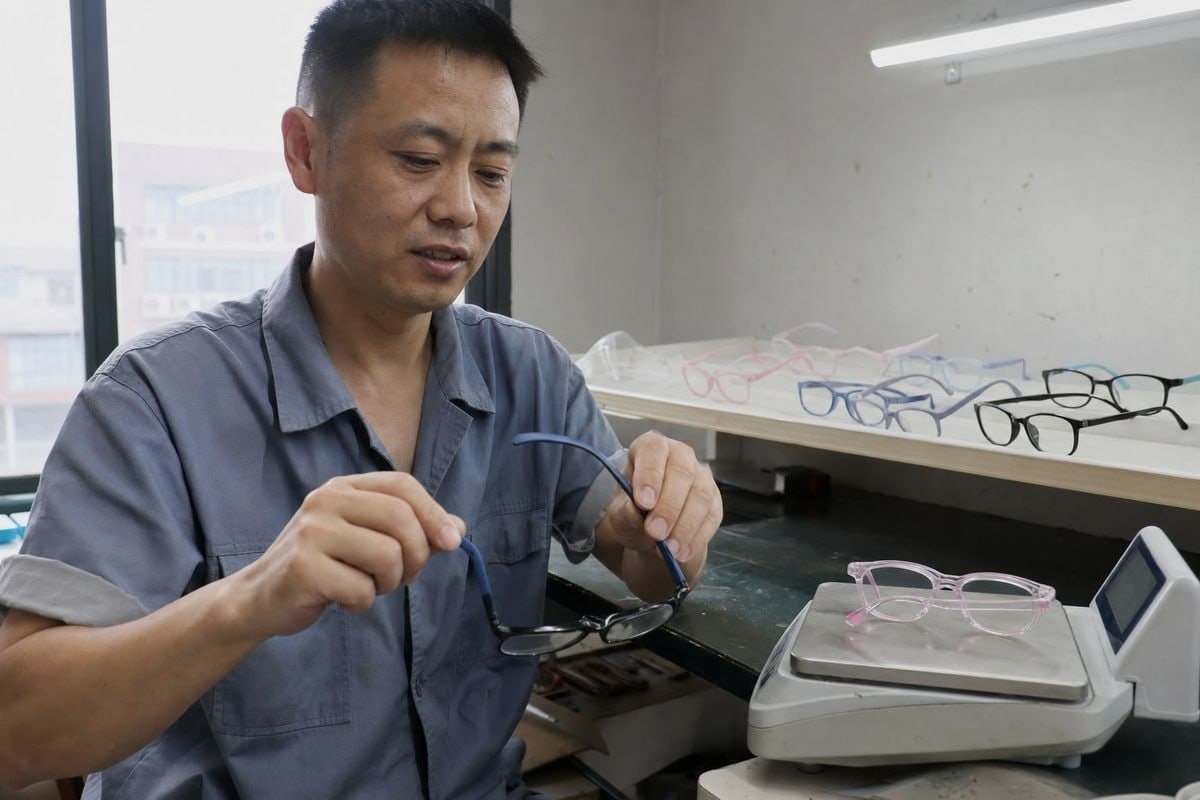
A serious kids' eyewear factory can produce recent third-party test reports on request. If a supplier cannot show them — or offers only self-declared "conformity" letters — walk away. Also check the details: reports must come from accredited labs, reference the correct standard version, and cover the actual materials in your product, not a similar model from two years ago. In our experience, most certification failures are not fraud. They are outdated reports, wrong test standards, or reports that cover the frame but not the decorative parts. Write into your agreement that certifications must be renewed per batch or per year, whichever your market requires.
どのようにすれば、サプライヤーが当社の安全要求事項を実際に遵守しているかを確認できますか?
The hardest lesson I have learned running a 5S管理ワークショップ 6 is that a signed agreement changes nothing unless someone checks the physical product against it, again and again.
ゲート付きワークフローによるコンプライアンス検証:発注前に工場監査を実施し、仕様に対する初回サンプルを承認し、量産前にラボ結果を確認し、生産中および生産後に品質管理検査を実施し、ランダムなバッチのスポットテストを行い、材料または工具の変更後に再テストを実施します。.
Verification is a process, not an event. Here is the six-gate sequence we recommend, and the one we invite our own B2B clients to run on us:
- Pre-qualification audit. Review the factory's compliance history, lab relationships, and test capability. Ask for reports from previous kids' eyewear orders. A factory that only makes adult frames may not understand children's requirements.
- First article approval. Compare the golden sample against every written line: materials, dimensions, edge finish, markings, packaging warnings. Sign and seal the approved sample. All future production is judged against it.
- Pre-production lab testing. Confirm chemical results — lead and phthalate testing, migration testing on skin-contact parts — before the factory buys bulk material. Testing after production is too late to fix anything cheaply.
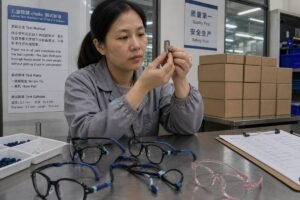
- In-line and pre-shipment inspection. Check hinge strength, lens retention, surface smoothness, and label accuracy on statistically sampled units. Physically flex temples. Run fingers along every edge. Verify the tracking label matches the batch code.
- Ongoing batch controls. Randomly pull units from shipments for independent retesting once or twice a year. Tie batch codes to raw material lots so a problem can be traced backward and contained.
- Change-control review. Require written notice before any change to materials, sub-suppliers, factory location, or tooling — and retest after approval. Some buyers now go further and request QR-code traceability on the frame or packaging, a step toward digital product passports 7 that regulators increasingly favor.
What to Check on the Frame Itself
At each inspection, verify: smooth edges and finish, hinge durability, secure lens retention, no accessible sharp points, intact temple and nose pad materials, correct markings, and complete packaging warnings. Ten minutes with a checklist catches what months of emails cannot.
結論
Unwritten safety expectations fail silently until a child gets hurt or a shipment gets rejected. Written specs, market-matched certifications, and gated verification turn kids' frame safety into an enforceable system.
脚注
1. CPSC page explains CPSIA lead and phthalate limits referenced for pre-production lab testing. ↩︎
2. ASTM standard governs impact resistance testing methods cited for children’s eyewear safety. ↩︎
3. ISO/IEC 17025 defines the lab accreditation standard behind valid third-party test reports. ↩︎
4. Background on thermoplastic elastomer materials like TPEE used in flexible children’s frames. ↩︎
5. ISO is the official body publishing ISO 12870, the referenced spectacle frame robustness standard. ↩︎
6. Background on the 5S workplace organization methodology referenced for quality verification. ↩︎
7. Explains the emerging traceability concept regulators favor for verifying supply chain compliance. ↩︎


 English
  Español de México
  Deutsch
  Français
  日本語
日本語  العربية
  Português do Brasil