How to Price Kids Optical Frames for Retailers’ Gross Margin?

Pricing kids optical frames is where I see buyers stumble most total cost of ownership 1. On our production line in Taizhou, I watch new brands underprice, bleed margin, and quietly disappear within a year.
目標粗利益率50〜70%から逆算して子供用光学フレームの価格を設定してください。マークアップを推測するのではなく。まず完全な仕入原価を計算し、次に次の式を使用します:小売価格 = 仕入原価 ÷ (1 - 目標利益率)。最後に、その価格を地元の競合他社と比較してテストしてください。.
That formula sounds simple. But the details behind it decide whether your retailers stay profitable. Let me walk you through each step, using real numbers from our factory experience.
小売業者の利益率を守るために、適切な卸売価格をどのように計算すればよいですか?
Last spring, a buyer from Australia asked me to quote a 追加のカラーラウンド 2 with TPEE temples. Her first question was not our price. It was her retailers' shelf price.
小売業者が最低でもキーストーン価格(2倍)を適用し、それでも地域の親抵抗点を下回ることができるように、卸売価格を設定してください。逆算してください。実行可能な小売価格を取り、小売業者の要求する倍数で割り、その上限があなたの最大の卸売フレームコストを定義します。.

That buyer taught me something important. Smart eyewear pricing strategies start at the shelf and move backward to the factory, not the other way around.
Start with the retail ceiling, not your cost
Every market has a price parents will not cross for 子供用アイウェア 3. In many regions, that sits somewhere between $80 and $160 for a complete kids frame before lenses. Your retailer needs room under that ceiling. If they need a 60% gross margin 4, and the market tolerates a $100 frame, their maximum landed cost is $40. Your wholesale price must sit below that after they pay freight and duties.
Understand markup versus margin
This confusion destroys more retailer relationships than bad quality does. Markup is added to cost. Margin is a share of the selling price. A 2x markup gives a 50% margin, not 100%. Here is the quick reference I share with new buyers:
| Markup Multiple | Retail Price on $30 Cost | Gross Margin |
|---|---|---|
| 2x (keystone) | $60 | 50% |
| 2.5x | $75 | 60% |
| 3x | $90 | 67% |
| 4x | $120 | 75% |
Optical retail markup for most products clusters around 2.5x to 3x. Kids frames often sit at the lower end because the children's vision market is more price-sensitive than adult fashion eyewear. When we quote a wholesale frame cost, I always ask the buyer to run these numbers first. If the math does not leave the retailer at least 50% gross margin at a sellable shelf price, we adjust the spec, the material, or the packaging before we adjust the quality.
小児用光学フレームの小売価格設定において、目標とすべき利益率は何パーセントですか?
One trade-off I weigh constantly: a buyer wants a premium acetate look, like our translucent pink cat-eye style, but her retail partners demand entry-level margins. Something has to give.
子供用光学フレームで50〜70%の粗利益率を目標とします。エントリーレベルのスタイルには50%(キーストーン)を絶対的な下限として使用し、ミッドティアフレームには60〜65%、プレミアムまたはライセンスデザインには67〜75%を使用します。1つのフラットな数字を適用するのではなく、アソートメントをティア化します。.
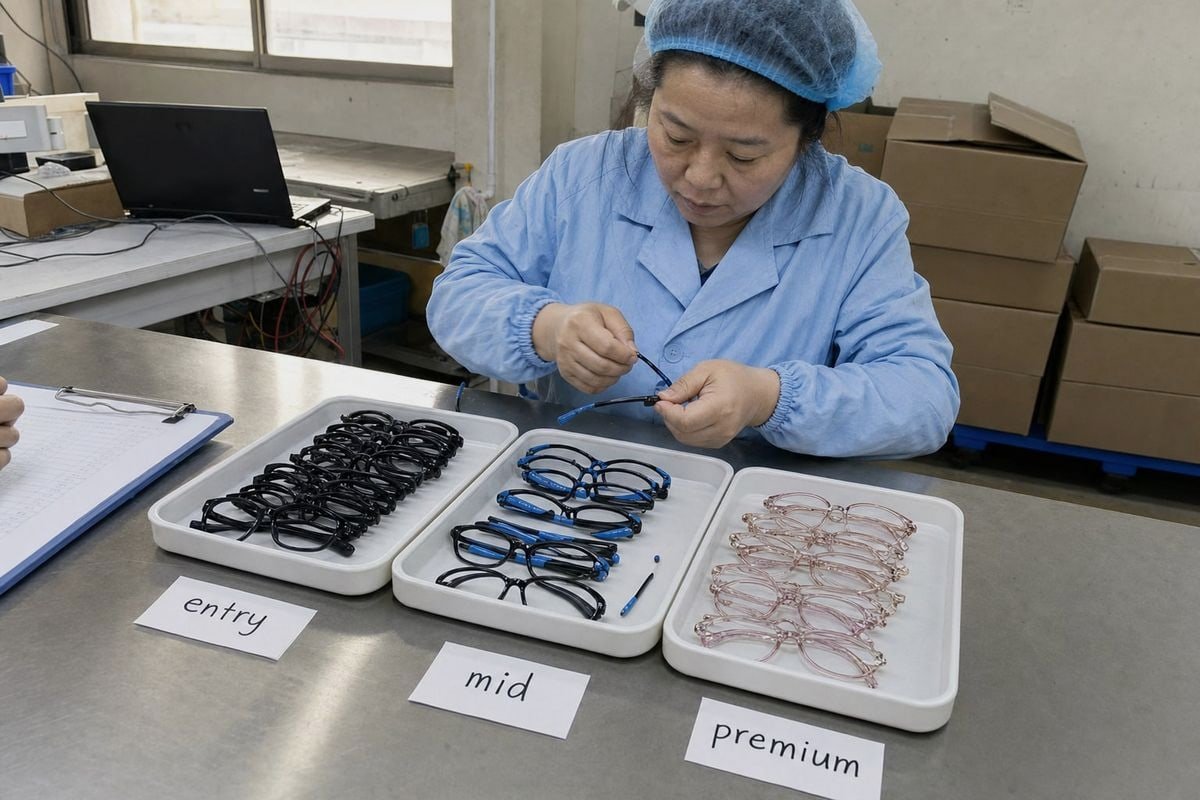
A single fixed markup across your whole range is a quiet profit killer. It overprices your basics and underprices your best frames. Optical store profitability comes from tiering, and from managing the eyewear product mix deliberately.
Tier your kids frames by cost and target margin
Here is a tiered model I often sketch for buyers, based on the styles we ship most:
| Tier | Example Landed Cost | Target Margin | Retail Price | Effective Markup |
|---|---|---|---|---|
| Entry (flexible TR90 basic) | $20 | 50–55% | $40–45 | 2.0–2.2x |
| Mid (TR90 + TPEE temples) | $35 | 60–65% | $88–100 | 2.5–2.9x |
| Premium (acetate look, coatings) | $50 | 67–70% | $152–167 | 3.0–3.3x |
Notice how small margin changes move the shelf price a lot. A $30 landed frame at 65% margin retails near $86. Push the target to 70% and it becomes $100. That $14 gap can decide whether a parent says yes.
Account for the realities of kids retail
Two factors pull kids margins in opposite directions. Managed vision care reimbursement often caps what the retailer collects, which argues for tighter costs on entry frames. On the other hand, children's eyewear durability features — flexible TPEE temples, bendable hinges, safe kids glasses materials — justify a real premium, because parents pay to avoid replacing broken frames. Some advisors even recommend a minimum list price floor, around $159–$219 in stronger markets, rather than pricing strictly from cost. I think the honest answer sits in between: build a margin floor from landed cost, then let value features lift the mid and premium tiers. Review at least six months of sell-through data before changing your targets.
競争力のある価格設定と品質のバランスを、製造業者から調達する際にどのように両立させることができますか?
A German importer once told me he could buy frames 30% cheaper elsewhere. Six months later he came back. His return rate on those cheaper frames had eaten the entire saving.
総所有コストで価格と品質のバランスを取り、単価ではなく比較してください。欠陥率、返品、交換出荷、顧客喪失を考慮に入れてください。実績のある柔軟な素材と品質管理を備えた、わずかに高い卸売フレームコストは、通常、最も安い見積もりよりも利益率をより良く保護します。.
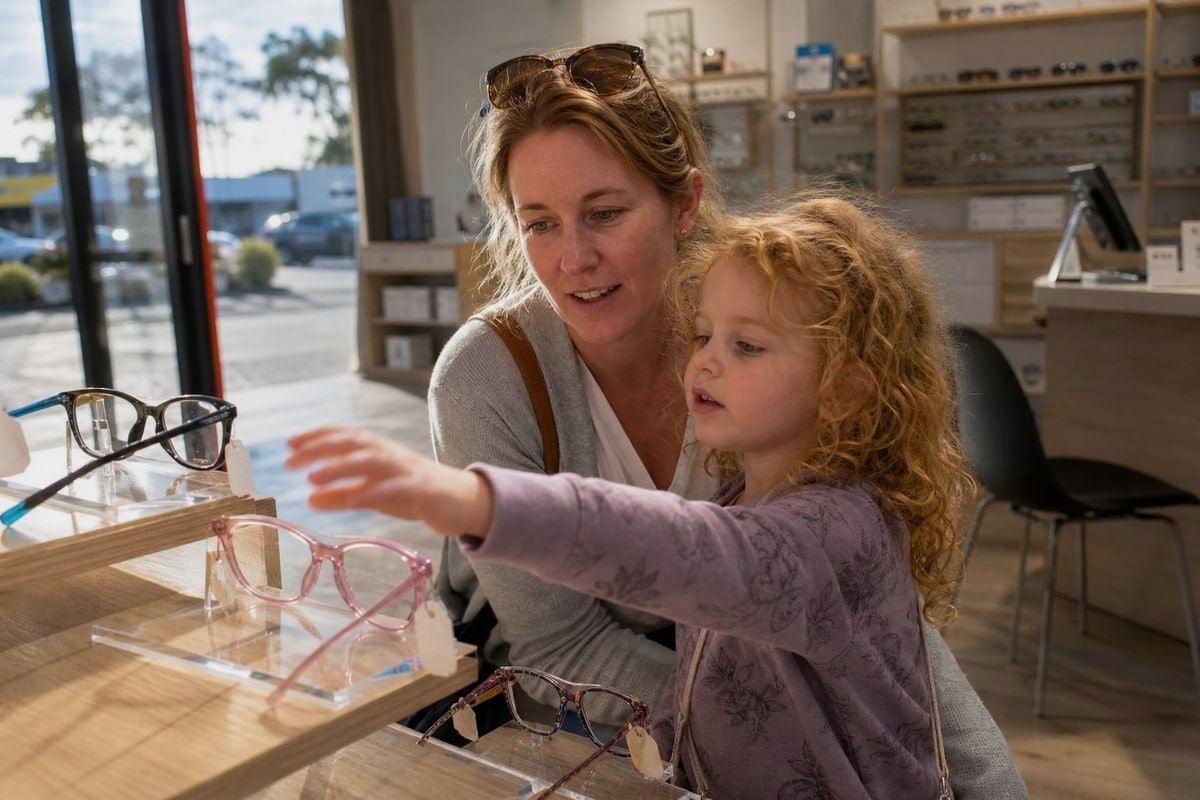
Cheap frames are only cheap until a child snaps them. In our 15 years making children's eyewear, the pattern is consistent: quality problems in the kids category surface faster and cost more than in any adult category.
Where quality actually pays back in margin
Kids treat glasses roughly. They sit on them, bend them, and drop them in playgrounds. That is why we build most of our optical styles in TR90 with TPEE temples — like our black frame with navy flexible rubber temples and silicone cable ear hooks. The flexibility is not cosmetic. It directly cuts breakage returns, and returns are pure margin loss. A sensible practice is to build a 5–10% durability buffer into your pricing to absorb the higher defect and return rates typical of children's products.
Quality also gives retailers a selling story. Parents will pay more for UV400保護 5, BPA-free materials, and frames that survive rough use. Polycarbonate lenses, anti-reflective coatings, and blue light filters add further per-transaction profit. These value-adds let a retailer defend a 60%+ margin without feeling overpriced.
Practical ways to lower cost without lowering quality
- Choose from existing styles instead of opening new molds. Our catalog holds around 800 styles, which lets a new brand launch and test the market with far lower risk.
- Consolidate orders across colorways to hit better volume pricing.
- Standardize packaging across your range rather than customizing every SKU.
- Negotiate on non-current styles or simplified accessories, not on materials or safety testing.
- Ask your factory to suggest cost-down alternatives; our engineers often find a hinge or temple change that saves cost without touching durability.
The goal is a partner relationship. A factory that understands your retail margin math will help you protect it. A supplier chasing only the lowest quote will not.
Early in my export career, a buyer priced her whole range off our FOB quote alone. When compliance testing and freight invoices arrived, her real margin was ten points lower than planned.
Hidden costs — freight, duties, compliance testing, packaging, payment fees, breakage returns, and licensing royalties — typically add 20–35% to the factory price. Build your landed cost calculation from all of these before applying any margin formula, or your gross margin will look better on paper than in reality.
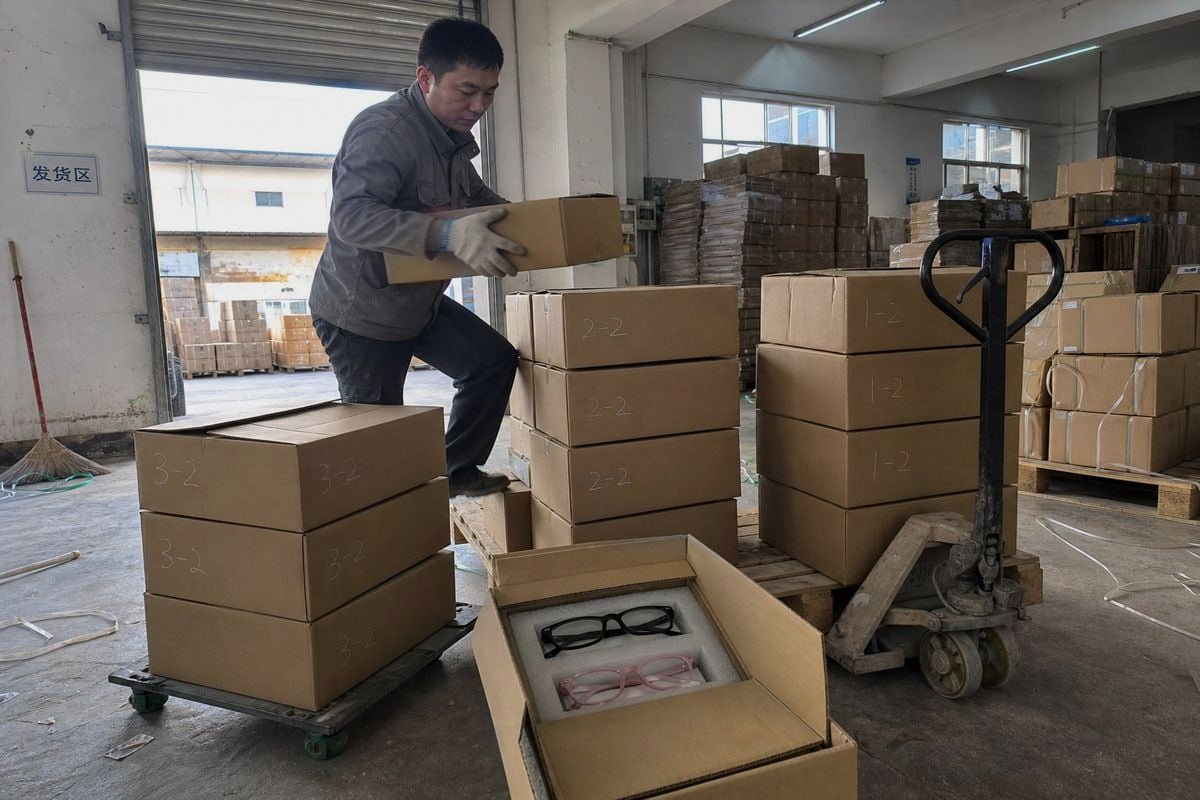
Undercounting landed cost is the most common mistake I see in this industry. It makes every downstream number wrong. Your margin report looks healthy while your bank account disagrees.
Build the full landed cost line by line
Here is a realistic landed cost calculation for a mid-tier kids frame:
| Cost Component | Typical Range | Example on $10 FOB Frame |
|---|---|---|
| Factory (FOB) price | Base | $10.00 |
| Freight and handling | 5–12% | $0.90 |
| Import duties and clearance | 3–8% | $0.60 |
| Compliance and safety testing (amortized) | 2–5% | $0.35 |
| Retail-ready packaging and case | 5–10% | $0.80 |
| Payment and currency fees | 1–3% | $0.20 |
| Durability/return buffer | 5–10% | $0.75 |
| True landed cost | +20–35% | $13.60 |
That $10 frame is really a $13.60 frame. At a 60% margin target, the difference between pricing off $10 and pricing off $13.60 is a $9 gap on the shelf — enough to wipe out the margin you thought you had.
Do not forget the category-specific extras
Licensed character frames carry royalties of roughly 5–15% of net sales plus marketing contributions, which can push retail prices 30–50% above identical unlicensed frames. Decide early whether licensing fits your positioning. Also consider retail inventory management costs: kids sizes turn over unevenly, and slow SKUs tie up cash. Finally, look at services around the frame. Bundling professional fittings and adjustments, offering breakage-replacement programs, or using virtual consultations to trim overhead can all lift perceived value and protect margin beyond the product itself. When we prepare retail-ready packaging for clients, we design it so the safety and durability story is visible on the shelf — that presentation is part of the price justification, not an afterthought.
結論
Underpricing quietly kills kids eyewear brands. Calculate true landed cost, set tiered margin targets of 50–70%, test the parent price ceiling, and partner with a factory that protects your math.
脚注
1. Provides a comprehensive definition of Total Cost of Ownership (TCO) for assets. ↩︎
2. Found a working URL on the original domain (Lens.com) that provides a comprehensive definition and properties of TR90 frame material. ↩︎
3. Provides market size and trends for the children’s eyewear industry. ↩︎
4. Found a working URL on the original authoritative domain (BDC) that defines gross margin and explains its calculation. ↩︎
5. Explains the UV400 standard for sunglasses and its importance for eye protection. ↩︎


 English
  Español de México
  Deutsch
  Français
  日本語
日本語  العربية
  Português do Brasil