子供用サングラスの注文を年次カタログ発行に合わせて調整する方法は?
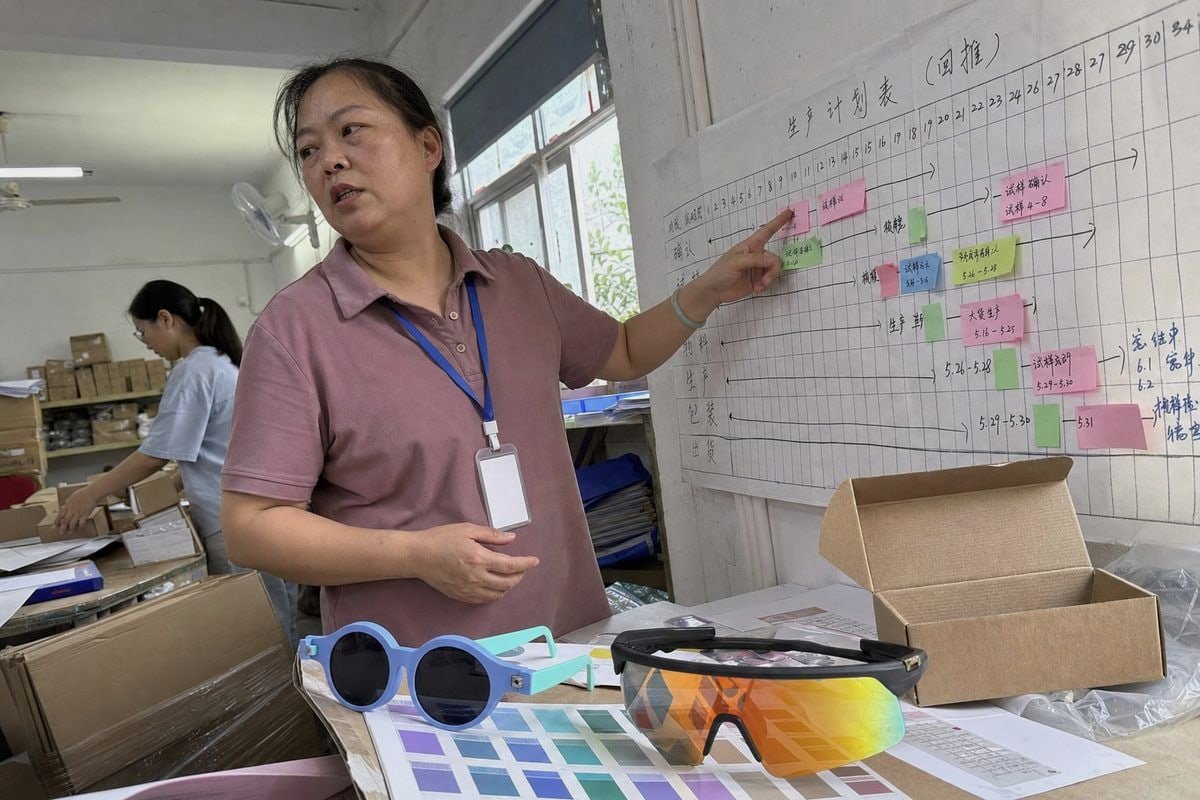
子供用サングラスの注文を年次カタログ発行に合わせて調整することは、経験豊富なバイヤーでさえもつまずくところです。私たちの生産ラインでは、毎年春に同じ苦痛なパターンを目にします。美しいカタログが出され、家族が反応し、サングラスはまだ海の上にあります。カタログはその役割を果たしました。サプライチェーンは果たしませんでした。解決策は、発売日から逆算して注文カレンダーを計画することです。ブランドがそれをどのように行うかを正確に示します。.
カタログ発売日から逆算して子供用サングラスの注文を調整します。6〜9ヶ月前から計画を開始し、4〜5ヶ月前にスタイルを確定して一括注文を行い、生産と shipping に90日を確保し、カタログ発行の少なくとも14日前に品質チェック済みの在庫を受け取ります。.
それが簡単な答えです。この記事の残りの部分は、タイムラインを実用的な段階に分解します。リードタイム、一般的な遅延ポイント、柔軟な注文戦術、および再注文計画について説明します。.
カタログ発行日に合わせて注文するには、どのくらい前に注文する必要がありますか?
オーストラリアのバイヤーが3月に私にメールで、4月までに夏の在庫を依頼してきました。私たちの台州の工場は断ることができませんでした。その会話が、私が現在タイムラインを説明する方法を形作りました。.
カタログ発行日の4〜5ヶ月前に一括注文を行ってください。カスタム子供用サングラスは通常、90日の製造リードタイム、それに3〜6週間の shipping、さらにカタログが顧客に届く前の受け取りと検査のための14日間のバッファが必要です。.
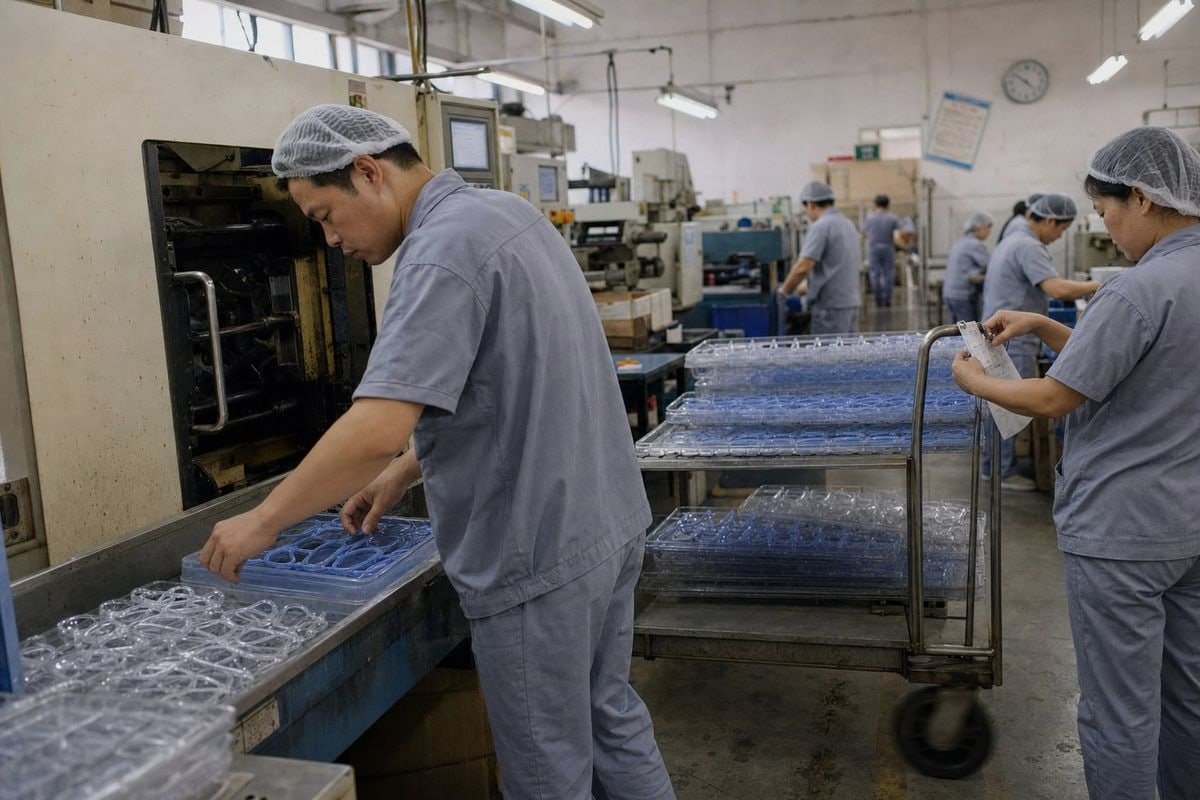
最もクリーンな計画方法は 120日間の逆算ルール. です。カタログの配布日を取得し、受け取りと検査のために14日を差し引き、次に shipping 時間を差し引き、次に生産時間を差し引きます。着地した日付が真の注文締め切り日です。それはほとんど常にバイヤーが予想するよりも早いです。.
In our experience exporting to 20+ countries, the full cycle looks longer than the order alone. Seasonal demand forecasting, スタイル選択 1, 、サンプリング、承認はすべて発注書の前に行われます。そのため、ピークシーズンの発売の6〜9ヶ月前にパートナーに会話を開始するように伝えています。ファッション卸売カレンダーはしばしば12〜14ヶ月前にトレンドレビューを開始するため、6〜9ヶ月は控えめではありません。標準です。.
逆算されたカレンダー
夏の需要を捉えるために4月上旬に発行されるカタログのサンプルタイムラインを次に示します。
| マイルストーン | 発売前のタイミング | 何が起こるか |
|---|---|---|
| トレンドと品揃えのレビュー | 8–9ヶ月 | スタイルを絞り込み、展示会のスケジュールを確認する |
| サンプリングと承認 | 6–7ヶ月 | フィットチェック、レンズとカラーサンプル |
| 一括購入注文の発注 | 4–5ヶ月 | 工場での生産枠確保 |
| 生産完了 | 2 months | 出荷前の品質検査 |
| 商品出荷 | 6–8週間 | ほとんどの市場向け海上輸送 |
| 在庫受領と確認 | 2週間 | 最初の5〜10日以内に検査 |
| カタログ発行 | 発売日 | 在庫はライブで販売可能 |
もう一つ重要な点があります。春と夏は、アイウェア業界で最も忙しい生産時期です。工場はすぐにいっぱいになります。ピークシーズンの少なくとも6ヶ月前に 卸売調達注文 2 を行うことで、工場の優先順位を確保し、追加料金を回避できます。遅い注文は、待った他のすべての人々と同様に、生産能力をめぐって競争することになります。.
OEMプロセスのどの部分がカタログのタイムラインを遅らせる可能性が最も高いですか?
サンプルの改訂は、エンジニアが最も頻繁に見る遅延です。TR90フレームの 追加のカラーラウンド 4 は、静かに3週間を消費する可能性があります。バイヤーはめったにそれを予算に組み込みません。.
OEMの遅延リスクの最大要因は、サンプル改訂、カスタムカラーと金型承認、子供向け製品の第三者安全テスト、ピークシーズンの工場混雑、海上輸送の変動です。それぞれ1〜4週間追加される可能性があるため、最良の場合の推定値に頼るのではなく、すべての段階にバッファーを組み込んでください。.

すべての遅延が同じではありません。予測可能でバッファーしやすいものもあれば、変動しやすく、緊急時対応計画が必要なものもあります。5S管理ワークショップでOEMプロジェクトを実行する場合、リスクを3つのバケットにグループ化します。.
製造前遅延
デザインの最終決定とサンプリングが、最も回避可能な遅延の主な原因です。各改訂サイクルは、新しいサンプル、国際宅配便の時間、バイヤーのレビューを意味します。柔軟なTPEEテンプルでの カスタムパントンカラーマッチング 5 は、在庫カラーを選択するよりも時間がかかります。新しい金型はさらに数週間追加されます。これが、既存のスタイルを約800個維持している理由の1つです。証明済みのフレームを選択すると、金型段階が完全に不要になります。.
コンプライアンスとQCの遅延
子供用アイウェアは、大人用ファッションアクセサリーよりも厳しい義務を負います。鉛含有量とUV400パフォーマンスの 第三者安全テスト 6 は、子供向け製品では市場で義務付けられていることがよくあります。このテストのために、タイムラインに21日間のコンプライアンスバッファーを組み込むことをお勧めします。時間を節約するためにスキップすることは、子供向けブランドではオプションではありません。これに加えて、工場のQCと出荷前の検査を追加します。.
ロジスティクス遅延
サプライチェーンのロジスティクスは、最も制御不能な段階のままです。港の混雑、船のローリング、税関の保留は、警告なしに2〜4週間追加される可能性があります。.
| 遅延の原因 | 典型的な追加時間 | それを減らす方法 |
|---|---|---|
| 追加のサンプル改訂 | 2–3 weeks per round | Approve fit and color in one detailed round |
| 新規カスタム金型 | 4–8 weeks | Choose from existing styles instead |
| Safety and UV400 testing | Up to 21 days | Book the lab slot before production ends |
| Peak-season factory queue | 2–4 weeks | Order 6+ months before peak |
| Ocean freight disruption | 1–4 weeks | Add buffer weeks; consider partial air freight |
スタイルを早期に確定し、色やパッケージを発売日に近づけて最終決定できますか?
Here is a trade-off I discuss with almost every brand: commit early and risk overbuying, or stay flexible and risk missing the catalog window. A staged commitment solves both.
Yes. You can confirm frame styles and reserve production capacity 5–6 months out, then finalize colors, logos, lenses, and packaging 3–4 months before launch. Frames and molds have the longest lead times; printing, lens coatings, and packaging are faster and can be decided later.
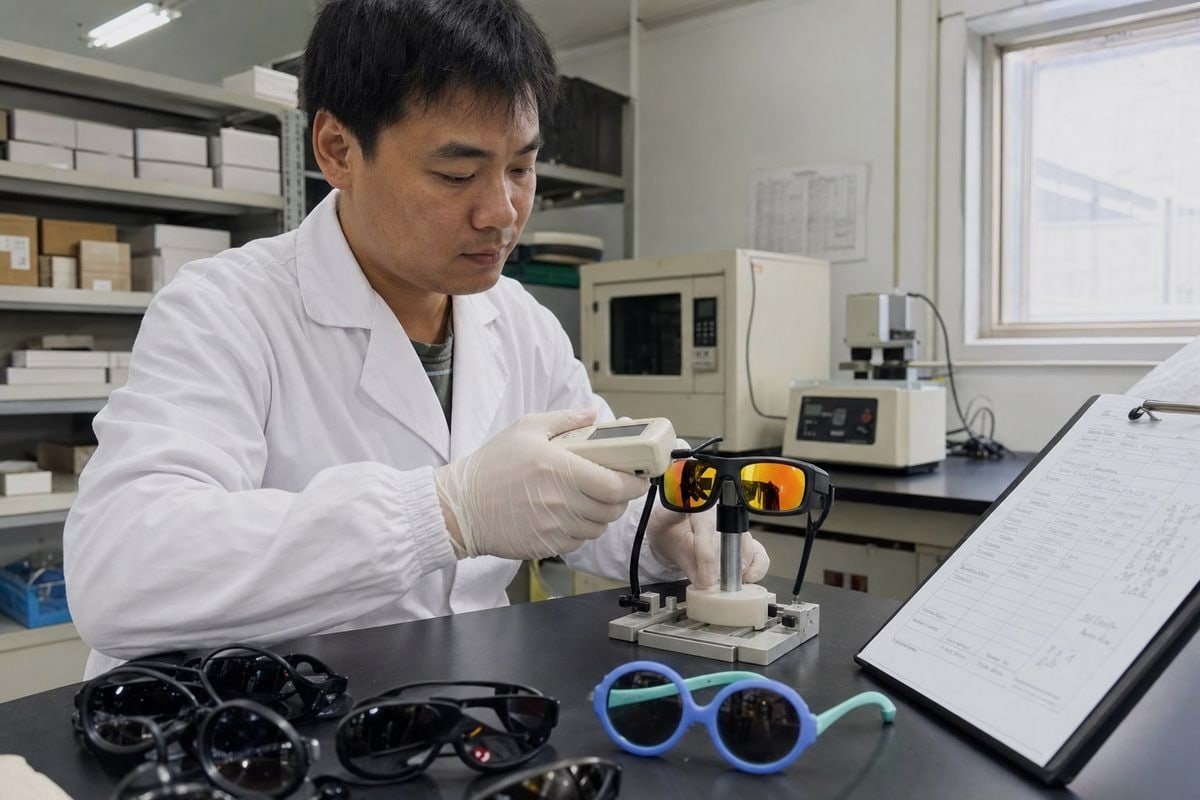
This staged approach works because different components sit at different points in the production sequence. The frame shape decides tooling and material. Those are slow. Color mixing, logo printing, lens options, and retail packaging happen later in the line. Those are faster. A smart product launch strategy exploits that gap.
When we develop projects with kids' brands in Europe and Japan, we usually structure commitments in three waves:
- Style lock. The buyer confirms frame silhouettes, sizes, and rough quantities. We reserve the production slot. For a sporty wraparound shield or a soft two-tone round frame, this defines the tooling and TR90 or TPEE material plan.
- Spec lock. Around 3–4 months out, the buyer finalizes frame colors, temple colors, lens tints or mirror gradients, polarized versus standard UV400 lenses, and logo placement.
- Packaging lock. Retail-ready packaging, pouches, cases, hang tags, and barcodes can often be confirmed last, since printing runs are quick relative to frame production.
There is a real objection here. Some buyers fear that locking styles early means betting on trends too soon. My honest answer: split your SKU planning. Lock evergreen shapes and classic colors early and deep. Keep trend-driven colorways in the later spec-lock wave, where you can still adjust based on early retailer feedback or a digital preview. Some brands even run a digital-first teaser and use engagement data to prune weak variants before the final production cutoff. Flexibility is not the enemy of early ordering. Unstructured flexibility is.
How do I plan reorders so I don't run out of stock after my catalog drives demand?
A distributor client once sold through their best-selling blue round frame three weeks after their catalog mailed. Their reorder arrived ten weeks later. That gap taught us both a lesson.
Plan reorders before the catalog launches, not after. Order core styles 15–20% above forecast, set reorder trigger points in your inventory system, pre-book a replenishment production slot with your factory, and use pre-order campaigns to bridge any gap while restock is in transit.

The hard truth is that a reorder faces the same manufacturing lead times as the first order. If your catalog performs well in week two, a reorder placed in week three still needs production plus shipping. Waiting for a stockout to trigger action guarantees a sales gap. So retail stock replenishment must be designed into the original plan.
Build a two-tier order structure
We recommend splitting the buy. Place a deep initial order on core, kid-friendly styles that sell every season. Place a lighter order on trend shapes. Then pre-arrange a smaller replenishment run with your factory for the winners. Because we hold material stock for our standard TR90 and TPEE styles, a pre-booked reorder moves much faster than a cold new order. Ask your supplier what a committed reorder slot shortens the cycle to, and get it in writing.
Use safety stock deliberately
Over-ordering core styles by around 15% serves two purposes. It covers demand spikes, and it funds a no-questions-asked replacement program. In the kids' market, replacing a snapped frame for free builds strong loyalty, and flexible TPEE frames already reduce breakage claims in the first place.
| Reorder tactic | When to set it up | Why it works |
|---|---|---|
| 15–20% safety stock on core SKUs | With the initial bulk order | Absorbs spikes and supports replacements |
| Reorder trigger points | Before launch, in your inventory management system | Real-time SKU tracking flags winners early |
| Pre-booked replenishment slot | At initial PO signing | Skips the factory queue on reorders |
| Pre-order campaigns | At catalog mailing | Captures demand while restock ships |
| Sell-through review at day 14 | Two weeks after launch | Data arrives in time to trigger the reorder |
接触点に集中 inventory management across age tiers 7, frame colors, and lens variants tells you which SKUs to replenish. Bulk ordering cycles then repeat annually, and each year's sell-through data sharpens the next catalog's assortment.
結論
Your catalog is the selling moment. Your kids sunglasses order is the supply-chain moment. Plan backward, order early, buffer every stage, and pre-book reorders — then the catalog delivers.
脚注
1. Authoritative Wikipedia entry explaining retail assortment strategies and product selection processes. ↩︎
2. Provides an overview of professional purchasing and supply management processes for businesses. ↩︎
3. Authoritative Wikipedia entry defining lead time components in manufacturing and supply chains. ↩︎



 English
  Español de México
  Deutsch
  Français
  日本語
日本語  العربية
  Português do Brasil