子供用サングラスの品切れで海上輸送と航空輸送の損益分岐点を計算する方法は?

毎年夏になると、バイヤーはパニックになって台州の工場に電話してきます。海上輸送と航空輸送の損益分岐点が突然重要になります。なぜなら、子供用サングラスが品切れ寸前だからです。 ターミナル試験 1. 5週間待って海上で輸送すると、ピークシーズン中に棚が空になります。パニックになって航空輸送で支払うと、利益がなくなります。良いニュースは?この決定は推測ではなく、10分で実行できる計算です。.
子供用サングラスの品切れで海上輸送と航空輸送の損益分岐点を計算するには、追加の航空輸送の陸揚げコストと失われた貢献利益を比較します。週あたりの販売数量にペアあたりの利益を掛け、品切れ回避週数を掛けます。失われた利益が航空輸送の割増料金を超える場合は、商品を空輸してください。.
それが基本的な計算式です。しかし、実際の数字は詳細に隠されています。 課金重量 2, 陸揚げコスト、季節的なタイミング、および実際の品切れリスク。子供用サングラスを実例として、各項目を説明します。.
子供用サングラスの注文において、海上輸送と航空輸送の真のコスト差をどのように計算すればよいですか?
最近、ヨーロッパの子供向けブランドの補充注文で、当社の配送チームが2つの貨物輸送業者の見積もりを並べて比較しました。地元の手数料と関税を追加すると、「明白な」答えが覆りました。 UV400レンズ 3. 見出しの料金がすべてを物語ることはほとんどありません。.
ユニットあたりの完全な着船コストを比較して、真のコスト差を計算してください。運賃の見積もりではありません。両方のモードについて、貨物、関税、保険、ターミナル料金、およびラストマイル配送を追加し、出荷されたユニットで割ります。ペアあたりの航空と海上着船コストの差が、航空プレミアムです。.
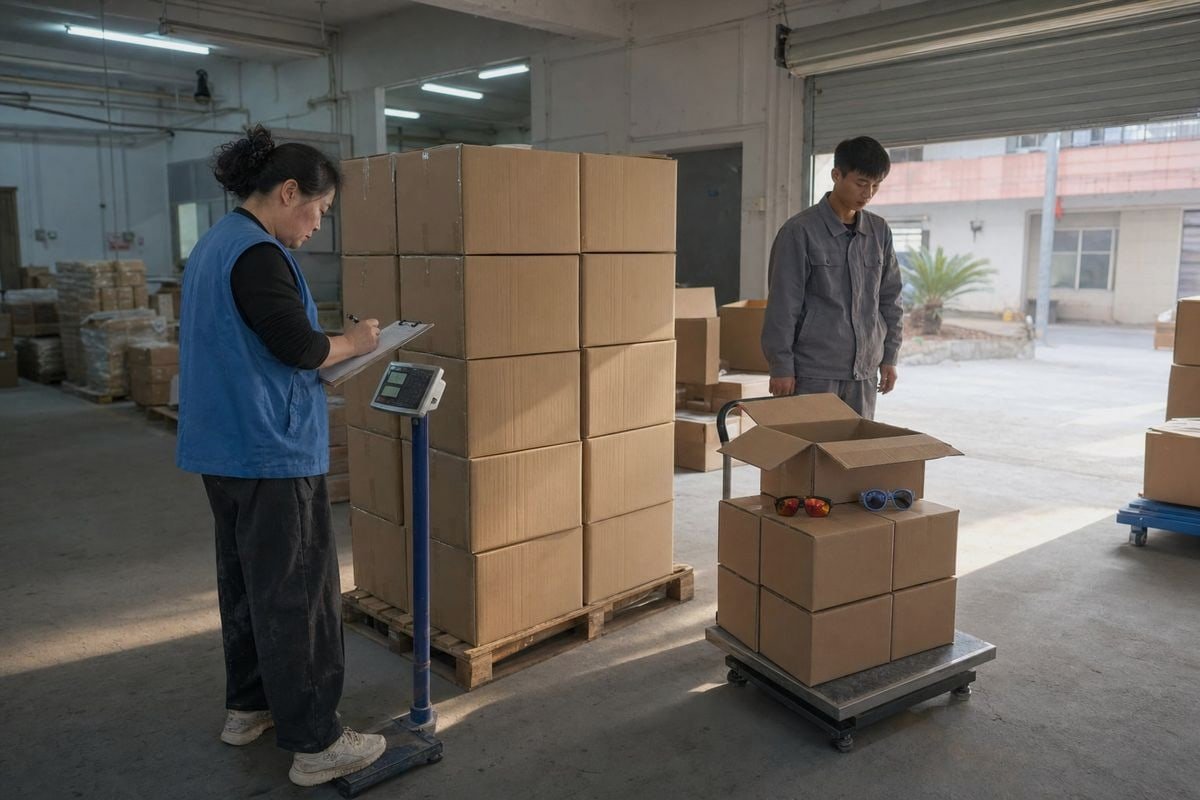
バイヤーが犯す最初の間違いは、海上輸送の見積もりと航空輸送の見積もりを比較して、そこでやめてしまうことです。適切な 陸揚げコスト計算 4 には、倉庫に届く前に貨物に触れるすべてが含まれます。海上輸送は、書類作成、ターミナルハンドリング、通関手数料、仕向地手数料などの重い固定料金がかかります。これは 小口貨物には大きな負担となります. 。航空輸送は固定料金が少ないですが、キログラムあたりの料金は非常に高いです。.
課金重量:サングラスが複雑になる場所
航空輸送は、実際の重量と容積重量の大きい方に基づいて請求されます。センチメートルあたりの除数は6000です。子供用サングラスは軽いですが、小売包装はかさばることがあります。TPEEテンプル付きのTR90フレームのペアは30グラム未満ですが、ハードケース付きのギフトボックスは容積上のフットプリントを3倍にすることができます。海上輸送は1:1000の除数を使用するため、海上の場合はかさばることはそれほど重要ではありません。.
以下は、1,000足の補充注文の現実的な比較です。
| コスト要素 | 海上輸送(LCL) | 航空貨物 |
|---|---|---|
| 基本貨物運賃の見積もり | $280 | $1,450 |
| 出発地+ターミナル手数料 | $220 | $95 |
| 通関手数料 | $150 | $150 |
| 関税と税金 | $310 | $310 |
| 仕向地配送 | $180 | $120 |
| 総陸揚げ貨物コスト | $1,140 | $2,125 |
| 1足あたりのコスト | $1.14 | $2.13 |
この例では、航空輸送の割増料金は約985ドル、つまり1足あたり約0.99ドルです。その数字、恐ろしい見出しの見積もりではなく、品切れリスクと比較する値です。海上輸送の固定料金が小口注文での価格優位性をどのように縮小しているかに注目してください。これが、子供用サングラスのような軽量でコンパクトな貨物が、バイヤーが予想するよりも航空/海上輸送のクロスオーバーに近い位置にあることが多い理由です。.
経験則とその限界
業界ガイドでは、クロスオーバーポイントを約100〜150 kg、または高密度貨物の場合は150〜300 kg、または中国から米国東海岸のレーンでは550〜700ポンドとしています。これらは、すべてのルート、密度、および料金体系が異なるため、矛盾しています。それらを正気度チェックとして扱い、決して答えとして扱わないでください。独自のレーンをモデル化してください。.
輸送の遅延を補うために航空貨物輸送を選択する前に、どのような在庫切れのリスクを考慮すべきですか?
当社の輸出チームが苦労して学んだ教訓の1つ:あるクライアントは海上輸送を選択して900ドル節約しましたが、港の遅延で輸送が2週間延長されたため、バックトゥスクールシーズン全体を失いました。貨物運賃の節約は現実でした。収益損失は10倍大きかったです。.
在庫切れのリスクを4つ評価する:販売機会損失による貢献利益の減少、マーケティングおよび顧客獲得費用の無駄、在庫切れの影響が残るマーケットプレイスのランキング低下、季節的な機会損失。子供用サングラスの場合、ピークシーズンの1週間を逃すと、多くの場合、航空運賃以上の損失が発生します。.

品切れの機会費用は、ほとんどの場合過小評価されています。ほとんどのバイヤーは、販売数量の損失を数えてやめます。しかし、損害はさらに3つの方法で累積します。.
品切れコストの4つの層
まず、直接的な損失:週あたりの販売数量にペアあたりの総利益を掛けます。週に400ペアをペアあたり6ドルの貢献利益で販売する場合、1週間の欠品で2,400ドルの損失が発生します。第二に、無駄な獲得支出: 広告は引き続き実行され, 、買い物客はクリックし、品切れページにアクセスします。その予算は何も購入しません。第三に、マーケットプレイスのペナルティ:Amazonのようなプラットフォームは、品切れしたリスティングを降格させ、在庫が戻った後もランキングの回復に数週間かかることがあります。第四に、そして私たちの製品カテゴリにとって最も厳しいのは、季節的な減衰です。.
タイミングが子供用サングラスにとってすべてを変える理由
子供用サングラスの需要は一定ではありません。春休み、初夏、ホリデー旅行、新学期に合わせて急増します。これらの期間中の品切れは「販売の遅延」ではなく、販売の損失です。なぜなら、来週のビーチ旅行のためにサングラスを必要としている親は、今日競合他社のペアを購入するからです。品切れコスト曲線は非線形です。ピーク期間に近いほど、航空輸送の損益分岐点は低くなります。.
バイヤーが忘れがちな相殺要因もあります。海上輸送は、水上の商品に30日以上の追加資本を拘束することを意味します。これらの在庫維持コスト(融資、保険、リスク)は、特にシーズン全体を賄う注文の場合、海上輸送の明らかな利点を静かに縮小します。.
子供向け製品に特有のもう1つのリスクは、コンプライアンスの遅延です。米国に入国する子供用アイウェアは、 CPSIA要件 5, を満たす必要があります。ターミナル検査のためにフラグが立てられた海上輸送は、さらに7〜14日失う可能性があります。航空輸送は通常、より速く通関しますが、サプライチェーンのリードタイムがすでにタイトな場合は重要です。子供用アイウェアを20か国以上のバイヤーに15年間出荷してきた中で、クライアントに最も損害を与えた出荷は、高価なものではなく、遅延したものでした。.
航空貨物輸送費を支払うに見合う損益分岐点注文数量をどのように計算できますか?
Numbers settle arguments faster than opinions do. When a distributor asks us whether to fly a replenishment order, we open a simple spreadsheet together and let the math decide. Here is that exact framework.
総航空貨物プレミアムをペアあたりの貢献利益で割って、損益分岐点での損失ユニットを算出します。海上輸送時間の差による在庫切れでその数よりも多くのユニットを失うと予想される場合、航空貨物は元が取れます。.
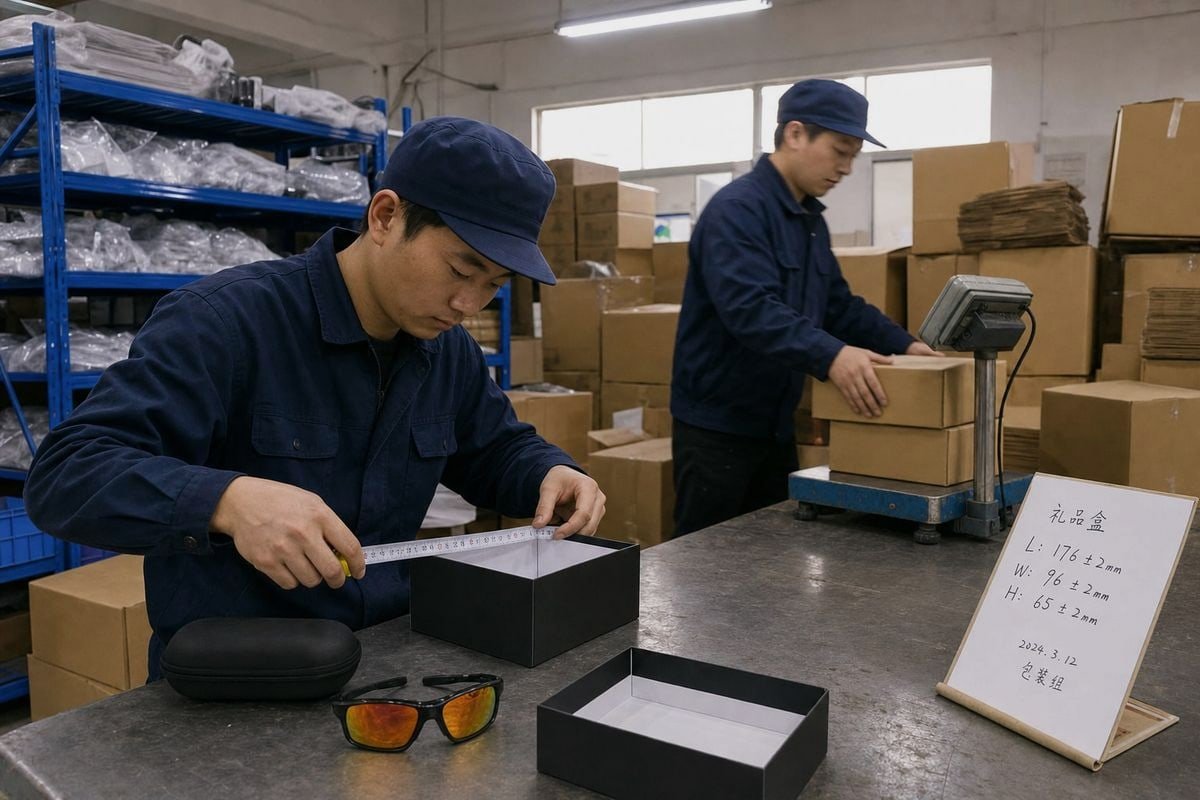
The logic runs in four steps. You can build it in any spreadsheet in minutes.
The four-step break-even calculation
- Find the air premium. Air landed cost minus sea landed cost for the full shipment. From our earlier table: $2,125 − $1,140 = $985.
- Find the transit time differential. Sea takes 35 days door-to-door on this lane; air takes 7. The difference is 28 days — four weeks of exposure.
- Estimate stockout weeks. Check current stock against weekly sell-through. If you hold two weeks of inventory, sea leaves you dark for roughly two weeks; air closes the gap entirely.
- Compare avoided loss to premium. Weekly sales × gross margin per unit × stockout weeks avoided, versus the $985 premium.
A worked example: 1,000 pairs of kids' sunglasses
| 入力 | Value |
|---|---|
| Order quantity | 1,000 pairs |
| Weekly sell-through | 400 pairs |
| Contribution margin per pair | $6.00 |
| Sea transit (door-to-door) | 35 days |
| Air transit (door-to-door) | 7日 |
| Current stock cover | 14日間 |
| Expected stockout via sea | ~2 weeks |
| Air freight premium | $985 |
Lost contribution via sea: 400 pairs × $6.00 × 2 weeks = $4,800. Against a $985 air premium, air freight wins by a wide margin — nearly five to one. The break-even threshold itself is simple: $985 ÷ $6.00 = 165 pairs. If a stockout would cost you fewer than 165 lost sales, ship by sea. More than that, fly.
Don't ignore the counterargument
Some buyers argue sea should always be the default and air is only for true emergencies. That discipline has merit — habitual air freighting destroys margin on routine replenishment. But the formula-driven view resolves the tension: sea is usually cheaper on pure freight, air is rational when stockout loss exceeds the premium, and the only reliable answer is to calculate the threshold for your specific SKU and lane. A useful secondary check is the 15% rule: if total air shipping stays under roughly 15% of the cargo's retail value during a time-sensitive window, air is generally defensible.
The hybrid split-shipment option
You rarely need to choose all-or-nothing. Air-freight 15–20% of the order to bridge the gap, and let the remaining 80% travel by sea. In the example above, flying 200 pairs might cost a $400 premium while protecting the full $4,800 at risk. We prepare split shipments regularly at our factory — same batch, same QC, two departure documents.
メーカーとどのようなステップを踏めば、再びこの海上輸送か航空輸送かの決定に直面することを避けられますか?
A procurement manager from Australia once told me she never wanted to see another air freight invoice. We restructured her ordering calendar together, and two seasons later she has not paid for a single emergency shipment. Prevention beats calculation every time.
輸送時間を考慮した発注点計算式の設定、季節的な安全在庫の確保、ピークシーズンの生産の早期予約、サンプリングリードタイム短縮のための既存スタイルの選択、および製造業者との分割出荷条件の事前合意により、緊急貨物決定を防ぎます。.
The sea-versus-air dilemma is usually a symptom, not the disease. The disease is a reorder trigger that ignores real supply chain lead time. Fix the trigger and the emergency rarely arrives.
Build a reorder point that respects the ocean
子供製品証明書 reorder point formula 6 is straightforward: average weekly demand × total lead time in weeks, plus 安全在庫. The mistake is using freight transit alone as lead time. Real lead time includes production, QC, booking, sailing, customs, and inland delivery. For our kids' sunglasses, typical production runs 25–35 days depending on customization depth, before the vessel even loads. Your reorder point must cover the whole chain.
| Planning lever | What to agree with your manufacturer | Impact on stockout risk |
|---|---|---|
| 再注文ポイント | Trigger POs at full lead-time demand + buffer | Removes the emergency entirely |
| Safety stock levels | Hold 3–6 extra weeks before peak season | Absorbs demand spikes and port delays |
| Early seasonal booking | Confirm summer orders in Q4/Q1 | Locks capacity before the rush |
| Existing style selection | Choose from catalog styles instead of new molds | Cuts development weeks from lead time |
| Pre-agreed split shipments | Standing option to air 10–20% of any order | Caps worst-case exposure cheaply |
| Demand signal sharing | Share sell-through data monthly | Lets the factory pre-position materials |
Where your factory choice matters
Lead time is partly a manufacturer decision. Because we keep around 800 existing styles ready for customization — from flexible TPEE toddler frames 7 to sporty wraparound shields with mirrored UV400 lenses — a brand can skip mold development entirely and shave weeks off the calendar. Custom colors, logos, lenses, and retail-ready packaging 8 still fit inside that shorter window. We also flag long-lead components early, like polarized lenses or custom gift boxes, so a packaging delay never becomes a freight emergency.
Finally, agree on communication rhythms. When our buyers share sell-through trends, we can hold raw materials for their repeat colorways before the PO lands. That single habit has prevented more air freight bills than any spreadsheet.
結論
The break-even point between sea and air freight is a calculation, not a coin flip: compare the air premium to the margin at risk, decide with data, then fix your reorder planning so the emergency never repeats.
脚注
1. Inspection processes conducted by customs authorities to ensure cargo compliance and security. ↩︎
2. IATA sets the industry standard for calculating chargeable weight in air cargo. ↩︎
3. Standard for eyewear providing nearly 100% protection against harmful ultraviolet radiation. ↩︎
4. US Dept of Commerce trade resource explains landed cost components like duties and fees. ↩︎
5. Federal law establishing safety standards for children’s products in the United States. ↩︎
6. Essential inventory management calculation to determine when to place new orders. ↩︎
7. Durable and flexible material commonly used in children’s eyewear for safety and comfort. ↩︎
8. Packaging design


 English
  Español de México
  Deutsch
  Français
  日本語
日本語  العربية
  Português do Brasil