私の地域で子供用サングラスの販売をサプライヤーに義務付けるにはどうすればよいですか?
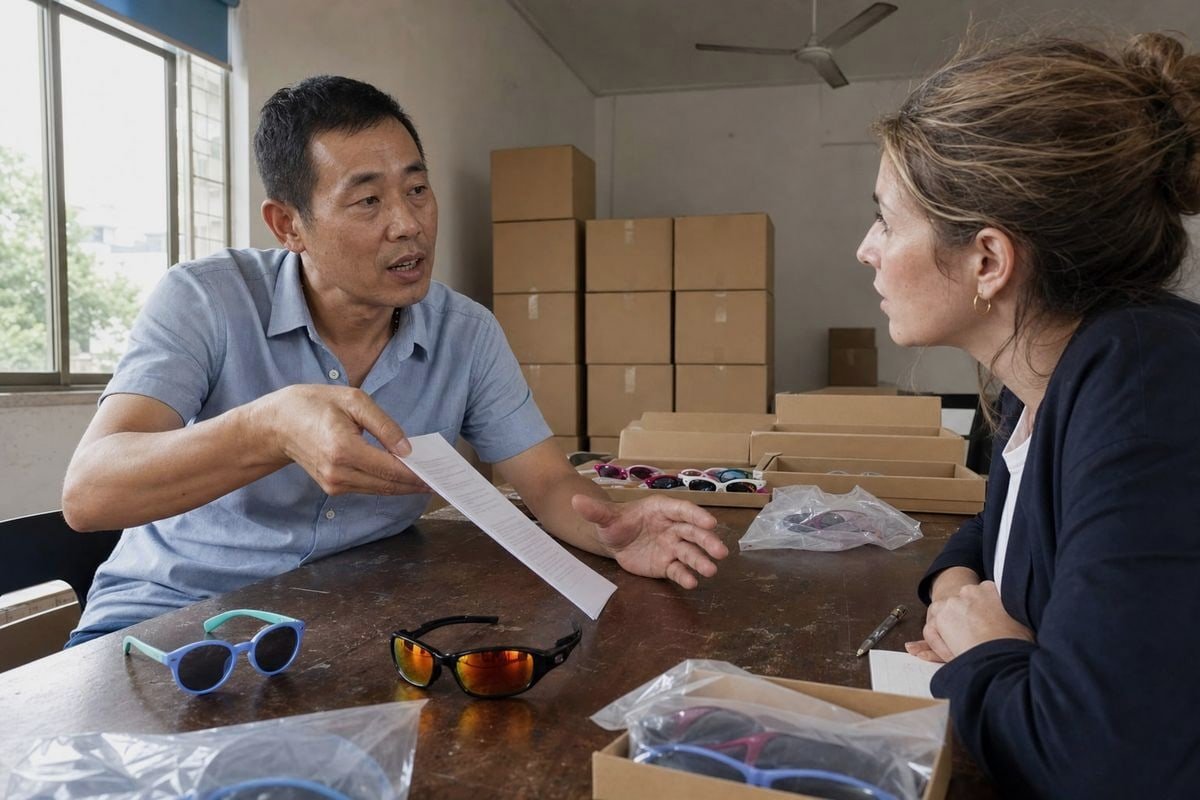
あなたの地域で子供用サングラスの販売をサプライヤーに義務付けることは、あなたの市場に重複するリストが表示されるまで、簡単に聞こえます。私たちの生産ラインでは、それがブランドの価格決定力をどれだけ速く侵食するか、そして明確な合意がそれをどのように防ぐかを見ています。.
あなたの地域で子供用サングラスの販売をサプライヤーに義務付けるには、地域的排他条項を含む排他的流通契約に署名し、制限された製品と地理を正確に定義し、目的地市場のコンプライアンス文書を要求し、制限を施行するための監査、拒否、および終了権を追加します。.
その答えには4つの動く部分があります。以下に、それぞれを説明します。契約の設定、契約書の作成、コンプライアンスの検証、および違反の処理です。まず契約自体から始めましょう。.
サングラスメーカーと地域的独占契約を結ぶにはどうすればよいですか?
数年前、オーストラリアの販売代理店から、彼の市場の他のバイヤーからスタイルをブロックするように依頼されました。その会話は、これらの契約が実際にどのように機能するかを教えてくれました。.
地域独占契約を締結するには、地域、対象となる子供用サングラスの正確なSKU、独占権との引き換えに最低注文コミットメントを設定し、製造業者があなたの地域への積極的な販売を拒否することを明記した、書面による独占販売契約を交渉してください。.
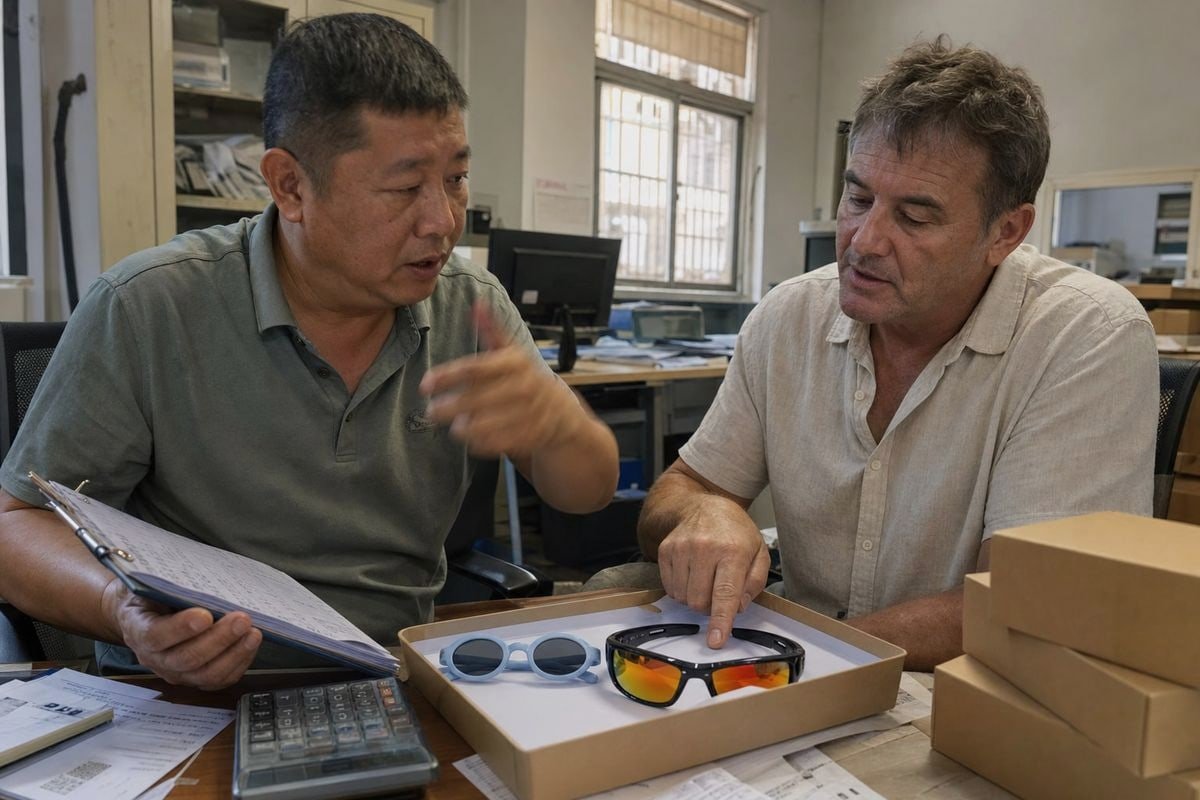
排他契約は取引であり、好意ではありません。あなたの製造業者はあなたの地域での潜在的な顧客を諦めます。その見返りに、あなたは彼らに予測可能なボリュームを提供します。私たちの台州工場では、 地域的排他性を付与します バイヤーが特定のスタイルで合理的な年間数量を約束した場合。その約束がなければ、真剣な工場は市場全体を永遠に閉鎖しません。.
適切な範囲から始める
交渉する前に「排他的」の意味を決定してください。3つの一般的なレベルがあり、それぞれがサプライヤーに異なるコストをかけます。.
| 排他レベル | 対象範囲 | 典型的なバイヤーのコミットメント |
|---|---|---|
| SKUレベル | あなたのカスタムスタイルまたはカラーウェイのみ | スタイルあたりの低から中程度のMOQ |
| カテゴリレベル | その工場からのすべての子供用サングラス | 高い年間ボリュームコミットメント |
| 完全な地域的 | すべての製品、あなたの地域のみ | 非常に高いボリュームとマーケティング義務 |
ほとんどの子供用サングラスブランドは、SKUレベルまたはカテゴリレベルの保護のみを必要とします。完全な地域的排他性は高価であり、新しいブランドにとっては正当化が困難です。バイヤーが私たちのOEM / ODMプログラムからカスタムカラー、ロゴ、パッケージを選択すると、製品がすでにユニークであるため、排他性を付与しやすくなります。.
アクティブセールとパッシブセールを区別する
多くの地域、特にヨーロッパの反トラスト法は、 垂直的制限 1 慎重に扱います。通常、サプライヤーがあなたの地域にマーケティングするアクティブセールを禁止できます。顧客が自発的にサプライヤーにアプローチする、あなたの地域でのパッシブセールを禁止することはできません。契約を執行可能にするために、アクティブセールを中心に地理的な販売制限を構造化してください。あなたの市場での垂直的制限に精通した弁護士が最終的な文言を確認する必要があります。.
また、あなたの目標が排他性なのかコンプライアンスなのかを確認してください。オーストラリアでは、子供用サングラスは必須基準の対象となります。米国では、それらは CPSIAコンプライアンス義務 2. を引き起こします。サプライヤーが単に書類を持っていないためにあなたの地域で「販売できない」場合があります。これは、商業的な排他契約とは異なる問題です。.
契約に含めるべき私の領土権保護事項は何ですか?
ヨーロッパと日本のベビー用品ブランドとのOEM契約を作成する際、最も弱い契約には1つの欠陥があります。それは曖昧な地域定義です。「子供用サングラス」とは、おもちゃのメガネから.
あなたの契約には、国別の地域を定義する地域的独占条項、子供用サングラスの正確な製品定義、正規販売品目リスト、副販売業者を対象とする迂回防止条項、CPSIAテストなどの仕向地市場コンプライアンス義務、監査権、および違反時の契約解除を含む明確な救済措置を含めるべきです。.
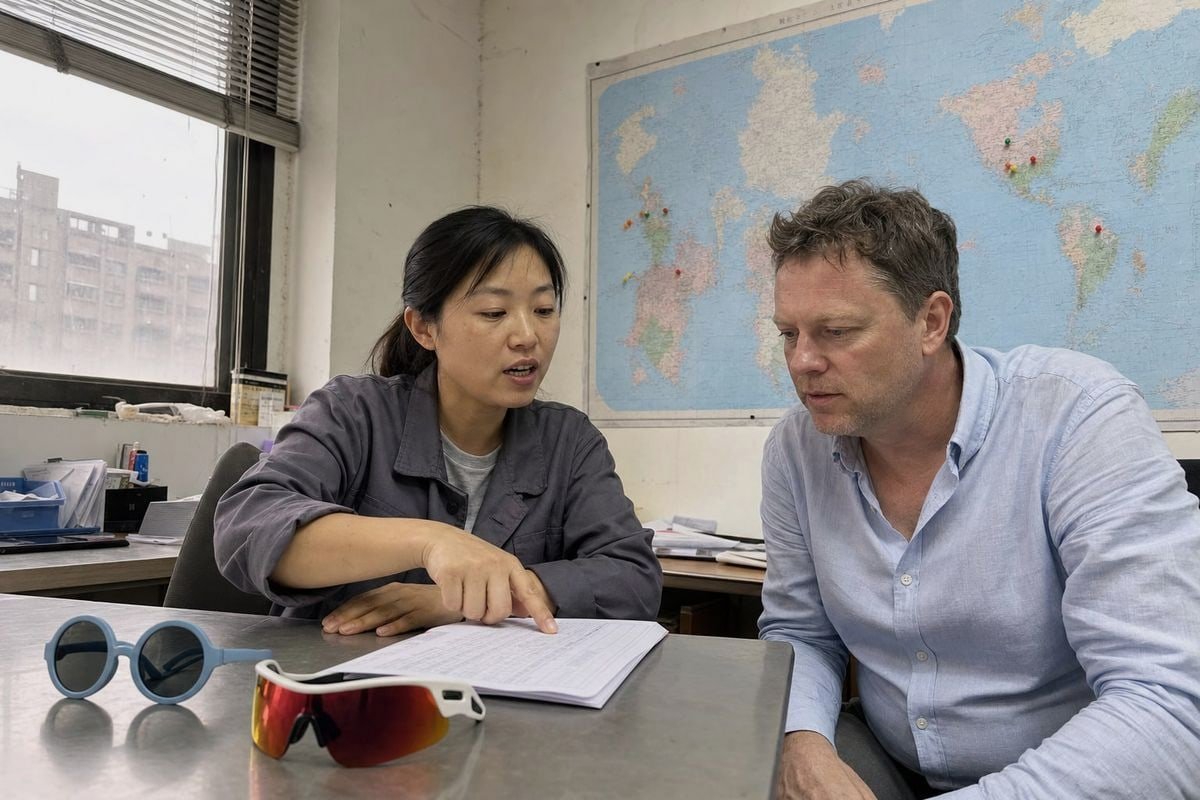
UV400偏光アイウェア 3歳から12歳までの子供向け。あなたの認定ディーラー契約は、サプライヤーが後に議論する可能性のあるすべての用語を固定する必要があります。 3 コア条項、優先順位順.
地域定義。
- 国または地域を明示的に指定してください。「私の市場」と書かないでください。. 製品定義。"
- 年齢層、フレームサイズ範囲、レンズタイプによって子供用サングラスを定義してください。おもちゃとしてラベル付けされたアイテムが含まれるか除外されるかをメモしてください。. 認定SKUリスト。.
- サプライヤーが販売できるすべてのアイテムコードと、誰に販売できるかを記載した付録を添付してください。. アンチ回避条項。.
- サプライヤーがあなたの地域に、関連会社、商社、またはサブディストリビューターを通じて販売することを禁止します。ここで、ほとんどのグレーマーケット保護の失敗が始まります。. コンプライアンス義務。.
- 出荷前に地域固有の証明を要求してください。. 出荷前に地域固有の証明を要求する — third-party test reports, a 、またはCPCは、中心となる文書です。米国法では、輸入者または国内製造者が発行する必要がありますが、CPSC認定検査機関からの合格テスト結果に基づいている必要があります。サプライヤーの自己申告に基づいて有効なCPCを発行することはできません。 4 for the US, tracking labels, and conformity markings where required.
- Marketplace restrictions. Bar the supplier from listing your protected SKUs on platforms visible to buyers in your region.
- Remedies. Spell out rejection rights, penalties, and termination triggers.
Compliance Requirements by Region
| Region | Key Requirement for Kids' Sunglasses | Contract Proof to Demand |
|---|---|---|
| アメリカ合衆国 | FDA Class I device rules plus CPSIA compliance | Third-party test report, CPC, tracking label photos |
| オーストラリア | Mandatory standard covering children's sunglasses | Test certificate against the applicable standard |
| UK / EU | Conformity markings and safety information | CE or UKCA documentation and labeled samples |
Suppliers focus on manufacturing, not destination-market product safety regulations 5. Our team learned to ask buyers up front which markets they serve, because a lens or frame that passes one standard may need different documentation elsewhere. Write the destination into the contract, and make compliant documentation a condition of payment or shipment. That single step blocks most accidental cross-border sales, because a supplier without your region's paperwork cannot legally list the product there anyway.
どのようにすれば、私のサプライヤーが私の市場の他の買い手に販売していないことを確認できますか?
One lesson from fifteen years of exporting kids' eyewear: trust the paperwork, then verify the marketplace. Contracts deter breaches; monitoring detects them.
保護されたSKUについて、マーケットプレイスや卸売ディレクトリを監視し、製品写真の逆画像検索を使用し、監査権限に基づいて出荷記録や顧客記録を要求し、ユニットに追跡可能なマーキングを追加し、大量輸入前に第三者検査を委託することにより、コンプライアンスを確認します。.
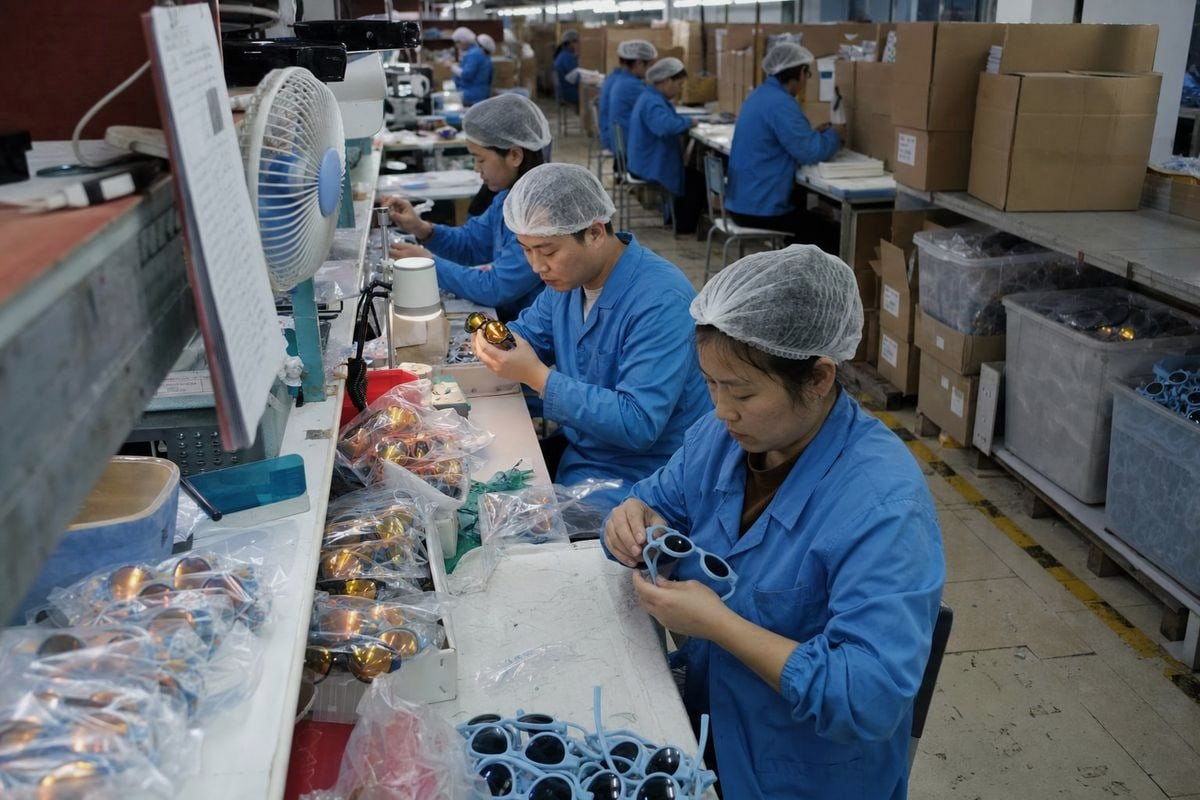
Verification works in layers. No single method catches everything, so combine passive monitoring with active audits. Children's sunglasses are listed widely across wholesale directories and mass-market e-commerce sites, which makes accidental cross-border selling easy even for well-meaning suppliers.
Layer One: Marketplace Monitoring
Search major platforms in your region monthly for your SKU names, style numbers, and product photos. Reverse image search 6 is powerful here — a supplier reusing your product photography is an immediate red flag. Some brands go further with region-coded digital watermarks on marketing assets, so any leaked image traces back to its source. Marketplace operators increasingly run their own automated monitoring and takedown systems for noncompliant listings, and UK enforcement has shown that children's sunglasses lacking required markings can be removed quickly. Use those takedown procedures alongside your contract.
Layer Two: Product Traceability
Make your units identifiable. Options range from simple to sophisticated.
| 方法 | コスト | それが証明するもの |
|---|---|---|
| Custom colorway or logo | 低 | Whether a listed product is yours or a copy |
| Batch codes inside temples | 低 | Which production run leaked |
| Region-specific packaging | 中程度 | Whether inventory was diverted |
| Blockchain-backed serialization | 高い | The exact unit and buyer responsible |
At our factory, buyers who order custom colors and molded logos through our ODM program get built-in traceability. A unique frame color paired with your logo makes parallel imports instantly visible — and harder to sell, because the product looks unofficial without your packaging.
Layer Three: Audits and Inspections
Exercise your contractual audit rights annually. Ask for shipment records for your protected SKUs. Pair this with pre-shipment inspections by a third-party lab, which verifies both compliance and quantities. A supplier who welcomes audits is usually a supplier worth keeping.
サプライヤーが独占契約に違反した場合、どうなりますか?
A buyer once forwarded me a screenshot of "his" frames on a marketplace in his own country. The listing came from a trading company, not the factory — a distinction that shaped his entire response.
サプライヤーが独占契約に違反した場合は、違反を文書化し、契約上の救済措置(在庫の拒否、罰金、支払いの保留、または契約解除)を発動し、侵害しているリスティングに対してマーケットプレイスの削除依頼を提出し、サプライヤーが違反の是正を拒否した場合は、仲裁または法的措置を講じてください。.
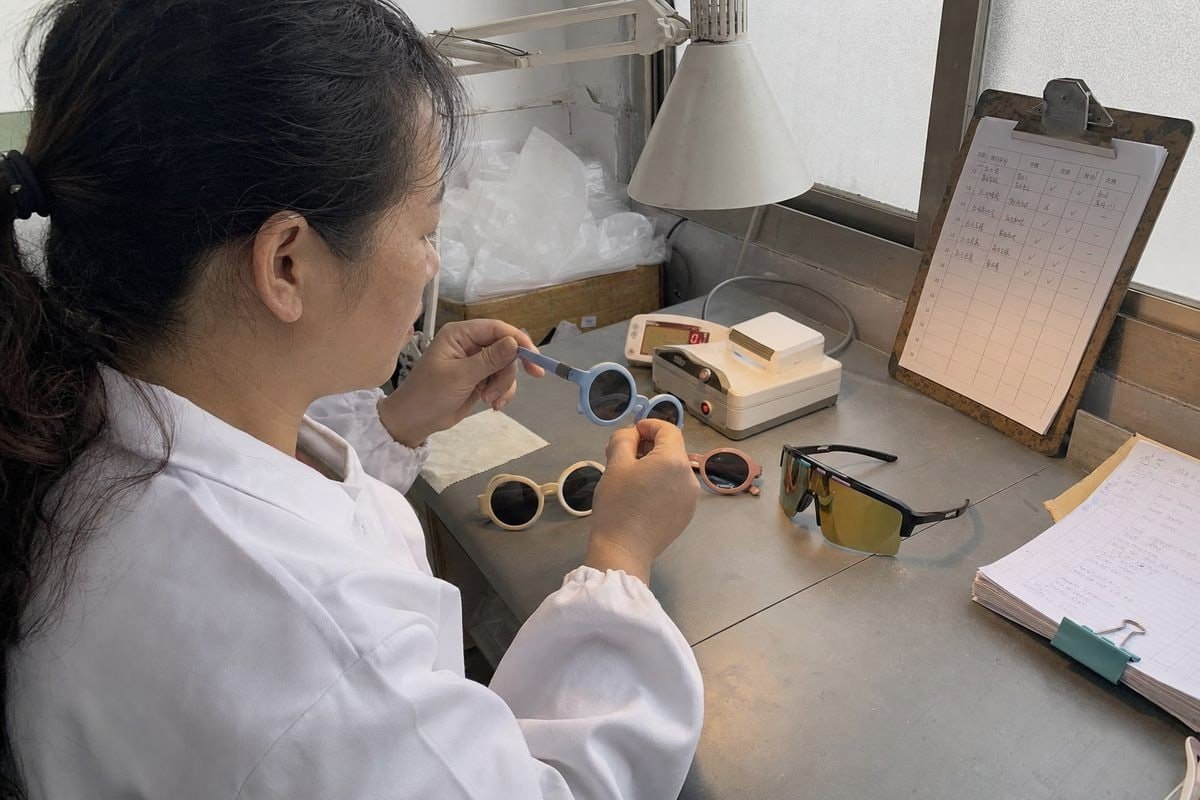
Not every breach deserves the same response. Your first job is diagnosis. Was this a deliberate sale into your territory, a passive sale you cannot legally block, or a leak through a sub-distributor the supplier did not control? Each scenario calls for a different tool from your contract.
A Graduated Response Process
- Document everything. Screenshot listings with dates, URLs, prices, and seller names. Save order confirmations if you make a test purchase.
- Trace the source. Use batch codes or serialization to confirm the units came from your supplier, not a copycat factory.
- Send formal notice. Reference the specific territorial exclusivity clause breached, and demand correction within a set deadline.
- Apply contract remedies. Depending on your terms, reject pending inventory, withhold payments, claim penalties, or suspend orders.
- Use platform enforcement. File takedowns for listings that lack required conformity marks or safety documentation. Noncompliant children's eyewear is often removable on product safety regulations grounds alone, faster than any contract dispute.
- Escalate if needed. Arbitration clauses with a neutral venue usually resolve cross-border disputes faster than courts.
Prevention Beats Punishment
The healthiest supplier relationships rarely reach step six. Some contracts include territory integrity rebates — bonuses for suppliers who keep distribution channels clean — which align incentives instead of relying only on threats. A selective distribution system 7, where the supplier sells only to vetted, authorized dealers, also reduces leak points before they form. In our experience, factories break exclusivity mostly through carelessness with trading-company orders, not malice. A supplier who screens buyers, flags suspicious orders, and communicates openly is worth more than any penalty clause. Choose partners who treat your territory as part of the specification, just like lens tint or frame flexibility.
結論
Protecting your region takes a signed exclusivity agreement, precise contract clauses, layered verification, and graduated enforcement. Combine all four, choose a transparent factory partner, and your territory stays yours.
脚注
1. Explains the antitrust concept governing active vs. passive sales restrictions in distribution contracts. ↩︎
2. Official US statute governing children’s product safety requirements referenced for kids’ sunglasses. ↩︎
3. Current WHO Q&A page covering UV radiation protection and the UV400 standard for sunglasses. ↩︎
4. Official CPSC guidance on the certificate required to legally import and sell children’s products. ↩︎
5. Official regulatory framework suppliers must meet for destination-market product safety compliance. ↩︎
6. Background on the technical method used to detect unauthorized product photo reuse online. ↩︎
7. Direct section link to the verified Wikipedia entry for selective distribution strategies. ↩︎
 English
  Español de México
  Deutsch
  Français
  日本語
日本語  العربية
  Português do Brasil