What Does ISO 12870 Test for Kids Optical Frames?
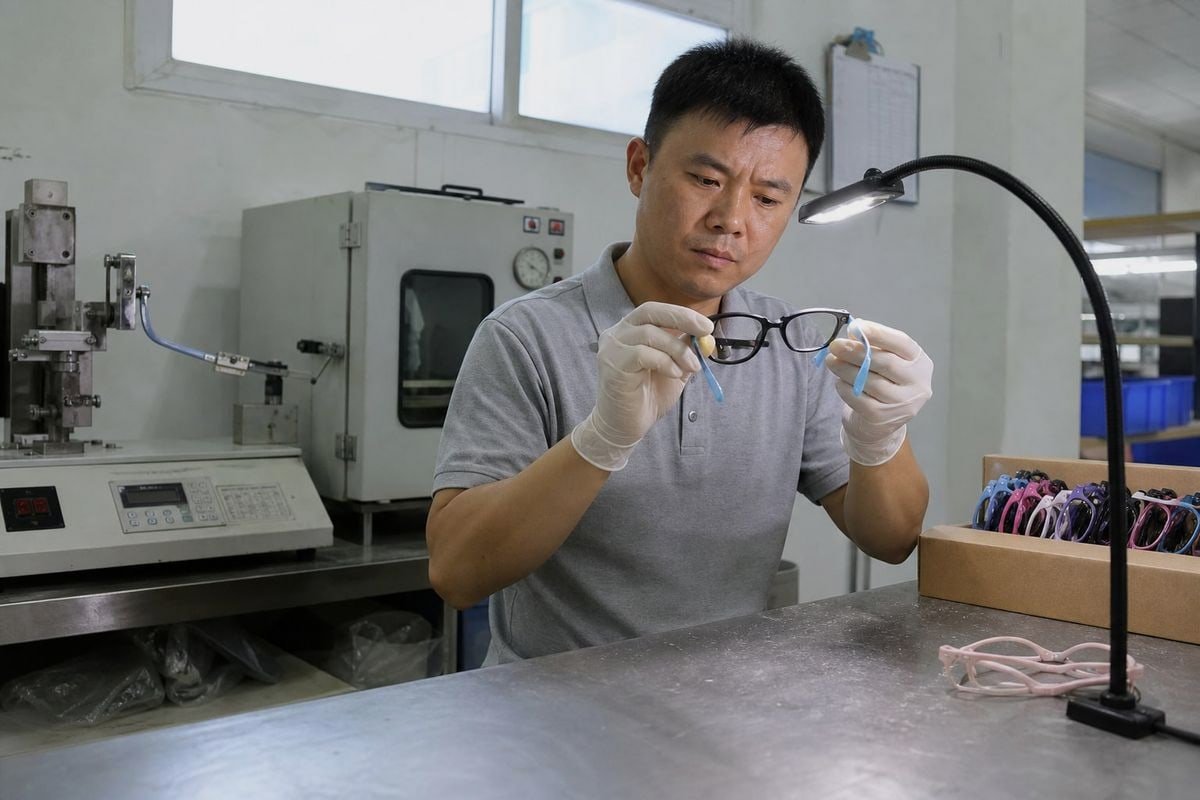
Buyers ask me about ISO 12870 testing for kids optical frames almost weekly. One warped frame or corroded hinge can trigger returns, complaints, and damaged brand trust overnight.
ISO 12870 tests kids optical frames for dimensional stability at elevated temperature, bridge deformation, lens retention, mechanical endurance, perspiration resistance, ignition resistance, nickel release, and resistance to optical radiation. It verifies a frame can safely hold prescription lenses and survive normal daily wear.
That is the short answer. But if you are sourcing children’s frames for your brand, you need more detail. Let me walk you through what the standard really covers, and what it does not.
How can I confirm my supplier's frames actually meet ISO 12870 requirements?
A buyer from Australia once sent me a competitor's "certified" report. It was two years old and covered a different frame model entirely. That happens more often than you would think.
Confirm compliance by requesting a recent third-party test report tied to the exact model number, checking the lab's accreditation, verifying each ISO 12870 test clause is listed with pass results, and confirming the report matches your production batch, not an old sample.
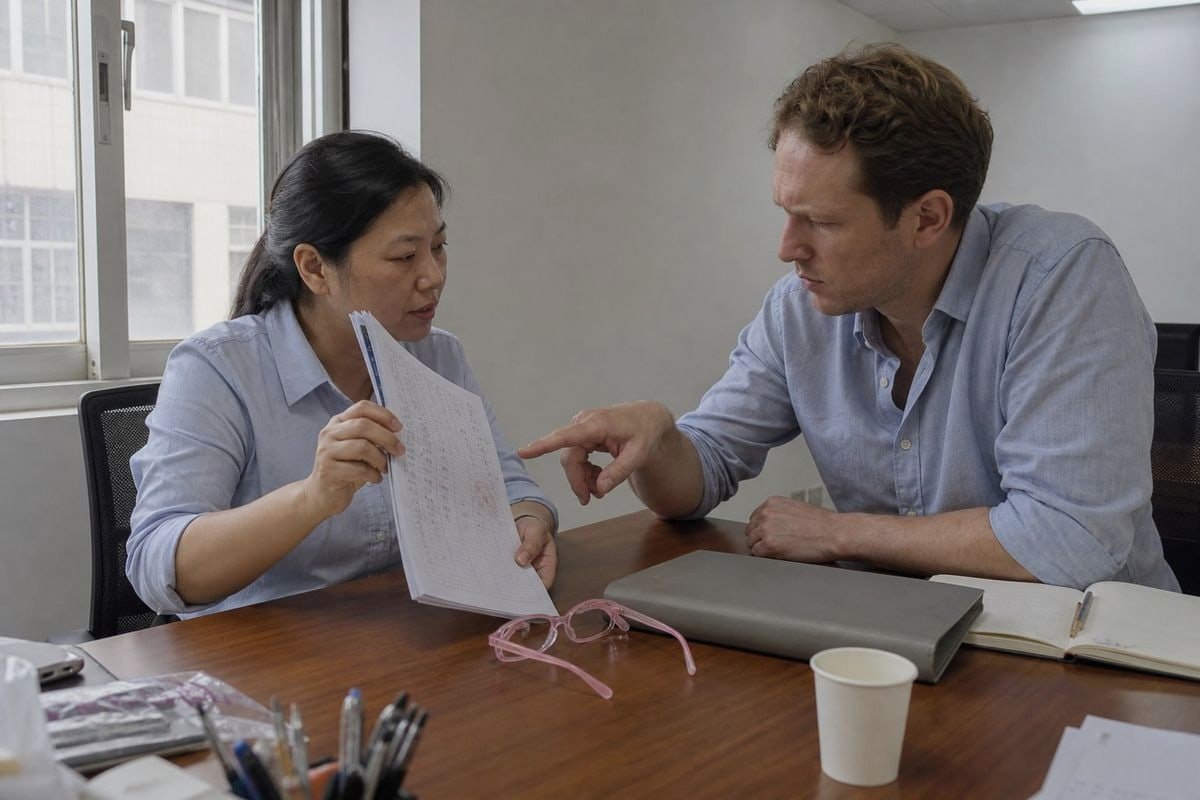
Verification is where many new eyewear brands stumble. In our fifteen years running an eyewear factory in Taizhou, I have seen suppliers wave around certificates that look official but prove nothing about the frames actually shipping to you. So let me break down a practical verification process.
Match the report to the product
First, the test report must name the exact frame model 1, material, and color treatment you are ordering. ISO 12870 results are model-specific. A TR90 frame with TPEE temples behaves differently under heat and flex than a cheap PC frame. If your supplier tests one style and applies the certificate to eight hundred styles, that is a red flag. When buyers order from our existing style library, we point them to the report matching that specific mold and material combination.
Check the lab and the date
Second, look at who issued the report. An accredited third-party laboratory carries far more weight than an in-house document. Also check the date. Materials, coatings, and paint suppliers change. A report older than two or three years may no longer reflect current production.
| Verification Step | What to Look For | Drapeau rouge |
|---|---|---|
| Model match | Exact model number and material listed | Generic "kids frame" description |
| Lab credibility | Accredited third-party laboratory | Unbranded internal document |
| Test clauses | Each ISO 12870 test itemized with results | Only a summary "pass" line |
| Report date | Issued within the last 2–3 years | Undated or expired report |
| Batch relevance | Matches your production run | Report from a different colorway or coating |
Finally, ask whether the supplier can support batch testing on your actual order. A serious factory will say yes without hesitation.
What specific safety and durability tests does ISO 12870 cover for children's frames?
Our engineers run pre-shipment checks that mirror the standard's logic, because we know exactly which failures show up first on a child's face: loose lenses, warped bridges, and corroded hinges.
ISO 12870 covers dimensional stability at around 55°C, bridge deformation under load, lens retention, temple endurance through repeated opening cycles, perspiration resistance in artificial sweat, ignition resistance, nickel release limits, resistance to optical radiation, and screw thread and sizing tolerances for spectacle frames.

Here is the important nuance many buyers miss: ISO 12870 is not a children-specific standard. It applies to unglazed spectacle frames designed for prescription lenses in general. The same framework covers adult acetate frames, rimless mounts, and, since the 2024 update, additive-manufactured (3D-printed) frames, natural organic materials, and certain clip-ons and prescription inserts. For kids optical frames, the tests simply matter more, because children handle eyewear roughly.
The core test battery explained
| Domaine de test | What It Checks | Pourquoi c'est important pour les enfants |
|---|---|---|
| Dimensional stability 2 | Frame keeps shape after heat exposure around 55°C for about 2 hours | Frames left in hot cars or school bags must not warp |
| Bridge deformation | Bridge resists permanent bending under load | A distorted bridge misaligns prescription lenses |
| Lens retention | Lenses stay secure in the frame under pressure | A popped-out lens is a vision and safety risk |
| Mechanical endurance | Temples survive repeated opening and closing cycles | Kids fold and unfold glasses constantly |
| Perspiration resistance | Prolonged artificial sweat exposure, around 16 hours in lab procedures | Children sweat heavily during play; coatings must not corrode or peel |
| Ignition resistance | Material self-extinguishes after contact with a heated probe | Frames must not sustain a flame |
| Nickel release | Skin-contact metal parts release limited nickel | Prevents allergic skin reactions in sensitive children |
| Optical radiation resistance | Materials and coatings resist light-induced degradation | Frames should not fade or embrittle in sunlight |
What each test is trying to prevent
Think of the standard as a checklist of real-world failure modes. High temperature stability testing prevents the classic warped-frame complaint. Perspiration resistance testing catches coating separation and pitting before your customers do. Mechanical endurance Risque de haute saison flexural strength requirements 3 target the hinge, which is the number one failure point we see in children's returns. Nickel release limits address biocompatibility, ensuring materials touching a child's skin are physiologically safe.
One caveat worth stating directly: passing ISO 12870 does not make a frame child-proof. It means the frame passed a recognized set of spectacle-frame performance requirements. Lateral over-flexing beyond 90 degrees, chewed temple tips, and choking hazards from small parts sit outside the standard's scope. That is exactly why we build our children's frames in flexible TR90 with soft TPEE temples, and why we run additional in-house flex and pull tests beyond the baseline.
Why does ISO 12870 compliance matter for my brand's liability and reputation?
A distributor in Europe once told me why he switched suppliers: a batch of un-tested frames corroded green at the hinges within three months, and every retail partner returned stock.
ISO 12870 compliance gives your brand documented evidence of due diligence, reduces product liability exposure, cuts return rates from warping and corrosion, satisfies retailer and optical-chain sourcing requirements, and protects your reputation against the failures parents notice fastest: loose lenses and skin reactions.

Liability in children's products is unforgiving. If a lens pops out of a frame and a child is injured, the first question any regulator, insurer, or retailer will ask is simple: what standard did the product meet? If your answer is "none," you carry the full weight of that failure alone. If your answer is "ISO 12870, tested by an accredited lab, report on file," you have demonstrated due diligence under recognized ophthalmic optics standards.
Reputation is built on the boring failures
Most reputational damage in kids eyewear does not come from dramatic accidents. It comes from slow, boring failures. A frame that loses dimensional stability after a summer in a car. Paint that flakes off from sweat because nobody ran a perspiration resistance test. A metal hinge with excessive nickel release 4 that leaves a rash behind a child's ear. Parents talk. Reviews mention it. Retail buyers read those reviews before reordering.
In our experience exporting to buyers across twenty-plus countries, the brands that grow steadily are the ones that treat compliance as marketing insurance. They can tell retail partners, honestly, that every frame passed lens retention, bridge deformation, and endurance testing. That claim closes wholesale accounts.
Compliance stacking for children's lines
Serious kids brands rarely stop at ISO 12870 alone. They stack standards to cover child-specific risks:
- ISO 12870 for frame performance and durability.
- EN 71-1 style toy-safety thinking for small parts and sharp points, especially for toddler frames.
- EN 16128 for nickel release verification on metal components contacting skin.
- Supplier in-house tests, such as coating adhesion checks against moisture and abrasion, and lateral over-flex testing of spring hinges and memory materials.
That layered approach is what turns a compliant product into a defensible one. When we develop OEM frames for baby-product brands, we plan this stack at the design stage, not after production.
What documentation should I request to verify ISO 12870 certification before placing an order?
Before any first order ships from our workshop, we prepare a document pack for the buyer. Over the years, that pack has been shaped by what procurement managers actually need to file.
Request a third-party ISO 12870 test report for your exact model, a material composition declaration, a nickel release test result for metal parts, the lab's accreditation details, a declaration of conformity from the factory, and the option for batch-specific testing on your order.
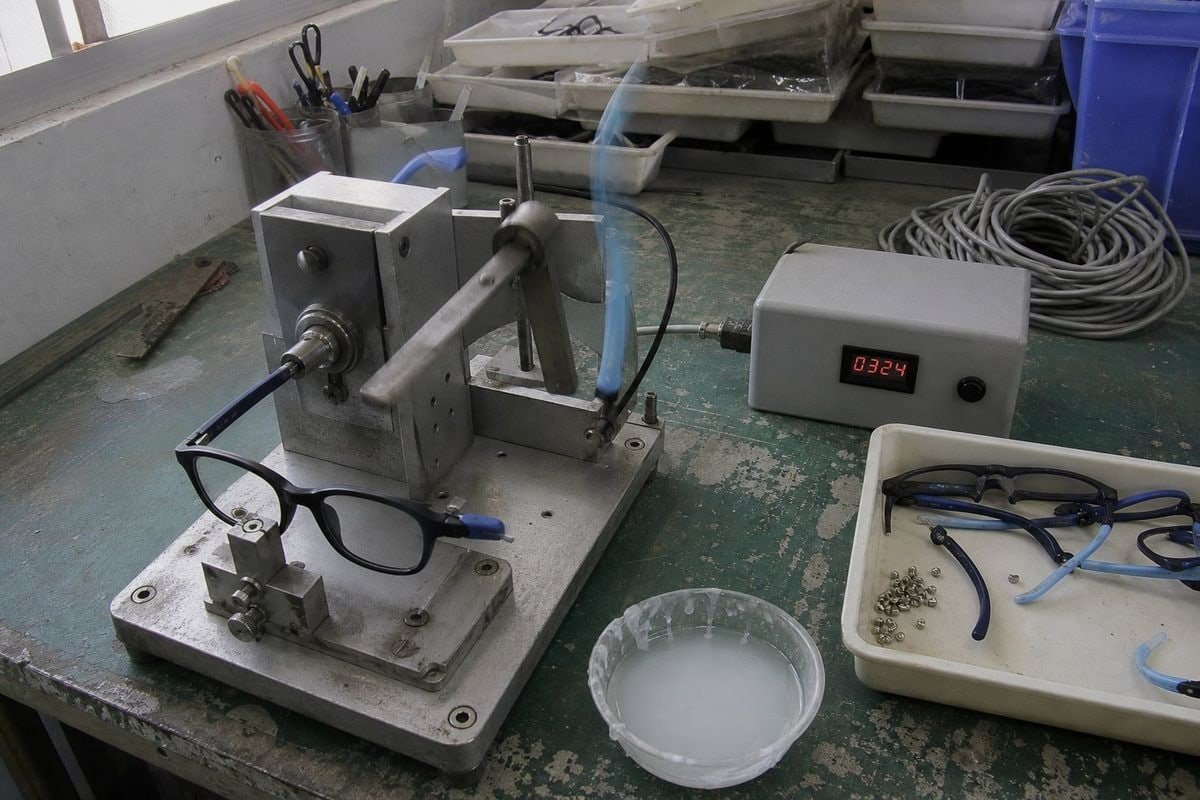
Documentation is where a professional factory separates itself from a trading company reselling unknown stock. A trader forwards whatever paperwork the real producer gives them. A factory generates and stands behind its own. Here is the full document set I recommend requesting, and what each piece proves.
The complete document checklist
| Document | Ce qu'il prouve | When to Request It |
|---|---|---|
| Third-party ISO 12870 test report | The specific model passed dimensional stability, endurance, lens retention, and other clauses | Before sampling approval |
| Material declaration | Frame is genuine TR90/TPEE or stated material, not a substitute blend | With the quotation |
| Nickel release result | Metal parts meet biocompatibility limits for skin contact | Before first order, if hinges or decorations are metal |
| Lab accreditation info | The testing body is recognized and impartial | Alongside the test report |
| Declaration of conformity | The factory formally commits that production matches the tested sample | At order confirmation |
| Batch test option | Your actual shipment can be verified, not just the golden sample | For first orders and after material changes |
Questions worth asking on top of the paperwork
Paperwork can be current and still incomplete. So ask three follow-up questions. First, was the tested sample from the same mold and coating line as your order? Second, has the material formula or paint supplier changed since the report date? Third, can the factory arrange fresh testing at a shared or buyer-borne cost if you need market-specific proof? A supplier who answers all three quickly and specifically is a supplier who runs real quality control. When buyers choose from our roughly eight hundred existing styles, this documentation process also lets them launch a compliant line without investing in new molds, which lowers both cost and risk for a first collection.
Conclusion
ISO 12870 tests whether kids optical frames survive heat, sweat, flexing, and daily wear while holding lenses safely. Verify model-specific reports, stack child-specific standards, and partner with a factory that documents everything.
Notes de bas de page
1. Official ISO page for the 12870:2024 standard specifying requirements and test methods for unglazed spectacle frames. ↩︎
2. Authoritative BSI Knowledge page for ISO 12870, which specifies dimensional stability test methods. ↩︎
3. The FDA regulates spectacle frames as medical devices, overseeing performance requirements to ensure consumer safety and durability. ↩︎
4. Provides medical context on nickel allergies, which the ISO 12870 standard addresses through strict release limits. ↩︎
Plus d'articles que vous pourriez aimer

août 5, 2026
Bio-Based vs Regular Cellulose Acetate: What's the Difference for Kids' Frames?

août 5, 2026
How Recyclable Are Kids' Optical Frame Materials, and What Eco-Friendly Alternatives Exist?
août 5, 2026
Do Kids Optical Frames Whiten or Age in Storage, and How to Control Warehouse Conditions?
Vous recherchez un partenaire fiable en lunetterie pour enfants ?
Explorez plus de 800 styles prêts et un support OEM/ODM complet adapté à votre marque.
Contactez-nous English
  Español de México
  Deutsch
  Français
  日本語
日本語  العربية
  Português do Brasil