T/T vs Letter of Credit: How to Choose for Kids’ Optical Frames Based on Cash Flow?

Choosing between T/T vs Letter of Credit 1 for kids’ optical frames confuses many buyers who contact our Taizhou factory. Pick wrong, and your working capital 2 gets locked up for months.
Choose T/T for kids’ optical frame orders under $50,000, especially with vetted suppliers, because it is faster and cheaper. Choose a Letter of Credit for large first orders with new suppliers, where bank-mediated protection justifies $500–2,000 in fees and 5–10 day settlement delays.
Both methods can work well. The right answer depends on your order size, your trust level, and how much cash you can tie up. Let me walk you through each decision point.
What Payment Terms Should I Negotiate When I'm Ordering Kids' Optical Frames for the First Time?
A buyer from Australia once asked me to quote 500 TR90 frames and 5,000 frames in the same email. I told her the payment terms should differ for each. Here is why.
For a first order of kids' optical frames, negotiate a 30% deposit and 70% balance via T/T, with the balance released only after a passed pre-shipment inspection. This structure balances supplier confidence and buyer protection without the cost of a Letter of Credit.
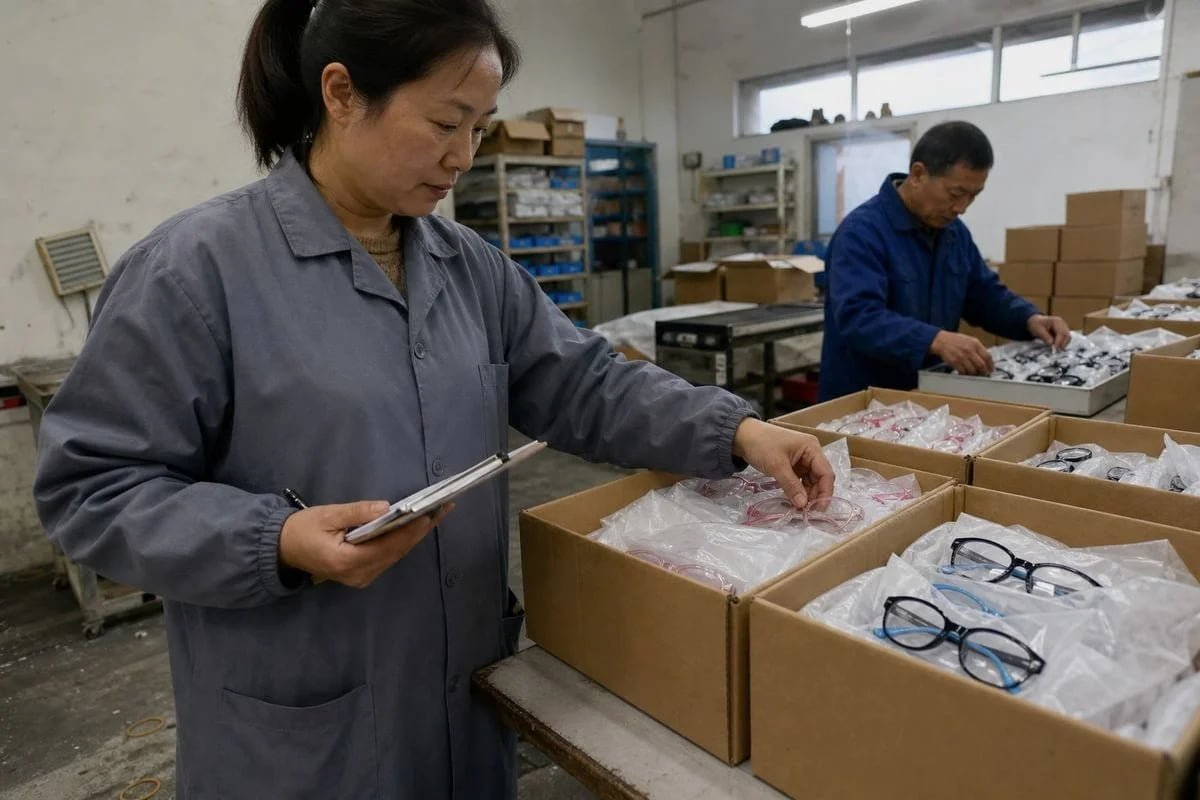
The 30/70 T/T split is the standard opening position in global sourcing payments, and it exists for a good reason. The deposit covers the factory's material purchase risk. The held balance gives you leverage until the goods pass inspection. At our factory, we run this structure with most new brand customers, and it works because both sides carry some risk.
Before you negotiate, ask for a proforma invoice 3. This document locks in the price, quantity, materials, packaging, and payment terms in writing. For children's eyewear, it should also specify the material grade — TR90 or TPEE — and the lens standard, such as UV400. Vague invoices create disputes later.
Match Terms to Order Value
Here is the framework I share with new importers:
| Order Value | Recommended Terms | Pourquoi |
|---|---|---|
| Under $5,000 | 100% T/T or 50/50 T/T | L/C fees are not justified at this size |
| $5,000–$50,000 | 30% deposit / 70% balance T/T | Balanced risk; add pre-shipment inspection |
| $50,000+ | Letter of Credit or T/T with insurance | Bank protection becomes cost-effective |
What to Put in Writing
Your import payment terms should always name four things: the deposit percentage, the trigger for the balance payment, the inspection right, and the documents you receive. For a T/T balance, "70% against B/L copy after passed inspection" is a common and fair trigger. Never leave the balance trigger as "before shipment" without an inspection clause. That wording removes your quality leverage entirely.
One more point from experience: cash in advance at 100% is sometimes offered in exchange for a small discount. For a first order with an unverified supplier, decline it. The discount rarely covers the risk.
How Do I Decide Between T/T and Letter of Credit Without Hurting My Cash Flow?
The trade-off I weigh with buyers is always the same: T/T front-loads your cash but keeps fees low, while an L/C delays cash release but adds banking drag. Neither is free.
Decide based on total cash impact, not just fees. T/T is cheaper and faster but requires a deposit before production. An L/C defers payment until documents are presented, yet adds $500–2,000 in bank fees, collateral requirements, and 5–10 days of settlement delay per transaction.
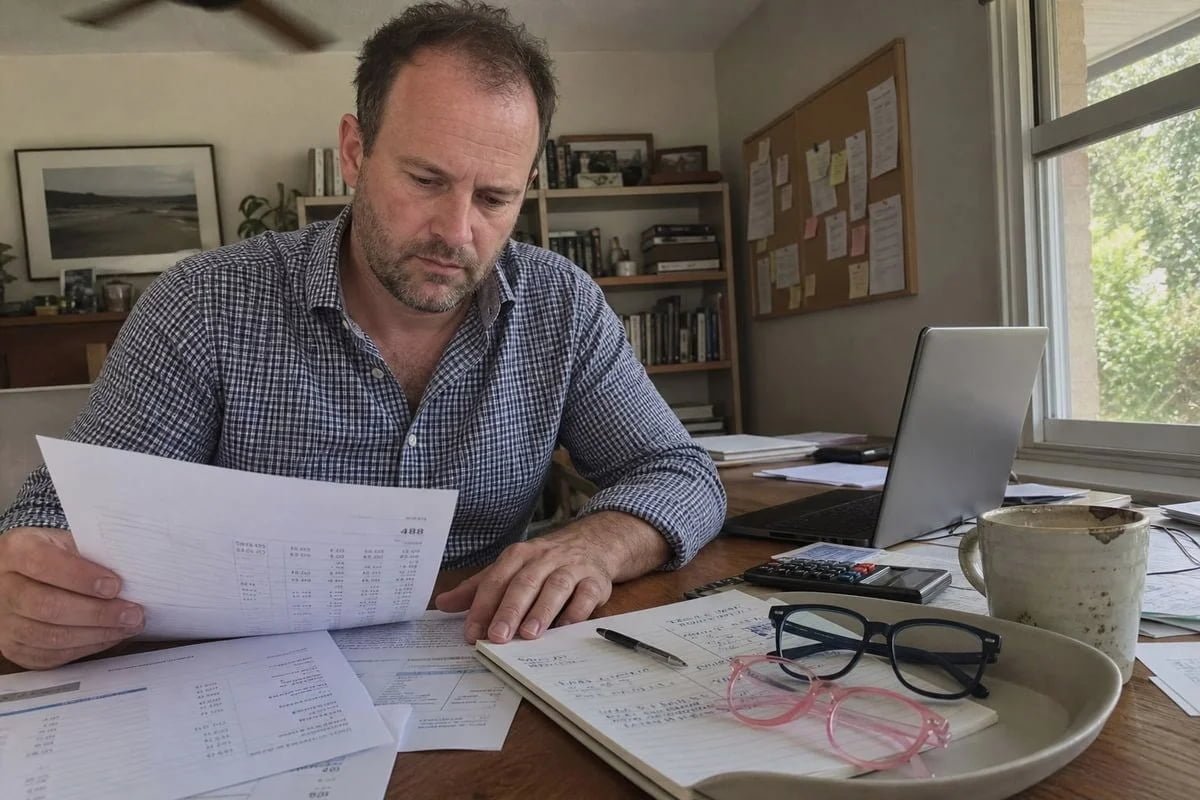
Start with a clear comparison. "Better cash flow" can mean two different things: a lower upfront outlay, or better payment timing after shipment. Confusing the two is the most common mistake I see in payment risk assessment.
| Facteur | T/T (30/70) | Letter of Credit |
|---|---|---|
| Upfront cash out | 30% deposit before production | Little or none, but bank collateral may be required |
| Bank fees | Low wire fees | $500–2,000+ per transaction |
| Settlement speed | 1–3 days per transfer | 5–10 days after document presentation |
| Payment trigger | Your decision after inspection | Strict documentary compliance |
| Idéal pour | Trusted suppliers, orders under $50,000 | New suppliers, orders of $50,000+ |
| Buyer risk | Deposit exposure if supplier fails | Document errors can block or delay payment |
The Cash-Flow Nuance Most Buyers Miss
An L/C does not remove your financing burden. Your bank will still assess your credit capacity, and it may freeze a portion of your credit line or demand collateral. The real cash-flow benefit is payment discipline — funds release only against exact shipping documents. That is valuable, but it is not "free money."
Usance L/C terms can push settlement out further, giving you time to receive and even sell the frames before final payment. In my experience exporting to Europe and Japan, that extra time usually comes back to you as a higher unit price or extra banking charges. Nothing in international trade finance is truly deferred for nothing.
A Practical Hybrid for Fluctuating Cash Flow
If your cash flow swings with seasons — and kids' eyewear is seasonal, with back-to-school peaks — consider a hybrid approach. Use T/T with trusted suppliers for speed, and explore trade credit insurance 4 or purchase order financing for larger or newer orders. This gives you L/C-like protection with better liquidity, and it is often cheaper than a full documentary credit for mid-sized orders. For fast-moving frame trends, T/T also lets you place orders faster, hit the market window, and turn inventory into cash while the style is still hot. L/C processing delays can cost you that window.
Can I Reduce My Deposit Risk When Paying a China-Based Eyewear Factory by T/T?
Years ago, a distributor told me he lost a deposit to a trading company that vanished after collecting payments from several buyers at once. That story shaped how I advise every new customer today.
Yes. Reduce T/T deposit risk by verifying the factory's business license, paying only to a company bank account matching that license, negotiating a lower deposit, adding a third-party pre-shipment inspection clause, and releasing the 70% balance only against the bill of lading copy.
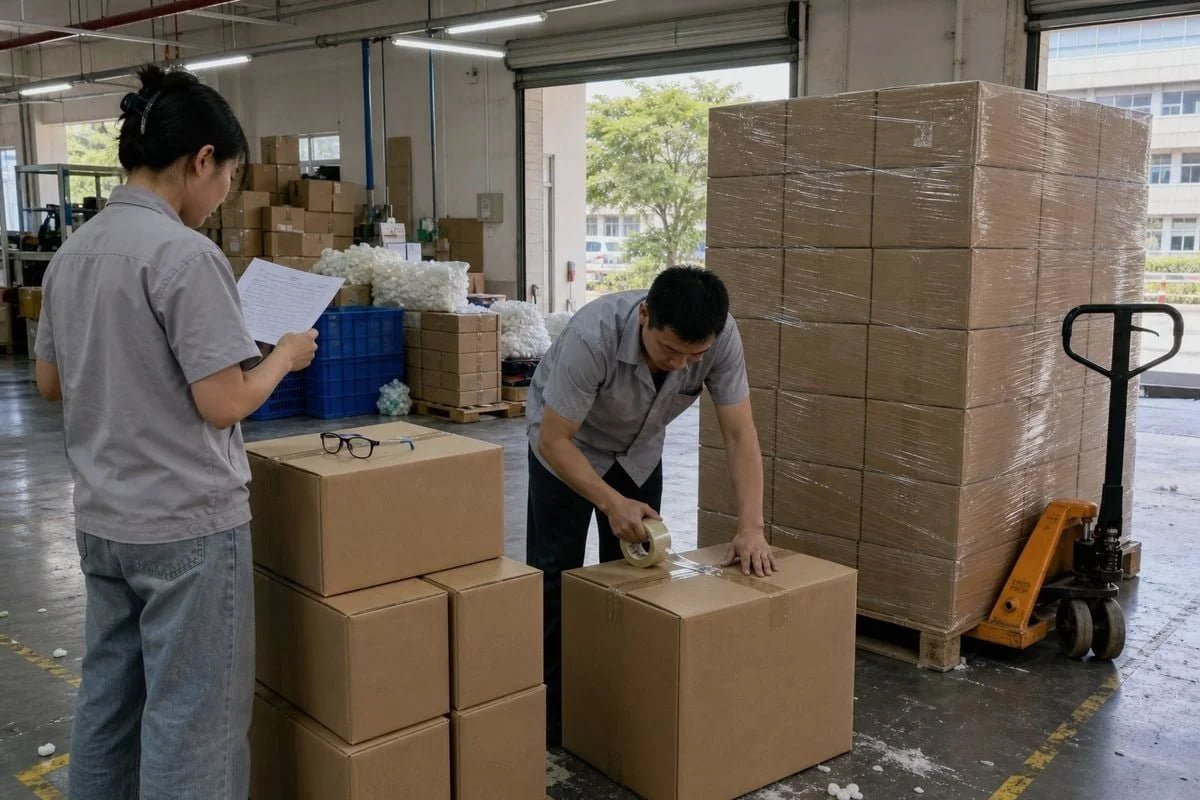
T/T transfers are generally irreversible. Once the money leaves your bank, you cannot recall it. That is why supplier payment strategies for wire transfers focus on prevention, not recovery. Here is the process I recommend, and the one serious factories like ours actively welcome, because verified buyers become long-term buyers.
A Five-Step Deposit Protection Process
- Verify the legal entity. Request the Chinese business license and confirm the company name, registration, and scope. A real factory — ours runs about 120 workers across a 5S-managed workshop — can also show facility photos, video calls, or audit reports.
- Pay only company accounts. The beneficiary name on the bank details must match the license. A request to wire money to a personal account or a different company name is the single biggest red flag in this trade.
- Start small. Place a trial order first. With roughly 800 existing styles in our catalog, buyers can test our quality without mold investment or a large deposit. A small first order is cheap payment risk assessment.
- Lock inspection into the contract. Write "70% balance payable after passed third-party pre-shipment inspection" into the proforma invoice. For children's frames, the inspection should check hinge durability, temple flexibility, lens standards, and packaging.
- Release balance against documents. Pay the 70% only when you receive the bill of lading 5 copy. This mimics a light version of documentary collection without the bank fees.
Relationship Terms Improve Over Time
Buyer seller protection is not only contractual. After several smooth orders, factories routinely soften terms — lower deposits, or balance after arrival. Several of our repeat customers across our 20+ export markets started at 30/70 and now enjoy more flexible windows. That progression is one of the best long-term working capital optimization tools an importer has, and it costs nothing except consistency.
What Should I Know About Letter of Credit Costs Before I Place a Large Optical Frame Order?
A lesson I learned early in our fifteen years of eyewear exporting: an L/C protects both sides, but a single typo in the documents can freeze the entire payment. Cost is more than fees.
Expect $500–2,000+ in bank fees per L/C, plus 5–10 days of settlement delay, possible collateral or credit-line usage, and document-compliance risk where small errors block payment. L/Cs generally make financial sense only for orders around $50,000 or more.

Before you open an L/C for a large kids' optical frame order, map out every cost layer. Many buyers budget only the issuance fee and get surprised later.
The Full Cost Stack
| Cost Layer | What It Is | Impact |
|---|---|---|
| Issuance fee | Your bank's charge to open the L/C | Part of the $500–2,000+ range |
| Amendment fees | Charged each time terms change | Adds up fast if specs shift |
| Confirmation fee | If the supplier's bank confirms the L/C | Extra cost, often passed to you in pricing |
| Discrepancy fees | Charged when documents contain errors | Delays payment and shipment release |
| Collateral / credit line | Cash or capacity your bank holds | The hidden working-capital cost |
| Settlement delay | 5–10 days for document checking | Slows the whole transaction cycle |
Document Risk Is Real Risk
An L/C pays against documents, not against goods. If the packing list says "TR90 optical frames" and the L/C says "children's optical frames, TR90 material," a strict bank can flag the discrepancy. When we ship under L/C terms, we assign one person to match every document word-for-word against the credit before presentation. You should demand the same discipline from any supplier. Also insist that quality terms live in your contract and inspection plan, because the bank checks paper, not hinges or lens coatings.
When the Cost Is Worth It
For a large first order with a new supplier — say a full seasonal program of frames worth $50,000 or more — the L/C cost buys genuine counterparty protection and secures supply for a critical launch window. For repeat orders with a verified partner, that same money is usually wasted. Many buyers eventually move from L/C to open account terms or flexible T/T as trust builds, which is the cheapest protection of all.
Conclusion
Payment terms decide how much cash you risk and when. Get them wrong, and one order can strain your entire budget. Get them right, and sourcing scales smoothly.
For kids' optical frames, my advice after fifteen years on the factory side is simple. Use T/T with a 30/70 split and a pre-shipment inspection for orders under $50,000, and reserve a Letter of Credit for large first orders with unproven suppliers. Verify the company account, start with a trial order, and let good performance earn you softer terms over time. If you want to test the market with low risk, our existing style range and OEM/ODM support make that first small T/T order an easy, safe starting point.
Notes de bas de page
1. Official source for international trade finance rules and practices. ↩︎
2. Authoritative international financial institution for economic and financial terms. ↩︎
3. Authoritative U.S. government resource for international trade documentation. ↩︎
4. Industry association for credit insurance, offering authoritative information. ↩︎
5. Provides a comprehensive definition and functions of this shipping document. ↩︎
Plus d'articles que vous pourriez aimer

août 5, 2026
Bio-Based vs Regular Cellulose Acetate: What's the Difference for Kids' Frames?

août 5, 2026
How Recyclable Are Kids' Optical Frame Materials, and What Eco-Friendly Alternatives Exist?

août 5, 2026
Do Kids Optical Frames Whiten or Age in Storage, and How to Control Warehouse Conditions?
Vous recherchez un partenaire fiable en lunetterie pour enfants ?
Explorez plus de 800 styles prêts et un support OEM/ODM complet adapté à votre marque.
Contactez-nous English
  Español de México
  Deutsch
  Français
  日本語
日本語  العربية
  Português do Brasil