Y a-t-il des dangers pour la sécurité avec les lunettes de soleil pour enfants ?
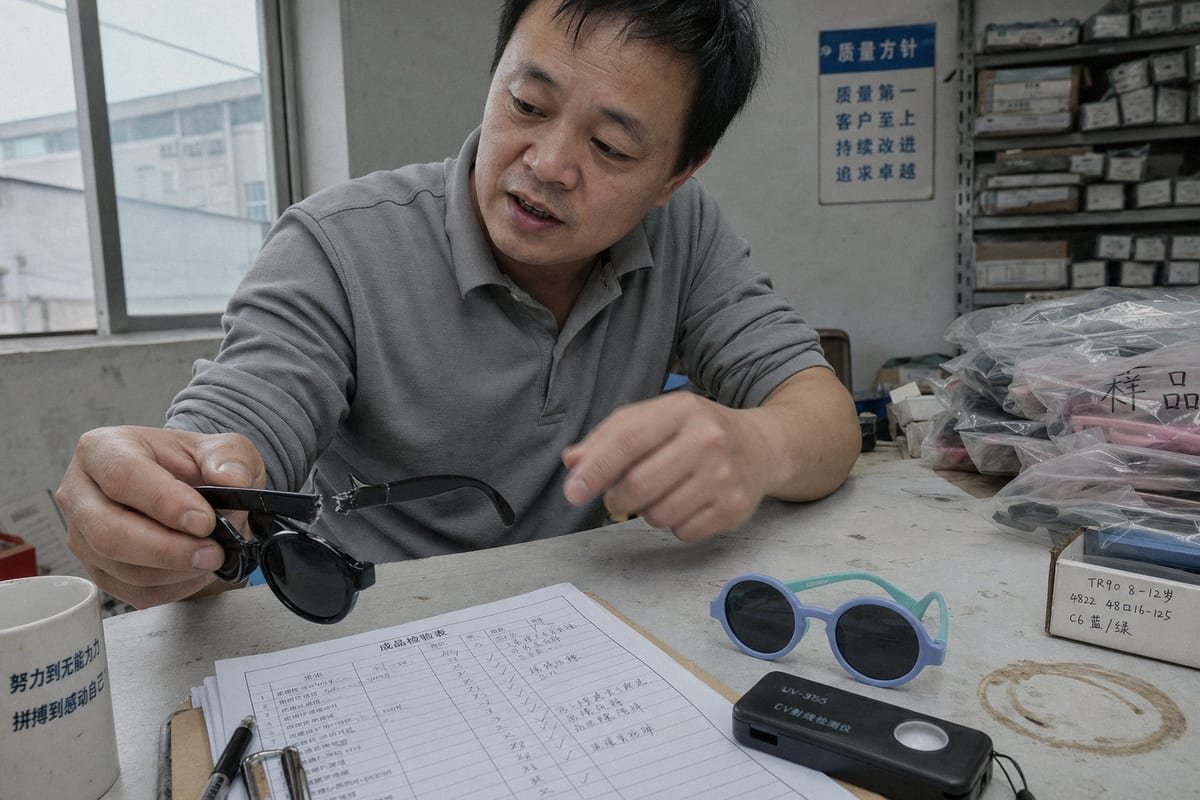
Les dangers pour la sécurité des lunettes de soleil pour enfants sont réels, et je vois les preuves chaque semaine lorsque les acheteurs envoient à notre usine des échantillons de concurrents qui se cassent, dégagent une odeur ou échouent aux contrôles UV de base. Une lentille sombre qui semble protectrice peut nuire silencieusement aux yeux d'un enfant. Ce risque est précisément la raison pour laquelle nous avons construit notre ligne de production autour de lunettes pour enfants flexibles et testées.
Oui, les lunettes de soleil pour enfants peuvent présenter des dangers pour la sécurité lorsqu'elles utilisent des lentilles sombres qui ne bloquent pas les UV, des montures cassantes, des plastiques toxiques ou de petites pièces détachables. Les teintes sombres sans protection UV400 dilatent les pupilles et augmentent l'exposition des rétines aux UV. Les lentilles UV400 vérifiées, les matériaux résistants aux chocs et la construction certifiée éliminent ces risques.
La bonne nouvelle, c'est que chacun de ces dangers est évitable. Ci-dessous, je détaille les quatre questions que les marques nous posent le plus souvent, et comment y répondre avant de passer une commande.
Quels matériaux devrais-je éviter lors de l'approvisionnement de lunettes de soleil pour enfants pour ma marque ?
Il y a quelques années, un acheteur européen nous a envoyé un échantillon bon marché d'une place de marché en ligne. La monture s'est cassée dans mes mains et sentait fortement le solvant. Notre équipe l'a testée par curiosité, et elle a échoué à presque tout.
Évitez les montures en polystyrène cassant ou en PC générique, les plastiques contenant du BPA, des phtalates, des stabilisants au plomb ou au cadmium, les verres en verre et toute construction avec des pièces décoratives lâches. Ces matériaux se brisent, libèrent des produits chimiques par contact cutané ou créent des risques d'étouffement. Choisissez plutôt des montures sans BPA en TPEE ou TR90.
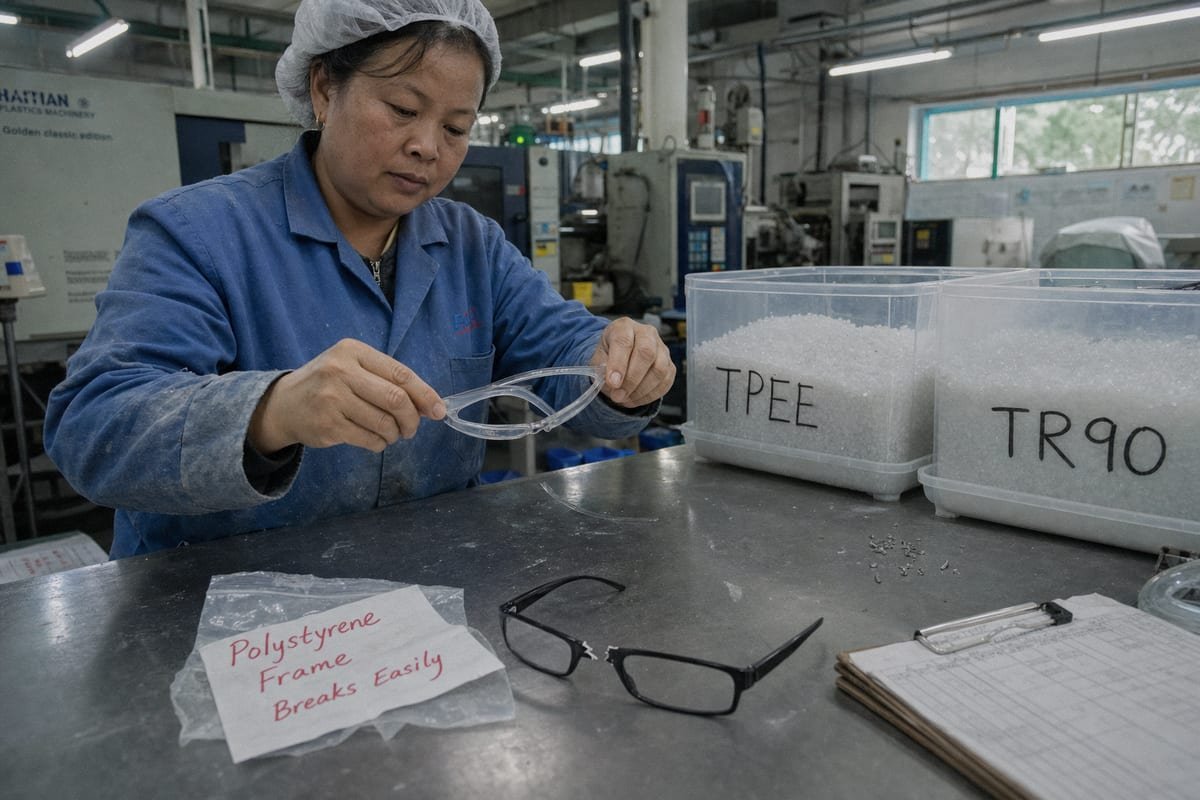
Le choix des matériaux est le fondement de la sécurité des lunettes pour enfants. Les enfants mâchent les branches, transpirent sur les montures pendant des heures et laissent tomber les lunettes de soleil sur le béton. Chacun de ces comportements transforme un mauvais matériau en un véritable danger.
Les matériaux à haut risque
Les lunettes de soleil fantaisie bon marché utilisent souvent des plastiques recyclés ou non réglementés. Certains contiennent des stabilisants de métaux lourds 1 comme le plomb ou le cadmium, qui peuvent se transférer par la sueur et le contact prolongé avec la peau. D'autres utilisent des plastifiants tels que phtalates 2 pour ramollir le plastique rigide à bas prix. Ni l'un ni l'autre ne devrait être près du visage d'un enfant. Les lentilles en verre sont un autre signal d'alarme. Elles se rayent moins, mais elles se brisent en éclats tranchants lors de l'impact.
| Matériel | Utilisation courante | Pourquoi c'est risqué pour les enfants |
|---|---|---|
| Polystyrène / acrylique cassant | Montures de jouets et fantaisie | Se brise en bords tranchants lors de l'impact |
| Plastiques contenant du BPA ou des phtalates | Montures moulées à bas prix | Lixiviation chimique par contact cutané et buccal |
| Stabilisants plomb / cadmium | Plastiques recyclés non réglementés | Exposition aux métaux lourds par la sueur |
| Lentilles en verre | Lentilles de style adulte fantaisie | Se brise en fragments dangereux |
| Cristaux, perles collés | Styles décoratifs pour enfants | Risque d'étouffement pour les moins de trois ans |
Ce que nous utilisons à la place
Dans notre atelier de Taizhou, nous moulons les montures en TPEE et TR90. Les deux sont légers, sans BPA et très flexibles. Ils plient plutôt que de casser. Pour les lentilles, nous montons des lentilles en polycarbonate résistantes aux chocs 3 en standard. Lorsqu'un acheteur cible des bébés ou des tout-petits, nous examinons également chaque vis, plaquette nasale et charnière pour le risque de détachement, car les petites pièces présentant un risque d'étouffement sont un point de défaillance réglementaire sur presque tous les marchés où nous exportons.
Comment puis-je vérifier que la protection UV400 respecte réellement les normes de sécurité ?
Un compromis que nous discutons avec presque tous les nouveaux clients est le coût des lentilles par rapport au coût de vérification. Les lentilles bon marché peuvent être teintées en sombre pour quelques centimes, mais prouver une protection UV400 authentique nécessite des tests que de nombreux fournisseurs omettent simplement.
Vérifiez la protection UV400 en demandant des rapports de test de spectrophotomètre montrant une transmission nulle en dessous de 400 nanomètres, une certification de laboratoire tiers selon les normes ANSI Z80.3 ou EN ISO 12312-1, et des enregistrements de tests au niveau des lots. Ne vous fiez jamais aux autocollants ou à la teinte foncée seule, car la teinte n'équivaut pas au blocage des UV.
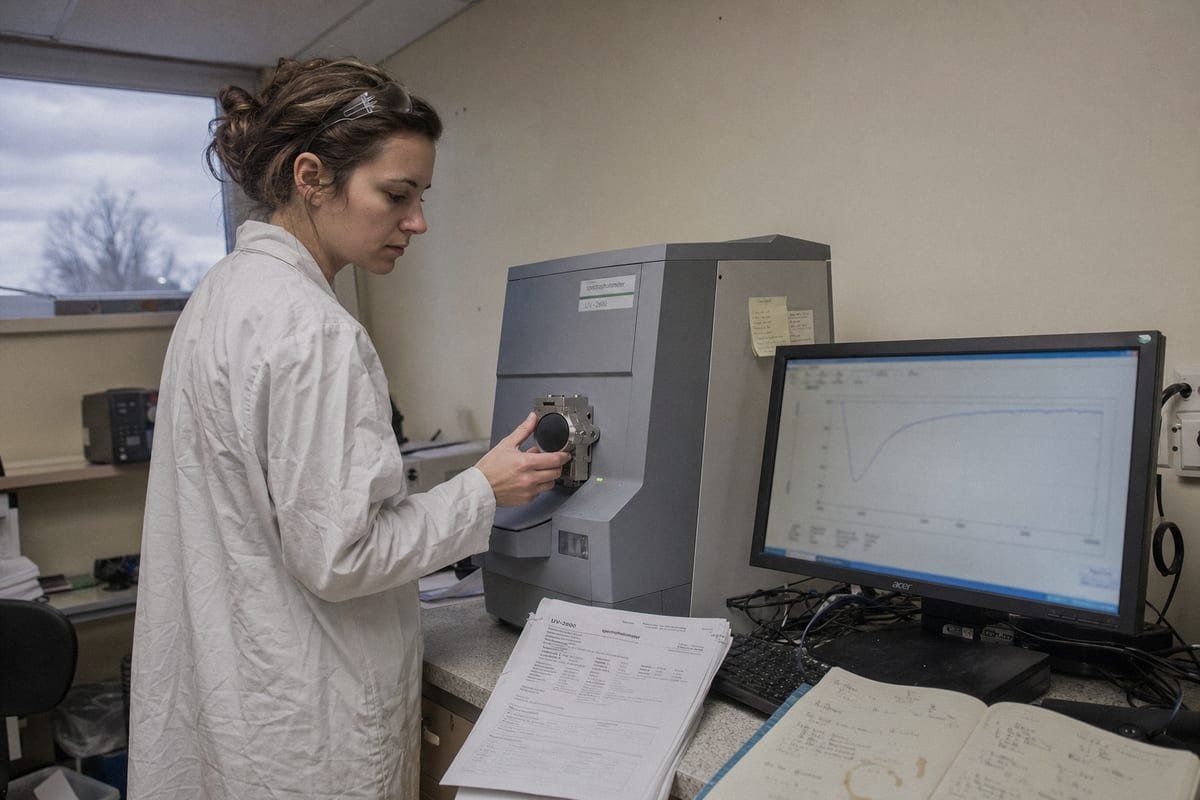
C'est le fossé le plus dangereux sur le marché des lunettes de soleil pour enfants. Les groupes de consommateurs ont constaté qu'environ un tiers des lunettes de soleil pour enfants vendues sur les principales places de marché en ligne échouaient aux tests de protection. Beaucoup de ces échecs concernaient des lentilles sombres avec peu ou pas de filtration UV.
Pourquoi les fausses affirmations UV sont pires que pas de lunettes de soleil
Les yeux des enfants ont des lentilles plus claires que ceux des adultes, donc plus d'UV atteignent la rétine. Lorsqu'un enfant porte une lentille sombre, la pupille se dilate pour laisser entrer plus de lumière. Si cette lentille ne bloque pas le rayonnement ultraviolet, la pupille dilatée augmente en fait l'exposition des rétines aux UV. L'enfant serait plus en sécurité sans rien porter du tout. À court terme, cela peut contribuer à photokératite 4, un coup de soleil douloureux de la cornée. À long terme, les dommages cumulés dus aux UV 5 sont liés aux cataractes et à la dégénérescence maculaire.
Un processus de vérification pratique
- Demandez la courbe de transmission spectrale du fournisseur de lentilles brut. Les lentilles UV400 authentiques montrent une transmission quasi nulle à 400 nm et en dessous.
- Demandez des rapports de laboratoire tiers faisant référence aux normes ANSI Z80.3 6, EN ISO 12312-1, ou AS/NZS 1067, selon votre marché.
- Confirmez que le rapport correspond à votre lot de production réel, et non à un échantillon de référence d'il y a des années.
- Contrôles ponctuels des expéditions entrantes avec un photomètre de transmission UV. Nous effectuons ce contrôle sur notre propre ligne avant l'emballage, et nous encourageons les acheteurs à le répéter à l'arrivée.
Les avantages des verres polarisés, tels que la réduction de l'éblouissement sur l'eau et la neige, sont une véritable amélioration pour les marques outdoor. Mais n'oubliez pas que la polarisation et le filtrage UV sont des propriétés distinctes. Vérifiez les deux indépendamment.
Pourquoi les cadres flexibles sont-ils importants pour prévenir les blessures pendant le jeu actif ?
Un distributeur en Australie m'a un jour dit que les montures de son précédent fournisseur revenaient cassées à la charnière, parfois avec des plaintes de joues éraflées. Cette conversation a façonné la façon dont nous testons maintenant la résistance de chaque nouveau moule.
Les montures flexibles sont importantes car les enfants tombent, se cognent et s'assoient sur leurs lunettes de soleil constamment. Les montures rigides se cassent en bords tranchants qui peuvent couper le visage ou le contour des yeux. Les montures flexibles en TPEE se plient, se tordent et absorbent l'énergie d'impact, puis retrouvent leur forme, évitant les lacérations pendant le jeu actif.
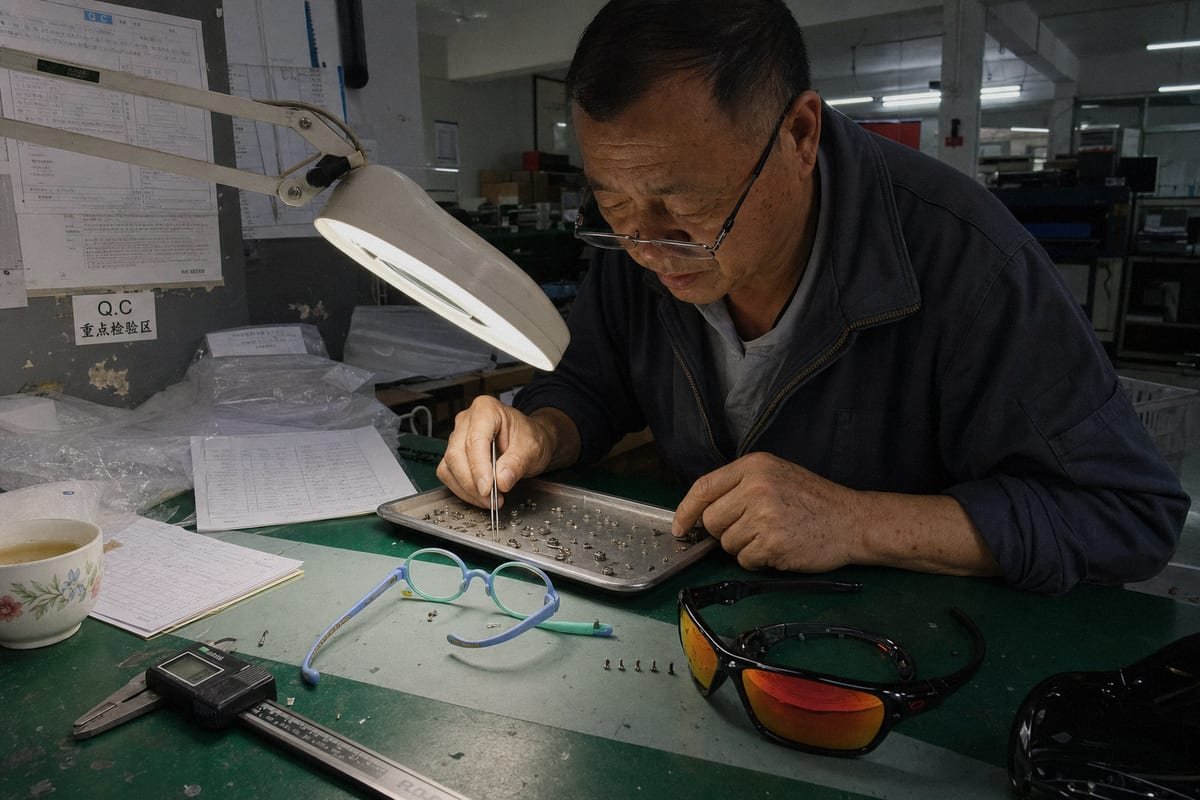
Les blessures par impact sont le danger le plus sous-estimé dans les lunettes pour enfants. Les défaillances UV endommagent les yeux lentement et de manière invisible. Une monture cassée blesse un enfant instantanément, et la marque sur la branche prend le blâme.
Comment les blessures par impact se produisent réellement
Imaginez un enfant de six ans à vélo qui heurte un trottoir. Le visage rencontre le guidon, et les lunettes de soleil absorbent le choc. Avec une monture cassante, le plastique se fracture au niveau du bord ou de la charnière. Le bord cassé est maintenant une lame située à quelques millimètres de l'œil. Avec un verre rigide, la situation est pire. C'est pourquoi la technologie des verres incassables, basée sur des verres en polycarbonate résistants aux chocs, est non négociable pour les enfants.
D'après notre expérience dans le développement de styles sportifs, comme les designs enveloppants que nous fabriquons pour les marques de cyclisme et d'outdoor, trois éléments de conception fonctionnent ensemble :
- Des montures flexibles en TPEE ou des montures TR90 avec des branches en TPEE qui se tordent à 180 degrés sans se casser. Sur notre ligne, nous testons la flexion d'échantillons de chaque série de production.
- Des verres en polycarbonate de type bouclier qui se déforment et reviennent en place au lieu de se fracturer, tandis qu'une forme enveloppante bloque également les UV périphériques qui s'infiltrent par les côtés.
- Une rétention sécurisée, telle que des grips de branches caoutchoutés ou des sangles réglables en néoprène pour les tout-petits, afin que les lunettes de soleil restent en place au lieu de voler et de devenir un danger en cas de chute.
Il y a un véritable compromis ici. Les montures ultra-douces semblent les plus sûres mais peuvent être mal ajustées et glisser pendant le sport. Nous recommandons généralement un avant en TR90 pour la structure avec des branches en TPEE pour la souplesse. Cela équilibre un ajustement sûr avec une flexibilité indulgente, et c'est la combinaison que nos acheteurs fidèles recommandent le plus.
Quelles certifications de sécurité devrais-je exiger de mon fabricant de lunettes ?
Au début de notre histoire d'exportation, nous avons appris une dure leçon : une expédition n'est aussi solide que sa documentation. Depuis lors, la documentation de conformité fait partie de chaque devis que nous envoyons.
Exiger la conformité aux normes ANSI Z80.3 pour les États-Unis, le marquage CE selon EN ISO 12312-1 pour l'Europe, AS/NZS 1067 pour l'Australie, ainsi que les tests CPSIA couvrant le plomb, les phtalates et les petites pièces présentant un risque d'étouffement. Demander également les enregistrements des tests d'impact de chute de bille de la FDA et les rapports de laboratoire tiers spécifiques aux lots.
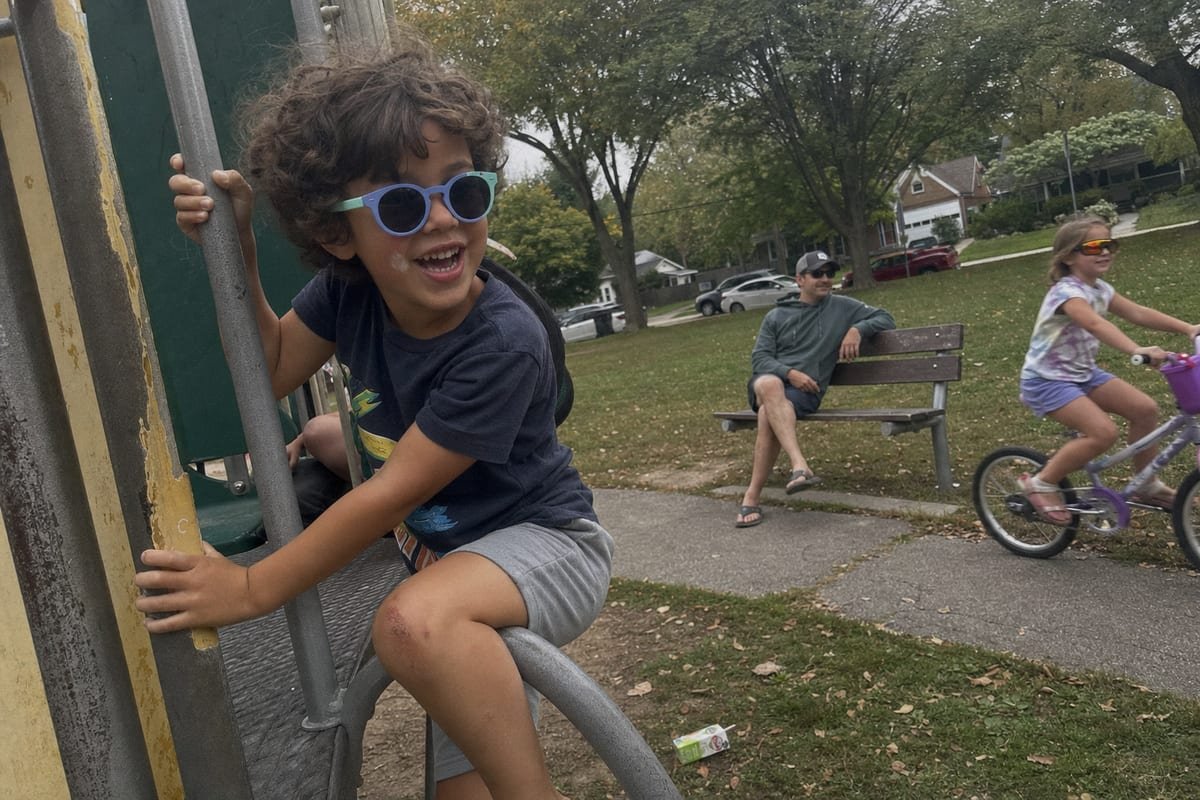
Les certifications ne sont pas de la bureaucratie. Elles sont la seule ligne objective entre un produit sûr et une responsabilité sur le marché. Lorsque les organismes de surveillance des consommateurs ont retiré des lunettes de soleil pour enfants défaillantes des plateformes en ligne, les marquages réglementaires manquants ou faux étaient un dénominateur commun.
Certifications par marché
| Marché | Norme clé | Ce qu'elle couvre |
|---|---|---|
| États-Unis | ANSI Z80.3 / FDA bille tombante | Transmission UV, résistance aux chocs des verres |
| États-Unis (enfants) | exigences CPSIA | Plomb, phtalates, petites pièces, étiquettes de traçabilité |
| Union européenne | EN ISO 12312-1 (CE) | Filtrage UV, qualité optique, robustesse |
| Australie / NZ | AS/NZS 1067 | Catégories de verres, performance UV, étiquetage |
| Approuvé dans le monde entier | JIS / tests d'importation volontaires | Contrôles de sécurité UV et des matériaux |
Questions à poser avant de signer un bon de commande
Demandez si les rapports de test sont spécifiques au lot ou recyclés d'anciens échantillons. Demandez quel laboratoire accrédité les a émis. Demandez comment l'usine contrôle la cohérence entre l'échantillon certifié et la production de masse. Dans notre atelier géré selon la méthode 5S, nous conservons des échantillons de chaque commande afin qu'un acheteur puisse toujours comparer une expédition à sa référence testée. Un fournisseur qui hésite sur l'une de ces questions vous dit quelque chose d'important. La certification est aussi là où conception adaptée à l'âge est appliquée : les tests de petites pièces protègent les tout-petits, les limites de distorsion optique protègent la vision en développement, et les tests de matériaux garantissent l'honnêteté des montures sans BPA.
Conclusion
Les lunettes de soleil pour enfants ne deviennent dangereuses que lorsque les marques négligent la vérification. Exigez une preuve UV400, des matériaux sûrs et flexibles, des verres testés aux chocs et de vraies certifications, et vos lunettes protégeront les enfants au lieu de les mettre en danger.
Notes de bas de page
Guide de l'EPA sur les risques d'exposition au plomb, pertinents pour les stabilisants de métaux lourds présents dans les plastiques non réglementés. ↩︎
Fiche d'information du CDC détaillant l'utilisation des phtalates dans les plastiques et leurs impacts potentiels sur la santé. ↩︎
Aperçu technique des propriétés du polycarbonate, spécifiquement sa haute résistance aux chocs pour les applications de sécurité. ↩︎
Explication clinique de l'American Academy of Ophthalmology concernant les coups de soleil cornéens causés par les rayons UV. ↩︎
Ressource faisant autorité de l'OMS expliquant les risques pour la santé à long terme associés à l'exposition cumulative aux rayons ultraviolets. ↩︎
Aperçu Wikipedia des normes internationales en matière de lunettes de soleil, y compris les exigences en matière de protection UV et de résistance aux chocs. ↩︎
Plus d'articles que vous pourriez aimer

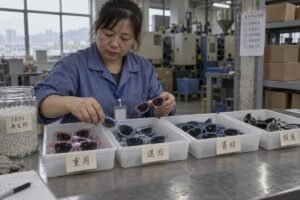
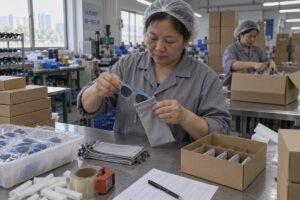
Vous recherchez un partenaire fiable en lunetterie pour enfants ?
Explorez plus de 800 styles prêts et un support OEM/ODM complet adapté à votre marque.
Contactez-nous English
  Español de México
  Deutsch
  Français
  日本語
日本語  العربية
  Português do Brasil