How Can I Tell If a Supplier’s Price for Kids’ Sunglasses Is Fair?

Judging a fair supplier price for kids’ sunglasses is hard when quotes vary wildly. I see this confusion daily at our Taizhou factory, and a wrong guess can cost a brand its reputation.
A supplier’s price for kids’ sunglasses is fair when it matches verifiable value: UV400 protection, tested materials like TPEE or TR90, CPSIA compliance certification, child-specific molds, quality control, and packaging. Compare quotes against these features and total landed cost, not against the lowest unit price alone.
Price alone tells you very little. The real question is what sits behind that number. Let me walk you through how experienced buyers break a quote apart.
What Should I Compare Beyond the Unit Price When Evaluating a Quote?
A buyer from Australia once showed me two quotes that were $0.40 apart. After we listed everything included in each, the "cheaper" one turned out more expensive. Our team sees this pattern constantly.
Beyond unit price, compare lens quality, frame material, safety testing, packaging, defect tolerance, minimum order quantity, payment terms, and manufacturing lead times. A complete quote covers total cost of ownership; a bare unit price often hides missing testing, weak packaging, or unreliable delivery.
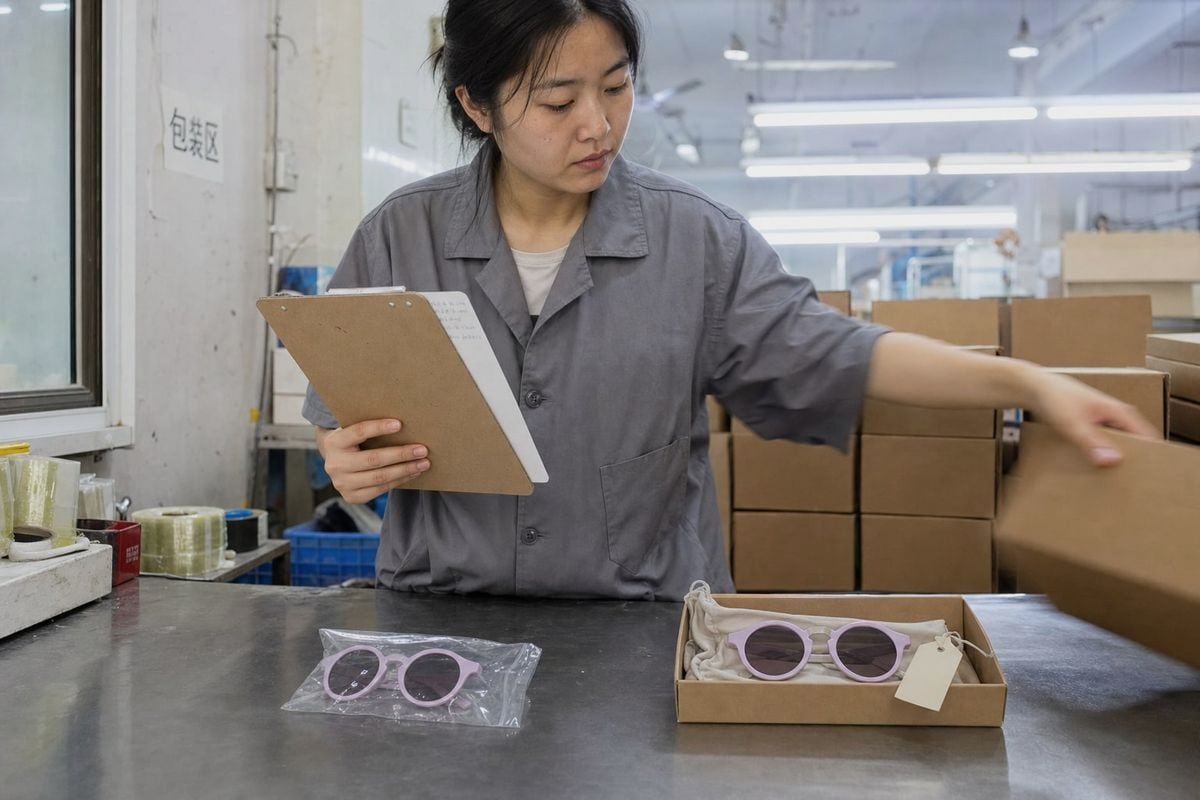
When our sales team prepares a quotation, we itemize far more than the frame and lens. That is because the wholesale unit cost is only one line in a much bigger equation. Two suppliers can quote the same style—say, a sport wraparound shield with a mirrored gradient lens, or a pastel two-tone round frame for younger kids—and still deliver completely different value.
Total Cost of Ownership, Not Sticker Price
Total cost of ownership (TCO) includes everything you pay before the product earns money on a retail shelf. A quote that skips testing or ships in thin polybags pushes hidden costs onto you later: returns, rejected customs shipments, or damaged stock.
Here is a simple comparison framework I share with new buyers:
| Élément de coût | Cheap Quote Often Excludes | Fair Quote Should Include |
|---|---|---|
| Verre | Basic acrylic, no UV verification | UV400 protection standards, batch verification |
| Frame | Brittle low-grade PC | TPEE flexible frames or TR90 |
| Tests | None or "certificate on request" | CPSIA, EN ISO 12312-1 reports |
| Emballage | Thin polybag | Retail-ready box, cloth pouch, hang tag |
| CQ | Skip-lot or none | Inline inspection plus final AQL check |
| Délai de livraison | Vague "30–60 days" | Committed schedule with penalties |
MOQ and Bulk Pricing Tiers
Quantité minimale de commande 1 (MOQ) also shapes fairness. A low-volume order under 500 units carries setup costs for custom colors 2 or logos, so a higher unit price is legitimate. Ask the supplier to show bulk pricing tiers—if the price barely drops at 5,000 units, the first quote was probably padded. Because we hold around 800 existing styles, brands testing the market can start small without heavy mold investment, and that changes the math in your favor.
Finally, check conditions de paiement 3 and defect allowances. A supplier accepting a 1–2% defect cap is pricing in real quality control. One who refuses to discuss defects is quietly pricing it out.
How Do Material and Safety Standards Affect the Real Cost of Kids' Sunglasses?
There is a moment on our production line I always show visiting buyers: bending a TPEE temple 180 degrees and watching it spring back. Cheap injected plastic snaps instead. That difference is the price gap.
Materials and safety standards are the largest legitimate cost drivers. TPEE and TR90 frames, impact resistant lenses, UV400 verification, CPSIA compliance certification, and chemical migration testing all add real manufacturing cost—typically justifying a meaningfully higher price than untested, brittle plastic sunglasses.
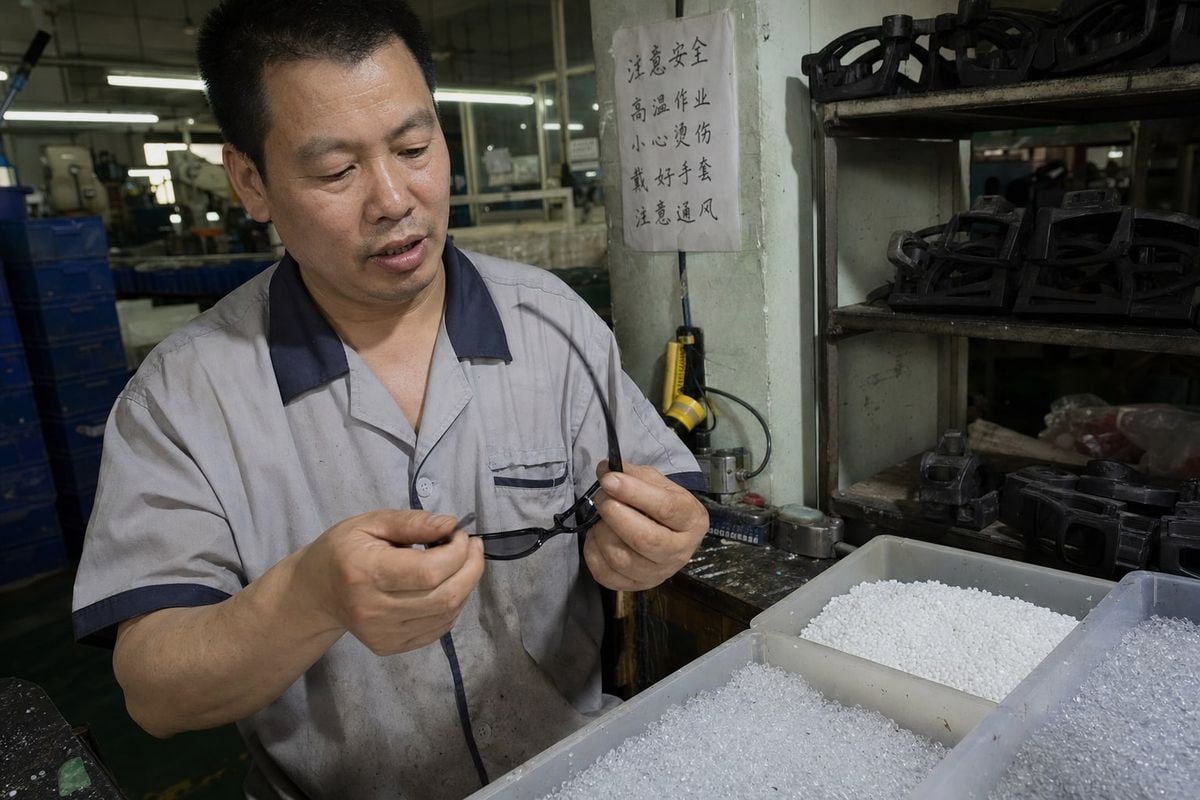
Kids are rough on eyewear. They sit on it, chew it, and drop it on concrete. So the material choice is not cosmetic—it is the core safety decision. In our fifteen years making children's eyewear, we have specialized in flexible materials precisely because rigid frames create sharp break points near a child's eyes.
Why Frame Material Changes the Quote
Low-grade polycarbonate injection is cheap to mold and cheap to buy. TR90 is a memory resin: lighter, flexible, and far more impact resistant. TPEE goes further—it is soft-touch, environmentally friendlier, and nearly unbreakable in normal child use. We often combine them, pairing TR90 fronts with TPEE temples for the best balance of structure and flex. Raw material cost, mold precision, and cycle time all rise with these resins, and a fair price reflects that.
Lens Technology and Verification
Lenses follow the same logic. Basic acrylic blocks some light but may offer inconsistent UV filtering. Proper UV400 protection standards require better lens stock and batch-level verification—responsible factories check visible light transmission 4 and UV cut with a spectrophotometer, because a dark lens without UV filtering is actually more dangerous than no lens. Polarized lens technology, usually TAC-based in kids' ranges, adds glare reduction for beach and water use and adds cost accordingly.
Certification Is a Real Cost, Not Paperwork
Third-party testing is not free. Here is roughly how compliance layers stack:
| Norme | Ce qu'elle couvre | Cost Impact |
|---|---|---|
| UV400 / EN ISO 12312-1 | UV filtering, optical quality | Modéré |
| CPSIA (US) | Lead, phthalates in children's products | Moderate to high |
| EN71-3 | Chemical migration, heavy metals | Modéré |
| ANSI Z80.3 | Nonprescription eyewear performance | Modéré |
| les exigences d'enregistrement de la FDA | Drop-ball impact testing for US import | Modéré |
A supplier quoting well below market either skips these tests or reuses old, possibly invalid reports. Ask for current, batch-linked documentation before you compare prices at all.
Why Do Prices Vary So Much Between Suppliers for Similar Styles?
Every trade fair, a buyer hands me a competitor sample that looks identical to one of ours and asks why our quote is higher. I hand them both frames and ask them to flex the temples. The conversation usually ends there.
Prices vary because "similar" styles hide different materials, mold quality, factory overhead, testing depth, and QC rigor. A sport shield frame can cost double depending on lens grade, hinge construction, region of manufacture, and whether the factory absorbs compliance and inspection costs into the quote.
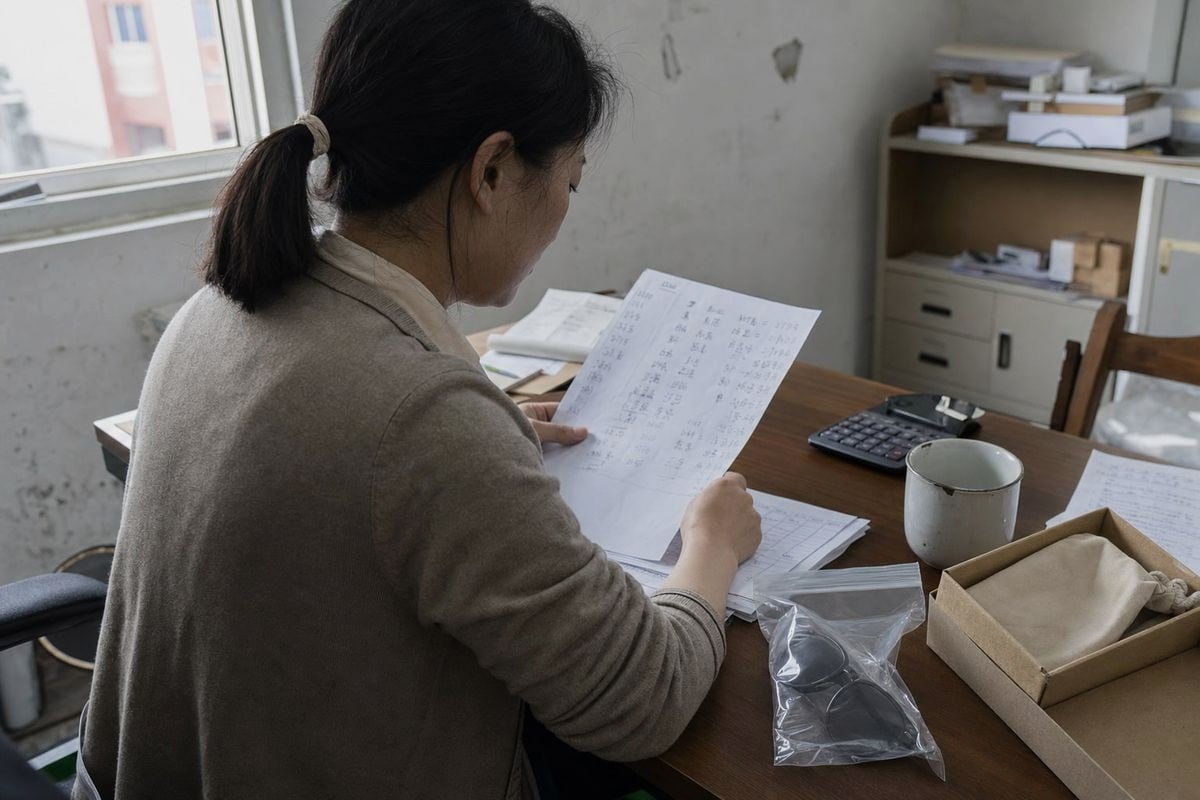
Photos flatten everything. A glossy black wraparound with an orange-to-yellow mirrored shield lens can be a genuine performance piece with an impact resistant lens 5 and rubberized grip tips—or a fragile lookalike that cracks in a schoolbag. The visual difference online is nearly zero. The cost difference at the factory is enormous.
The Hidden Variables Behind Identical Photos
Consider what actually diverges between two "identical" quotes:
- Mold quality. Precision molds with child-specific ergonomics cost far more than copied adult molds shrunk down. Dual-injection overmolding for soft-touch fit on toddler frames adds another tooling layer.
- Material grade. Virgin TR90 versus recycled blends. Certified TPEE versus generic soft plastic. Same look, different safety.
- Lens sourcing. Verified UV400 stock with consistent coating versus unverified tinted acrylic.
- Factory overhead. Regions with mature eyewear supply chains and better process control carry higher overhead but lower defect rates than pure mass-production hubs.
- QC depth. Inline checks, hinge torque testing, and final inspection all cost labor hours. A 5S-managed workshop with trained inspectors prices that discipline into the quote.
- Compliance absorption. Some quotes include testing amortized across the order; others quietly exclude it.
Where Fair Value Usually Sits
In the retail market, kids' sunglasses span from roughly $7 budget pairs to $50–$70 mid-market styles and premium collections well above $100. Supplier quotes mirror that spread. The mid band—where verified protection, durable flexible frames, and decent packaging meet a sensible wholesale unit cost—is usually where healthy retail profit margins live. Extreme low quotes usually signal something removed. Extreme high quotes need extraordinary justification: prescription capability, premium polarization, or strong warranty support.
What Questions Should I Ask a Supplier to Confirm Their Price Is Justified?
One lesson from fifteen years of exporting to twenty-plus countries: the buyers who ask the sharpest questions get the fairest prices. Vague inquiries invite vague quotes, and vague quotes hide problems.
Ask for current test reports, exact lens and frame material specifications, batch-level UV verification methods, MOQ and bulk pricing tiers, defect allowances, packaging details, manufacturing lead times, and factory versus trader status. Justified prices survive documentation requests; padded or corner-cutting prices do not.
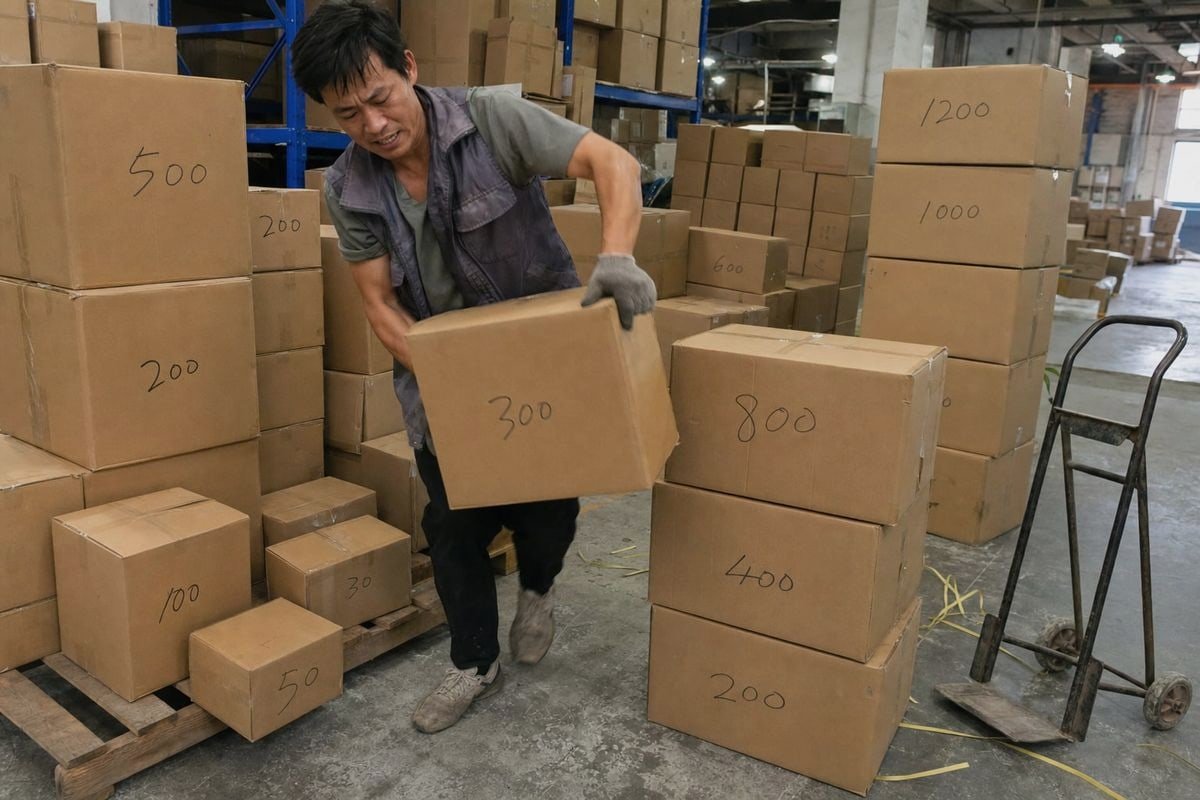
When a new brand contacts us, I actually respect a long question list. It tells me they will be a serious long-term partner. Here is the checklist I would use if I were sitting on your side of the table.
The Ten Questions That Expose a Quote
| # | La liste essentielle des questions | À quoi ressemble une bonne réponse |
|---|---|---|
| 1 | Can you share current CPSIA and EN ISO 12312-1 reports? | Recent, third-party, batch-linked documents |
| 2 | What exact resin is the frame? | Named material—TR90, TPEE—not just "plastic" |
| 3 | How do you verify UV400 on each batch? | Spectrophotomètre 6 checks, not "trust us" |
| 4 | Are the lenses impact resistant and drop-ball tested? | Yes, with reference to FDA registration requirements for US orders |
| 5 | What is your MOQ, and how do bulk pricing tiers step down? | Transparent tiers with logical spreads |
| 6 | What defect rate do you guarantee? | A stated AQL and a remedy process |
| 7 | What are your manufacturing lead times 7, and are they committed? | Specific days, with a track record |
| 8 | Do you support private label manufacturing? | Custom logos, colors, lenses, and retail packaging |
| 9 | Are you a factory or a trader? | Verifiable factory with workshop photos or audits |
| 10 | Can I order samples from existing styles first? | Yes—existing molds lower your launch risk |
Read the Answers, Not Just the Numbers
A supplier who answers all ten quickly and specifically has already built those costs into the price—that is what "fair" means in practice. Full OEM/ODM support, from custom colors to branded pouches and boxes, should be itemized so you see what you are buying. If answers arrive slow, evasive, or contradictory, walk away regardless of how attractive the number looks. In children's products, the cheapest surprise is still too expensive.
Conclusion
A fair supplier price for kids’ sunglasses reflects verified UV protection, safe flexible materials, real testing, and reliable QC. Compare total value, ask hard questions, and price becomes easy to judge.
Notes de bas de page
1. Defines the lowest amount of inventory a supplier is willing to sell to a buyer. ↩︎
2. Describes the use of specific ink and resin colors in manufacturing for consistent branding. ↩︎
3. Explains the conditions under which a seller will complete a sale, including timing and method of payment. ↩︎
4. Relevant Wikipedia section defining VLT categories for sunglasses. ↩︎
5. Official FDA safety requirements for the impact resistance of eyeglass and sunglass lenses. ↩︎
6. Educational guide on the instrument used to measure light intensity and UV filtering accuracy in eyewear.
Plus d'articles que vous pourriez aimer
Vous recherchez un partenaire fiable en lunetterie pour enfants ?
Explorez plus de 800 styles prêts et un support OEM/ODM complet adapté à votre marque.
Contactez-nous English
  Español de México
  Deutsch
  Français
  日本語
日本語  العربية
  Português do Brasil