How Do Ready Stock vs Custom Kids Optical Frames Differ in MOQ, Lead Time, and Cash Flow?
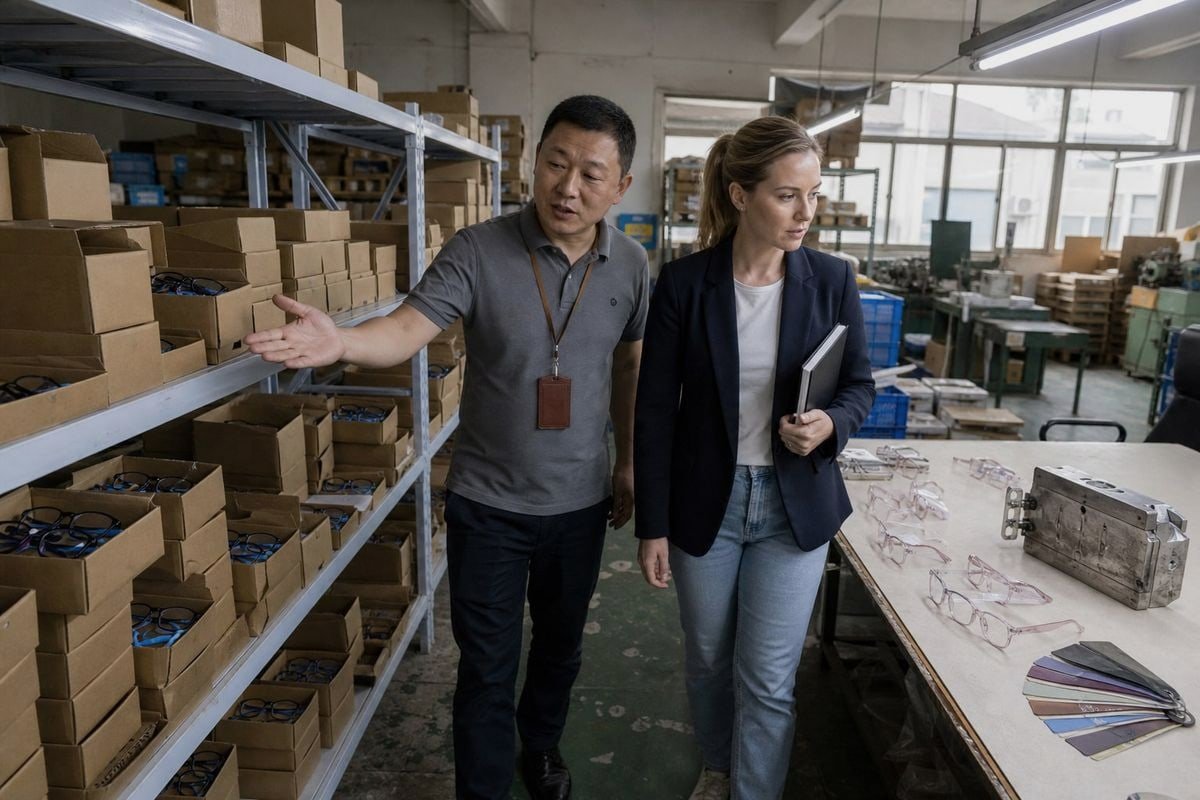
Choosing between ready stock vs custom kids optical frames stalls many new brands small, frequent purchases 1. I see this hesitation weekly on our Taizhou production floor when buyers request quotes.
Ready stock kids optical frames offer MOQs as low as 1–50 pieces, lead times of 2–7 days, and minimal cash commitment. Custom frames require 300–1,200 pieces per style, 45–90 days of production, and 30–50% upfront deposits, but deliver exclusive branding and stronger margins.
The wrong choice can freeze your capital for months or leave you selling the same frame as your competitor. Let me break down each variable so you can decide with confidence.
How can I decide whether ready stock or custom kids optical frames are right for my brand's launch stage?
Last spring, a startup founder from Melbourne asked me to quote a fully custom TR90 kids frame. After reviewing her forecast, I steered her toward our existing catalog instead.
Match the sourcing model to your launch stage: pick ready stock for market testing and first launches, semi-custom (existing mold, new colors or logo) for growing brands, and full custom OEM only when you have proven, forecastable demand of several hundred units per style.
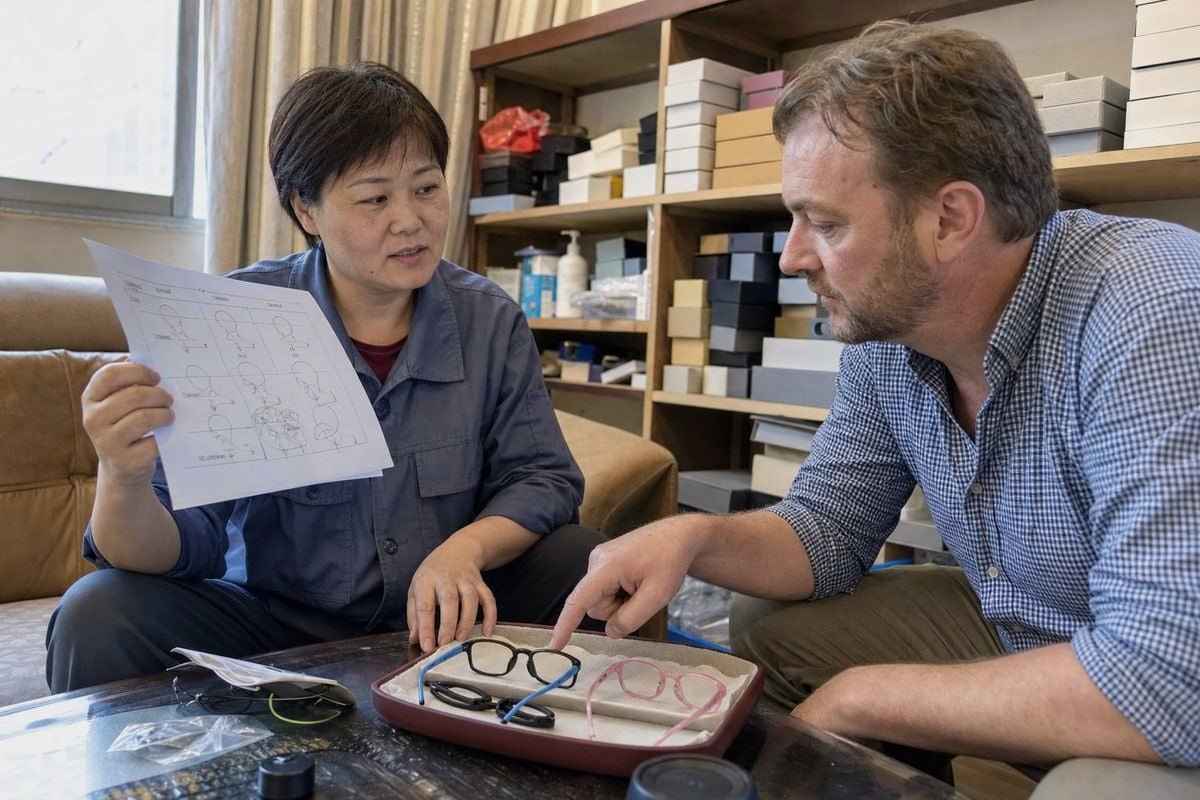
The decision is not about which option is better. It is about which risk you can afford right now. Here is the quick comparison I share with buyers:
| Launch Stage | Best Fit | Pourquoi |
|---|---|---|
| Idea or test phase | Stock prêt | Lowest risk, fastest market feedback |
| Early traction | Semi-custom (existing mold) | Branding without new tooling costs |
| Proven demand | Full custom OEM/ODM | Exclusivity and scale economics |
Ready stock: inventory-light buying
Ready stock behaves like inventory-light buying. You select from a catalog, order small, and ship fast. Our factory keeps roughly 800 existing styles for exactly this reason. New brands and importers can launch without heavy mold investment. The trade-off is design uniqueness. Another buyer somewhere may sell the same model, so your private label branding relies on packaging, lens options, and marketing rather than a unique shape.
Custom: pre-financing production
Custom behaves like pre-financing production. You commit capital before a single frame sells. In return, you control the design, the fit, and the story. For kids eyewear, custom also enables micro-segmentation. You can produce specialized sizes for underserved niches, such as toddler frames with modified bridge heights that reduce return rates compared to one-size-fits-all stock.
The middle path most buyers overlook
Semi-custom sits between the two. We take an existing mold and run your colors, your logo, and your packaging. MOQs drop to around 200–300 pieces per style, and you skip mold fees entirely. In my experience exporting to 20+ countries, this is where most growing kids brands should start their OEM eyewear production journey 2.
What MOQ should I expect when ordering ready stock versus fully custom kids frames?
The trade-off I weigh most often with buyers is unit price versus total exposure. A lower per-unit cost at 1,000 pieces can be a worse deal than a higher price at 50.
Ready stock kids frames typically start at 1 piece per style, with common wholesale programs at 12–100 units per color. Fully custom kids frames commonly require 300–500 pieces per style, rising to 600–1,200+ when new molds or complex materials are involved.
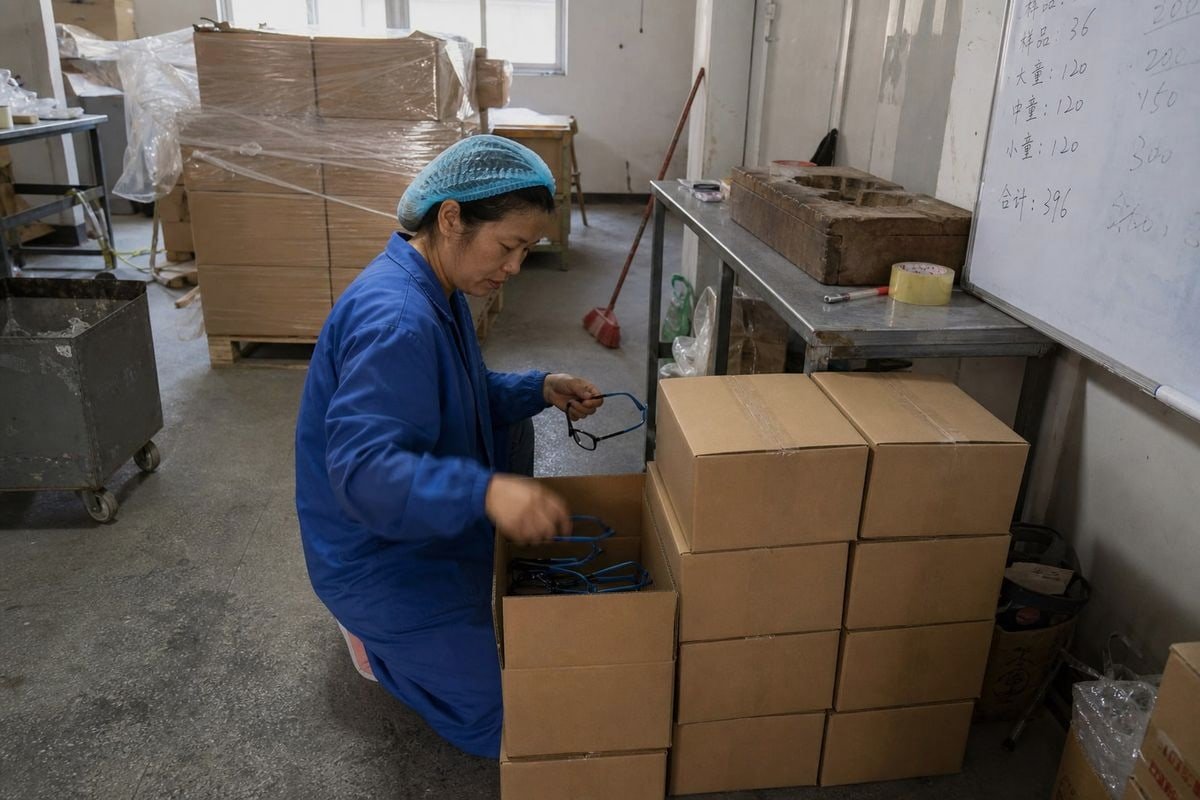
MOQ is only the headline number. Your real cash commitment includes sampling, packaging, freight, and sometimes tooling. Here are the market norms I see across wholesale eyewear suppliers:
| Sourcing Model | Typical MOQ per Style | Extra One-Time Costs |
|---|---|---|
| Stock prêt | 1–50 pieces (some programs 12–100 per color) | None significant |
| Semi-custom (existing mold, new color) | 200–300 pieces | Logo/print setup |
| Custom OEM/ODM | 300–500 pieces | Sampling, artwork |
| Full custom (new mold) | 600–1,200+ pieces | $3,000–$10,000+ mold fees in some programs |
Why MOQs vary so much between suppliers
MOQ is not universal. One supplier quotes ready stock at 1 piece, another at 12, 15, 50, or 100. The variation depends on material, color count, and whether the factory injects TR90, molds TPEE, or cuts acetate. TR90 and acetate materials behave differently on the line. Injection molding 3 needs a minimum machine run to be efficient. Acetate cutting is more flexible but slower per unit.
Kids eyewear multiplies SKU exposure
Here is the trap I warn buyers about. Children's collections need size grading across age bands. A toddler frame, a 5–8 frame, and a 9–12 frame are three different SKUs. Multiply that by four colors, and a 300-piece custom MOQ becomes a 3,600-piece commitment. Careful SKU management matters more in kids eyewear than in most adult lines. Always ask whether the MOQ is per style, per color, or mixed-color. At our workshop, we allow mixed-color assortments on many ready stock orders precisely because we know how quickly kids SKUs stack up.
Questions that protect you before ordering
Ask three things every time. First, does the MOQ include logo printing, or is that extra? Second, what do samples cost, and are sample fees refunded against bulk orders? Third, does the quoted per-unit production cost include packaging and demo lenses? These answers change the real economics far more than the headline MOQ.
How much faster is lead time with ready stock frames compared to custom OEM/ODM production?
A lesson I learned early in our 15 years of eyewear manufacturing: buyers rarely miss a season because of production speed. They miss it because of the steps before production.
Ready stock kids frames ship in 2–7 days, sometimes within 15 days for larger wholesale picks. Custom OEM/ODM production takes 45–90 days for fully custom projects, or 25–35 days for standard manufacturing, because sampling, tooling, and approvals precede mass production.
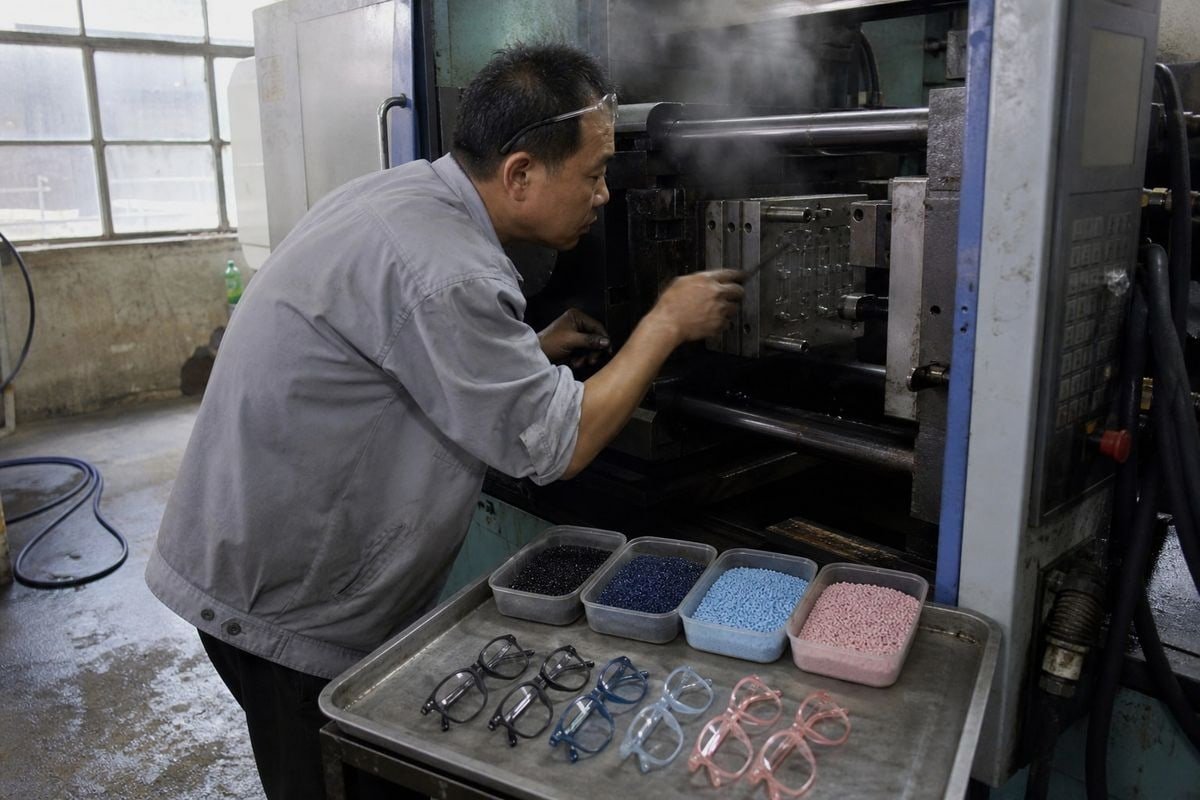
The gap is not days versus weeks. It is days versus months. And the hidden steps in the eyewear manufacturing process explain why.
The hidden stages inside a custom timeline
A custom project is a chain of dependent stages. Each stage can only start after the last one is approved:
- Design confirmation and technical drawings
- Prototype development and sampling — custom samples alone take 20–40 days, versus 5–10 days for ready stock samples
- Artwork and logo approval
- Tooling or mold adjustment (for new molds)
- Material procurement — colored TR90 pellets or acetate sheets are ordered per project
- Mass production, typically 25–35 days
- Quality control, safety verification, and packing
- Global shipping logistics — sea freight adds 20–40 days depending on destination
Safety adds another hidden layer. Compliance testing for children's products 4, such as CPSIA or REACH verification, can add roughly two weeks to a custom kids order. Ready stock items are typically pre-certified and ready for immediate sale. When we developed our TPEE temple lines, we built testing into the standard flow so repeat custom orders would not lose that time twice.
What this means for seasonal planning
Kids eyewear is seasonal. Back-to-school and summer sun windows are unforgiving. If you want custom frames on shelves by July, your project needs to start by February or March. With ready stock, you can react to demand in the same month it appears. Many of our buyers replenish winning styles from stock while their custom program runs in parallel. That hybrid approach protects the season without giving up long-term brand building.
Which option helps me manage cash flow better as a growing kids eyewear brand?
A Japanese distributor once told me his rule: never lock more than a quarter of working capital into one style. That conversation changed how I structure quotes for smaller brands.
Ready stock protects cash flow best for growing brands. It allows small, frequent purchases, faster inventory turnover, and demand testing before commitment. Custom orders tie up 30–50% of capital in upfront deposits for months, plus possible mold fees, before a single frame sells.
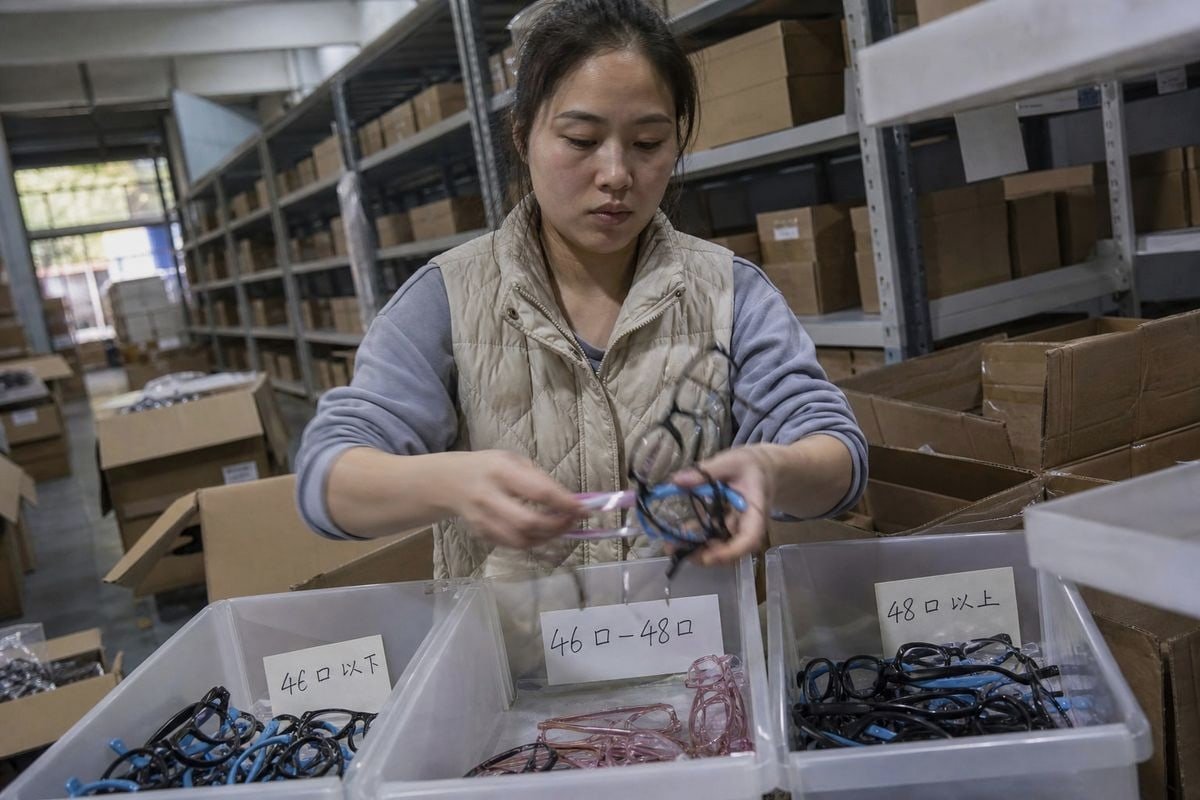
Cash flow determines survivability. For small brands, the cheapest unit price can still be the worst business decision if it locks up capital in slow-moving kids styles.
The cash timeline, side by side
| Cash Flow Factor | Ready Stock | Custom OEM/ODM |
|---|---|---|
| Upfront deposit | Small or none | 30–50% of order value |
| Capital locked before sale | Days to weeks | 3–6 months |
| Mold/tooling fees | Aucun | $3,000–$10,000+ for new molds |
| Dead stock risk | Low — replenish only what sells | High if a design fails |
| Inventory turnover ratio | High, frequent small buys | Lower, large batches |
| Per-unit margin at scale | Modéré | Stronger once demand is proven |
Test and scale versus bet and hope
Ready stock supports a test-and-scale model. You buy 50 pieces of five styles, watch which ones move, and reorder winners within a week. Your inventory turnover ratio stays healthy, and your market demand forecasting improves with every cycle because it rests on real sales data, not guesses.
Custom is closer to bet and hope when done too early. If a unique design fails to gain traction, you own hundreds of frames in graded kids sizes that are hard to liquidate. I have seen buyers discount dead custom stock at a loss just to free up cash for the next season.
When custom becomes the smarter cash decision
Custom does win eventually. Once demand is forecastable, per-unit production costs drop, margins improve, and exclusivity protects you from channel overlap. The right moment is when a stock style sells through consistently for two or three reorder cycles. At that point, the deposit is no longer a gamble. It is an investment backed by data. Our strongest long-term partners all followed this path: catalog first, semi-custom next, full OEM/ODM once the numbers proved themselves.
Conclusion
Ready stock wins on MOQ, speed, and cash protection. Custom wins on exclusivity and scale. Test with stock, prove demand, then invest in custom when your numbers justify it.
Notes de bas de page
1. SBA guidance on managing business finances and cash flow through strategic inventory management. ↩︎
2. Explains the OEM manufacturing model referenced for brands scaling into custom production. ↩︎
3. Background on injection molding, explaining why minimum machine runs affect MOQ. ↩︎
4. Official CPSC guidance on safety requirements and compliance testing for children’s products mentioned in the text. ↩︎
Plus d'articles que vous pourriez aimer
août 5, 2026
Bio-Based vs Regular Cellulose Acetate: What's the Difference for Kids' Frames?
août 5, 2026
How Recyclable Are Kids' Optical Frame Materials, and What Eco-Friendly Alternatives Exist?
août 5, 2026
Do Kids Optical Frames Whiten or Age in Storage, and How to Control Warehouse Conditions?
Vous recherchez un partenaire fiable en lunetterie pour enfants ?
Explorez plus de 800 styles prêts et un support OEM/ODM complet adapté à votre marque.
Contactez-nous English
  Español de México
  Deutsch
  Français
  日本語
日本語  العربية
  Português do Brasil