How to Organize Sampling and Control Costs for Kids’ Optical Frames?
Sampling and cost control for kids’ optical frames trips up many buyers. On our production line in Taizhou, I have watched brands overspend on samples they never reorder. Uncontrolled sampling drains budgets, delays launches, and buries teams in frames nobody wants. The fix is treating sampling as a planned system, not an open-ended shopping habit.
Organize sampling for kids’ optical frames by starting with existing stock styles, setting a fixed sample budget per season, negotiating sample fee reimbursement against bulk orders, and testing only styles you intend to reorder. Evaluate safety, fit, and durability before committing to MOQ-level production quantities.
That is the short answer. Now let me walk you through each step in detail, using what I see every week working with children’s eyewear brands across 20-plus countries.
How can I reduce sampling costs by choosing from existing kids' optical frame styles?
A procurement manager from Australia once asked me for eleven custom kids' frame designs before she had sold a single pair. I gently steered her toward our existing catalog first, and it saved her thousands.
Choosing from existing kids' optical frame styles cuts sampling costs dramatically because you skip mold and tooling fees entirely, pay only modest stock sample fees, and get samples in days instead of weeks. Customize colors, logos, and packaging on proven shapes rather than building new designs from zero.
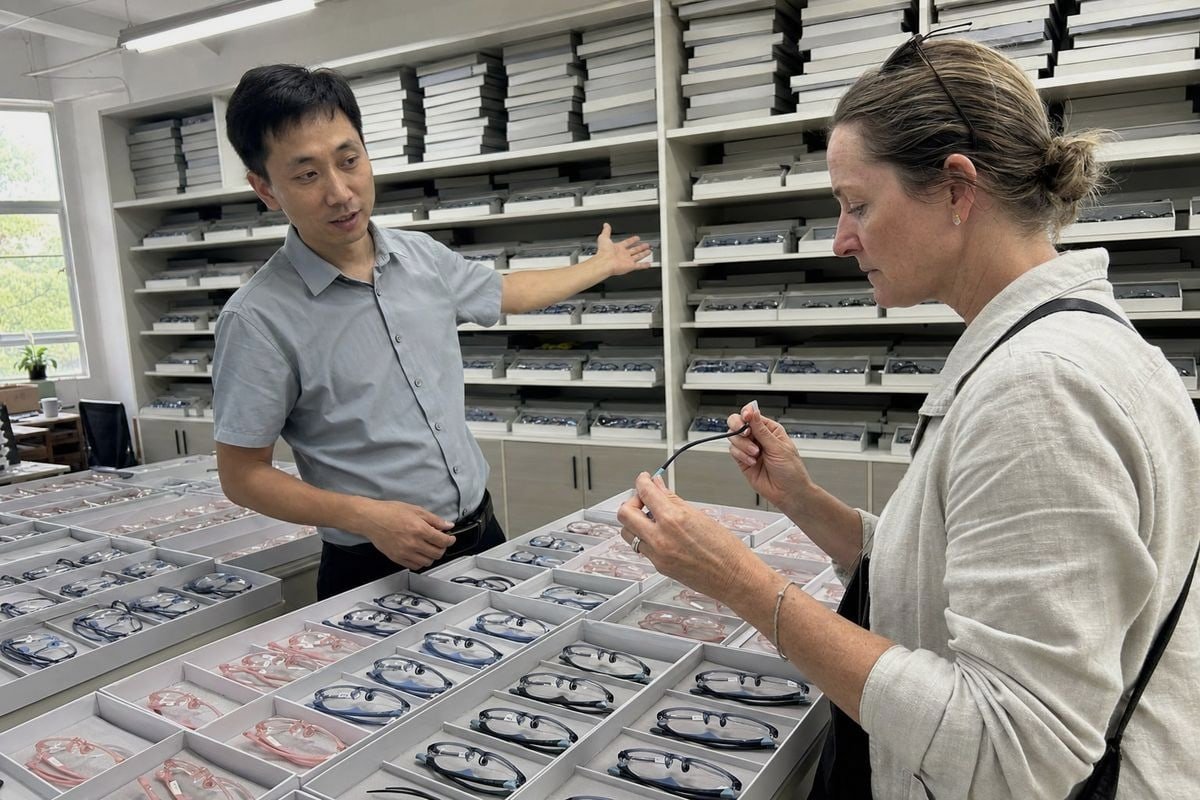
At our factory, buyers can choose from roughly 800 existing styles in TR90 and TPEE. That number matters. A new children's brand does not need to invest in molds to test the market. It can pick proven shapes, request stock samples, and validate demand with real customers before spending anything on custom development.
Why stock styles beat custom designs at the start
Custom molds for a single kids' frame model can cost several hundred dollars, sometimes more for complex hinge or temple designs. Stock samples usually cost a fraction of that. Sourcing guides commonly cite stock sample costs around USD 30–80 per style, while fully custom samples run higher and often carry tooling fees on top. Multiply that gap across ten styles and the savings become obvious.
There is a common objection here. Some buyers argue that wider, fully custom sampling increases the chance of finding a "perfect" frame for every child. In my experience, the opposite is usually true. Too many samples create clutter, inflate carrying costs, and slow decisions. A smaller, better-chosen selection nearly always performs better, especially for frame board management later at retail. The "more of less" principle applies: fewer collections, deeper commitment to the styles that actually move.
A practical way to build your sample shortlist
- Define your target age bands (for example 3–6, 6–9, 9–12).
- Pick two or three frame sizes per age band for pediatric frame fitting coverage.
- Choose durable children's eyewear materials — TR90 fronts with flexible TPEE temples 1 are a strong default.
- Limit the first round to 8–12 stock styles total.
- Add branding through custom colors and logos, not new tooling.
| Sampling Route | Typical Cost per Style | Tooling Fee | Lead Time | Idéal pour |
|---|---|---|---|---|
| Stock sample, as-is | USD 30–80 | Aucun | 3–7 jours | Market testing, first orders |
| Stock style, custom color/logo | USD 50–120 | Aucun | 1–2 weeks | Brand launches |
| Fully custom design | USD 50–150+ | USD 300–800 | 4–8 semaines | Established lines |
One more idea worth borrowing: frame sample kits with interchangeable temples and bridges. A modular kit can represent dozens of fit and color combinations using a fraction of the physical inventory, which keeps your sample spend lean.
What should I know about MOQs and pricing tiers before requesting custom samples?
Before we quote any custom project, my sales team asks one question: what is your realistic first-order quantity? The answer changes everything about which sampling path makes sense.
Know your supplier's MOQ per style and per color before sampling, because custom samples only pay off if you can meet production minimums. Ask for tiered pricing, sample fee reimbursement against your first bulk order, and clarity on which customizations raise the MOQ.
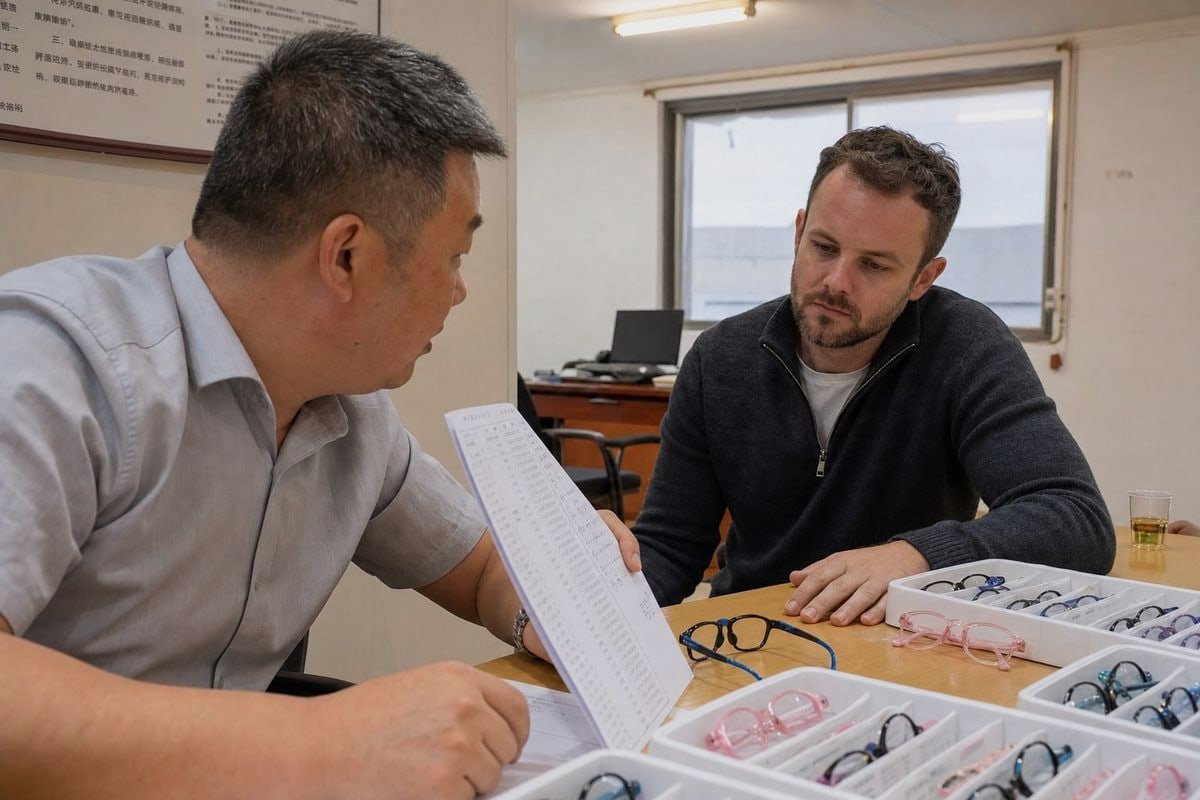
MOQs exist because production runs have setup costs. In wholesale eyewear procurement 2, a factory must schedule injection machines, mix custom colors, and set up assembly lines. Small runs spread those fixed costs over fewer units, which is why per-unit prices drop at higher volumes. Understanding this before you sample prevents an awkward moment I see often: a buyer loves a custom sample, then discovers the MOQ is triple what their budget allows.
Questions to ask before paying for any custom sample
Ask these in writing, and keep the answers with your cost of goods sold 3 calculations:
- What is the MOQ per style, and per color within a style?
- Do custom logos, lens options, or packaging change the MOQ?
- What are the pricing tiers, and where do bulk purchasing discounts start?
- Will the sample fee be credited back on the first production order?
- Are there separate charges for custom packaging or accessories?
Sample fee reimbursement is a standard negotiation point, and we honor it at our factory. If a buyer moves to bulk production, the prototype fees are applied as a credit. That turns sampling from a sunk cost into a refundable deposit, which changes the math entirely.
How tiered pricing typically works
| Order Quantity per Style | Typical Pricing Effect | What You Should Negotiate |
|---|---|---|
| At MOQ (e.g., 300 pcs) | Base unit price | Sample fee credit |
| 2–3x MOQ | Modest discount | Free color options |
| 5x MOQ and above | Meaningful bulk discount | Packaging upgrades, priority scheduling |
| Mixed styles, shared total | Sometimes tier-eligible | Combining SKUs to hit a tier |
That last row matters most for kids' lines. Children's frames sell across narrow size and color preferences, so you rarely want deep quantities of one SKU. Ask whether the factory lets you combine several styles to reach a pricing tier. Good partners say yes. Also treat your sampling spend as a fixed seasonal budget line, not ad hoc spending. Buyers who cap sampling at a set figure per season make sharper choices and protect their optical retail markup downstream, because every sample must justify its slot.
How do I evaluate sample quality for safety, fit, and material durability before bulk ordering?
Our QC team runs a twist test 4 on every TPEE temple batch, bending temples far past normal wearing angles. Children will do worse to their glasses than any lab test, so we assume abuse, not care.
Evaluate kids' frame samples by twist-testing temples for flexibility, checking hinges through repeated open-close cycles, confirming material safety documentation for TR90 and TPEE, verifying smooth edges and secure nose pads, and fitting samples on real children across your target age bands.
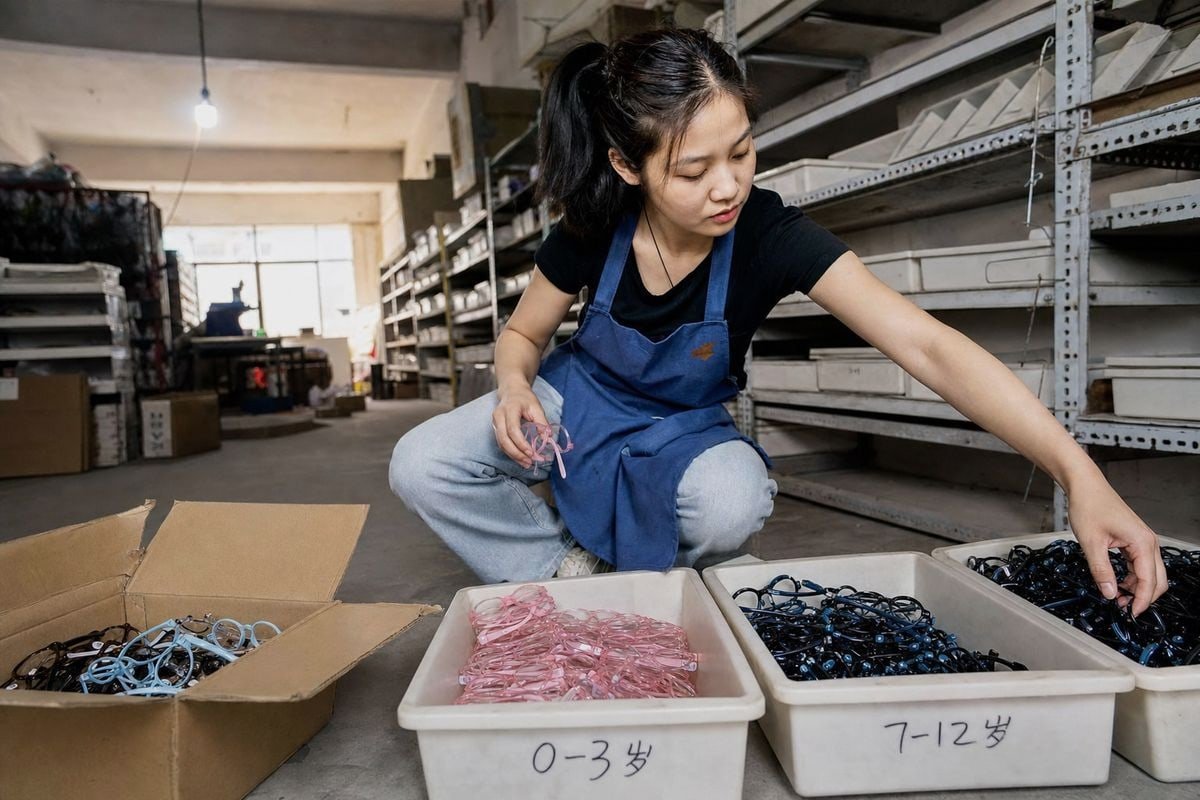
Quality evaluation is where sampling earns its cost back. A weak frame that passes your desk inspection but fails on a playground creates returns, complaints, and brand damage that dwarf any sample fee. So test samples the way children use frames: roughly.
Safety checks that come first
Children's eyewear materials must be safe on skin and safe under impact. TR90 and TPEE are excellent here — lightweight, flexible, and resistant to snapping into sharp fragments. Ask your supplier for material safety certifications 5 relevant to your market, and verify them before samples ship. A live video tour of the workshop is also reasonable to request; we host them regularly, and a factory that refuses one is telling you something. Then inspect the physical sample: no sharp mold lines, no loose small parts, no rough edges around the lens groove, and secure silicone components like ear hooks and hinge connectors.
Fit and durability testing
Pediatric frame fitting is different from adult fitting. Children have low nose bridges, softer cartilage, and constant movement. Check that the bridge sits without sliding, temples grip without pressure marks, and adjustable ear hooks hold during head shakes. For durability, run these checks:
- Flex each temple outward well beyond normal wear at least 20 times.
- Open and close hinges 50-plus times and listen for looseness.
- Press the frame front gently to test rim rigidity around demo lenses.
- Rub the surface to check coating and print adhesion.
One critical tip from the buying side: request random production units rather than hand-picked "hero" samples. A hero sample shows the factory's best work; a random unit shows its normal work. The gap between the two is your real quality risk. When we ship pre-production samples, we photograph and video the exact units so buyers can compare bulk goods against an approved reference.
What sampling timeline should I expect when working with a kids' eyewear factory?
Timing lessons come the hard way. Years ago a European distributor missed the back-to-school window because sampling started in June instead of March, and the whole season's plan collapsed with it.
Expect 3–7 days for stock samples, 1–2 weeks for stock styles with custom colors or logos, and 4–8 weeks for fully custom designs requiring new molds. Add one to two revision rounds, then 30–45 days for bulk production after sample approval.
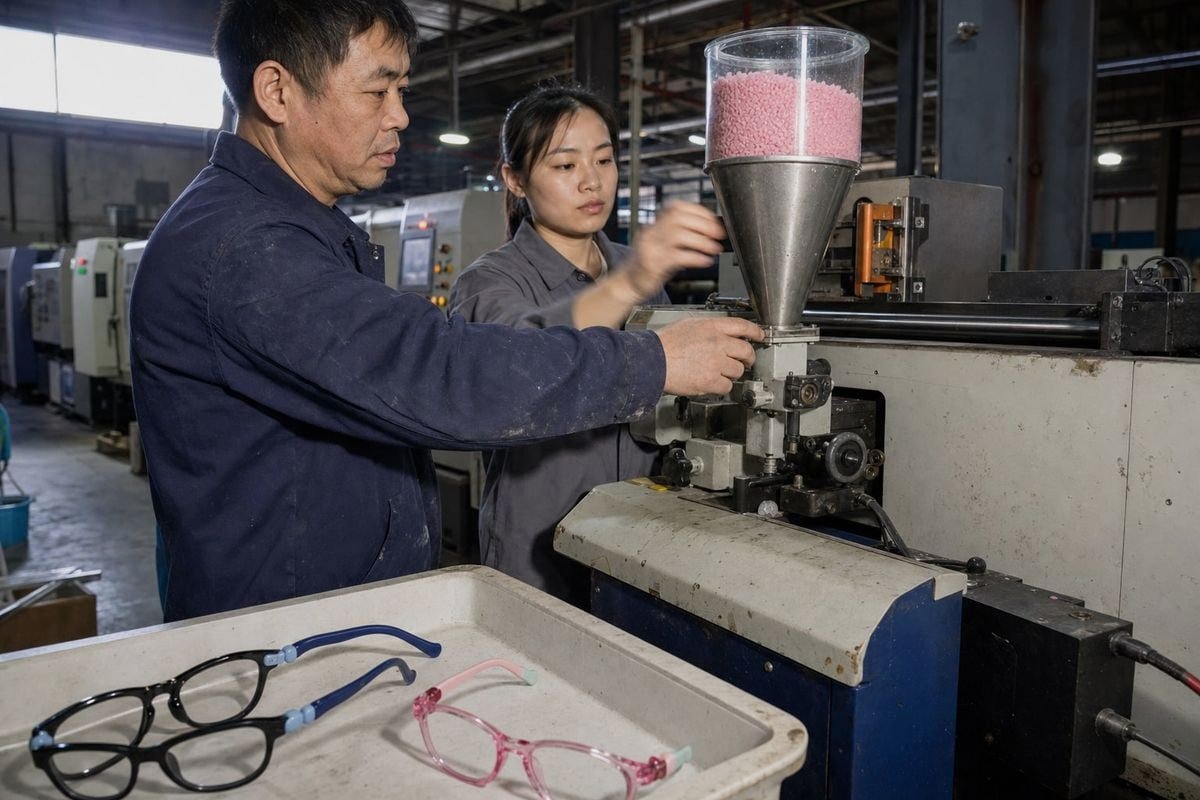
Timelines matter because kids' eyewear demand is seasonal. Back-to-school, post-vision-screening periods, and youth sports registration windows drive purchase spikes. Smart buyers sync their sampling and restocking cycles with those calendars, working backward from the sales window to set a sampling deadline. This just-in-time thinking also trims off-season storage costs, which quietly erode margin on slow categories.
A realistic end-to-end timeline
| Étape | Stock Style | Custom Color/Logo | Fully Custom Design |
|---|---|---|---|
| Quotation and spec confirmation | 1–3 days | 3–5 days | 1–2 weeks |
| Sample production | 3–7 jours | 1–2 weeks | 4–8 weeks (incl. mold) |
| Shipping and your evaluation | 1 week | 1 week | 1 week |
| Revision round (if needed) | Rare | 1 week | 2–3 weeks |
| Bulk production after approval | 30–45 days | 30–45 days | 30–45 days |
How to keep the timeline from slipping
Most delays come from the buyer side, not the factory side. Vague specs cause the longest back-and-forth. Send Pantone codes 6, logo files in vector format, and clear packaging requirements upfront. Approve or reject samples within a defined window — we suggest one week — and consolidate all revision comments into a single message rather than drip-feeding changes.
Also plan what happens after launch. Track taux de rotation des stocks 7 on every kids' SKU using optical inventory software, and compare 30-day sell-through against stock levels. If a style underperforms, act early: negotiate vendor return policies or a slow-mover exchange after a 90-to-120-day aging trigger, and expand your winners instead. Some buyers also explore consignment frame programs 8 to lower upfront risk, though most factories, ours included, work on standard purchase terms with flexible reorder support. Retired display samples can even become tax-deductible donations for community vision screenings — a clean financial exit for old stock.
Conclusion
Uncontrolled sampling wastes money and time. Start with stock styles, budget every sample, test hard, sync with seasons — and your kids' frame program stays profitable and lean.
Notes de bas de page
1. Background on the flexible plastic material used for durable kids’ eyewear temples. ↩︎
2. WTO provides authoritative context on global wholesale trade and procurement practices. ↩︎
3. Explains this accounting concept referenced when tracking sourcing and production expenses. ↩︎
4. ISO sets international standards for spectacle frame durability and testing methods. ↩︎
5. CPSC oversees children’s product safety standards relevant to eyewear certifications. ↩︎
6. Pantone is the official authority for standardized color matching codes used in manufacturing. ↩︎
7. Authoritative Wikipedia entry defining inventory turnover ratio and its business applications. ↩︎
8. Wikipedia explains the consignment business model referenced as a risk-lowering sales option. ↩︎
Plus d'articles que vous pourriez aimer
août 5, 2026
Bio-Based vs Regular Cellulose Acetate: What's the Difference for Kids' Frames?
août 5, 2026
How Recyclable Are Kids' Optical Frame Materials, and What Eco-Friendly Alternatives Exist?
août 5, 2026
Do Kids Optical Frames Whiten or Age in Storage, and How to Control Warehouse Conditions?
Vous recherchez un partenaire fiable en lunetterie pour enfants ?
Explorez plus de 800 styles prêts et un support OEM/ODM complet adapté à votre marque.
Contactez-nous English
  Español de México
  Deutsch
  Français
  日本語
日本語  العربية
  Português do Brasil