How to Negotiate a Phased Delivery Plan for Kids’ Sunglasses to Match Launch Schedule?
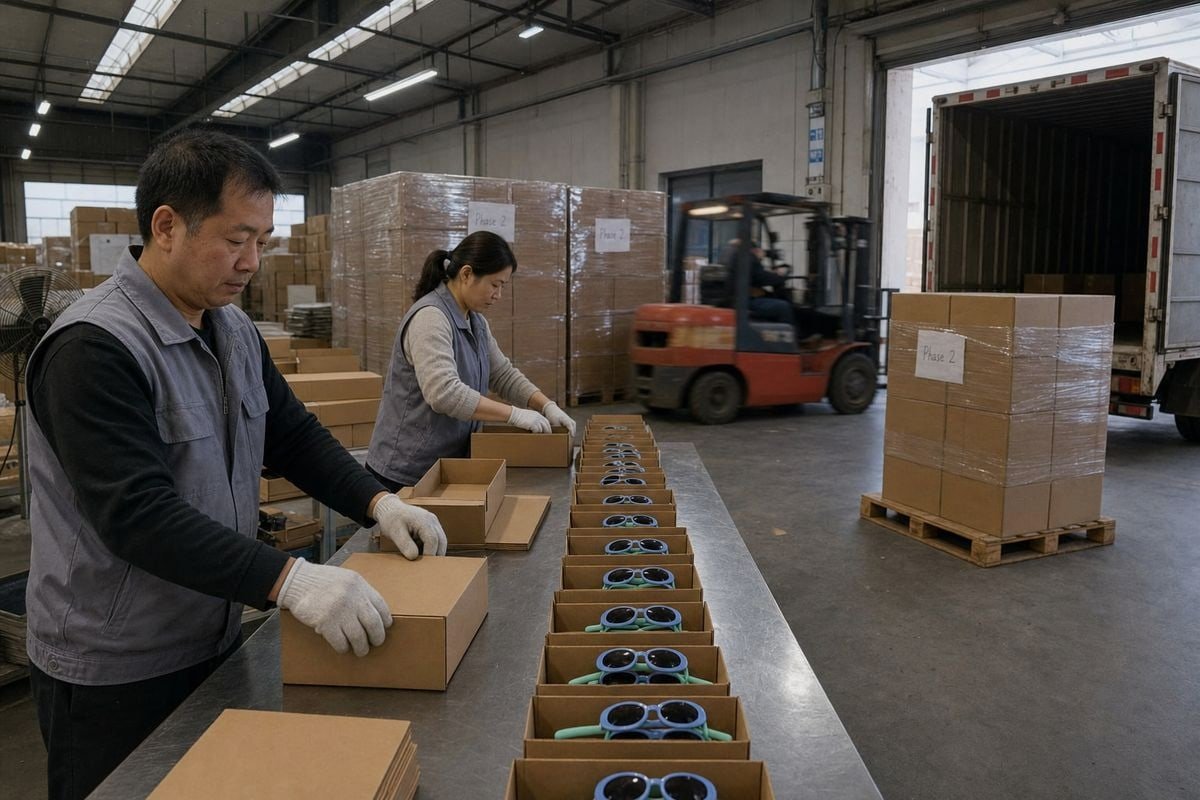
A phased delivery plan for kids’ sunglasses can save a launch. On our production line in Taizhou, I have watched brands overbuy stock, miss launch dates, and drown in unsold frames — all because they shipped everything in one go.
To negotiate a phased delivery plan for kids’ sunglasses, back-plan from your launch date, split production into pre-agreed milestone shipments, tie payment milestones to each release, lock one approved quality standard for all batches, and add contract clauses covering delays, MOQ per phase, and inventory holding.
That is the short version. Below, I will walk through each part of the negotiation, step by step, based on what actually works between a brand and a children’s eyewear factory.
How can I structure phased delivery terms with my sunglasses manufacturer without risking my launch timeline?
Last spring, a European baby-brand buyer asked us to ship five styles at once for a summer drop. We suggested splitting the order instead — and that decision saved her launch.
Structure phased delivery by back-planning from your launch date: sample approval first, then a smaller opening shipment for launch, then replenishment batches triggered by sales data. Add a 20% time buffer for compliance testing and transit, and confirm each phase date in writing before production starts.
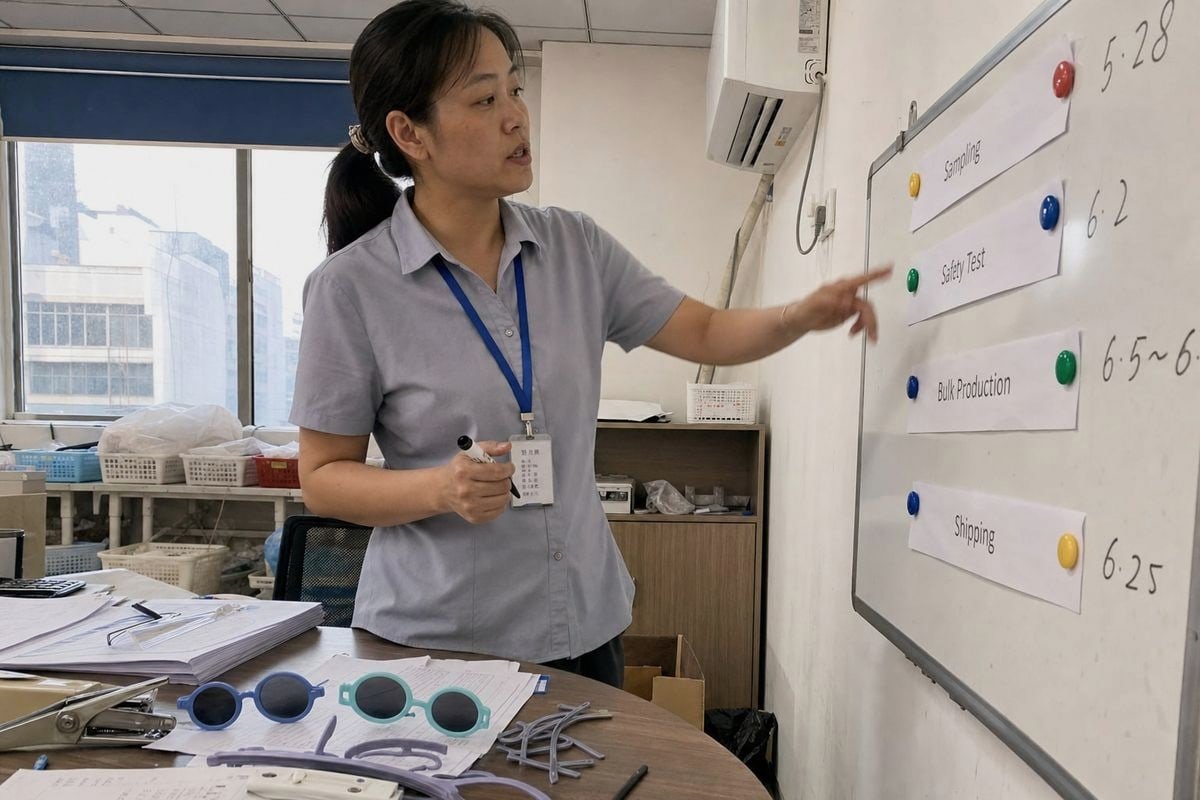
The core idea is simple. You are not asking your factory to "ship in parts." You are building a supplier agreement around staged milestones that match your retail fulfillment timeline. In our experience exporting to buyers in 20+ countries, the brands that struggle are the ones who treat delivery as one big event instead of a sequence.
Back-plan from the launch date
Start with your launch date and work backward. Supply chain lead times 1 for children's eyewear are fairly predictable, so use them:
| Étape | Typical Lead Time |
|---|---|
| Design and quotation | 2–5 working days |
| Sampling | 10–14 working days |
| Safety testing (often parallel with sampling) | 5–10 working days |
| Bulk production | 25–35 working days |
| Ready-stock fulfillment | About 7 working days |
| Fret aérien | 7–14 jours |
| Sea freight | 25–45 days |
Add a 20% safety buffer on top. Pediatric compliance testing and customs clearance 2 are the two stages that slip most often. If your math leaves zero slack, your timeline is already broken.
Map phases to real milestones
A workable phased plan usually looks like this: sample approval and compliance review, then a first shipment sized for launch and press, then a second shipment timed to early sales data, then seasonal top-ups, and finally a small reserve for reorders or replacements. When we hold finished goods for a client's phase two, we agree on the holding period and payment terms upfront. That keeps both sides accountable and protects your production capacity planning during peak season.
One more tip: secure factory capacity early. Give your supplier a rolling forecast. During summer surges, factories prioritize buyers who plan ahead.
What MOQ and payment terms should I expect when requesting split shipments from a kids' eyewear factory?
Buyers often ask me whether split shipment terms will inflate their Minimum Order Quantity 3. It is a fair worry — and the honest answer depends on how the order is structured.
Expect the factory to quote MOQ on the total order, not per shipment — typically 100–300 pieces per style for custom work, lower for existing designs. Payment milestones usually follow a deposit at order confirmation, plus a balance payment tied to each phase before it ships.

Here is how the negotiation usually unfolds from the factory side. Most suppliers, us included, calculate MOQ against total confirmed volume. If you commit to 3,000 units across three phases, your unit price reflects 3,000 units — even though only 1,000 ships first. That is the key point to negotiate: total-order pricing with phased release, not three separate small orders at small-order prices.
Ready stock lowers the entry barrier
Some buyers assume they must customize everything from scratch, which pushes MOQ and lead times up. But that trade-off is worth challenging. With around 800 existing styles in our catalog, a new brand can pick proven frames, add a logo, and start with a small trial order — sourcing guides commonly recommend 100–200 pieces across 3–5 styles for a pilot. Custom colors and new molds come later, once sell-through data supports the investment. This is a smarter inventory management strategy than committing to volume before demand is proven.
Typical payment structures for phased orders
| Payment Term | How It Works | Idéal pour |
|---|---|---|
| Deposit + balance per phase | 30% deposit on the full order; balance paid before each shipment releases | Most phased orders |
| Deposit + balance on completion | Balance due when all production finishes, factory holds goods | Buyers with tight cash flow, strong supplier trust |
| Payment per tranche | Each phase treated as its own mini-order with its own deposit | First-time cooperation, lower trust |
Two things to remember. First, factories rarely hold finished inventory for free beyond an agreed window, because warehouse space is production capacity. Negotiate the holding period explicitly — 30 to 60 days is a common ask. Second, compare the total landed cost of a phased plan against a single shipment, including extra freight legs, before you decide. Cheaper unit price does not always mean cheaper launch.
How do I make sure product quality stays consistent across multiple delivery batches?
A hard lesson from our 5S-managed workshop: batch two is where quality drifts if nobody is watching. Material lots change, painters rotate, and small tolerances creep — unless you lock the standard.
Keep quality consistent by locking a signed golden sample and written spec sheet before production, requiring identical quality control inspections for every batch, retaining approval samples from each phase, and inspecting shipment one before authorizing shipment two.
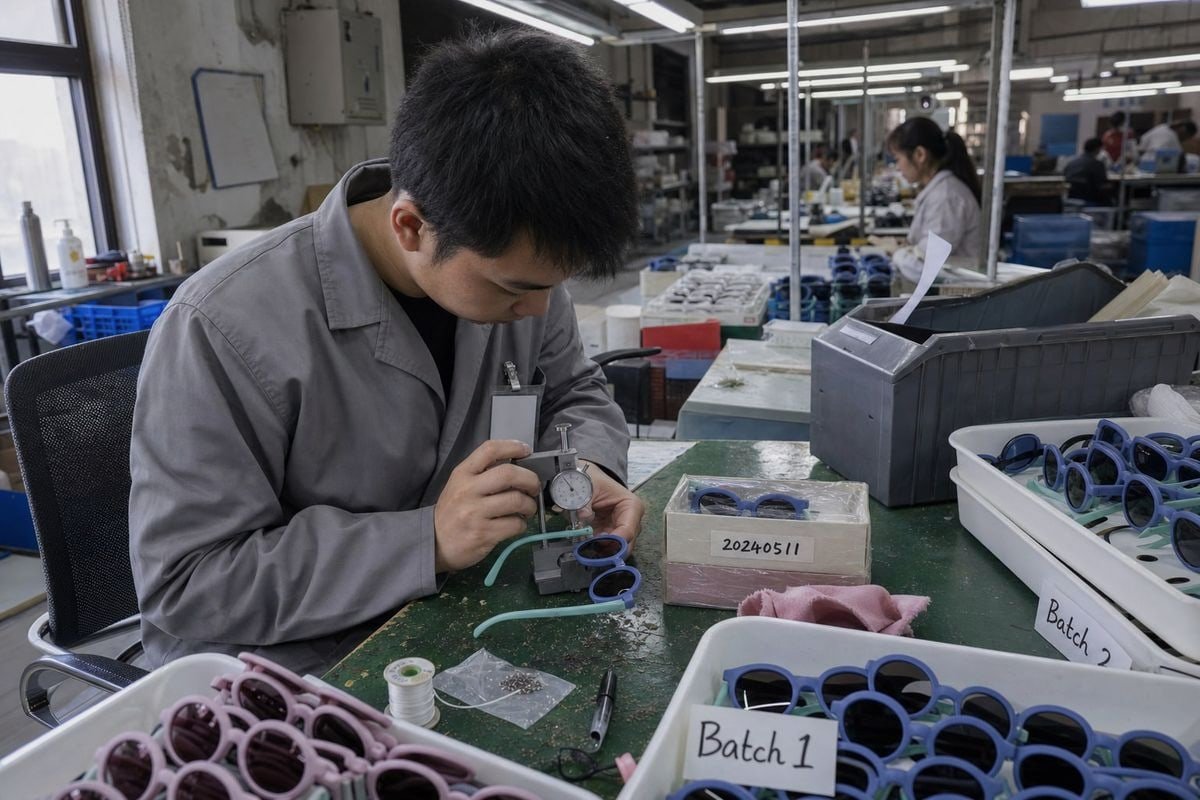
Phased shipment should never mean phased quality. Every batch must match the same approved standard, even if the release timing changes. For children's sunglasses, this matters more than for adult accessories, because frame fit, hinge durability, and UV protection all affect safety and returns.
Lock the standard before batch one
Everything starts with a golden sample 4 — a signed, physical reference kept by both sides. Alongside it, a written spec sheet should cover frame dimensions, material grade (for us, that means the exact TPEE 5 or TR90 formulation, since flexible materials behave differently across lots), lens specification with UV400 verification 6, color codes, and packaging artwork. Vague specs invite drift.
Repeat the same checks every batch
A consistent QC checklist for kids' eyewear typically includes:
- Frame finishing — no sharp edges, flash, or paint defects.
- Lens fit and optical quality — secure seating, no distortion.
- Hinge function and temple flexibility — critical for flexible kids' frames that get twisted daily.
- UV protection verification against the claimed rating.
- Packaging, warnings, barcodes, and market-specific labeling.
Retain a sealed approval sample from each shipped phase. If a customer complaint arrives months later, you can trace exactly which batch it belongs to. And build one rule into your process: never authorize phase two until you have physically inspected phase one. Early feedback from your first shipment — a hinge that feels loose, a color slightly off — is exactly the correction window phased delivery gives you. Some buyers even negotiate a raw material reservation, where the factory holds unpainted frames so late-stage color pivots stay possible without resetting the lead time.
What should I include in my contract to protect my brand if a phased delivery is delayed?
When we draft phased-order agreements with clients, the delay clause is the section that gets negotiated hardest — and rightly so. A vague contract protects nobody when a shipment slips.
Your contract should specify delivery dates per phase, remedies for delays such as discounts or expedited freight at supplier cost, clear phase-two trigger conditions, quality acceptance criteria per batch, inventory holding terms, and the right to switch to air freight if sea transit threatens launch.
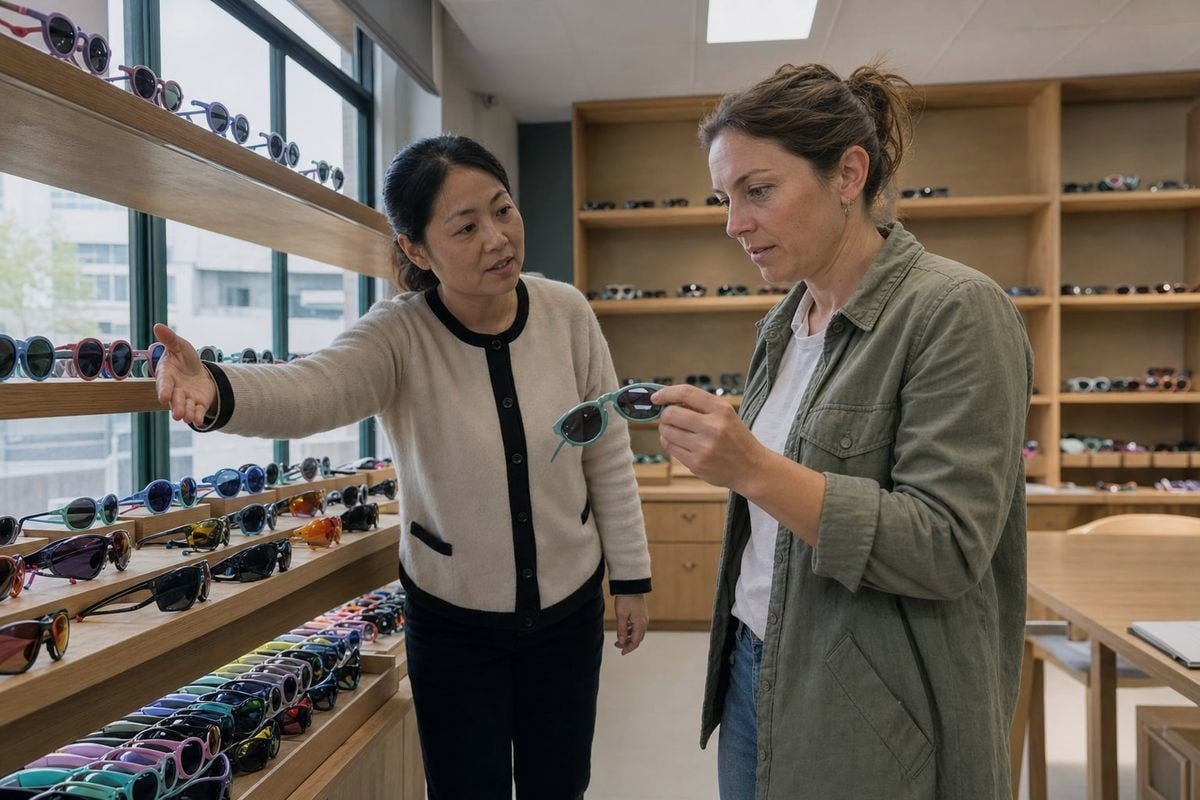
Good vendor contract negotiation is not about punishing the factory. It is about making expectations so clear that disputes never start. From fifteen years of eyewear production, I can tell you that most delivery conflicts come from undefined terms, not bad intent.
The clauses that matter most
| Contract Element | What to Specify |
|---|---|
| Phase schedule | Exact quantities, styles, and ex-factory dates for each phase |
| Delay remedies | Graduated response — e.g., minor delay triggers expedited shipping at supplier cost; major delay triggers a discount or cancellation right |
| Phase triggers | What releases phase two: a calendar date, a sell-through threshold, or written authorization |
| Quality acceptance | Inspection standard, AQL level, and the rule that failed inspection pauses subsequent phases |
| Inventory holding | How long the factory holds finished goods, and at what cost after the free window |
| Partial failure | What happens if one style fails inspection but others pass — ship the good styles, don't hold the whole phase hostage |
Make remedies realistic, not theatrical
Service level agreements with financial teeth keep everyone accountable, but be practical. A factory will not sign unlimited penalties, and pushing too hard signals a transactional relationship. What reasonable suppliers will accept: covering the freight upgrade from sea to air if their delay threatens your retail fulfillment timeline, offering a discount on the delayed portion, or prioritizing your rework in the production queue.
Also define what does not count as supplier delay: late artwork approval from your side, changed packaging specs mid-production, or delayed balance payments. Just-in-time manufacturing logic works both ways — a phased plan only holds if both parties hit their own milestones. Finally, address logistics explicitly. Multi-modal shipping — air freight for hero styles, sea freight for bulk replenishment — should be written into the plan, along with who bears cost if the mode changes. Good shipping and logistics coordination is a shared responsibility, and your contract should read that way.
Conclusion
Launching kids' sunglasses with one giant shipment ties up cash and gambles on demand. A negotiated phased delivery plan — clear milestones, locked quality, fair contract terms — turns that gamble into a controlled rollout.
Remember what you are really asking for. Not less commitment — a smarter one. You commit to the full volume, but release it in stages tied to seasonal demand forecasting 7, compliance readiness, and real sales signals. Back-plan from your launch date with buffers. Negotiate total-order MOQ with staged payment milestones. Inspect batch one before releas
Plus d'articles que vous pourriez aimer

1 août 2026
L'usine doit-elle gérer l'emballage et l'étiquetage des lunettes pour enfants, ou utiliser un fournisseur désigné ?

1 août 2026
Entrepôt propre vs. exécution directe par le fournisseur : lequel réduit les coûts de retour pour les marques de lunettes pour enfants ?

1 août 2026
Entrepôt direct au port ou staging outre-mer : lequel permet d'économiser le plus sur l'expédition des lunettes pour enfants ?
Vous recherchez un partenaire fiable en lunetterie pour enfants ?
Explorez plus de 800 styles prêts et un support OEM/ODM complet adapté à votre marque.
Contactez-nous English
  Español de México
  Deutsch
  Français
  日本語
日本語  العربية
  Português do Brasil