How Does MOQ Vs. Small-Batch Surcharge Affect Landed Cost for Kids Sunglasses?
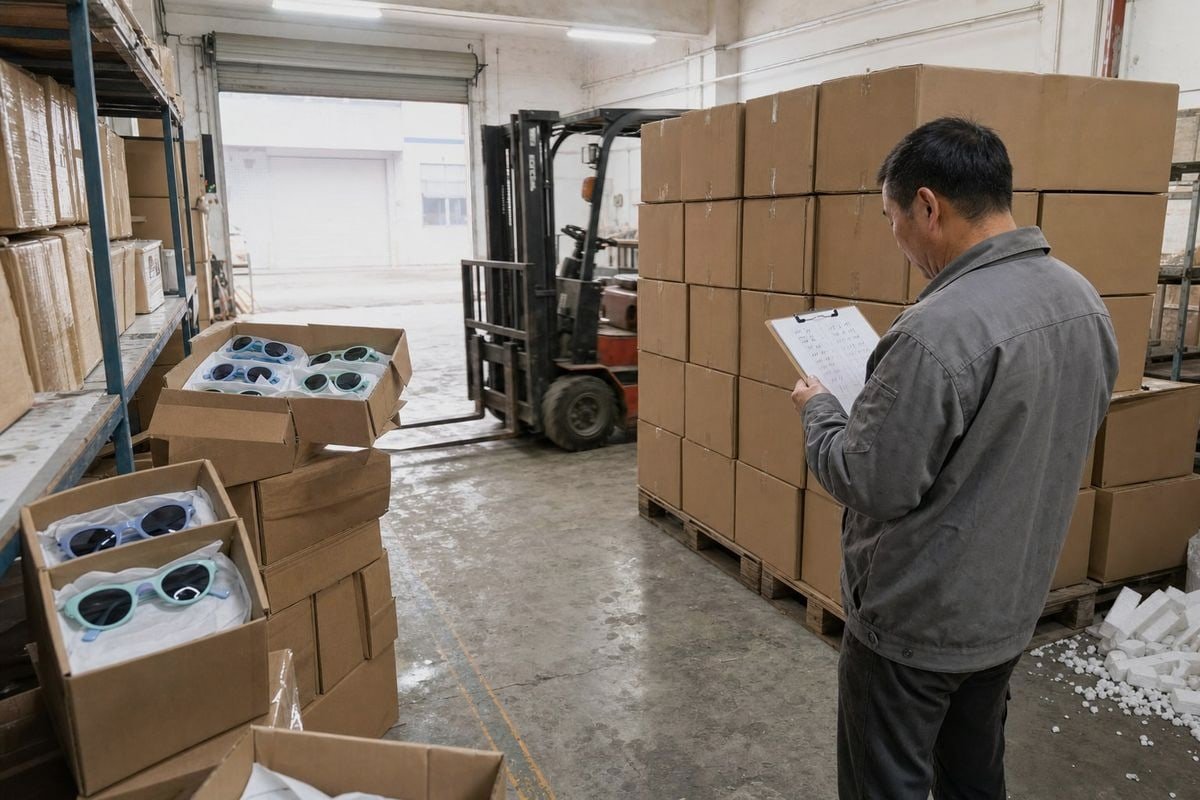
Buyers ask me about MOQ vs. small-batch surcharge almost weekly, because the landed cost for kids sunglasses rarely matches the factory quote they first receive from our sales team.
Meeting MOQ lowers the unit price but raises landed cost if unsold kids sunglasses sit in storage, while a small-batch surcharge of 15%–50% raises unit price but cuts inventory risk. The cheaper option is whichever produces the lower landed cost per pair actually sold.
That answer sounds simple. In practice, it depends on freight, compliance testing, sell-through, and cash flow. Let me walk you through how we help our buyers run these numbers.
How do I calculate the true landed cost when comparing MOQ pricing versus small-batch surcharges?
Last spring, a Japanese buyer sent me two quotes from our own catalog and asked which was cheaper. My honest answer surprised her: neither quote showed the real cost yet.
True landed cost equals base unit price plus any surcharge, freight forwarding fees, import duties and taxes, compliance testing, defect allowance, and inventory carrying costs — divided by units actually sold. Compare that per-sold-pair figure, not the factory quote, when weighing MOQ against a small-batch surcharge.

Most buyers stop at the factory unit price. That is the biggest mistake I see in children's eyewear sourcing. The quote is just the starting line. Landed cost is the finish line.
The cost stack you must build
Here is the full stack we walk buyers through at our Taizhou factory. Each line changes depending on order size.
| Cost Component | MOQ Order (e.g., 500 pcs) | Small-Batch Order (e.g., 150 pcs) |
|---|---|---|
| Base unit price | Lowest tier | Base + 15%–50% surcharge |
| Freight per unit | Low (sea freight viable) | Higher (often air freight) |
| Import duties and taxes | Standard entry | May qualify for de minimis relief |
| Conformité CPSIA 1 | Fixed fee spread thin | Fixed fee spread thick |
| Inventory carrying costs | High if sell-through is slow | Bas |
| Markdown risk | Élevé | Bas |
Two components deserve special attention. First, CPSIA compliance testing and similar CE or REACH lab fees are fixed per batch. REACH compliance 2 On a 500-piece run, a lab fee adds a small amount per pair. On 150 pieces, the same fee more than triples per unit. Second, inventory carrying costs are the silent killer. Industry sourcing audits cite 22%–34% annualized carrying cost for eyewear stock held beyond 90 days. That erodes any MOQ discount fast.
The decision formula
Use this simple break-even point analysis:
- Estimate realistic 90-day sell-through for each order size.
- Add every cost line above for each scenario.
- Divide total cost by expected units sold, not units ordered.
- Choose the lower per-sold-pair figure.
When our buyers run this honestly, the "expensive" small batch often wins for first orders. The MOQ order usually wins on reorders, once demand is proven and unit cost optimization 3 becomes the priority.
What MOQ should I expect from a kids sunglasses factory, and can I order below it?
Our production line runs both fully custom molds and roughly 800 existing styles, so I see both ends of the MOQ spectrum every single week.
Fully custom private label manufacturing of kids sunglasses typically carries an MOQ of 300–500 pieces per style, with children's frames often quoted at 500 pieces. Yes, you can usually order below MOQ — by paying a surcharge, choosing existing styles, or mixing colors within one run.
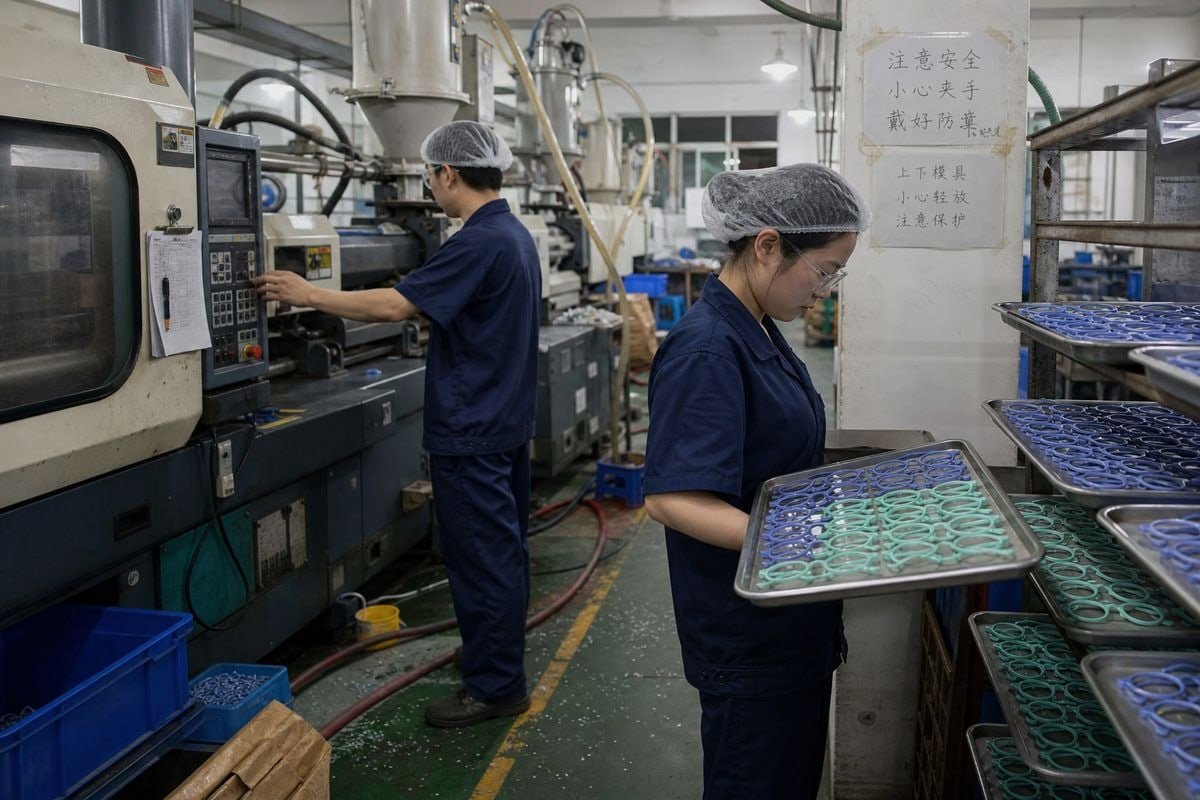
MOQ exists for a practical reason, not stubbornness. When we set up a run of TR90 frames with TPEE temples 4, we calibrate injection machines 5, prepare molds, source material lots, and schedule QC. Those fixed costs stay the same whether we make 150 pairs or 500. Economies of scale only appear when volume spreads them thin.
Why kids eyewear MOQs run higher than you expect
Children's sunglasses add extra layers. Flexible materials like TPEE and high-grade TR90 have raw material procurement minimums, so a short run leaves unused resin the factory must absorb. Safety lens specs, small hinge hardware, and child-size tooling all add setup. Then there is the SKU trap: if you launch infant, toddler, and pre-teen sizes at once, each size tier acts as its own MOQ. A three-size, two-color launch can quietly become six separate minimums.
Practical ways to get under MOQ
There are legitimate routes below the stated minimum, and I recommend them often:
- Choose existing styles. Picking from a catalog of ready tooling — we hold about 800 styles — removes mold investment and drops the workable minimum sharply.
- Mix colorways. Many factories, ours included, let you split one style's MOQ across two or three colors.
- Hybrid sourcing. Pair a custom frame color with stock lens tints. Using the factory's existing lens inventory trims the surcharge.
- Modular design. Interchangeable temples that fit multiple frame fronts reduce unique molds and lower the entry cost of a full collection.
- Watch packaging MOQs. Custom boxes and microfiber pouches often carry minimums above your frame quantity. Ask early, or you will carry excess packaging inventory.
Ordering below MOQ is a negotiation, not a rejection. Factories say yes far more often when the design uses existing tooling.
How much extra will a small-batch surcharge add to my per-unit cost?
The trade-off I weigh with every below-MOQ request is simple: our setup hours don't shrink with the order, so someone has to cover them.
Small-batch surcharges typically add 15%–50% to the unit price, with 25%–35% common for basic kids sunglasses styles. A typical tiered structure adds about 30% for 50–100 pieces, 20% for 101–200 pieces, and 10% for 201–299 pieces, with base pricing from around 300 units.
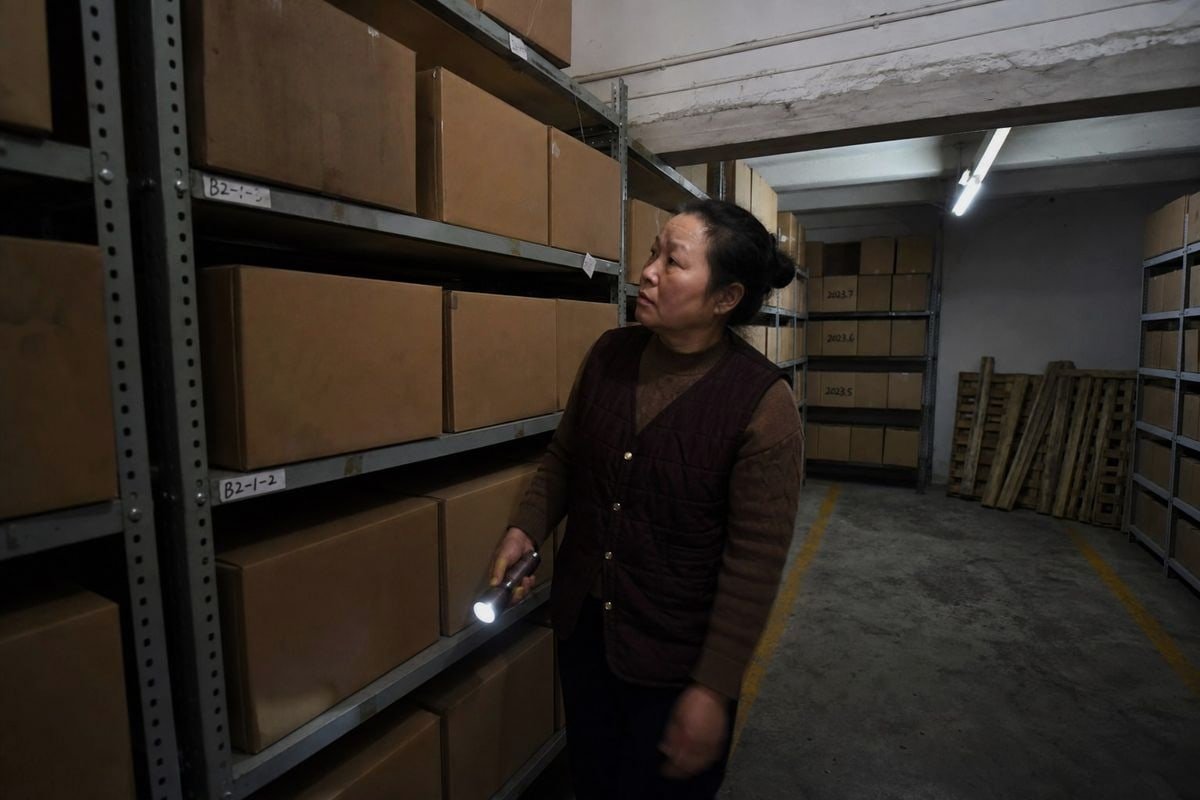
The surcharge is not profit padding. It compensates for real short-run inefficiency: machine calibration and mold preparation amortized over fewer units, labor scheduling gaps, wasted material minimums, and per-batch QC. Wholesale price breaks work the same logic in reverse — volume dilutes fixed cost.
A worked example
Assume a kids sunglasses style with a $2.00 base price at a 300-piece MOQ. Compare it with 150 pieces at a 20% surcharge.
| Line Item | 300 pcs at MOQ | 150 pcs + 20% Surcharge |
|---|---|---|
| Unit price | $2.00 | $2.40 |
| Frames subtotal | $600 | $360 |
| Freight per unit (estimate) | $0.35 sea | $0.75 air |
| Compliance testing (fixed, estimate) | $300 → $1.00/unit | $300 → $2.00/unit |
| Landed cost per unit | ~$3.35 | ~$5.15 |
| Total cash outlay | ~$1,005 | ~$773 |
On paper, MOQ wins by a wide margin per unit. But now apply sell-through. If you only sell 150 pairs in your first season, the MOQ scenario carries 150 dead pairs. Add carrying cost, markdown losses to clear them, and the capital tied up, and the per-sold-pair cost of the MOQ order can exceed the surcharged batch.
Freight makes it worse — or better
Small batches often fall below the weight threshold where sea freight makes sense, pushing you to air freight that can double or triple the logistics component. Splitting orders regionally can raise air freight cost 18%–27% per unit. On the other hand, US buyers importing small batches under the $800 de minimis threshold 6 have historically avoided import duties entirely on qualifying entries, which can offset much of the surcharge. Model your actual supply chain logistics before deciding — freight can flip this comparison either way.
Can I test the market with a low-MOQ order without hurting my long-term unit economics?
A lesson I learned the hard way: years ago, a new European brand insisted on a full custom MOQ 7 for an untested kids style. The design needed changes after launch feedback, and half the stock was discounted away. A small test batch would have saved them thousands.
Yes. Order a small surcharged test batch first, validate demand and fit, then reorder at MOQ pricing once sell-through is proven. The surcharge on 100–200 test pairs is usually far cheaper than carrying, discounting, or scrapping hundreds of unsold MOQ units.
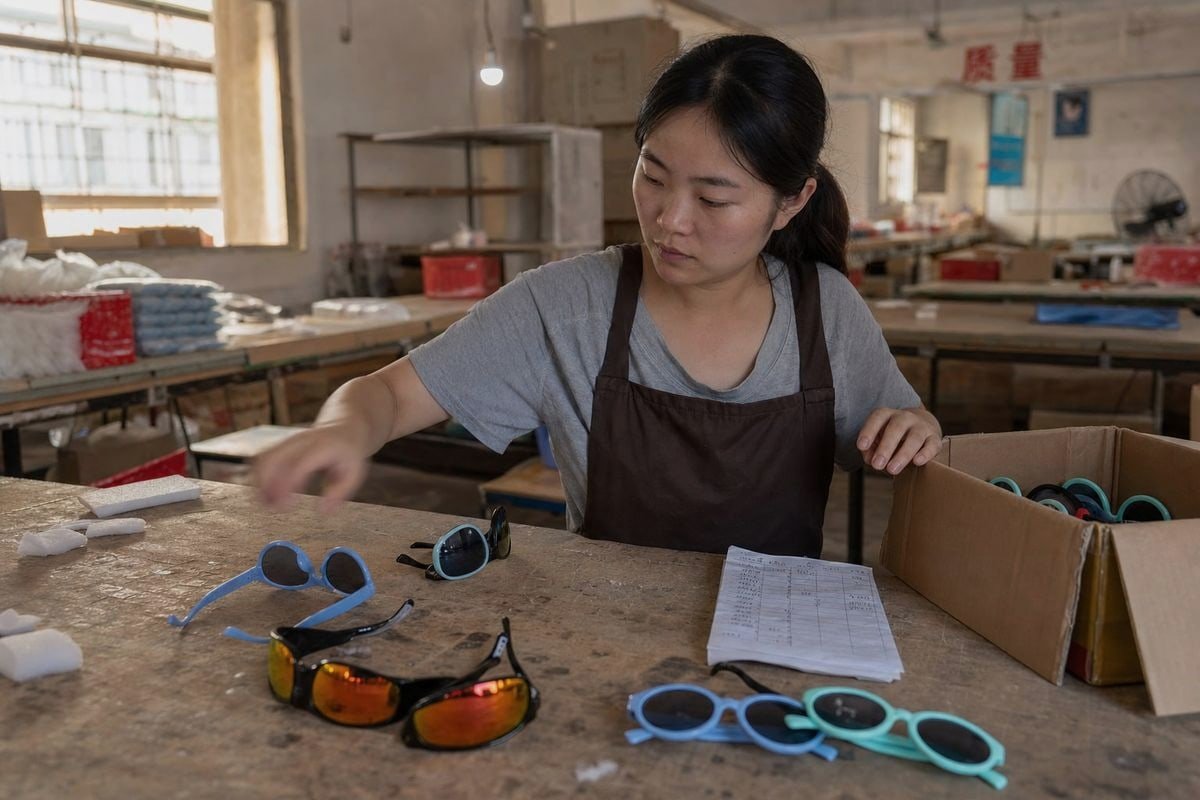
This hybrid strategy is what I recommend to nearly every first-time buyer. Kids eyewear punishes wrong bets harder than adult accessories. Sizing across ages, seasonal color trends, and safety expectations all shift. Overstock in this category is genuinely dangerous to a young brand's cash flow.
Three scenarios compared
| Strategy | Unit Price | Cash Tied Up | Dead-Stock Risk | Idéal pour |
|---|---|---|---|---|
| Meet MOQ immediately | Lowest | Highest | Élevé | Proven styles, repeat orders |
| Small batch + surcharge | Highest | Lowest | Bas | New designs, new markets |
| Hybrid: test then scale | Medium overall | Staged | Bas | Most new kids sunglasses launches |
Why the surcharge is really an insurance premium
Think of the surcharge as paying to keep options open. If your first batch reveals the temples need softening for toddlers, or a colorway flops, you adjust before committing capital. Sourcing audits show that modifying frame details after committing to a full MOQ run can cost $14,200–$31,600, and compliance revalidation after a material substitution can add 11–17 business days. A test batch absorbs those lessons cheaply.
Protecting your long-term economics
The key is negotiating the reorder path upfront. When buyers plan a test with us, we agree in writing that a successful test converts to MOQ-tier pricing, and often that tooling or sampling fees credit against the bulk order. That way, the surcharge is a one-time market-entry cost, not a permanent margin drag. Your long-term unit cost optimization stays intact, because 90% of lifetime volume ships at the base price. Newer aggregation approaches — piggybacking small runs onto larger retailers' production windows — can shrink even the test-batch premium by sharing bulk material pricing.
Conclusion
Quoted price is not landed cost. Compare cost per sold pair, test small when demand is uncertain, then scale to MOQ. That is how smart kids eyewear brands protect margin.
Notes de bas de page
1. Official US regulation governing safety testing requirements for children’s products like sunglasses. ↩︎
2. Authoritative US government guide on EU REACH compliance and exporter obligations. ↩︎
3. Foundational concept explaining how production volume drives down per-unit manufacturing costs. ↩︎
4. Explains the flexible plastic material class used for children’s sunglasses temples. ↩︎
5. Background on the manufacturing process used to produce plastic eyewear frames and molds. ↩︎
6. US Customs explanation of the duty-free import threshold referenced for small-batch orders. ↩︎
7. Major B2
Plus d'articles que vous pourriez aimer

1 août 2026
L'usine doit-elle gérer l'emballage et l'étiquetage des lunettes pour enfants, ou utiliser un fournisseur désigné ?
1 août 2026
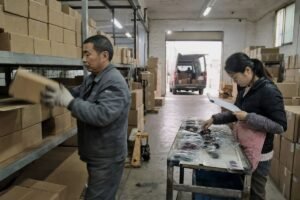
Entrepôt propre vs. exécution directe par le fournisseur : lequel réduit les coûts de retour pour les marques de lunettes pour enfants ?

1 août 2026
Entrepôt direct au port ou staging outre-mer : lequel permet d'économiser le plus sur l'expédition des lunettes pour enfants ?
Vous recherchez un partenaire fiable en lunetterie pour enfants ?
Explorez plus de 800 styles prêts et un support OEM/ODM complet adapté à votre marque.
Contactez-nous English
  Español de México
  Deutsch
  Français
  日本語
日本語  العربية
  Português do Brasil