How Can My Kids Optical Frames Brand Capture the Low-Price Market?
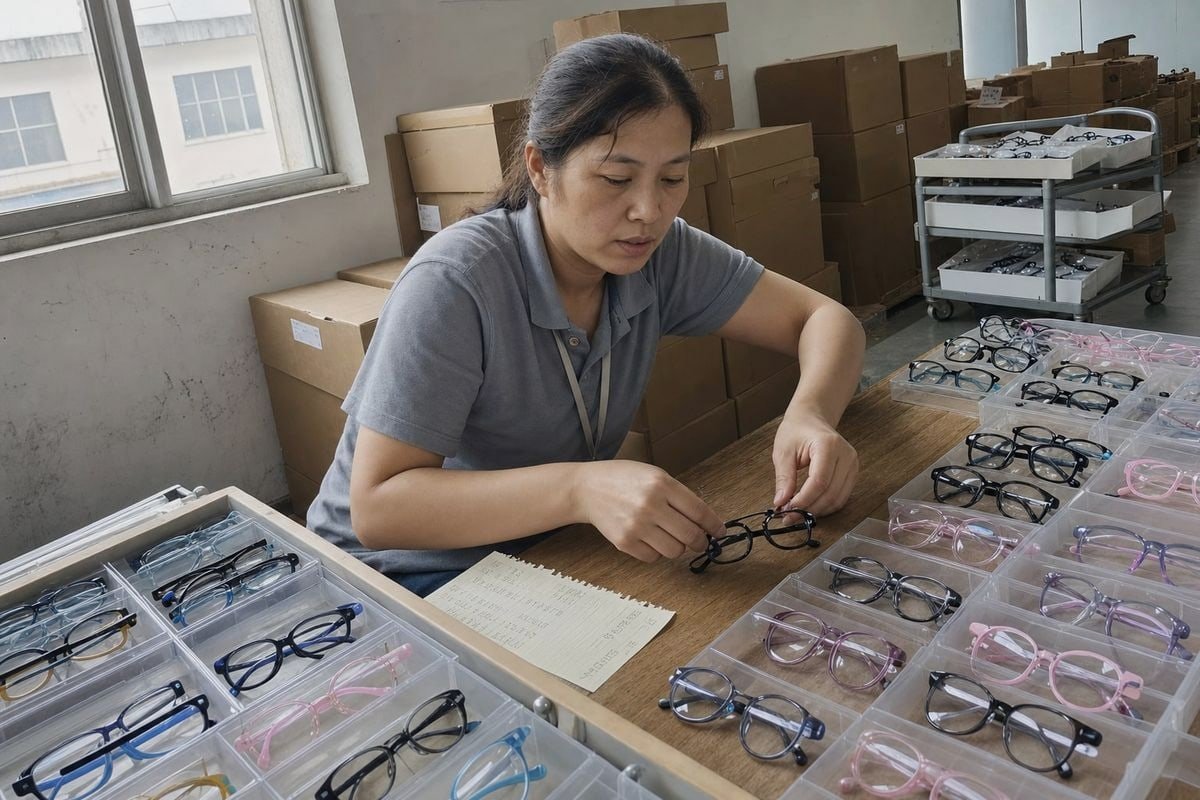
Launching a kids optical frames brand into the low-price market feels risky. Margins look thin, competitors race to the bottom, and one recall could end everything. Our Taizhou factory sees this fear weekly.
A kids optical frames brand captures the low-price market by targeting budget-conscious parents with durable TR90 frames, sourcing from existing manufacturer catalogs to avoid mold costs, keeping tiered pricing simple, and differentiating on safety, comfort, and bundles rather than price alone.
That answer sounds simple. Executing it is not. Below, I break the challenge into four questions every founder asks us, and I answer each one from the factory floor.
What's my ideal customer within the budget-conscious kids' eyewear market?
A buyer from Australia once told me she almost targeted "everyone under $50." Our team at OKAY EYEWEAR helped her narrow that down, and her first order sold through in one season.
Your ideal customer is a price-sensitive parent of an active child aged 3–12 who needs a first pair, a backup pair, or a fast replacement. They compare frame-plus-lens totals across channels and choose durability, safety, and comfort over fashion labels.
Parents in the low-price segment are not bargain hunters by nature. They are practical. Kids outgrow frames quickly. Kids also sit on them, drop them, and lose them at school. So the real purchase driver is replacement affordability, not vanity pricing. Optical trade guidance often defines the value segment as frames retailing under $100, and for children's eyewear the sweet spot usually sits well below that once you factor in prescription lens processing costs added at retail.
Segment the parents, not the kids
In our experience exporting to 20+ countries, budget-conscious parents 1 fall into three clear groups. Each one buys differently, and your assortment should reflect that.
| Parent segment | Core need | Best product fit | Buying trigger |
|---|---|---|---|
| First-pair parents | Confidence and guidance | Easy-fit sizes, soft ear hooks | Pediatric vision care checkup |
| Backup-pair parents | Insurance against loss/breakage | Same style, second color | Back-to-school season |
| Replacement parents | Speed and low friction | In-stock staple styles | Broken or outgrown frame |
Match the channel to the segment
A direct-to-consumer strategy works well for backup-pair and replacement parents, because they already know the size they need and shop online. First-pair parents still lean on optical shops, where staff can check fit. If you sell through retailers, your line becomes their "insurance line" — the dependable option they show when premium frames exceed a family's budget. If you sell online, your e-commerce fulfillment speed becomes part of the value promise, because a child cannot wait three weeks without glasses.
Define one primary segment before you order inventory. A focused line for one parent type beats a scattered catalog aimed at all three.
How can I keep my manufacturing costs low while ensuring safety and durability?
The trade-off we weigh most often on our production line is material grade versus unit cost. Cutting corners on raw TR90 saves cents per frame but multiplies returns, and returns destroy low-margin brands faster than anything else.
Keep costs low by choosing flexible, injection-molded materials like TR90 memory plastic and TPEE, limiting SKUs to proven sizes, ordering from a factory with in-house quality control, and standardizing components like hinges and temple tips across your whole collection.

Cost-effective sourcing for kids' frames is not about squeezing the factory. It is about removing waste from the design. Let me show you where the money actually goes and where safety must never be traded away.
Choose materials that cut lifetime cost, not just unit cost
TR90 memory plastic 2 bends and springs back, so frames survive being sat on. TPEE temples 3 add another layer of flexibility exactly where kids twist frames the most. Both are lightweight and hypoallergenic frame materials 4, which matters for sensitive young skin. Our own catalog leans on TR90 fronts with TPEE temples for this reason: fewer breakages mean fewer returns, and fewer returns protect your thin margin better than a two-cent saving on cheaper plastic ever could.
| Cost lever | What it saves | Safety impact |
|---|---|---|
| TR90 + TPEE construction | Lower return and warranty costs | Flexible, shatter-resistant, safe for active kids |
| Standardized flexible hinge technology across styles | Fewer components, faster assembly | Consistent, tested hinge behavior |
| Focused SKU count (sizes and colors) | Lower inventory risk, better volume pricing | Deeper QC attention per style |
| BPA-free certified raw material lots | Avoids compliance failures later | Meets parent expectations and import rules |
Standardize where parents cannot see
Parents notice colors and shapes. They do not notice that ten styles share one hinge design. Component standardization is where a small brand finds real savings. Silicone ear hooks, adjustable temple tips, and shared lens shapes reduce tooling and assembly time without touching the safety story. Then market that safety story explicitly: BPA-free materials 5, UV400 6 lens options, and flexible construction build trust in a low-cost line. Durable eyewear for toddlers, in particular, sells on this proof, not on price tags.
Never save money on testing. A 5S-managed workshop and incoming material checks cost little compared to one failed shipment.
Can I launch faster and cheaper by working with existing designs rather than developing my own?
Last year, a Japanese kids' accessory brand asked us to quote a fully custom frame. When they saw the mold investment and the six-month timeline, they picked eight styles from our existing catalog instead — and launched in ten weeks.
Yes. Selecting from a manufacturer's existing catalog eliminates mold investment, cuts development time from months to weeks, and lets you test the low-price market with small, low-risk orders. Custom colors, logos, and packaging still make the line fully yours.
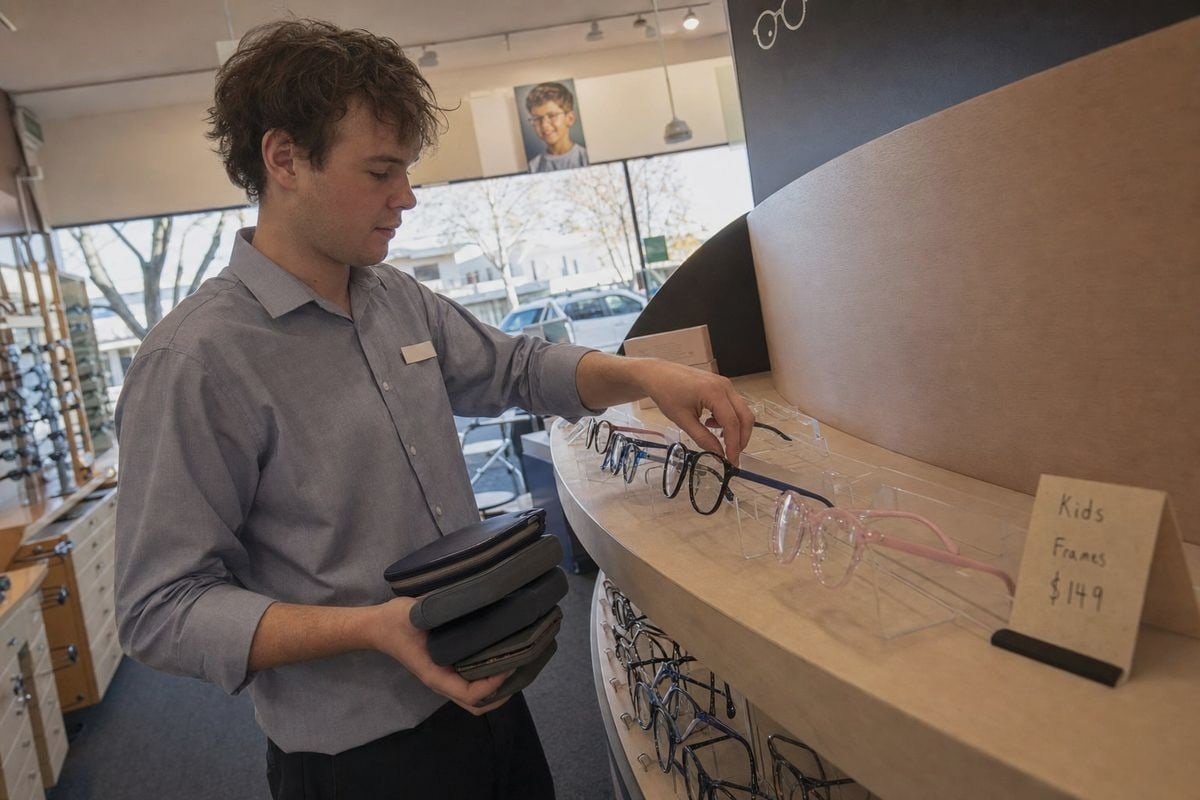
For a brand entering the low-price market, custom mold development is usually the wrong first move. A single new frame mold ties up capital, and you will not know if the style sells until months later. Private label manufacturing on existing designs flips that risk. Here is a fair comparison based on what we quote buyers every week:
| Facteur | Existing catalog designs | Fully custom development |
|---|---|---|
| Upfront mold cost | Aucun | Significant, per style |
| Time to first shipment | Weeks | Several months |
| Minimum order flexibility | Lower, easier to test | Higher, tied to mold ROI |
| Design exclusivity | Shared base shape, custom finish | Fully exclusive |
| Market-testing risk | Bas | Élevé |
How the private-label route actually works
The process is simpler than most founders expect. At our factory, it runs in four steps:
- Select styles from the catalog — we hold around 800 existing designs, so a coherent kids' collection is easy to curate.
- Customize colors, temple materials, and lens options such as UV400 to match your brand identity.
- Add your logo, les emballages prêts pour la vente au détail, and accessories like cases and cloths.
- Sample, approve, and produce, with QC checkpoints 7 before shipment.
When custom development does make sense
I am not saying custom molds are never right. Once a style proves itself and reorders stabilize, an exclusive design can protect you from copycats and strengthen your market penetration strategy. The smart sequence is: launch on existing designs, learn which shapes and sizes sell in your market, and then invest mold money only in proven winners. That is how the strongest wholesale eyewear suppliers' clients grow — evidence first, tooling second.
How do I differentiate my brand when everyone's competing on the same low price?
A lesson I learned early in fifteen years of eyewear production: two brands can buy the identical frame from the identical factory, and one will still outsell the other three to one. The difference is never the frame. It is everything around it.
Differentiate through value, not price. Combine a simple three-tier price ladder, safety-first messaging, primary-plus-backup bundles, growth-stage sizing guidance, and retail-ready presentation. These make affordability feel intentional and trustworthy instead of cheap and desperate.

The biggest mistake in this segment is competing on price alone. Underpricing compresses margins, trains customers to wait for discounts, and turns your line into a commodity. The winning position is the lowest-friction affordable choice — the brand parents pick fast and repurchase without thinking.
Build a clear price ladder
Optical retail guidance consistently favors three tiers, because tiers are easy for staff to explain and easy for parents to navigate. Your entry tier should look durable and cute, never stripped-down. Consider an essential tier for everyday school frames, a better tier with two-tone TPEE temples and adjustable ear hooks, and a premium-lite tier with translucent acetate-look finishes. Mix the tiers on display so shoppers do not anchor only on the cheapest option.
Sell the offer, not the discount
Some competitors chase volume with permanent deep discounts. I push back on that model. Structured offers protect everyday perceived value while still giving price-sensitive families a reason to buy now:
- Primary + backup bundles that answer the fear of a lost or broken pair
- Back-to-school kits timed to the late-summer demand peak
- Sibling discounts and replacement credits that reward repeat purchase
- A simple no-questions-asked breakage promise built into the base price
Reduce friction with fit and trust
Fit-related returns quietly kill low-price brands. Clear sizing charts by age, smartphone-based fit guidance, and virtual try-on tools all lower that risk online. Explicit safety marketing — flexible hinge technology, hypoallergenic materials, UV400 protection — gives parents a reason beyond price. Some brands go further with trade-in programs for outgrown frames or growth-phase upgrade plans. All of these say the same thing: this brand understands growing kids. Price cannot say that. Positioning can.
Conclusion
The low-price market punishes cheap brands and rewards value brands. Define your parent segment, build on TR90 durability, launch from existing designs, and differentiate on trust — affordability done with intent wins.
Notes de bas de page
1. National Eye Institute resource for families seeking affordable vision care and financial assistance. ↩︎
2. Background on the polyamide plastic family that TR90 flexible frame material belongs to. ↩︎
3. Explains the thermoplastic elastomer category used for flexible, kid-safe temple construction. ↩︎
4. Background on hypoallergenic material claims relevant to sensitive children’s skin. ↩︎
5. FDA resource on BPA safety supports the compliance claim for BPA-free eyewear materials. ↩︎
6. WHO guidance on UV radiation risks supports the importance of UV400 lens protection. ↩︎
7. ISO 9001 quality management standard underlies factory QC checkpoint processes described. ↩︎
Plus d'articles que vous pourriez aimer
août 5, 2026
Bio-Based vs Regular Cellulose Acetate: What's the Difference for Kids' Frames?
août 5, 2026
How Recyclable Are Kids' Optical Frame Materials, and What Eco-Friendly Alternatives Exist?
août 5, 2026
Do Kids Optical Frames Whiten or Age in Storage, and How to Control Warehouse Conditions?
Vous recherchez un partenaire fiable en lunetterie pour enfants ?
Explorez plus de 800 styles prêts et un support OEM/ODM complet adapté à votre marque.
Contactez-nous English
  Español de México
  Deutsch
  Français
  日本語
日本語  العربية
  Português do Brasil