How Do FCL vs LCL Shipping Costs, Customs Time, and Damage Rates Compare for Kids’ Sunglasses?
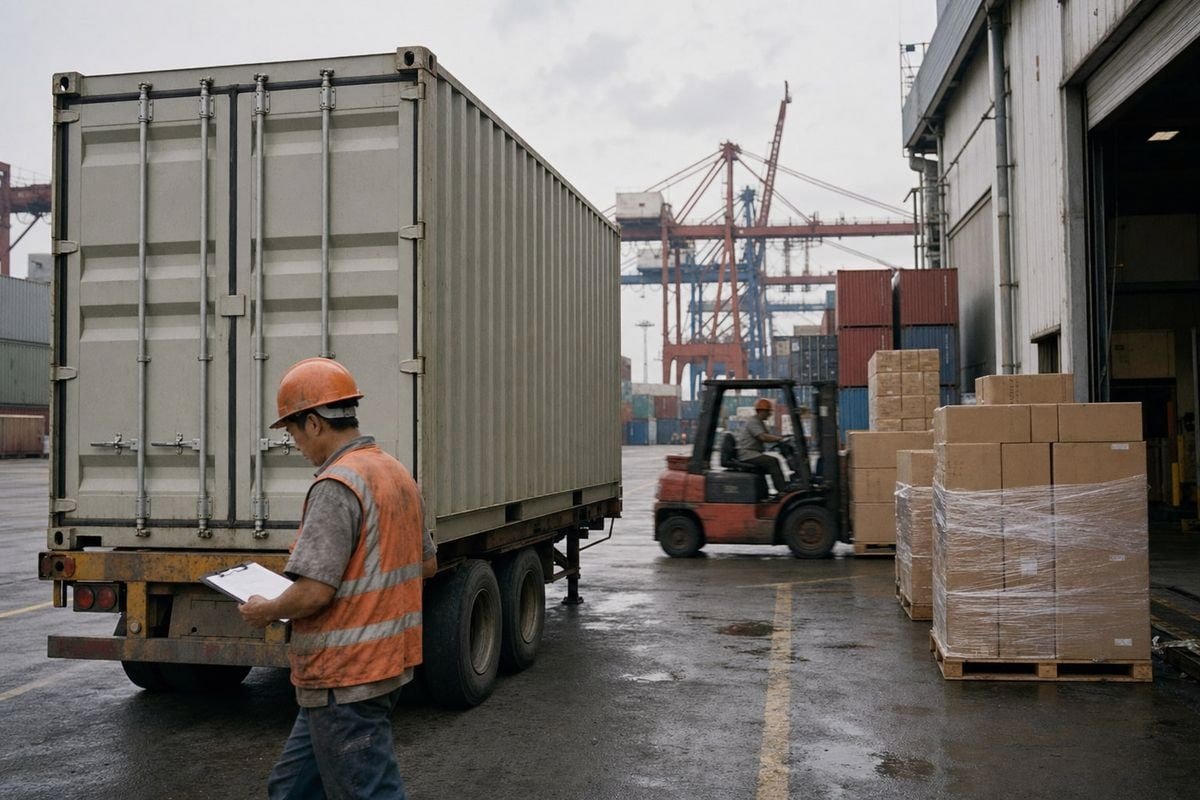
FCL vs LCL shipping costs confuse many buyers who order kids’ sunglasses from our Taizhou factory. Choose wrong, and freight fees, delays, and crushed cartons quietly eat your margin.
LCL is cheaper for kids’ sunglasses shipments under roughly 15 CBM, while FCL wins on total landed cost, customs speed, and damage protection above 15–30 CBM. FCL containers stay sealed with fewer touchpoints, clearing customs faster and reducing carton-crush risk for fragile eyewear packaging.
That answer is the short version. The real decision depends on your order volume, your packaging, and how much a delay or a broken batch would cost you. Let me walk you through each factor.
How do I decide between FCL and LCL when ordering kids' sunglasses in bulk?
Last spring, a buyer from Australia asked me whether her 8,000-pair order of our TR90 kids' sunglasses justified a full container. We ran the numbers together, and the answer surprised her.
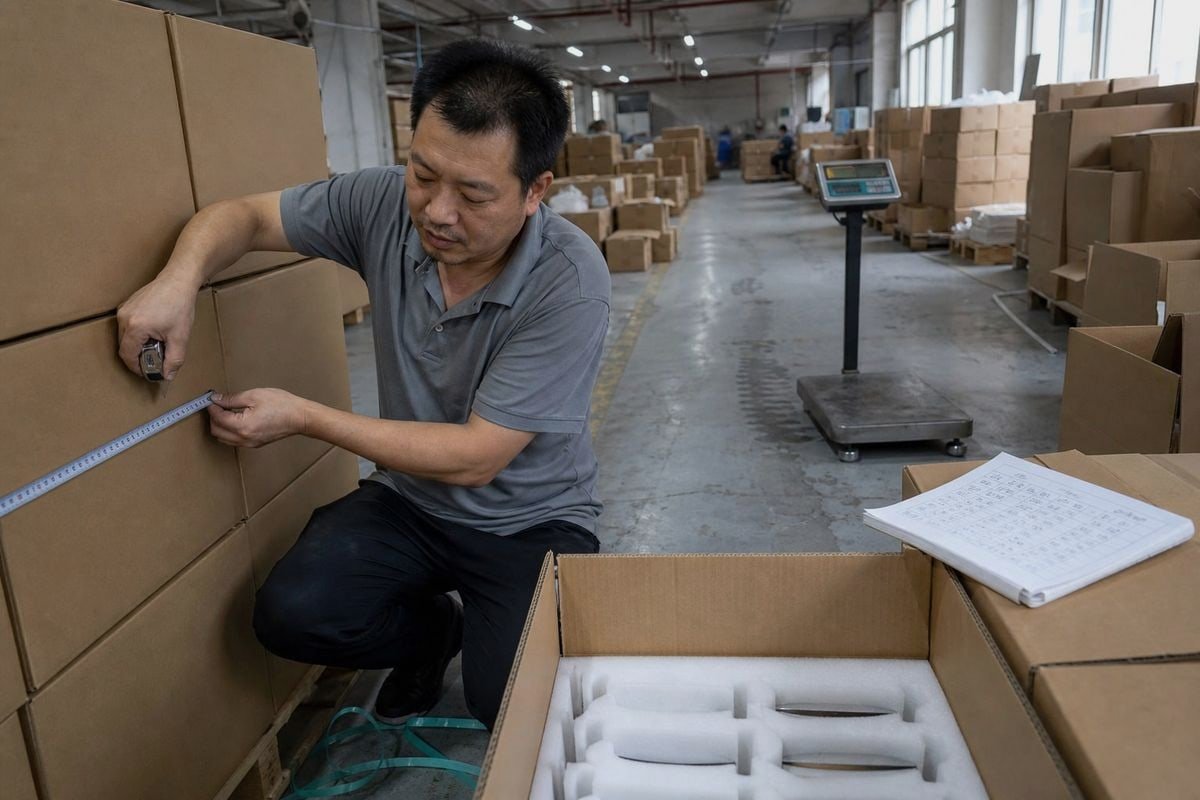
Decide based on cubic meters, not weight. Kids' sunglasses are light, so volume is the deciding metric. Use LCL below roughly 15 CBM, evaluate both options between 15–25 CBM, and choose FCL above 25–30 CBM, where per-unit ocean freight rates drop sharply.
Here is the quick comparison most buyers ask us for first:
| Facteur | LCL (Less than Container Load) | FCL (Full Container Load) |
|---|---|---|
| Pricing basis | Per CBM or chargeable weight | Flat rate per container |
| Idéal pour | Samples, test orders, low-MOQ batches | Seasonal buys, multi-SKU programs |
| Typical break-even | Below ~15 CBM | Above ~25–30 CBM (landed cost) |
| Handling | Multiple touchpoints, shared container | Sealed at factory, opened at your warehouse |
| Speed | Slower (consolidation delays) | Faster and more predictable |
Why CBM matters more than weight for eyewear
Kids' sunglasses almost never hit a container's weight limit before its volume limit. A carton of our TPEE frames weighs very little, but retail packaging, protective inserts, and display boxes take up real space. That means your freight quote is driven by cubic meters (CBM), full stop.
The gray zone between 15 and 30 CBM
Some freight guides put the LCL-to-FCL break-even at 15 CBM. Others argue it sits closer to 25–30 CBM once you add all handling and destination fees. In our experience shipping to 20+ countries, both views hold truth. At 15 CBM, the raw freight lines start to converge. But the realistic landed-cost crossover, after consolidation warehouse charges and destination fees, usually lands between 20 and 30 CBM. So if your order sits in that gray zone, ask your forwarder for both quotes, all-in, before deciding.
One more variable: packaging design. Bulky clamshell retail packaging inflates your CBM-to-weight ratio, which can push even a mid-sized sunglasses order toward FCL economics earlier than you would expect. That is one reason we help customers optimize carton layouts during OEM projects.
A distributor in Japan once forwarded me an LCL invoice that had nearly doubled from the original quote. Nothing was wrong with it — the quote had simply excluded destination charges.
Expect origin and destination CFS handling, consolidation warehouse fees, terminal handling charges, documentation fees, customs brokerage fees, and delivery charges on top of the base LCL rate. These accessorials can add 50–100% to the quoted ocean freight, so always request an all-in, door-to-door quote.

The base ocean rate is only the opening line of an LCL bill. Here is where the rest of the money goes:
| Cost line | Typical trigger | Applies to FCL too? |
|---|---|---|
| Origin CFS / consolidation fee | Loading your cartons into a shared container | No |
| Origin terminal handling (THC) | Port processing at origin | Yes, but flat per container |
| Documentation and export filing | Bill of lading, export declaration | Yes |
| CFS / déconsolidation de destination | Unloading and sorting the shared container | No |
| Destination THC and warehouse fees | Storage while awaiting release | Yes, usually lower per CBM |
| Customs brokerage fees | Entry filing under HS Code 9004.10 | Yes |
| Final delivery | Trucking from CFS to your door | Yes |
Why LCL quotes look artificially cheap
Some forwarders quote a low or even negative base rate on busy Asia–US lanes, then recover their margin through destination charges. As reference points, recent guides put LCL at roughly $110–$150 per CBM on Asia–US West Coast routes, while a 20-foot FCL runs roughly $1,900–$4,200 depending on the lane. On paper, a 10 CBM LCL shipment looks far cheaper. After accessorials, the gap narrows fast.
Protecting yourself with terms and insurance
Two practical safeguards help here. First, agree on clear Incoterms 1 with your supplier so you know exactly which charges land on your side. When we quote FOB from our factory, buyers control the freight leg and can demand transparent all-in pricing. Second, take cargo insurance 2 on every LCL shipment. Because your cartons share space with unknown cargo, your exposure is higher, and insurance for eyewear is inexpensive relative to the retail value packed into each cubic meter.
How does customs clearance time differ between FCL and LCL for my sunglasses orders?
Timing is where I see buyers underestimate the difference most. When we plan production schedules for European seasonal launches, we build extra buffer into every LCL shipment — and there is a structural reason for that.
FCL typically clears customs faster because one sealed container moves under one shipper's documents. LCL adds 5–10 days through consolidation at origin, deconsolidation at destination, and shared-container risk: if any co-loaded shipment gets flagged, the entire container — including your sunglasses — is held.
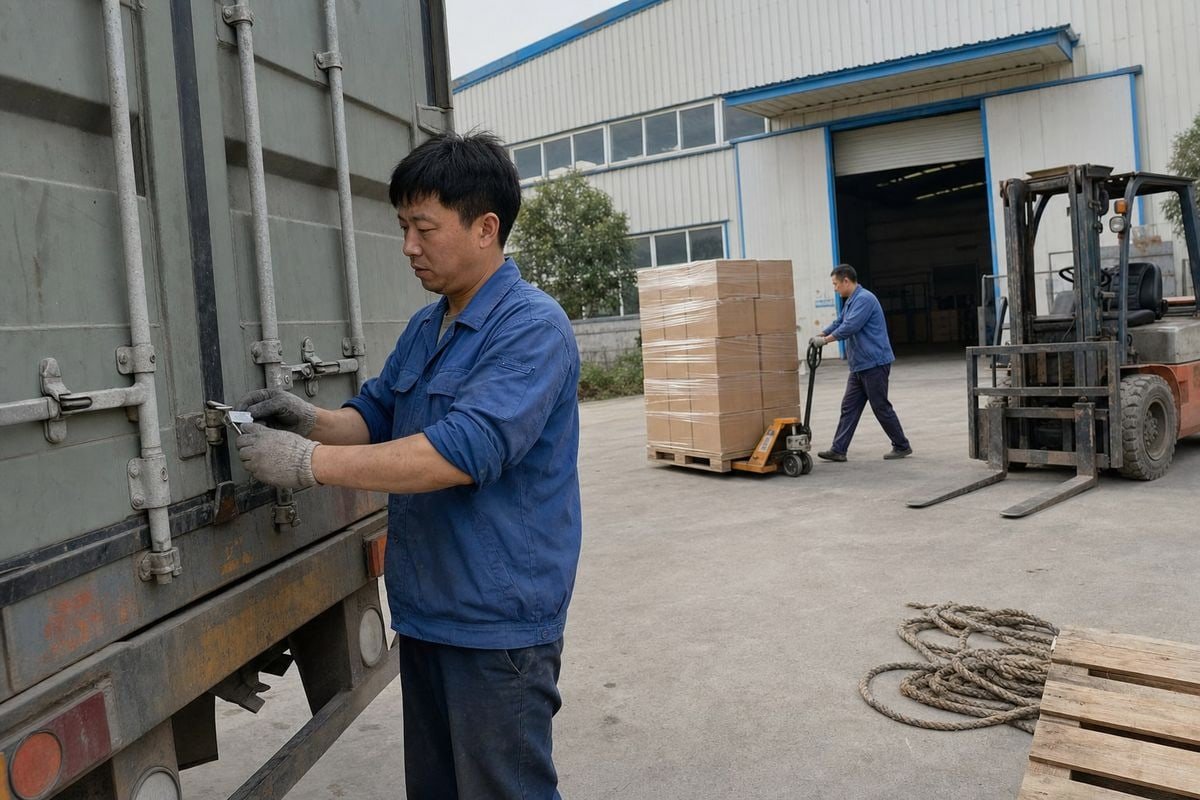
The ocean transit itself is nearly identical for both modes. The time difference lives at the two ends of the journey.
Where LCL loses days
- Your cartons wait at an origin consolidation warehouse until the shared container fills.
- The container ships — this leg matches FCL timing.
- At destination, the container moves to a container freight station 3 for deconsolidation.
- Your cargo becomes available for customs release and pickup only after sorting.
Steps 1 and 3–4 commonly add 5 to 10 days versus FCL. Under pressure during peak season, CFS backlogs can stretch that further.
The shared-risk problem no one mentions
LCL carries a risk that has nothing to do with your own paperwork. If another shipper in your container triggers an inspection, customs holds the whole box. Your perfectly documented sunglasses sit in limbo. This matters even more for children's products. With mandatory CPSC eFiling 4 arriving in July 2026, an error in one co-loaded shipment's Children's Product Certificate 5 data can block the entire container. For US-bound children's eyewear, that makes FCL a form of compliance insurance. Our own CPSIA compliance documentation is always complete, but in a shared container, your timeline depends on strangers' paperwork too.
There is a classification angle as well. In some markets, sunglasses can fall under FDA medical device registration 6 rules or EU PPE-adjacent categories. A dedicated FCL of properly classified eyewear reduces the chance of misclassification and secondary inspection that comes from being grouped with random general cargo.
Which shipping method reduces damage rates for fragile kids' eyewear packaging?
During a QC review a few years back, we traced a batch of scuffed display boxes to a single cause: the cartons had been restacked three times in transit. The frames inside — flexible TPEE — were fine. The retail packaging was not.
FCL reduces damage rates for kids' eyewear because the container is sealed at the factory and opened only at your warehouse. LCL involves multiple handling points and stacking beside unknown, often heavier cargo, increasing exposure to carton crush, compression, moisture, and mis-sorting.
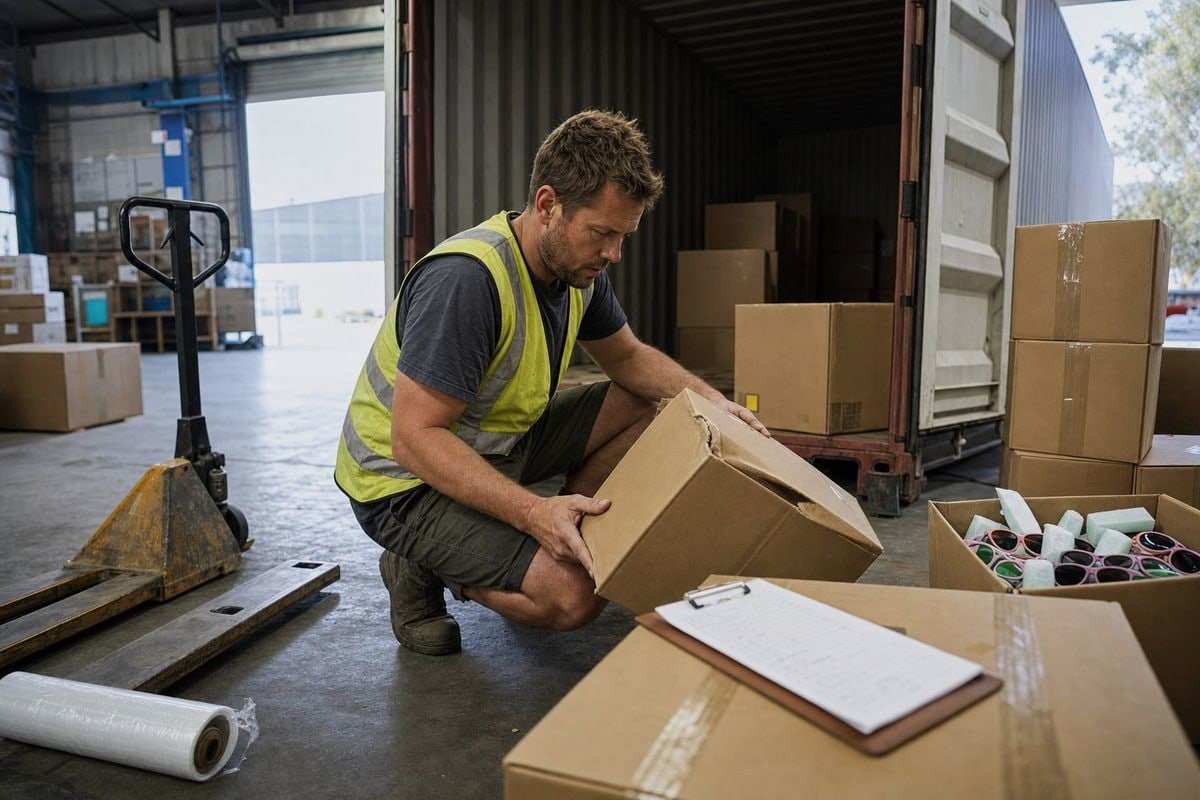
The available evidence does not give one universal damage-rate percentage, and I will not invent one. But the operational logic is consistent and easy to verify: fewer touchpoints mean fewer chances for damage. FCL cargo is handled at loading and unloading. LCL cargo is handled at pickup, consolidation, loading, unloading, deconsolidation, and final delivery — with strangers' pallets stacked around and sometimes on top of it.
Why sunglasses packaging is the weak point, not the frames
Here is the nuance specific to our category. Our kids' sunglasses use flexible TR90 frames and TPEE temples precisely because children bend, drop, and sit on their glasses. The product itself survives rough handling remarkably well. What suffers in transit is the retail presentation: printed boxes, hang tags, clamshell packaging, and counter displays. A crushed corner does not break the sunglasses, but it makes the unit unsellable at full price. For retail-sensitive, branded goods, that is a real margin loss.
| Damage risk factor | LCL exposure | FCL exposure | Mitigation |
|---|---|---|---|
| Carton crush from heavy co-loaded cargo | Élevé | Aucun | Crush-proof outer cartons, edge protectors |
| Repeated handling and restacking | Élevé | Bas | Palletization with stretch wrap |
| Moisture from mixed cargo | Modéré | Bas | Desiccants, poly liners |
| Mis-sorting and lost cartons | Modéré | Très faible | Clear carton marks, count verification |
Practical protection steps we recommend
Palletization is the single best upgrade for LCL shipments. Palletized, wrapped cartons resist crushing and restacking far better than loose cartons. Second, specify high-burst-strength outer cartons — this matters even more if you switch to flat-pack sustainable packaging 7, which can cut CBM by around 30% but removes the structural rigidity of clamshells. Third, insure the shipment; low-cost cargo insurance on high-value-per-CBM eyewear is an easy decision. When we prepare OEM orders, we test carton drop and compression performance during packing precisely because we cannot control what happens inside a shared container.
Conclusion
Choosing wrong between FCL and LCL wastes money you never see itemized. Match the mode to your CBM, timeline, and packaging risk — and demand all-in quotes every time.
Across fifteen years of shipping children's eyewear from our Taizhou factory, the pattern holds: LCL suits samples, test orders, and small launches; FCL wins once volume approaches 15–30 CBM, deadlines tighten, or retail packaging cannot tolerate rough handling. Kids' sunglasses are volume-driven cargo, so calculate in cubic meters, budget for LCL accessorials, and protect every shipment with solid cartons, palletization, and cargo insurance. If you are planning an order and want help estimating CBM across our 800 existing styles — or optimizing packaging to shift the break-even in your favor — my team and I are glad to run the numbers with you before you book a single container.
Notes de bas de page
1. Clarifies contractual shipping terms referenced when discussing FOB and cost responsibility. ↩︎
2. Background on insuring shared-container shipments mentioned as a protective measure. ↩︎
3. Defines the deconsolidation facility central to LCL customs delay discussion. ↩︎
4. Official source on the mandatory electronic filing requirement cited for children’s products. ↩︎
5. Official CPSC page explaining the certification document referenced in compliance discussion. ↩︎
6. FDA reference for regulatory classification rules affecting sunglasses imports. ↩︎
7. Authoritative EPA resource on sustainable packaging and materials management. ↩︎
Plus d'articles que vous pourriez aimer

1 août 2026
L'usine doit-elle gérer l'emballage et l'étiquetage des lunettes pour enfants, ou utiliser un fournisseur désigné ?

1 août 2026
Entrepôt propre vs. exécution directe par le fournisseur : lequel réduit les coûts de retour pour les marques de lunettes pour enfants ?

1 août 2026
Entrepôt direct au port ou staging outre-mer : lequel permet d'économiser le plus sur l'expédition des lunettes pour enfants ?
Vous recherchez un partenaire fiable en lunetterie pour enfants ?
Explorez plus de 800 styles prêts et un support OEM/ODM complet adapté à votre marque.
Contactez-nous English
  Español de México
  Deutsch
  Français
  日本語
日本語  العربية
  Português do Brasil