How to Design Outer Cartons for Kids’ Optical Frames to Prevent Transit Damage?
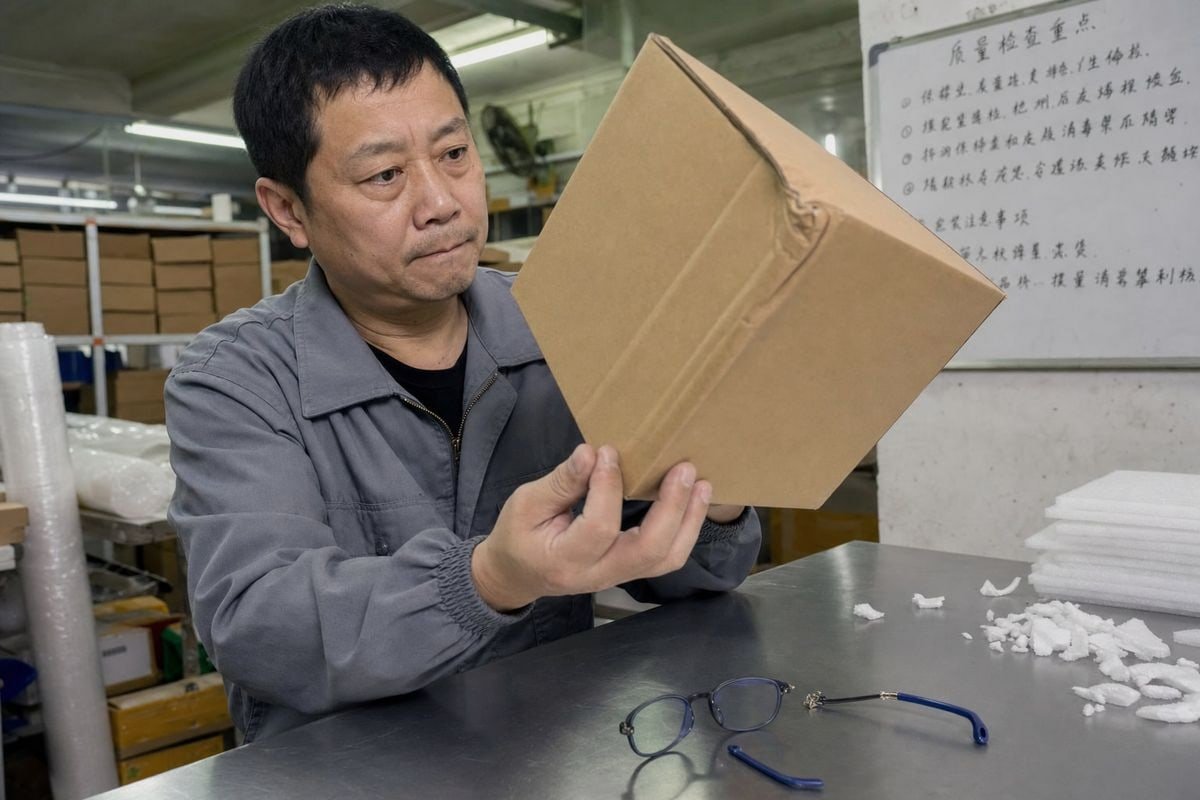
Designing outer cartons for kids’ optical frames is something our Taizhou factory rethought after seeing perfectly good montures TR90 1 arrive cracked. The frames survived; the packaging failed them.
To design outer cartons for kids’ optical frames, use double-wall corrugated fiberboard with a high Edge Crush Test rating, size the carton snugly to the inner cases, immobilize contents with custom foam inserts or dividers, apply clear fragile handling instructions, and validate with drop and compression testing.
That answer is the short version. Below, I will walk through each layer of the decision, from board grade to labeling to pre-production testing, based on what actually works in export shipping.
What Carton Materials and Structures Best Protect Kids' Optical Frames During Shipping?
A few years back, a buyer in Australia sent us photos of a shipment where the bottom layer of cartons had collapsed under stacking. That claim changed how we spec every outer carton today.
Double-wall corrugated fiberboard is the best baseline for kids' optical frames, because it delivers stronger stacking strength and edge-crush resistance than single-wall board. Choose a board grade with a high Edge Crush Test rating, reinforced corners, and a moisture-resistant coating for humid transit routes.
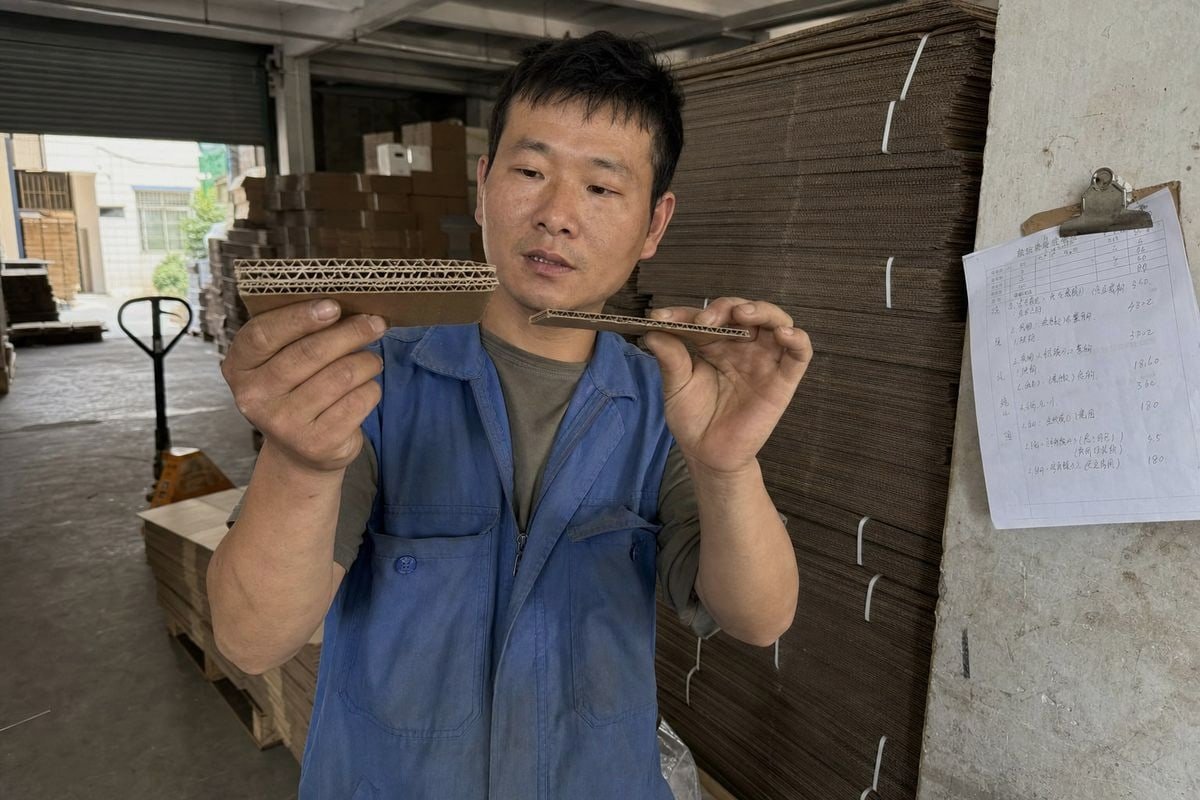
The outer carton is not just a shipping box. It is the structural shell that absorbs the abuse of transit so the glasses case never has to. Kids' frames are small, lightweight, and flexible by design — our TR90 frames with TPEE temples can bend a long way without breaking. But hinges, demo lenses, and acetate fronts still fail when a weak carton crushes and transfers force straight into the contents.
Why Board Grade Matters More Than Appearance
Corrugated fiberboard 2 comes in single-wall, double-wall, and triple-wall constructions. For eyewear master cartons that travel by sea, sit on pallets, and then enter parcel networks, single-wall board is usually the false economy. It looks fine at the factory. It fails at the bottom of a stack in a humid container.
| Board Type | Utilisation typique | Stacking Strength | Our Recommendation |
|---|---|---|---|
| Single-wall | Light inner boxes, low stacks | Low to moderate | Inner packs only |
| Double-wall | Master cartons, export shipping | Élevé | Standard for optical frames |
| Triple-wall | Very heavy or palletized loads | Very high | Rarely needed for eyewear |
Structure Details That Prevent Crush
Beyond board grade, we pay attention to three structural points. First, edge and corner protection — crushing almost always starts at corners, so we spec reinforced vertical edges or corner guards for taller cartons. Second, stacking strength — the Edge Crush Test 3 value on the board certificate tells you far more about survival in a container than the printed artwork ever will. Third, moisture defense — a moisture-resistant coating or laminated kraft liner stops the board from softening during ocean transit, where humidity quietly cuts compression strength.
One trade-off is honest to raise: heavier board costs more and adds weight to your freight. In our experience, that added cost is far smaller than the cost of one damaged shipment plus the brand damage of a child receiving broken glasses.
How Should I Arrange Internal Packaging to Prevent Frames From Shifting in Transit?
When we developed the internal pack for a soft-pink acetate kids' frame, our QC team found the real enemy during a simple shake test: not impact, but movement. A rattling case builds momentum with every bump.
Arrange internal packaging in three layers: frame in a microfiber pouch, pouch in a rigid case, case immobilized inside the carton with custom foam inserts, molded pulp, or internal dividers. Keep total movement under 1 cm — if anything rattles when shaken, the design is not ready.
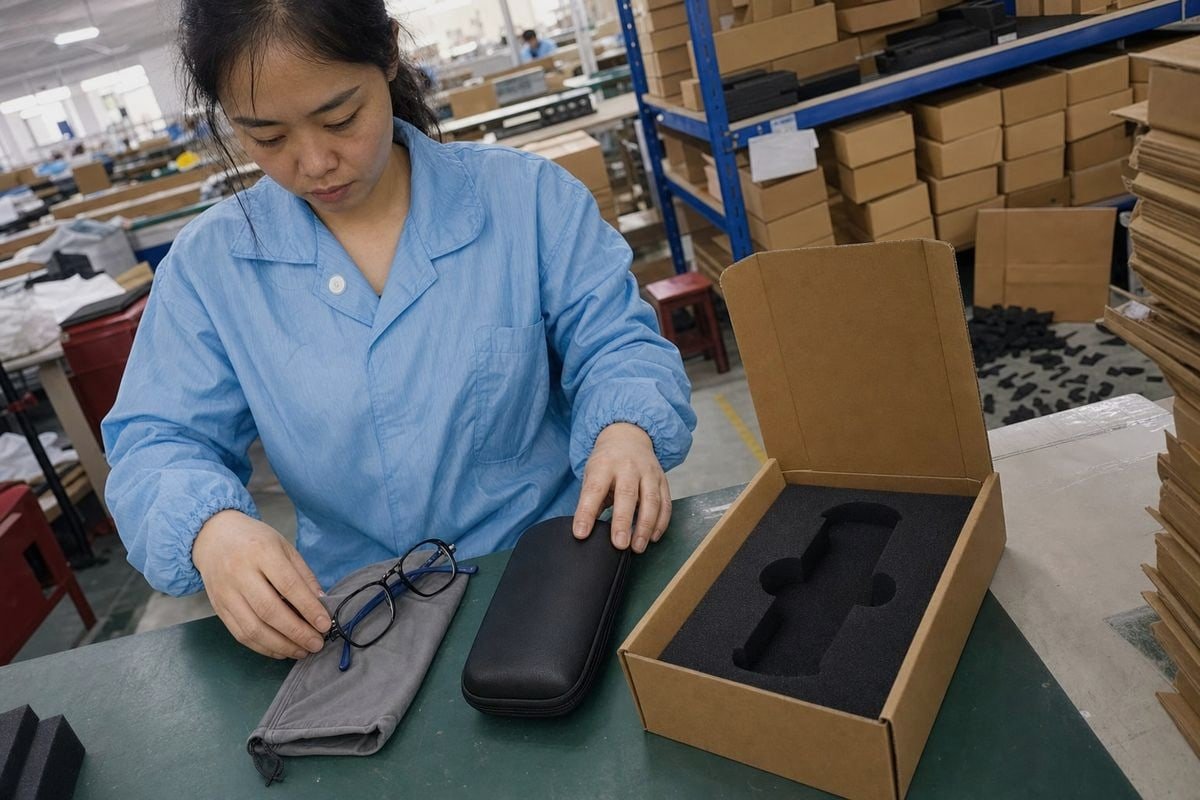
Most transit damage to children's frames does not come from one dramatic drop. It comes from thousands of small vibrations that let a loose case slide, spin, and hammer against the carton walls. That is why we treat immobilization as the core design goal, not cushioning volume.
The Three-Layer Protection Stack
Think of the system as a hierarchy where each layer has one job:
- Microfiber pouch — protects the lens surface and finish from scratches.
- Rigid case or inner retail box — protects the frame shape, temples, and hinges from flexing and point pressure.
- Outer carton with inserts — absorbs impact and keeps every case locked in position.
The frame itself should never take direct pressure. Temples, the bridge, and any decorative etching near the hinges are the delicate zones. Supports should sit around them, never press on them. For our flexible TPEE temples, we still avoid packing them under compression, because long transit under load can set a bend that annoys the fitting optician later.
Choosing the Right Cushioning Materials
Here is a common buyer objection we hear: "Can't we just use loose fill? It's cheaper." Loose fill is cheap and simple, but for small, light products like kids' frames it migrates during vibration. The cases sink, shift to one side, and end up touching the carton wall — exactly where impacts land. Custom-cut inserts cost more per unit but control fit precisely.
| Cushioning Option | Immobilization | Cost | Idéal pour |
|---|---|---|---|
| Custom foam inserts | Excellent | Higher | Premium or fragile styles |
| Molded pulp trays 4 | Very good | Modéré | Eco-focused brands, bulk packs |
| Internal dividers (corrugated) | Good | Bas | Multi-unit master cartons |
| Paper void fill | Fair | Bas | Topping off small gaps only |
| Loose fill peanuts | Poor for light items | Bas | Not recommended for frames |
More cushioning is not always better. Excess void fill raises cost, grows the carton size, and can still fail if the case can move inside the padding. Right-sizing beats over-padding every time. We size the outer carton closely to the insert system, center every case with cushioning on all six sides, and then run the shake test. Silence means the pack is ready.
What Carton Labeling and Handling Marks Help Reduce Damage From Rough Handling?
One lesson we learned exporting to more than twenty countries: a carton with no handling marks gets treated like a carton of rocks. Parcel handlers move fast, and unmarked boxes get tossed, flipped, and buried.
Use high-contrast fragile handling instructions, "This Side Up" arrows on at least two side panels, maximum stacking limits, and keep-dry symbols. Add tamper-evident seals on all seams and place shipping labels flat on the largest panel, away from edges and closure tape.
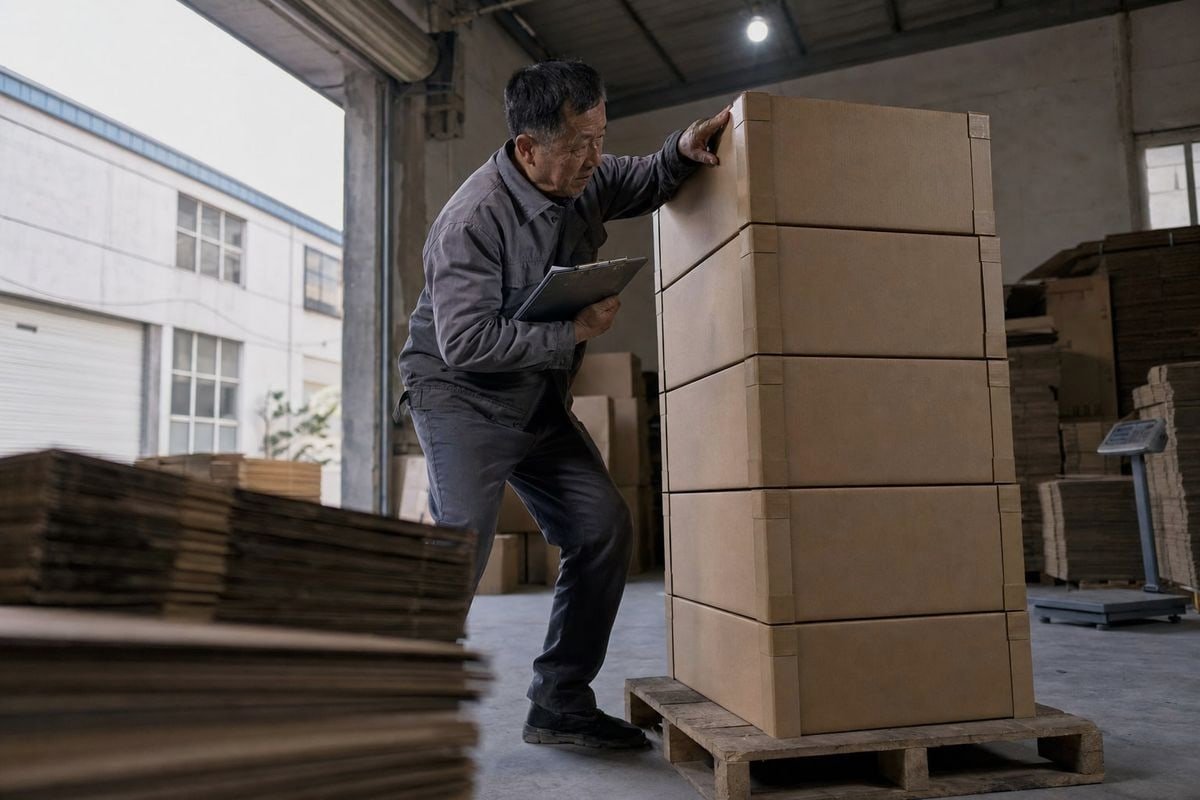
Labels will never stop every rough throw. But clear marks measurably improve how a carton is stacked, oriented, and stored — and they create a paper trail if you ever need to file a damage claim. We treat labeling as a low-cost insurance layer on top of the structural design, never as a substitute for it.
The Marks We Print on Every Eyewear Master Carton
We standardize four categories of marks on cartons leaving our workshop:
- Fragile marking in high-contrast red or black, printed — not just stickered — on at least two opposite faces.
- Orientation arrows so the insert system stays load-bearing in the direction it was engineered for.
- Stacking limit symbols (for example, a maximum-layers icon) to protect the bottom cartons on mixed pallets.
- Keep-dry / umbrella symbols for sea shipments, paired with the moisture-resistant coating discussed earlier.
Sealing and Traceability
Tamper-evident seals 5 do two jobs at once. They tell your customer the carton was not opened in transit, and they discourage casual re-opening at handling points, which is a surprisingly common source of missing accessories like cleaning cloths and spare ear hooks. We also recommend correct shipping label placement: one flat, wrinkle-free label on the top or largest side panel, never wrapped around an edge where scanners fail and handlers rotate the box hunting for the barcode. A barcode that scans on the first pass is a box that gets handled once instead of three times.
A fair objection here: some buyers worry that "Fragile" marks invite theft by signaling value. For children's optical frames, we have not found this to be a practical risk, and plain unmarked cartons consistently suffer worse orientation and stacking abuse. If discretion matters, use handling symbols without product descriptions on the outer print.
How Can I Test My Carton Design Before Committing to a Full Production Run?
Before we approved a new master carton for a European optical distributor last year, we dropped the prototype from waist height onto concrete — corners first. It is a humbling moment when your design meets the floor.
Test carton designs by building prototypes in real production materials, then running drop tests on corners and edges, vibration simulation, compression or stacking tests, and a hand shake test. Follow an ISTA drop test protocol for parcel shipments, and revise until samples pass consistently.
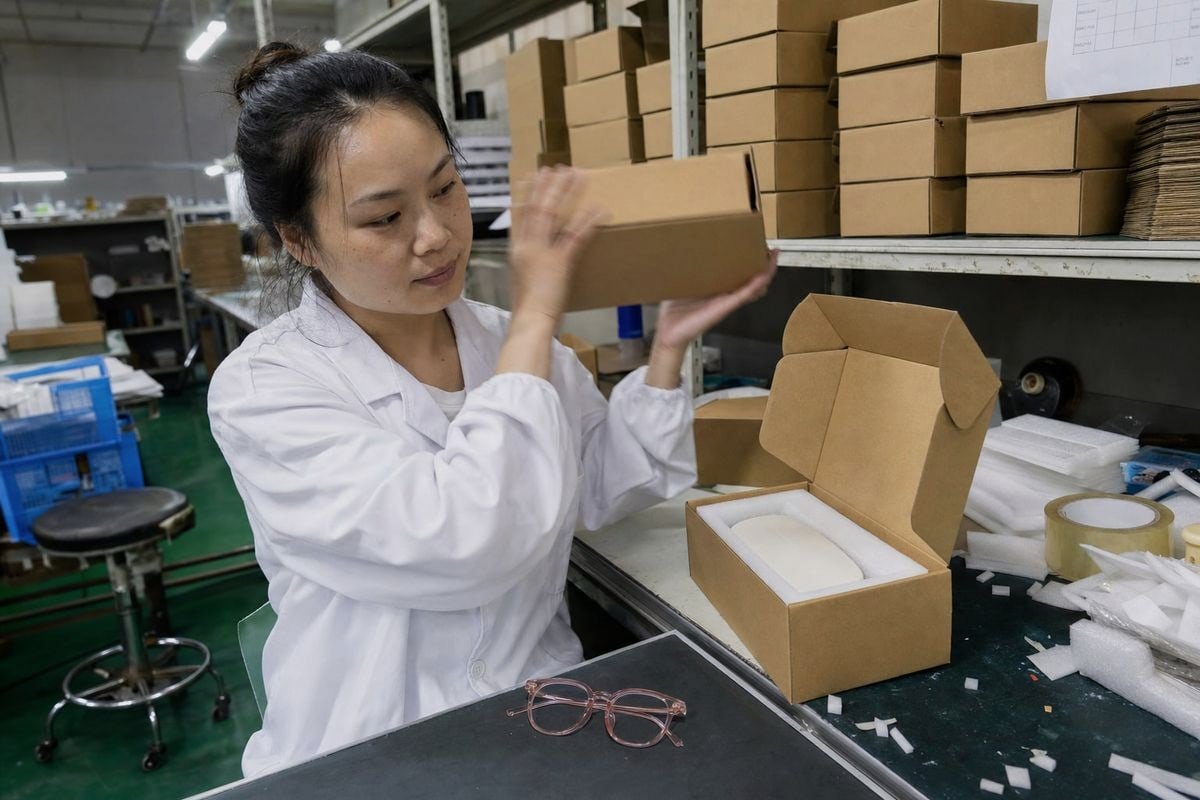
Testing is where packaging design stops being theory. Fragile-goods guidance is consistent on one point: prototype in real materials, not visual mockups. A rendering cannot tell you how corrugated fiberboard behaves after two hours of vibration and 85% humidity. Here is the sequence we recommend to buyers before they sign off on a full production run.
A Practical Five-Step Validation Sequence
- Build three or more prototypes using the exact board grade, custom foam inserts, and sealing tape planned for production.
- Run the shake test. Hold the packed carton and shake it firmly. Any rattle means the internal fit fails — fix this before anything else.
- Drop test to a standard. An ISTA drop test protocol 6 covers faces, edges, and corners from realistic parcel heights. Corners reveal weaknesses fastest.
- Compression test. Stack weighted cartons on the prototype to simulate a full pallet, ideally after humidity conditioning, since damp board loses stacking strength.
- Open and inspect. Check the frames, hinges, and cases inside. Passing means zero damage and zero migration of contents — not "only minor" damage.
Deciding How Much Testing Is Enough
| Shipment Type | Minimum Testing | Recommended Extras |
|---|---|---|
| Sea freight, palletized master cartons | Compression + shake test | Humidity conditioning first |
| Air freight to distributor | Drop + shake test | Edge/corner drop repeats |
| Direct-to-consumer parcels | Full ISTA drop sequence | Vibration simulation |
Some buyers push back on testing cost and timeline. Our honest answer: a week of prototype testing costs a fraction of one rejected shipment, one insurance dispute, or one wave of negative reviews from parents unboxing damaged glasses. When we support OEM/ODM packaging projects 7, we build this validation loop into sampling, so the carton is proven before the first purchase order goes to press.
Conclusion
Transit damage to kids' optical frames is preventable. Combine double-wall corrugated cartons, snug custom inserts, clear handling marks, and real-material testing, and your frames arrive as they left our line.
Notes de bas de page
1. Background on the thermoplastic material used for the flexible eyewear frames mentioned. ↩︎
2. Background on the core packaging material discussed throughout the carton design guide. ↩︎
3. Defines the industry-standard measure of corrugated board strength referenced repeatedly in the article. ↩︎
4. Explains the eco-focused cushioning material option listed in the packaging comparison table. ↩︎
5. Authoritative Wikipedia entry explaining tamper-evident security seals used to protect cargo and cartons during transit. ↩︎
6. Official body defining the packaging drop-test standards cited for validation testing. ↩︎
7. Clarifies the manufacturing partnership model referenced for packaging validation support. ↩︎
Plus d'articles que vous pourriez aimer
août 5, 2026
Bio-Based vs Regular Cellulose Acetate: What's the Difference for Kids' Frames?

août 5, 2026
How Recyclable Are Kids' Optical Frame Materials, and What Eco-Friendly Alternatives Exist?

août 5, 2026
Do Kids Optical Frames Whiten or Age in Storage, and How to Control Warehouse Conditions?
Vous recherchez un partenaire fiable en lunetterie pour enfants ?
Explorez plus de 800 styles prêts et un support OEM/ODM complet adapté à votre marque.
Contactez-nous English
  Español de México
  Deutsch
  Français
  日本語
日本語  العربية
  Português do Brasil