How to Avoid Common Negative Reviews and Returns in Kids’ Eyewear?
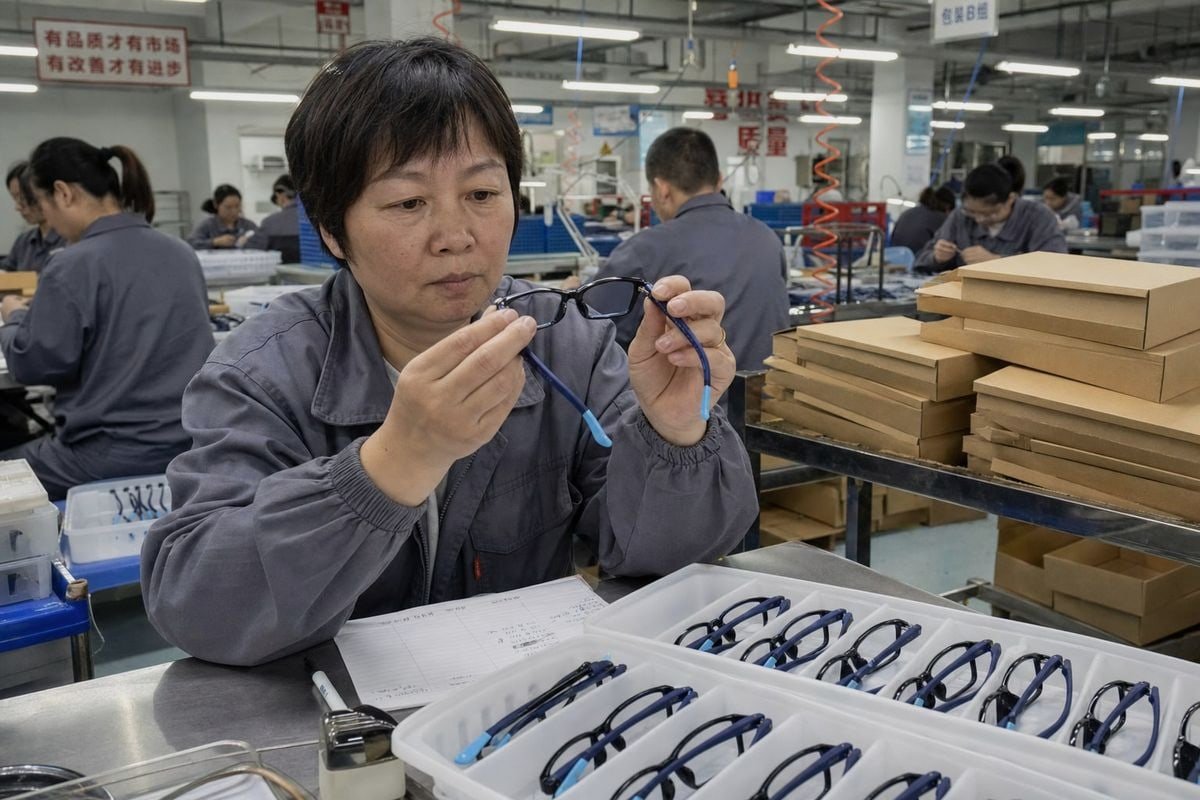
Negative reviews and returns in kids’ eyewear can quietly kill a brand. I have watched buyers lose whole seasons to one bad batch, and on our production line in Taizhou, we build every frame to prevent exactly that.
To avoid negative reviews and returns in kids’ eyewear, focus on four failure points: fix safety and comfort issues like poor bridge fit, use flexible TPEE and TR90 materials, demand batch-level quality control from your manufacturer, and give parents clear sizing and fit guidance before purchase.
Most returns are predictable. They come from the same handful of causes, again and again. In this article, I will walk through each cause and show you how to remove it before your product ships.
What safety or comfort issues cause most parent complaints about kids' eyewear?
A buyer from Australia once sent me a spreadsheet of her return reasons. Over half traced back to two words: sliding and pinching. That data changed how we design bridges at our factory.
Most parent complaints come from poor bridge fit that causes sliding, temple pressure behind the ears, heavy or rigid frames, skin irritation from non-hypoallergenic materials, and lenses that distort vision or lack real UV protection. Children refuse to wear uncomfortable glasses, and refusal quickly becomes a return.
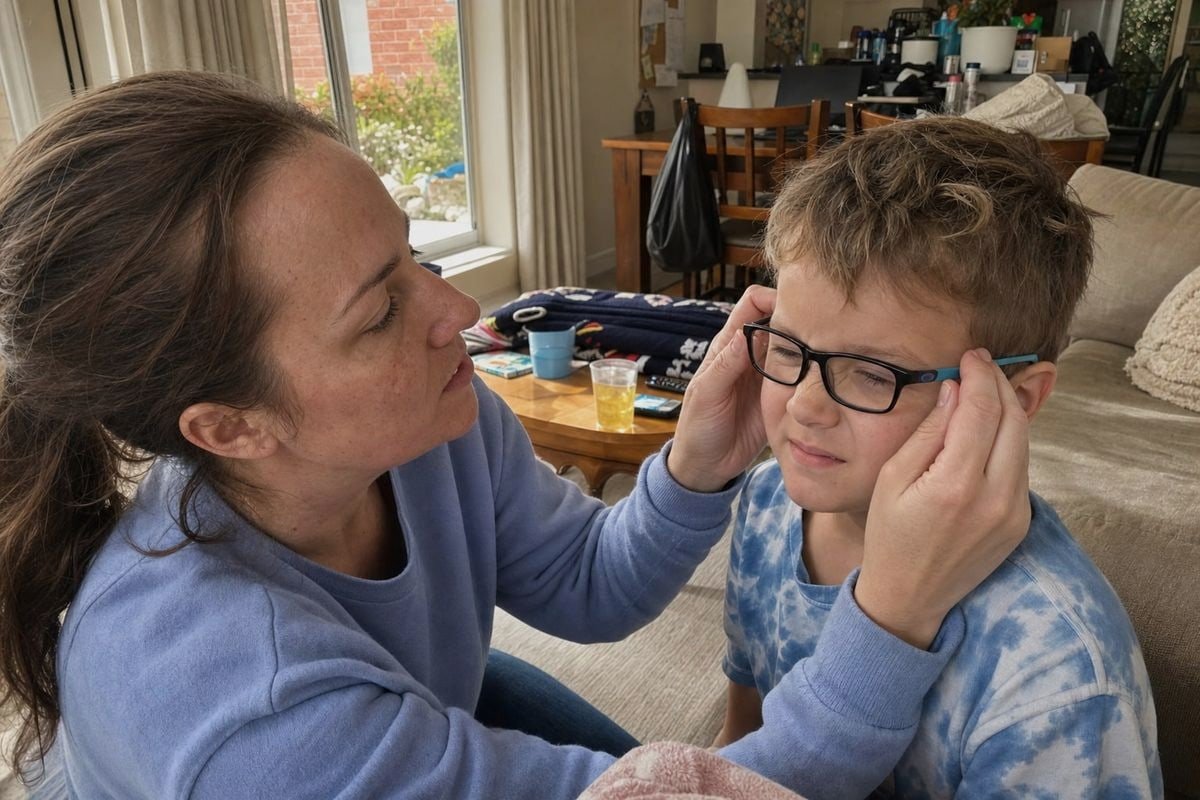
Children are not small adults. Their nasal bridges are underdeveloped, so frames designed with adult proportions slide down constantly. Their skin is more sensitive, so hard edges and cheap plastics cause red marks and irritation. And their tolerance is lower. An adult will push glasses back up all day. A child will simply take them off, and the parent will write the review.
The complaint categories we see most often
In our fifteen years of making children's eyewear, complaints cluster into clear groups. Research backs this up: one cited study found 25% of children's lenses failed impact testing, and consumer tests found roughly one in three kids' sunglasses from major online marketplaces had inadequate UV protection. These are not rare edge cases.
| Complaint type | Cause profonde | What parents write in reviews |
|---|---|---|
| Sliding frames | Bridge shaped for adult noses | "Falls off every two minutes" |
| Ear pressure | Wrong temple length, rigid tips | "My son says they hurt" |
| Skin irritation | Non-hypoallergenic materials 1 | "Red marks on her nose" |
| Headaches | Optical distortion in cheap lenses | "She refuses to wear them" |
| Safety fear | Failed résistance aux chocs 2, fake UV400 3 | "Broke into sharp pieces" |
Why comfort is really a safety issue
A frame that pinches gets pulled off with one hand, twisting the hinge. A frame that slides sits off-center, so the child looks over the lenses instead of through them. For sunglasses, that means unprotected UV exposure. For optical frames, it means the prescription does no good. Comfort and safety are the same problem wearing two hats, and both end in returns when ignored.
How can I choose durable materials like TPEE and TR90 to reduce breakage returns?
There is a trade-off I weigh on every new project: how flexible can a frame be before it loses optical stability? Getting that balance right is the core of our material work with TPEE and TR90.
Choose TR90 for the frame front because it combines high memory, impact resistance, and light weight, and pair it with TPEE temples for extra flexibility where children pull and twist. Both materials bend under stress and return to shape, which directly cuts breakage returns.
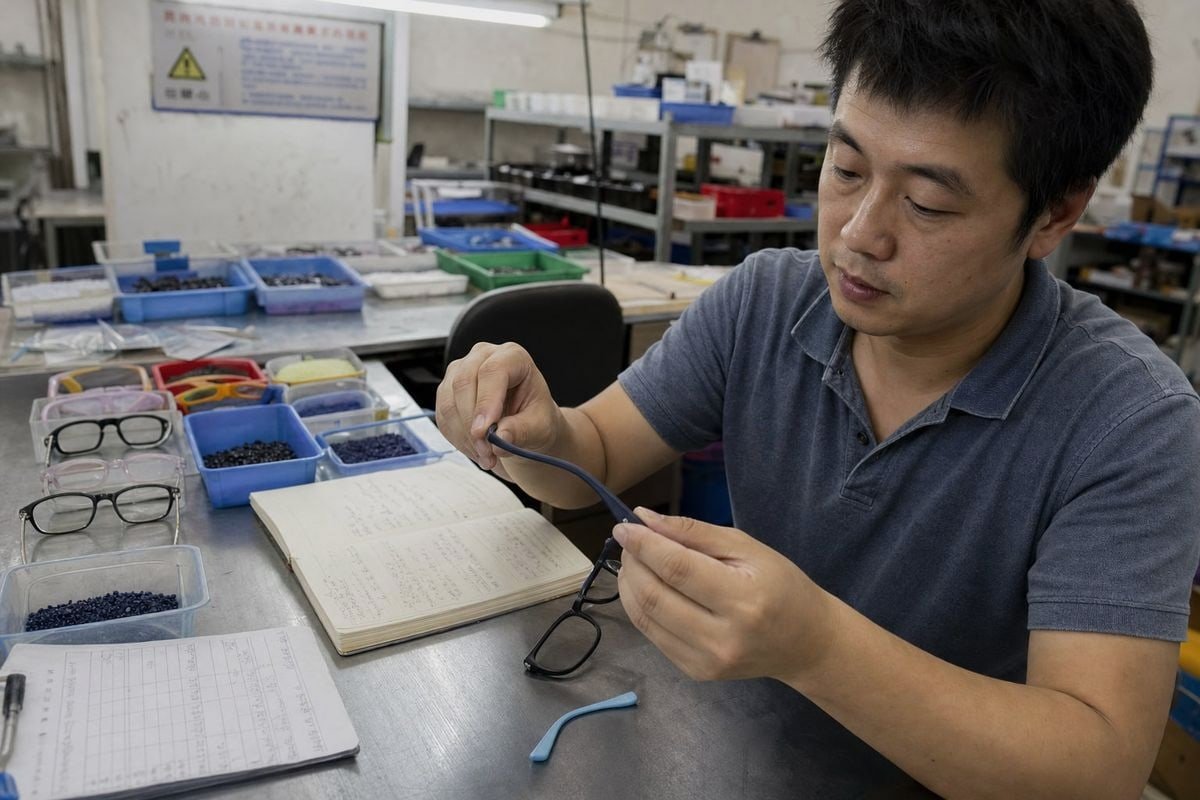
Breakage is the most visible return reason because parents photograph the broken frame and attach it to the review. The good news is that material choice solves most of it. When we developed our TR90 kids optical frames with TPEE temples, the goal was simple: a frame that survives being sat on, stepped on, and pulled off with one hand.
Comparaison des matériaux courants de montures pour enfants
| Matériel | Flexibilité | Conformité au test de chute de bille de la FDA | Poids | Best use in kids' eyewear |
|---|---|---|---|---|
| TR90 | High memory, returns to shape | Très bon | Très léger | Façades et montures complètes |
| TPEE | Extremely flexible, rubber-like | Excellent | Léger | Temples, baby frames, sport styles |
| Acétate standard | Bas | Modéré | Peut se fissurer ou se déformer | Fashion styles for older kids only |
| Cheap injection PC frames | Faible, cassant | Poor at thin sections | Léger | Avoid for active children |
Where frames actually break
Frames rarely fail in the middle of the lens rim. They fail at hinges, temple tips, and the bridge, because that is where kids apply twisting force. So material choice must be paired with construction details. Spring hinges absorb the outward force of one-handed removal. Silicone ear hooks keep sport styles secure without pressure. Soft TPEE temple sections flex instead of snapping. Les verres en polycarbonate 4 add impact resistance on the lens side, so a playground collision cracks nothing.
One more objection I hear from buyers: flexible frames sound gimmicky. Fair point, and flexibility alone does not fix bad fit or bad optics. But when flexibility is combined with correct pediatric sizing and verified lenses, it removes the single most photographed return reason. That is why we lead with it, and why parents pay for it.
What quality control steps should I request from my manufacturer to prevent defects reaching customers?
Early in our export history, a European client asked to audit our workshop before placing a trial order. That visit shaped our 5S-managed QC system more than any internal meeting ever did.
Request batch-level UV400 verification, optical distortion checks on every lens type, hinge cycle testing, material safety documentation, dimensional checks against the approved sample, and a final AQL inspection before shipment. Put these steps in writing in your purchase order so they are contractual, not optional.
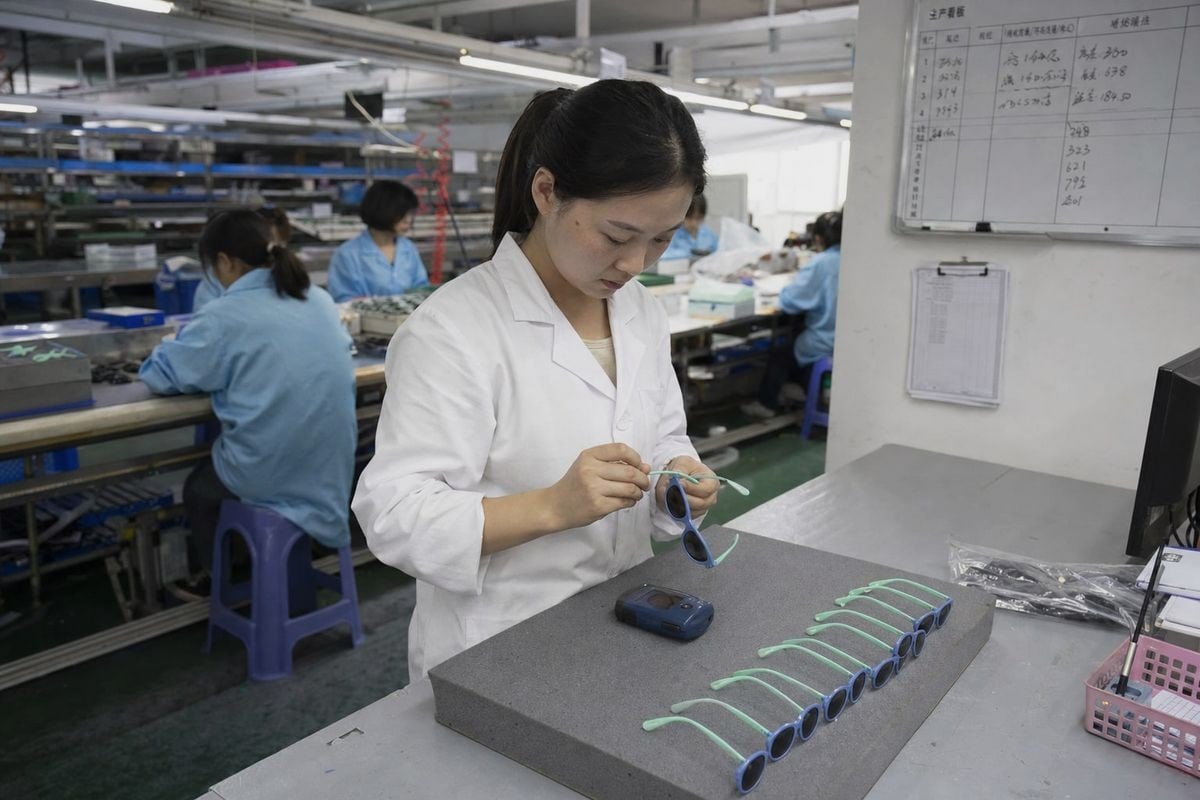
Quality control is where returns are prevented at the lowest cost. A defect caught on the line costs cents. The same defect caught by a parent costs a refund, return shipping, and a public one-star review. Yet many buyers only ask for a pre-shipment photo. That is not enough for a children's product.
The QC checklist to put in your purchase order
- Vérification des matériaux entrants. Confirm the TR90 and TPEE resin batches match approved, environmentally friendly grades with supporting documentation.
- Batch-level UV400 testing. Do not accept a certificate from last year. Ask for test records tied to your production batch, since fake UV protection is a documented industry problem.
- Optical clarity checks. Distorted lenses cause headaches, and headaches cause "non-wearability" returns. Every lens type in the order should be checked, including polarized options.
- Hinge and flex cycle testing. Spring hinges should be opened and closed through repeated cycles on samples from each batch.
- Dimensional checks. Bridge width, temple length, and lens height must match the golden sample, because a two-millimeter drift changes how a frame sits on a small face.
- Cosmetic and finishing inspection. Rough edges, visible mold lines, and sharp corners are unacceptable on a child's face.
- Inspection finale AQL. Agree on the standard and sampling level before production starts AQL inspection 5, not after.
Use return data to close the loop
Smart buyers also categorize returns into design flaws versus user misuse, then feed that data back to the factory. When one of our clients did this, we traced a recurring temple complaint to one tooling cavity and corrected it within a single production cycle. QC is not a gate at the end. It is a loop.
How can better packaging and fit guidance help me lower return rates from parents?
Our sales team learned something from a Japanese buyer years ago: her return rate dropped noticeably after she added a printed sizing card to every box, without changing the product at all.
Better packaging protects frames in transit, while a clear frame sizing guide, printable PD rulers, age-based size charts, and honest fit expectations help parents order correctly the first time. Together they remove guesswork, which is the root cause of most fit-related returns.
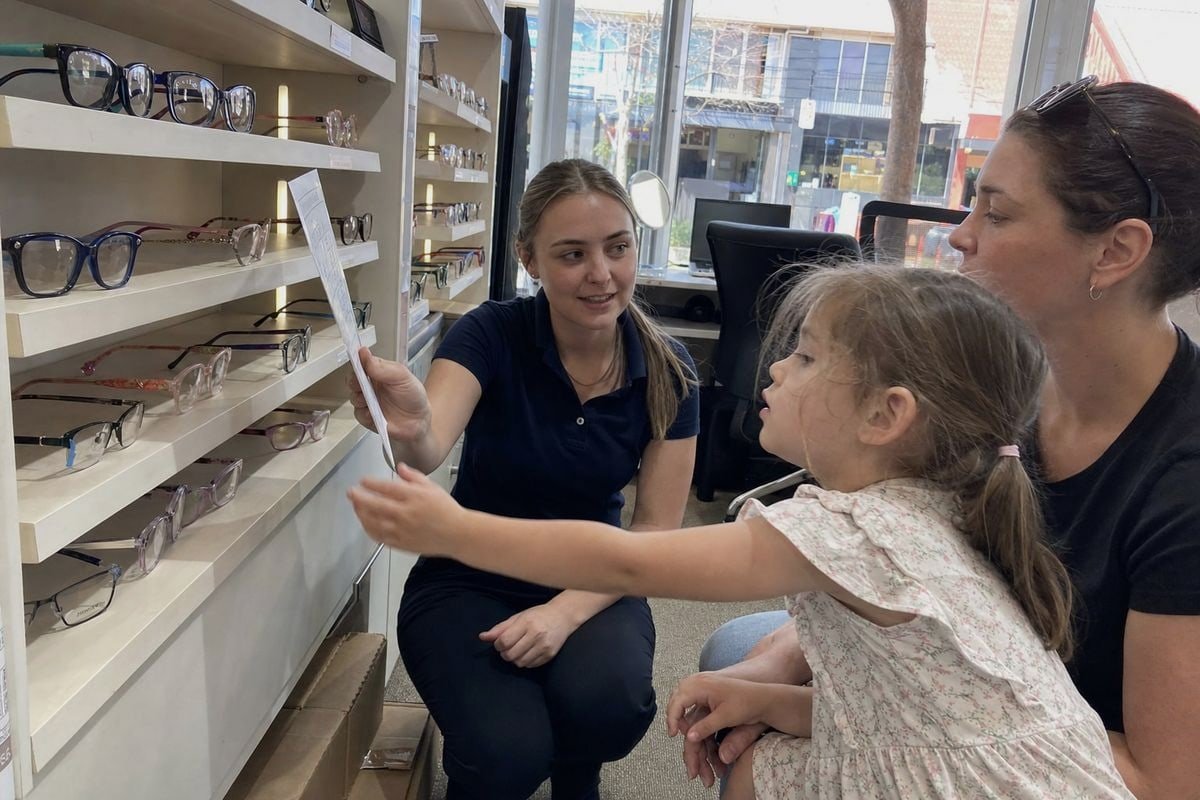
A perfect frame can still be returned if the parent ordered the wrong size, or if it arrives bent inside a flimsy polybag. Packaging and guidance are the last two levers, and they are often the cheapest to pull. Through our OEM/ODM packaging service, we build both into the retail-ready presentation, because a return prevented at the buying stage never touches your logistics budget.
What effective fit guidance looks like
Parents cannot bring an optician home. So the product listing and the box insert must do that job. The essentials to provide:
| Guidance element | Ce qu'il empêche |
|---|---|
| Frame sizing guide with age ranges and face-width measurements | Wrong-size orders |
| Printable PD ruler or measuring instructions distance pupillaire 6 | Off-center lenses and optical complaints |
| Comparison tip: measure the child's current pair | Repeat sizing mistakes |
| Fit expectation notes: normal adjustment vs. real discomfort | Premature returns during the first week |
| Care and adjustment instructions | Damage misattributed to defects |
Online tools push this further. Virtual try-on 7 and even AI-based facial mapping are becoming common in kids' eyewear retail, and they meaningfully cut fit-related shipping errors. Some brands also offer growth-based exchange tiers, converting a potential return into a scheduled upgrade as the child's face grows.
Packaging as review insurance
Protective, branded packaging does three things. It prevents transit damage, so frames arrive aligned. It signals quality, which frames the parent's first impression. And it carries your warranty policy and exchange information, which softens disappointment when a first pair misses. A clear warranty turns a frustrated reviewer into a repeat customer, because the parent feels supported rather than stuck.
Conclusion
Returns are not random. Fix bridge fit and comfort, build with TPEE and TR90, enforce batch-level QC, and guide parents on sizing — and negative reviews largely disappear.
Notes de bas de page
1. FDA consumer guidance on hypoallergenic material safety for skin-contact products ↩︎
2. Background concept on material impact resistance discussed for frame durability ↩︎
3. Authoritative FDA guide confirming UV400 rating importance for eye protection. ↩︎
4. Wikipedia reference explaining the polymer used for impact-resistant lenses ↩︎
5. ISO standard reference for acceptance quality limit sampling used in QC inspections ↩︎
6. Explains PD measurement concept referenced for optical fitting guidance ↩︎
7. Wikipedia article covering virtual fitting and try-on technology for online retail. ↩︎
Plus d'articles que vous pourriez aimer
23 août 2026
Comment les lunettes pour enfants trop petites peuvent-elles être recyclées ou réutilisées ?

23 août 2026
Quelle est l'efficacité des matériaux biosourcés et recyclables dans les lunettes pour enfants ?
23 août 2026
Peut-on remplacer les verres après un changement de prescription pour les lunettes d'enfants ?
Vous recherchez un partenaire fiable en lunetterie pour enfants ?
Explorez plus de 800 styles prêts et un support OEM/ODM complet adapté à votre marque.
Contactez-nous English
  Español de México
  Deutsch
  Français
  日本語
日本語  العربية
  Português do Brasil