How to Choose Kids Eyewear for Extended Tablet-Based Online Learning?
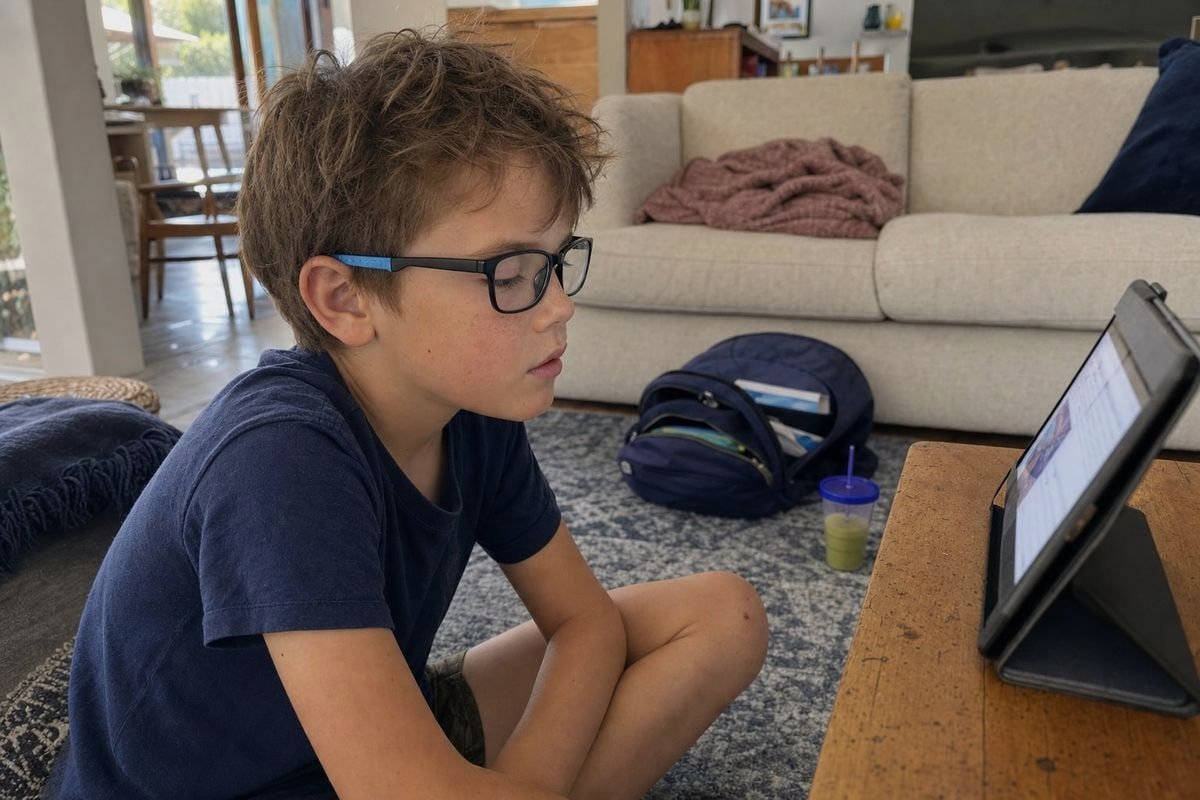
Choosing kids eyewear for extended tablet-based online learning worries many parents and brand buyers I meet. Children rub tired eyes, complain of headaches, and glasses end up abandoned on desks. On our production line in Taizhou, we design around exactly these frustrations.
Choose kids eyewear for extended tablet-based online learning by prioritizing fit, lightweight flexible frames like TR90 or TPEE, and impact-resistant polycarbonate lenses with anti-reflective coating. Treat blue light filtering as an optional comfort feature, and always pair glasses with healthy screen habits.
That is the short answer. Now let me walk you through each decision step by step, from lenses to frames to fit, and finally how to source them well.
What Lens Features Should I Look for to Protect My Kids' Eyes During Long Screen Sessions?
A buyer from Australia once asked me to promise our lenses would "cure" digital eye strain. I had to be honest with her. Lenses help, but they are not magic.
Look for impact-resistant polycarbonate lenses with a quality anti-reflective coating to cut screen glare, plus clear optics that preserve color for schoolwork. Blue light filtering lenses are an optional comfort layer, not a proven medical necessity, so verify transparent filtering specifications before buying.
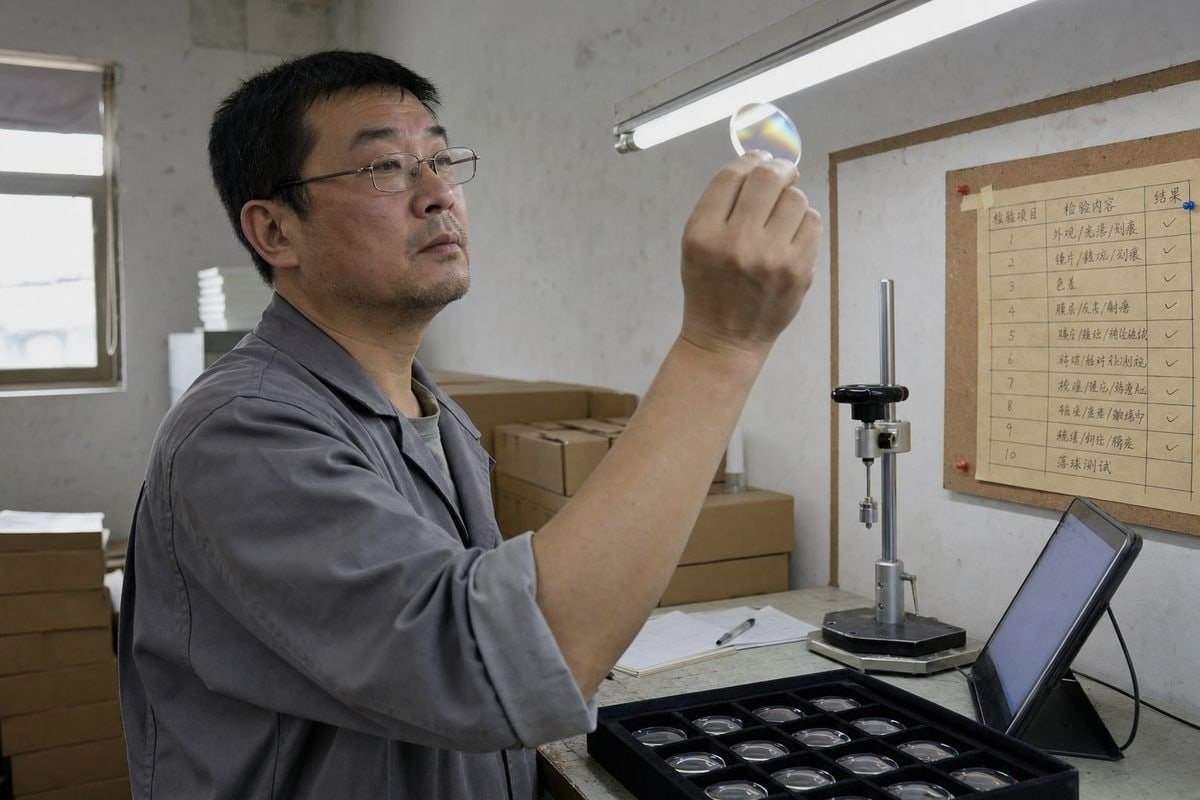
Let me break down what actually matters on a lens spec sheet, because product pages often bury the useful details under marketing language.
Start with Safety: Impact Resistance
For children, lens material comes before any coating. Polycarbonate lens durability is the industry standard for kids because the material resists shattering when glasses are dropped, sat on, or thrown into a backpack. polycarbonate lens impact resistance 1 Trivex is a strong alternative. In our own lab checks, we drop-test finished lenses before shipment because a cracked lens near a child's eye is an unacceptable risk. Standard glass or basic acrylic has no place in children's screen-time eyewear.
Then Add Comfort: Anti-Reflective Coating
Tablets have highly reflective displays. Overhead home lighting bounces off both the screen and the lens surface. A premium anti-reflective coating reduces these double reflections, and in my experience it does more for daily comfort than any tint. It is also the feature parents notice fastest, because kids stop tilting their heads to dodge glare.
Finally, Evaluate Blue Light Claims Honestly
Here is the objection I hear most often: "Don't blue light glasses fix eye strain?" The honest answer is no, not by themselves. Current guidance from the American Academy of Ophthalmology 2 states that blue light itself does not cause digital eye strain. Symptoms like tired eyes, squinting, and headaches — classic computer vision syndrome 3 signs — come mostly from reduced blinking, close viewing distance, and long uninterrupted sessions. So position blue light filtering lenses as a comfort option some children like, especially clear daytime versions, and demand specific wavelength or percentage data rather than vague claims.
| Lens Feature | Priorité | What It Actually Does |
|---|---|---|
| Polycarbonate / Trivex material | Essentiel | Impact-resistant lenses protect eyes from breakage |
| Traitement antireflet | Essentiel | Cuts glare from tablet screens and room lights |
| Clear, distortion-free optics | Essentiel | Preserves color accuracy for schoolwork |
| Filtrage de la lumière bleue | Optionnel | May improve subjective comfort; evidence is mixed |
| protection UV400 | Recommandé | Protects eyes outdoors, useful beyond screens |
| Heavy tints | Avoid indoors | Distorts colors during daytime learning |
How Do I Choose Frame Materials That Stay Comfortable During Hours of Tablet Use?
Material choice is the trade-off we debate most in product development. A frame can be cheap and rigid, or slightly costlier and genuinely flexible. For children, we always choose the second.
Choose lightweight, flexible frame materials such as TR90 nylon or TPEE, ideally with hypoallergenic silicone components at contact points. These materials bend without snapping, weigh very little, and stay comfortable on the nose and ears during multi-hour daily online learning sessions.
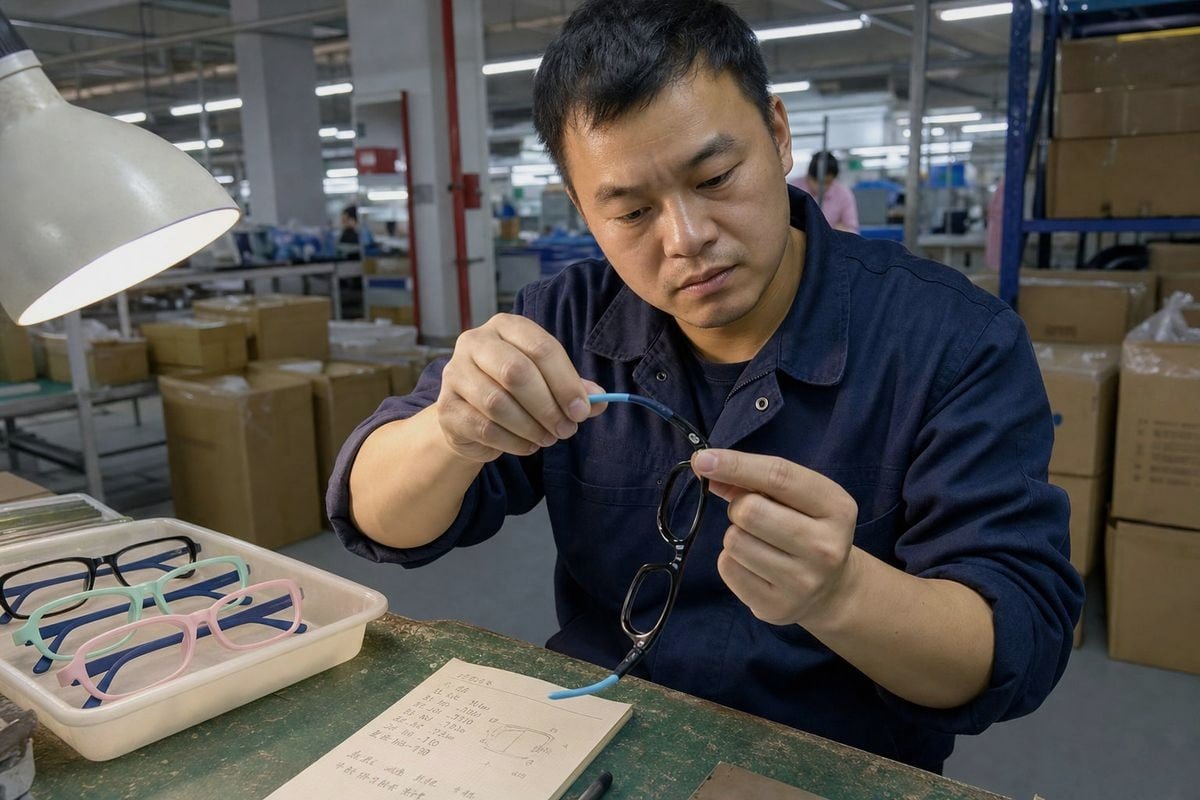
After fifteen years making children's frames, our engineers have settled on a simple rule: if an adult can twist the temple ninety degrees and it returns to shape, it is fit for a child. If it snaps, it fails.
Why Flexibility Beats Rigidity for Kids
Children are not gentle with glasses. They pull them off one-handed, drop them mid-lesson, and stuff them into pencil cases. Rigid acetate or metal frames crack or bend permanently under this treatment. Flexible frame materials like TR90 and TPEE absorb that abuse. One of our popular optical designs pairs a glossy TR90 front with soft TPEE temple sections and silicone tips — the front holds the lenses precisely while the temples flex with every yank and drop.
Weight Matters More Than Parents Expect
During a two-hour online class block, even a few extra grams create pressure points on the nose bridge and behind the ears. Ultra-lightweight designs prevent the sliding, fidgeting, and removal that ruin compliance. A child who forgets the glasses are on will keep wearing them. That is the real goal.
Skin Contact and Hypoallergenic Materials
Multi-hour daily wear means constant skin contact. Medical-grade or hypoallergenic silicone at the nose pads and temple tips prevents friction sores and irritation. hypoallergenic frame materials 4 We insist on environmentally friendly, skin-safe compounds across our range because a rash behind a child's ear ends the wearing habit — and generates returns for our brand customers.
| Matériau de la monture | Flexibilité | Poids | Best Use for Kids |
|---|---|---|---|
| TR90 nylon | Élevé | Très léger | Optical frames needing precise lens fit |
| TPEE | Très élevé | Très léger | Temples and full frames for younger, active kids |
| Composants en silicone | Extreme | Léger | Nose pads, temple tips, baby eyewear |
| Acétate | Bas | Modéré | Older kids, fashion-first styles |
| Métal | Bas | Moderate–heavy | Generally avoid for young children |
What Fit and Safety Features Matter Most for Children Wearing Eyewear During Online Classes?
During a QC review last year, we rejected a batch over a two-millimeter bridge deviation. It sounds fussy, but tablet use is exactly where poor bridge fit shows up.
Prioritize a precise bridge fit, correct temple length, and adjustable or non-slip nose contact so glasses stay aligned when a child looks down at a tablet. Add spring or flexible hinges, rounded edges with no sharp points, and age-appropriate frame sizing for safe all-day wear.
Tablets create a unique fitting challenge that desktop screens do not. Children hold devices low, at a near-task distance of roughly 10 to 14 inches, and they look downward for long stretches. Gravity works against the frame the entire time.
The Downward-Gaze Problem
When a child tilts the head down, poorly fitted glasses slide toward the lens tips of the nose. The optical center of the lens then drifts away from the pupil, which can add its own visual discomfort on top of digital eye strain symptoms. Three features fight this slide:
- A bridge shaped for smaller, flatter children's noses — adult-scaled bridges simply do not grip.
- Adjustable nose pads or molded silicone saddles that let parents fine-tune the resting position.
- Correct temple length with a gentle ear bend, or cable-style wrap ends for younger children who shift posture constantly on sofas and floors.
Safety Features Worth Checking
Beyond fit, inspect the physical safety of the frame itself. Look for fully rounded edges, no exposed sharp screw ends, and hinges that flex outward instead of snapping. Spring hinges or integrated flexible hinges extend frame life and prevent pinching. If the child needs vision correction, a pediatric optometrist consultation should come first, because prescription lenses with anti-reflective coating often serve the child better than separate screen-only glasses. pediatric eye screening 5 And remember that fit drives compliance: glasses that pinch or slip get taken off, no matter how good the lenses are. Combine well-fitted eyewear with screen time management — the 20-20-20 rule, screen breaks every 20 to 30 minutes, and outdoor play, which research links to slower myopia progression control.
How Can I Find a Reliable Manufacturer to Develop Screen-Time Eyewear for My Brand?
The hardest lesson our buyers share with me is this: they once chose a supplier on price alone, and the returns, complaints, and safety worries cost far more than the savings.
Find a reliable manufacturer by verifying they are a true factory with children's eyewear specialization, flexible-material expertise, an existing style library to reduce mold investment, documented quality control, and full OEM/ODM support covering custom colors, logos, lenses, and retail-ready packaging.
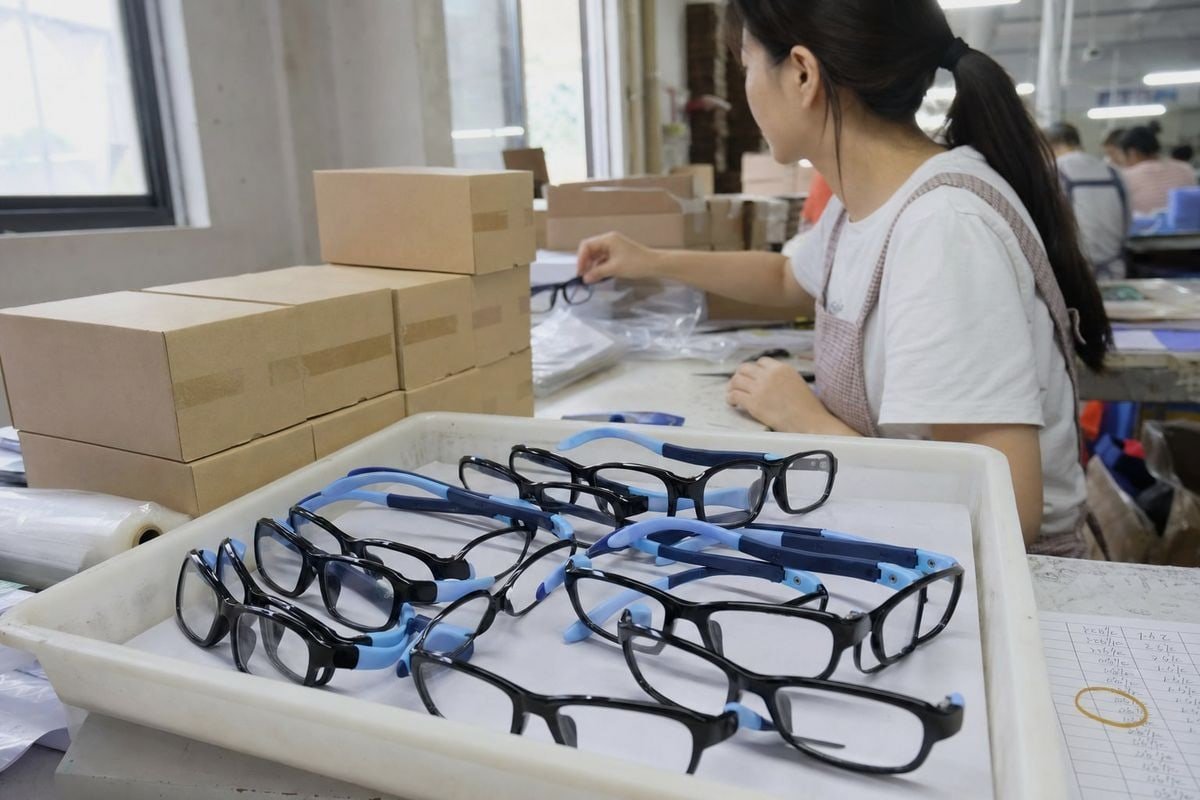
Sourcing children's screen-time eyewear is different from sourcing generic sunglasses. The product touches a child's face for hours every day, so material safety, consistency, and honest specifications are non-negotiable. Here is the evaluation framework I recommend to brand founders and procurement managers, based on how serious buyers audit us.
Verify You Are Talking to a Factory, Not a Trader
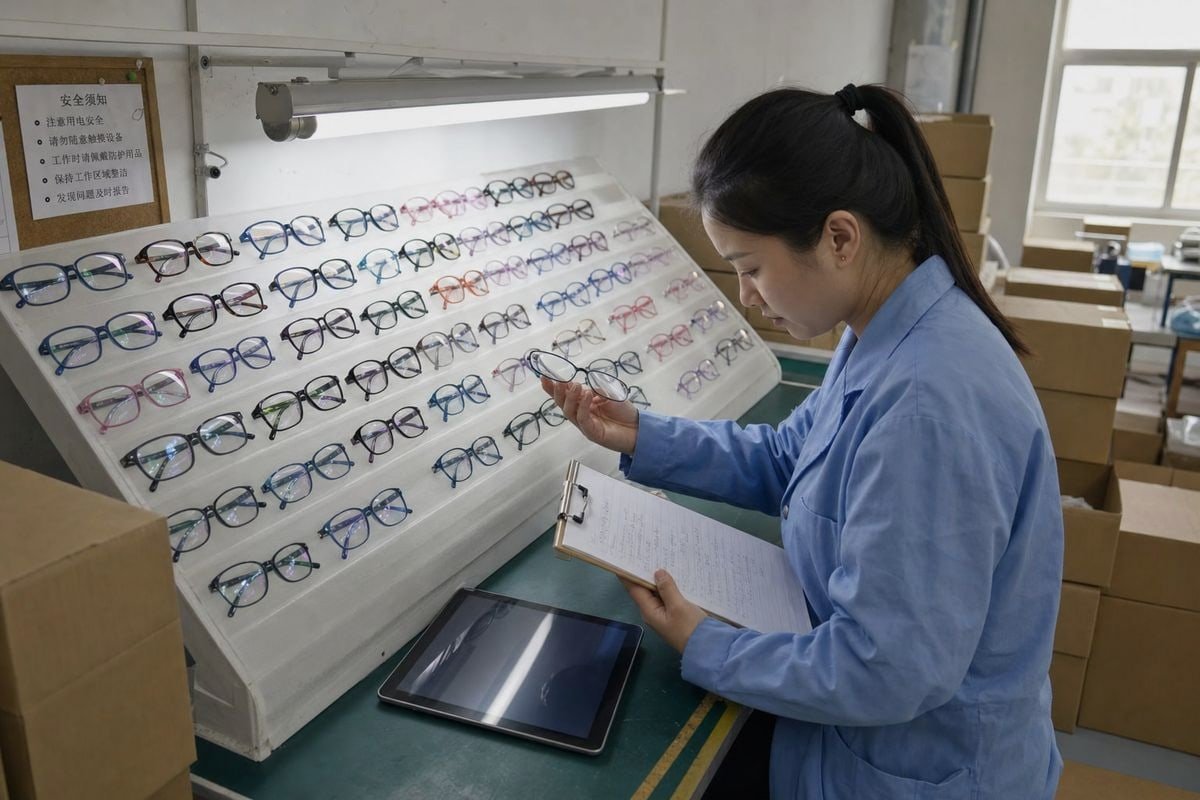
A trader adds a margin but controls nothing. Ask for workshop photos or a video call tour, worker headcount, and years of eyewear-specific experience. Our own facility runs about 120 workers under 5S workshop management 6, with fifteen years focused on eyewear. A real factory can answer detailed questions about le moulage par injection 7, hinge assembly, and coating processes on the spot. A trader cannot.
Reduce Your Launch Risk with Existing Styles
New brands often assume they must invest in custom molds from day one. They do not. We maintain roughly 800 existing children's styles that buyers can customize with their own colors, logos, lens options, and packaging. This lets a kids' brand in Japan or Europe test a screen-time eyewear line at low risk, learn what sells, and only then commission fully custom tooling.
Audit the Details That Protect Children
| Ce qu'il faut vérifier | Pourquoi c'est important | Good Sign |
|---|---|---|
| Frame materials | Skin contact for hours daily | TR90 / TPEE, hypoallergenic, eco-friendly compounds |
| Lens specs | Safety and honest marketing | Polycarbonate, UV400, verifiable AR and filter data |
| Contrôle qualité | Consistency across reorders | Documented inspection steps, drop and flex testing |
| Portée de la personnalisation | Différenciation de la marque | Custom colors, logos, lenses, packaging, accessories |
| Communication | Long-term partnership | Fast, clear answers from a named contact |
| Support de conformité | Market access | Willingness to meet your market's safety standards |
One more point on positioning. If a supplier competes only on being the cheapest, ask what they cut to get there — usually it is material grade or inspection time. We position ourselves as a long-term partner for brands in more than twenty countries precisely because screen-time eyewear for children rewards consistency over corner-cutting. Ask for samples, twist the temples, check the coatings under a lamp, and compare batch one against batch three. The right partner welcomes that scrutiny.
Conclusion
Online learning strains young eyes, and vague marketing makes choosing harder. Prioritize fit, flexible materials, and honest lens specs — then partner with a proven kids' eyewear factory like ours.
Notes de bas de page
1. AAO resource explaining why polycarbonate is the standard for shatter-resistant, protective eyewear. ↩︎
2. Authoritative eye care body cited for guidance on blue light and digital eye strain claims. ↩︎
3. Background reference explaining the condition described as classic screen-related eye strain symptoms. ↩︎
4. AAO medical guide on identifying eyewear allergies and selecting skin-safe, hypoallergenic materials. ↩︎
5. Authoritative AAO guide on recommended vision screening schedules and pediatric eye health. ↩︎
6. Background on the lean manufacturing methodology referenced as the factory’s workshop management system. ↩︎
7. Explains the manufacturing process a real eyewear factory must handle in-house for frame production. ↩︎
Plus d'articles que vous pourriez aimer
23 août 2026
Comment les lunettes pour enfants trop petites peuvent-elles être recyclées ou réutilisées ?
23 août 2026
Quelle est l'efficacité des matériaux biosourcés et recyclables dans les lunettes pour enfants ?
23 août 2026
Peut-on remplacer les verres après un changement de prescription pour les lunettes d'enfants ?
Vous recherchez un partenaire fiable en lunetterie pour enfants ?
Explorez plus de 800 styles prêts et un support OEM/ODM complet adapté à votre marque.
Contactez-nous English
  Español de México
  Deutsch
  Français
  日本語
日本語  العربية
  Português do Brasil