What Does UV400 Mean on Kids’ Eyewear, and What UV Protection Is Adequate?
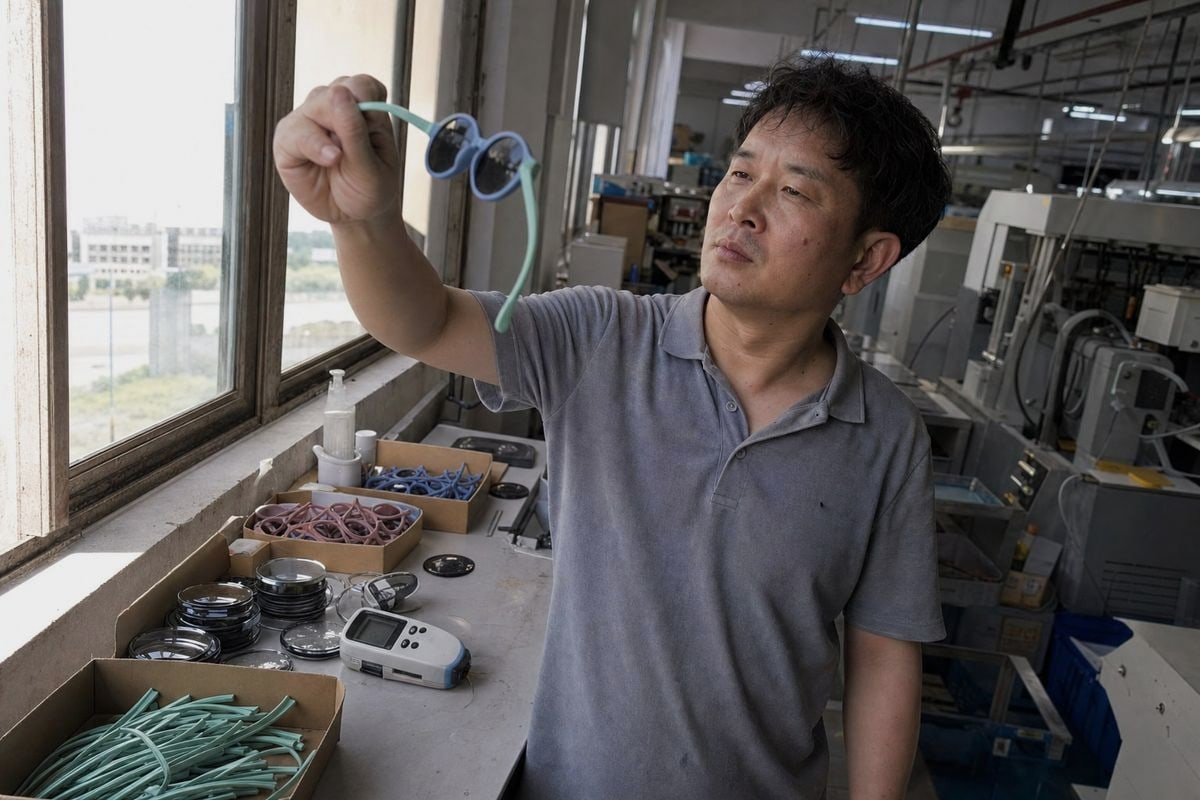
Buyers ask me about UV400 on kids’ eyewear almost weekly FDA drop-ball test 1. Many discovered, too late, that a previous supplier shipped tinted lenses with no real ultraviolet filtration at all.
UV400 on kids’ eyewear means the lenses block 99–100% of UVA and UVB radiation up to 400 nanometers, covering the full harmful ultraviolet spectrum. For children’s sunglasses, UV400 is the adequate minimum standard, because kids’ eyes transmit more UV than adult eyes.
That short answer hides a lot of detail. Below, I break down verification, materials, certifications, and the polarized-versus-UV400 question, so you can source with confidence.
How can I verify that UV400 lenses actually block 99–100% of UVA and UVB rays?
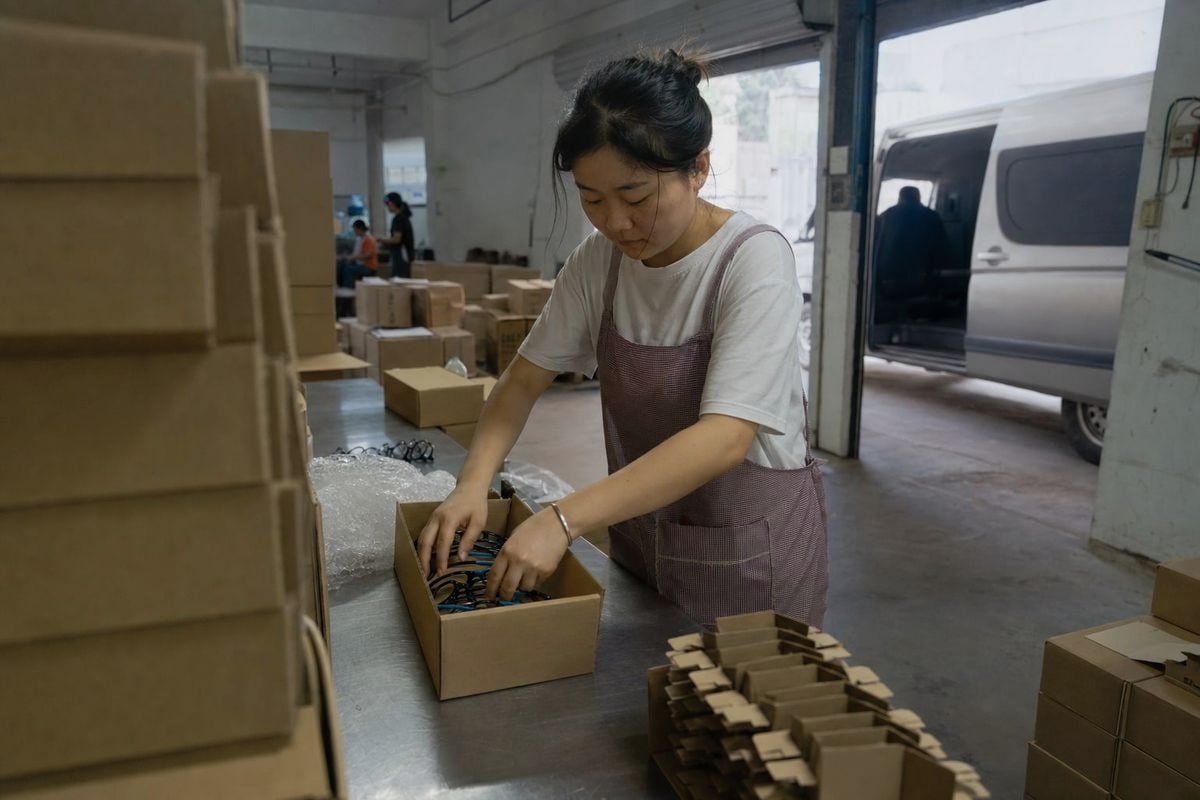
During a QC round in our Taizhou workshop last year, we pulled a batch of supplier lenses that looked perfect but failed our spectrophotometer check. Looks tell you nothing about UV.
You verify UV400 lenses by testing them with a UV spectrophotometer or a photometer that measures light transmission across the 280–400 nanometer range. Request lens transmission test reports from your manufacturer, and spot-check incoming shipments with a handheld UV light meter for ongoing assurance.
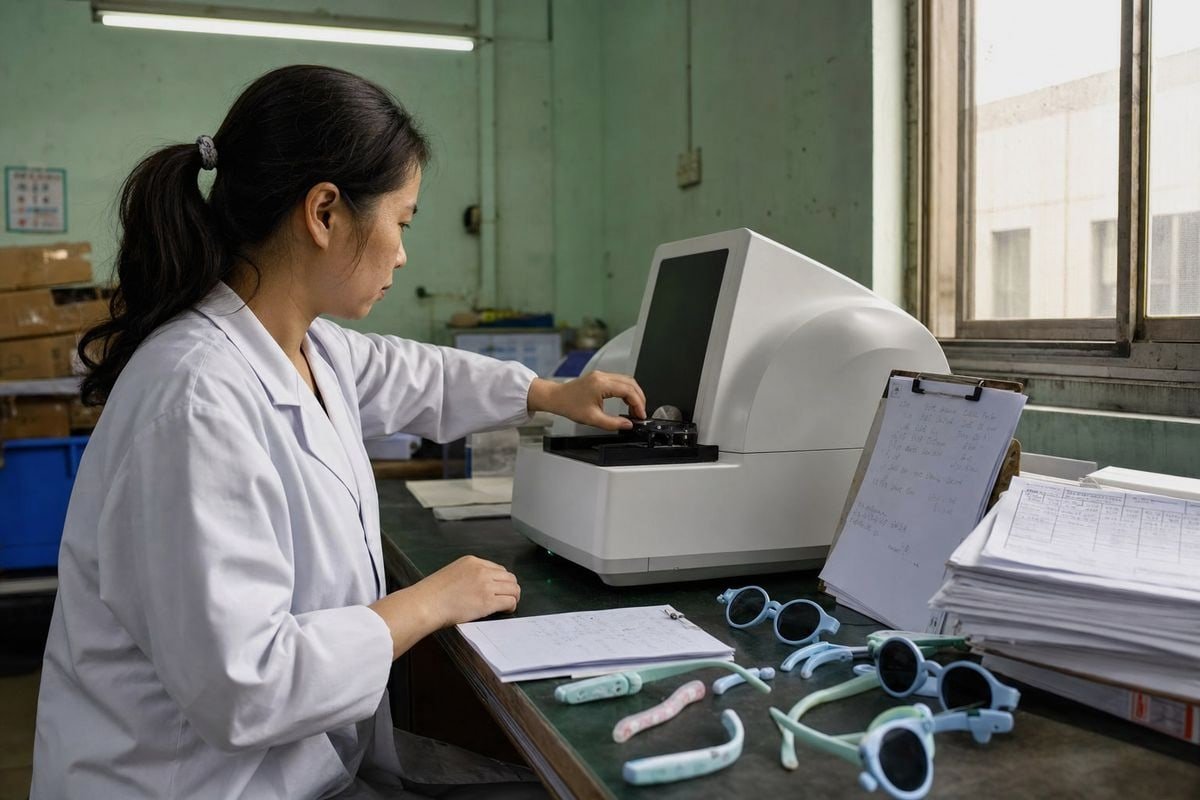
The key thing to understand is that UV400 refers to a cutoff wavelength on the nanometer light spectrum, not to how dark the lens looks. Ultraviolet radiation spans roughly 100–400 nm. UVB sits between 280 and 315 nm, and UVA runs from 315 to 400 nm. A true UV400 lens blocks essentially everything below 400 nm. That is why we never approve a lens batch by eye at our factory. We measure it.
Why tint darkness is a dangerous shortcut
Dark lenses without certified UV filtration are actually worse than no glasses. A dark tint makes the pupil dilate, which opens the door wider to unfiltered Rayonnement UVA et UVB 2. Several of our buyers came to us after learning this the hard way with bargain suppliers. Sun damage prevention starts with the filter inside the lens, not the color on its surface.
Practical verification steps for buyers
Here is the process we recommend to procurement managers, and the one we follow ourselves before any container leaves our line:
| Étape | What to Do | What It Confirms |
|---|---|---|
| 1 | Request a UV transmission report per lens batch | Blockage up to 400 nm |
| 2 | Ask for third-party lab test results | Independent confirmation |
| 3 | Spot-check samples with a UV light meter | Cohérence des lots |
| 4 | Test pre-shipment samples, not just golden samples | Production matches approval |
| 5 | Re-test annually or per new lens supplier | Long-term reliability |
The near-UV band between 380 and 400 nm deserves special attention. Some cheaper lenses cut off at 380 nm and still get marketed loosely as "UV protective." For pediatric eye protection, that 20 nm gap matters, because children’s crystalline lenses are clearer than adults’ and can pass up to 70% more UV radiation through to the retina. Insist on the full 400 nm cutoff, in writing, on every purchase order.
Why does my sourcing decision need to consider both UV protection and lens material safety together?
One trade-off we weigh constantly when developing new styles: a lens can filter UV perfectly and still shatter on a playground. For children, that is an unacceptable failure mode.
Kids' eyewear must combine UV400 filtration with impact-safe lens material, because children fall, throw, and collide during play. Polycarbonate is the preferred choice: it naturally absorbs UV radiation and offers high impact resistance, so protection and physical safety come from one material.
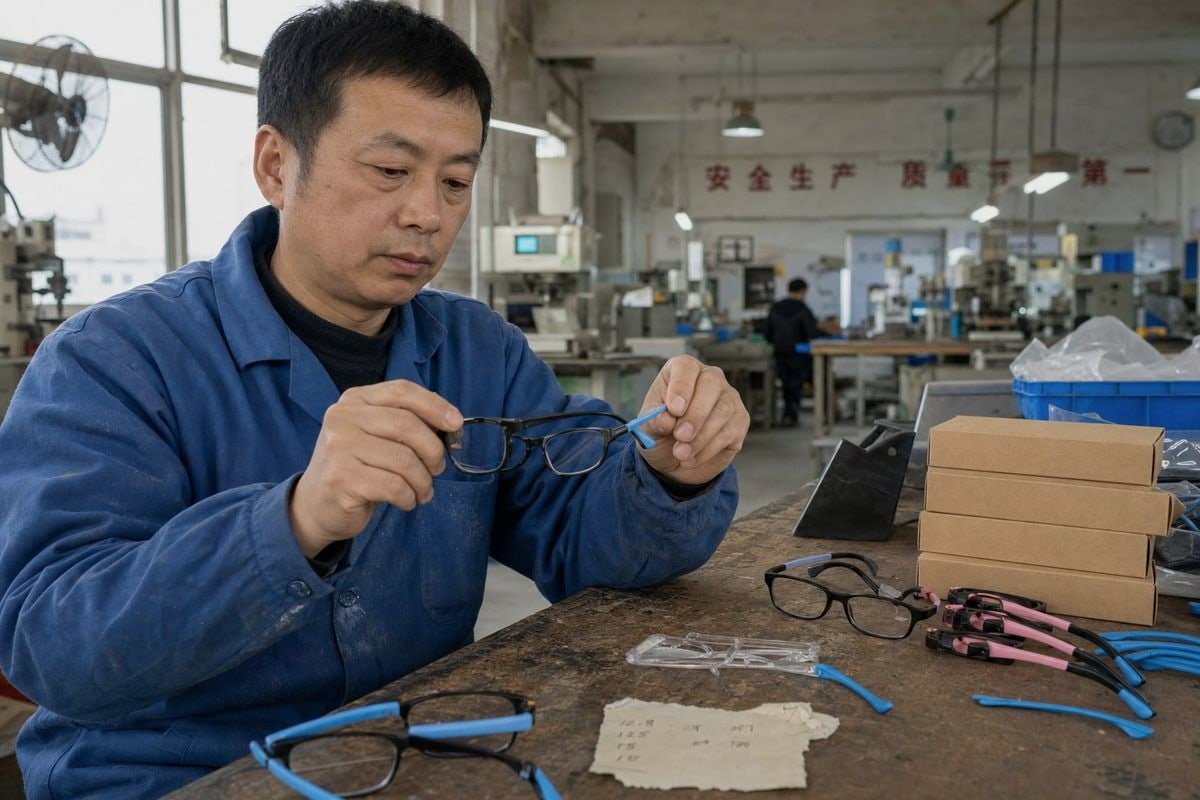
In our fifteen years building children's eyewear, we have learned that safety is a system, not a single spec. The lens, the frame material, and the fit all work together. A brilliant UV400 lens mounted in a rigid, brittle frame can still hurt a child. That is why we build most of our roughly 800 styles around flexible TR90 frames and TPEE temples. These materials bend instead of snapping, and they sit gently on small faces for hours of outdoor wear.
Why polycarbonate lens material leads for kids
Polycarbonate 3 lens material has become the industry standard for children's UV400 eyewear for two reasons. First, the raw material is naturally UV-absorbent, so full-spectrum blocking is built in rather than sprayed on. Second, it delivers the impact resistant lenses that active play demands. Coated glass or cheap acrylic can meet a UV spec on paper but crack under a soccer ball.
Comparaison des matériaux en un coup d'œil
| Composant | Preferred Material | Safety Benefit |
|---|---|---|
| Verre | Polycarbonate | Natural UV absorption, high impact resistance |
| Front frame | TR90 | Flexible, lightweight, memory retention |
| Temples | TPEE | Soft, bendable, comfortable behind ears |
| Tips and pads | Silicone | Grip and comfort, no pressure points |
There is one more layer buyers often miss: coverage geometry. UV reflects off sand, water, pavement, and even modern playground surfaces. Reflected UV from rubber mulch and artificial turf can raise a child's ocular UV load significantly compared to natural grass. A wrap-around frame design, or at least a snug fit with minimal gaps at the sides, prevents peripheral leakage where rays sneak in around the lens edges. When we develop a sport shield style, we widen the lens and pull the temples close to the face for exactly this reason. UV protection and material safety are not two checkboxes. They are one integrated product decision.
What UV protection standards or certifications should I request from my eyewear manufacturer?
A brand founder from Australia once emailed me a single question before placing her first order: "Which certificates prove your UV claims?" It was exactly the right question to ask.
Request UV400 or 100% UVA/UVB transmission test reports, plus compliance with regional standards: CE and EN ISO 12312-1 for Europe, ANSI Z80.3 and FDA impact requirements for the US, and AS/NZS 1067 for Australia. Insist on batch-level lab reports, not just marketing labels.
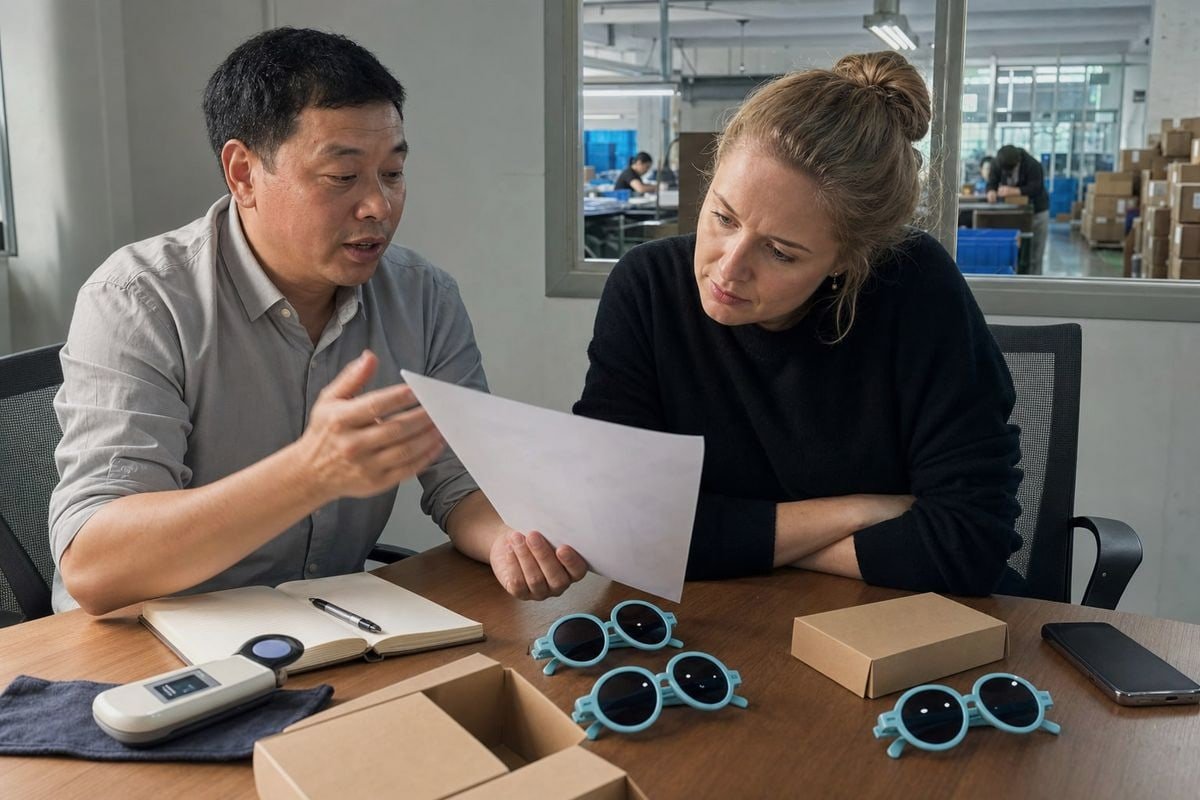
Certification is where vague suppliers get exposed. A phrase like "blocks UV" on a hang tag means very little without a cutoff wavelength and a test report behind it. When we export to more than twenty countries, each market brings its own paperwork, and a serious factory should hand it over without hesitation.
The standards map by market
| Marché | Norme clé | Ce qu'elle couvre |
|---|---|---|
| Union européenne | EN ISO 12312-1 4 / CE marking | UV transmission, optical quality, robustness |
| États-Unis | ANSI Z80.3 5, FDA drop-ball test | UV claims, impact resistant lenses |
| Australie / Nouvelle-Zélande | AS/NZS 1067 | Lens categories, mandatory UV limits |
| Global (voluntary) | ISO lab transmission reports | Batch-level 280–400 nm verification |
ANSI safety standards deserve a note of nuance. Some regulatory frameworks historically focused on blocking up to 380 nm. That leaves the 380–400 nm near-UV band uncovered. Our position, and the consensus in current pediatric guidance, is that children's products should meet the stricter UV400 threshold regardless of the local legal minimum. Roughly 80% of lifetime UV exposure occurs before age 18, so this is the age group where a stronger spec pays off most.
Label language you can trust
When reviewing supplier documentation or drafting your own packaging, prioritize these phrases:
- UV400
- Protection UVA et UVB à 100 %
- 100% UV protection
Treat anything vaguer, such as "UV resistant" or "sun lens," as a red flag that requires testing before purchase. At our factory, every UV400 lens batch is verified before assembly, and we supply the transmission data with the shipment paperwork. Ask your manufacturer to do the same. If they hesitate, that hesitation is your answer.
How do I choose between UV400 and polarized lenses for my children's eyewear line?
Early in my sales career, I lost an afternoon untangling this exact confusion with a distributor who believed polarized automatically meant UV-safe. It does not, and the distinction shapes your whole product line.
Choose UV400 as the non-negotiable baseline for every SKU, because it blocks harmful UVA and UVB radiation. Add polarization as a premium upgrade for glare-heavy use like water and snow. Polarized lenses reduce glare but provide zero UV protection unless also rated UV400.
These two features solve different problems, so start with a clear side-by-side view:
| Caractéristique | UV400 | Polarisé |
|---|---|---|
| Primary job | Blocks UVA and UVB radiation | Cuts reflected glare |
| Health function | Protects retinal health and cornea | Improves visual comfort |
| Required for kids? | Yes, always | Optional, use-case driven |
| Adds cost? | Minimal | Modéré |
| Works alone? | Oui | No, needs UV400 too |
How we advise brands to structure a line
Polarized lens benefits are real. Glare bounces off water, snow, and wet pavement as horizontally oriented light, and a polarizing filter cancels it. For a beach brand or a ski-focused kids' line, that comfort upgrade justifies the price step. But polarization tells you nothing about UV filtration. A polarized lens without a UV400 rating still lets ultraviolet through to a child's developing eye, where limbal stem cells near the corneal edge 6 are more active and more exposed than in adults.
Our standard advice to brands building a range is simple. Make UV400 universal across every style, from baby sunglasses to sport shields. Then offer polarized UV400 versions on two or three hero styles for water, snow, and travel positioning. This gives retail a good-better story without ever compromising pediatric eye protection at the entry price point. Because we hold both lens options across our existing style library, brands can test a polarized tier with small quantities before committing to bigger volumes. Some buyers also ask us about newer filtering concepts, such as lenses that block all UV while passing beneficial blue wavelengths that support sleep cycles 7. These are interesting for future roadmaps, but UV400 remains the foundation everything else builds on.
Conclusion
Vague UV claims put children at risk and put your brand's reputation on the line. UV400 is the adequate, verifiable standard for kids' eyewear.
Demand batch-level transmission reports, pair UV400 with polycarbonate lenses and flexible frames, match certifications to your market, and treat polarization as a comfort upgrade, never a substitute. At our Taizhou factory, we build every children's style around these principles, and we are glad to share our test data with any brand that asks. Source on proof, not on labels, and your kids' eyewear line will earn parents' trust from the first pair.
Notes de bas de page
1. FDA resource on sunglasses impact and UV requirements relevant to US compliance. ↩︎
2. Provides scientific background on ultraviolet wavelength ranges discussed throughout the article. ↩︎
3. Background on the polymer material used for impact-resistant, UV-absorbent kids’ lenses. ↩︎
4. Wikipedia provides a stable, accessible summary of the international ISO 12312-1 sunglasses standard. ↩︎
5. Wikipedia section detailing the American ANSI Z80.3 standard for nonprescription sunglasses and UV requirements. ↩︎
6. NIH resource on eye anatomy relevant to limbal stem cells and pediatric UV exposure risk. ↩︎
7. Background on circadian rhythm regulation relevant to blue light and sleep cycle mention. ↩︎
Plus d'articles que vous pourriez aimer
23 août 2026
Comment les lunettes pour enfants trop petites peuvent-elles être recyclées ou réutilisées ?

23 août 2026
Quelle est l'efficacité des matériaux biosourcés et recyclables dans les lunettes pour enfants ?
23 août 2026
Peut-on remplacer les verres après un changement de prescription pour les lunettes d'enfants ?
Vous recherchez un partenaire fiable en lunetterie pour enfants ?
Explorez plus de 800 styles prêts et un support OEM/ODM complet adapté à votre marque.
Contactez-nous English
  Español de México
  Deutsch
  Français
  日本語
日本語  العربية
  Português do Brasil