Which Cleaning Methods Damage Kids’ Optical Frames and Coating?
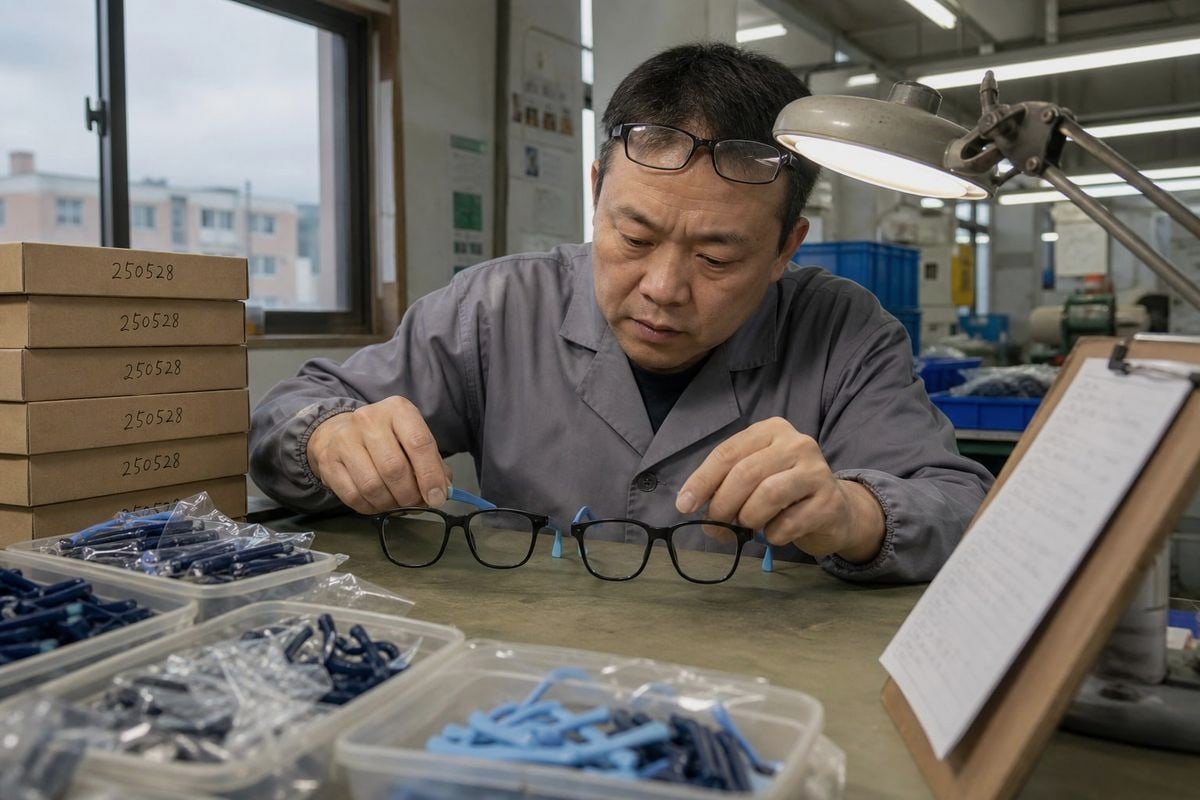
Wrong cleaning methods quietly destroy kids’ optical frames and coatings. In our Taizhou factory, most “defective” returns we inspect are actually chemical or abrasion damage from cleaning.
Cleaning methods that damage kids’ optical frames and coatings include dry wiping with tissues or shirts, ammonia glass cleaners, alcohol wipes and sanitizers, acetone, bleach, abrasive DIY scrubs like toothpaste, hot water, dirty cloths, and frequent home ultrasonic cleaning cycles.
That is the short list. Below, I will break down each risk in detail. I will also share the safe routine we recommend to the brands and importers who buy our TR90 kids optical frames 1, so you can pass it on to parents and reduce warranty headaches.
How do I know which cleaning chemicals will strip my frames' anti-scratch coating?
Last year, a European distributor sent us a batch of "faulty" lenses with cloudy patches. Our QC team tested them and found the culprit was not our coating line — it was ammonia residue from window cleaner.
Chemicals that strip anti-scratch and anti-reflective coatings include ammonia, isopropyl alcohol in high concentrations, acetone, bleach, vinegar, and chlorine-based cleaners. These solvents weaken the bond between coating layers and the lens, causing peeling, hazing, crazing, or lens delamination over time.

The scratch-resistant treatment on a modern kids' lens is not a single layer. It is a stack. There is a hard coat bonded to the lens substrate, often an anti-reflective coating on top, and sometimes a hydrophobic layer above that. Each layer bonds to the one below it. Harsh chemicals attack those bonds, not just the surface. That is why the damage often shows up weeks after the exposure, as anti-reflective coating peeling around the edges or a rainbow-like haze in the center.
The chemical offenders, ranked by risk
| Chemical | Found in | What it does to coated lenses |
|---|---|---|
| Ammonia | Window sprays like Windex | Breaks down AR coating bonds; dulls frame finishes |
| Acetone | Nail polish remover | Dissolves coatings; can soften or melt acetate frames |
| Isopropyl alcohol | Sanitizer, disinfectant wipes | Repeated isopropyl alcohol lens damage strips coatings and dries rubber parts |
| Bleach/chlorine | Household disinfectants | Chemically attacks coatings and frame colorants |
| Vinegar | DIY cleaning mixes | Acidic; etches and clouds coating layers |
Here is the key nuance buyers often push back on: some sources say a quick alcohol wipe is fine. In our experience testing coated lenses on our own production line, the conservative position is the right one for children's eyewear. Kids' glasses get cleaned far more often than adult glasses — sometimes several times a day at school or daycare. Damage from solvents is cumulative. One wipe may look harmless. Fifty wipes over a school term will not. Unless the lens supplier explicitly certifies alcohol resistance, tell your customers to avoid it entirely and use an optical grade lens cleaner instead.
Can I recommend a safe cleaning routine that keeps warranty claims low for my customers?
One of the trade-offs we weigh constantly is coating hardness versus flexibility on curved kids' lenses. Even our toughest scratch-resistant treatment cannot survive bad cleaning habits, so we now ship care-instruction cards with every OEM order that requests them.
Yes. The safest routine is: rinse with lukewarm water, apply one drop of mild lotion-free dish soap, rub gently with fingertips, rinse again, and dry with a clean microfiber cleaning cloth. This method protects coatings, costs nothing, and dramatically reduces coating-related warranty claims.
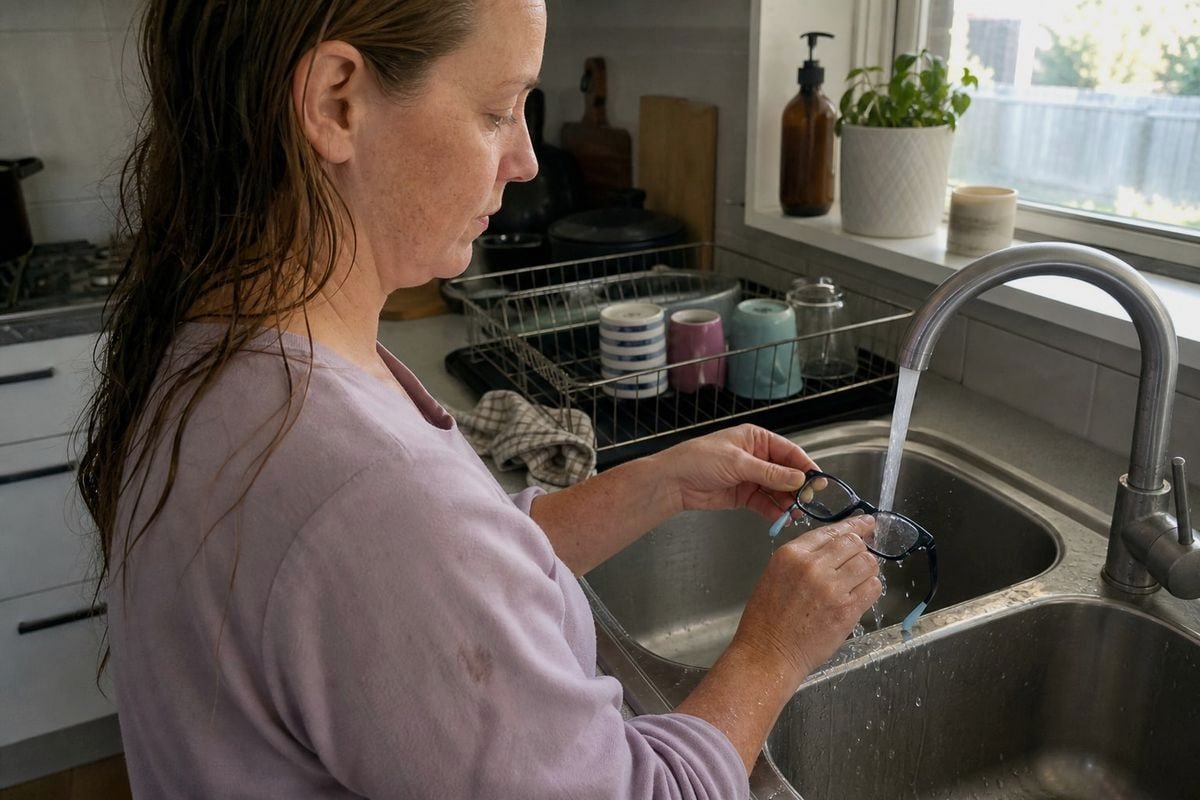
Why does such a simple routine work so well? Because it removes the two real threats: grit and chemistry. The water rinse floats away abrasive dust before anything touches the lens. The mild soap lifts skin oils and snack residue without attacking coating bonds. Warm soapy water — and I mean lukewarm, never hot — is consistently the safest baseline across every lens supplier we work with.
The five-step routine to print on your care cards
- Rinse first. Hold the glasses under lukewarm running water. Never wipe a dry lens.
- Add soap. Use one small drop of plain dish soap. Avoid soaps with lotions, perfumes, or heavy oils — the additives smear coatings and attract more dust.
- Rub gently. Use fingertips only. Clean the nose pads and hinge areas too, where kids' sunscreen and sweat build up.
- Rinse again. Remove all soap residue.
- Dry with microfiber. Pat, do not scrub. Use a cloth reserved only for glasses.
For B2B buyers, this routine matters commercially. When we started supplying printed care instructions with retail-ready packaging for one of our children's brand clients, their coating-complaint rate dropped noticeably within two seasons. The lesson we took from it: most "quality" complaints on coated kids' lenses are preventable end-user behavior. A care card costs almost nothing per unit. A warranty replacement, plus shipping and a frustrated parent, costs far more. Educating the end user is the cheapest quality control you will ever buy.
Which cloth materials or wipes should I avoid to prevent scratching TR90 lenses?
A Japanese buyer once asked us why demo lenses on our TR90 kids optical frames arrived flawless but showed haze after two weeks in their showroom. Their staff had been polishing them with paper towels between customer try-ons.
Avoid tissues, paper towels, napkins, toilet paper, shirttails, and disinfectant wipes. Paper products contain wood fibers that abrade coatings, clothing traps grit, and alcohol-heavy wipes can stress-crack polycarbonate lenses and TR90 frames. Use only a clean, dedicated microfiber cloth.
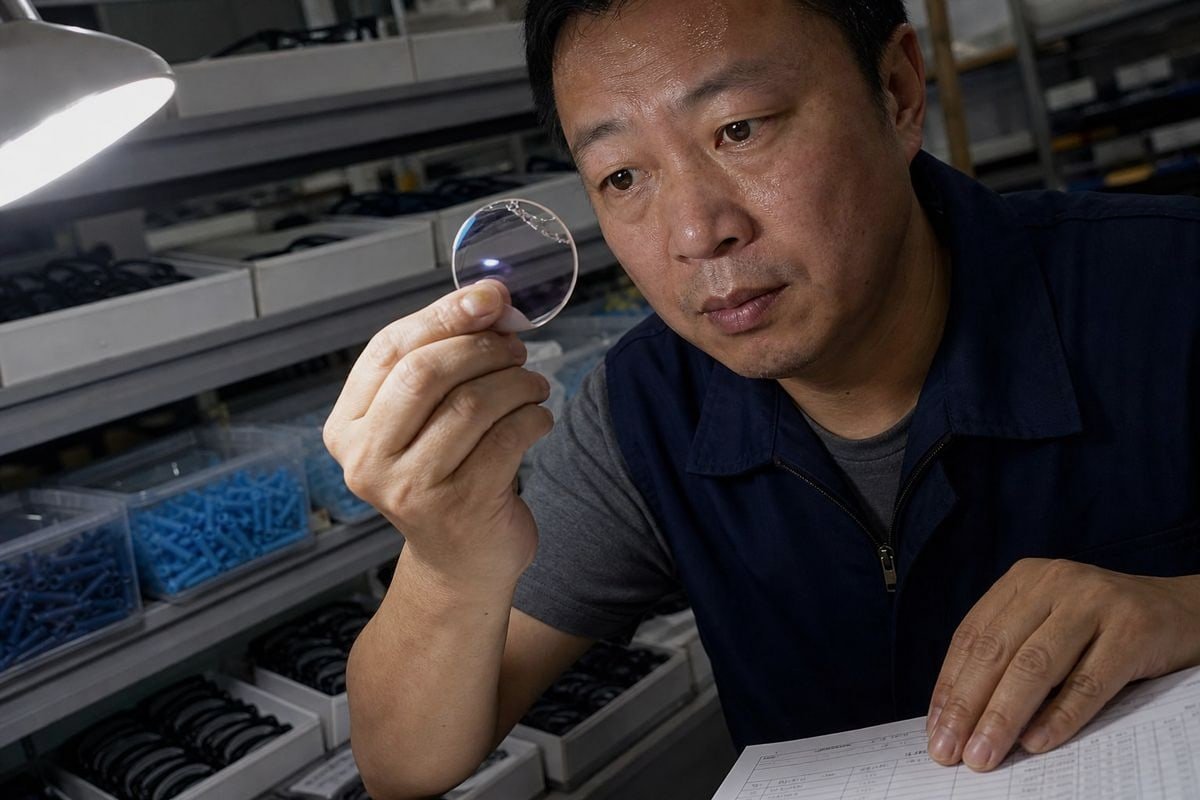
The core problem is hardness. Polycarbonate lens durability is excellent against impact — that is why we specify it for children — but the material itself is soft and relies entirely on its hard coat for scratch protection. Wood-fiber paper products are surprisingly abrasive against that coat. Clothing is worse, because fabric harbors abrasive dust picked up during the day. Every dry wipe with a shirttail drags that dust across the lens like fine sandpaper. The micro-scratches accumulate until the lens looks permanently foggy.
Cloth and wipe comparison
| Wiping material | Safe for coated lenses? | The hidden risk |
|---|---|---|
| Clean microfiber cloth | Sí | None, if washed regularly |
| Dirty or shared microfiber | No | Trapped grit turns the "right" cloth abrasive |
| Tissues / paper towels | No | Wood fibers create micro-scratches |
| Shirttails / clothing | No | Harbors abrasive dust from all-day wear |
| Alcohol disinfectant wipes | No | Strips coatings; stress-cracks TR90 and polycarbonate |
| Screen-cleaning cloth | No | Cross-contamination from screen residues and grit |
Two points deserve emphasis. First, cloth hygiene matters as much as cloth type. A microfiber cleaning cloth that has lived at the bottom of a school backpack for a month is an abrasion tool, not a cleaning tool. Recommend washing it weekly with plain soap, no fabric softener 2, and replacing it every few months. Second, keep cloths dedicated. Using the same cloth for tablets, phone screens, and glasses transfers oils and grit between surfaces. On the frame side, alcohol wipes deserve a specific warning for TR90: repeated exposure to alcohol-heavy sanitizers can cause stress-cracking in both polycarbonate and TR90 frame materials, right at the flex points that make these frames kid-safe in the first place.
Why do certain cleaning habits shorten the lifespan of coated kids' optical frames I import?
Over fifteen years of building children's eyewear, the pattern I see most is this: importers blame the coating, parents blame the kid, and the real cause is a slow, repeated cleaning habit nobody noticed.
Repeated bad habits — hot water rinses, home ultrasonic cleaning cycles, UV-C sanitizing boxes, and daily alcohol wipes — shorten frame lifespan because heat warps plastics, cavitation pits AR stacks, UV-C yellows blue-light coatings, and solvents crack soft components. The damage compounds with every cleaning.
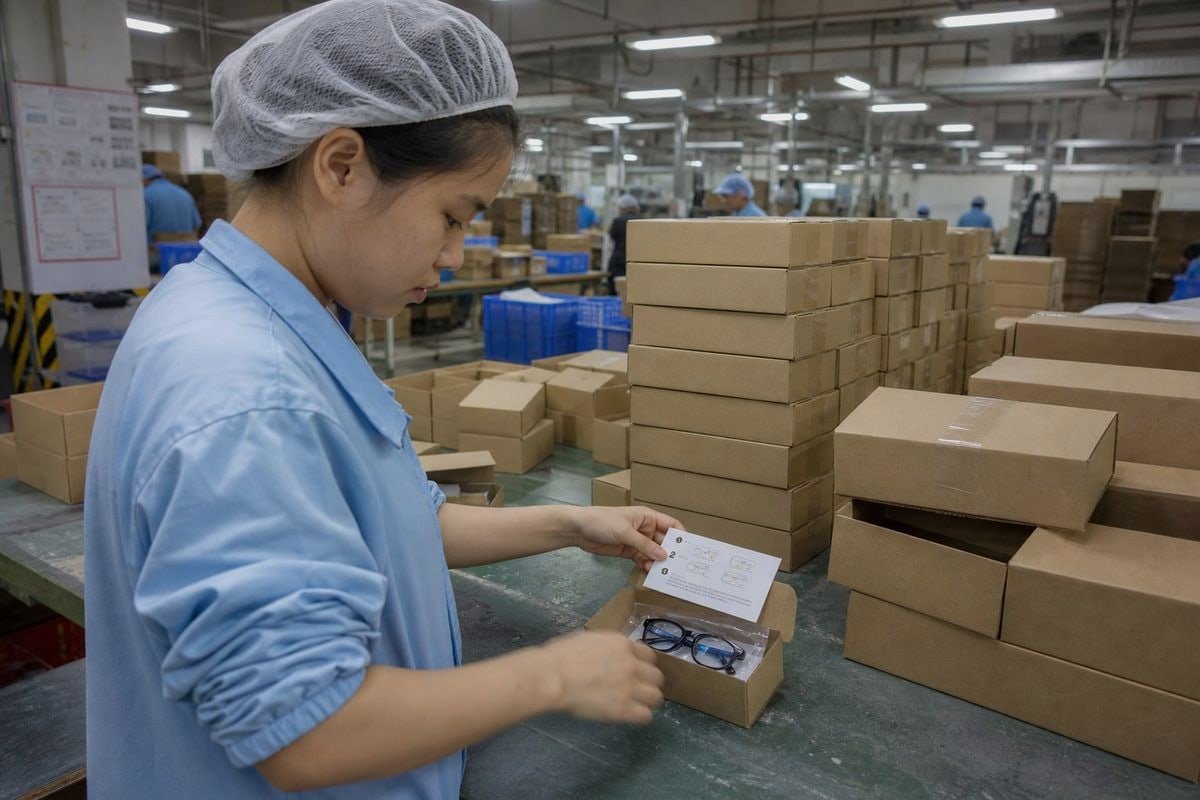
Kids' eyewear lives a harder life than adult eyewear. It gets cleaned more often, handled more roughly, and exposed to daycare disinfectants, saliva, and hot cars. Each habit below looks harmless once. Repeated daily, each one attacks a specific weak point.
Heat: the silent frame killer
Hot water causes thermal shock 3 in the coating stack — opticians call the resulting fine cracks "crazing." The lens substrate and the coating layers expand at different rates, and the coating loses. Heat also warps frames. A pair left on a car dashboard in summer can lose its fit in one afternoon, and warped temples put constant stress on lens edges, accelerating lens delamination. Our TPEE temples tolerate flexing beautifully, but no thermoplastic enjoys a hot dashboard.
Gadget cleaning: ultrasonic and UV-C
Ultrasonic cleaner safety is a genuine gray area that buyers ask us about. Opticians use ultrasonic tanks occasionally and professionally. Frequent home ultrasonic cleaning cycles 4 are different: repeated cavitation can cause microscopic pitting of the anti-reflective stack. Similarly, UV-C sanitizing boxes marketed after 2020 can cause premature yellowing or degradation of blue-light filtering coatings. Post-2020 sanitizer habits remain the biggest single driver of coating complaints we hear about from clients.
Habit-to-failure map
| Repeated habit | Modo de fallo | Typical time to visible damage |
|---|---|---|
| Hot water rinses | Crazing, coating cracks | Semanas a meses |
| Daily alcohol wipes | Coating stripping, yellowed acetate frame discoloration, cracked silicone tips | One to two school terms |
| Home ultrasonic cycles | Pitted AR stack, loosened hinges | Months of frequent use |
| UV-C sanitizing boxes | Yellowed blue-light coatings | Gradual, cumulative |
| Hot car storage | Warped frame, delaminating lens edges | Can occur in one afternoon |
For importers, the practical takeaway is to build cleaning education into the product. Warning signs of coating failure — cloudiness that will not wipe away, rainbow patches, edge peeling, yellowing frames, cracked nose pads — are almost always end-user damage, not factory defects. Documenting that distinction in your care materials protects your warranty margins and your relationship with retailers.
Conclusión
Dirt rarely ruins kids' glasses; the wrong cleanup does. Avoid solvents, heat, dry wiping, and gadget sanitizers. Use lukewarm water, mild soap, and clean microfiber — and teach your customers the same.
Notas al pie
1. Authoritative guide from the American Academy of Ophthalmology on selecting and maintaining children’s eyewear. ↩︎
2. Professional medical guidance from ophthalmologists on the safest methods for cleaning various types of eyeglass lenses. ↩︎
3. Technical explanation of how rapid temperature changes cause structural failure in materials like lens coatings. ↩︎
4. Explains the process of cavitation used in ultrasonic tanks and its effects on various surfaces. ↩︎
Más artículos que te podrían gustar

5 de agosto de 2026
Bio-Based vs Regular Cellulose Acetate: What's the Difference for Kids' Frames?

5 de agosto de 2026
How Recyclable Are Kids' Optical Frame Materials, and What Eco-Friendly Alternatives Exist?
5 de agosto de 2026
Do Kids Optical Frames Whiten or Age in Storage, and How to Control Warehouse Conditions?
¿Buscas un socio confiable en gafas para niños?
Explore más de 800 estilos listos y soporte OEM/ODM completo adaptado a su marca.
Ponte en contacto English
  Español de México
  Deutsch
  Français
  日本語
日本語  العربية
  Português do Brasil