How to Work Backward from Landed Cost to Set Wholesale Floor Price for Kids Optical Frames?

Setting a wholesale floor price for kids optical frames starts with costo de llegada 1, not the factory invoice. I see buyers on our production line get this wrong every month.
To set a wholesale floor price for kids optical frames, calculate your fully loaded landed cost per unit — supplier price plus freight, duties, insurance, and customs fees — then divide by (1 minus your target gross margin). Add reserves for returns, packaging, and overhead before quoting retailers.
That formula sounds simple. In practice, most of the risk hides in the inputs. Let me walk you through each step, using real numbers from children’s eyewear imports.
How do I calculate my true landed cost per unit before setting a wholesale floor price?
Last year, a buyer from Australia told me our TR90 kids frame "looked expensive" against a cheaper quote. Then we mapped his landed cost together — and the picture flipped completely.
True landed cost per unit equals the supplier price plus allocated international freight, import duties, taxes, insurance, brokerage, and handling fees. Allocate shared shipment costs across units by count, weight, or value, so every frame carries its real share of the total import bill.
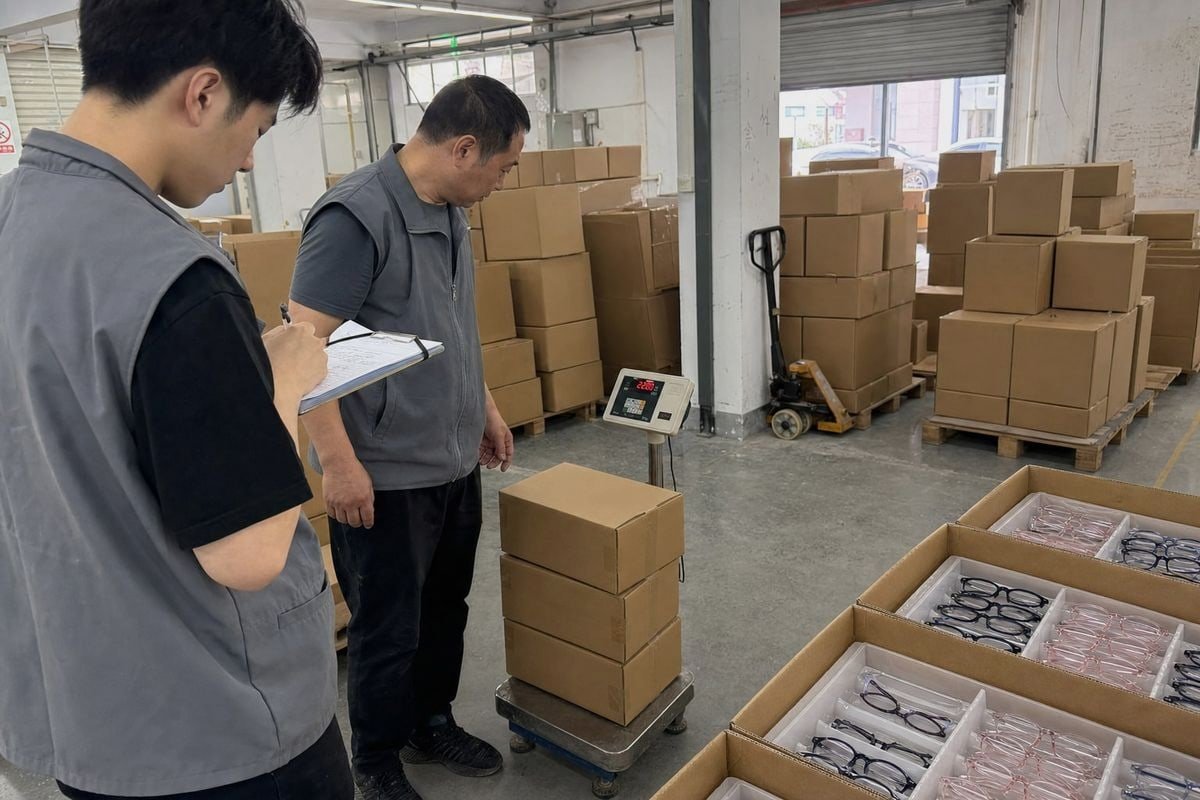
The biggest mistake I see is treating the ex-factory price as the cost. It is not. Landed cost is everything it takes to move a frame from our workshop in Taizhou to your warehouse shelf. Every line item matters, because your wholesale floor price is only as accurate as the cost underneath it.
Build the cost stack line by line
Start with a simple spreadsheet. List each cost category as a separate row. Then divide shipment-level charges into a per-unit figure.
| Cost component | Example per unit | Notas |
|---|---|---|
| Supplier (FOB) price | $3.20 | TR90 frame with TPEE temples |
| Ocean freight allocation | $0.18 | Shared by carton volume |
| Import duties 2 | $0.26 | Varies by HS code and country |
| Insurance | $0.03 | Percentage of cargo value |
| Customs clearance & brokerage | $0.12 | Fixed fees spread over units |
| Inland freight to warehouse | $0.09 | Port to fulfillment center |
| Landed cost per unit | $3.88 | 21% above invoice price |
That gap between $3.20 and $3.88 is why "cheap from the factory" does not equal "cheap to sell."
Allocate shared costs fairly
If your shipment mixes SKUs — say, our acetate-look pink frames and sporty rubber-temple styles — do not split freight costs evenly per unit. Allocate by volume or weight. Bulkier packaging eats more container space and should carry more freight. Also, get a real quote from a freight forwarder 3 rather than guessing. Forwarder quotes at the sourcing stage are far more accurate than a flat per-unit assumption, and they let you compare sea, air, and express before you commit.
What margin should I build in for kids optical frames to stay competitive yet profitable?
One trade-off we weigh constantly at our factory: buyers want a low quote, but children's eyewear that survives real use needs flexible frame materials that cost more upfront and return less often.
Target a gross profit margin of 50–70% at wholesale for kids optical frames. Apply the formula: Wholesale Floor Price = Landed Cost ÷ (1 − Target Margin). Then verify the retailer can still apply a 2x keystone markup and reach a viable retail price.

Margin for children's eyewear is not the same as margin for adult fashion frames. Kids frames face higher return risk from fit issues, prescription changes, and rough handling. Your margin has to absorb that. In our experience exporting to 20+ countries, brands that price for a 50% floor margin — and hold a durability buffer of 5–10% on top — sleep better than brands that chase the lowest shelf price.
The margin stack must leave room for the retailer
Your wholesale price is not the end of the chain. An optical shop or pediatric retailer needs its own markup multiplier, typically 2x at wholesale keystone and often 2.5x for service-heavy kids fitting. If your floor price leaves no room, retailers will not stock you, no matter how good the frame is.
| Costo de llegada | Your margin | Wholesale floor | Retailer markup | Retail price |
|---|---|---|---|---|
| $3.88 | 50% | $7.76 | 2.0x | $15.52 |
| $3.88 | 60% | $9.70 | 2.0x | $19.40 |
| $3.88 | 70% | $12.93 | 2.5x | $32.33 |
Cost-plus is your floor, not your ceiling
Here is a common objection: "Cost-plus pricing ignores what the market will pay." That is true — as a ceiling. But as a floor, cost-plus is exactly right. Use the formula to establish the lowest defensible number, then benchmark against 5–10 direct competitors. If competitors sell durable, UV400-tested kids frames at higher price points, you may have room above your floor. If the market sits below your floor, do not just cut margin. Rework packaging, adjust the sourcing mix, or negotiate volume — because pushing below the floor pushes you toward weaker frame materials, and weak materials on a child's face create returns that cost more than the discount saved.
How do I factor MOQ and customization costs into my landed cost calculations?
A procurement manager from Japan once asked me why her custom-color sample quote looked so different from her bulk quote. The answer sits in how MOQ spreads fixed costs.
Divide all one-time customization costs — custom colors, logo printing, branded packaging, lens upgrades — by your total order quantity, then add that figure to your per-unit landed cost. Smaller MOQs concentrate these fixed costs, raising the true cost of every frame.
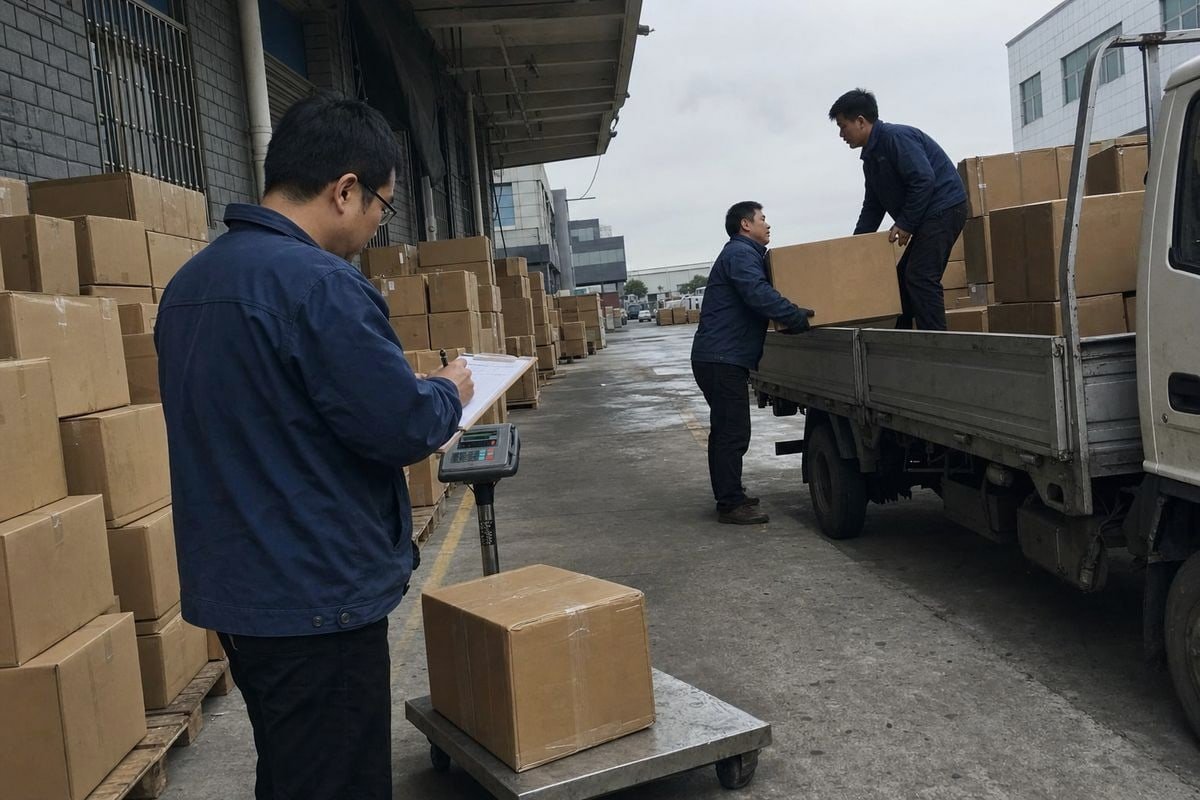
Minimum order quantity is not just a supplier rule. It is a cost lever. When we run custom Pantone colors or logo hinges for a kids brand, the setup work is roughly the same whether the order is 500 units or 5,000. Spread over 500 frames, a $600 setup adds $1.20 per unit. Spread over 5,000, it adds $0.12. Same product, ten times the cost impact.
A step-by-step allocation method
- List every one-time cost: color matching, logo tooling or printing plates, custom packaging design, compliance samples.
- List every recurring per-unit customization cost: upgraded lenses, printed cases, cleaning cloths, hang tags.
- Divide one-time costs by your order quantity.
- Add both figures to your base landed cost per unit.
- Recalculate your wholesale floor with the new number.
Why our existing-style catalog changes this math
This is where I will be direct about how we structure things at OKAY EYEWEAR. We keep around 800 existing styles precisely so new brands can skip mold investment. Choosing an existing TR90 frame with TPEE temples and customizing only color and logo means your one-time costs stay small, your MOQ stays manageable, and your landed cost stays predictable. Full custom molds make sense at volume — but for a market test, they can double the fixed-cost burden per unit. Smart supply chain management means matching your customization depth to your order size, not the other way around. Tiered pricing helps too: negotiate better per-unit costs at higher volumes, and model your floor price at each tier before committing.
Early in my export career, a shipment taught me a hard lesson: a buyer's spreadsheet covered freight and duties perfectly, yet missed pruebas de cumplimiento 4 entirely — and testing wiped out his first-order margin.
The most commonly overlooked costs are compliance testing for children's safety standards, retail-ready packaging, currency fluctuation buffers, defect and shrinkage allowances, return reserves for fit issues, warehousing fees, and payment transaction charges. Together these can add 10–20% beyond basic landed cost.
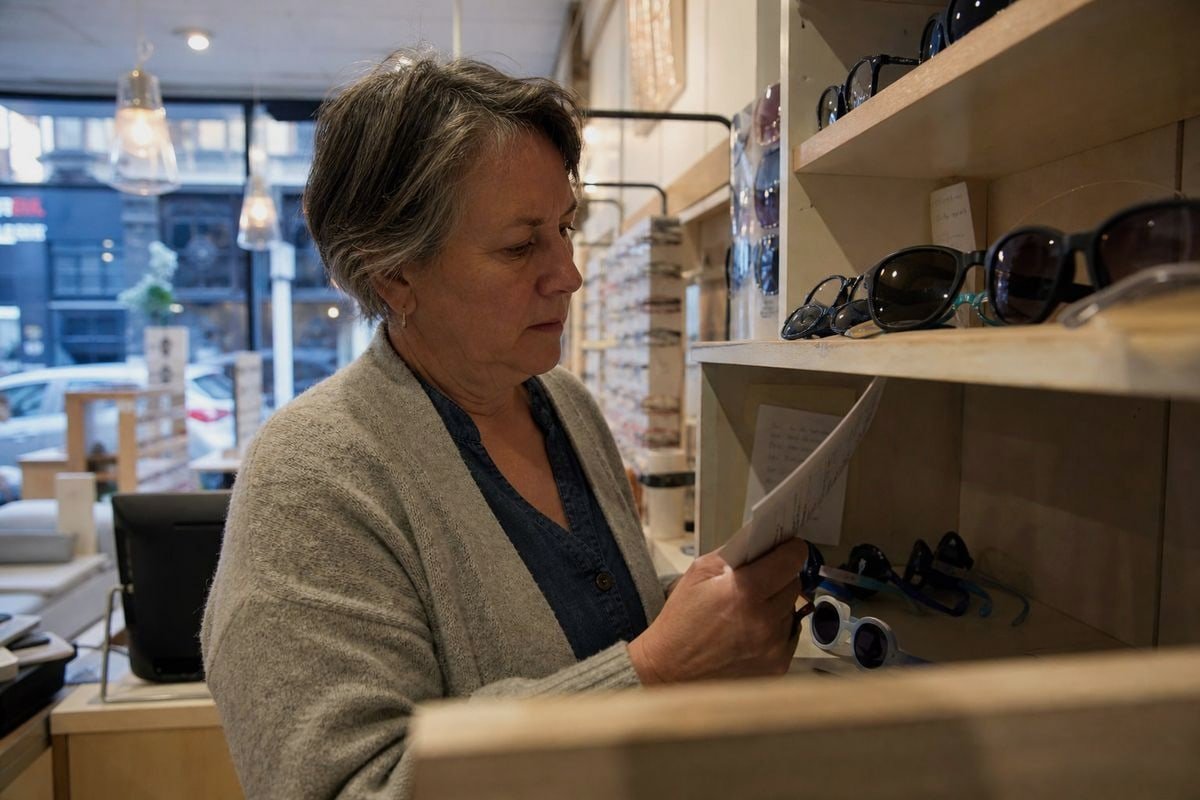
Hidden costs hurt most in children's eyewear because the category carries obligations adult frames do not. Kids products face stricter safety standards — CPSIA-type chemical requirements, mechanical durability expectations, and market-specific rules across the EU, US, Japan, and Australia. Testing is not optional, and it is not free. Neither is the packaging parents expect at retail. A frame in a poly bag and a frame in a branded, retail-ready case are two different products at two different landed costs.
The hidden-cost checklist
| Hidden cost | Impacto típico | Why it gets missed |
|---|---|---|
| Compliance & safety testing | Fixed fee per style/market | Assumed to be "included" by the factory |
| Retail-ready packaging costs | $0.30–$1.00+ per unit | Quoted separately from the frame |
| Currency buffer | 2–3% of order value | Exchange rates move between PO and payment |
| Defect/shrinkage allowance | 1–3% of units | No QC plan agreed before production |
| Return & warranty reserve | Higher for kids frames | Fit and prescription changes drive returns |
| Warehousing & handling | Varies by holding time | Slow sea freight raises inventory holding costs |
Fit-driven returns are the kids-specific trap
Children's frames live or die on bridge fit, temple flexibility, and sizing. A frame that slips on a small nose comes back. That is exactly why we build with flexible TPEE temples and TR90 fronts — bendable, lightweight materials reduce breakage returns and fit complaints. When you price, treat your return reserve as a real cost line, not an afterthought. And weigh shipping method against it: air freight costs more per unit but shortens the cash cycle and reduces the stock you hold against seasonal prescription demand. Sea freight lowers freight costs but ties up capital. Your wholesale floor should reflect whichever balance you actually run.
Conclusión
Price kids optical frames backward: fully burdened landed cost, divided by your margin complement, plus risk reserves. That floor protects your profit — and your retailers' shelf space.
Underprice, and returns and hidden fees eat you alive. Overprice without justification, and retailers walk. The defensible middle comes from math you can show. If you want help modeling landed cost against our existing styles or a custom program, our team at OKAY EYEWEAR — Alan Kong, sales@okayeyewear.com — runs these numbers with buyers every week.
Notas al pie
1. Replaced HTTP 403 link with a working, authoritative definition of landed cost. ↩︎
2. DHL explains import duties as taxes on goods crossing international borders. ↩︎
3. DHL defines a freight forwarder as an intermediary coordinating shipments. ↩︎
4. Replaced HTTP 404 link with a working, authoritative definition of compliance testing. ↩︎
Más artículos que te podrían gustar

5 de agosto de 2026
Bio-Based vs Regular Cellulose Acetate: What's the Difference for Kids' Frames?

5 de agosto de 2026
How Recyclable Are Kids' Optical Frame Materials, and What Eco-Friendly Alternatives Exist?
5 de agosto de 2026
Do Kids Optical Frames Whiten or Age in Storage, and How to Control Warehouse Conditions?
¿Buscas un socio confiable en gafas para niños?
Explore más de 800 estilos listos y soporte OEM/ODM completo adaptado a su marca.
Ponte en contacto English
  Español de México
  Deutsch
  Français
  日本語
日本語  العربية
  Português do Brasil